Michigan Mums Done Blooming? Here’s What to Do Next
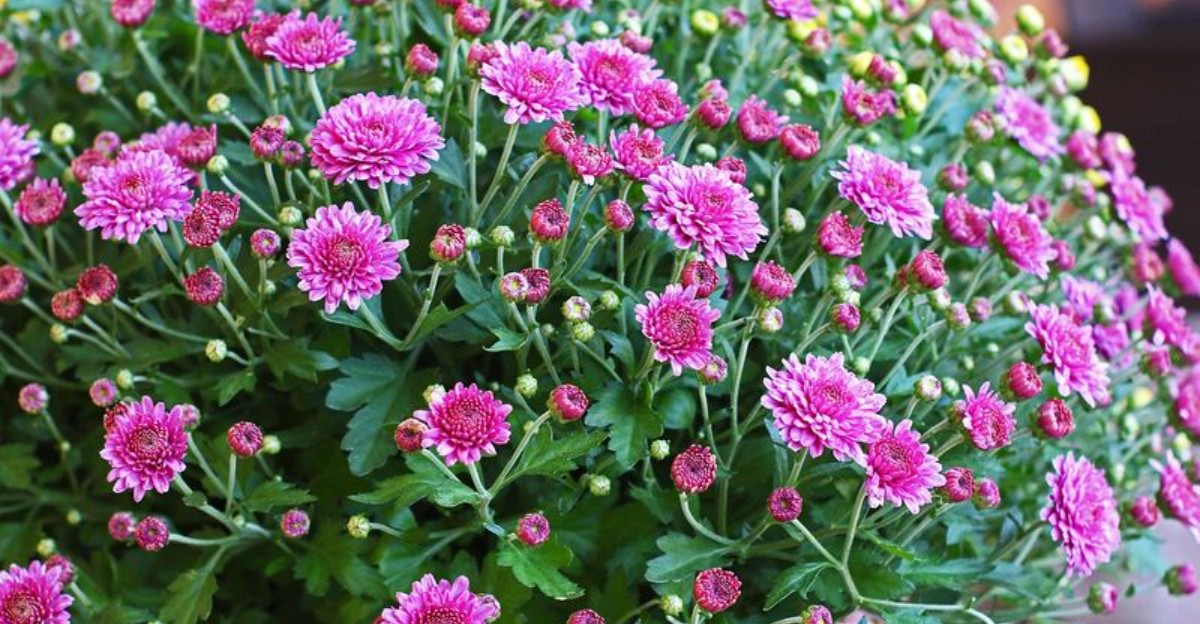
Those bright fall flowers on your porch are cousins of the daisy, and some of their relatives have been grown in China for roughly 3,000 years. They also time their flowers by counting the hours of darkness each night.
Once the petals turn brown, most people toss the whole pot onto the compost pile. I can’t help but think that plenty of those plants could have bloomed again next fall. The trick is knowing which kind you bought and what it needs before the snow flies.
In Michigan, the first hard frost usually arrives between late September up north and late October near the southern border. That frost changes the to-do list fast. I know how frustrating it can be to watch a plant fade without a clear plan.
1. That Tag on Your Chrysanthemum Pot Holds a Big Clue

Flip over the little plastic tag in your pot before you do anything else. That tiny label often decides whether your plant has a future in the yard.
Garden mums, sometimes called hardy mums, are bred to handle cold winters. Many are rated for USDA Zones 5 through 9, which covers most of Michigan’s Lower Peninsula. The Upper Peninsula sits mostly in Zone 4, so gardeners up there face a tougher climb.
Florist mums are a different story. Growers raise them in greenhouses for gifts and quick color, and they usually lack the deep roots needed to survive outdoors. Treat those like a lovely bouquet that lasted a while.
No tag? Look at the plant itself. Florist mums often have larger, showier flowers and come wrapped in foil or sold indoors near the checkout.
Here’s a helpful detail many shoppers miss. Even true garden mums bought in full bloom in September put most of their energy into flowers, not roots. Those plants can still return, but they need extra help this fall.
Knowing what you have saves you a lot of guesswork. It also tells you whether to grab a shovel or simply enjoy the last of the color and move on.
2. Get Potted Mums Into the Ground Before It Freezes

Roots locked inside a plastic pot freeze much faster than roots tucked into the earth. A hardy mum left sitting in its container on the porch often struggles to make it to spring.
Your best bet is to plant it as early in fall as you can. Michigan State University Extension and many local nurseries suggest getting mums in the ground several weeks before the soil freezes, so roots have time to settle.
Pick a sunny spot with soil that drains well. Mums hate soggy feet in winter, and standing water around the crown causes more trouble than cold alone.
Dig a hole a bit wider than the pot. Loosen any circling roots with your fingers, set the plant at the same depth it grew before, and firm the soil gently.
Water it deeply right after planting. Keep the soil lightly moist until the ground freezes, especially during dry spells.
I like to tease apart tightly packed roots a little more than feels comfortable. Those freed roots reach into new soil faster.
Missed the window and the ground is already hard? Skip ahead to the garage tips coming up later.
3. Leave Those Brown Mum Stems Standing Through Winter
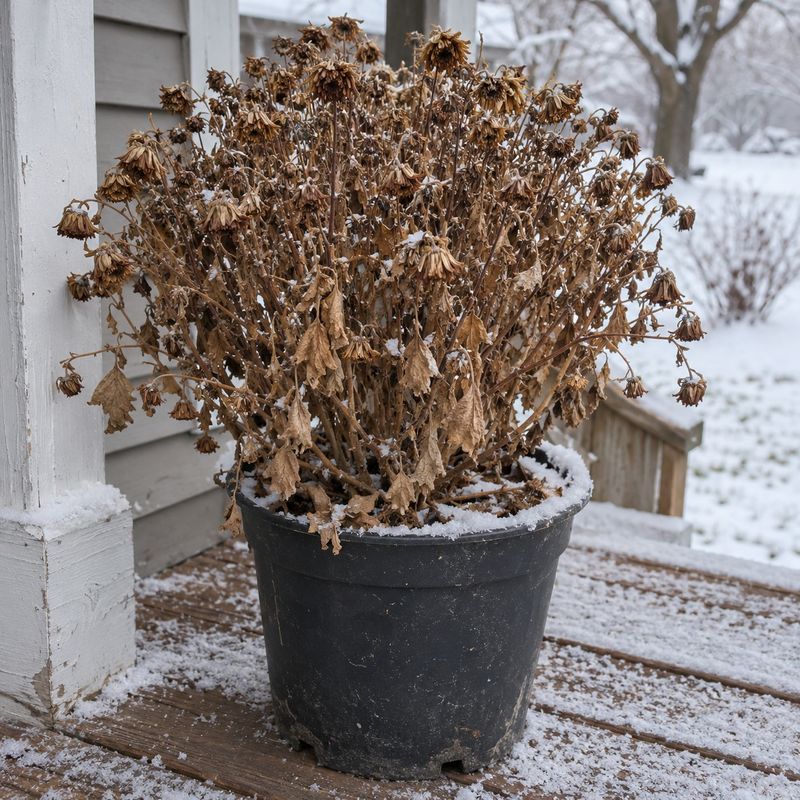
Hold off on the pruners for now. Those scraggly brown stems look messy, yet they work like a little snow fence for the plant’s crown.
Many university extension experts recommend leaving mum stems in place over winter. The old growth traps snow and leaves, and that covering insulates the crown from bitter wind.
Research from the University of Minnesota found that garden mums left unpruned over winter came back better than those cut back in fall. That surprised plenty of tidy gardeners, me included.
Stems also help you remember where the plant lives. Nothing is more annoying than stabbing a sleeping perennial with a spade in April You can snip off the faded flower heads if they bother you. Just keep most of the stem height.
If your garden had disease trouble like leaf spot this year, you may prefer removing infected foliage. In that case, cut back to a few inches and bag the debris rather than composting it.
Otherwise, let nature handle the decorating. A little winter stubble rarely bothers anyone, and your mums will thank you with fresher shoots come spring.
4. A Fluffy Straw Mulch Blanket Protects Mum Roots

Cold by itself rarely does the most harm. The bigger trouble comes when soil freezes, thaws, and freezes again.
Each swing can push shallow roots right out of the ground, a process called frost heaving. Exposed roots then dry out in winter wind.
A loose mulch layer helps keep soil temperatures steady. Spread 3 to 6 inches of straw, shredded leaves, or pine needles around and over the base once the ground has frozen.
Timing matters here. Mulching too early can keep soil warm and invite mice to set up a cozy winter home in the pile.
Avoid heavy, wet materials like whole matted leaves. They can smother the crown and hold moisture right where you don’t want it.
Lakeshore gardens near Lake Michigan often get steady snow cover, which acts as natural insulation. Inland spots with bare, windy winters benefit even more from a good mulch blanket.
Pull the mulch back gradually in spring once hard freezes are mostly behind you. In southern counties that often means April, while northern gardens may wait until May. Fresh green shoots peeking out tell you it worked.
5. Your Garage Can Be a Winter Hideout for Potted Mums

Ran out of time to plant? A cool, unheated garage can keep a potted mum alive until spring.
Aim for a spot that stays roughly between 32 and 50 degrees. A garage, shed, or cool basement corner works well, as long as the plant stays dormant instead of trying to grow.
Cut the stems back to a few inches first. Then water the pot lightly about once a month, just enough to keep the soil from going bone dry.
Skip fertilizer through winter. Feeding a sleeping plant mostly encourages weak, spindly growth.
Some gardeners bury the whole pot in the ground or pack it with leaves for extra cushion. Wrapping the container in burlap can help too.
Keep an eye out for mice, who sometimes nibble stored plants. A quick peek every few weeks helps.
When spring warms up, move the pot outside to a shady spot for a week to adjust. After that, plant it in a sunny bed.
Results vary, honestly. Florist mums often fade even with great care, while hardy types bounce back far more reliably.
6. Fresh Green Mum Shoots Signal Spring Cleanup Time
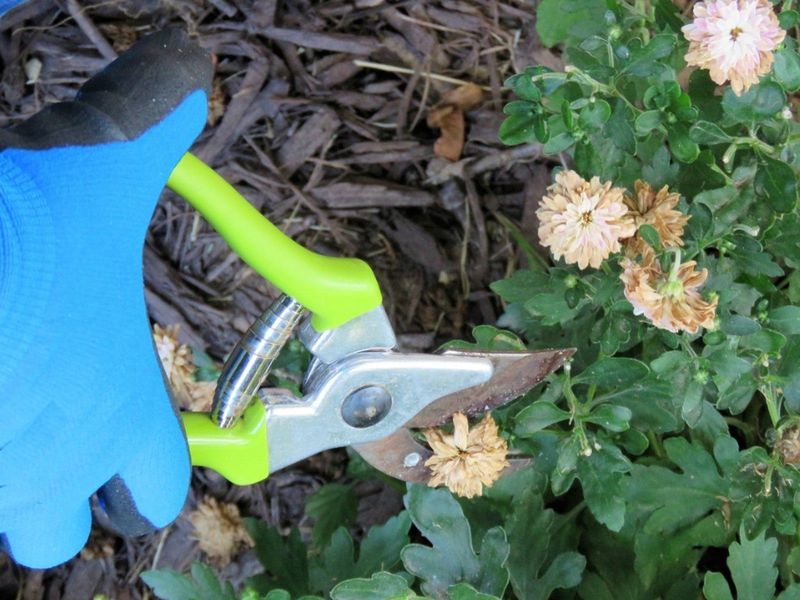
Spring brings the most satisfying moment in mum care. Tiny gray-green shoots start poking up around the old stems.
Once you see that new growth, cut last year’s stems down to the ground. In most of Michigan that happens from mid-April to May.
Gently clear away old mulch and soggy leaves so sunlight reaches the crown. Rake carefully, since new shoots snap easily.
Feed lightly as plants start growing. A balanced slow-release fertilizer or a layer of compost gives them a steady boost without pushing floppy stems.
Water during dry stretches. Mums have fairly shallow roots, so they appreciate about an inch of water a week in summer.
No shoots by late May? Give it a few more weeks before giving up, because some plants wake up slowly after a hard winter.
If the center looks bare but edges are green, that often means the clump needs dividing. More on that in the next section.
One fun fact keeps me watching closely each year. Mums sprout from underground stems, so new shoots sometimes pop up a few inches away from where the old plant sat.
7. Pinching Mum Tips Builds Bushy Plants Full of Buds
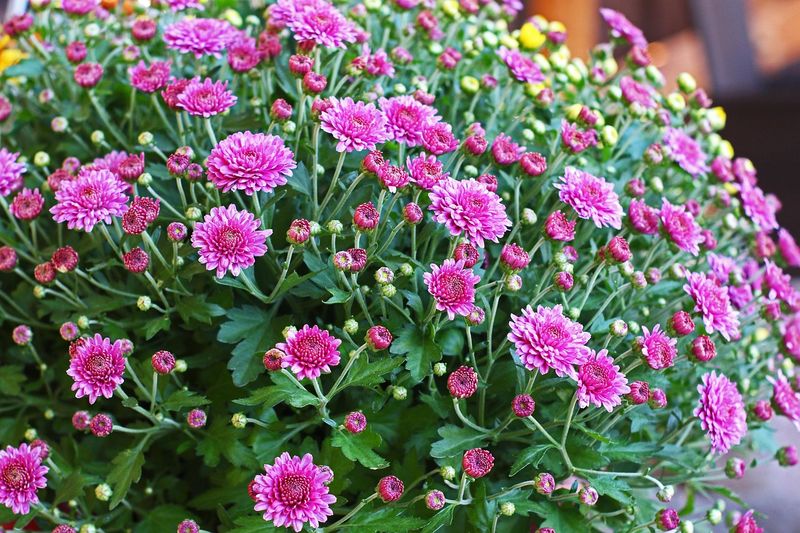
Mums left on their own often grow tall, lanky, and flop over by September. A simple pinch fixes that.
Once new shoots reach about 6 inches tall, pinch off the top inch or so with your fingers. Each pinched stem branches into two or more new stems.
Repeat every few weeks as the plant grows. More branches mean a rounder shape and many more flower buds later.
Stop pinching around early to mid July in Michigan. Mums set their buds as nights get longer, and late pinching can delay blooms until frost threatens.
Gardeners in shorter-season northern areas may want to stop even a little earlier. That gives flowers time to open before cold weather sneaks in.
Here’s a neat bit of plant science. Mums are short-day plants, which means long nights trigger blooming, and that explains why they reliably flower in fall.
Keep plants away from bright porch lights or streetlights if you can. Steady artificial light at night sometimes confuses that timing.
Pinching feels a little brutal the first time. Trust me, the dome of color you get in autumn makes it worth it.
8. Dividing Mum Clumps Every Few Years Keeps Them Blooming

A mum that blooms like crazy for a couple of years may start looking thin in the middle. That woody, bare center is a sign the clump has gotten crowded.
Dividing every two to three years refreshes the plant. Spring works best, right as new shoots appear and the weather stays cool.
Dig up the whole clump with a spade or garden fork. Pull or cut away healthy outer sections that each have roots and a few shoots.
Toss the old woody center. It rarely blooms well again, while the younger outer pieces grow with fresh energy.
Replant divisions 18 to 24 inches apart in sunny, well-drained soil. Water them well and keep the soil evenly moist for a few weeks.
You’ll likely end up with more plants than you planned. Share extras with neighbors, a school garden, or a local plant swap.
I love how one faded porch pot can turn into a whole row of fall color over a few seasons. With a smart winter plan, a little pinching, and occasional dividing, those mums can keep coming back for years.