The Native Michigan Sedge That Can Replace Patchy Grass In Shady Yard Spots
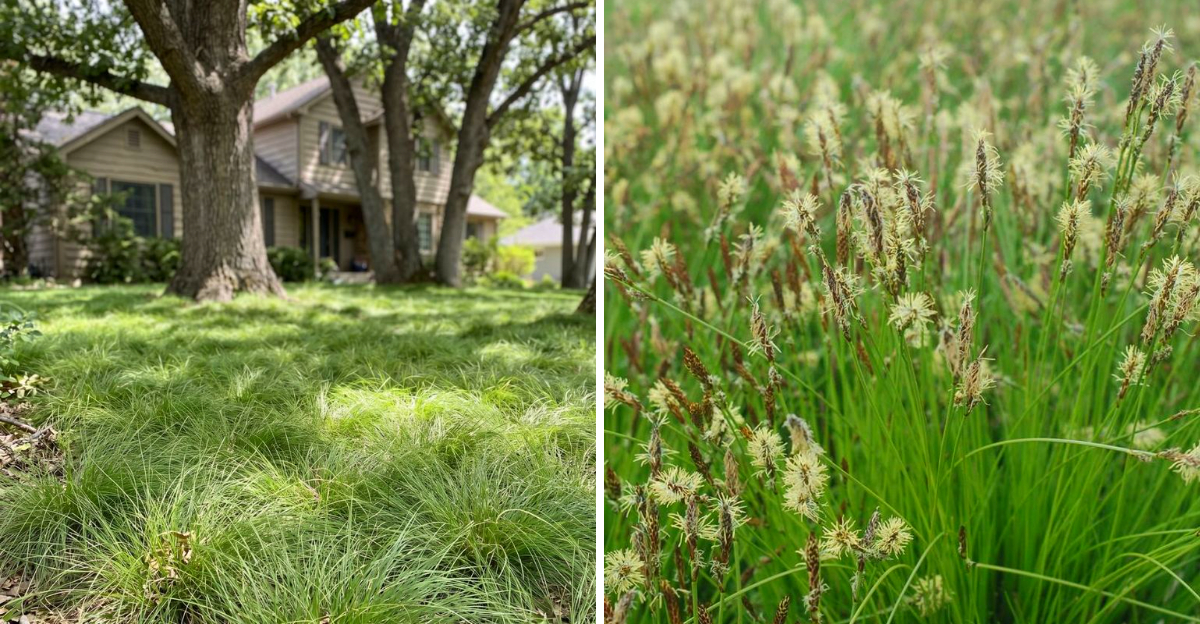
Patchy turf under a Michigan shade tree is not a lawn care failure. It is a plant selection problem, and Pennsylvania Sedge is the fix.
This native Carex grows naturally in Michigan’s oak and maple woodlands, which makes it exceptionally well-suited to exactly the dry, shaded, root-filled conditions that send traditional lawn grasses into decline.
It stays low, spreads gradually on its own, and creates a soft, grass-like look that fills bare patches without constant reseeding, fertilizing, or watering.
Shady side yards, under-tree plantings, and low-traffic areas where conventional turf keeps underperforming are exactly where Pennsylvania Sedge tends to shine.
For Michigan homeowners tired of fighting a losing battle under the canopy, this native plant offers a genuinely better long-term solution.
1. Pennsylvania Sedge Handles Shady Yard Spots
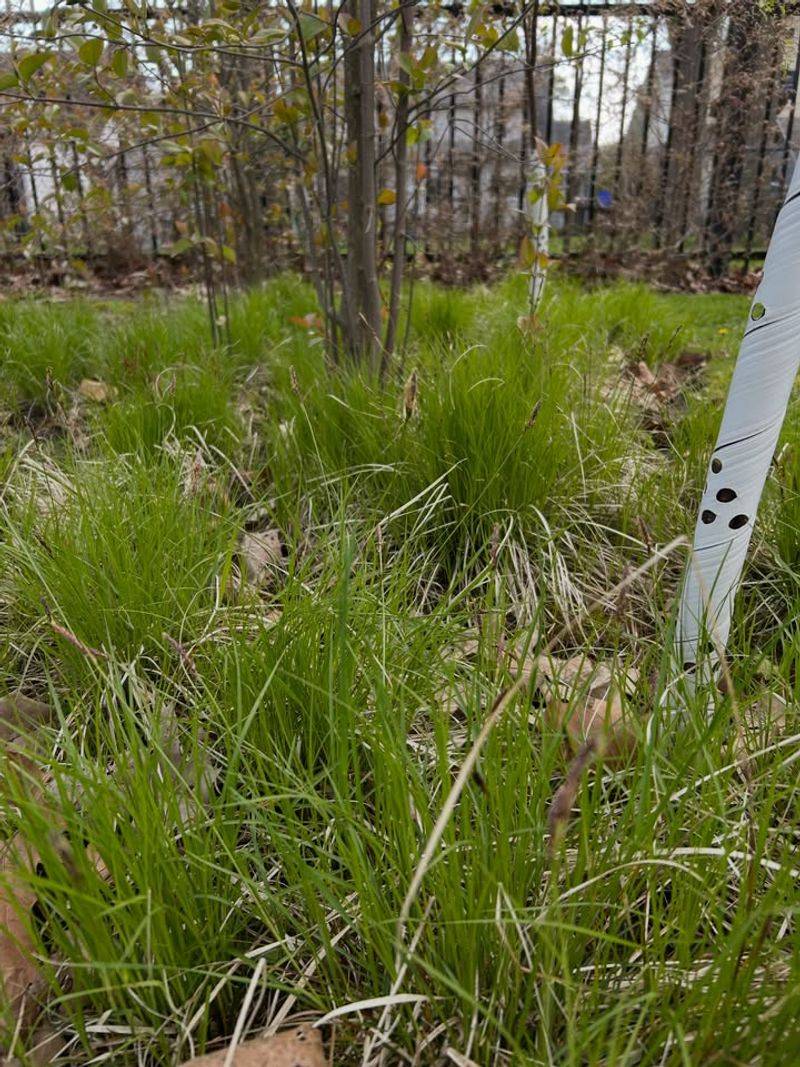
Thin, struggling grass under a big oak or maple tree is a sight many Michigan homeowners know well. No matter how much seed gets scattered or how carefully the lawn gets watered, the turf just never fills in the way it does out in the open sun.
Pennsylvania Sedge, known botanically as Carex pensylvanica, is a native sedge that actually belongs in those shaded spots.
Unlike traditional turfgrasses that need several hours of direct sunlight to stay dense and green, Pennsylvania Sedge is naturally adapted to the low-light conditions found under Michigan’s mature deciduous trees.
It grows in woodlands, shady slopes, and oak savannas across the state, which means it is already suited to the kind of environment that defeats most lawn grasses.
In a typical Michigan yard, that might look like a shaded side yard, a narrow strip between the house and a fence, or the ground beneath a canopy of established trees.
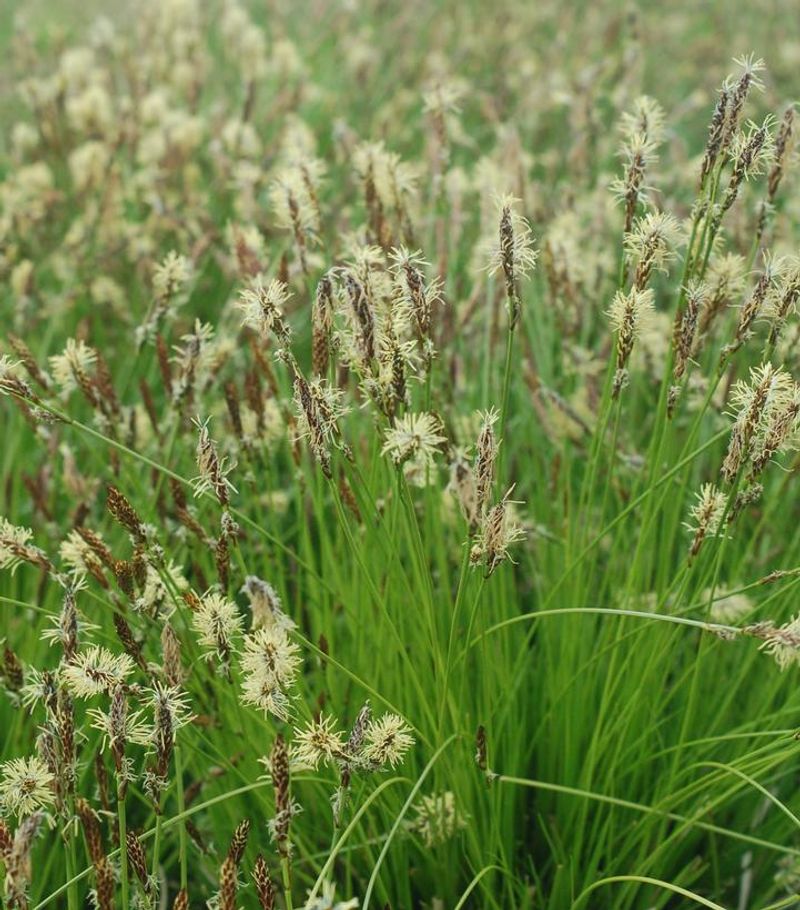
Pennsylvania Sedge can fill those areas with fine, arching, green blades that give a naturalistic, soft appearance.
It will not look exactly like a manicured bluegrass lawn, but for a low-traffic shady spot, it can provide a much more stable and attractive ground cover than patchy, struggling turf.
The key is matching it to the right conditions rather than expecting it to perform everywhere.
2. Grass-Like Leaves Give It A Lawn Feel
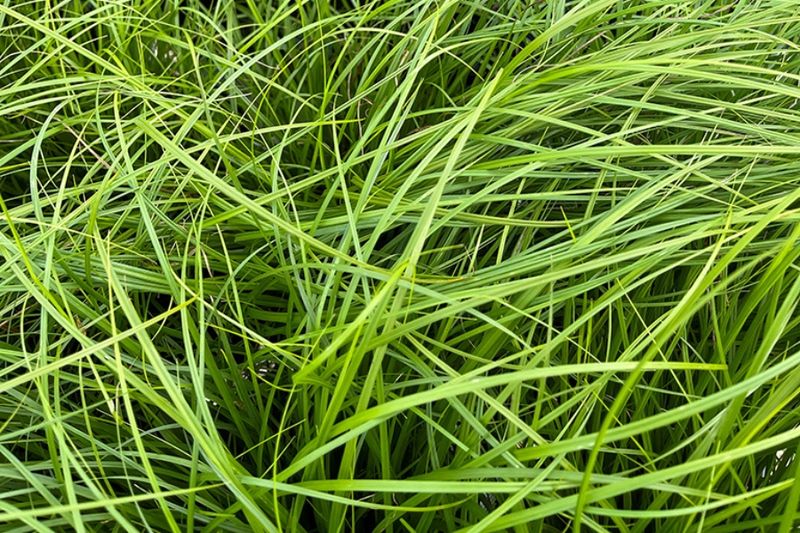
One of the reasons Pennsylvania Sedge gets attention as a lawn alternative is the way its foliage actually looks. The leaves are narrow, soft, and arching, which gives it a texture that reads as grass-like from a normal viewing distance.
For Michigan homeowners who want a shaded area to blend in with the rest of the yard rather than stand out as a mulched bed or a wild patch, that visual quality matters quite a bit.
The blades tend to be finer than many ornamental sedges and stay relatively low without regular mowing. In the right shaded conditions, a colony of Pennsylvania Sedge can develop a gentle, flowing look that feels natural and tidy at the same time.
It does not produce the rigid, clumping look of some ornamental grasses, which makes it easier to integrate into a residential landscape setting.
That said, it will not replicate the dense, even carpet of a well-maintained Kentucky bluegrass lawn.
Your Michigan Garden Changes Every Week. Your Plan Should Too.
Gardening in Michigan changes quickly throughout the season. Every Friday you’ll receive a simple weekly plan showing exactly what to plant, prune, fertilize, harvest, and protect so you never miss the right timing.
The texture is softer and slightly more informal, which works well in woodland-style plantings, naturalized edges, or shady beds where a relaxed, organic appearance fits the overall design.
Michigan yards with mature trees often have a more natural character anyway, so Pennsylvania Sedge can complement that existing aesthetic rather than fight against it.
Homeowners who appreciate a low-maintenance, native look tend to find the foliage appealing once they see it established.
3. Dry Shade Makes This Sedge Useful
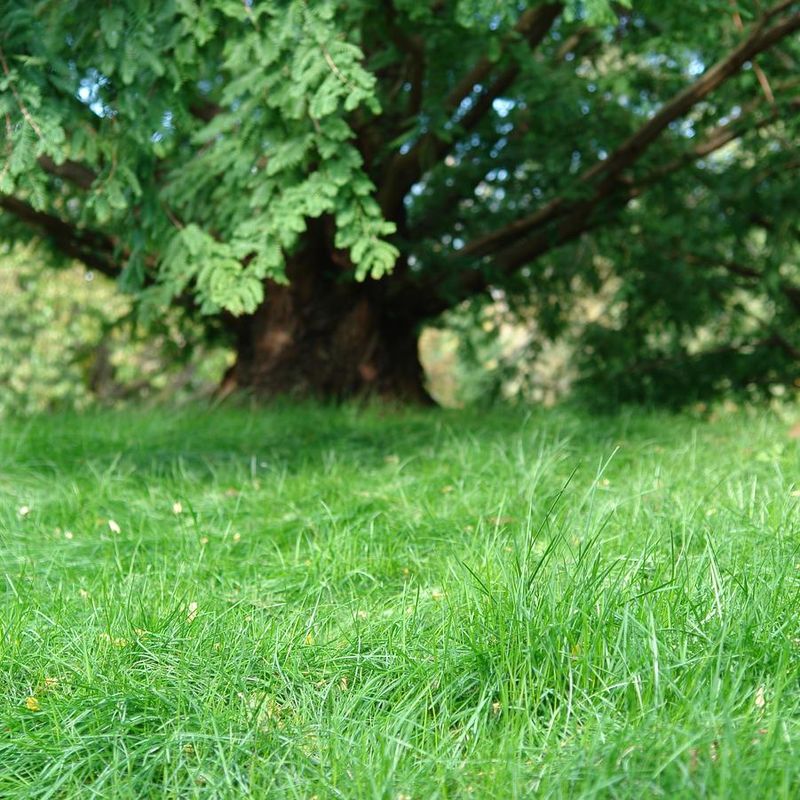
Dry shade is one of the toughest growing conditions a Michigan yard can throw at a plant. It combines low light with soil that dries out quickly because tree roots are pulling moisture away from the surface.
Most lawn grasses simply cannot handle both stresses at the same time, which is why those under-tree areas end up bare or patchy no matter what a homeowner tries.
Pennsylvania Sedge has a notable tolerance for dry shade that sets it apart from many other ground cover options.
It grows naturally in well-drained, often sandy soils beneath oak canopies in Michigan, which means it has developed the ability to persist through dry summer stretches without the consistent moisture that turf grasses need.
That natural adaptation is a practical advantage in Michigan yards where mature trees create both shade and root competition.
Soil conditions do vary across Michigan, and Pennsylvania Sedge tends to perform better in loamy or sandy soils than in heavy clay. In clay-heavy yards, drainage can be a limiting factor, and results may be less consistent.
In areas with decent drainage and moderate to deep shade, though, it can establish and spread in spots where other plants repeatedly struggle.
Homeowners dealing with a dry, shaded strip along a fence line or a bare ring around the base of a large tree may find it a more realistic option than continuing to reseed conventional grass year after year.
4. Low Growth Keeps It Looking Tidy
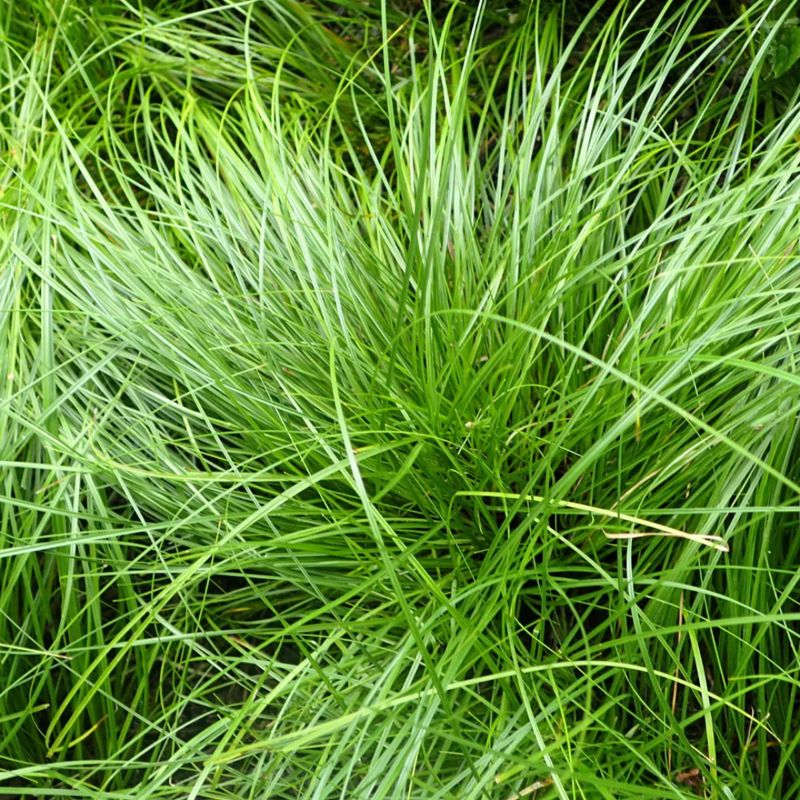
Mowing a shaded area under trees is often frustrating even when grass does manage to grow there. Roots near the surface make it rough, low branches get in the way, and the turf is usually thin enough that heavy mower passes can tear it up.
Pennsylvania Sedge sidesteps that problem because it naturally stays low without needing regular mowing.
Mature Pennsylvania Sedge typically reaches somewhere around six to twelve inches in height when left unmowed, forming a soft, arching mat of fine foliage.
Many homeowners choose to let it grow naturally without cutting it at all, which is one of the real appeals of using it in a shaded spot.
Others give it an occasional light trim in early spring before new growth emerges to keep it looking fresh through the growing season.
For Michigan yards where a shaded area has always been difficult to maintain, that low-care quality can be a genuine relief.
No scrambling to maneuver a mower under low branches, no fighting with a trimmer along root-covered ground, and no reseeding bare spots every fall.
The sedge simply grows at its own measured pace, filling in gradually and staying at a height that reads as tidy without demanding constant attention.
It suits a lifestyle where the goal is a yard that looks cared for without requiring weekly intervention in every corner.
That kind of low-maintenance reliability is worth a lot in a busy Michigan household.
5. Spreading Colonies Help Fill Bare Patches
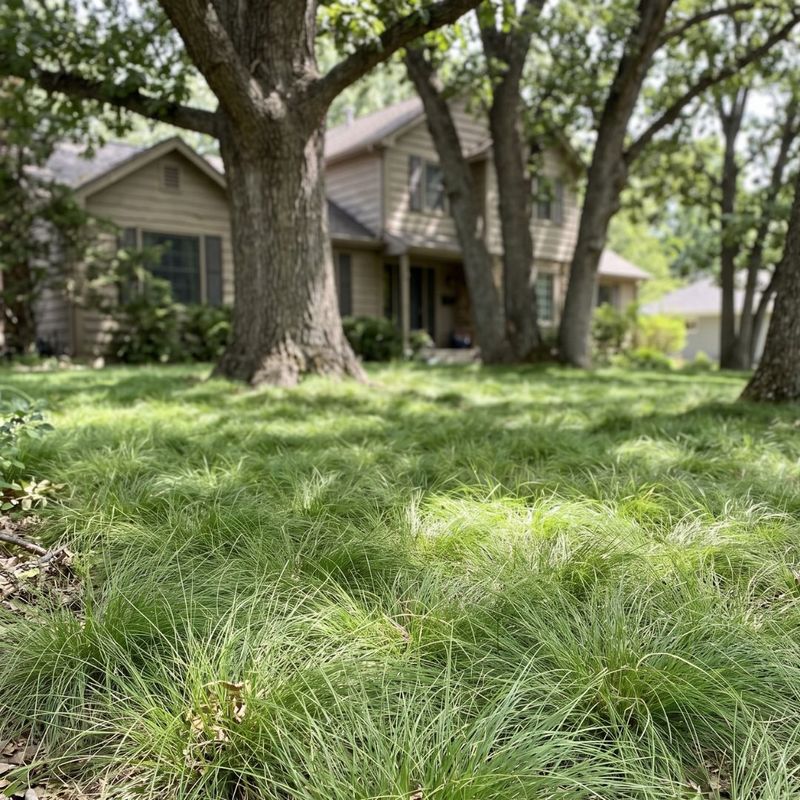
Bare patches under trees are one of the most persistent problems in Michigan residential yards.
Grass seed gets scattered, maybe even germinates, but the combination of root competition, shade, and dry soil wears it down before it can establish a lasting stand.
Pennsylvania Sedge takes a different approach entirely because it spreads through underground rhizomes, slowly expanding outward from wherever it gets established.
That spreading habit means a small initial planting can gradually colonize a larger area over several seasons. It is not a fast process, and homeowners should go in with realistic expectations.
Pennsylvania Sedge fills in at a measured pace, not an aggressive one, but over two to three growing seasons a small planting can knit together into a reasonably solid mat of coverage.
Starting with multiple plugs or small divisions spaced roughly six to twelve inches apart gives the colony a better chance to fill in without leaving large gaps for weeds to occupy during the establishment period.
In a Michigan yard where the goal is to eventually cover a bare ring beneath a mature oak or a thin strip along a shaded fence line, that patient, spreading habit is actually an asset.
Unlike seeding grass year after year with inconsistent results, planting Pennsylvania Sedge is more of a one-time investment that rewards a little patience.
Once a colony gets going in the right spot, it tends to hold its ground and continue spreading steadily season after season.
6. Tree Roots Are Less Of A Problem
Surface tree roots are a notorious obstacle in Michigan yards, especially under mature oaks, maples, and beeches that have been growing for decades.
Those roots spread wide and shallow, making it nearly impossible to till soil, plant transplants easily, or maintain a healthy stand of turf.
Most lawn grasses simply cannot compete with established tree root systems for water and nutrients.
Pennsylvania Sedge has a shallow, fibrous root system of its own that allows it to establish between surface roots rather than requiring deep, cultivated soil. It does not need the kind of root-free, well-prepared seedbed that conventional grass demands.
Plugs can be tucked into gaps between tree roots, and as long as there is reasonable moisture during establishment, they can take hold and begin spreading.
Soil preparation still helps when it is possible. Loosening the top few inches of soil and adding a light layer of compost before planting can give plugs a better start, especially in areas where the soil is compacted or particularly dry.
But the key advantage is that Pennsylvania Sedge does not require the kind of intensive soil work that other planting options might demand in a root-heavy area.
For Michigan homeowners who have looked at a gnarly tangle of surface roots under an old tree and wondered what could possibly grow there, Pennsylvania Sedge is one of the more practical native options worth exploring.
It will not thrive in every situation, but it handles root competition better than most turf alternatives.
7. Low-Traffic Areas Are The Best Fit
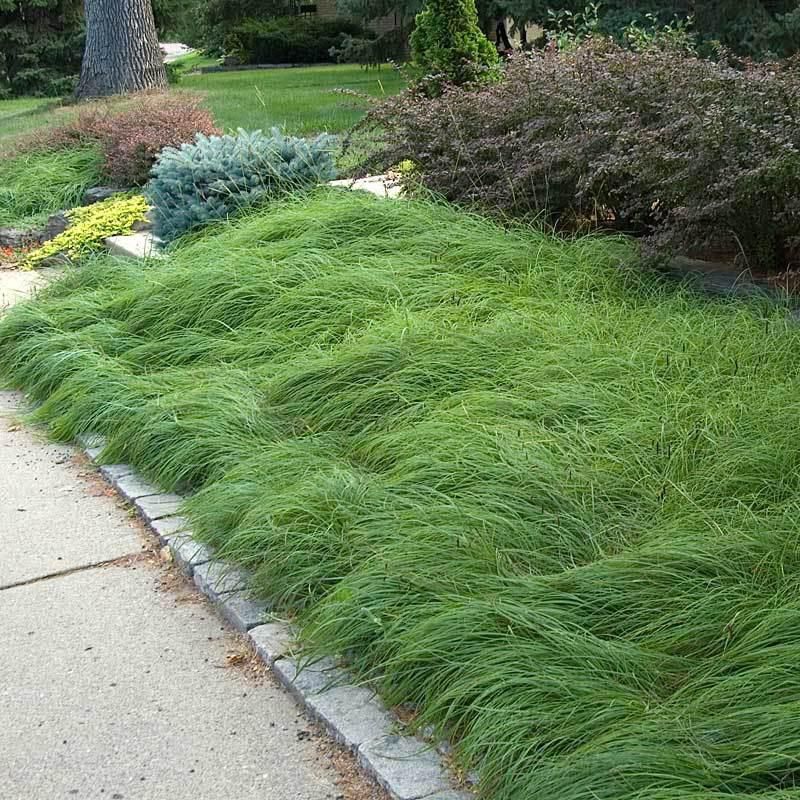
Foot traffic is one area where Pennsylvania Sedge has real limits, and being honest about that upfront saves a lot of disappointment. It is not built for the kind of wear that a backyard play area, a well-traveled garden path, or a high-use lawn gets on a regular basis.
Repeated foot traffic can thin it out and damage the foliage, so it works best where people rarely walk.
Shaded side yards, the ground beneath ornamental trees, naturalized woodland edges, and narrow strips between structures are the kinds of low-traffic spots where Pennsylvania Sedge can genuinely thrive.
In those areas, the absence of foot traffic is often a given anyway, which makes the sedge a natural fit rather than a compromise.
Michigan yards with mature trees tend to have several of these underused, shaded corners that never quite work as lawn.
Homeowners who want a lawn alternative for a backyard where kids play or dogs run regularly should look elsewhere, because Pennsylvania Sedge will not hold up to that kind of use.
But for the shaded spots that are more about appearance than function, it can provide a stable, low-maintenance ground cover that looks far better than bare soil or struggling turf.
Thinking of it as a native ground cover for quiet, shaded spaces rather than a tough lawn replacement is the mindset that leads to the most satisfying results in a Michigan residential landscape.
8. Spring Planting Helps It Settle In
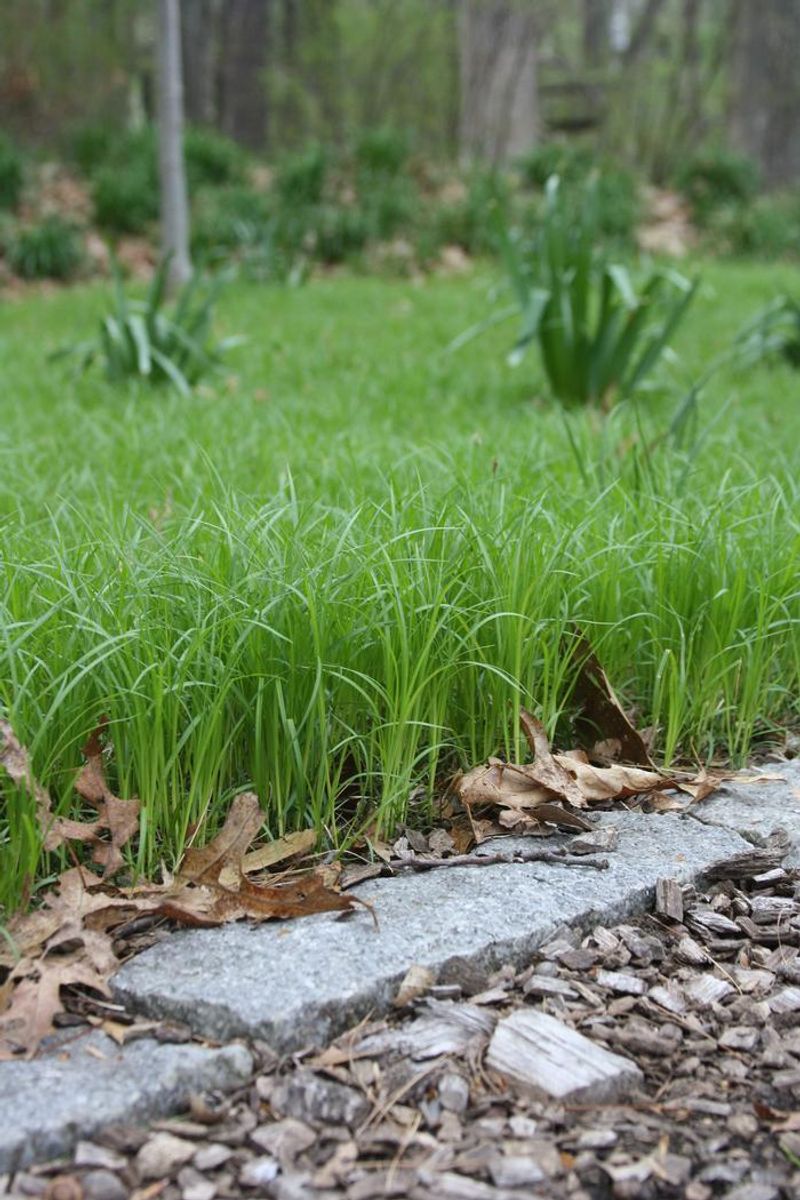
Timing a planting well can make a real difference in how Pennsylvania Sedge establishes, and spring tends to be the most reliable season for getting it started in Michigan.
Planting in early to mid-spring, after the soil has warmed slightly but while moisture levels are still relatively high, gives new plugs the best chance to develop roots before summer heat and dry spells arrive.
Fall planting is also possible and can work reasonably well in Michigan, giving the sedge time to establish roots before winter without the stress of summer drought.
Summer planting is the most challenging because new plants need consistent watering to survive the heat, which adds extra work and increases the risk of losing plugs in a dry stretch.
Regardless of planting time, keeping new Pennsylvania Sedge watered during its first growing season is important.
Once established, it becomes considerably more tolerant of dry conditions, but young plugs need reliable moisture while their root systems are getting organized.
Spacing plugs about six to twelve inches apart and mulching lightly between them can help retain soil moisture and reduce weed competition during that critical first year.
Michigan gardeners who put in the effort to establish Pennsylvania Sedge properly in spring often find that by the following season, the colony is already spreading and looking noticeably more settled.
That first-year patience tends to pay off in a planting that requires very little intervention going forward.