This Mouse-Sized New York Animal Has a Venomous Bite, and It’s Probably in Your Yard
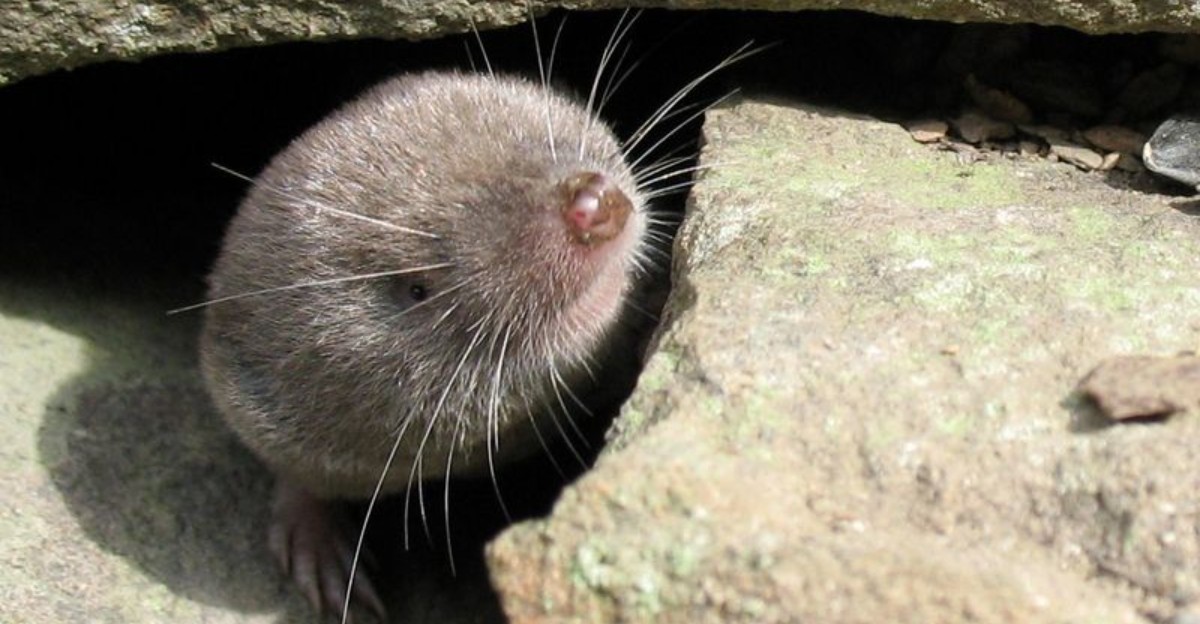
A furry little hunter in your garden carries venom in its spit. Not a snake, not a spider, but a warm-blooded mammal smaller than a mouse.
Truth be told, I laughed when I first read that. Then I learned the venom can paralyze earthworms and snails, and the hunter tucks them away alive in an underground pantry for later meals.
Here in New York, this tiny creature lives in woods, fields, hedgerows, and ordinary backyards. It mostly travels under leaves and mulch, so plenty of gardeners walk past it for years without a clue. I only noticed one after my cat proudly dropped it on the porch.
So what exactly is rustling around under your hostas? And should you worry about it, or quietly thank it for working the night shift on your slug problem?
That Gray Velvet Critter Under Your Mulch Is No Mouse
Funny thing is, most people who spot this animal call it a mouse. Look closer, though, and the clues pile up fast.
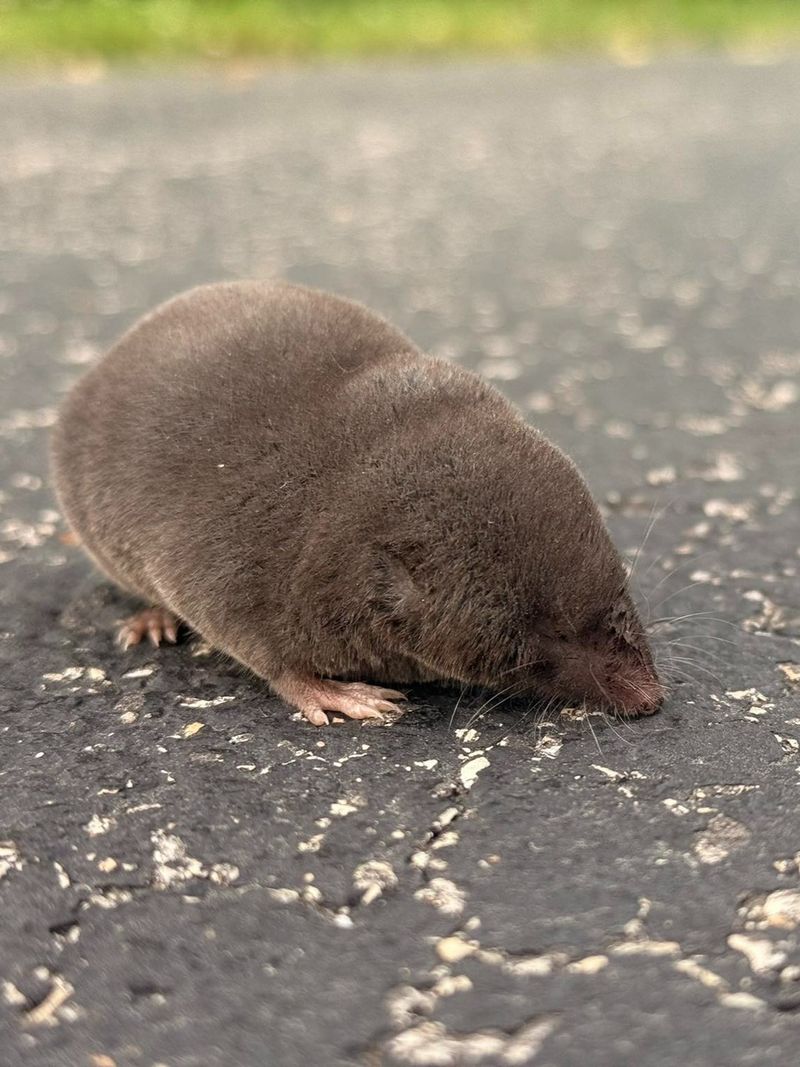
The Northern Short-tailed Shrew has thick, slate-gray fur that feels like velvet. Its snout is long and pointed, its eyes are tiny beads, and its ears hide almost completely in its fur.
The tail is short, usually about an inch, which sets it apart from long-tailed mice.
Adults run about 3 to 5 inches long, tail included. They weigh roughly as much as a few nickels stacked together.
That makes them one of the larger shrews in the Northeast, though still small enough to vanish under a single maple leaf.
Shrews are not rodents at all. They belong to a group of insect eaters that also includes moles.
Their teeth even look different, with dark reddish-brown tips caused by iron in the enamel.
This species ranges across most of New York, from Long Island suburbs to Adirondack forests. It likes moist, cool ground with plenty of cover.
Leaf piles, mulched beds, stone walls, and shady borders all fit the bill.
So if a quick gray blur zips across your garden path and disappears into the mulch, it may not be a mouse. You might have met one of the few venomous mammals on Earth.
Shrew Saliva Packs a Real Venom Punch
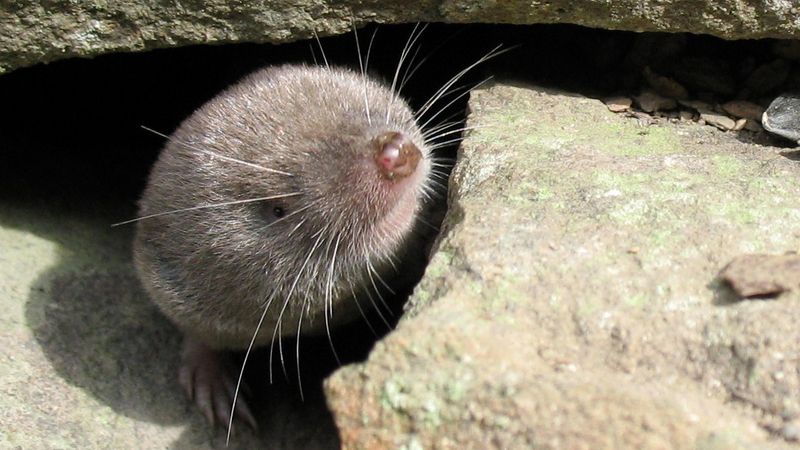
Venom in a mammal sounds like a mix-up, but scientists confirmed it decades ago. The Northern Short-tailed Shrew makes toxic saliva in glands under its jaw.
When it bites, that saliva flows along grooves near its lower front teeth and into the wound. The main toxin, often called blarina toxin, affects the nervous system of small prey.
It works a bit like a slow sedative for worms and insects.
Researchers have found that the venom can paralyze prey without finishing it off. That gives the shrew a clever advantage.
It can store stunned beetles, snails, and earthworms in its burrow, keeping fresh food on hand for days.
Only a handful of mammals carry venom. The list includes a few other shrews, the solenodons of the Caribbean, slow lorises, and the male platypus with its ankle spurs.
Having one of these rare creatures living in a New York flower bed is pretty remarkable.
Here’s what caught my attention most. Medical researchers have studied a compound from this shrew’s saliva, named soricidin, for possible use in cancer research.
A backyard critter might help science someday.
For gardeners, the main point is simple. The venom is built for tiny prey, not people, which brings us to the next question many readers ask.
A Shrew Bite Hurts but Rarely Causes Serious Trouble
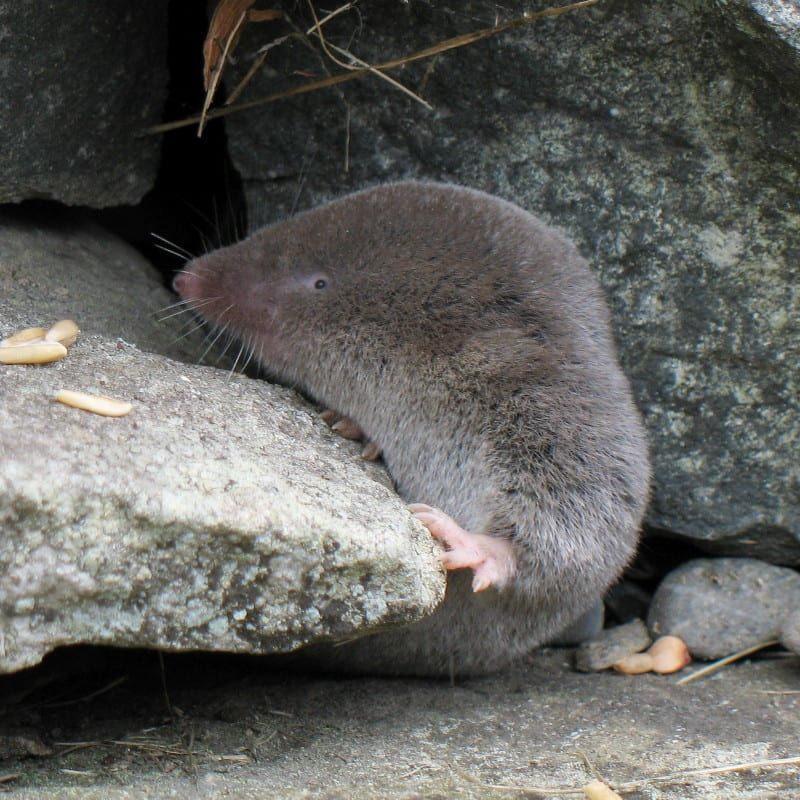
Let me save you some worry right away. A bite from this shrew is painful, but it is not considered dangerous to healthy people.
People who have been bitten often describe a burning sensation and swelling around the spot. Some report soreness that lasts several days.
The discomfort can feel out of proportion to such a tiny animal, which surprises nearly everyone.
Bites mostly happen when someone grabs or traps a shrew. These animals are not aggressive toward humans and would much rather run.
Leave it alone, and it will leave you alone.
If a bite does happen, wash it well with soap and warm water. Keep an eye on it for redness, heat, or pus, which can signal infection.
Call a doctor if swelling spreads or you feel unwell.
Any wild mammal bite in New York deserves a quick call to your doctor or county health department about rabies. Shrews are rarely reported with rabies, but health officials prefer you ask rather than guess.
For pets, the story is similar. Dogs and cats may get a sore lip or mouth after tangling with one.
Most cats drop shrews without eating them because of their strong musky odor. Watch for swelling and check with your vet if your pet seems off.
Slugs and Grubs Are This Little Predator’s Favorite Snacks
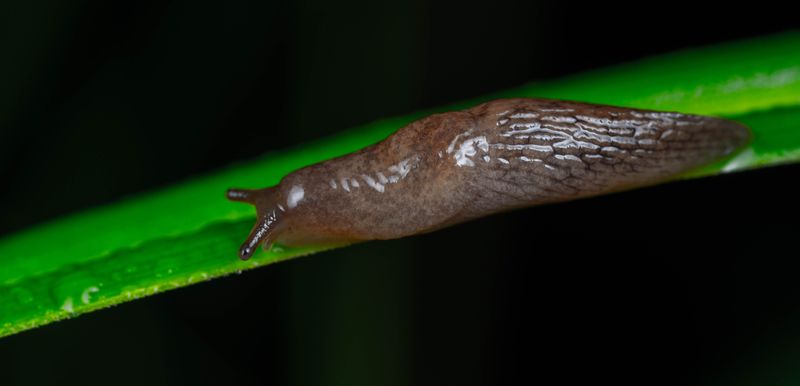
Imagine needing to eat roughly your own body weight every single day. That’s daily life for a shrew, thanks to a racing metabolism that barely lets it rest.
Because of that appetite, the Northern Short-tailed Shrew hunts around the clock in short bursts. It eats beetles, beetle grubs, caterpillars, crickets, snails, slugs, millipedes, and plenty of earthworms.
It will also take an occasional small mouse, vole, or salamander.
Gardeners, take note. Slugs that chew holes in your hostas and lettuce are on the menu.
So are many soil grubs that nibble roots under the lawn. A busy shrew can quietly reduce some of those problem populations.
Some research also points to shrews eating insect pupae in forest soils, including those of certain moths. That makes them useful helpers beyond the vegetable patch.
I’m still learning that the critters I can’t see often do the most work. Shrews rarely touch your plants, since they’re meat eaters at heart.
If something is gnawing on bulbs or bark, a vole or mouse is the more likely culprit.
So before you reach for a trap, ask whether your shrew might be the reason you’ve had fewer slug problems lately. Sometimes the best pest control is already living in your mulch.
Tiny Tunnels in the Leaf Litter Give Shrews Away
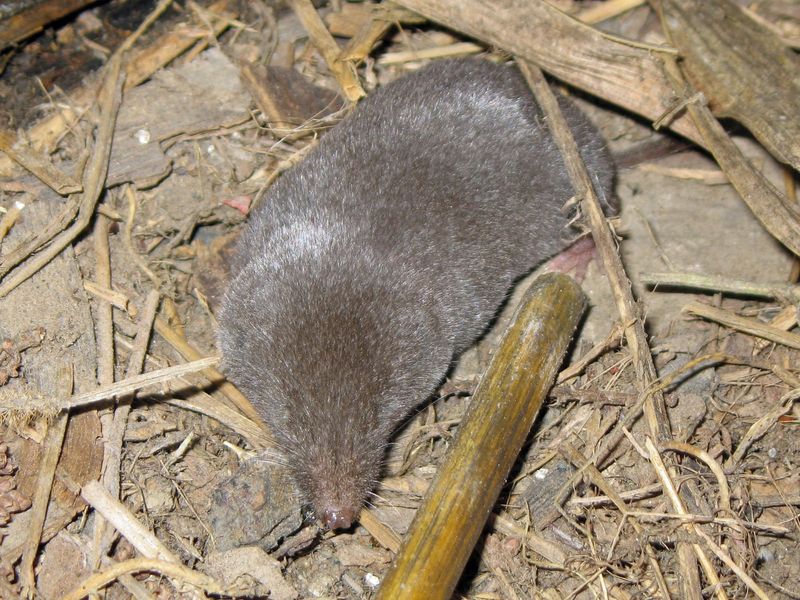
You may never see a shrew, yet the signs are often right under your feet. Shrews leave a trail if you know where to look.
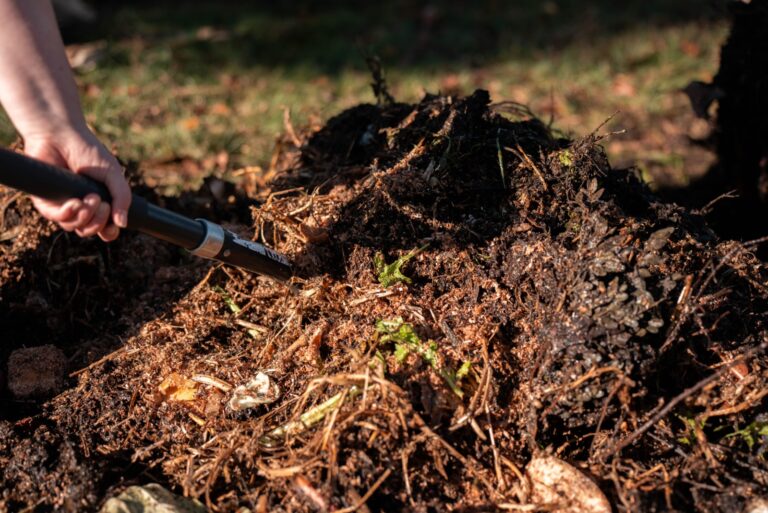
Check under thick leaf litter, mulch, boards, or flat stones. You might find narrow runways about an inch or so wide, winding just under the surface.
Small round holes near fences, walls, and foundations can mark tunnel entrances.
Shrews often use runways made by moles and voles too. That makes it tricky to tell who did the digging.
A raised ridge across the lawn usually points to a mole, while chewed plant roots and bark lean toward voles.
Another clue is smell. Shrews have musk glands on their sides, and a faint, sharp odor near a burrow can hint at a resident.
You may also hear high-pitched squeaks or twittering from under leaves on quiet evenings.
Scientists believe these shrews use simple echolocation, sending out ultrasonic clicks to explore dark tunnels. Most of those sounds are beyond human hearing, though.
Here’s a fun spring or fall project for families. Lift a garden board after a damp night and peek underneath with a flashlight.
Just look, don’t touch, and gently set the board back in place when you’re done.
Cold New York Winters Keep Shrews Busy Under the Snow
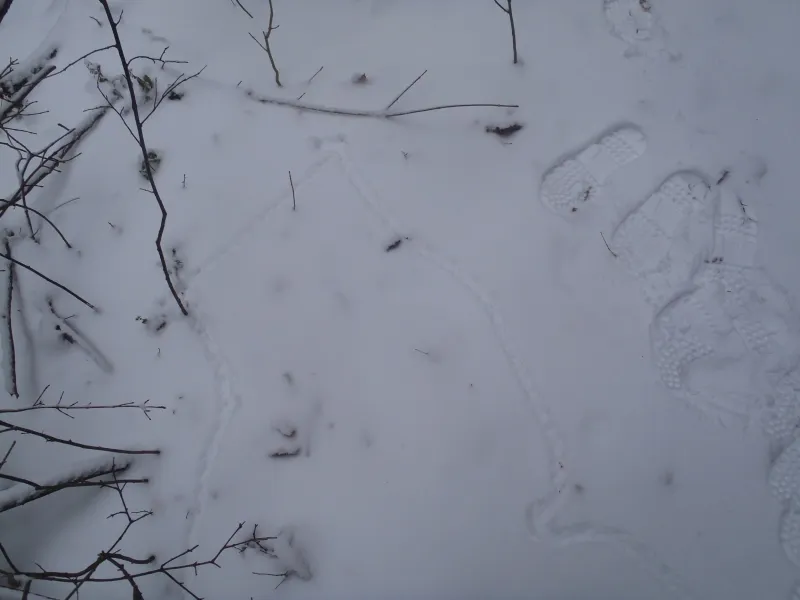
Many animals nap through winter, but shrews do not hibernate. They keep hunting all season long, right through the cold months.
Snow actually helps them. A thick blanket of snow creates an insulated space at ground level where temperatures stay steadier.
Shrews tunnel through this hidden layer, chasing insects, worms, and the food they stashed in fall.
Their venom-stocked pantries matter most now. Paralyzed prey tucked away earlier can carry a shrew through lean stretches.
Studies have even found that some shrews shrink slightly in winter, including parts of their skull, to save energy.
Cold weather also nudges them toward buildings. Gaps around foundations, garages, and sheds can look like warm shortcuts.
Now and then a shrew ends up in a basement, often by accident.
Don’t make my mistake of panicking when one turns up indoors. Open an outside door, close off other rooms, and give it a clear path out.
A small box and a piece of cardboard can also guide it outside, but wear sturdy gloves.
Across the state, from snowy Tug Hill to milder Long Island, winter conditions vary a lot. Gardeners in deep-snow regions may see more shrew tracks and tiny tunnels once the snow melts in spring.
Keep Shrews Outside While Letting Them Guard Your Garden Beds
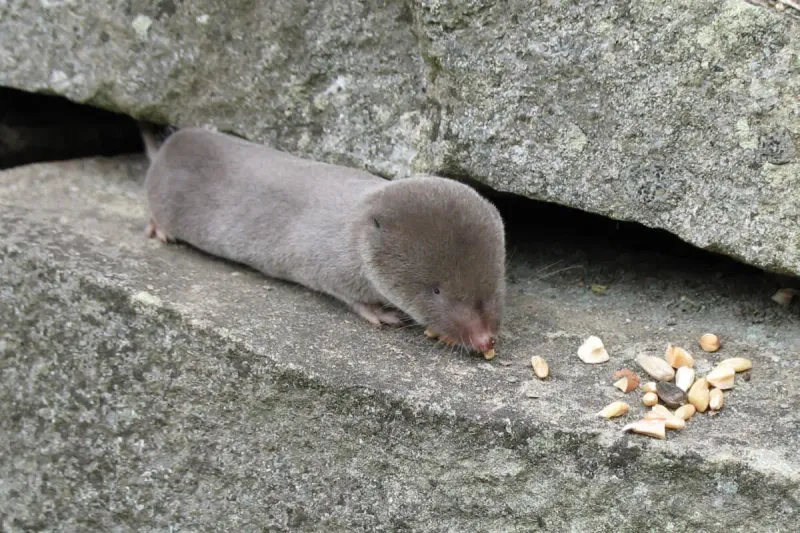
If you ask me, the smartest approach is a friendly truce. Let shrews patrol the garden, and keep them out of the house.
Start at the foundation. Seal gaps bigger than about a quarter inch with caulk, hardware cloth, or steel wool.
Check around pipes, vents, dryer lines, and garage doors, especially before cold weather arrives.
Next, create a small buffer zone. Keep thick mulch, leaf piles, and firewood a foot or two away from your walls.
Shrews love cover, so less clutter near the house means fewer visitors knocking on your door.
Out in the yard, leave some habitat alone. A leaf layer under shrubs, a log pile in a back corner, and native ground covers all support shrews and other helpful wildlife.
You’ll likely see healthier soil life as a bonus.
Skip poison baits. They can harm pets, owls, hawks, and foxes that eat small mammals.
Shrews also feed a lot of predators, so they’re a real part of the local food web.
Finally, teach kids to look but not handle. A shrew is a wonderful backyard surprise, not a pet.
Treat it with respect, and this little venomous neighbor will keep doing quiet garden work for you all year.