Creeping Charlie Keeps Winning In Maryland Lawns Because Pulling Alone Isn’t Enough
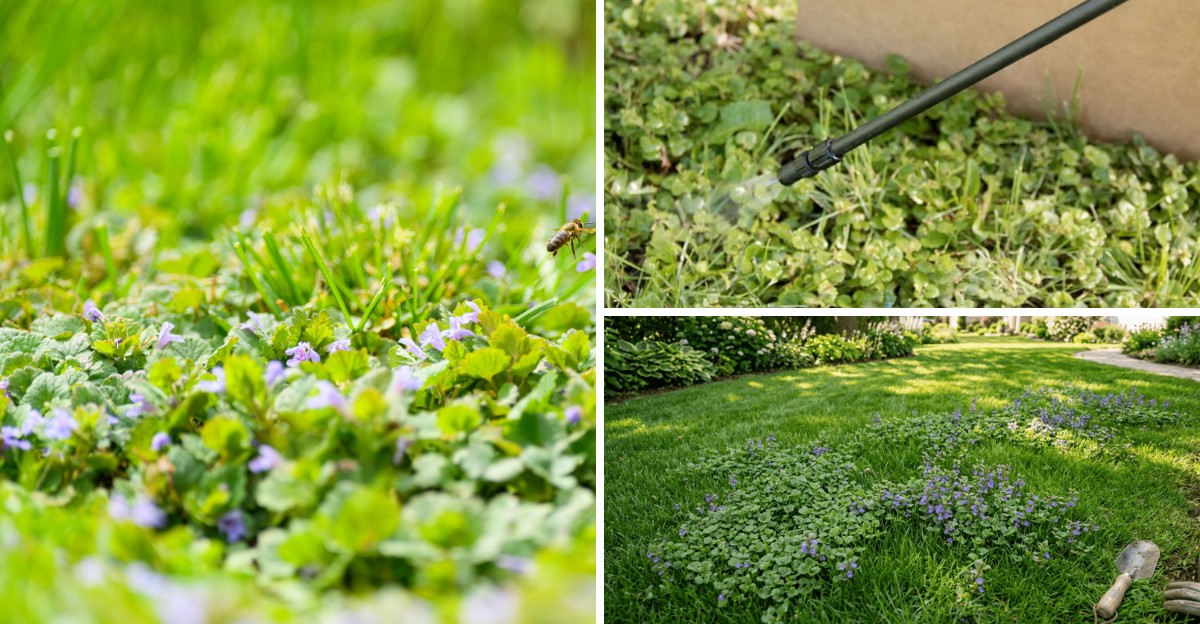
Every leaf joint on this weed can grow its own roots. That means one snapped stem can turn into several brand-new plants.
I learned the hard way how sneaky that is. I spent a whole Saturday yanking green runners out of my shady side yard, feeling pretty proud of myself. Three weeks later, the patch looked thicker than before.
Truth is, this low, minty-smelling creeper came over from Europe as a medicinal herb and ground cover. Early settlers even used it to flavor and clear their homemade brews. Now it turns up in Maryland lawns from the mountains out west to the Eastern Shore.
You have probably crushed a leaf and caught that sharp mint scent. Maybe you have spotted tiny purple flowers in April and wondered where they came from. So why does all that tugging seem to make the problem worse?
Those Snapped Ground Ivy Runners Leave Something Behind
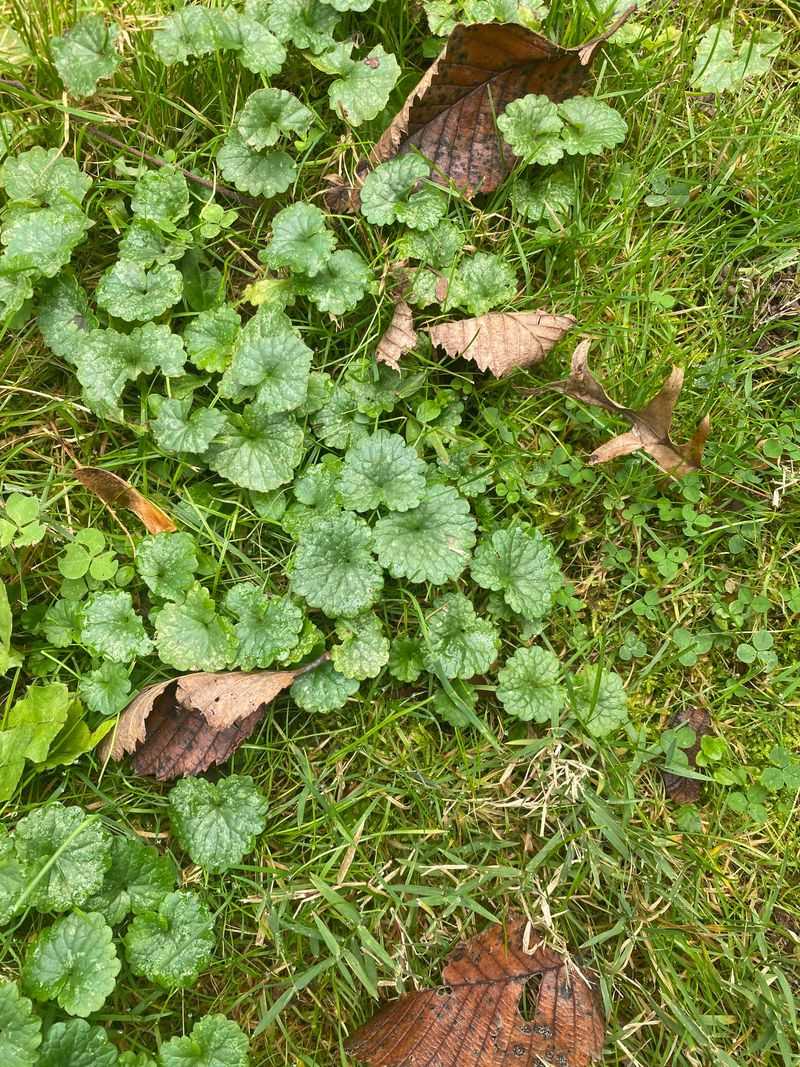
Grab a handful of ground ivy and pull. You will hear a tiny snap almost every time.
That sound is the problem. Creeping Charlie, also called ground ivy, spreads by stolons, which are stems that crawl across the soil surface. Each leaf joint, or node, can send roots straight down into the dirt.
So when a runner breaks, the rooted pieces stay put. Every one of them can grow into a fresh plant. University extension experts in Minnesota and Wisconsin point to this exact habit as the reason hand-pulling rarely works on large patches.
The plant also hides well. Runners weave between grass blades and slip under mulch, so you often miss a few feet of stem without realizing it. A patch that looks cleared on Sunday can quietly regroup by the end of the month.
Pulling still has a place, though. It works best on a small, new patch in damp soil, where roots slide out more easily. Go slowly, follow each runner to its end, and lift with a garden fork instead of yanking.
For anything bigger than a doormat, plan on a combined approach. Pulling alone just keeps you busy while the weed keeps growing.
Fall Is When Creeping Charlie Lets Its Guard Down
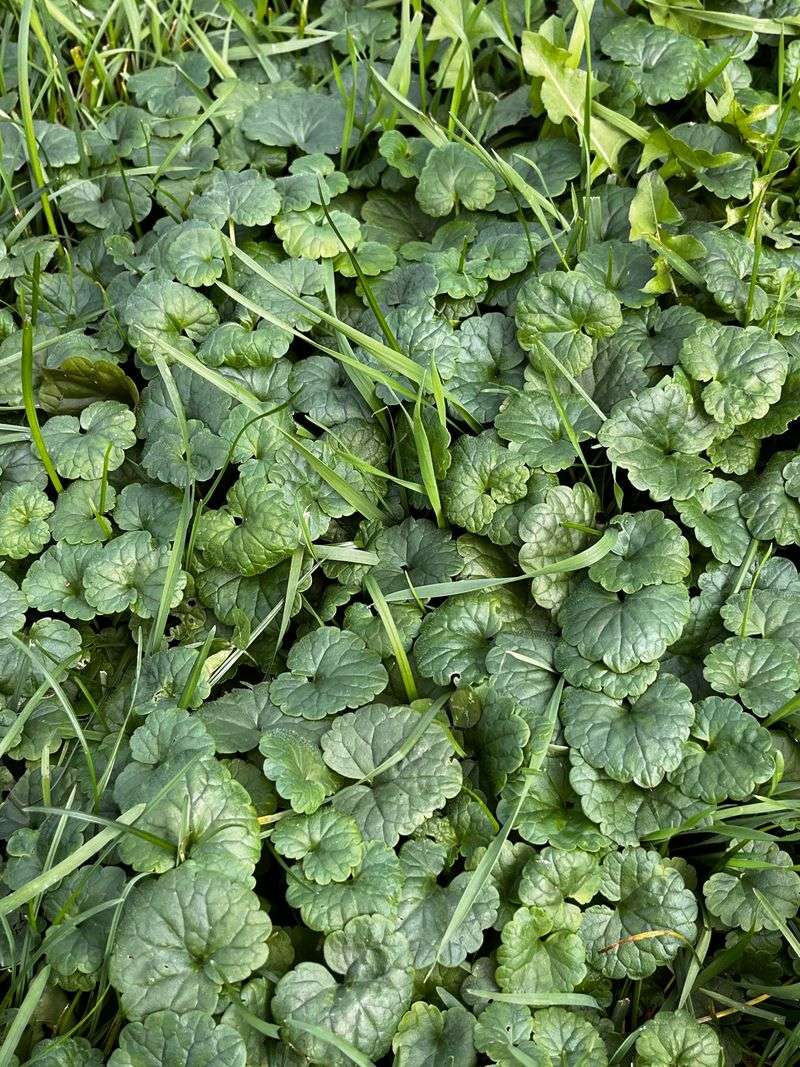
I used to fight weeds mostly in spring. Then I learned ground ivy plays by a different calendar.
In fall, perennial weeds start sending sugars down into their roots and stems to get ready for winter. A systemic weed product sprayed during that window rides along with those sugars. It reaches the runners and roots instead of just burning the leaves.
In Maryland, that usually means mid-September through October, while the plant is still green and growing. Many extension guides suggest treating once in early fall and again a few weeks later. A second round catches the pieces that slipped through.
Spring treatment can help too. The best spring timing is around bloom, when those small purple flowers appear in April or May. Still, results are usually stronger in fall.
Weather matters as well. Aim for a day with temperatures roughly between 50 and 80 degrees, dry leaves, and no rain for at least a day. Calm air keeps spray from drifting onto flower beds or veggies.
Fair warning, one fall rarely solves a big infestation. Expect to repeat the plan for a season or two before the patches fade.
Triclopyr Labels Beat Plain 2,4-D On Ground Ivy
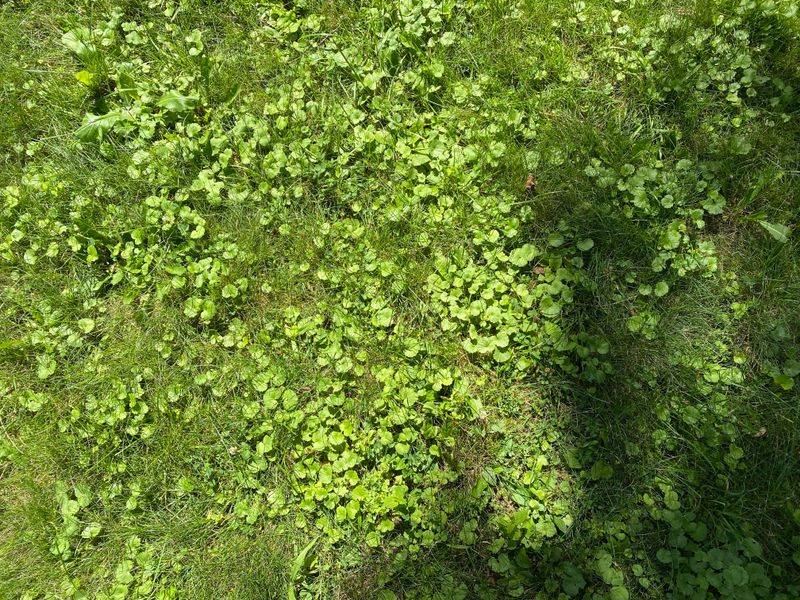
Not every lawn weed spray handles this mint-family pest. Many common products lean on 2,4-D, which knocks back dandelions nicely but often struggles with ground ivy on its own.
Research from places like Purdue and the University of Minnesota points to triclopyr as one of the most effective choices. You will also see good results from combination products that include dicamba or fluroxypyr. The key is reading the label.
Look for ground ivy or creeping Charlie listed by name. If it is not on the label, the product probably will not do the job you want. Also check which grass types it is safe on, especially for fescue lawns common across the state.
Local rules matter here. Some Maryland jurisdictions, including Montgomery County, restrict certain lawn pesticides on private turf, with some exceptions. Check your county rules before you buy anything.
Follow label directions exactly, including mixing rates and protective gear. More is not better, and extra product can harm nearby shrubs or run off toward the Chesapeake Bay. Spot-spraying patches usually beats blanketing the whole yard.
Thick Tall Turf Crowds Out Creeping Charlie
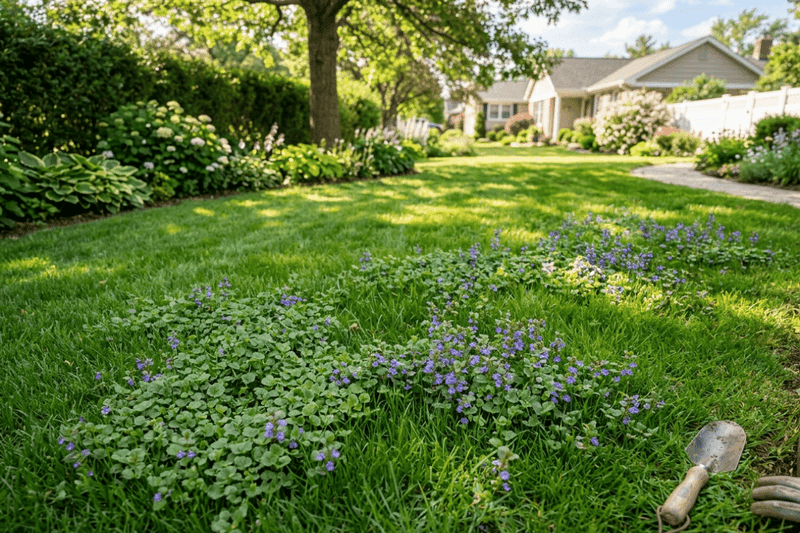
Strong grass is the cheapest weed control you will ever find. Creeping Charlie loves gaps, so a dense lawn gives it fewer places to settle.
Start with your mower. Tall fescue, the most popular lawn grass in Maryland, does best at about 3 to 4 inches. Taller blades shade the soil and keep low creepers from getting the light they want.
Feed at the right time. University of Maryland Extension recommends fertilizing cool-season lawns mainly in fall, around September through November. Spring feeding is lighter, if you do it at all.
Overseeding helps fill thin spots. Early fall is the sweet spot for seeding fescue in most of the state, since warm soil and cooler air help seedlings settle. Seed bare areas after removing weeds so fresh grass can claim the space.
Watering deeply but less often also matters. Short daily sprinkles keep the surface wet, which ground ivy enjoys. About an inch per week, including rain, encourages deeper grass roots instead.
Not going to lie, this part takes patience. A thicker lawn will not chase ground ivy away overnight, but it makes every other method work better.
Shady Damp Corners Roll Out The Welcome Mat
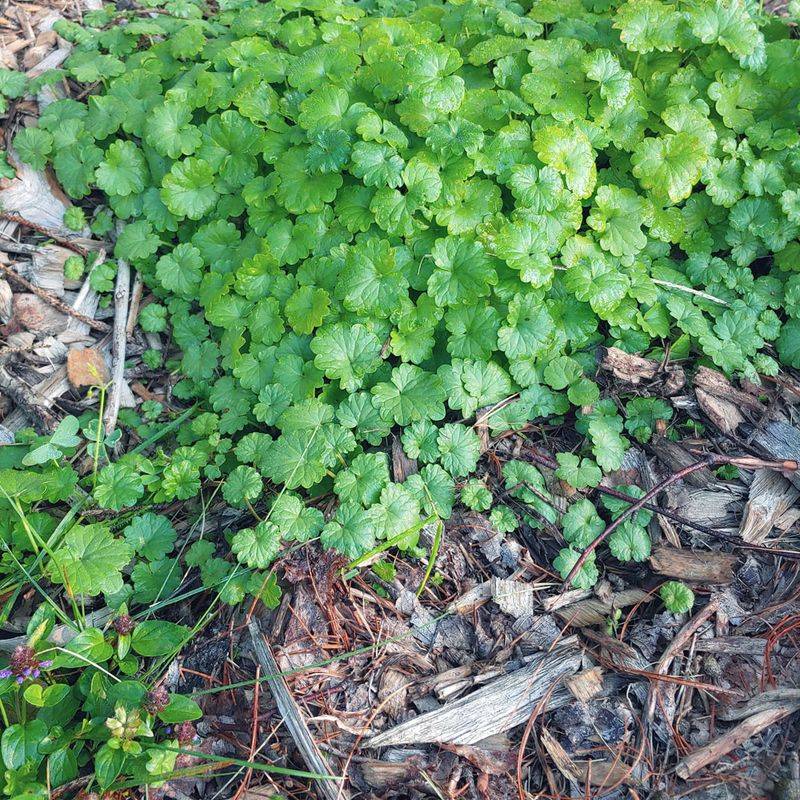
Walk around your yard and find the worst patch of ground ivy. Odds are good it sits under a tree, near a downspout, or along a north-facing fence.
Creeping Charlie thrives in moist, shady spots where grass struggles. Most lawn grasses need at least four hours of direct sun to stay thick. Ground ivy happily grows with far less.
Compacted soil adds to the trouble. Clay soils, common in much of central Maryland, pack down easily and hold water. Grass roots stay shallow there, while the creeper spreads across the top.
You can tip the balance with a few fixes:
Have a certified arborist thin or raise tree canopies to let in more light. Core aerate in early fall to loosen packed soil. Redirect downspouts or fix low spots so water drains away.
Here is my honest take on deep shade. Sometimes grass just will not win there. In that case, a native ground cover like wild ginger or Pennsylvania sedge, or a simple mulched bed, can be a smarter long-term choice.
Changing the conditions changes the outcome. The weed stops feeling so at home.
Spray Ground Ivy Leaves Before You Mow
Good product, bad timing, and you end up wasting a weekend. Application details often decide whether ground ivy fades or shrugs it off.
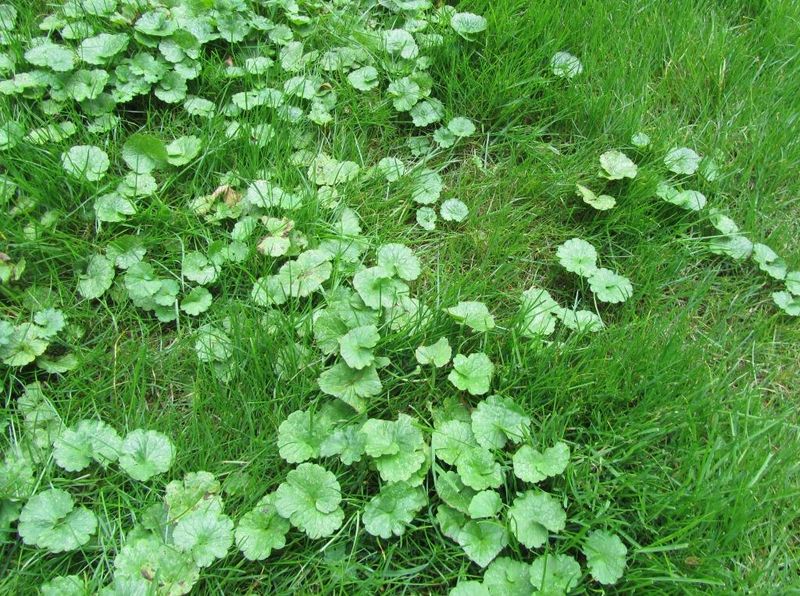
Leaves are the doorway. A systemic spray needs plenty of leaf surface to soak in, so skip mowing for a couple of days before treating. Wait at least two days afterward too, so the product has time to move through the plant.
Pick a dry, calm day. Wet leaves dilute the spray, and wind can carry it onto your tomatoes or roses. Check the forecast for no rain for at least 24 hours, or whatever the label says.
Coverage matters more than volume. Aim for an even mist that wets the leaves without dripping. Ground ivy leaves have a slightly waxy feel, which is one reason some products include extra helpers called surfactants.
Keep notes on what you sprayed and when. That simple habit helps you time your follow-up treatment a few weeks later. It also keeps you inside label limits for the year.
Finally, keep kids and pets off treated areas until the spray dries, or longer if the label directs. Store leftover product locked up and out of reach.
Borax And Vinegar Tricks Often Backfire On Lawns
Guilty as charged, I once mixed up a borax potion I found online. My lawn had a few yellow spots afterward, and the ground ivy came back anyway.
Borax contains boron, a nutrient plants need in tiny amounts. Ground ivy is a bit more sensitive to it than grass, which is why the trick spread years ago. Iowa State researchers studied it in the 1990s.
The catch is the dose. A little too much boron harms grass, trees, and garden plants. It can also build up in soil for years, and experts in several states now advise against it.
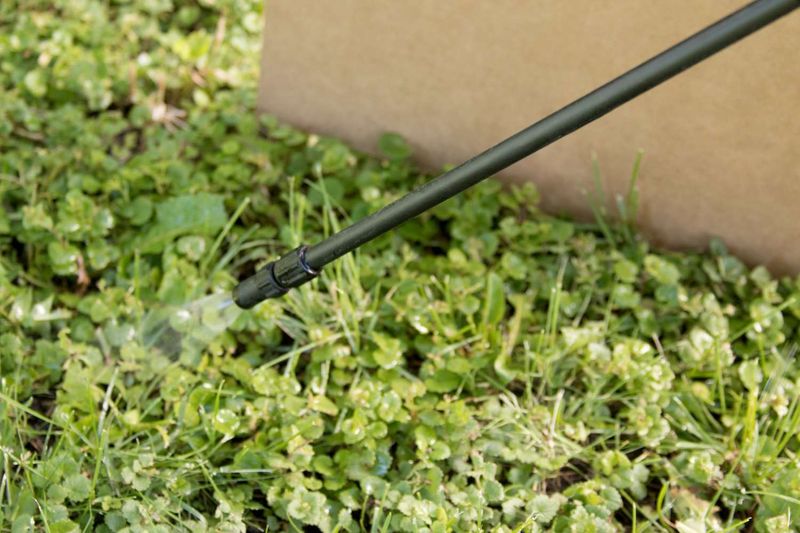
Vinegar and boiling water have their own problems. They scorch whatever they touch, including your grass. Since they do not travel down into the runners, the weed usually regrows from the roots.
Smothering with cardboard or black plastic can work in a garden bed or a lawn area you plan to redo. Expect it to take several weeks, and expect bare soil afterward that needs reseeding.
Home remedies feel safer because they come from the kitchen. That does not make them gentle on your lawn, your soil, or the creek down the hill.
A Yearly Lawn Plan Keeps Creeping Charlie From Returning
Winning against ground ivy looks less like one big battle and more like a steady routine. A simple yearly plan keeps the upper hand on your side.
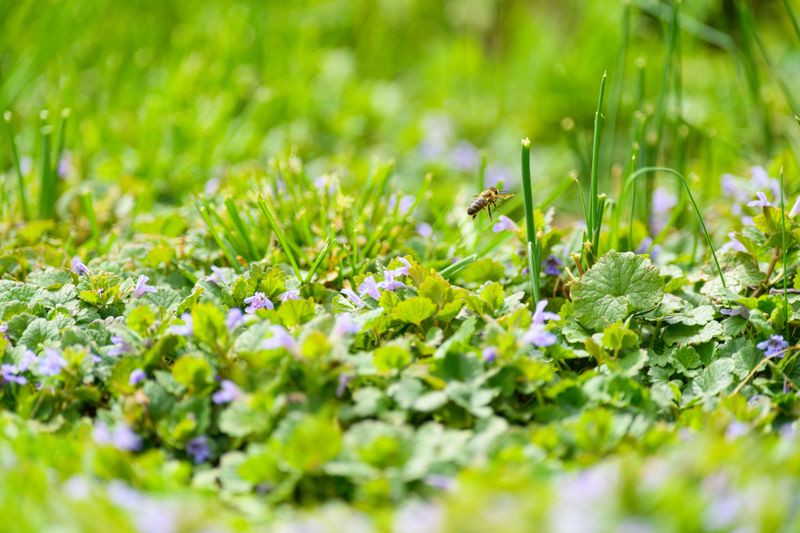
In spring, watch for those purple blooms in April and May. Hand-pull small new patches in damp soil, or spot-treat around flowering time if needed. Keep the mower set high.
Summer is for patience. Avoid heavy feeding in hot weather, water deeply when rain is scarce, and let tall grass shade the soil.
Fall does the heavy lifting. Treat remaining patches in September or October, aerate compacted areas, then overseed thin spots. Feed your cool-season lawn according to University of Maryland Extension guidance.
Before reaching for any product, get a soil test. The University of Maryland Extension Home and Garden Information Center can point you to labs. Correcting pH and nutrients helps grass grow thick enough to compete.
Also watch the edges. Ground ivy often sneaks in from a neighbor’s yard, a wooded border, or a shady bed. A few minutes of edge checks each month catches runners early.
I’ll say this much, steady habits beat frantic pulling every time. Your lawn will thank you by next summer.