Why A Few Minutes In The Cold Can Ruin Your Michigan Poinsettia On The Way Home
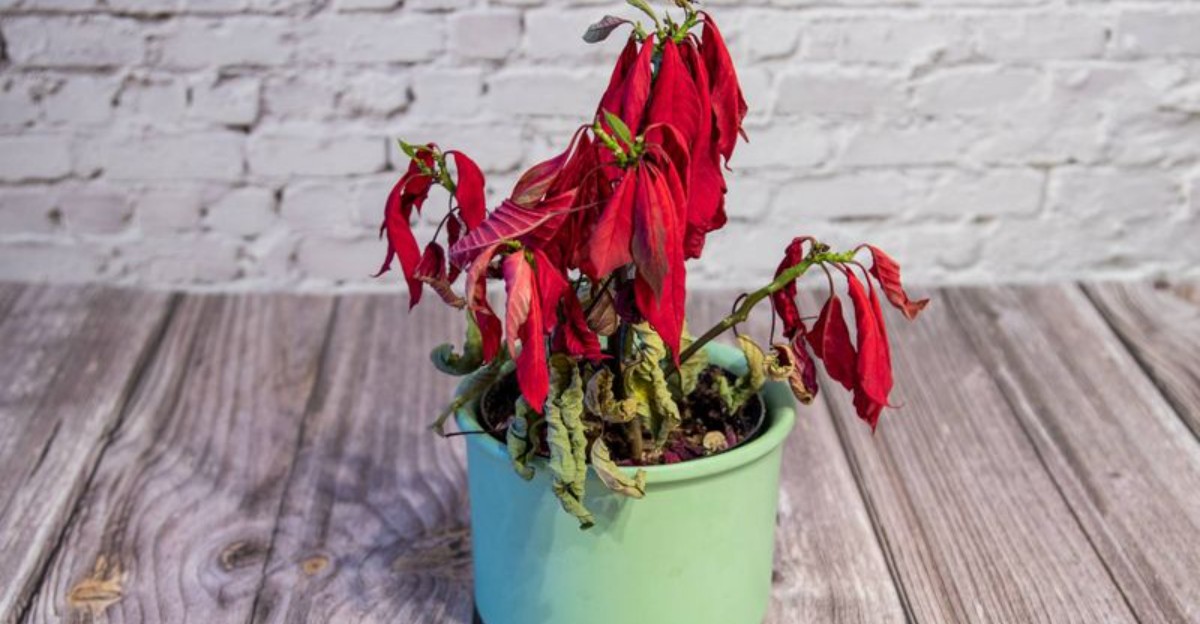
A plant can look flawless in the parking lot and drop half its leaves a day later. I learned the hard way that the damage often waits until you get it home.
This holiday favorite comes from the warm hillsides of Mexico, where frost is rare. Experts warn that air below 50 degrees can hurt it, and freezing air can harm it within a few minutes. In Michigan, December days often hover near freezing, with nights much colder.
Not going to lie, I once stopped for groceries with my new beauty riding in the back seat. It looked fine that evening, so I felt pretty smug about it. By the next afternoon, the leaves curled and fell like confetti.
So what really happens inside those bright red leaves during a short walk across the lot? And why does the trouble show up so late?
Those Red Poinsettia Bracts Are More Fragile Than They Look
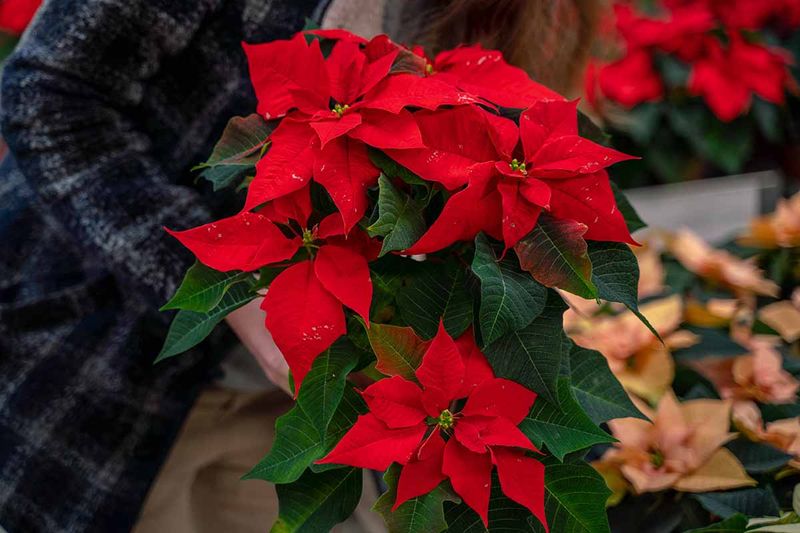
Here’s a fun surprise for your next holiday party. The bright red parts of a poinsettia are not petals at all. They are colored leaves called bracts, and the real flowers are the tiny yellow buttons in the middle.
Those bracts and the green leaves below them are thin and full of water. That makes them tender, a bit like lettuce sitting in a cold fridge drawer too long. The plant evolved in warm parts of Mexico, so its tissues have little defense against chilly air.
University extension experts point to 50 degrees as the comfort line. Below that, the plant starts to feel stress, even if nothing looks wrong yet. When the air dips near freezing, harm can happen in just a few minutes.
Wind makes it worse. A breezy walk across a store lot pulls warmth from the leaves faster than calm air does.
So that gorgeous plant in the greenhouse is basically a beach lover dressed for summer. It was grown in steady warmth for months. Moving it into a cold December breeze is a bigger shock than most shoppers expect, which is why a quick trip can matter so much.
Chilled Poinsettia Leaves Often Wait A Day To Show Damage
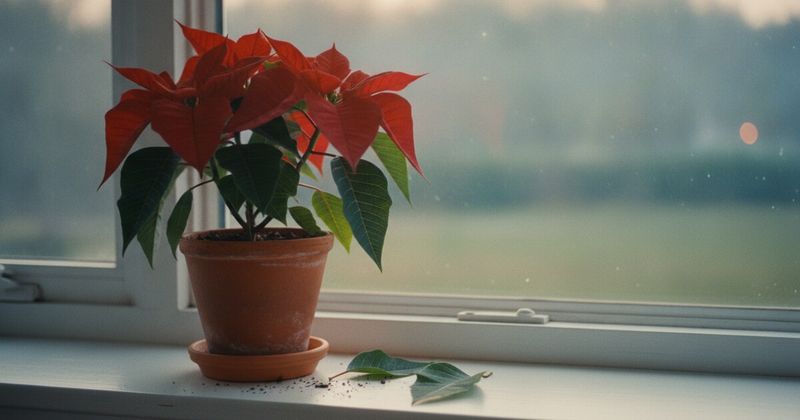
My first ruined plant fooled me completely. It came home looking perfect, and I set it proudly by the couch. The next afternoon, leaves were curling and dropping onto the floor.
That delay is normal with chilling injury. Cold air damages cell walls and the thin membranes inside the leaves. The harm happens fast, but the visible signs take hours or even a day or two to appear.
Damaged cells struggle to hold water properly. As the plant warms up indoors, leaves may lose moisture faster than the stressed roots and stems can replace it. The result is limp, rolled, or falling foliage.
Freezing air is a different story. Ice can form inside the tissue and burst cells, which leads to a darker, soggy look. Chilling above freezing is milder, but it still triggers leaf drop.
Knowing about this lag helps you judge a plant fairly. If yours looked great at checkout and sad the next day, cold exposure on the trip home is a likely suspect. Other causes, like drafts or soggy soil, can also bring leaf drop, so consider everything the plant went through that week.
A Paper Sleeve Around Your Poinsettia Is Its Winter Coat
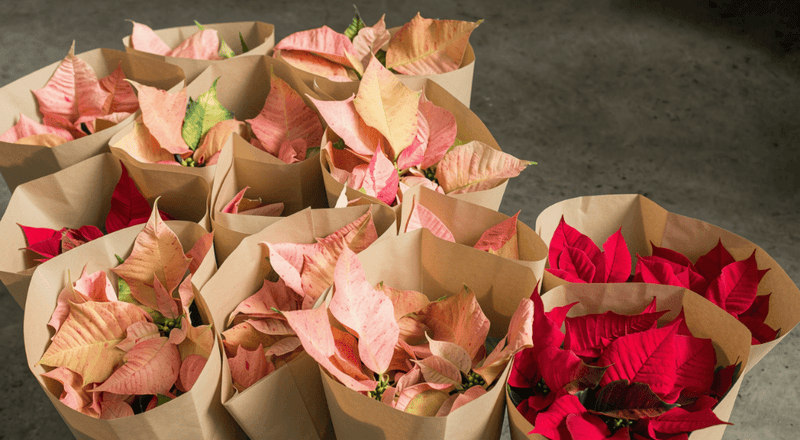
Ask for the sleeve every single time. Most garden centers in snowy states keep paper or plastic sleeves right by the register for this reason. A cone of paper traps a small pocket of warmer air around the leaves and blocks the wind.
Make sure the sleeve covers the whole plant, top included. Some shops will fold the top closed or slip a bag over it on bitter days. Tissue, a large shopping bag, or even an old blanket adds extra insulation if the temperature has dropped into the teens.
Timing is the other half of the plan. Experts like Melinda Myers suggest making the poinsettia your last stop. That way it goes from the store straight into the car and then straight into the house.
Warm up the car before you carry the plant out. Park close to the door if you can, and skip the chat in the lot until the plant is safely inside the vehicle.
Place it on the floor or seat rather than in a chilly trunk. A sturdy box keeps it from tipping over and snapping those brittle stems during sharp turns on slick roads.
A Parked Car In Winter Can Turn Into A Poinsettia Icebox
Guilty as charged on this one. I once figured a ten minute pharmacy stop was harmless. My car cooled down fast, and the plant paid for my errand.
Cars lose heat quickly once the engine is off. On a typical December day in Michigan, highs often sit in the low to upper 30s, and nights can fall far lower. A parked vehicle can drift toward outdoor temperatures sooner than you might expect.
Glass and metal do a poor job holding warmth. Leaves resting against a cold window or door panel can chill even faster than the air inside.
The fix is simple, even if it feels a little fussy. Bring the plant with you into the next store, or better yet, head straight home. If you must leave it, keep the stop as short as possible and keep it wrapped.
Avoid the trunk entirely. It often runs colder than the cabin and offers no heat from the vents.
Remember that a warm-looking sunny day can still be cold. Bright sky does not mean safe air, especially with lake-effect winds blowing across the parking lot.
Spotting Frosty Poinsettia Symptoms Before You Panic
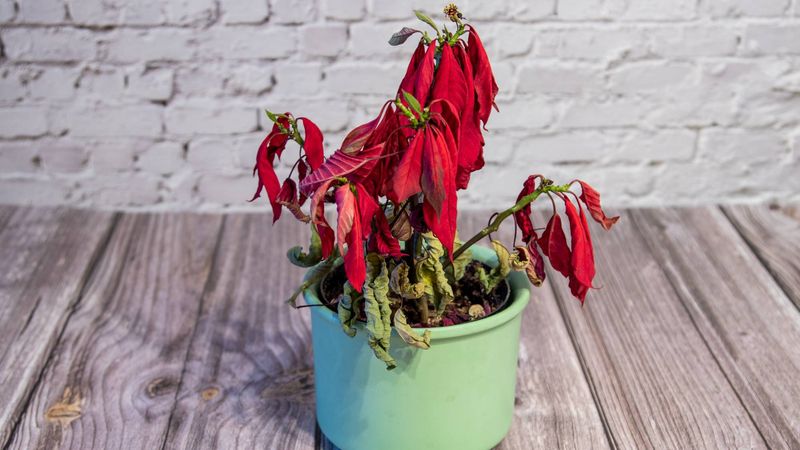
Learning the warning signs can save you a lot of guesswork. Cold injury has a look, and it differs from simple thirst or overwatering.
Watch the bracts first. Chilled ones may lose their bright color, turn soft, or show brown or black edges. Freeze damage often looks darker and slightly see-through, almost like cooked spinach.
Green leaves may curl, wilt, or turn a dull gray-green before falling. In rough cases, stems go floppy and the whole plant looks deflated.
Now compare that with other problems. Yellow lower leaves and wet soil often point to too much water. Crispy, dry edges with light soil usually mean the plant needs a drink.
If cold seems to be the cause, do not toss it right away. Remove fully mushy leaves with clean scissors so they do not rot. Keep the plant warm, bright, and evenly moist, but not soggy.
Mild chilling may cost you a few leaves while the rest of the display holds up. Heavy freeze damage is harder to come back from. Still, a slightly lopsided poinsettia can brighten a room through the holidays with the right placement.
Unwrap Your Poinsettia Quickly Once It Reaches The Front Door
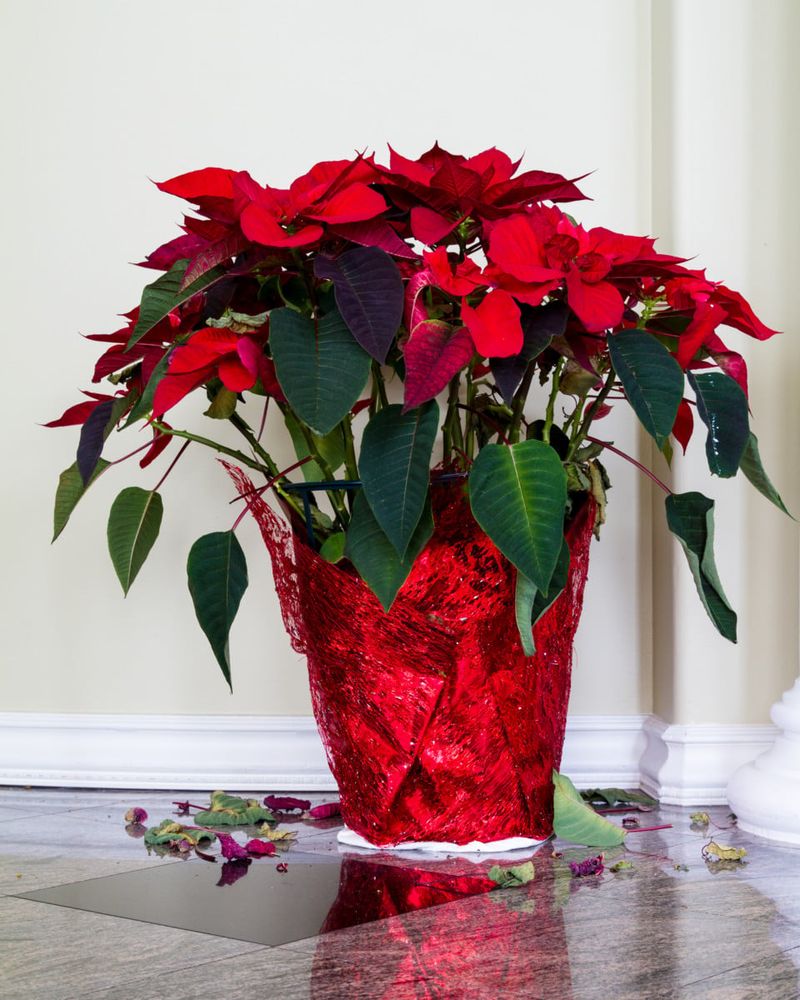
Getting through the front door is only half the job. That sleeve did great work outside, but it can cause trouble if it stays on too long.
Wrapped plants trap moisture and a natural gas called ethylene. Poinsettias are sensitive to it, and a closed sleeve can lead to drooping leaves and early drop. Many experts suggest removing the wrap as soon as possible, and certainly within a day.
Slide it off carefully from the bottom, or cut it away with scissors. Pulling it upward can snap the brittle stems and bracts.
Check the decorative foil around the pot next. Water can pool inside that pretty wrapper and leave the roots sitting in a puddle. Poke a few holes in the bottom or remove the foil while watering.
Feel the soil with your finger. Water when the top feels dry, then let the extra drain away completely before returning it to the saucer.
Give the plant a calm first day. Avoid repotting or moving it around the house. A steady spot helps it settle after the bumpy ride and the sudden change in temperature.
Cozy Windowsills Keep Your Poinsettia Bright Through New Year
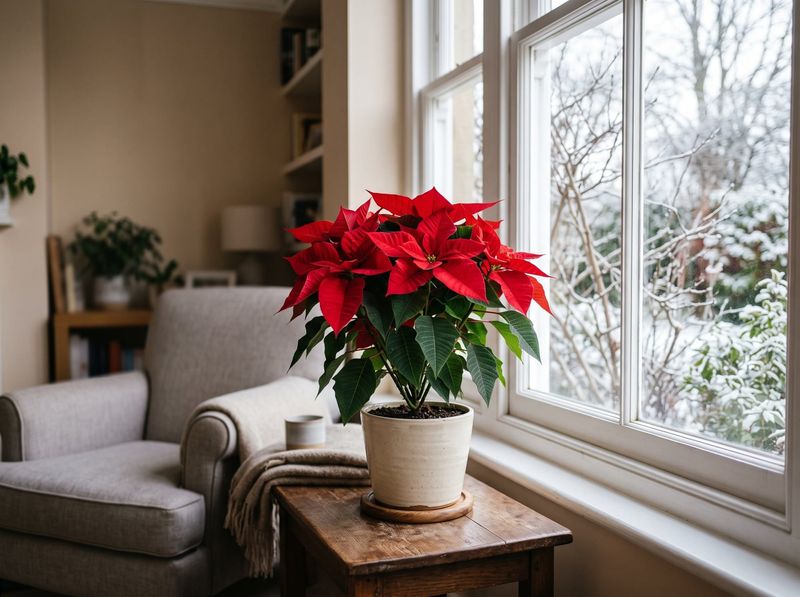
Picking the right indoor spot is the final reward for all that careful driving. A happy poinsettia can keep its color for weeks, often well past New Year.
Aim for daytime temperatures around 65 to 75 degrees. Slightly cooler nights are fine, but try not to let them drop below about 60 degrees for the best results. Bright, indirect light near an east or south window works well in most homes.
Keep leaves from touching cold glass. On frigid nights, windowpanes can chill foliage almost as badly as the trip home did. Pulling the pot back a few inches solves that easily.
Drafts are sneaky trouble too. Front doors, patio slides, and leaky windows send icy blasts across the plant. Heat vents, fireplaces, and radiators swing the other way with hot, dry air.
Water whenever the top inch of soil dries out. Skip fertilizer while it is blooming.
One last tip for curious households. The University of Illinois and poison control experts note poinsettias are far less toxic than old rumors claim, though they may upset a pet’s stomach. Enjoy the color, follow these steps, and next year’s shopping trip will feel much easier.