The Tiny Orange Salamander On New Jersey Trails Has A Pufferfish-Level Defense
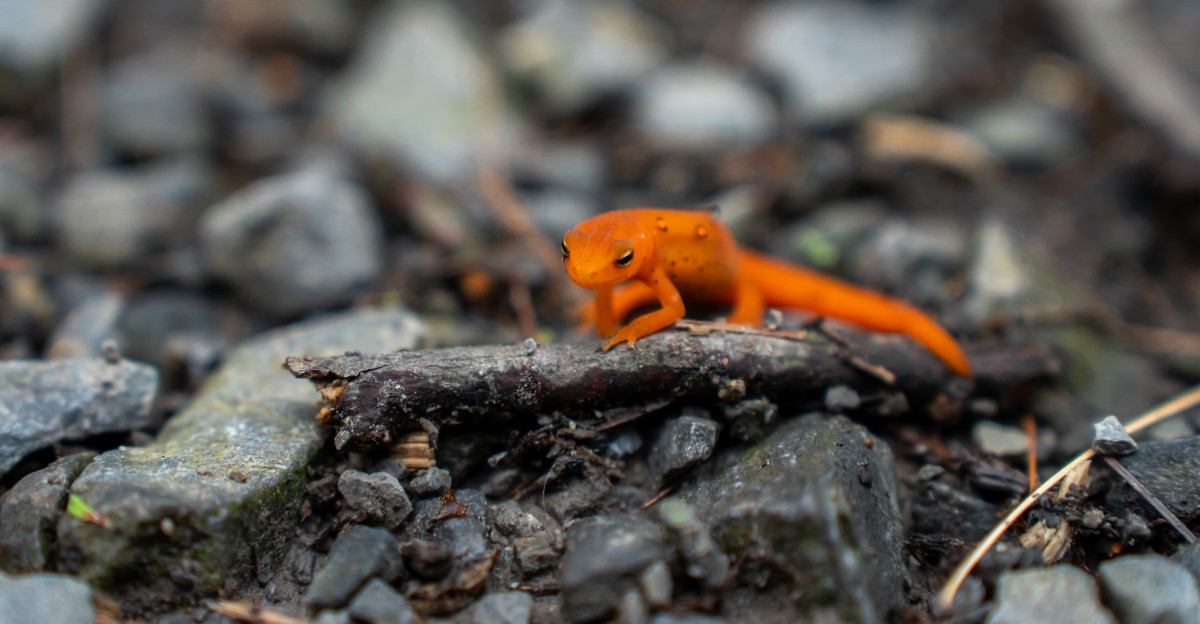
A creature smaller than my pinky carries the same nerve toxin found in Japanese fugu. I learned that after nearly stepping on one during a drizzly hike in northern New Jersey.
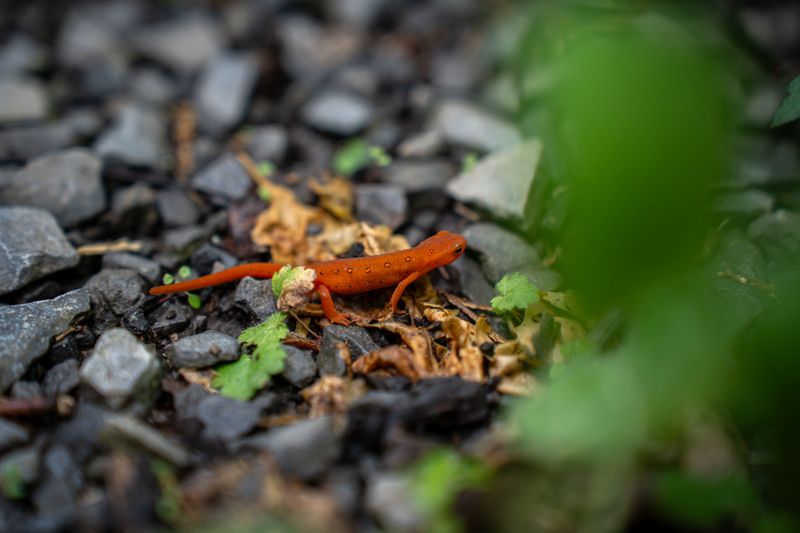
It was bright orange, almost like a candy wrapper someone dropped. It did not run or hide. It just kept walking, slow and calm, like it owned the trail.
You might notice the same bold attitude on your next rainy walk. Most small animals rely on speed or camouflage.
This one wears a color that practically glows against brown leaves and wet moss. I am surprised how many hikers pass right by without a second look.
A little reading gave me a whole new respect for that tiny wanderer, the red eft, which is the juvenile land stage of the eastern newt. What makes a creature this small so confident in a forest full of hungry mouths?
That Glowing Orange Trail Walker Is Advertising Something
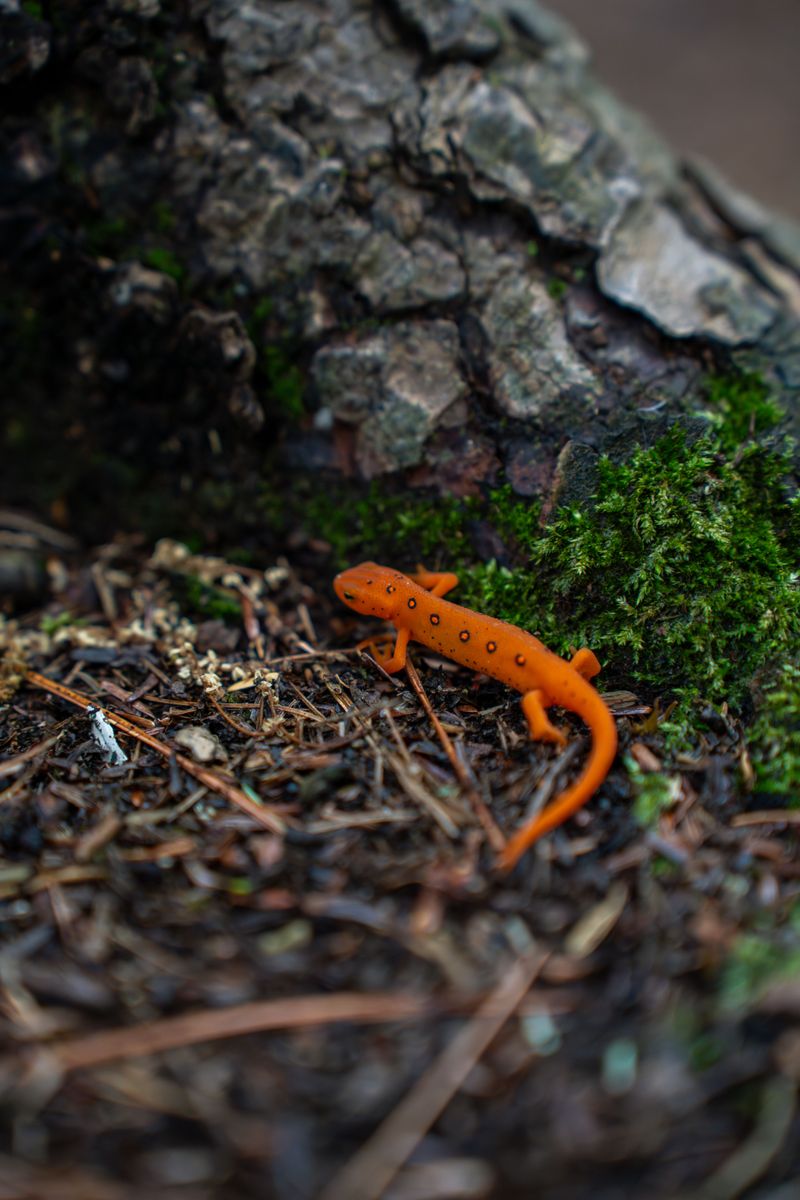
Bright orange in the forest usually means one of two things. Either it is a fallen leaf, or something is shouting a warning.
The tiny salamander on your trail falls into the second group. Scientists call this strategy aposematism. It is a fancy word for warning colors.
Animals like monarch butterflies and some frogs use the same trick, showing off bold shades so predators learn to stay away.
The little hiker you spotted is called a red eft. It is not a separate species, though. It is the young land-dwelling stage of the eastern newt, Notophthalmus viridescens, a common amphibian across the eastern United States.
Look closely and you will often see a row of small red spots ringed in black along its back. Those spots stay with the animal as it grows. The orange body color, however, fades later in life.
Birds, snakes, and small mammals that try one usually learn fast. A single bad taste can teach a predator to avoid that color for a long time.
That lesson protects the whole population, not just one lucky eft. So when you see that neon speck, treat it like a little traffic sign. It is telling every creature nearby to keep moving along.
The Same Toxin Found in Pufferfish Lives in Red Eft Skin
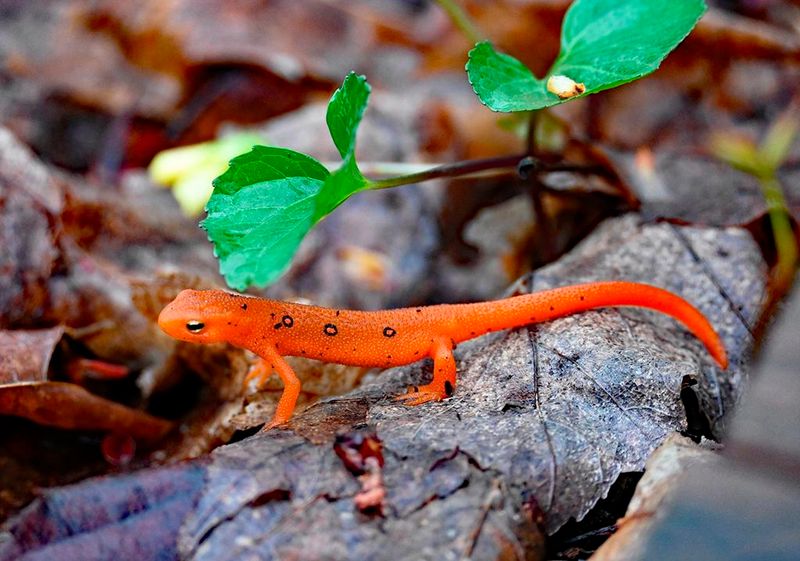
Yes, the pufferfish comparison holds up. Eastern newts produce tetrodotoxin, often shortened to TTX. It is the same compound that makes improperly prepared fugu so dangerous in Japan.
TTX works by blocking sodium channels in nerves. Those channels act like tiny gates that let signals travel through the body. When the gates get jammed, nerves and muscles stop working the way they should.
The toxin sits mainly in the newt’s skin. Glands release it when the animal feels threatened, which means a predator gets a mouthful of trouble right away.
Research published through the National Institutes of Health confirms TTX in several newt species. One fun twist puzzles scientists to this day. Where does the toxin actually come from?
Some studies suggest bacteria living with the animal may help produce it, while other research points to the newt making it on its own.
For eastern newts, toxin levels can vary quite a bit between populations. Some individuals carry plenty, while others carry surprisingly little. That variation is one reason researchers keep studying them.
Either way, the label pufferfish-level is fair in kind, if not always in amount. A tiny orange body holds a chemical with a serious reputation worldwide.
Handling a Red Eft Safely Takes One Simple Habit
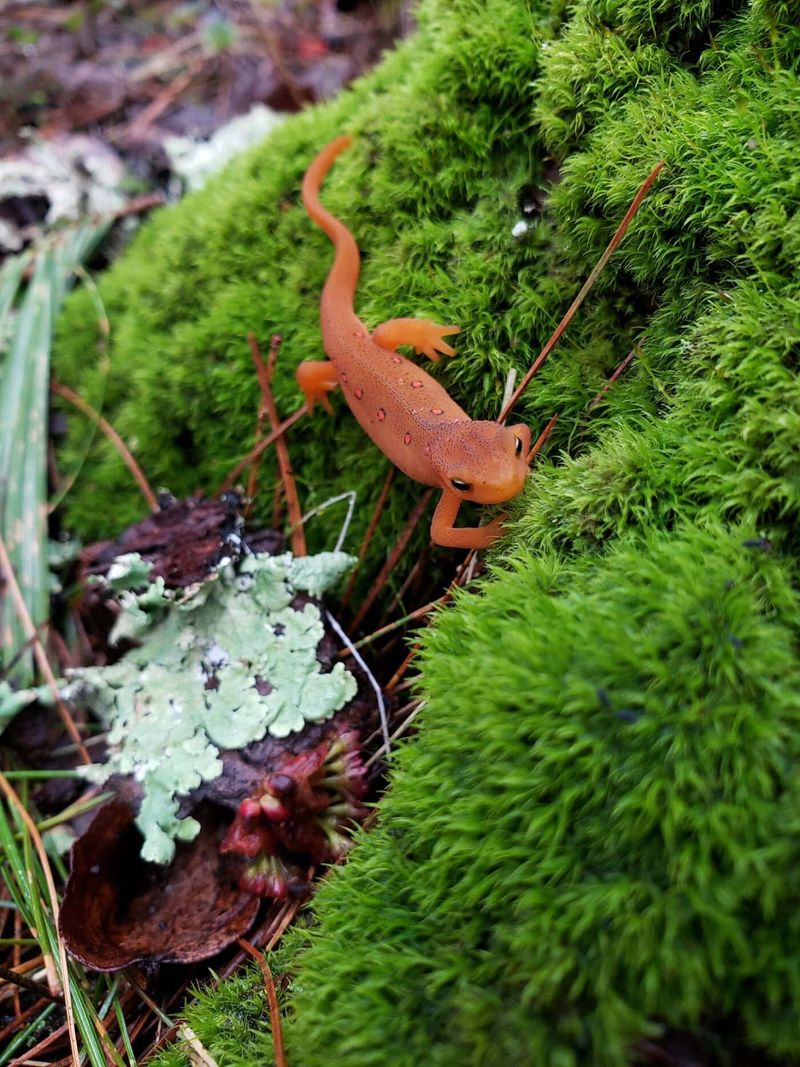
My first instinct was to scoop one up, and honestly, many people do. Brief, gentle contact with an eft is generally considered low risk.
Wildlife experts note the toxin is a problem mainly when swallowed. Still, a few smart habits make a big difference. Wash your hands after touching one. Keep your fingers away from your eyes, nose, and mouth until you do.
Small cuts on your hands deserve extra caution. Skin irritation is possible, especially for sensitive people. Gloves or simply admiring from a few inches away works just as well.
Kids love these little guys, so teach them early. A quick rule like look, maybe touch, then wash, is easy to remember. Never let anyone put an eft near their mouth, even as a joke.
There is also the animal’s comfort to consider. Sunscreen, bug spray, and lotion on your skin can harm an amphibian’s delicate surface. Wet, clean hands are kinder if you must move one.
The best move is often to let it be. If one is crossing a busy path, guide it in the direction it was already heading. That small favor keeps it safe and you worry-free.
Curious Dogs Should Stay Away From Orange Newts
Dogs explore the world with their mouths. That habit is exactly why pet owners should pay attention around these bright little amphibians.
A dog that licks or bites a newt may drool heavily, paw at its face, or vomit. Larger doses of tetrodotoxin can cause weakness or trouble breathing. Veterinary guidance treats newt exposure as a real concern, not a myth.
Keeping your dog leashed on damp, wooded trails helps a lot. Rainy days are prime eft time, and that is when sniffing noses find them most. A short leash lets you steer around one quickly.
If your pup does grab one, stay calm and act fast. Rinse the mouth gently with water, pointing the head down so the dog does not swallow it. Then call your veterinarian or an animal poison hotline right away.
Cats who roam near woods can get curious too. Most pets back off after a bad taste, but some are slow learners.
A little prevention goes a long way here. Knowing what an eft looks like means you can spot one before your dog does. That quick glance down the trail protects both animals.
Rainy Summer and Fall Days Bring Red Efts Onto the Path
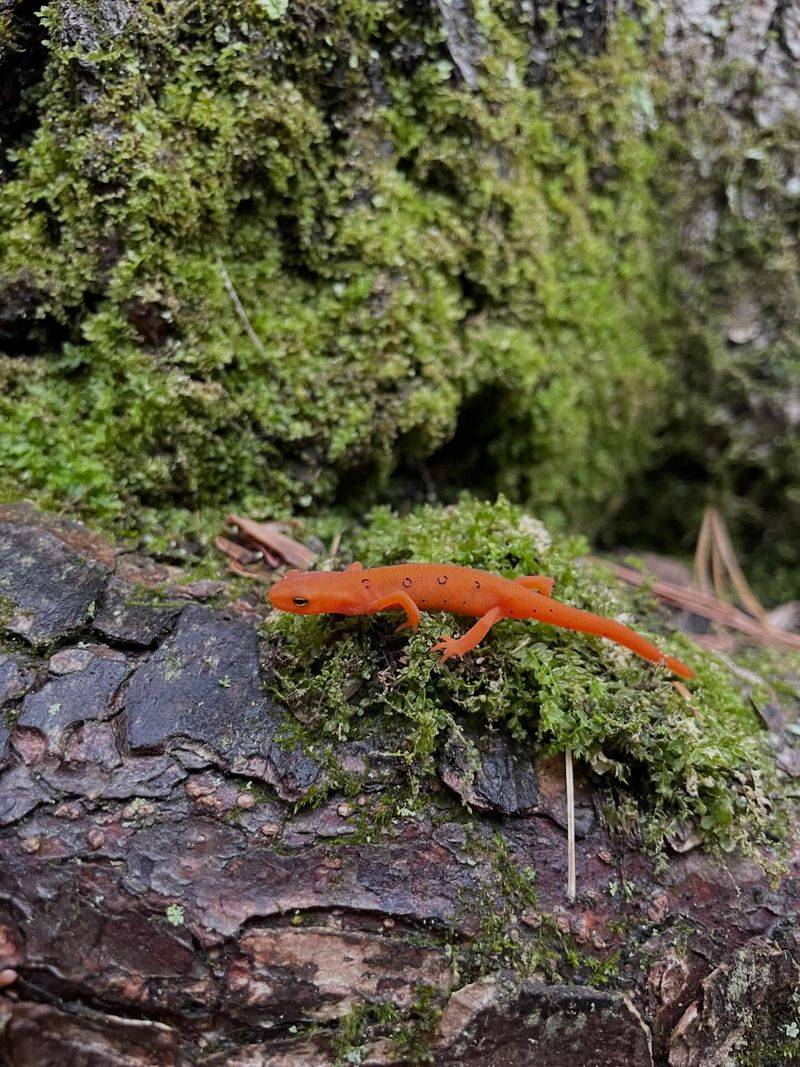
Grab a raincoat instead of staying home. Efts are most active on wet days and humid evenings, when the forest floor stays moist and cool.
Amphibians breathe partly through their skin, so they need moisture to move around comfortably. Dry, sunny afternoons push them under logs and leaf piles. After a good soaking, they wander out to hunt and travel.
Late spring through fall is the main window in New Jersey. Many hikers notice them most from midsummer into autumn, when warm rain is common.
By the time hard frosts arrive, efts tuck themselves away for winter. Where should you look? Shady hardwood forests near ponds are good bets.
The Highlands, Kittatinny Ridge, and wooded parks in the northern half of the state offer plenty of habitat, though newts live in many parts of New Jersey.
Walk slowly and scan the leaf litter just ahead of your feet. That bright color stands out once you train your eye. Mossy edges and mushroom patches seem to be favorite hangouts.
Watch your step on wet trails, too. These animals move slowly, and a careful hiker can avoid squashing one. Spotting your first eft after a storm feels like finding a tiny treasure.
One Eastern Newt Has Three Different Looks
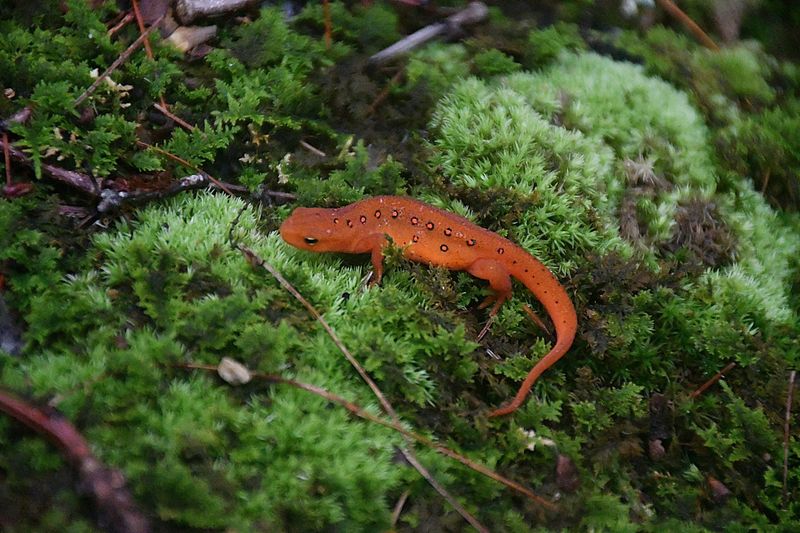
Few backyard animals live such a double life. The eastern newt starts out in water, moves to land, then returns to water as an adult.
First comes the aquatic larva, hatched from eggs laid on underwater plants. It has feathery gills and spends its early months swimming. Then it transforms into the bright orange eft and walks off into the woods.
The eft stage often lasts two to three years, and sometimes longer. During that time, it wanders the forest floor eating tiny insects, mites, and snails. It travels surprisingly far for something so small.
Eventually the eft heads back to a pond. Its skin turns olive green or brownish, its tail flattens for swimming, and it settles in as a water-dwelling adult. Those black-ringed red spots usually stick around.
Many researchers report that efts tend to be more toxic than the adults. That makes sense, since a slow, bright animal on land faces many predators.
The exact difference varies between studies and populations, though. Fun fact: in some coastal areas, newts skip the land stage. They go straight from larva to aquatic adult. Nature loves a shortcut when conditions allow it.
Your Backyard Pond Could Welcome Adult Newts
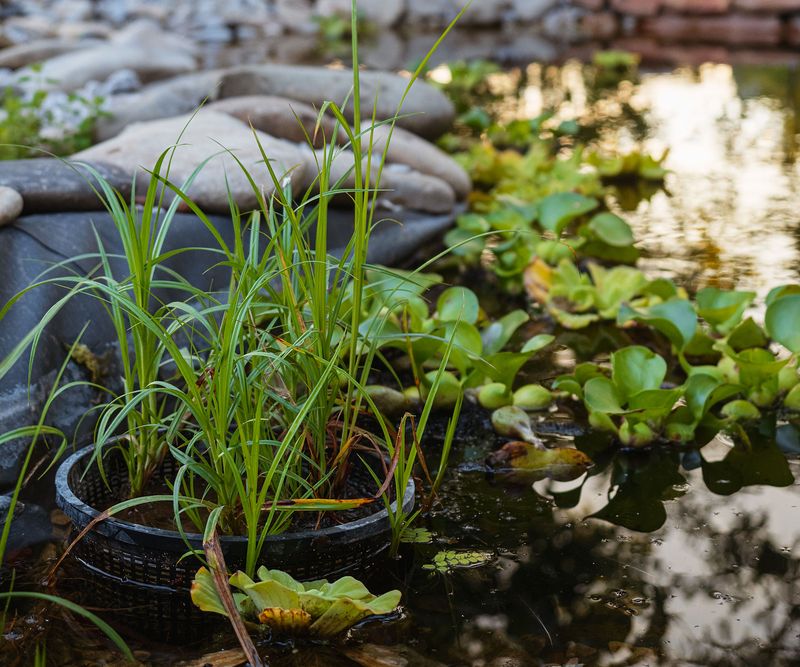
Gardeners near wooded areas sometimes get a pleasant surprise. Adult eastern newts may settle into a fishless pond with plenty of plants.
Adults eat mosquito larvae, small worms, insects, and even frog eggs. A healthy newt population is often a sign of clean water and good habitat. They are helpful neighbors rather than pests.
Want to make your yard more inviting? Skip goldfish, since fish often eat newt eggs and larvae. Add native underwater plants where females can tuck their eggs, one at a time, between leaves.
Leave a shady buffer around the pond edge. Leaf litter, logs, and native shrubs give efts cool places to hide. Avoid pesticides and lawn chemicals near water, because amphibian skin absorbs them easily.
Native plants like pickerelweed and blue flag iris work well along pond edges in New Jersey. Steer clear of invasive choices such as purple loosestrife or yellow flag iris. Those spread aggressively and crowd out local species.
Do not move newts from the wild into your pond. Taking wildlife can spread disease and may break state rules. Build good habitat instead, and let them find you naturally over time.
Leaving These Little Orange Hikers Wild Helps Them Thrive
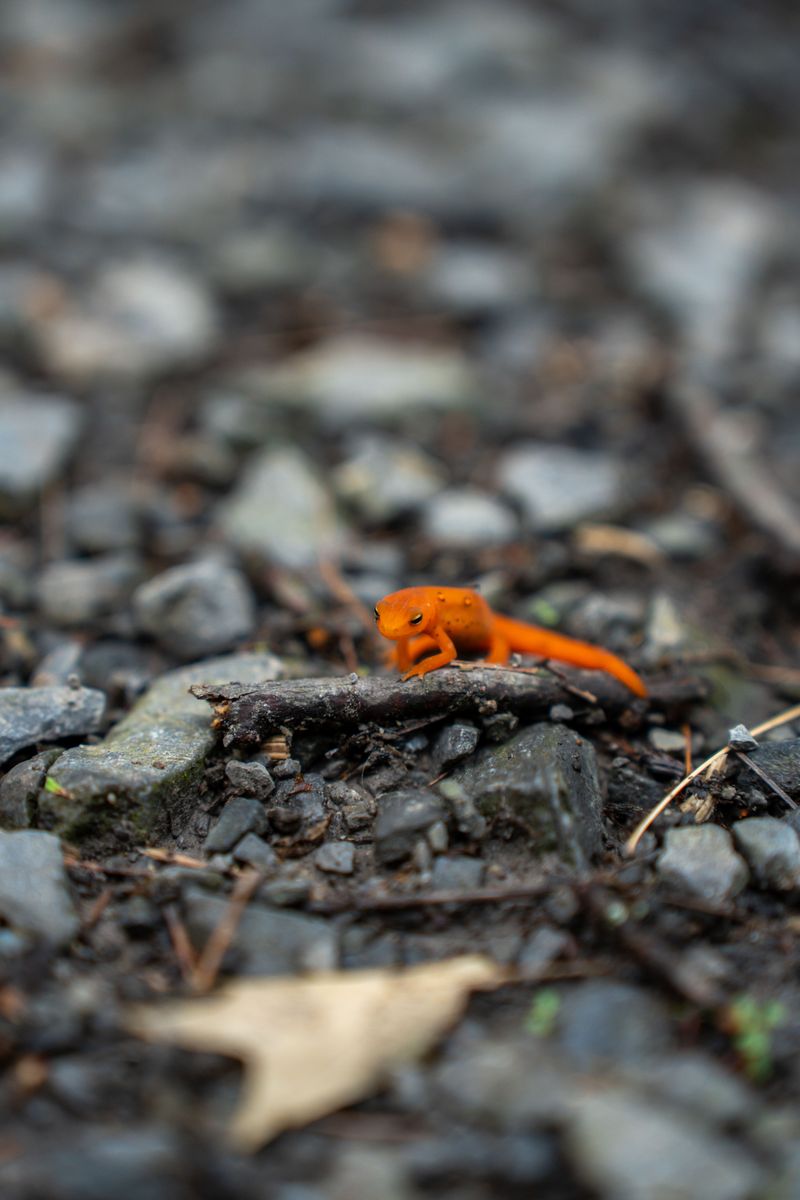
Spotting an eft never gets old for me. Each one feels like a small reward for walking slowly and paying attention.
Eastern newts are listed as Least Concern by the IUCN. They are widespread and fairly common. Still, they face pressure from habitat loss, roads, and pollution in wetlands.
A newer worry involves a fungus called Bsal, short for Batrachochytrium salamandrivorans. It has harmed salamanders in Europe, and wildlife agencies in the United States are watching closely.
Eastern newts appear especially vulnerable, which is why federal rules limit imports of many salamander species.
Hikers can help in simple ways. Stay on trails, avoid collecting wildlife, and clean mud off boots between different wetlands. These steps reduce the spread of disease.
Consider sharing your sightings, too. Programs like iNaturalist and New Jersey’s amphibian monitoring efforts welcome photos from regular people. Your snapshot can help scientists track where efts live.
Next time a rainy afternoon tempts you to stay inside, grab your boots instead. Somewhere on a damp New Jersey trail, a tiny orange traveler is strolling along with a pufferfish-worthy secret. Give it room, snap a photo, and enjoy the show.