The Michigan Shrubs To Prune In September And The Ones To Leave Alone
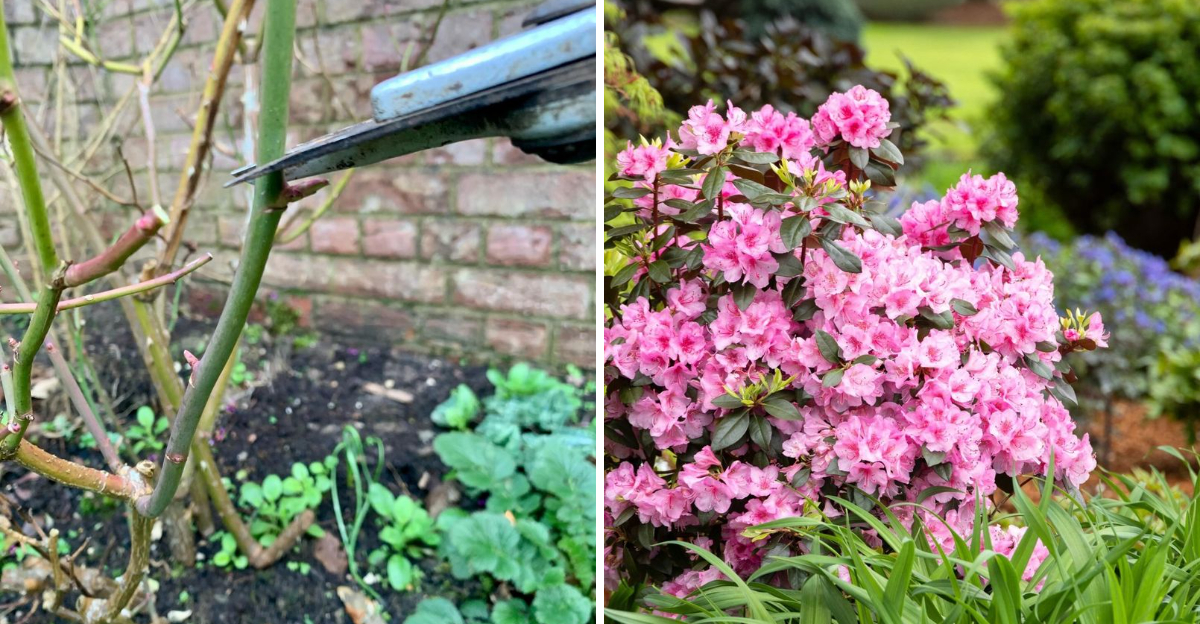
September feels like an obvious time to tackle overdue shrub pruning, especially as yard cleanup starts creeping back onto everyone’s mind.
But not every Michigan shrub responds well to cuts made this time of year, and getting it wrong can cause more harm than the mess you were trying to fix.
Some shrubs genuinely benefit from September attention, while others need to be left completely alone until a different season arrives entirely.
Knowing exactly which category your shrubs fall into changes how you should approach this month’s yard work from the very start.
Many homeowners assume all pruning follows the same general rules, missing important distinctions that matter a lot more than expected. Understanding this list now could prevent damage that takes years to fully recover from.
Getting the timing right here makes all the difference between healthy growth and an unnecessary setback.
1. Trim Yews For A Neater Shape
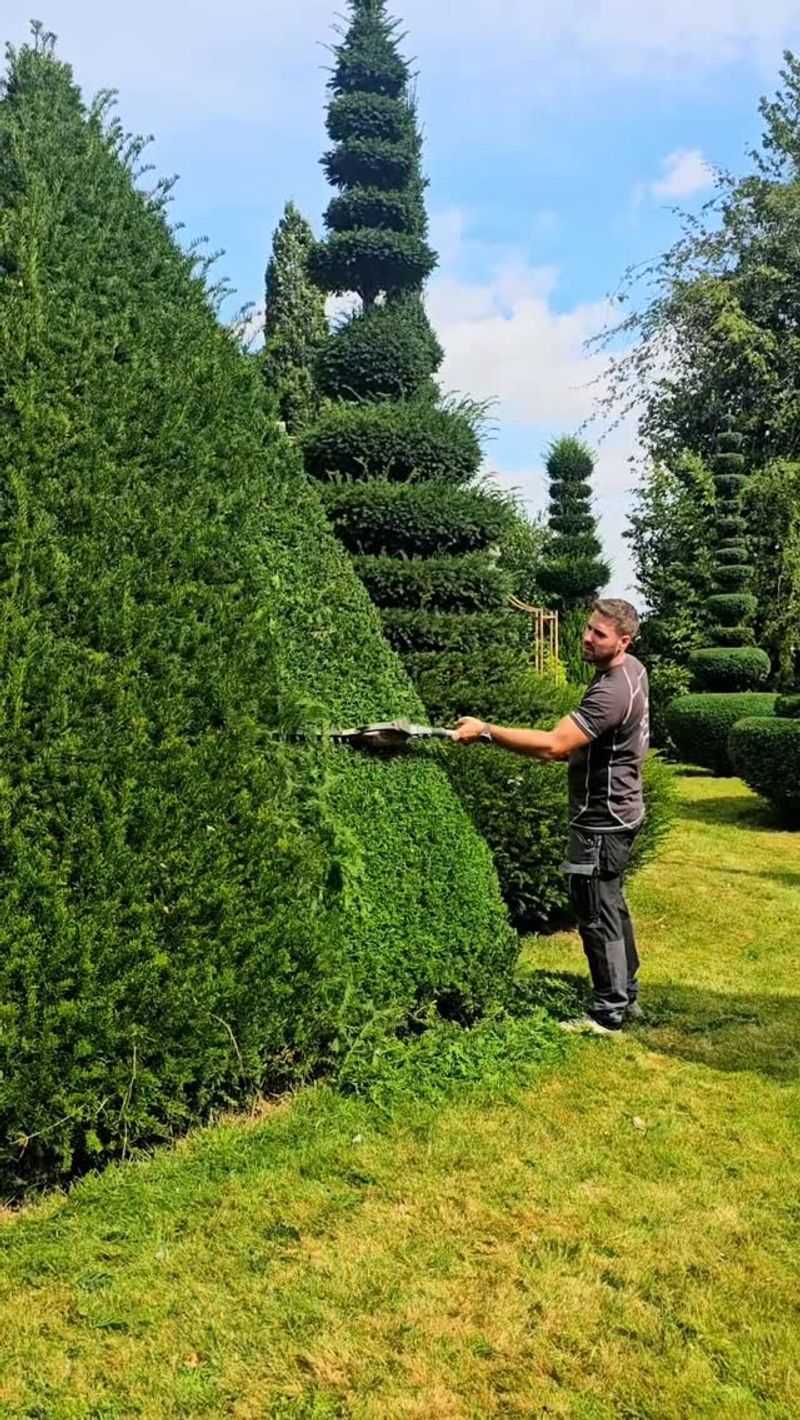
Yews are the workhorses of many Michigan yards, staying green all year and shrugging off cold winters without complaint. A light trim in September keeps their tidy shape looking sharp before the growing season winds down.
The trick with yews is going easy. Snip back the stray shoots that poke out beyond the main body of the plant, and follow the natural outline instead of forcing a boxy look. Small, careful cuts give you clean edges without stressing the shrub.
Heavy cutting is where people run into trouble. If you slice off too much at once, you expose bare inner branches that may take a long time to fill back in. Yews grow slowly, so what you remove now will not bounce back quickly.
Grab a pair of sharp hand shears rather than a big hedge trimmer for detail work. Hand tools let you control each cut and shape the plant the way you want. Step back every few minutes to check your progress from a distance.
September works well because the shrub has finished its main flush of growth. Trimming now will not trigger a burst of tender new shoots that struggle in the coming cold. Instead, the plant stays balanced and rests comfortably.
A quick tidy also helps air move through the branches, keeping the plant healthy. Clear away any clippings that fall inside so nothing sits and rots. With just a few minutes of gentle work, your yews will look neat and ready to greet the winter months in good form.
2. Clean Up Potentilla
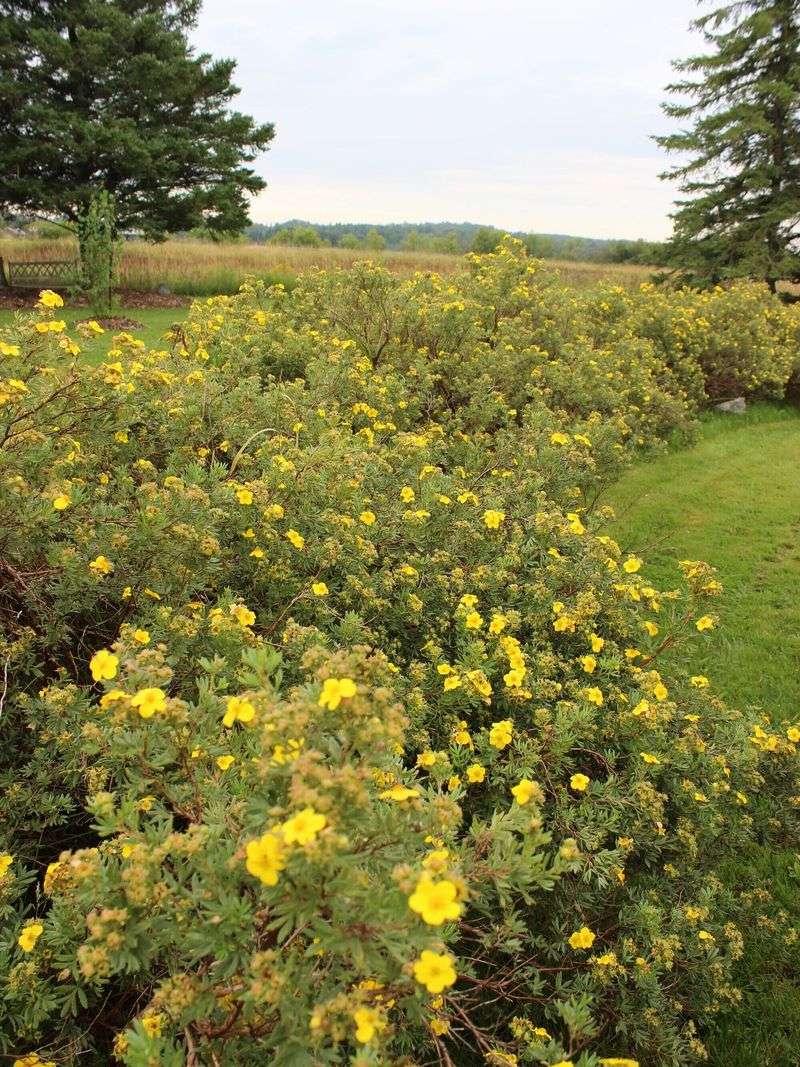
Potentilla is a cheerful little shrub that keeps pumping out flowers from early summer well into fall. All that blooming means it can look a bit messy by September, which is the perfect moment to freshen it up.
Start by pinching or snipping off the faded blooms scattered across the plant. Removing these spent flowers keeps the shrub looking bright and can even encourage a few more blossoms before the season ends.
Next, hunt for the thin, weak branches tucked inside the plant. These skinny stems rarely produce good flowers and only crowd the center. Clipping them out opens up the shrub so light and air reach every part.
Your Michigan Garden Changes Every Week. Your Plan Should Too.
Gardening in Michigan changes quickly throughout the season. Every Friday you’ll receive a simple weekly plan showing exactly what to plant, prune, fertilize, harvest, and protect so you never miss the right timing.
You do not need to be shy with potentilla since it is a tough plant that handles a trim well. Still, aim for cleaning rather than a full haircut this time of year. Save any big shaping for late winter or very early spring.
One thing gardeners love about potentilla is how forgiving it is. Even if your cuts are not perfect, the shrub usually recovers with ease and rewards you with color the following summer.
As you work, toss the clippings into your compost pile if the plant looks healthy. Clearing debris from around the base also keeps things tidy and discourages pests from settling in.
A quick fall cleanup leaves potentilla looking neat and sets it up for a strong return. With just a little attention now, this hardworking bloomer will keep brightening your Michigan garden season after season.
3. Remove Dry Branches From Dogwoods
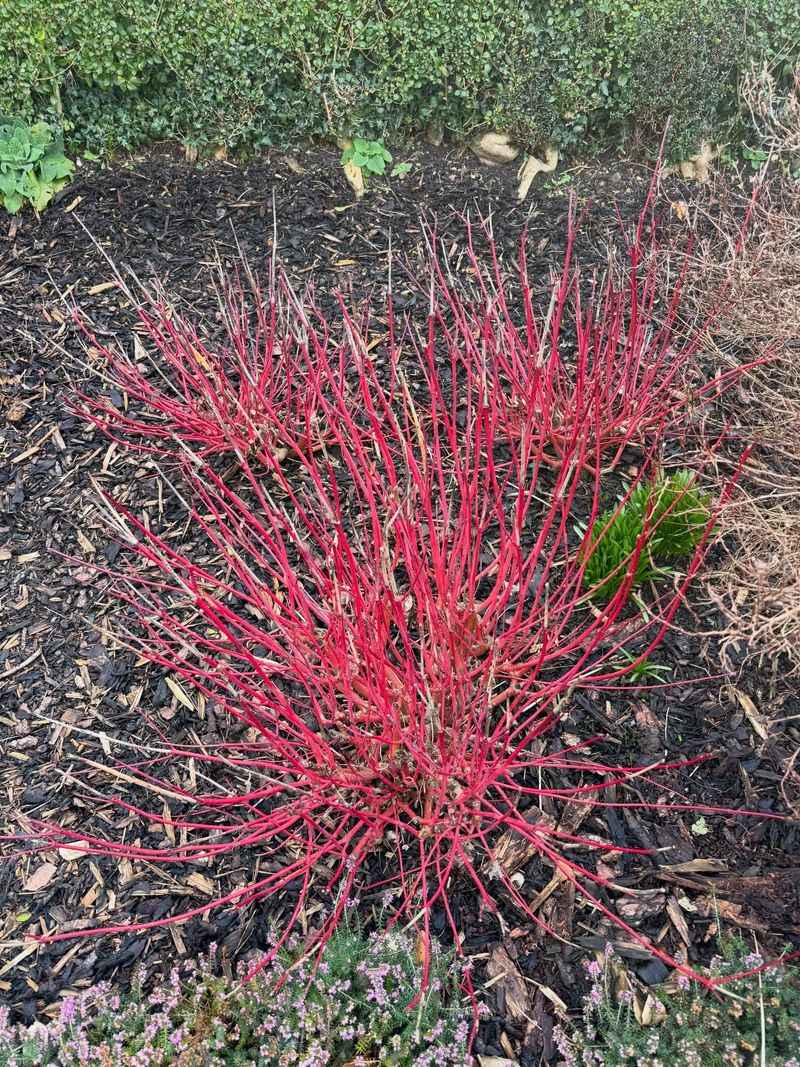
Dogwood shrubs bring wonderful color to Michigan gardens, from bright red stems in winter to lovely leaves in fall. September is a smart time to give them a quick health check and clear out anything that no longer looks alive.
Walk around the shrub and look for branches that are brittle, broken, or spotted with disease. These stems drain energy from the plant and can spread problems to healthy parts if left in place.
Cut back to a healthy point on the branch or all the way down to the base if the whole stem looks bad. Use clean, sharp pruners and wipe the blades between cuts if you spot signs of disease.
Keep the focus on removing trouble spots rather than reshaping the entire plant. Heavy shaping is better saved for late winter, when the shrub is fully resting and you can see its structure clearly.
Broken branches often show up after summer storms or curious animals brush past. Clearing them now keeps the shrub tidy and lowers the chance of pests moving into damaged wood.
Removing weak growth also helps the plant push its energy toward strong, healthy stems. That means better color and fuller growth when spring returns.
Gather up your clippings and toss diseased pieces in the trash rather than the compost pile. Leaving sick wood around can invite the same problem back next year.
With a little September attention, your dogwoods stay healthy, look neat, and keep offering that eye-catching color your Michigan garden depends on through the seasons.
4. Thin Overgrown Spirea Carefully
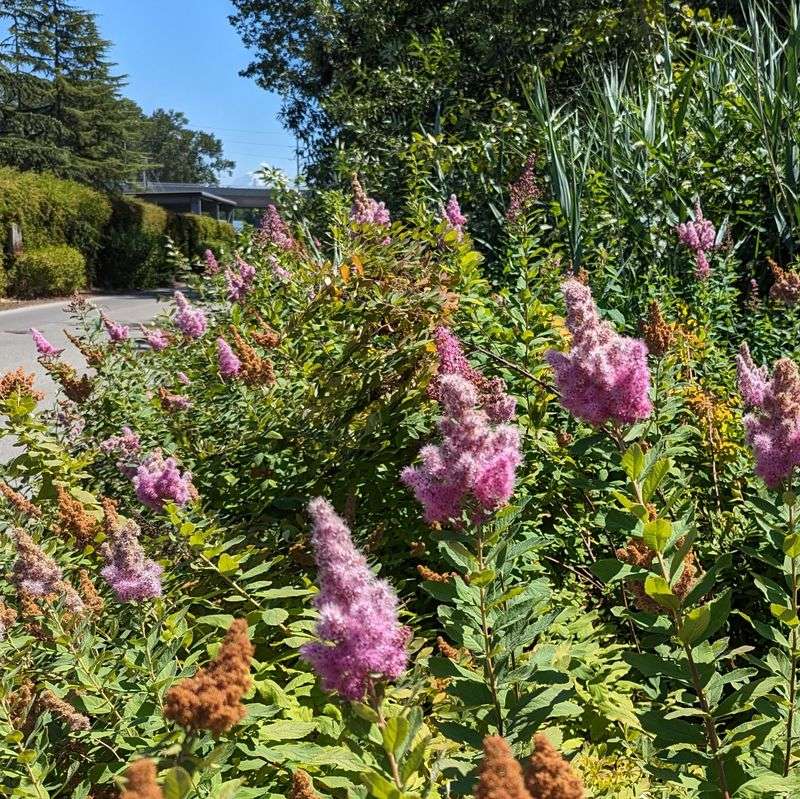
Spirea is a favorite for its clouds of tiny flowers and easygoing personality, but older plants can grow thick and tangled over time. A careful thinning in September helps this summer bloomer breathe again.
The idea behind thinning is simple. Instead of shearing the whole top, you reach into the plant and remove a few of the oldest, thickest stems right at the base. This opens up the center and lets light reach the middle.
Focus only on summer-blooming spirea for this fall work. Choose two or three of the woodiest stems and clip them low, leaving the younger, greener branches to carry the plant forward.
Avoid the urge to cut everything back hard right now. Aggressive late-season pruning can wake up tender new shoots that will not have time to toughen up before cold weather settles in.
Those soft new shoots struggle when frost arrives, so a gentle hand pays off. Save any major cutback for late winter or early spring, when the plant is resting and ready for a fresh start.
Thinning also keeps your spirea from turning into a woody, hollow shrub as the years pass. Removing old stems encourages fresh growth from the base and keeps blooms coming strong.
Step back often to check the shape and make sure you are not overdoing it. A balanced, airy plant looks better and stays healthier.
With just a few thoughtful cuts, your spirea stays full, tidy, and loaded with flowers when the warm months return to Michigan.
5. Remove Damaged Rose Canes
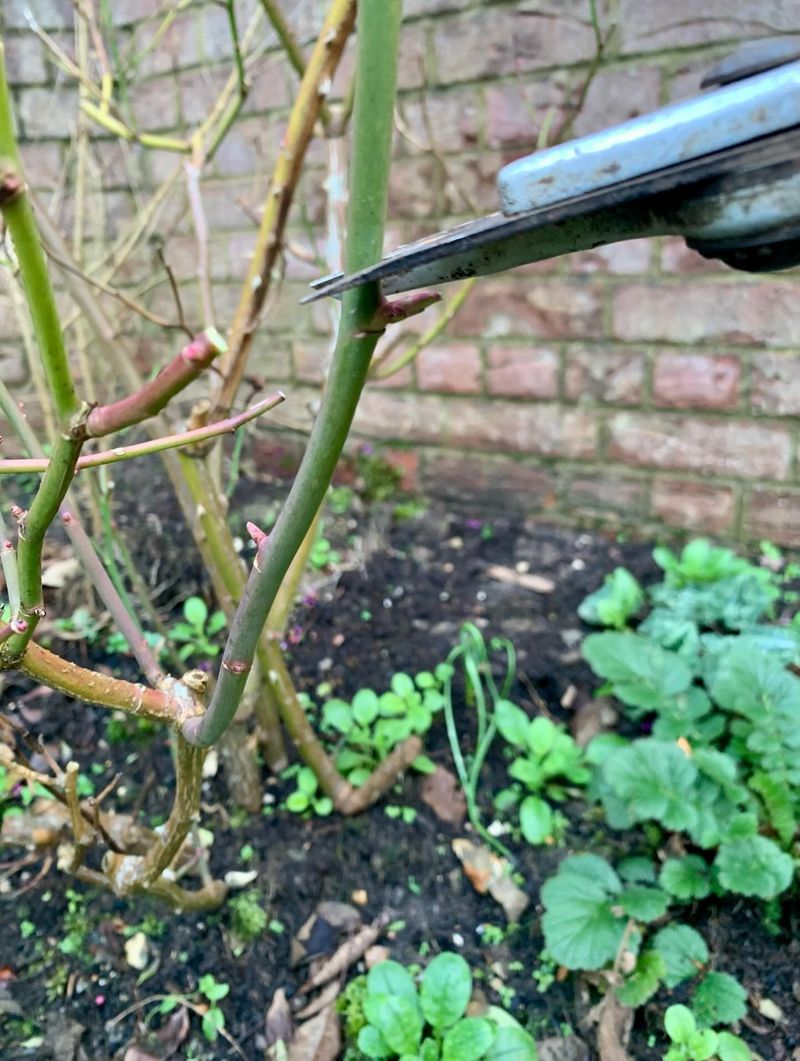
Roses put on a spectacular show all summer, but by September they often carry a few battered canes from wind, rain, or nibbling critters. Clearing out the damaged growth keeps your bushes healthy heading into the colder months.
Look over each plant for canes that are broken, cracked, or showing dark spots and disease. These weak stems can invite trouble and pull energy away from the rest of the bush.
Snip the bad canes back to a healthy section or down to the base, depending on how far the damage runs. Always use sharp, clean pruners so your cuts stay smooth and tidy.
Here is the key point for Michigan gardeners. Save the big shaping and hard cutback for spring, when the risk of frost has passed and the plant is ready to grow.
Cutting too much now can push out fresh shoots that will not survive the winter chill. Removing only the broken or sick parts keeps the plant safe while still tidying things up.
Rake up fallen leaves and clippings from around the base too. Rose leaves can carry disease, so clearing them lowers the chance of problems returning next year.
Wear thick gloves and long sleeves to protect yourself from those sharp thorns while you work. A little armor makes the job much more pleasant.
By tending to just the damaged growth now, you set your roses up for a strong, healthy comeback. Come spring, they will be ready to burst back into bloom across your Michigan garden.
6. Leave Lilacs Alone
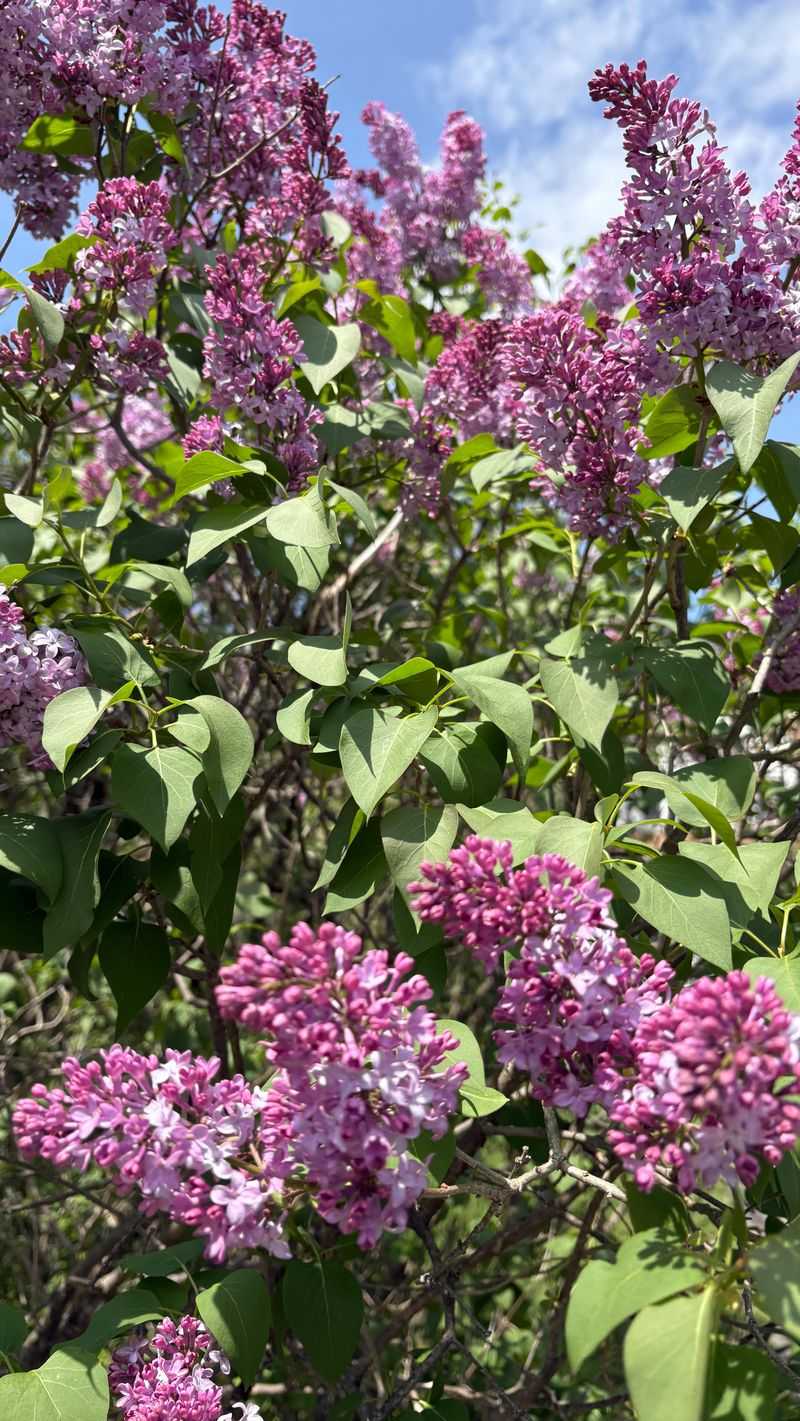
Lilacs are treasured for their sweet scent and clouds of purple blooms every spring, so it hurts to lose even one flower. That is exactly why you should keep your pruners away from them in September.
Here is the reason behind the rule. Lilacs form next spring’s flower buds on older wood during late summer and fall. Those tiny buds are already tucked onto the branches by the time September rolls around.
If you trim now, you snip off those buds without even realizing it. The result is a spring with lush green leaves but few or no flowers to enjoy.
The best moment to prune a lilac is right after it finishes blooming in spring. At that point the old blooms have faded and the plant has not yet started forming new buds.
Waiting for that window gives you the freedom to shape the shrub without sacrificing a single flower. It is a small change in timing that makes a huge difference.
In September, the kindest thing you can do is simply admire your lilac and let it rest. Pull any weeds around the base and add a little mulch if you like.
A quick check for broken branches after a storm is fine, but skip the shaping. There is no need to reach for the shears.
By leaving your lilac untouched this fall, you protect all those hidden buds. When spring arrives, your patience pays off with a full, fragrant burst of color across the yard.
7. Leave Bigleaf Hydrangeas Alone
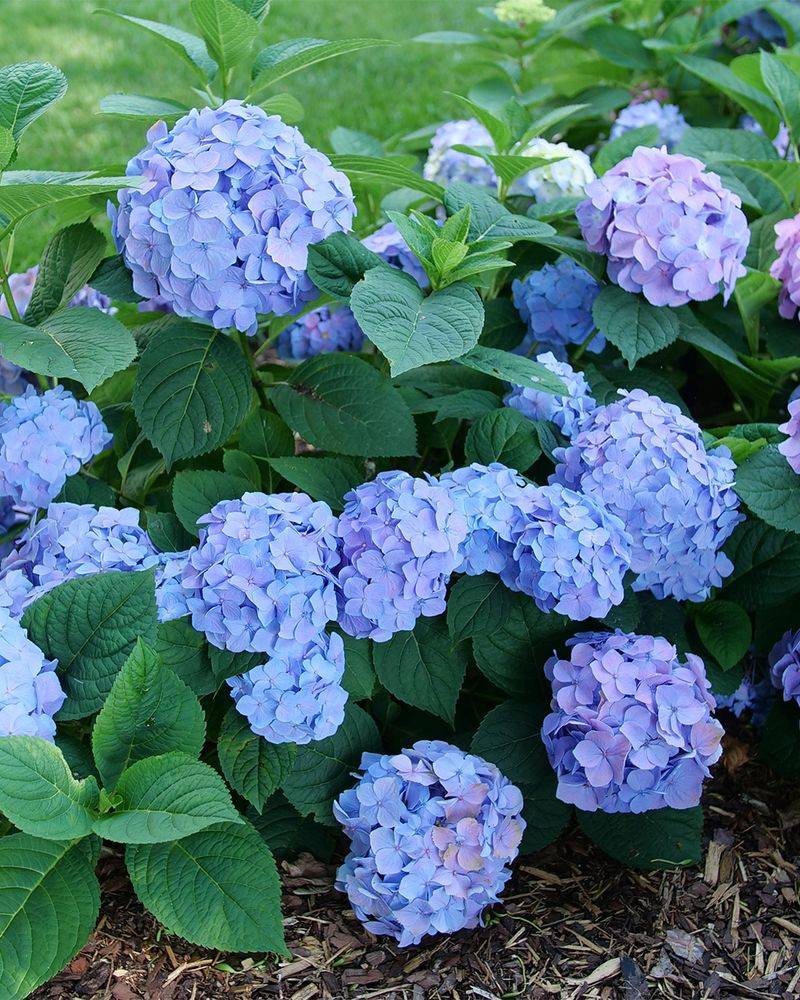
Bigleaf hydrangeas steal the show with their giant blue and pink flower heads, and gardeners adore them for good reason. When fall arrives, though, the smartest move is to set your pruners down and step back.
The secret lies in how these hydrangeas grow. Many bigleaf types bloom on old wood, meaning the stems they grow this year carry next summer’s flowers. Cut those stems in fall, and you snip away the very buds you are waiting for.
A fall haircut usually leads to a green, leafy plant next year with hardly any of those famous blooms. That is a heartbreaking trade for a tidy look.
Instead of trimming, let the faded flower heads stay on the plant through the season. They actually offer a bit of protection to the buds tucked beneath them during cold snaps.
If you feel the itch to help, add a layer of mulch around the base to shield the roots. In Michigan winters, that extra cozy layer goes a long way.
Wait until spring to do any real work, and even then, only remove the stems that clearly show no signs of life. New growth will tell you what to keep.
Skipping fall pruning takes real patience, especially when the plant looks a little untidy. Trust that leaving it be is the right call.
Come summer, your reward is a shrub bursting with those huge, colorful blooms. A hands-off fall is the surest path to a jaw-dropping hydrangea display next year.
8. Leave Rhododendrons And Azaleas Alone
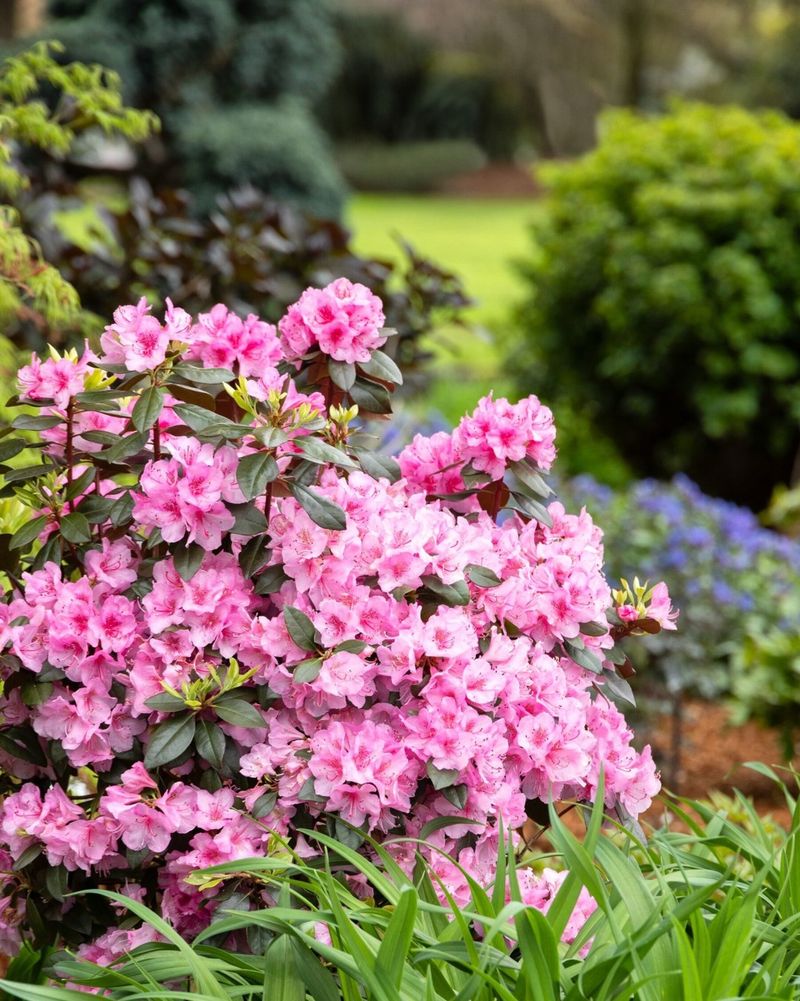
Rhododendrons and azaleas light up spring gardens with bold splashes of pink, red, and purple. As glorious as they are, September is not the time to reach for your shears.
By early fall, these shrubs are already busy forming the buds that will open next spring. Trim them now, and you cut away those developing buds along with any hope of a full flower show.
The plants work hard through late summer to set those buds, so a fall snip undoes all that quiet effort. You would end up with plenty of leaves and very few blooms.
The ideal time to prune is right after the flowers fade in spring. That short window lets you shape the shrub before it starts building next year’s buds.
Pruning after bloom keeps the plant tidy without costing you a single flower. It is all about matching your timing to the plant’s natural rhythm.
For now, give these shrubs a little care that does not involve cutting. A layer of mulch helps hold moisture and protects the roots as temperatures drop.
Both rhododendrons and azaleas like slightly acidic soil, so a suitable mulch such as pine needles can keep them happy. A good drink of water before the ground freezes helps too.
Resist the urge to neaten them up this fall, even if a branch or two looks out of place. Patience protects those precious buds.
When spring returns, your untouched shrubs will explode with color, proving that leaving them alone was absolutely worth it.