The Texas Native Tree That Grows Fast Without Becoming A Problem
One tough Texas tree blooms in late summer, long after most trees have finished flowering for the year. Its tiny flowers are so small that most people stroll right under them without a clue.
The leaves feel like fine sandpaper when you rub them between your fingers. I used to walk past this tree in parking lots and medians, until I learned why cities keep planting it there.
It handles heat, compacted dirt, drought, and the occasional soggy week with very little complaint.
Personally, I think every yard deserves a shade tree that does not turn into a headache. Plenty of quick growers split in storms, sprout everywhere, or crowd your sidewalks. This one tends to stay sturdy and well behaved as it grows.
That Sandpaper-Leaf Shade Tree Is Hiding In Plain Sight
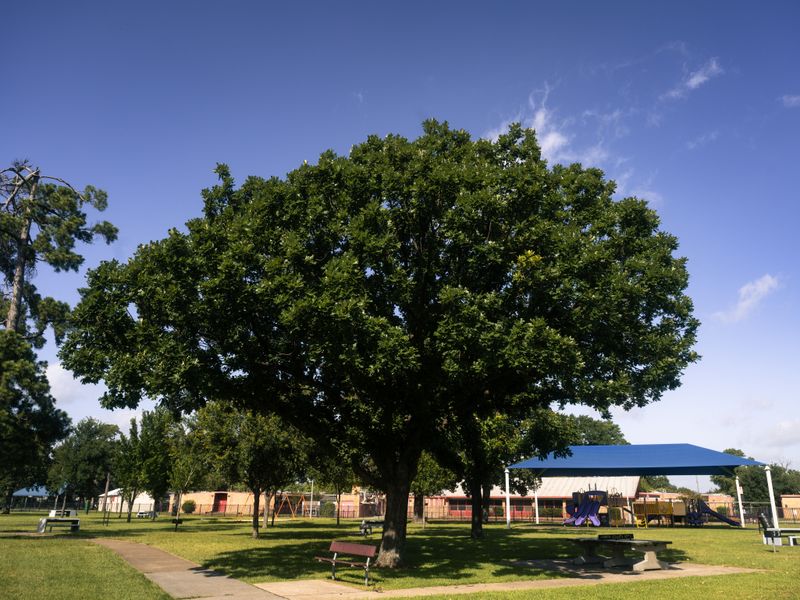
Chances are you have already parked under one. The cedar elm, Ulmus crassifolia, is a native tree found across much of central, eastern, and northern Texas, and it shows up in yards, parks, and city medians.
Its leaves are small, about one to two inches long, with a rough top that feels a lot like sandpaper. The twigs often carry thin corky ridges called wings, which give the branches a slightly fuzzy look in winter.
I love how quietly this tree does its job. It forms a rounded or oval crown that can reach about 50 to 70 feet tall over many years, with a canopy wide enough to shade a patio or driveway.
Why does it fit the title so well? It grows at a steady, useful pace, yet it does not carry the usual baggage of many speedy trees.
You will not find it on any invasive species list, and it is not known for weak wood or aggressive suckers.
The Lady Bird Johnson Wildflower Center and Texas A&M AgriLife both list it as a dependable native choice. For a Texas gardener, that combination of shade, toughness, and good manners is hard to beat.
Cedar Elm Growth Is Quick Enough To Enjoy Shade Soon
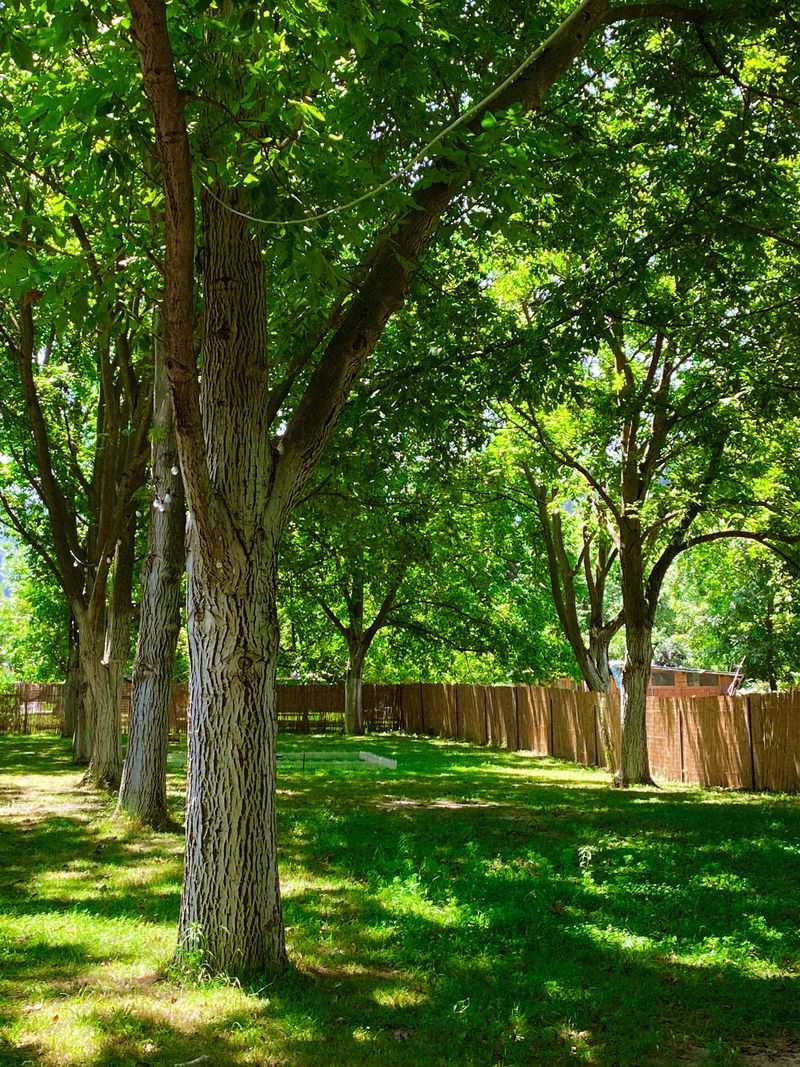
Patience is great, but nobody wants to wait thirty years for a shady spot. Cedar elm sits in that sweet middle zone, often adding around one to two feet of height per year when it gets decent soil and water.
That pace may sound modest next to a cottonwood or a silver maple. Here is the trade-off, though. Trees that rocket upward often build lighter, more brittle wood that snaps when a strong storm rolls through.
Cedar elm builds its wood more slowly, so the trunk and limbs tend to be dense and strong. That means fewer broken branches on your roof or car after a thunderstorm.
In real-world terms, a young nursery tree can give you useful patio shade within roughly eight to ten years.
You can speed things along a little with deep watering during the first few summers and a ring of mulch to keep the roots cool.
Skip heavy fertilizer, though. Pushing a tree to grow faster than it wants usually creates soft, leggy growth that pests love.
A steady, natural pace gives you a better tree in the long run, and your future self will thank you.
Clay, Limestone, Or Soggy Ground Rarely Slows A Cedar Elm
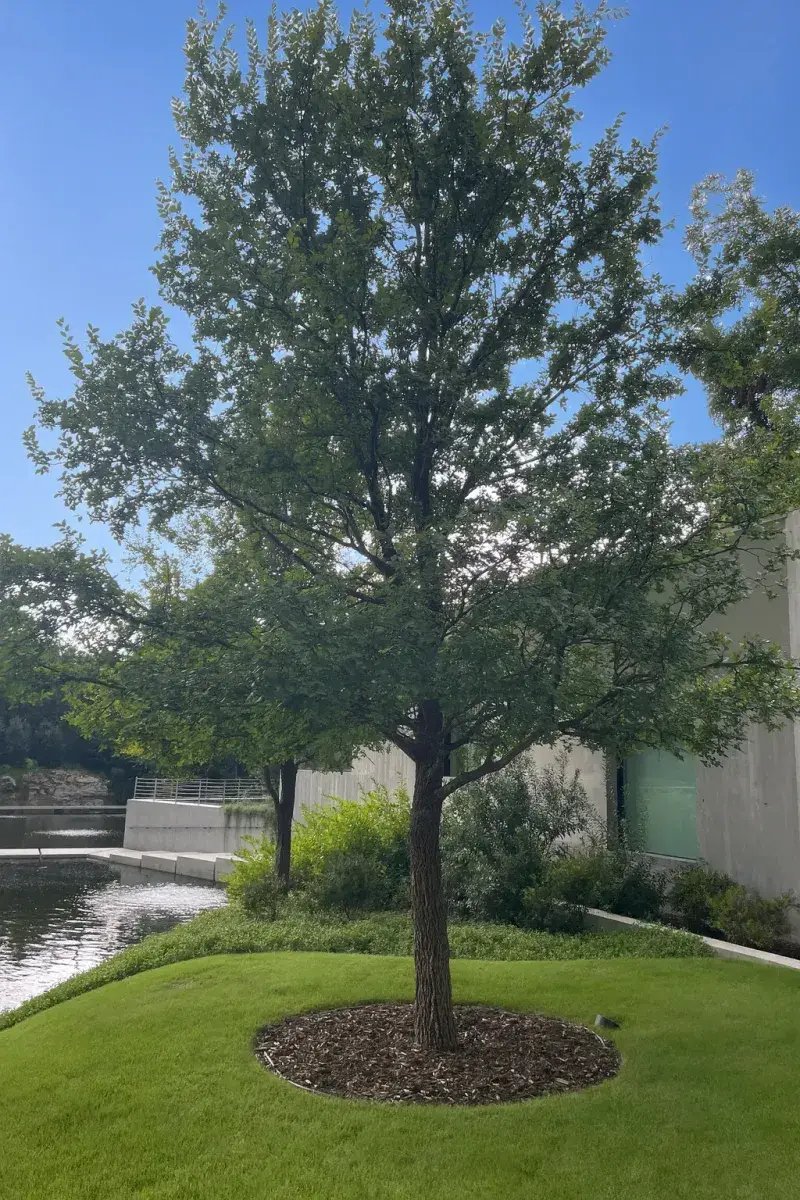
Ask any Texas gardener about soil and you might get a long sigh. Sticky black clay, shallow rocky limestone, and alkaline dirt can make many trees sulk.
Cedar elm shrugs most of that off. It naturally grows in river bottoms, upland woods, and rocky hills, so it has learned to cope with a wide range of conditions.
Alkaline soil, which causes yellow leaves on trees like pin oak, usually does not bother it.
Here is a fun twist. This tree also tolerates short periods of wet, poorly drained ground, which is unusual for a tree that handles drought so well. That makes it handy for low spots that stay damp after heavy rain.
Once established, it gets through long dry stretches with little extra water. During extreme droughts, it may drop some leaves early, which is a normal survival move rather than a crisis.
It does want full sun or light shade to grow its best. In heavy shade, growth slows and the canopy thins out.
For most yards from Dallas to San Antonio to Houston, cedar elm is one of the least picky shade trees you can plant.
Those Cedar Elm Roots Usually Play Nice With Your House
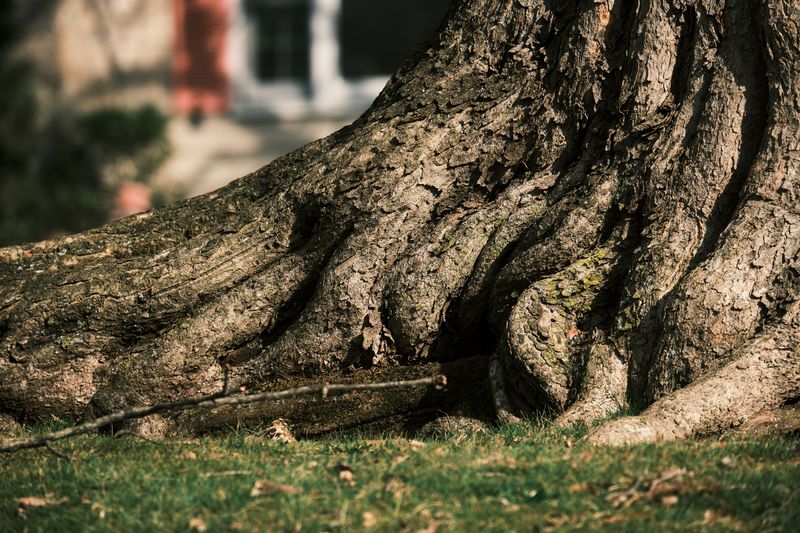
Root worries keep plenty of homeowners from planting big trees. Nobody wants cracked sidewalks or a plumber on speed dial.
Cedar elm is not known for the aggressive, surface-hugging roots you see with trees like silver maple or cottonwood.
Its roots spread widely like most large trees, but they are not famous for buckling pavement or invading sewer lines.
Still, smart placement matters. Foundation trouble in Texas usually comes from clay soils shrinking and swelling as they dry and get wet, and any big tree pulling moisture near the slab can play a part.
My rule of thumb is simple. Plant it at least 15 to 20 feet from your house, and keep it a good distance from septic fields, driveways, and walkways.
Consider overhead lines too. A tree that may reach 50 feet or more should not go under power lines, since repeated utility trimming leaves it lopsided.
Watering slowly and deeply also helps. Roots grow downward when water soaks in, instead of crowding near the surface where they can lift paving.
A little planning today keeps the peace between your tree and your home for decades.
Late Summer Flowers And Winged Seeds Bring Songbirds Over
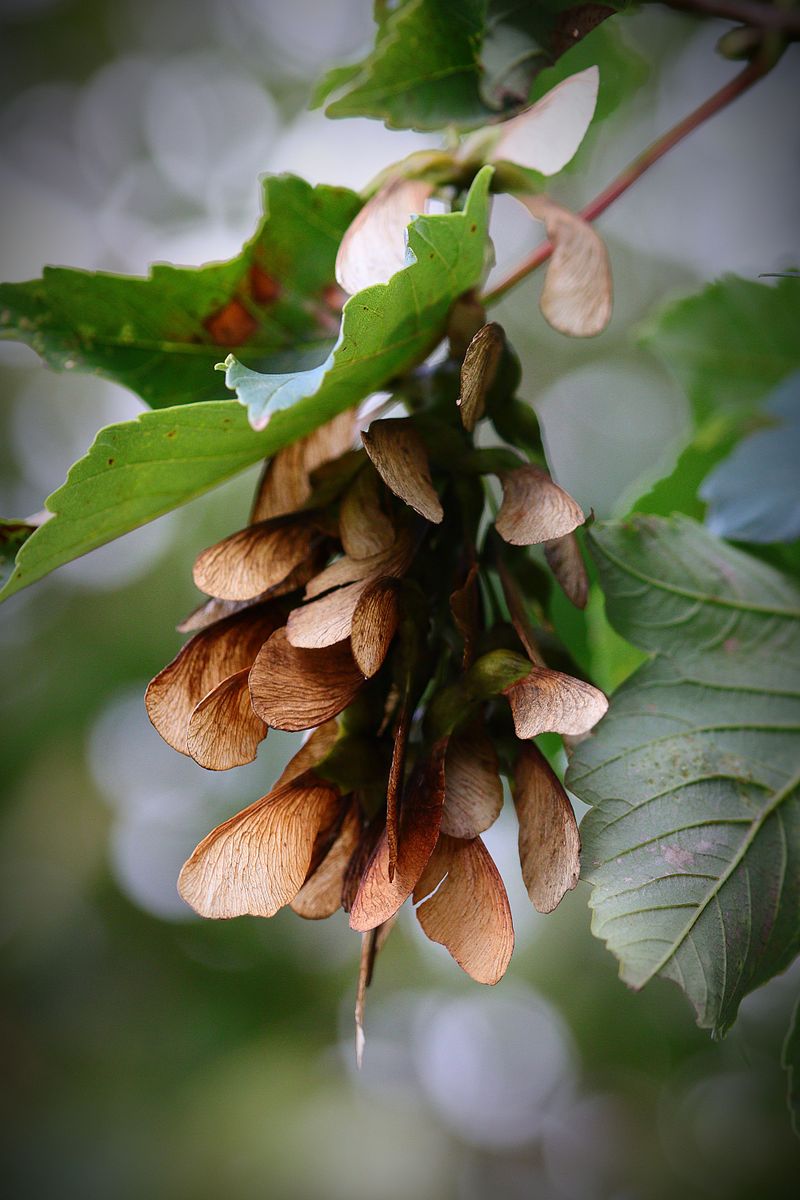
Most elms flower in early spring. Cedar elm marches to its own beat, blooming in late summer and early fall, usually around August and September.
The flowers are tiny and reddish green, so you have to look closely to notice them. Soon after, the tree forms small, flat, papery seeds with a fringed edge, known as samaras.
Birds and small mammals eat these seeds, and finches and other seed eaters may visit as the samaras ripen. Squirrels sometimes join the party too.
The leaves matter for wildlife as well. Elms serve as host plants for caterpillars of butterflies like the question mark and mourning cloak. Those caterpillars, in turn, feed baby birds in nesting season.
Do not panic if you see a few chewed leaves. That nibbling is part of a healthy backyard food web, and a sturdy tree handles it easily.
Personally, I enjoy standing under the branches in September and listening for chirps. It feels like the tree is hosting a quiet little picnic.
One bonus for tidy gardeners is that the seeds are small and break down quickly. Seedlings may pop up, but they are easy to pull while young.
Golden Cedar Elm Leaves Light Up A Texas Autumn
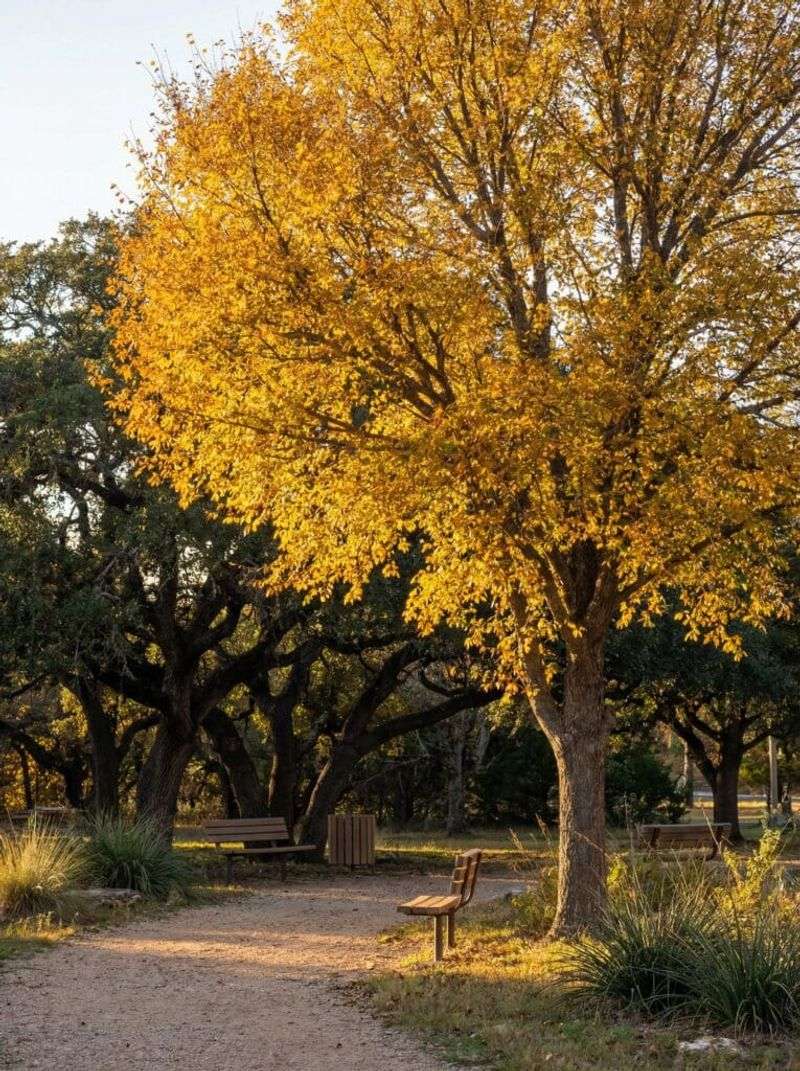
Fall color in much of Texas can feel a little shy. Many trees simply fade from green to brown and call it a season.
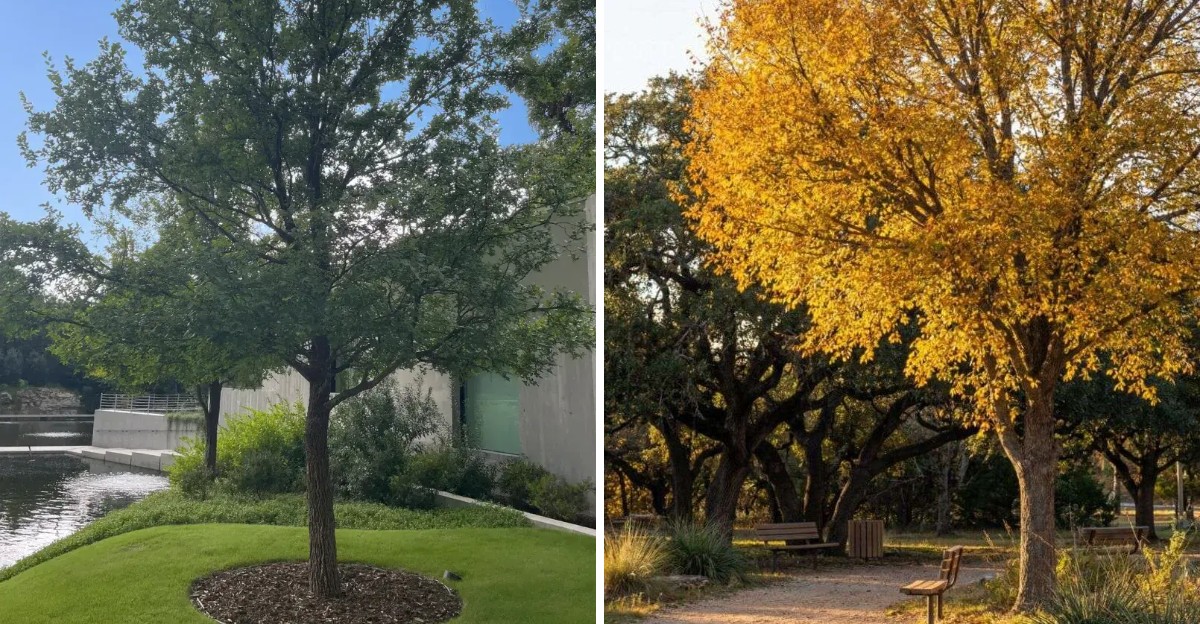
Cedar elm often does better. In late fall, usually around November in central Texas, its small leaves can turn a warm golden yellow. The display depends on weather, and a dry or warm fall may produce a softer show.
Because the leaves are tiny, they drop gently and are easy to manage. You can mow right over them and let the bits feed your lawn, or rake them into beds as free mulch.
Winter has its charm too. The bare branches reveal a graceful, sometimes slightly weeping shape, and you can spot those corky wings along the twigs.
I like pairing cedar elm with evergreen natives so the yard still looks lively after the leaves fall. Yaupon holly, Texas mountain laurel, or evergreen sumac can fill that role nicely.
For color lovers, try planting a native red-leaved tree nearby, such as a Shumard oak in suitable soil. The gold and red together make a lovely, homegrown autumn scene.
Watch For These Few Elm Pests And Leaf Spots
No tree is perfect, and being honest about the downsides keeps expectations realistic. Cedar elm has a handful of issues, but most are cosmetic.
Powdery mildew may coat leaves with a whitish film during humid stretches, especially in shady or crowded spots. Better airflow and full sun reduce the trouble, and it rarely harms a healthy tree.
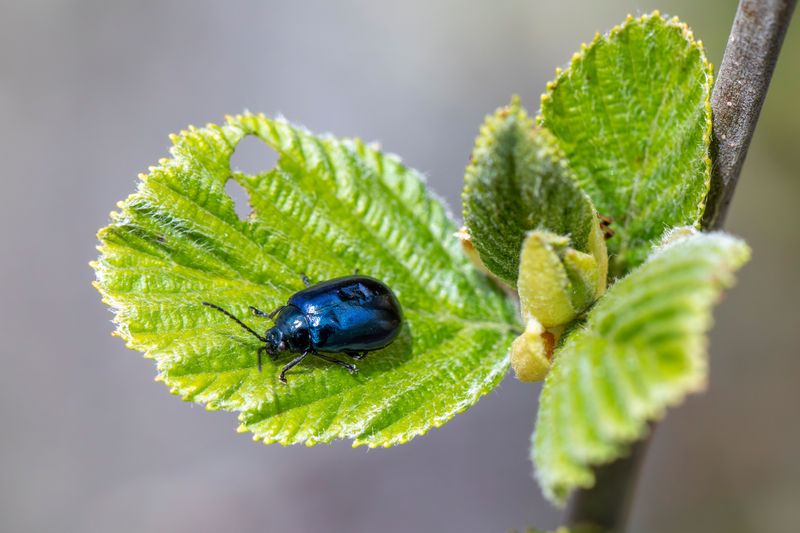
Elm leaf beetles, aphids, and the occasional scale insect may show up too. Lady beetles and other helpful insects often keep these in check, so hold off on spraying unless damage gets heavy.
Mistletoe can take hold in older trees in some regions. Pruning out infected branches while the clumps are small is the most practical fix.
What about Dutch elm disease? Cedar elm can catch it, though it is not known for the dramatic losses seen in American elms. Buying healthy nursery stock and avoiding trunk wounds help a lot.
Speaking of wounds, keep lawn mowers and string trimmers away from the bark. A wide mulch ring makes a simple buffer.
For any worrying symptoms, your county AgriLife Extension office or a certified arborist can help diagnose the problem before guessing with chemicals.
Plant Your Cedar Elm Sapling In Fall For A Strong Start
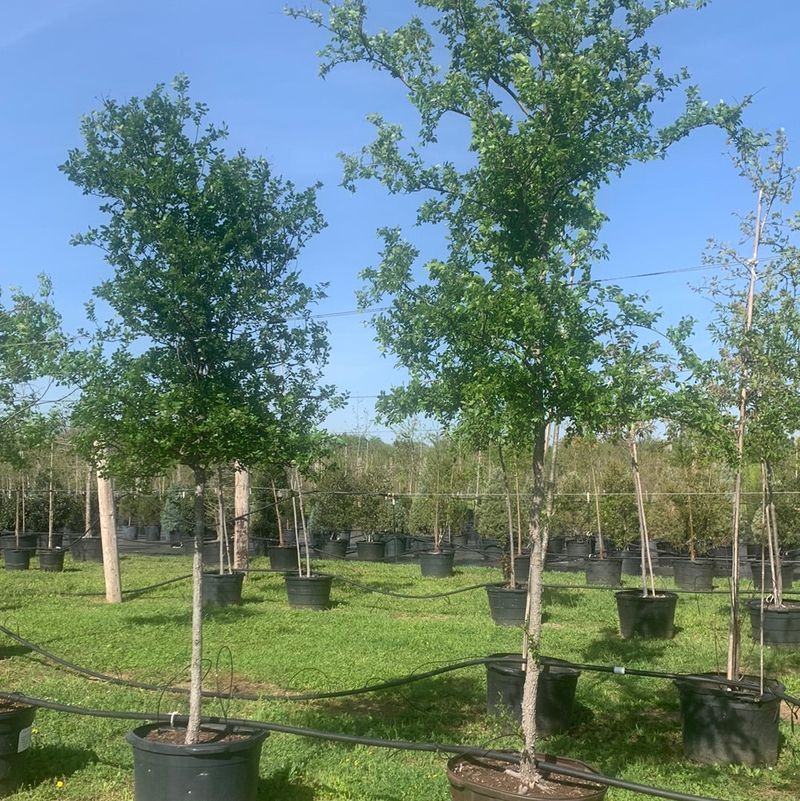
Timing is everything with Texas trees. Fall is the best season to plant cedar elm, with winter through early spring as a decent backup in most of the state.
Cooler air lets roots grow without the stress of summer heat. By the time July arrives, your tree has had months to settle in.
Dig a hole two to three times wider than the root ball but no deeper. The root flare, where the trunk widens at the base, should sit at or slightly above ground level.
Backfill with the native soil you removed, without piling in lots of compost or potting mix. Then spread two to three inches of mulch in a wide ring, keeping it a few inches away from the trunk.
Water deeply after planting. During the first summer, plan on a long, slow soak about once or twice a week when rain is scarce, and keep it up through the second year.
Skip heavy pruning at first, and only remove broken or crossing limbs. Later, light shaping builds a strong structure.
Give it a few seasons of care, and this native will reward you with shade for generations.