Who Is Responsible When A Neighbor’s Tree Branch Hangs Over Your Texas Fence?
A tree trunk sitting fully in your neighbor’s yard can still have limbs you are legally allowed to trim. That surprised me the first time I heard it from a Texas attorney.
The branch hanging over my fence had been dropping twigs on my tomato cages for months. I kept waiting for my neighbor to deal with it. To my surprise, the law saw it a little differently.
Courts in the Lone Star State follow an old idea about property lines and airspace. Your yard does not stop at the grass. It reaches up toward the sky, which means that leafy visitor is partly your business.
There is a catch, though. Cut too much, and the bill for a lovely shade tree could land in your mailbox instead of theirs. So who really owns the problem, and who pays when a limb finally gives way?
1. That Overhanging Oak Limb Is Partly Your Call

Property lines in Texas work like invisible walls that rise straight up from the ground. Anything crossing that line into your airspace, including a neighbor’s oak limb, falls under your right to manage it.
Lawyers call this the self-help rule. It means you can generally trim branches and even roots that extend onto your land, right up to the property line.
You usually do not need your neighbor’s permission first, though asking is still a kind move.
Here is the part that trips people up. The tree still belongs to your neighbor because the trunk grows on their side. You get to manage the part over your yard, but you do not own the whole tree.
I like to think of it as shared custody with clear boundaries. The branch over your fence is yours to handle, while the rest stays theirs to care for.
A few things are off limits from the start. You cannot step onto your neighbor’s property to reach a limb without permission, since that counts as trespassing.
You also cannot climb their fence or lean a ladder against it without asking. Stay on your side, cut only what crosses over, and you are mostly on solid legal ground.
2. Trim Branches Right At The Property Line, Not Beyond It
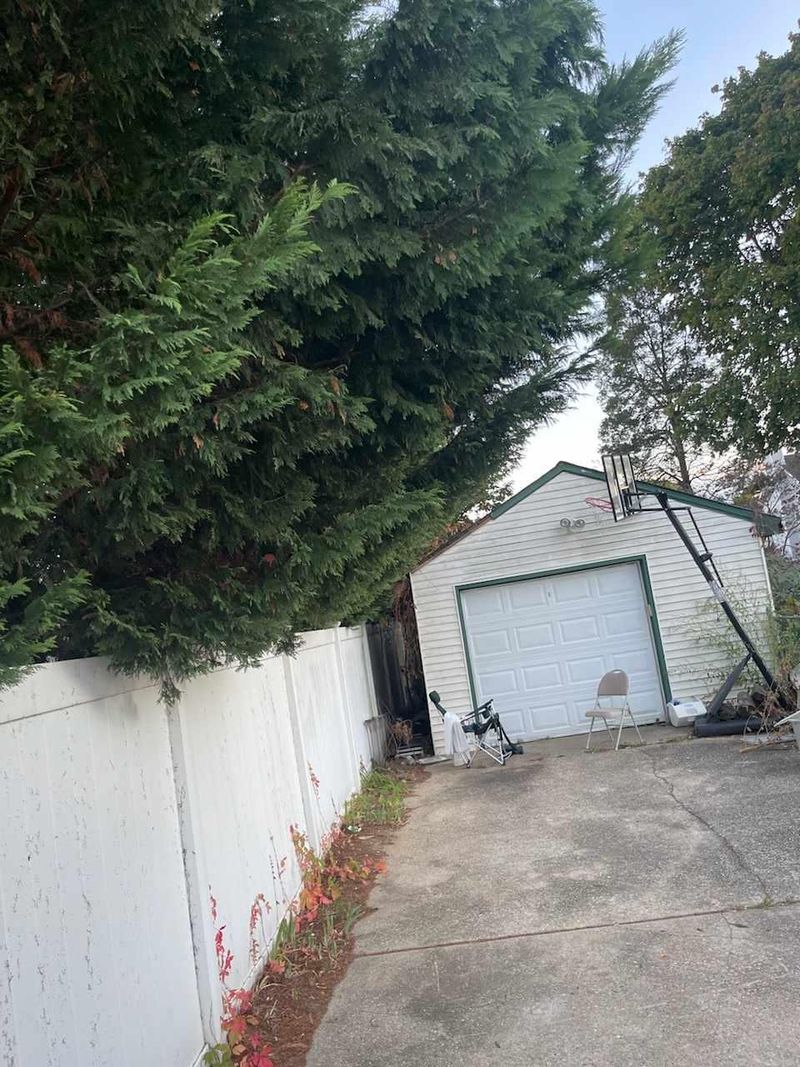
Grab your pruners, but bring a sense of where your yard ends. The legal line for cutting is the property line itself, not a foot past it and not halfway up the trunk.
Fences are not always placed exactly on the boundary. Some sit a few inches or even feet inside one yard. If you are unsure, check your property survey, often included in your closing papers, before you start cutting.
Good technique matters too. Arborists recommend cutting just outside the branch collar, the slightly swollen ring where a limb meets a larger branch. Clean cuts in that spot help the tree seal the wound naturally.
Texas A&M AgriLife and the Texas A&M Forest Service suggest avoiding pruning oaks from February through June.
That timing helps reduce the spread of oak wilt, a serious disease carried by sap beetles. If you must cut during that window, paint the wounds right away.
Large limbs deserve extra caution. Heavy branches can swing, tear bark, or crash onto fences and roofs.
A certified arborist can handle tall or thick cuts safely. That small expense often saves you from a much bigger repair bill later.
3. Harming The Whole Tree Can Cost You Real Money
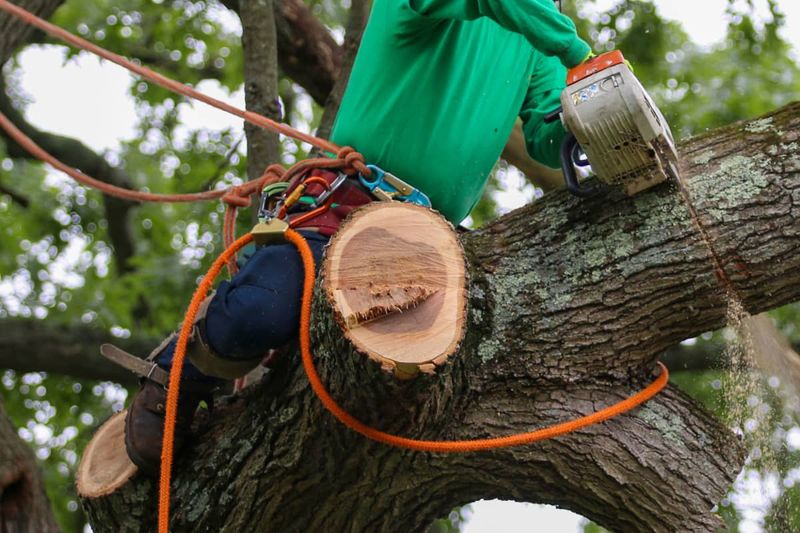
Believe it or not, the biggest legal risk in this situation usually falls on the person doing the trimming. Your right to cut overhanging branches comes with a firm limit.
You cannot prune so heavily that the tree is seriously harmed or fails. If your cuts leave the tree unstable or cause it to decline, your neighbor may be able to sue you for its value. Mature shade trees can be worth thousands of dollars.
Texas also has laws about damaging another person’s property, and some cases may involve extra damages. Courts look at what was cut, how much, and whether the damage was reasonable.
Root cutting deserves special care. Slicing through major roots near a fence to install a patio or pool can weaken a tree’s anchor and water supply. A tree may look fine for a season, then struggle the following summer.
Personally, I would rather leave a limb a little long than gamble on a lawsuit. A tree that takes forty years to grow cannot be replaced overnight.
When in doubt, ask a certified arborist to review the plan first. Their written opinion can protect both the tree and you.
4. The Trimming Bill And Brush Pile Usually Land On Your Side
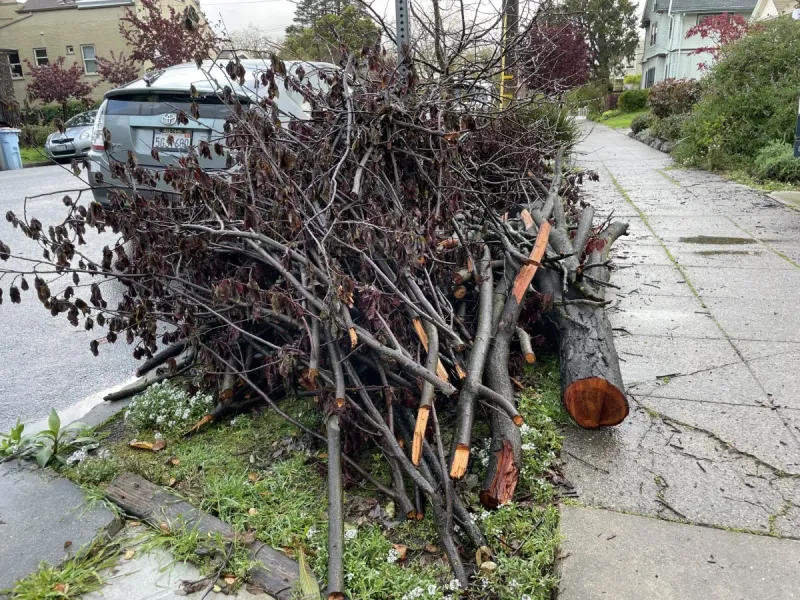
Nobody warned me that trimming my neighbor’s branch would mean paying for it too. In most cases, though, that is how it works.
When you choose to cut overhanging limbs, the cost is usually yours. You are the one who wants the extra sunlight, cleaner gutters, or room for your garden, so the expense follows the person who benefits.
Cleanup is also on you. Tossing the cut branches back over the fence into your neighbor’s yard is a fast way to start a feud. It may also count as dumping debris on someone else’s property.
Plenty of cities make disposal easier. Many Texas towns offer bulk brush pickup on set schedules, often requiring branches to be cut into shorter lengths and bundled. Check your city’s solid waste page for size limits.
You can also put those trimmings to work. Smaller twigs can go into a compost pile, and chipped wood makes handy mulch around shrubs and paths.
One exception is worth mentioning. If the branch is dangerous and your neighbor knew about it, sharing costs might be fair. A friendly talk could lead to splitting the bill.
5. A Healthy Tree Falling In A Storm Is Usually An Act Of Nature
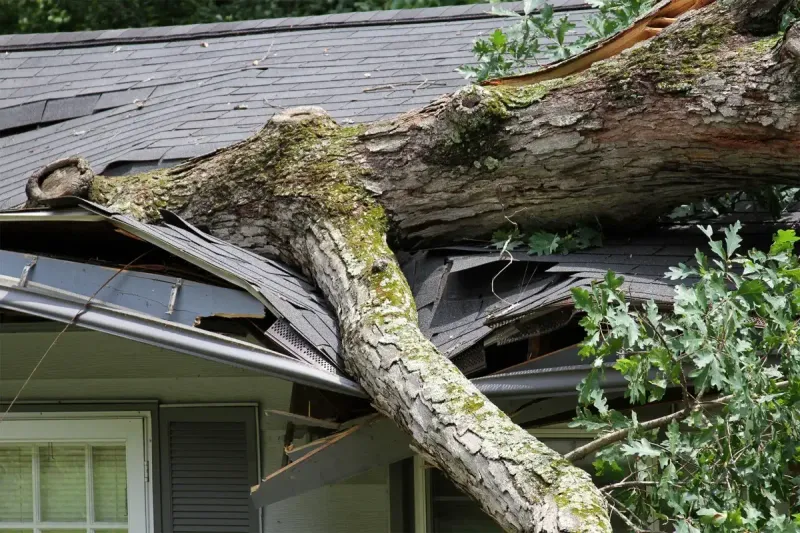
Spring storms in Texas can be wild, with high winds, hail, and the occasional tornado. When a sturdy limb snaps and crushes your fence, the first question is usually who pays.
If the tree was healthy and reasonably cared for, the fall is generally treated as an act of God. That means nobody did anything wrong, and your neighbor usually is not liable.
In that case, your own homeowners insurance typically handles damage on your property. That includes your fence, roof, shed, or car if your auto policy has comprehensive coverage.
Read your policy closely. Many policies cover tree removal only when the tree hits a covered structure, and some cap that removal cost at a set amount. A limb landing in an open lawn may not be covered.
Take clear photos right after the storm before you move anything. Pictures of the broken limb, the stump area, and the damage help your claim move faster.
Call your insurer early, especially after big storms when adjusters get busy. Keep receipts for emergency repairs, like temporary fencing to keep pets in.
6. Rotting Limbs And Warning Signs Can Shift The Blame
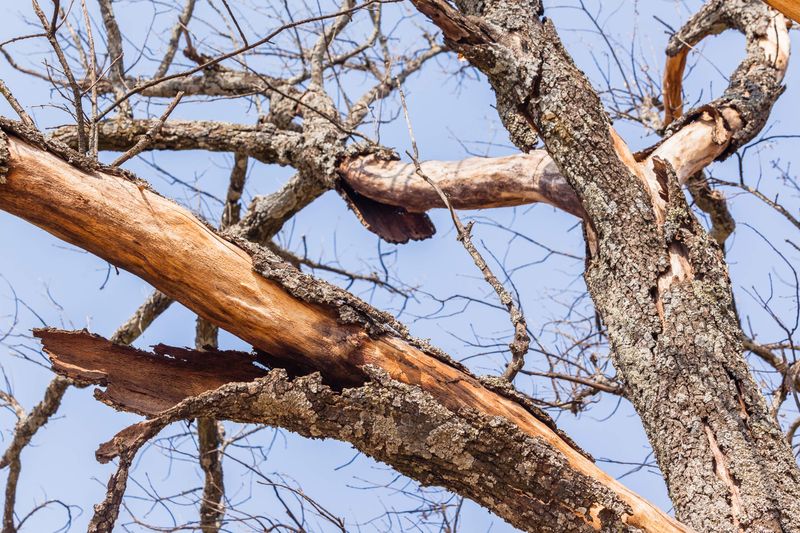
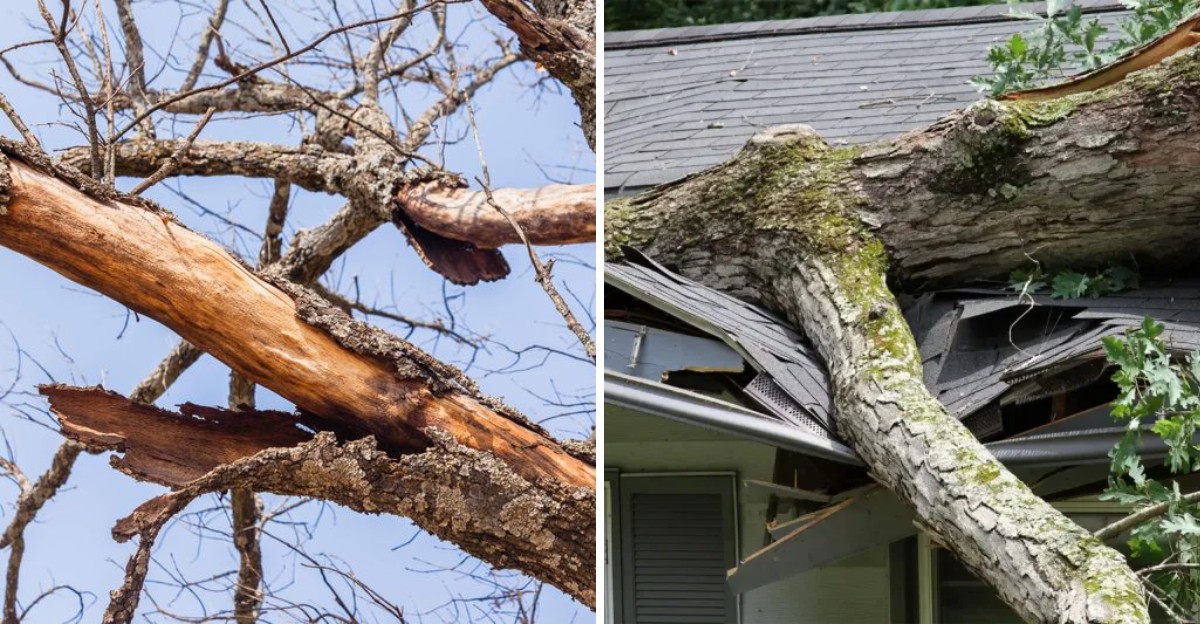
Take a closer look at that branch hanging over your fence. Cracks, hollow spots, mushrooms near the base, or peeling bark can point to serious decay.
That condition changes the legal picture. If your neighbor knew, or reasonably should have known, the tree was unsafe and did nothing, they could be found negligent. A fall would then no longer be just bad luck.
Proof is everything here. Send your neighbor a polite written note about the problem, keep a copy, and take dated photos of the trouble spots.
An arborist report adds weight. A certified arborist can judge whether the tree is a real hazard and put that opinion in writing.
Other common warning signs include large lifeless limbs without leaves in summer, a trunk that has started leaning, and soil heaving near the roots. Woodpecker activity can also hint at insects inside softened wood.
If the tree sits on city land or near power lines, contact the city or utility instead. Utilities usually handle limbs touching lines, and you should stay well clear of them.
Speaking up early may prevent damage entirely. It also builds a record if things go wrong.
7. Falling Pecans, Acorns, And Leaves Are Part Of The Deal
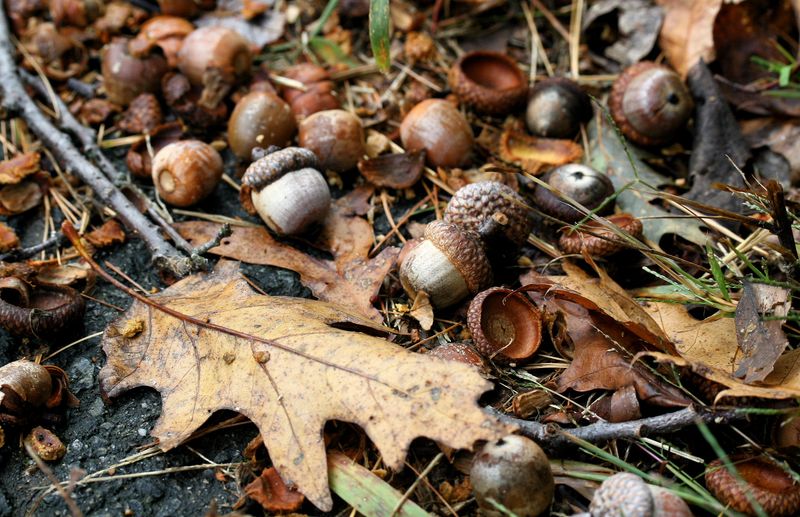
Pecans thumping onto your patio sound charming until you are raking them for the fifth time this week. Leaves, acorns, seed pods, and pollen are some of the most common neighbor complaints.
Texas law generally treats this natural litter as part of living near trees. Your neighbor usually is not responsible for cleaning leaves from your pool or gutters.
A fun twist involves fruit and nuts. Pecans hanging on the tree still belong to the tree owner, even over your yard. Once they fall onto your ground, the rules get murky, so a quick chat avoids hurt feelings.
Gutter guards can save you hours of ladder work. Pool owners often use leaf nets or covers during heavy drop seasons, especially in fall and early spring for live oaks.
Fallen leaves are a gardener’s secret treasure. Shred them with a mower and spread them over beds as free mulch, or pile them into compost.
Your HOA may have rules on yard upkeep. Still, routine leaf drop alone rarely counts as a legal nuisance. Treat it as free garden material, and the chore feels lighter.
8. A Friendly Chat Over The Fence Solves Most Branch Disputes
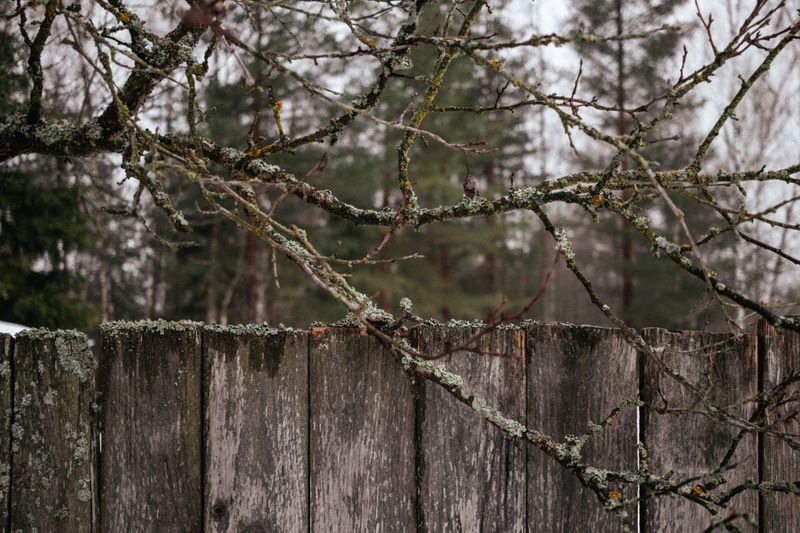
Some of the best tree advice I ever got came over a fence with a glass of iced tea. Most branch problems end there, long before anyone calls a lawyer.
Start by knocking on the door instead of leaving a note. Mention what the branch is doing, like scraping your roof or shading your garden, and ask how they feel about trimming it.
Many neighbors will happily split the cost of a single arborist visit. One crew can shape the whole tree evenly, which looks better and keeps the canopy balanced.
Check a few local rules before cutting anything big. Some cities, including Austin, protect certain large trees, and HOAs may have their own requirements. A quick call to your city can save trouble.
If talking fails, try mediation. Many Texas counties offer low-cost dispute resolution centers that help neighbors find common ground.
For valuable trees, unclear property lines, or serious damage, a real estate attorney is worth consulting. Keep your notes, photos, and messages organized.
Your rights matter, and so does living next to these folks for years. Kindness plus clear knowledge is your strongest tool.