Leafless but Still Dangerous: 8 New York Plants That Can Hurt You All Winter
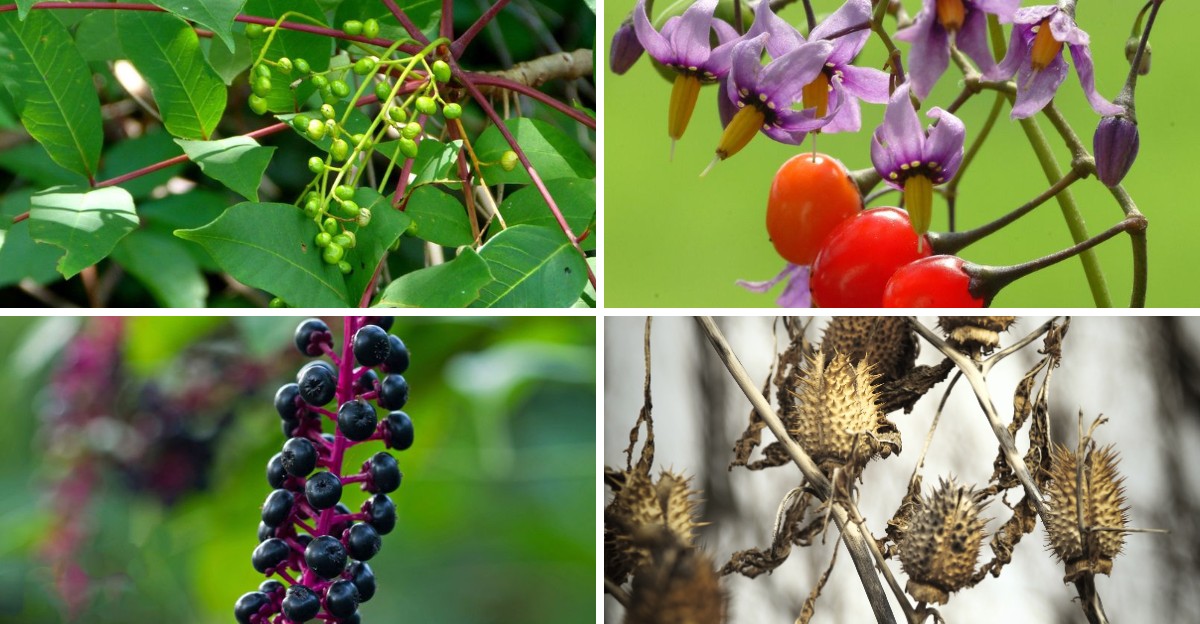
Urushiol, the itchy oil behind a nasty rash, can stay active on bare vines for years after the leaves drop. That means a leafless twig in your winter woodpile can still leave you scratching for two long weeks.
Cold weather does not switch off plant poisons, and some berries and seed pods hang on until spring. Across New York, those bright leftovers sit at perfect height for curious kids and nosy dogs.
Confession time: I once hauled brush bare-handed in February and paid for it with a blistered wrist. Looking back, I should have checked which hairy vine was wrapped around that old maple first.
Winter gardening feels harmless, since snow seems to tuck every risky plant away for months. So which bare stems and berries deserve a second look before you grab your pruners this week?
1. Poison Ivy
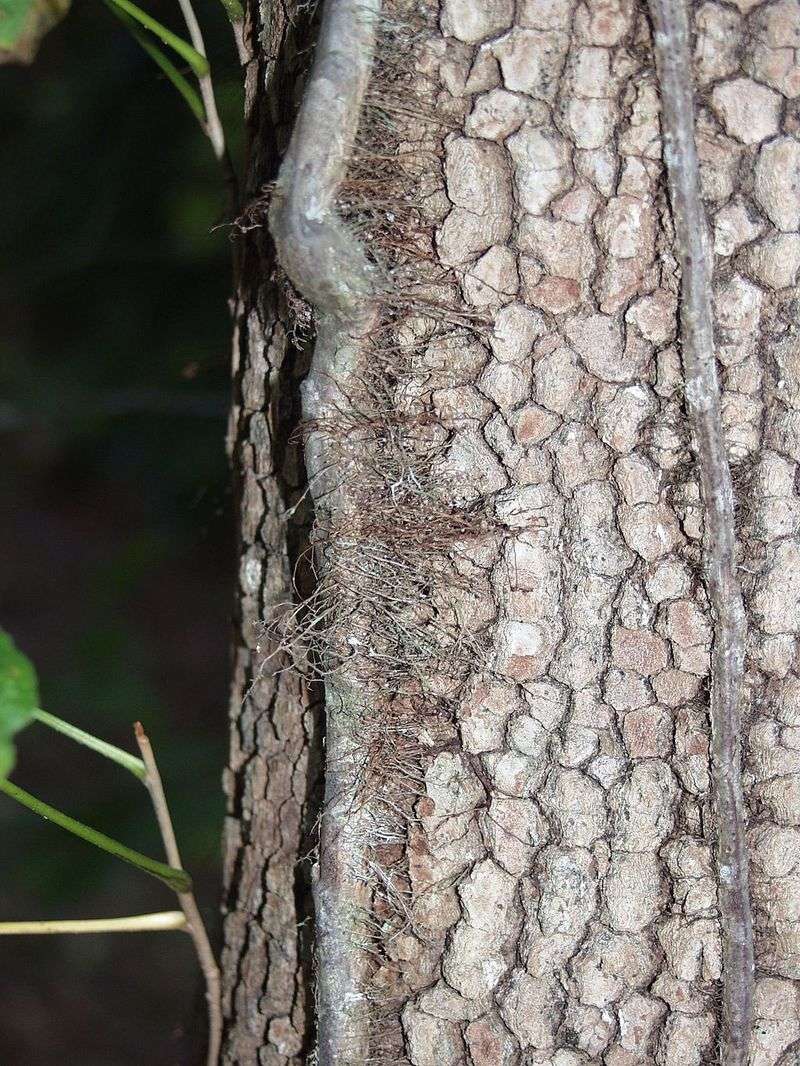
Those fuzzy, rope-like vines hugging your oak tree look harmless in January, but they carry the same itchy oil. Poison ivy keeps urushiol in its stems and roots all year, so bare does not mean safe.
In winter, look for hairy aerial roots that make the vine resemble a shaggy brown rope climbing bark. Some vines also hold clusters of small whitish berries, which birds happily eat and spread around your yard.
I learned the hard way that firewood can hide these vines, especially logs stacked from wooded edges. Check every split log for hairy strands before you carry an armload against your sweater and bare neck.
A rash usually appears hours or days after contact, bringing red swelling and itchy blisters that linger. Symptoms can stick around for weeks, so prevention beats any cream you keep in the bathroom cabinet.
Please skip burning brush piles that might contain this vine, because the smoke carries urushiol into lungs. Inhaling that smoke can cause serious breathing trouble, which deserves a trip to a doctor right away.
For removal, wear long sleeves and thick gloves, then cut climbing vines at the base near the soil. Bag the pieces for the trash, then scrub your tools and gloves with plenty of soapy water afterward.
Pets can carry the oil on their fur too, even if they rarely react themselves. If your dog rolls through a vine patch, a quick bath with gloves on protects everyone indoors.
2. Poison Sumac
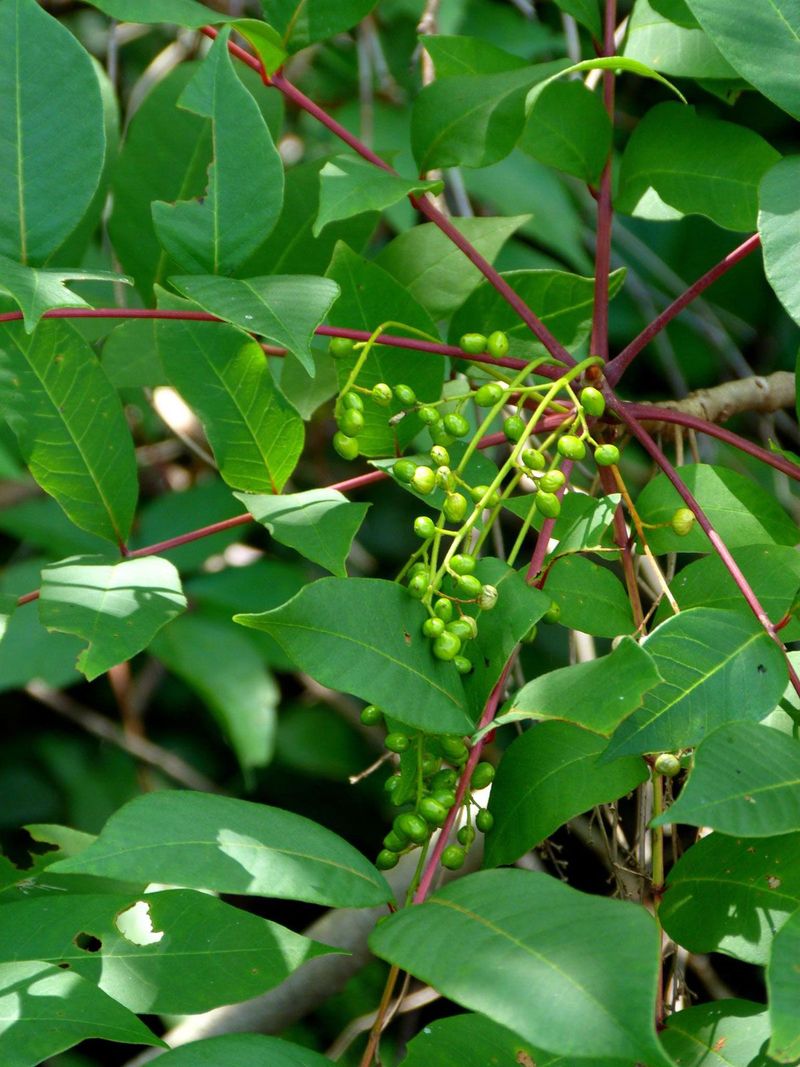
Swamp walks feel peaceful in winter, until you realize the slim gray shrub beside the boardwalk is poison sumac. Many experts consider it even more potent than poison ivy, and its bare branches still carry urushiol.
Toxicodendron vernix favors soggy ground, so you will mostly find it in bogs and swampy woodland edges of New York. It grows as a tall shrub or small tree, usually reaching somewhere between five and twenty feet.
Your best winter clue is the drooping clusters of dull, creamy white berries hanging from bare twigs. Harmless staghorn sumac holds upright, fuzzy red clusters instead, so color makes a handy quick check.
If you ask me, that comparison is the single most useful trick for anyone hiking or foraging decorations. Grabbing pale berries for a rustic wreath could leave you itching through the whole holiday season.
Contact typically triggers a rash within 8 to 48 hours, often with swelling and fluid-filled blisters. Discomfort can last several weeks, and rinsing skin quickly with soap and cool water may lessen reactions.
Smoke from burning poison sumac is especially dangerous because the oil can seriously irritate your lungs. Wetland clearing projects should rely on cutting and bagging, not bonfires, to keep everyone breathing easily.
Since it is a native plant, consider leaving it alone in wild areas where birds eat the berries. Just mark the spot in your memory, and steer kids and dogs along a different path.
3. Bittersweet Nightshade
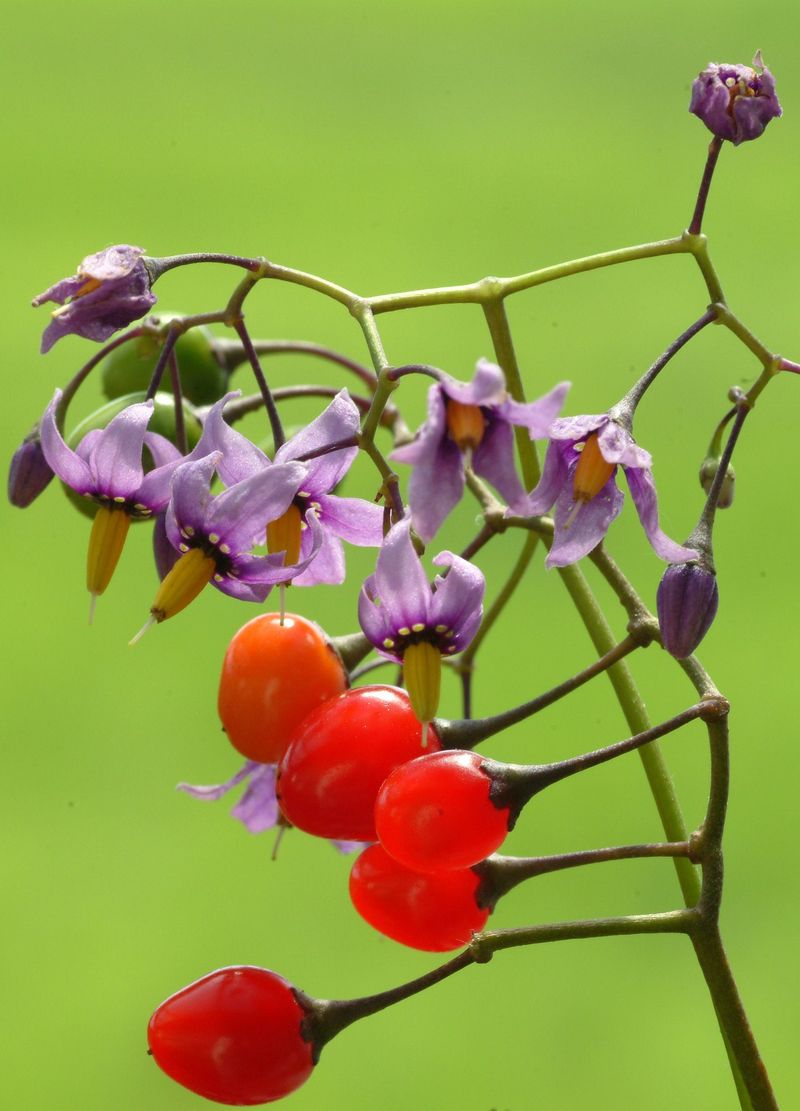
Glossy red berries dangling from a tangled vine look like tiny holiday ornaments against gray February fences. Bittersweet nightshade, Solanum dulcamara, keeps those shiny berries well into winter, and they are definitely not snacks for anyone.
This European import is common in moist thickets and disturbed ground, often scrambling over shrubs and fences in New York. It is a woody-based vine related to tomatoes and potatoes, which explains the familiar purple summer flowers.
All parts contain toxic compounds, including solanine, and the berries are most tempting to young children. Swallowing them may bring nausea and stomach pain, while larger amounts can trigger more serious heart symptoms.
Unripe green berries are generally considered the most toxic, though the red ones still deserve respect. Call Poison Control at 1-800-222-1222 right away if you suspect a child or pet nibbled some.
In my own yard, I yank the vines in late winter when the bare stems are easy to spot. Wear gloves and pull up as much root as possible, then bag the berries so birds cannot spread them.
Skip the compost pile for berry clusters, because many home bins do not get hot enough to ruin seeds. Stubborn patches often need repeated pulling over a few seasons before they finally stop returning each spring.
Because it is non-native, please avoid planting it, even if the purple flowers charm you next summer. Native winterberry gives similar red color, though its berries need caution too, as you will see shortly.
4. Jimsonweed
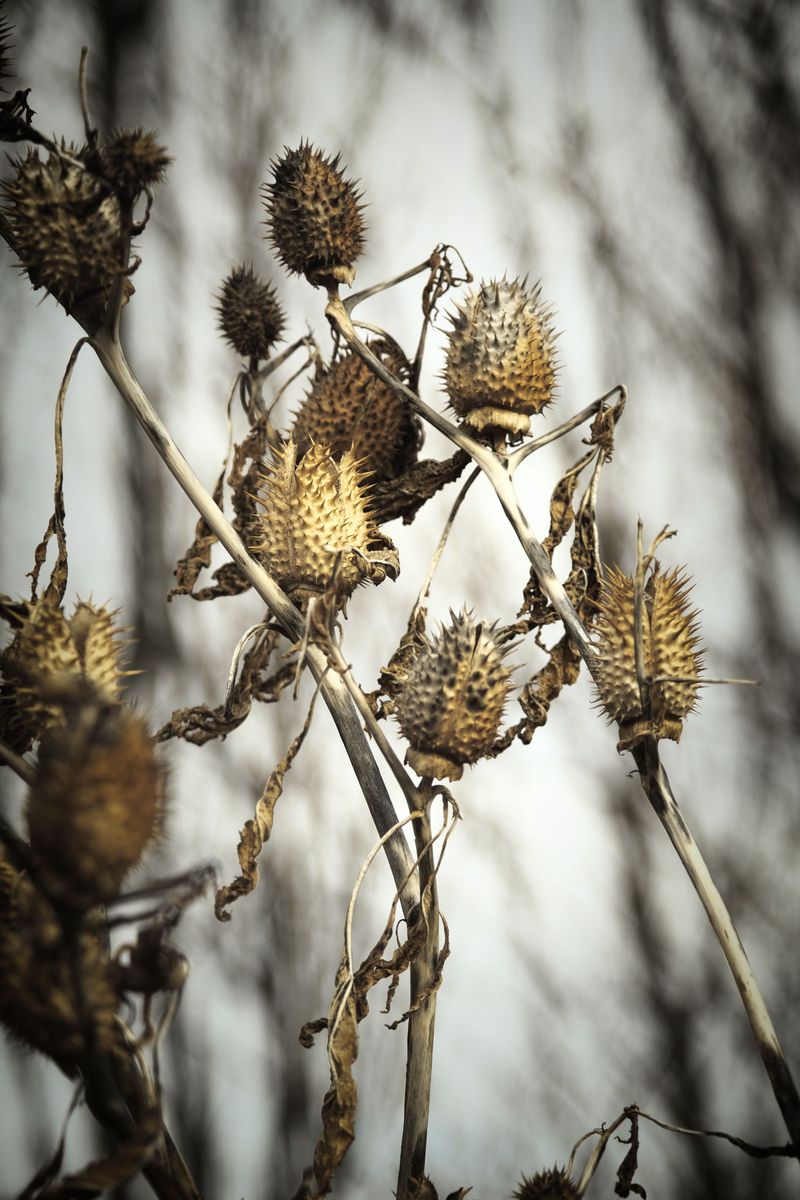
Spiky seed pods, split open like cracked eggs, often rattle on dry jimsonweed stalks long after frost. Each prickly capsule holds dozens of small dark seeds, and those seeds rank among the most toxic parts.
Datura stramonium is an annual weed that pops up in farm fields and patches of disturbed soil. The plant itself fades with the first hard frost, but those skeletal stems can stand for months.
All parts contain tropane alkaloids, which can cause hallucinations, dry mouth, blurred vision, and a racing heart. Severe poisonings may involve seizures or coma, so this plant is no harmless curiosity for teenagers.
Truth be told, I first noticed those pods because they looked so cool sticking out of the snow. They resemble something from a fantasy movie, which is exactly why kids may want to pick them.
Livestock owners should watch hay and grain, since seeds can contaminate feed and sicken animals like horses. Pets rarely seek out the bitter plant, but a bored dog might chew a dried pod anyway.
Late winter is a smart time to remove standing stalks before pods shatter and scatter more seeds. Wear gloves while snipping, and drop the pods straight into a sturdy trash bag for disposal.
Each plant can release thousands of seeds, and they can stay viable in soil for many years. Pulling seedlings next summer before they flower will save you from repeating this chilly chore next winter.
5. Winterberry
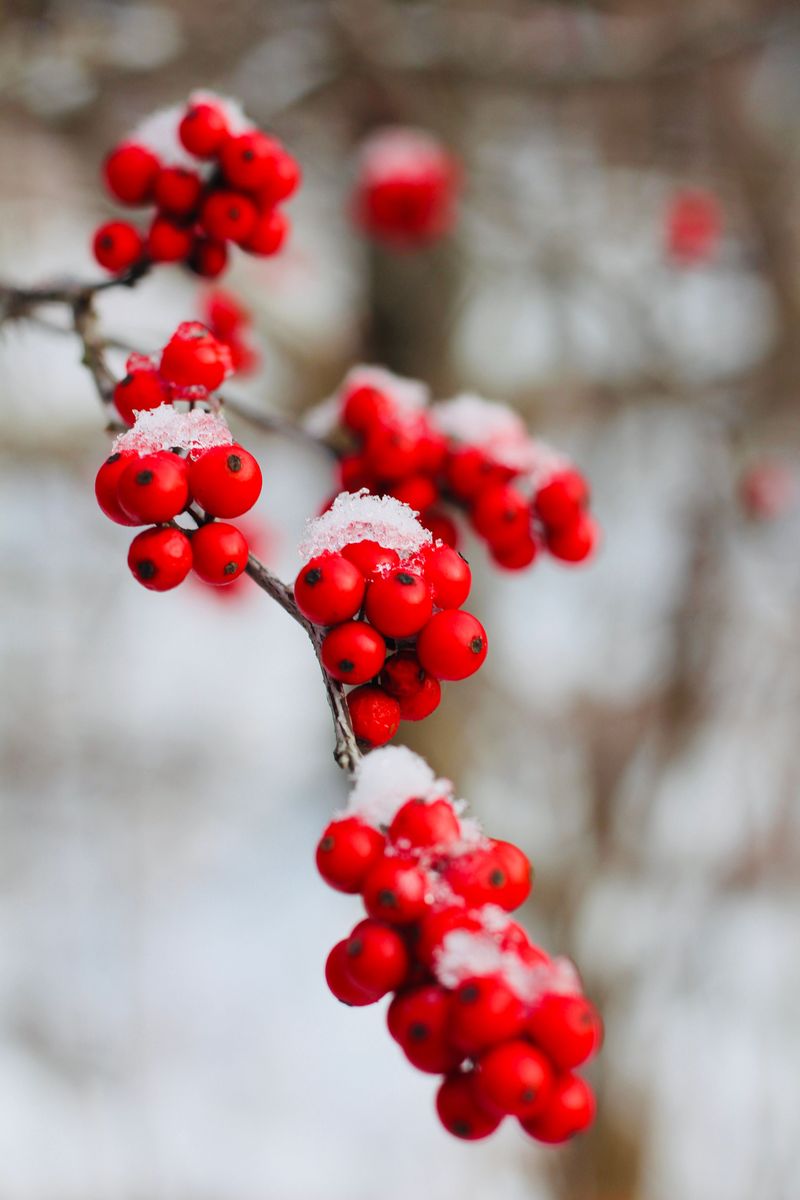
Few sights brighten a snowy yard like winterberry, its bare branches bursting with scarlet berries in January. Ilex verticillata is a native deciduous holly, so it drops its leaves while holding fruit for months.
I have to admit this shrub is one of my favorites, and I still recommend planting it. Birds like robins and bluebirds rely on the berries in late winter, when other food runs low.
The catch is that those berries can upset human stomachs, especially for small children who snack curiously. Holly berries contain saponins, and swallowing several may lead to vomiting and painful stomach cramps in kids.
Dogs and cats can also get queasy after nibbling the fruit, though serious cases are uncommon. Clipped branches make gorgeous indoor arrangements, so keep vases high on mantels away from pets and toddlers.
Winterberry thrives in USDA zones 3 through 9, covering every corner of New York with ease. It loves moist, acidic soil and handles soggy spots where many other shrubs would quickly struggle.
You need both a female plant and a nearby male pollinator to get those famous berries. One male such as Jim Dandy or Southern Gentleman can usually pollinate several females planted nearby.
Late winter or early spring is the right window for pruning, since berries form on last year’s wood. Teach kids early that these cheerful berries are for birds, and the shrub becomes a safe garden treasure.
6. Pokeweed
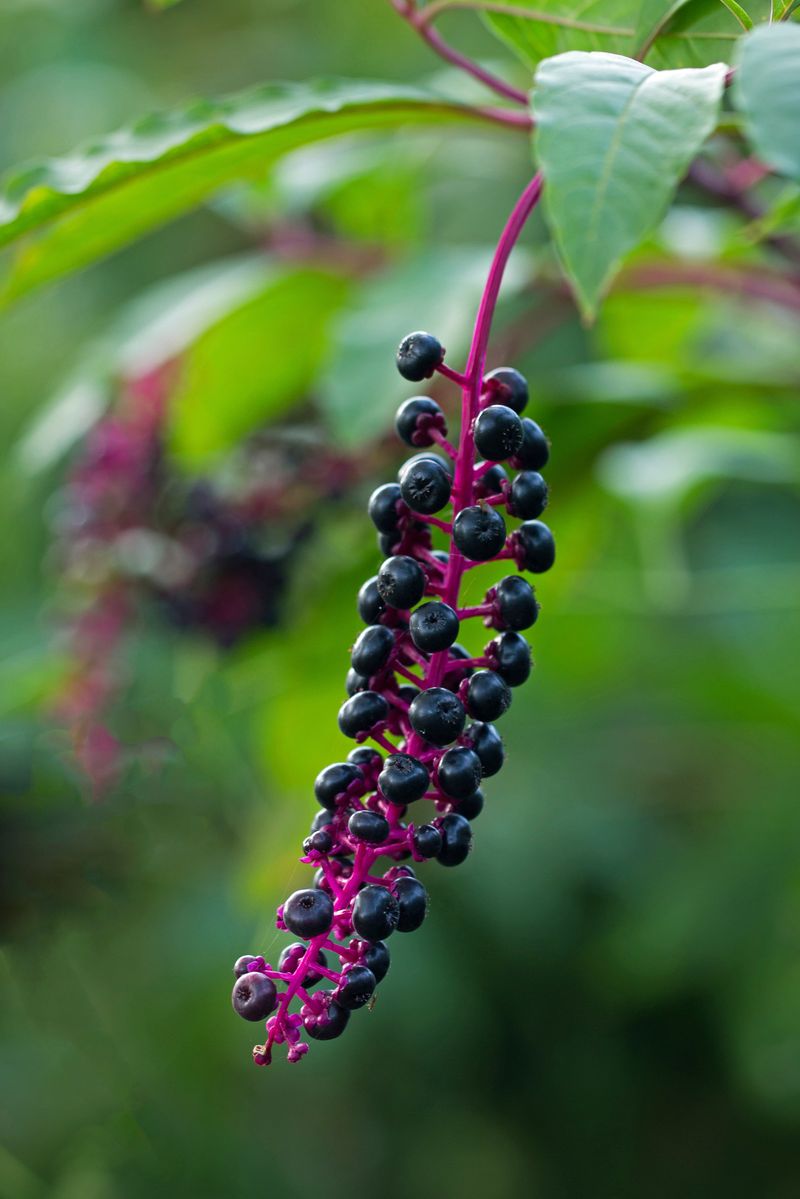
Above ground, pokeweed looks like nothing but a few hollow, purplish stalks flopped over in the frozen garden. Below the surface sits a massive taproot, sometimes as thick as a forearm, packed with the strongest toxins.
Phytolacca americana is a native perennial that grows wild along field edges and in neglected garden corners. Dark purple berries sometimes linger into early winter, staining fingers and tempting kids who mistake them for grapes.
Every part of pokeweed is toxic, and the root is considered the most dangerous piece of all. Eating it can cause mouth burning and severe stomach upset, and serious poisonings occasionally require hospital care.
People sometimes confuse the root with horseradish or parsnip, which has sent unlucky foragers to emergency rooms. Only eat wild roots when an expert confirms them, because a wrong guess here can be very serious.
Gloves matter when handling the plant, since sap can irritate skin and should stay out of small cuts. Older reports also link the juice to blood cell changes, so cautious gardeners keep hands well covered.
Winter is actually handy for locating it, because last year’s stalks mark exactly where those roots hide. Dig out young plants when the ground thaws, removing as much root as you can with a spade.
Mature roots are stubborn, so cutting stalks before berries ripen next summer helps prevent new seedlings from popping up. Birds love the berries and spread them widely, so expect a few volunteers even after careful work.
7. Monkshood
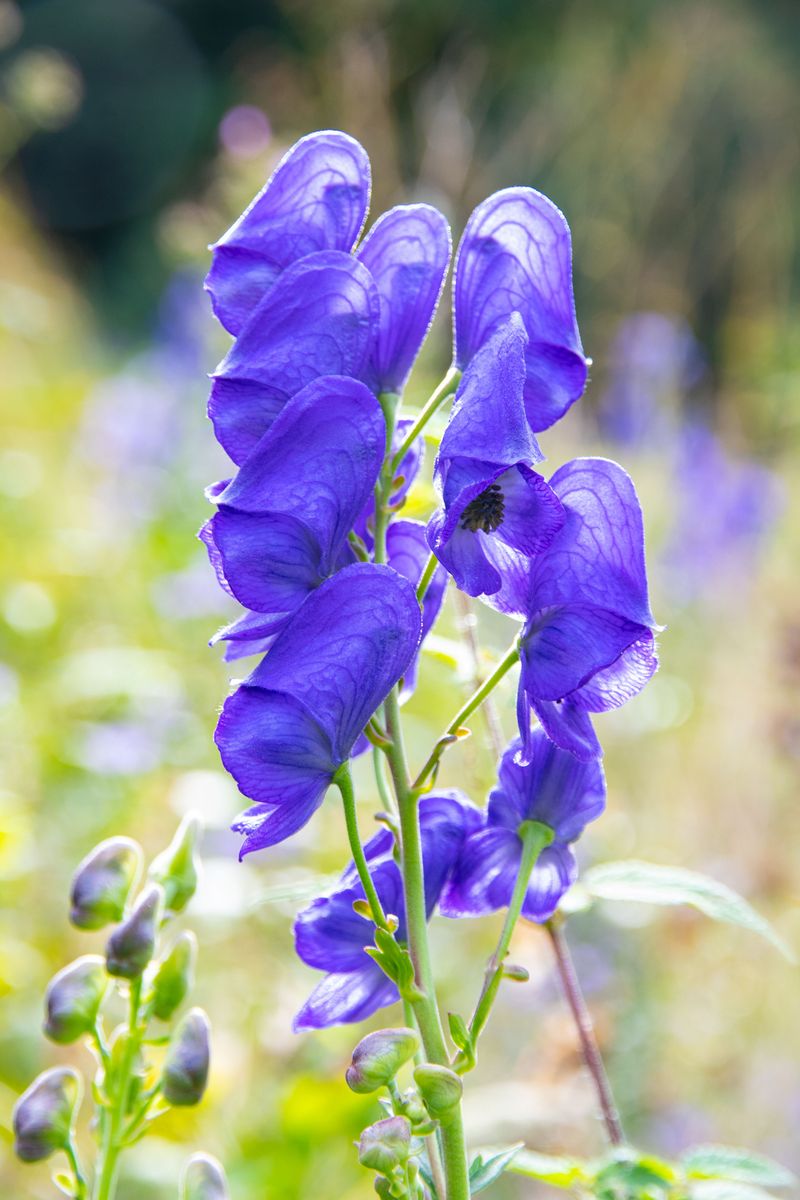
Gorgeous blue hooded flowers made monkshood a cottage garden favorite, yet its winter secret hides quietly underground near your perennial border. The tops vanish after frost, while tuberous roots packed with aconitine sit right where you might dig.
Aconitum napellus, sometimes called wolfsbane, ranks among the most toxic plants you will find in ordinary home gardens. Aconitine affects nerves and the heart, and symptoms can start quickly with tingling and numbness around the mouth.
Severe cases can bring dangerous heart rhythm changes, so any suspected swallowing needs emergency help immediately. Even handling roots or leaves with bare, scratched hands has caused tingling, so gloves are a must.
What caught my attention is how the tubers can resemble horseradish roots, causing confusion among careless foragers. Label monkshood clearly in your garden map so nobody digs it up for the kitchen by mistake.
If you divide or move it, plan that job for early spring, wearing sturdy gloves throughout the whole task. Wash gloves and tools afterward, and keep clippings far away from compost used on vegetable beds.
Monkshood grows well in cooler parts of New York, preferring rich, moist soil and some afternoon shade. Families with toddlers or curious dogs may want to swap it for safer blue perennials altogether.
Honestly, I admire the plant, but I keep it behind a fence where small hands cannot reach. Respecting its underground stash during winter cleanup is the simplest way to enjoy those blooms safely next fall.
8. Castor Bean
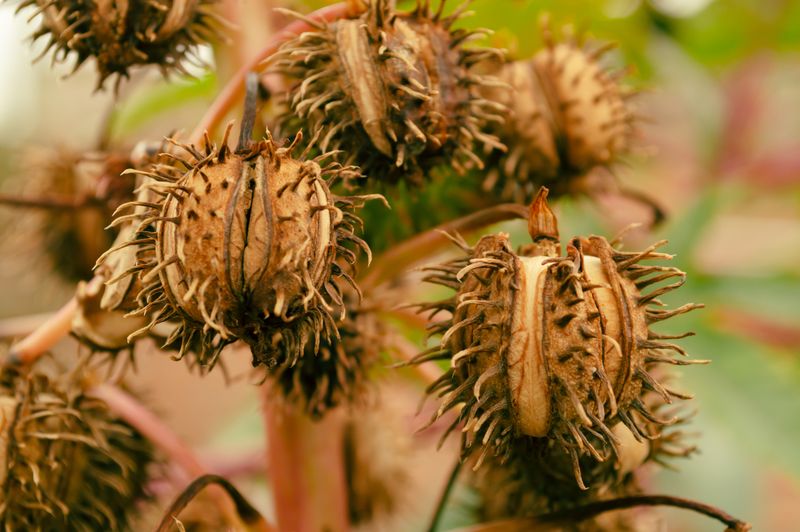
Those giant tropical leaves wowed the neighborhood last summer, but the plant’s spiny seed capsules may still cling on. Castor bean seeds contain ricin, one of the most toxic natural substances known, so leftovers deserve attention.
Ricinus communis is grown as a showy annual here, since frost quickly collapses the tender stalks. Its prickly capsules, though, can stay attached to dried stems, holding mottled seeds that look like shiny beans.
Those seeds resemble decorative jewelry beads, which is exactly why children and pets find them so tempting. Chewed or crushed seeds can cause severe vomiting and diarrhea, along with dehydration and possible organ damage.
Swallowed whole, a hard seed may pass without much harm, but no one should count on that. Call Poison Control or a veterinarian immediately if anyone may have chewed one, even without symptoms yet.
Don’t make my mistake of leaving tall stalks standing for winter interest, because curious visitors notice them. Clip every capsule with gloves on, then seal the bundle in a bag for household trash pickup.
Rake the soil underneath carefully, since shattered capsules can drop seeds that hide among fallen mulch and leaves. Some seeds may sprout next summer, so pull any surprise seedlings while they are still small.
If you love the bold look, skip saving seeds and buy fresh transplants each spring instead. Better yet, try a large-leaved canna or elephant ear, which deliver drama without such a risky harvest.