Venomous Species Texas Residents May Find Indoors As Temperatures Drop
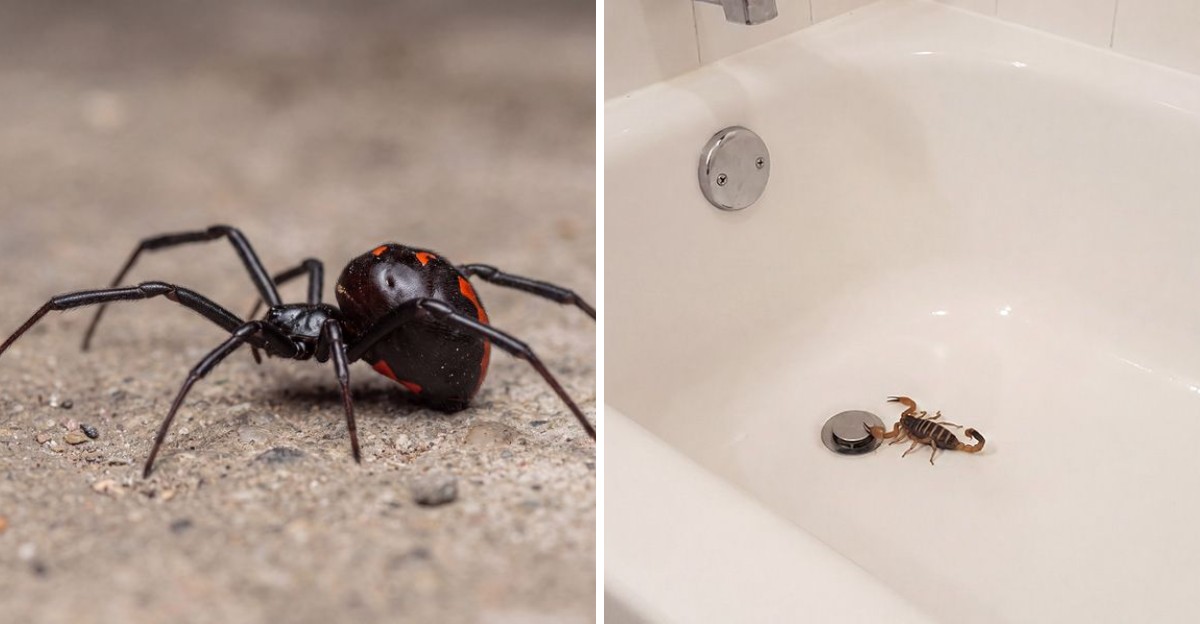
Scorpions glow an eerie blue-green under a black light, and some homeowners hunt them at night with UV flashlights. I tried it once in my garage and found more than I expected near the potting bench.
Cooler weather sends a handful of small, secretive creatures looking for shelter from chilly Texas nights. Many of them do not hibernate, so a warm closet or garage feels like a cozy winter rental.
I have to admit, my gardening gloves taught me caution after one surprise tucked inside a fingertip last November. You might notice webs, shed skins, or tiny silk pouches in corners where you rarely bother to look.
Believe it or not, several of these Texas houseguests carry venom strong enough to need a doctor’s attention. So which ones deserve a careful look before you reach into that box of seed packets?
1. Brown Recluse Spiders Hide In Quiet Closets
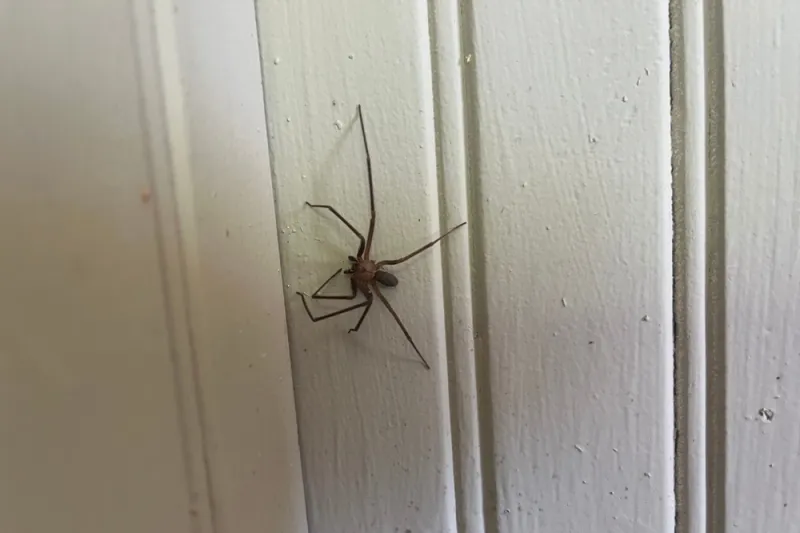
A dark violin shape behind the head earned this shy spider the nickname fiddleback across much of the South. Its six eyes sit in three pairs, while most spiders you meet carry a full set of eight.
Brown recluses are light to medium brown and roughly quarter-sized when you include their thin, unbanded legs. They love dark, undisturbed places like attics, closets, garage shelves, and stacks of old towels or clothing.
Climate-controlled homes let them stay active year-round, and they mostly hunt at night while you sleep. Bites usually happen when a spider gets trapped against skin inside a shoe, glove, or folded shirt.
Personally, I keep my winter garden jacket hanging on a hook instead of tossed on the garage floor. A bite often feels painless at first, then redness and swelling appear several hours later on the skin.
Some bites develop into slow-healing sores, and fever, chills, or nausea can follow in more serious cases. No effective antivenom exists for this spider, so you should contact a doctor if symptoms grow worse.
Clearing cardboard clutter from storage spaces removes many of the cozy hideouts these spiders favor most. Plastic bins with snug lids work much better than open boxes for holiday decorations and spare garden supplies.
Shake out shoes and clothing that sat untouched for weeks before you slip them on again. Pulling beds a few inches away from walls also reduces the chance of a spider wandering onto sheets.
2. Glossy Southern Black Widows Settle Into Garages
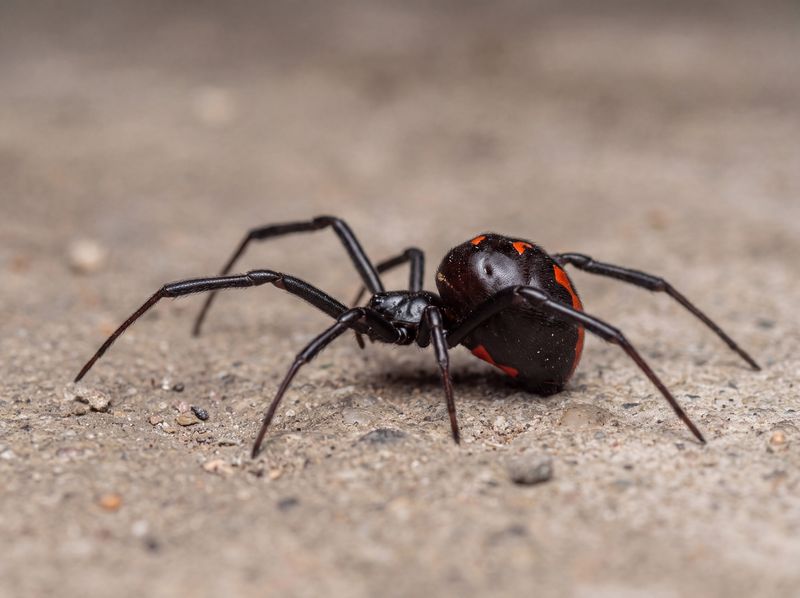
That shiny black body with a red hourglass underneath might be the most famous warning label in nature.
Females measure about three-eighths of an inch, while the smaller brown males rarely draw much attention at all.
Southern black widows do not hibernate, so falling temperatures can nudge them toward garages, crawl spaces, and sheds. Their webs look messy and tangled, often strung low near the ground in quiet, sheltered corners.
I used to grab firewood bare-handed until a neighbor showed me a widow tucked between two oak logs. Now thick gloves stay right beside my log rack, and I recommend you keep a pair handy too.
Widow venom affects the nervous system, and bites can trigger intense muscle pain, cramping, sweating, and headaches.
Children and older adults may react more strongly, so quick medical care makes good sense after any bite.
Pet owners should take note because cats appear especially sensitive to this spider’s venom, according to veterinary sources.
Keeping storage areas tidy limits the shadowy pockets where widows quietly build their tangled traps over time.
Meter boxes, eaves, and stacked flowerpots are favorite hiding places worth checking with a flashlight this season. A long-handled broom removes webs from a safe distance without putting your fingers anywhere near the spider.
Sealing gaps around doors and windows helps reduce the number of curious spiders sneaking indoors after dark.
Weatherstripping is inexpensive, and it can lower heating bills while it keeps unwanted guests outside your walls.
3. Brown Widows Leave Spiky Egg Sacs Near Doorways
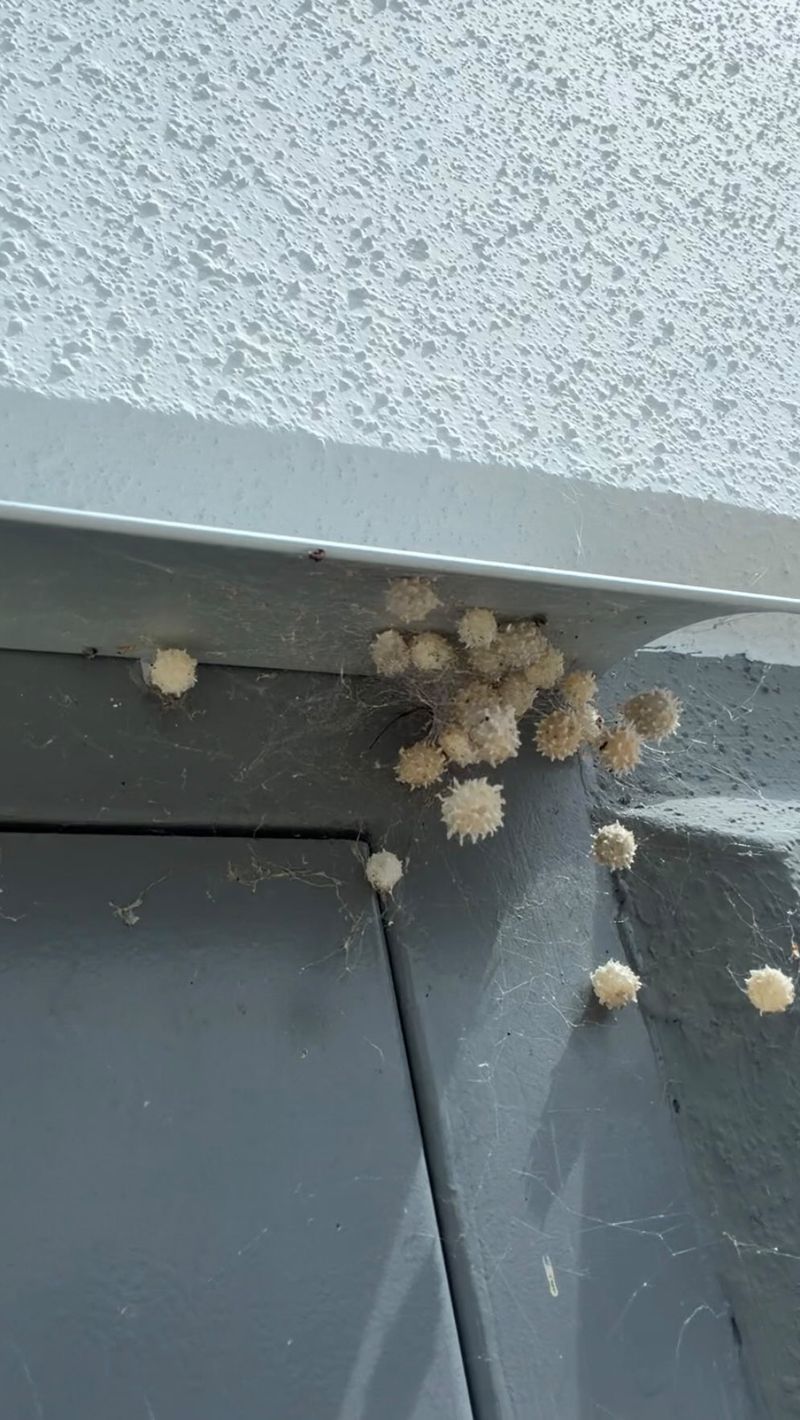
Spiky egg sacs that look like tiny burrs are the easiest giveaway that a brown widow lives nearby. Once you spot those fuzzy little balls, you will start seeing them under patio chairs everywhere you look.
Brown widows range from tan to dark brown, and their hourglass glows orange or yellowish rather than bright red.
Their colors can shift to blend with surroundings, which makes them trickier to recognize than their glossy cousins.
These spiders have become common along the Gulf Coast, especially around Houston and nearby communities.
They often pick more exposed spots than black widows, so people bump into them more frequently around homes.
Mailboxes, entryway corners, empty containers, and storage closets all make appealing shelters when evenings turn crisp. I check the underside of my watering can handle now, because one spider surprised me there last fall.
Brown widow bites are usually considered less serious than black widow bites, though the venom remains quite potent.
Researchers believe these spiders inject a smaller dose, which may explain the milder pain, swelling, and stiffness reported.
Medical attention still makes sense after a bite, particularly for kids, older adults, or anyone with health concerns. Males and young spiders typically do not bite, so most trouble comes from adult females guarding egg sacs.
Knocking down webs and egg sacs regularly helps keep their numbers manageable around porches and garden sheds.
Sealing small entry points near doors also limits how many wander inside once the nights grow chilly.
4. Striped Bark Scorpions Slip Under Exterior Doors
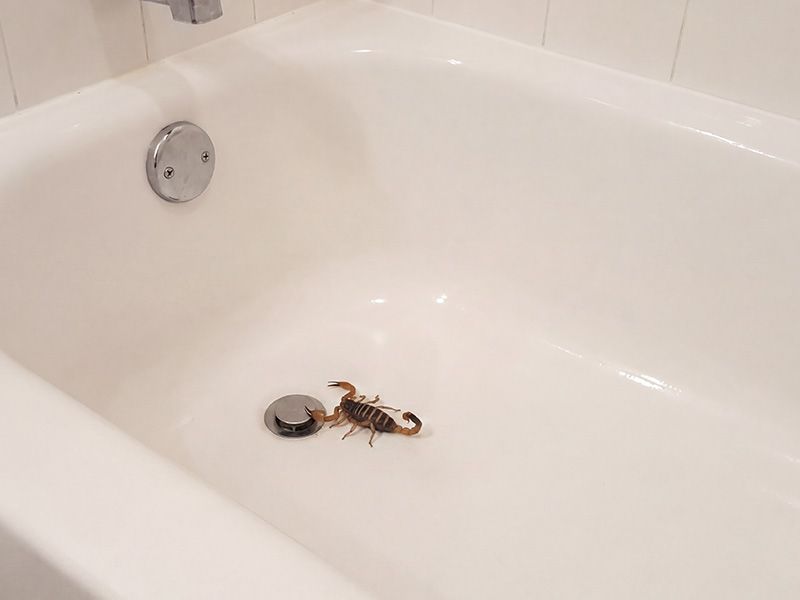
Flat bodies let these yellowish scorpions squeeze through gaps you would hardly notice with your naked eye. Two dark stripes run down the back, and adults usually reach about two to two and a half inches.
Striped bark scorpions are the most common scorpion in Texas and the only species found across the whole state. They hunt at night and seek warm, sheltered spaces once outdoor temperatures start sliding downward.
Rather than hibernating, they slow down and conserve energy inside wall voids, attics, crawl spaces, and garages.
Firewood and patio cushions carried indoors can also give these hitchhikers an easy ride straight into your living room.
A sting feels like a hot needle jab, often followed by swelling, tingling, or numbness near the spot. Healthy adults rarely face serious trouble, yet children and older adults should get medical advice after any sting.
I love using a black light on mild evenings because the scorpions glow blue-green against dark walls. That spooky glow turns a chore into a strange little treasure hunt you might actually enjoy.
Door sweeps on exterior doors are one of the simplest fixes for keeping these crawlers out this winter. Move rocks, debris, and woodpiles away from the foundation, and trim shrubs so branches do not touch siding.
Shake out gloves, towels, and shoes before using them, especially items left in garages or mudrooms. Dehumidifiers in damp rooms can help too, since moisture tends to attract scorpions and the insects they eat.
5. Pale Yellow Sac Spiders Spin Tiny Ceiling Pouches
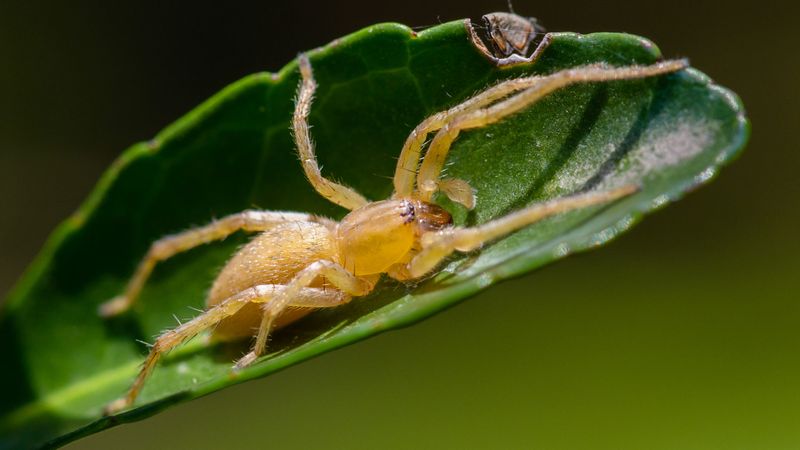
Little silk pouches tucked in ceiling corners are the daytime beds of a speedy, pale houseguest. Yellow sac spiders rest inside those snug retreats all day, then sprint across walls hunting prey after sunset.
These spiders measure under a third of an inch and look pale yellow or cream, sometimes with a greenish tint. Darker jaws and foot tips help you tell them apart, and they climb quickly without jumping.
To my surprise, one species in North America has adapted well to living indoors throughout the year. Others move inside during early autumn and winter, looking for warmth along with the small insects they eat.
Behind picture frames, along baseboards, and up high near ceilings are their favorite hideaways in most homes. A quick flashlight check of these spots can reveal pouches you have walked past for weeks.
Their bites can sting and burn, often bringing itching and swelling around the area for a while afterward.
Experts consider them medically significant, though reactions are usually milder than those from widows or recluse spiders.
Vacuuming silk sacs regularly removes resting spiders without much fuss and keeps your corners looking tidy too. Empty the vacuum canister outdoors afterward so any surviving spiders do not crawl right back into the room.
Controlling ants, flies, and other small insects reduces the food supply that draws these hunters indoors. Sealing gaps around windows also helps, especially near outdoor lights that attract bugs on cool evenings.
6. Texas Redheaded Centipedes Wander Into Damp Rooms
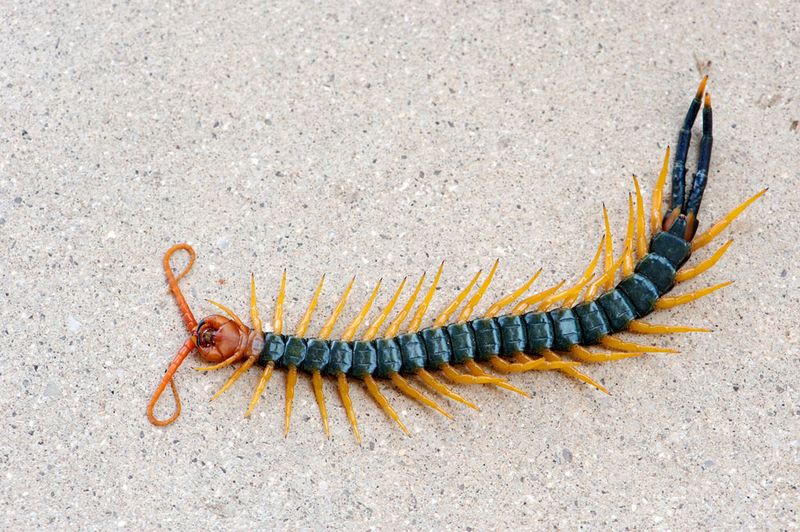
A bright red head, a dark greenish body, and yellow legs make this centipede look like a living warning sign. It ranks as the largest centipede in North America, commonly stretching six to eight inches long.
Some giant desert centipedes reach close to a foot, which explains why people tend to shriek when they see one.
Depending on the individual, they carry either twenty-one or twenty-three pairs of legs along their bodies.
Most of the time they live outdoors under rocks, logs, and leaf litter in grasslands, deserts, and woodlands.
They stay active during winter, and colder spells may push them toward damp, sheltered spots like basements and bathrooms.
Their venom comes from special front legs called forcipules, so technically they pinch rather than bite. I found one under a stack of terra cotta pots once, and I gave it plenty of respectful space.
The pinch causes pain, swelling, and redness that usually fades over a few days without serious trouble.
Anyone with insect allergies should seek medical help, though severe reactions are uncommon according to available reports.
Moving woodpiles and loose rocks away from your foundation removes many of the hiding spots they rely on.
Dehumidifiers help in crawl spaces and laundry rooms because these centipedes need moisture to stay comfortable.
Sealing cracks around doors and foundations blocks easy entry points during chilly nights this season. Reducing roaches and crickets indoors also helps, since those insects are a favorite meal for hungry centipedes.
7. Texas Recluse Spiders Lurk In Rodent Burrows
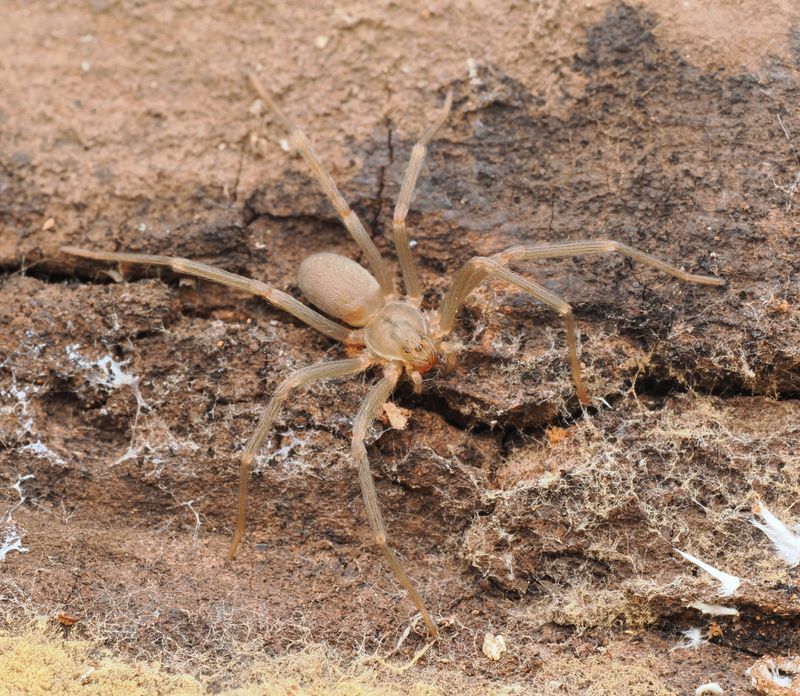
Plenty of people mistake this tan spider for its famous cousin, and honestly the confusion makes perfect sense.
The Texas recluse lacks the bold violin marking, yet it shares the same six-eyed arrangement in three pairs.
Mature spiders average about a third of an inch in body length with legs spanning roughly one inch. Their coloring runs yellowish-brown to tan, and the abdomen looks plain without strong patterns or markings.
Central and South Texas, along with parts of Mexico, make up most of its known range. It usually lives outdoors under stones, inside abandoned rodent burrows, and within other natural shelters in the landscape.
Indoor encounters seem less common than with brown recluses, though occasional visits into protected spaces are possible.
I believe garden sheds near rocky ground deserve an extra glance before you reach into dusty corners.
Scientists know less about this species compared with its cousin, but its venom contains sphingomyelinase D. That enzyme causes tissue damage in recluse bites, so experts treat this spider as medically significant.
A suspected bite that turns red, sore, or slow to heal calls for a visit to your doctor. Catching the spider safely in a jar can help professionals identify it and guide your care.
Similar precautions work for both recluse species, which keeps your routine simple around the house and garden.
Tidy storage areas, sealed entry points, and shaken-out boots go a long way toward avoiding unpleasant surprises.