Why Texans Should Grow Yardlong Beans Along Their Fence This August
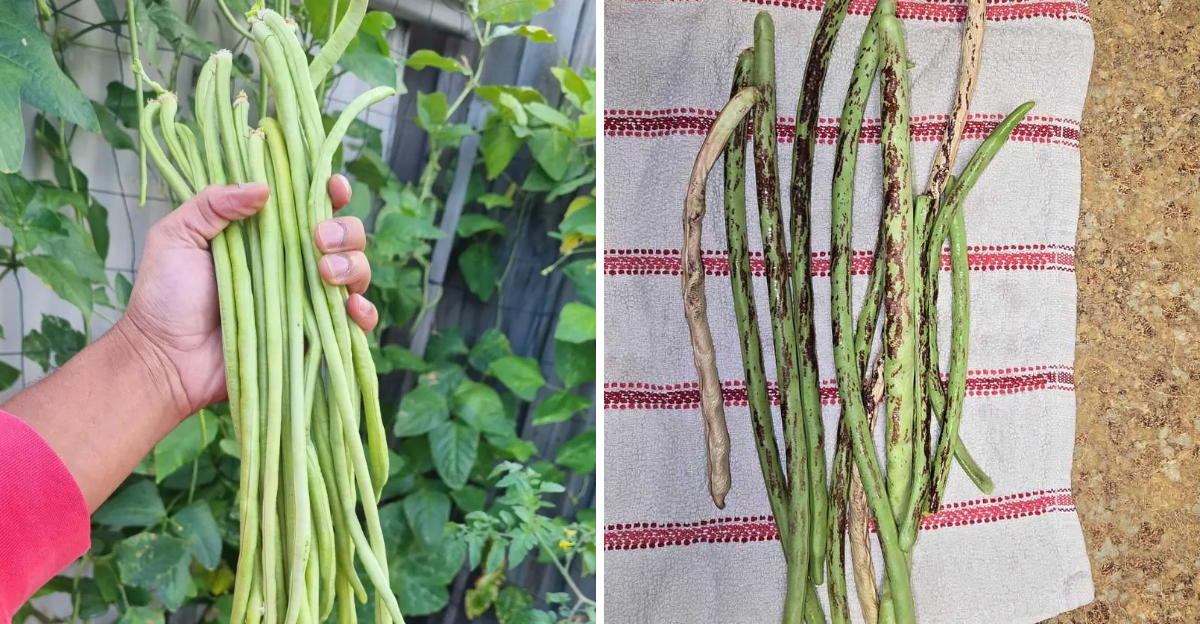
A Texas fence line can look completely finished with summer long before the growing season actually is.
By August, ordinary bean vines may be thinning out, bare soil can bake between irrigation runs, and a stretch of chain-link or wire may seem destined to sit empty until cooler weather arrives.
That assumption leaves a surprising amount of productive space unused.
One late-season crop handles this moment very differently.
It does not need a wide bed, it does not ask for cool nights to begin moving, and it can turn a hot vertical surface into one of the busiest parts of the garden before fall arrives.
The catch is timing. Texas is too large for one August planting date to work everywhere, and a fence that helps in one region can become useless when the first freeze comes too soon.
So how do gardeners know when the window is still open?
The answer starts with heat, height, harvest speed, and one date on the calendar that matters more than August itself.
1. Let Yardlong Beans Climb The Fence
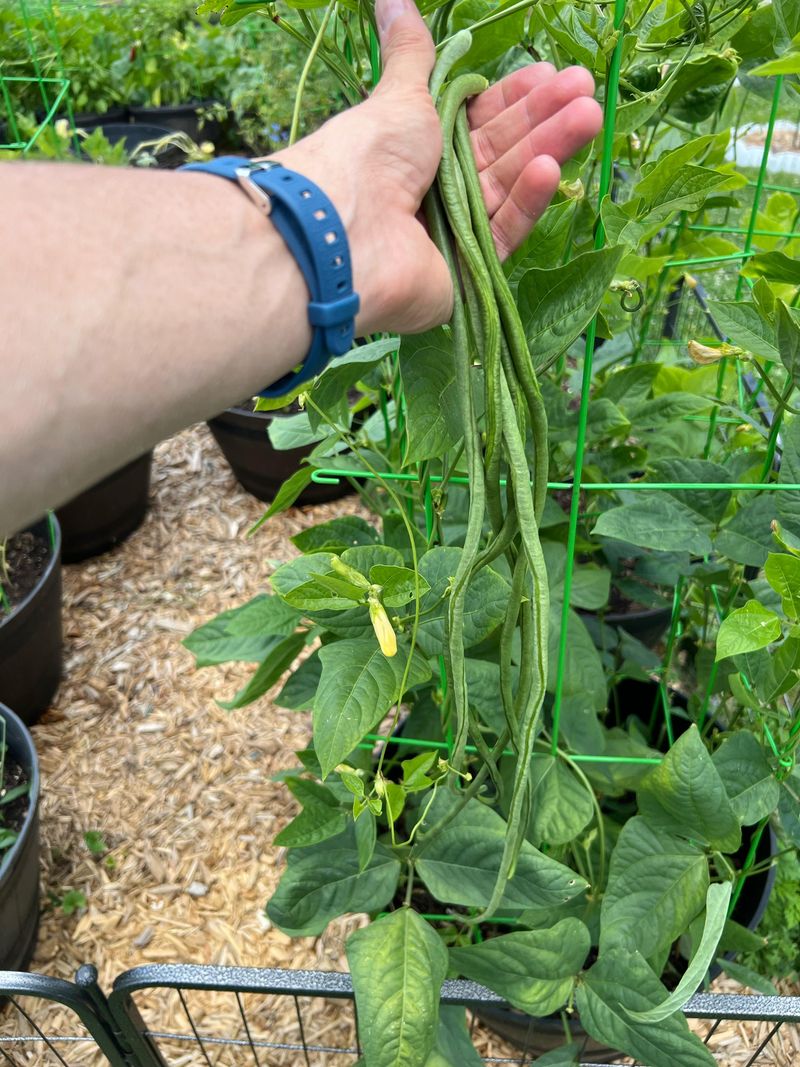
A fence becomes useful garden space the moment yardlong beans start reaching for it.
Yardlong beans, also called asparagus beans, are vigorous twining vines in the cowpea family. They do not need tendrils to grab a support. The stems wrap themselves around wire, twine, and narrow rails, then keep climbing as new growth lengthens.
Chain-link fencing is almost tailor-made for the job.
The open mesh gives each vine plenty of places to wind upward while leaving air around the foliage. A wooden fence can work too with added wire, netting, or sturdy twine placed a few inches away from the boards.
Solid walls deserve more caution because trapped heat and poor airflow can make the planting harder to manage.
Space seeds or seedlings with room to breathe rather than creating one solid green curtain immediately.
Around 8 to 12 inches between plants works well for many home-garden setups, with final spacing adjusted to the variety and fence length.
Guide young vines toward the support during their first stretch of growth. Once several stems have wrapped around the fence, they usually need little coaching.
The reward is vertical production without surrendering much ground space.
A narrow strip along the fence can suddenly carry foliage, flowers, and hanging pods several feet above the soil. The fence was already occupying the yard. Yardlong beans simply convince it to start earning rent.
2. Use August Heat Instead Of Fighting It
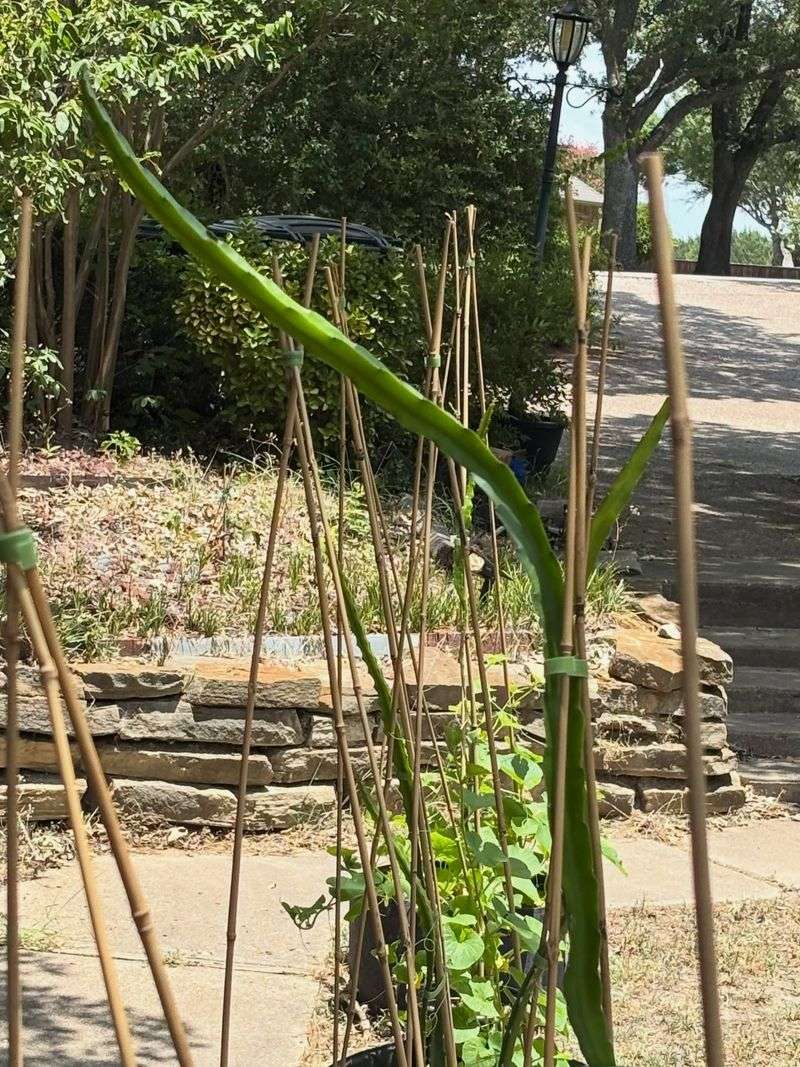
August heat sends many familiar beans into a frustrating slowdown, but yardlong beans come from a much warmer background.
They are closely related to cowpeas and thrive during the kind of hot weather that makes common snap beans struggle with flowering and pod set.
Warm soil supports quick germination, and established vines keep growing through summer conditions that would make a cool-season crop regret every life choice.
That makes late summer useful rather than merely survivable.
Direct-sown seed usually emerges quickly in warm, moist soil, often within about a week under favorable conditions.
Your Texas Garden Changes Every Week. Your Plan Should Too.
Gardening in Texas changes quickly throughout the season. Every Friday you’ll receive a simple weekly plan showing exactly what to plant, prune, fertilize, harvest, and protect so you never miss the right timing.
The real challenge is keeping the seedbed evenly moist through germination without turning it soggy. August sun can dry the upper inch surprisingly fast, especially beside a fence reflecting heat back toward the row.
Use mulch only after seedlings are visible and established enough not to be buried.
A light organic layer then helps reduce evaporation and keeps the root zone from swinging as sharply between soaked and dry.
Heat tolerance still has limits.
Poor moisture, compacted soil, or a late planting too close to frost can erase the advantage. The crop handles high temperatures well, but it cannot manufacture extra days at the end of the season.
That is why August works best as a regional opportunity rather than a statewide promise. In the right part of Texas, the heat becomes an ally. In a short-season corner, the calendar can still win the argument.
3. Save Garden Space With Tall Vines
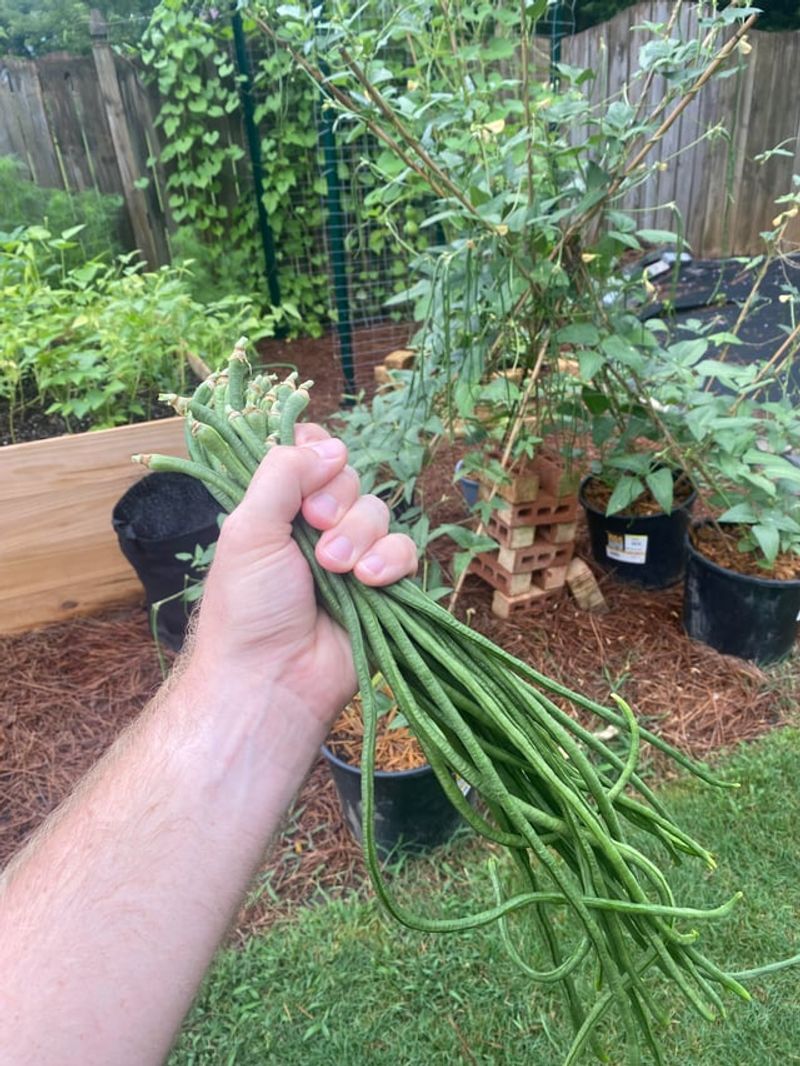
A narrow fence bed can produce far more food than its footprint suggests.
Yardlong beans climb instead of sprawling across the ground, so most of the plant’s productive structure develops vertically.
That is useful beside driveways, property lines, side yards, and small urban gardens where a three-foot-wide vegetable bed would block movement.
Even a strip roughly a foot wide can become productive when the soil is workable and the fence is sturdy.
Prepare that narrow zone carefully because roots still need depth, drainage, and steady moisture. Compacted construction soil beside fences often deserves loosening before planting.
Finished compost can improve structure where organic matter is low, but a rich, nitrogen-heavy bed can encourage vines to build more leaves than pods.
Vertical growth also simplifies access.
Pods hang where they are easy to see, harvest, and inspect. Foliage stays off the soil, and air can move through the planting more easily than through a tangled ground-level patch.
Keep enough clearance from gates and walkways.
A vigorous vine can reach several feet beyond the spot where it started, especially once stems hit the top of the fence and begin searching sideways.
Direct stray growth back onto the support before it becomes a knot around a latch or neighboring shrub.
This is where the crop feels almost unfairly efficient.
The fence already has height. The beans already want to climb. Put those two facts together, and a forgotten strip can become one of the most productive square feet in the yard.
4. Give Long Pods Room To Hang Straight
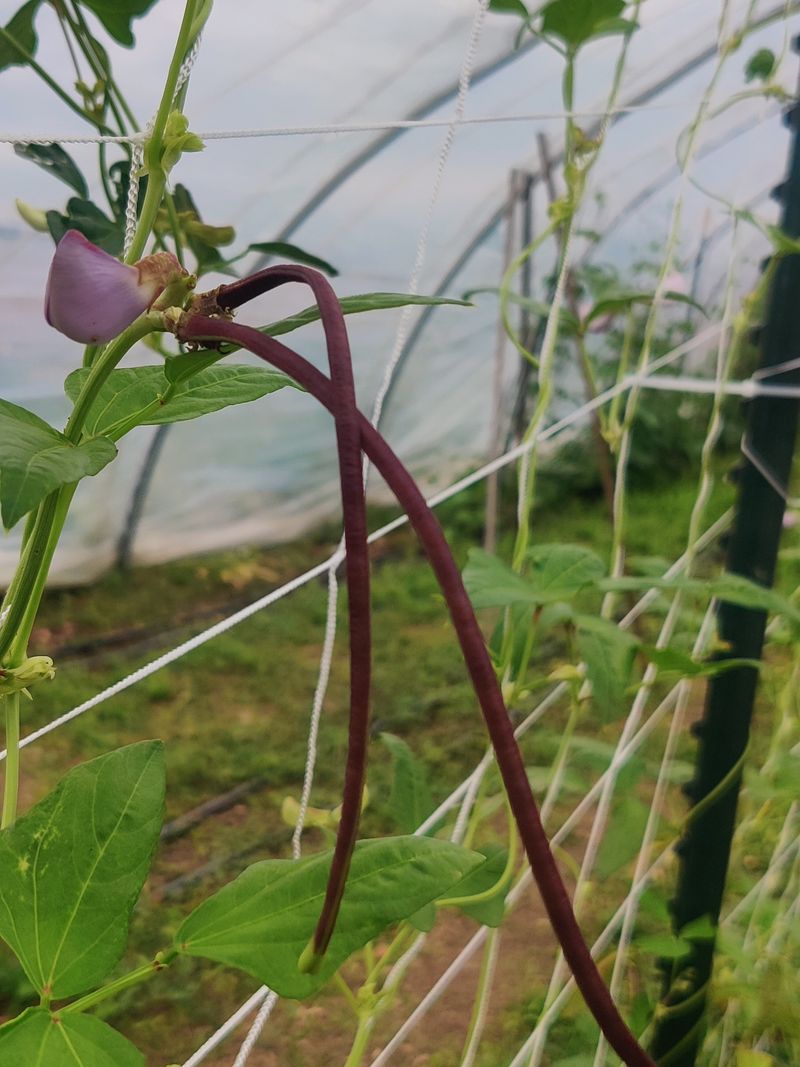
Long pods look their best when gravity gets to do most of the shaping.
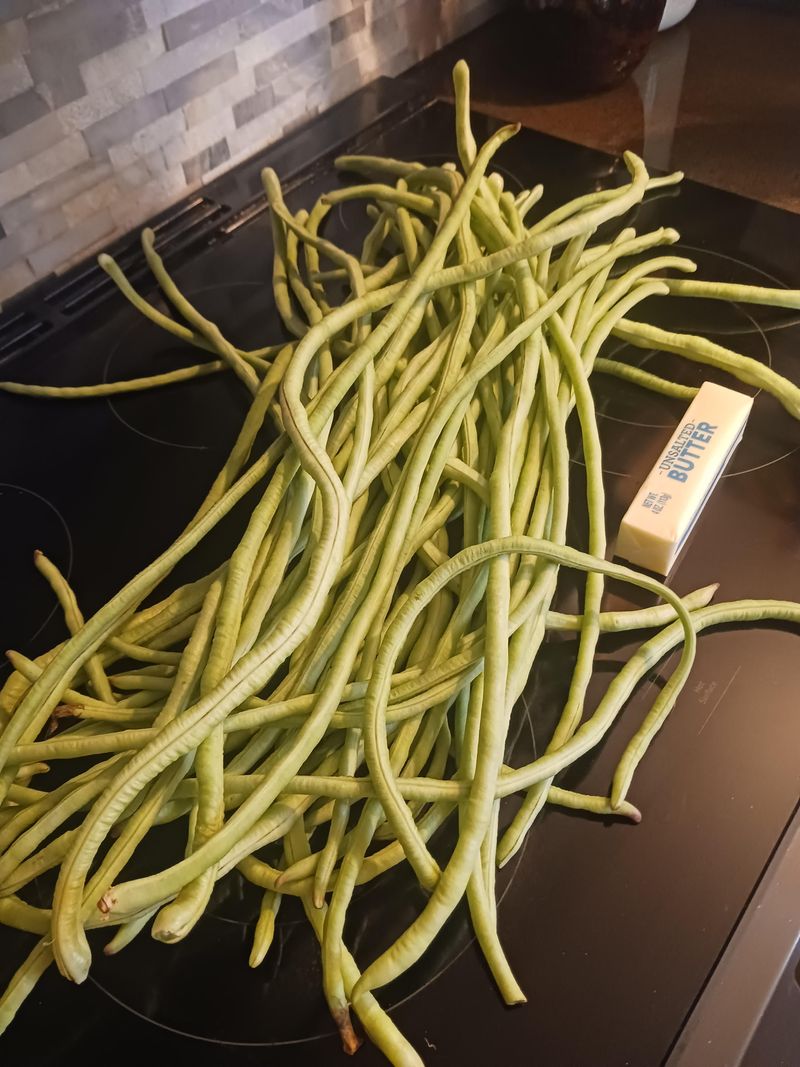
Yardlong beans can produce pods well over a foot long, though gardeners harvest them before full maturity while the walls are still tender and the seeds inside remain small.
Those pods develop most cleanly when they can hang freely from flowers formed higher on the vine.
A taller fence gives them that room.
Six feet of support is generous for many varieties, though vigorous vines can easily reach beyond it. A shorter fence still works, but stems may spill over the top and pods formed low on the plant can brush soil, rails, or dense foliage.
Add vertical twine above a short fence where practical.
Another foot or two of support can keep new growth climbing instead of bunching along the top rail. Keep any extension secure enough to handle wind once the vines become heavy.
Free-hanging pods are also easier to inspect.
Curled beans are perfectly usable, but straight pods are quicker to harvest and easier to judge for size and tenderness. The biggest concern is keeping fruit off damp soil, where blemishes become more likely.
Do not chase an exact maximum length.
The name “yardlong” is enthusiastic marketing from the plant world, not a harvest requirement. Many pods taste best well before they approach three feet.
Give them room to hang, then pick for texture rather than bragging rights. Dinner usually prefers a tender sixteen-inch bean to a heroic rope left hanging too long.
5. Harvest Pods While They Stay Slender
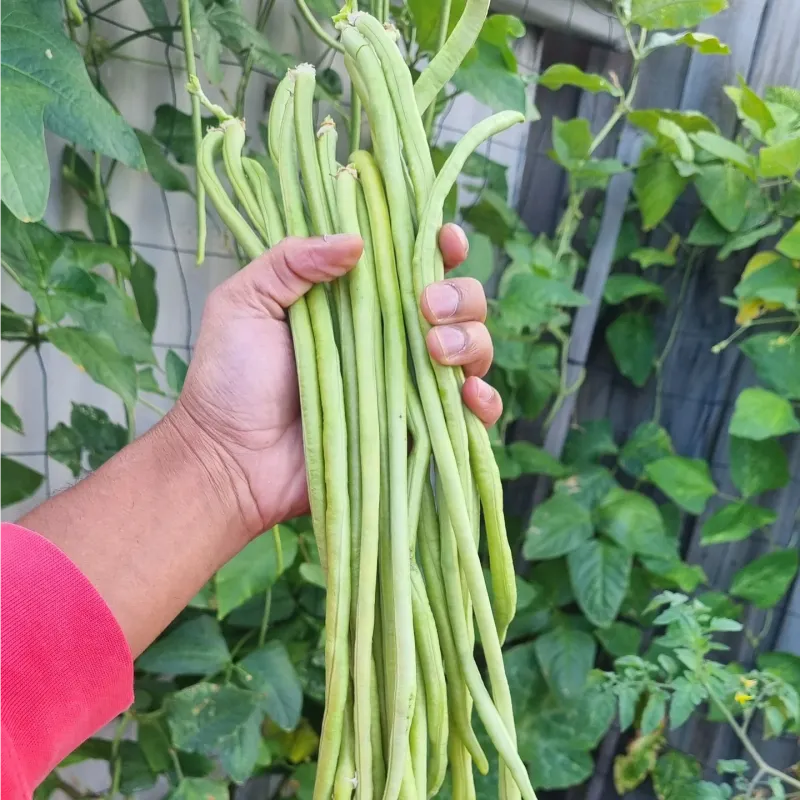
The harvest window closes faster than first-time growers expect.
Yardlong bean pods are best while they remain slender, smooth, and flexible. Depending on the variety, gardeners start picking around 12 to 18 inches long, though size alone is not the deciding clue.
The seeds inside should still be small and the pod wall should feel tender rather than thick or spongy.
Watch for bulges.
Once individual seeds become obvious through the pod, texture begins moving away from the crisp stage most cooks want for stir-fries, sautés, curries, and quick blanching.
Older pods still have uses, especially for seed saving, but they are no longer the same vegetable.
Check vines frequently after flowering begins.
Warm Texas weather can move a pod from small to oversized with surprising speed. Every day or two is a useful rhythm during peak production, especially after a warm night followed by good soil moisture.
Use scissors or snips where stems resist.
Pulling hard on a pod can twist the vine or remove a nearby flower cluster that had more harvests coming. A clean cut keeps the support system intact.
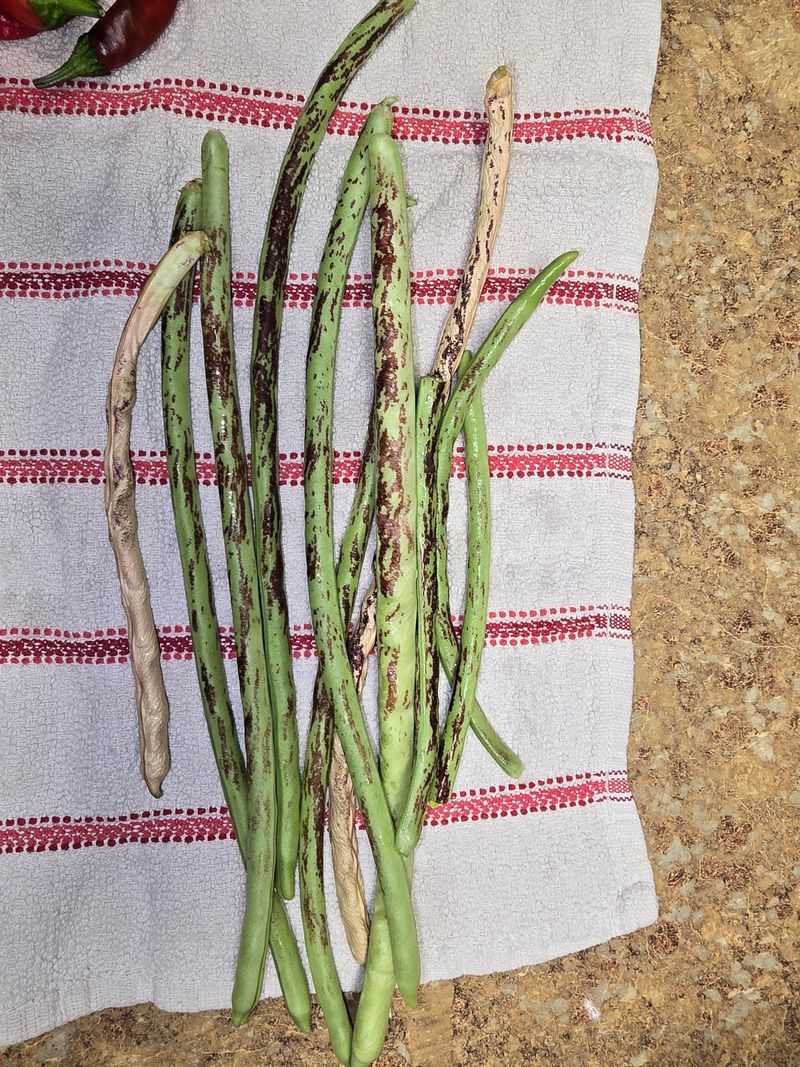
Color varies by cultivar.
Green is common, but purple and red-toned yardlong beans exist too, so “bright green” should never become the universal ripeness test.
The best cue is combination: long enough, still narrow, flexible, and only lightly seeded.
Once you learn that look, harvesting becomes quick. The beans practically advertise which pods belong in tonight’s skillet and which ones have started planning next year’s seed packet.
6. Pick Often To Keep Quality High
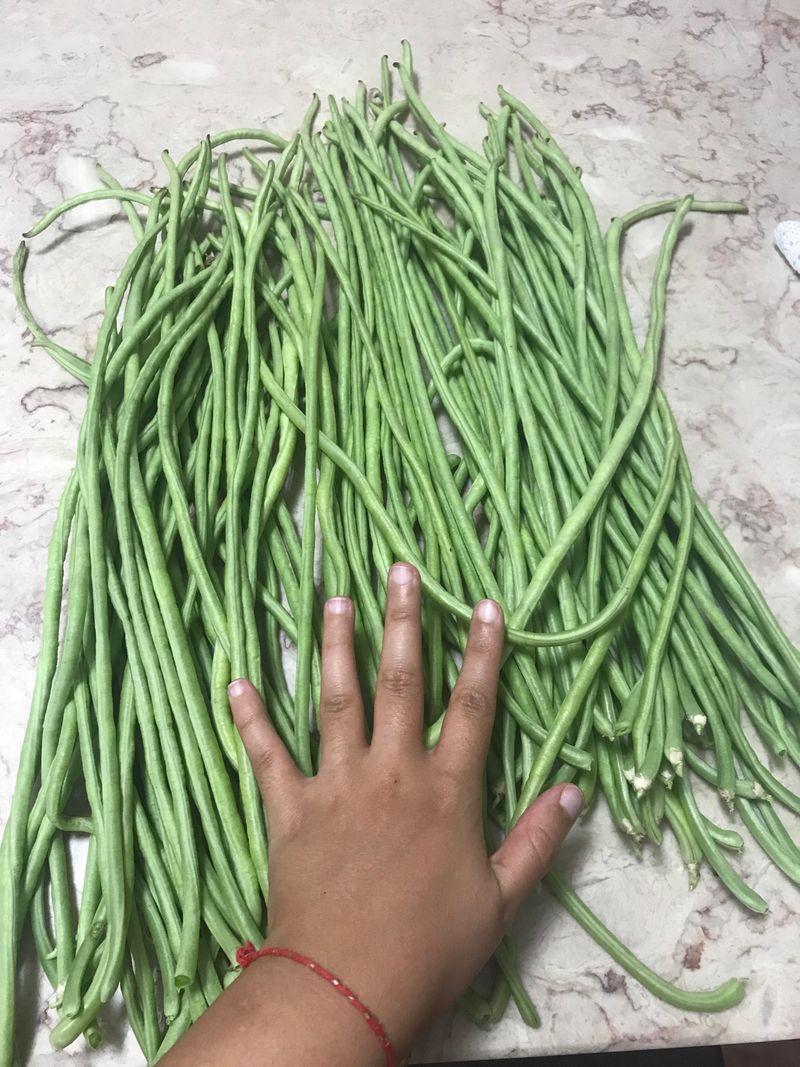
Frequent picking keeps the harvest useful and helps prevent pods from racing past their best texture.
Yardlong beans can produce heavily once vines settle into warm weather. Leaving mature pods hanging means more of the plant’s energy goes toward developing seed.
Regular harvest keeps the garden focused on the tender stage most people planted it for.
Walk the fence every day or two during the busiest stretch.
Pods hide surprisingly well among leaves despite their length. Look beneath the canopy, along the back side of the fence, and near the top where vines may have folded over.
Missing one cluster can turn a promising meal into next season’s seed supply almost overnight.
Morning is a comfortable harvest time in Texas.
The pods are cooler, the gardener is cooler, and there is less temptation to rush through the job at 4 p.m. with the sun conducting personal business against the back of your neck.
Handle vines gently.
Use one hand to steady the stem and the other to cut or snap the pod where it joins the flower stalk. Avoid yanking long beans downward because the leverage can tear tender growth.
Regular picking also reveals problems early.
A daily pass makes aphids, leaf damage, wilt, and moisture stress easier to notice before they spread through the fence line.
The harvest routine becomes part of scouting.
That is efficient gardening: one basket, one pair of snips, dinner in hand, and a quick health inspection finished before the coffee gets warm.
7. Water Deeply Through Hot Dry Stretches
Heat tolerance does not turn yardlong beans into dryland plants.
A productive vine still needs enough soil moisture to support leaves, flowers, and rapidly expanding pods through a Texas August. The better approach is deep, consistent irrigation rather than repeated surface splashing.
Water the root zone thoroughly, then check how long the soil stays moist.
Sandy ground may need attention more often than clay, while raised beds can dry faster than surrounding native soil. Wind along an exposed fence also speeds moisture loss.
That is why a fixed “two or three times a week” rule can mislead gardeners across a state with wildly different soils and weather.
Use the soil as the schedule.
Push a finger or soil probe several inches down near the roots. Dry soil at that depth means the vines are ready for water. Moist soil can wait.
Drip irrigation or a soaker line works well along a fence because water lands where roots can use it without repeatedly soaking foliage. Apply enough to wet the active root zone, then let the surface begin drying before the next cycle.
Mulch helps smooth the extremes.
Two to three inches of straw, shredded leaves, or another loose organic material can reduce evaporation while keeping the soil surface cooler. Leave a little breathing room around stems.
The vines may love Texas heat, but pods are mostly water.
Give roots a dependable supply and the fence can stay productive through a dry spell without turning irrigation into an hourly hobby.
8. Count Back From Your First Fall Freeze
August only works when enough warm season remains on the other side of planting day.
Yardlong beans commonly need roughly 60 to 80 days to reach a useful harvest, depending on cultivar and growing conditions. That makes the expected first fall freeze one of the most important numbers in the whole plan.
South Texas usually has the widest runway.
Warm weather can continue deep into fall, giving August-sown vines time to climb, flower, and produce before cold weather becomes a serious threat.
Central Texas may also have enough season left, though an early-August start is much safer than waiting until the month is nearly over.
North Texas gets tighter.
A planting made early in August may still produce, especially with a faster cultivar and favorable fall weather. A late-August sowing becomes much more of a gamble as the first freeze window approaches.
The Panhandle deserves the most caution.
Earlier autumn cold can cut the season short before vines repay the space they occupy. Gardeners there may find July a more dependable late planting window.
Count backward rather than trusting the month name.
Take the variety’s days to maturity, add some breathing room for slower growth and harvest development, then compare that period with the local first-freeze pattern.
A seed packet cannot read a Texas map.
August in Brownsville and August in Amarillo share a calendar page, not a growing season. The fence may be ready everywhere, but the frost clock decides where late planting still makes sense.