The Pennsylvania Watering Tip That Gets Christmas Cactus Buds To Open On Time
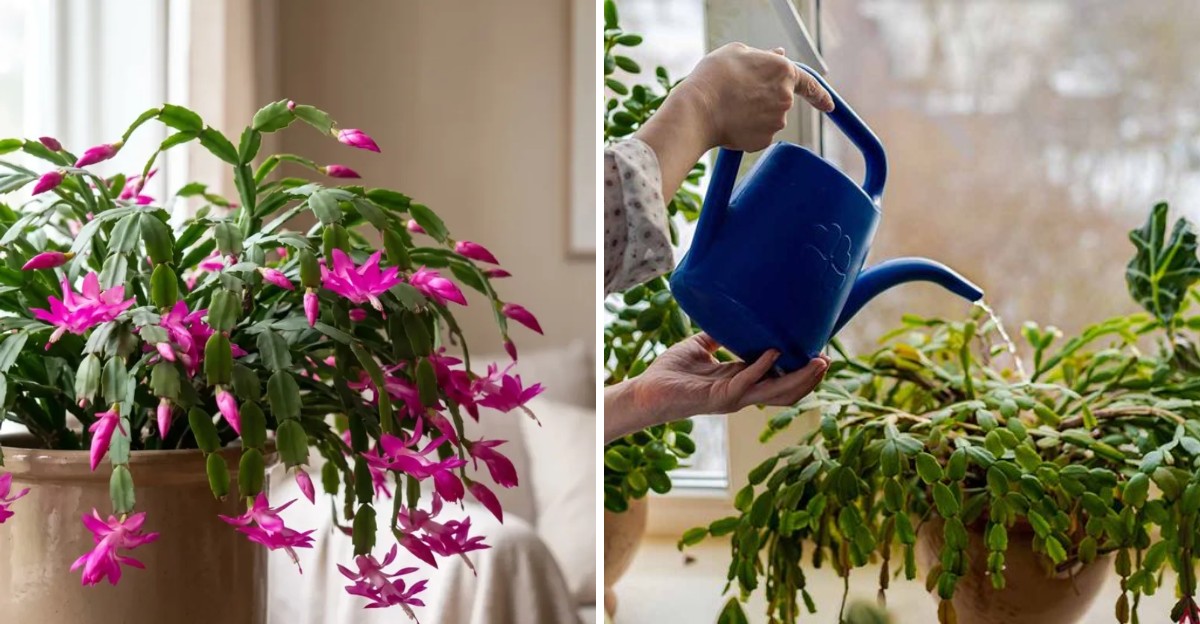
A plant sold every December as a desert-style cactus actually grows on tree branches in Brazilian mountain forests. It has no use for desert sand at all.
I learned that the hard way. My grandmother’s hand-me-down plant, carried all the way from her Pennsylvania farmhouse, sat green and stubborn for two holidays straight, while I kept the soil damp like a fern’s.
Turns out the fix was holding back, not giving more. A slightly drier fall, paired with cool nights and long dark evenings, tells this forest dweller that flower season is near. Here in Pennsylvania, autumn hands you most of those cues for free.
You build the rest with a watering can and a little patience. So why do so many of us miss the one small change that matters most, right when the first buds are deciding whether to show up?
Your Christmas Cactus Is Waiting for a Fall Signal From You
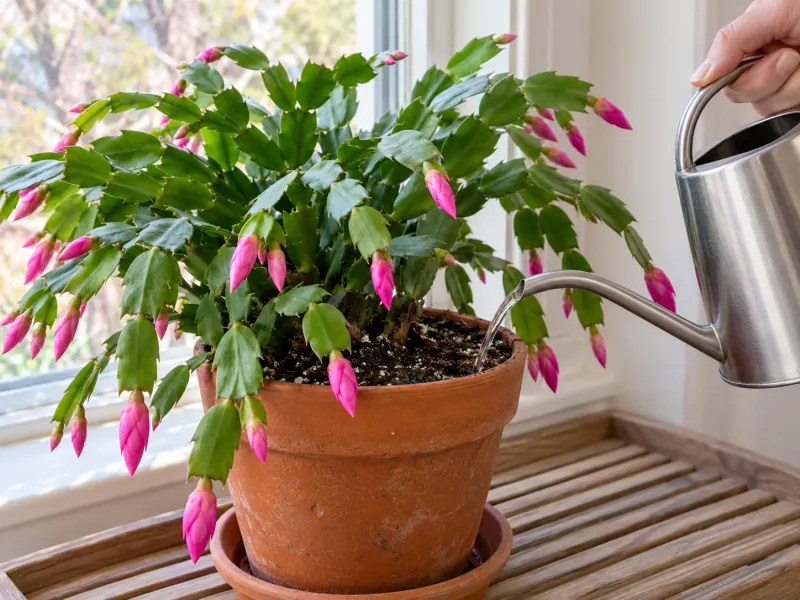
Plenty of holiday plants bloom on a schedule set by a greenhouse. A Christmas cactus at home, though, reads its surroundings like a calendar.
In the wild, Schlumbergera grows as an epiphyte, perched in moss and leaf litter on trees in the coastal mountains of southeastern Brazil. Its bloom cycle follows a few clear cues from nature.
Shorter days, cooler nights, and a modest drop in moisture all nudge the plant toward making flowers.
Indoors, those cues often get blurred. Lamps stay on late, the furnace keeps rooms toasty, and well-meaning gardeners keep watering on the same summer routine. The plant responds by pushing out more green segments instead of buds.
I used to think my plant was just lazy. It was actually confused, because nothing in my living room said autumn had arrived.
Your job in fall is simple. Help the plant notice the season change, and watering is the easiest lever you control. Light and temperature matter too, and they work as a team with moisture.
Once you see the plant as a forest dweller reacting to signals, its odd timing starts to make sense. The next step is learning exactly how much to ease off that watering can.
Let the Top Inch of Potting Mix Dry Before the Next Drink
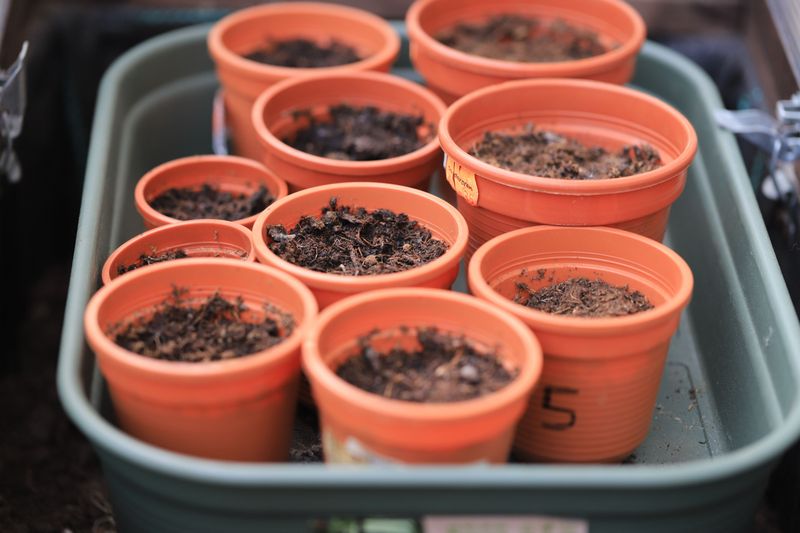
Starting in late September or early October, change how often you water. Wait until the top inch or so of potting mix feels dry before giving the plant a drink.
University extension services, including Penn State Extension, describe this slightly drier fall stretch as a helpful bud trigger. The goal is mild thirst, not drought. Segments should stay plump and firm, never limp or shriveled.
A quick finger test works better than any calendar. Push a fingertip into the mix up to the first knuckle. If it feels cool and damp, wait a few more days.
When you do water, water thoroughly. Let it run out the drainage holes, then empty the saucer so roots are not sitting in a puddle.
In my house, this usually means watering every 10 to 14 days in fall instead of weekly. Your timing may differ based on pot size, room warmth, and humidity.
Some growers skip fertilizer during this period too. Feeding encourages leafy growth, which works against the flower signal. Pause fertilizer from early fall until buds form, and let the drier rhythm do its quiet work.
Cool Pennsylvania Nights Team Up With That Drier Soil
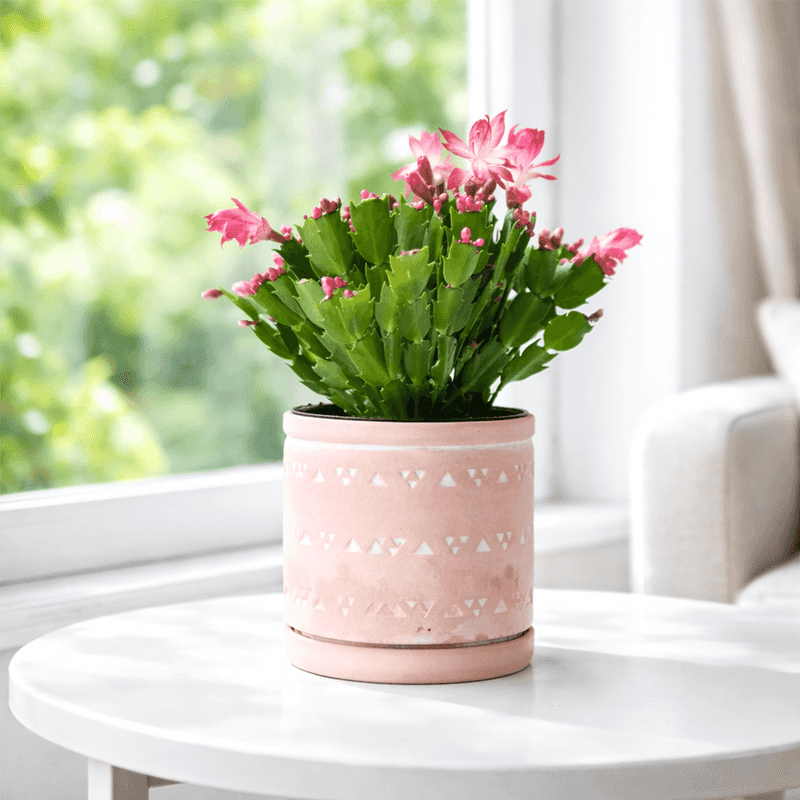
Ever notice how a chilly porch or spare bedroom seems to coax better blooms? There is real science behind that hunch.
Research on Schlumbergera shows night temperatures around 55 to 60 degrees Fahrenheit strongly encourage bud formation. When nights stay near 50 to 55 degrees, many plants set buds even without strict darkness control.
Warmer rooms, above about 70 degrees, can hold buds back. That is where Pennsylvania fall shines. From Erie to Philadelphia, October nights usually turn crisp, and a cool room or a spot near a window often falls right into that sweet range.
Pair those cool nights with your slightly drier watering routine. Together, the two signals feel like the seasonal shift the plant expects.
One caution matters here. Christmas cactus is not frost hardy, so bring any plant summering outdoors inside before nights dip below about 45 to 50 degrees. In northern and mountain counties, that can happen by late September.
An unheated sunroom, an enclosed porch, or a basement window well with light can all work. Just keep a cheap thermometer nearby so you know what your plant actually feels after sunset.
Tiny Pink Buds on the Stem Tips Mean Watering Changes Again
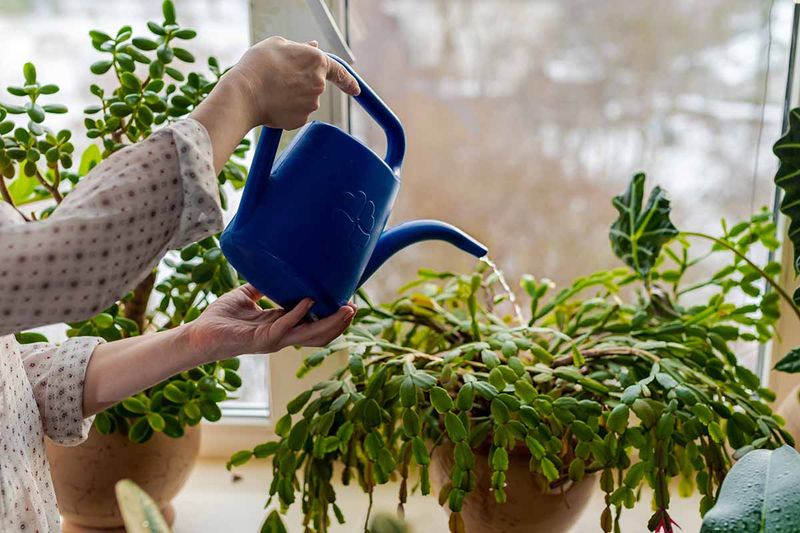
Spotting those first little nubs feels like finding a surprise in your coat pocket. They show up at the ends of the flat stem segments, often pink, red, or white tipped. Now the plan shifts. Once buds are clearly visible, return to steadier moisture.
Water when the surface just starts to feel dry, so the mix stays lightly moist instead of swinging between dry and wet.
Developing buds use a lot of water as they swell. If the soil goes bone dry during this stage, buds may shrivel or drop before opening. That heartbreak is common and very preventable.
Still, steady does not mean soggy. Drain the saucer every time, and skip that extra splash just because the plant looks festive.
A gentle boost in humidity helps too. Heated Pennsylvania homes in December can get very dry indoors.
A tray of pebbles with water below the pot, or grouping plants together, keeps the air a bit friendlier.
Many gardeners resume a light, balanced houseplant fertilizer at half strength once buds form. Others wait until after bloom. Either approach can work, so choose what fits your routine.
Soggy Roots Cause More Holiday Cactus Trouble Than Thirst
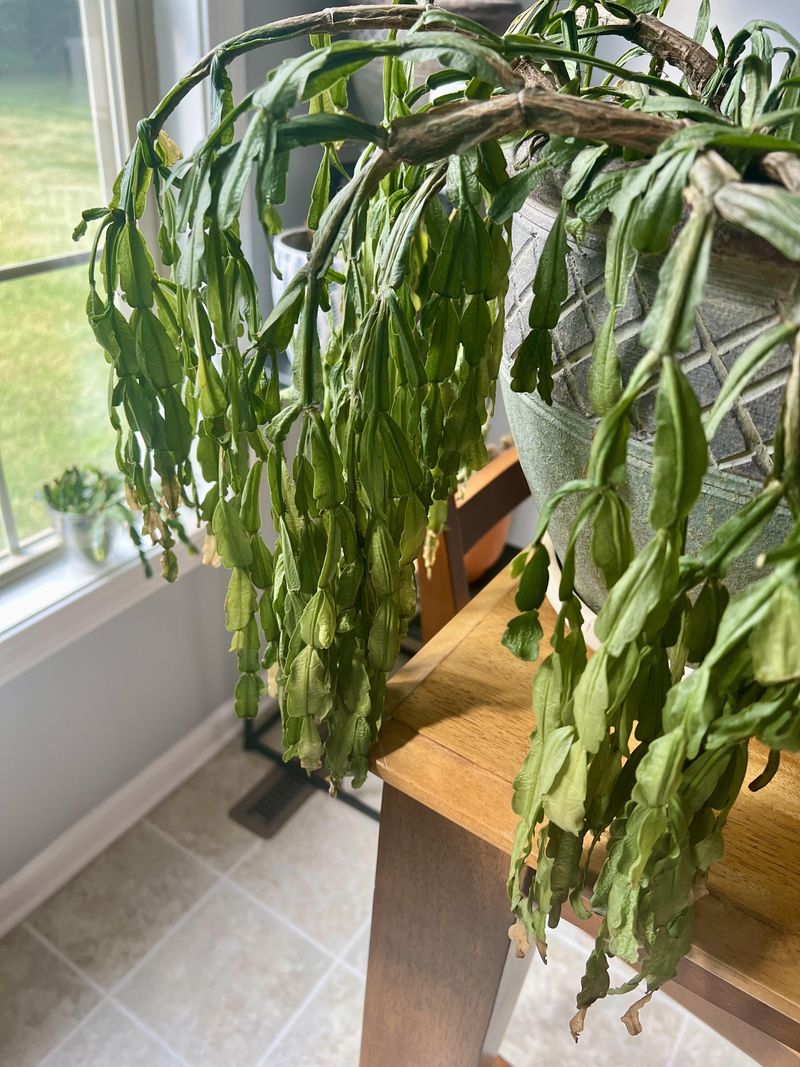
Here is a fun fact that surprises people. In nature, these plants cling to tree bark where rain drains away within minutes.
That is why wet, heavy soil causes so many problems. Roots sitting in moisture can develop rot, and the first signs often look like limp, wrinkled segments.
Many gardeners see that and add more water, which makes things worse. Healthy roots need air as much as water. Use a loose, fast-draining mix. A blend of regular potting soil with perlite, orchid bark, or a cactus mix works well.
Pick a pot with a drainage hole every time. Decorative cachepots are lovely, but remove the plant to water it, or empty any trapped water afterward.
These plants also like being a bit snug in their pots. Repot only every few years, and do it in spring after flowering rather than in fall when buds are setting.
If segments look droopy, check the soil before reaching for the watering can. Damp soil plus wilting points to roots in trouble, while dry soil plus wilting simply means the plant is thirsty.
Long Dark Nights and Steady Spots Keep Christmas Cactus Buds From Dropping
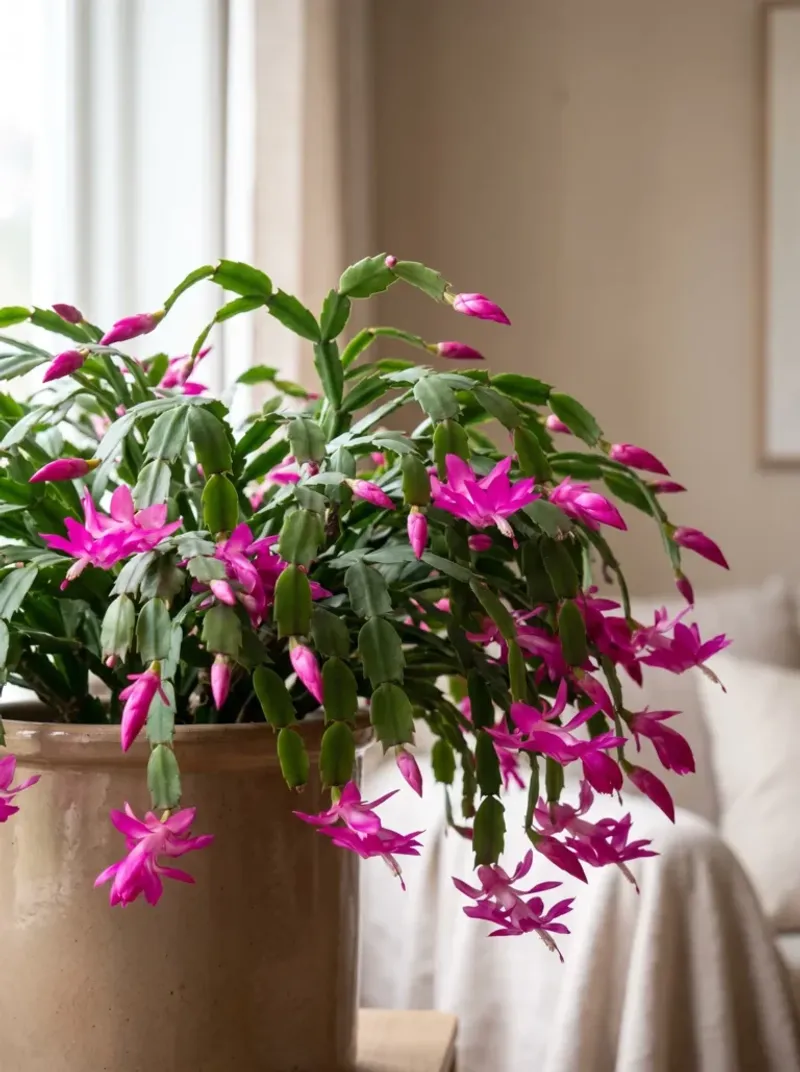
Watering gets the spotlight, but darkness is the quiet partner. Christmas cactus is a short-day plant that forms buds best with about 12 to 14 hours of uninterrupted darkness each night.
Starting around early October, aim for six weeks or more of long nights. A room that stays dark in the evening works, or a spare closet overnight if you move the plant back to light each morning.
Even a lamp switched on for a while can blur the signal. Once buds form, the plant craves stability. Sudden shifts in temperature, light, or location can trigger bud drop.
I once moved a loaded plant to the dining table for a party. Half the buds fell within a week. Lesson learned.
Keep the pot away from heat registers, fireplaces, and drafty doors. Bright, indirect light from an east or west window keeps it happy without scorching.
Some growers mark the pot with tape so they return it to the same orientation after watering. It sounds fussy, but buds sometimes react when the plant gets turned. Small habits like that help protect your holiday show.
After the Last Christmas Cactus Flower Fades, Give It a Breather
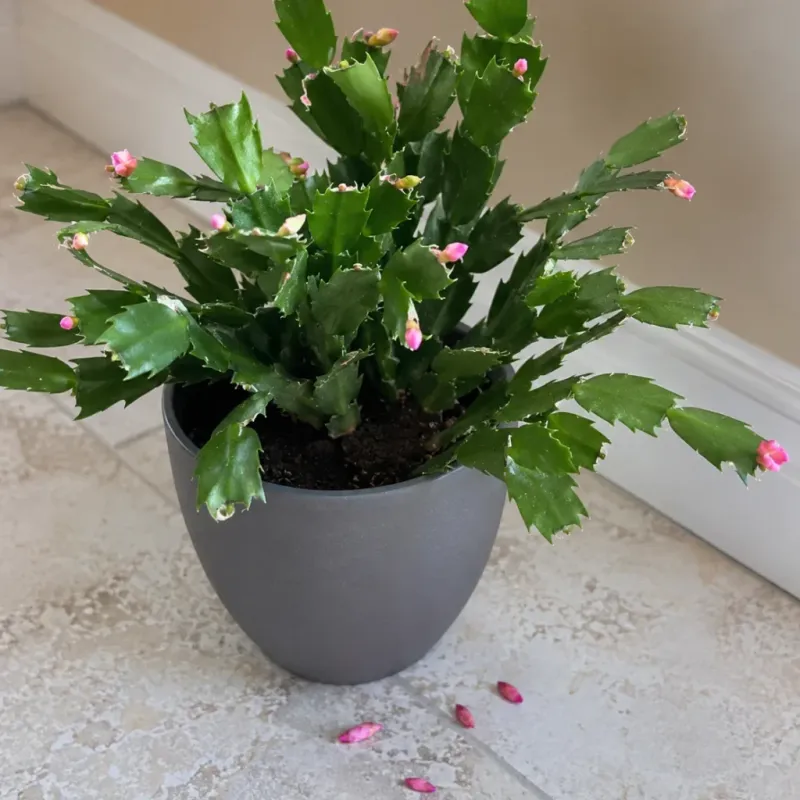
The final blossom wilting can feel a little sad. Your plant, however, is simply moving to its next chapter.
After blooming, give it a short rest of roughly six weeks. Water a bit less, letting the top of the mix dry between drinks, and hold off on fertilizer. This break helps the plant recover from the energy it poured into flowers.
Late winter or early spring is a smart time to tidy up. Twist off a few segments at the joints to shape the plant and encourage branching. Those cuttings root easily in moist mix, which makes great gifts.
When new growth starts in spring, return to regular watering and monthly feeding. Many Pennsylvania gardeners set plants outside in shade once nights stay above 50 degrees, usually late May or June.
Then the cycle repeats. Bring it inside before chilly fall nights, ease up on water, and give it those long dark evenings.
These plants can live for decades, and some families pass them down for generations. With a simple yearly rhythm, yours might become the heirloom someone asks about at every holiday gathering.