How to Overwinter Pepper Plants in Arizona for a Chance at Spring Growth
A pepper plant that shrugs off a cool desert night can still be hurt by one hard freeze. That odd mix of toughness and fragility is what makes winter so tricky for peppers.
Arizona gardeners face very different winters depending on where they live. This guide helps you decide whether to protect a plant outside or tuck it away indoors.
Arizona Winters Change With Elevation And Exposure
Winter in Arizona is not one thing. A pepper in Yuma faces a very different season than one in Flagstaff.
University of Arizona climate zone guidance describes low-desert areas from Phoenix to Yuma as having occasional freezing nights, while higher elevations can have many freezing nights and much colder winter lows.
Because of that, check the spot where your plant actually lives. A sunny wall, a patio corner, or an open yard can all feel different on the same night.
A thermometer near the plant tells you more than a city forecast or a hardiness-zone label.
For Maricopa County only, University of Arizona Extension lists average first-frost dates that run from November 21 in Buckeye to December 12 in central Phoenix. Those are county averages, not promises for your yard.
They also do not apply to Flagstaff, Prescott, or other high-elevation areas, so watch your own forecast and temperatures.
Choose Between Outdoor Protection And Frost-Free Shelter
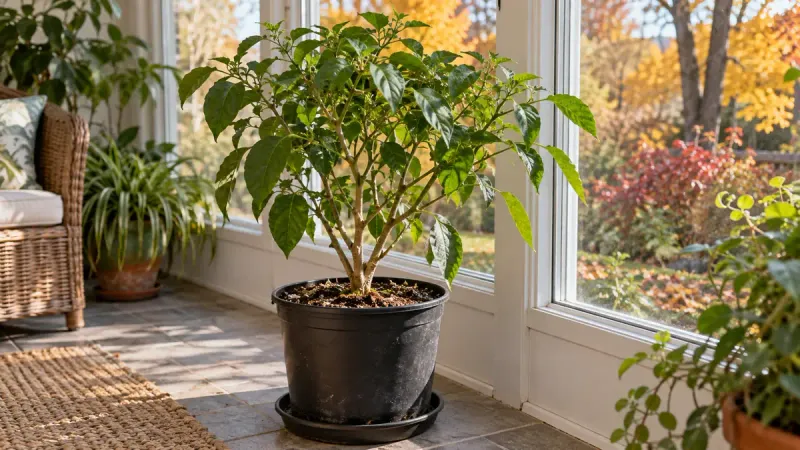
Once you know your local risk, you can pick a path. In a warm, sheltered low-desert spot, leaving a pepper outside is a calculated chance.
If the plant matters to you, moving it into frost-free shelter lowers the risk.
Peppers are tender perennials that thrive without frost, as University of Maryland Extension explains for home gardens. Frost is what hurts them.
That is why a cold snap can undo a whole season of work.
A container makes the second option much easier, since you can simply carry the pot inside. Neither route guarantees spring growth or fruit.
Outdoor success also varies a lot across the state, so a tip that works in Phoenix may fail in Prescott.
Prepare And Hold A Pepper In A Resting State
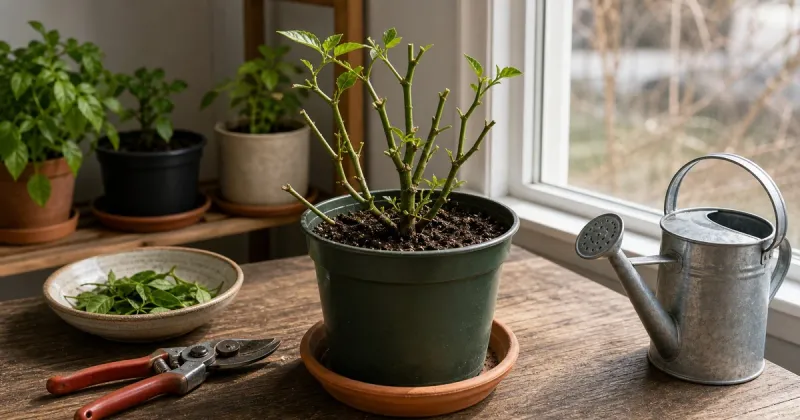
Holding a pepper in a resting state is a bit like putting it down for a long nap. The goal is simply to keep it alive until the next growing season.
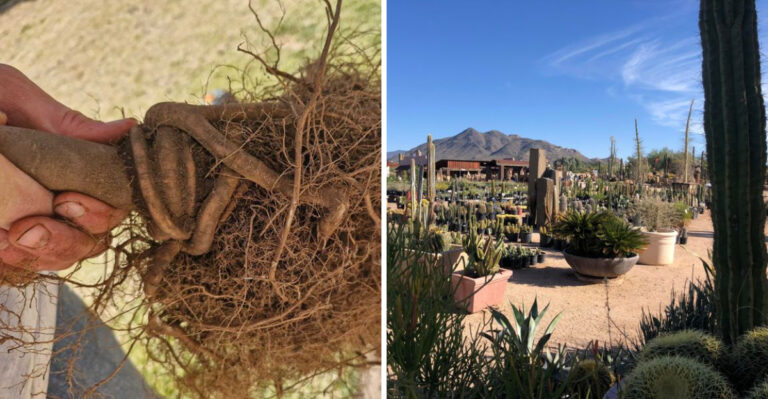
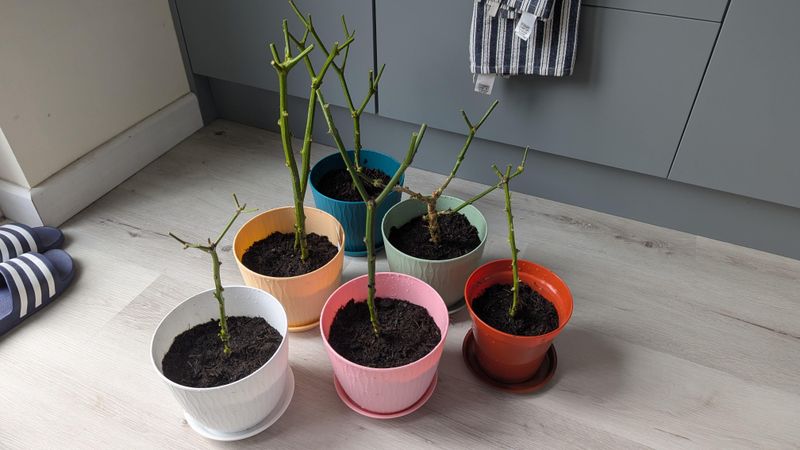
University of Maryland Extension describes cutting back a garden pepper, lifting it, and trimming the roots so it fits a container.
Then the pot goes into frost-free shelter in low light. Water only enough to keep the soil from drying out completely.
The plant is not meant to grow much during this time.
Keep in mind that this is general Extension advice, not a trial done in Arizona or on every pepper variety. Resting a plant is also different from producing peppers in winter.
Think of it as preservation, with spring growth possible but not promised.
Inspect Plants For Pests Before Bringing Them Indoors
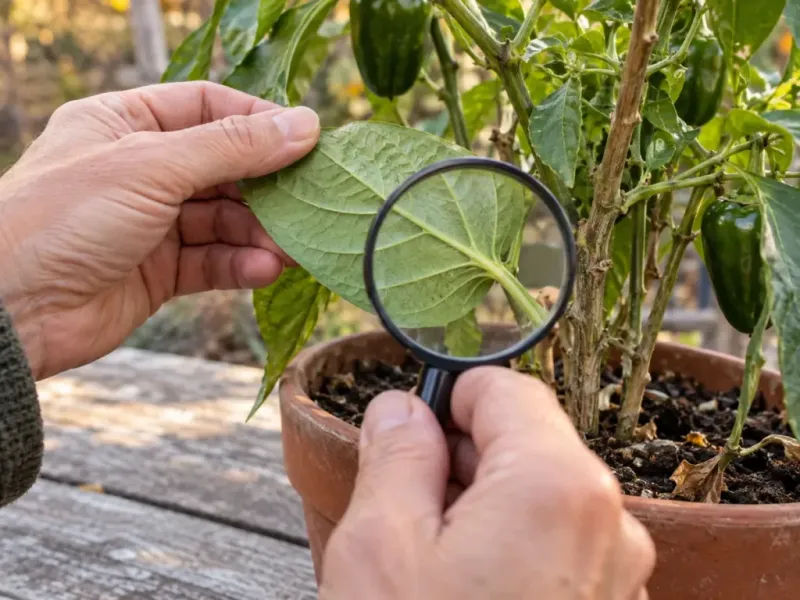
Before a pepper comes inside, give it a careful look. Check the leaves, both tops and undersides, along with the stems and the roots.
Small pests are easy to miss outdoors and can spread fast among houseplants.
Once the plant is indoors, keep watching it regularly. UC IPM guidance advises checking new indoor plants and isolating any plant with pest problems so it does not affect the others.
If you decide a treatment is needed, read the label closely. Use a pesticide only when it is labeled for indoor use, for your plant, and for the pest you have identified.
If you are unsure what the pest is, identify it first.
Outdoor Covers Reduce Cold Exposure, Not All Risk
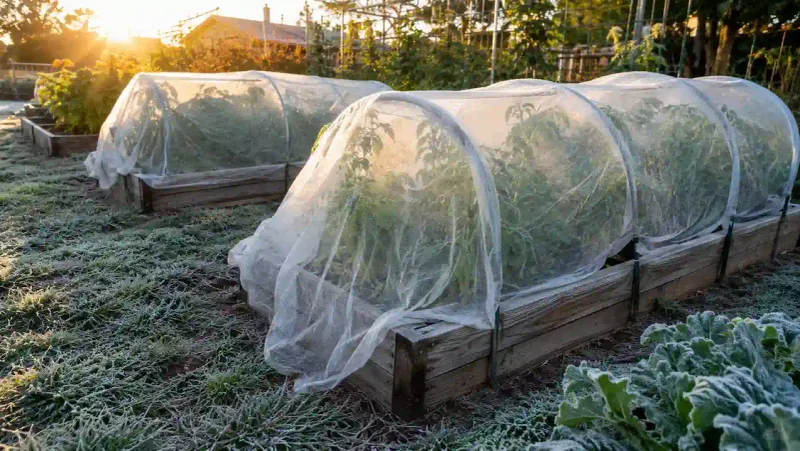
If your pepper stays outside, pick the most sheltered spot you have. A position near a sunny wall may help, but it does not make a site frost-proof.
Check the forecast often once nights start to cool.
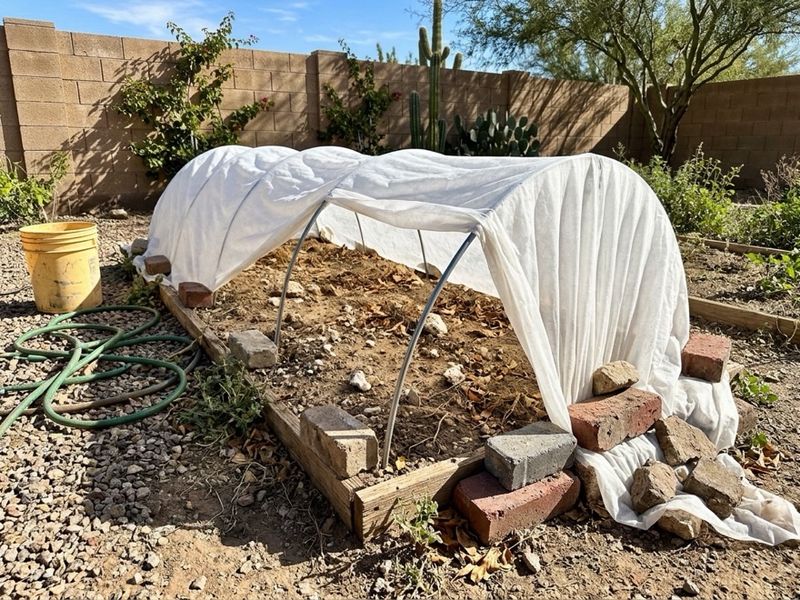
When a freeze is expected, University of Arizona frost protection guidance says cloth or paper draped to the ground can reduce heat loss. Anchor the edges so the cover stays put overnight.
Protection varies with the material and the conditions, and it cannot ensure survival. Do not let plastic rest directly against the plant, since cloth or paper is the recommended insulation.
A cover buys some warmth, not a guarantee.
Active Indoor Growth Requires Suitable Light And Temperatures
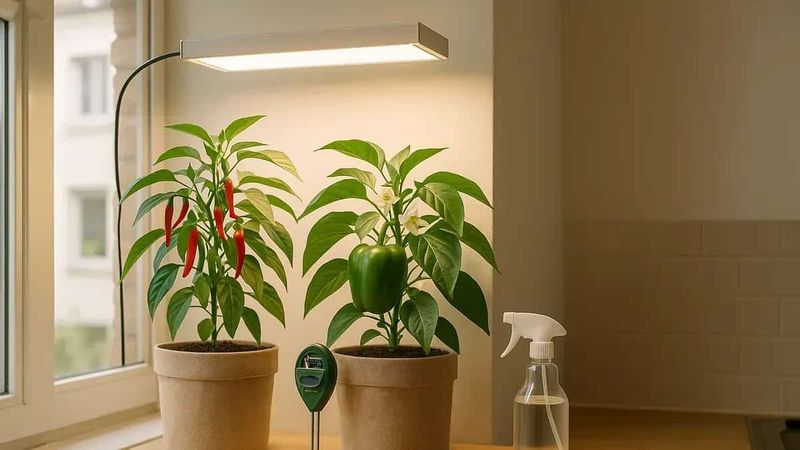
Some gardeners want more than a nap. They hope the pepper keeps growing, and maybe fruiting, all winter.
That takes adequate light and suitable temperatures, which is a very different job from resting the plant in low light.
The University of Arizona pepper guidance says fruit set needs daytime temperatures of 65 to 80°F and nights above 55°F. Fruit will not set when nights stay above 86°F.
Those numbers describe fruit-setting conditions, not a promise of peppers. They also do not show that overwintering gives you a spring crop or any advantage.
Treat indoor growth as an experiment you can enjoy.
Let Local Risk Set Your Expectations
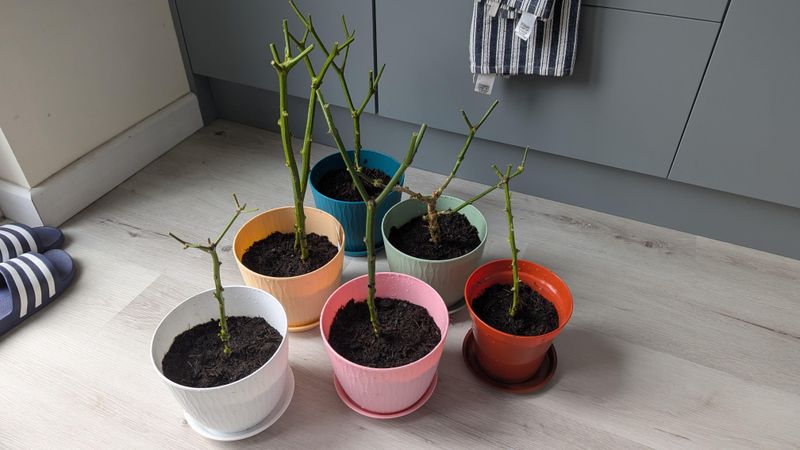
Your own yard should guide the decision. Consider your elevation, your forecast, and the temperatures right around the plant.
University of Arizona notes that frost dates, heat, humidity, and seasonal patterns matter too, so a zone label alone is not enough.
If outdoor risk feels too high, choose shelter. Holding a plant, as described in Maryland Extension advice, may keep it going for another growing season.
Spring growth and fruit stay uncertain either way.
A saved pepper is a small bet that sometimes pays off.