6 Mistakes Texas Homeowners Make Overseeding And Feeding Dormant Lawns In November
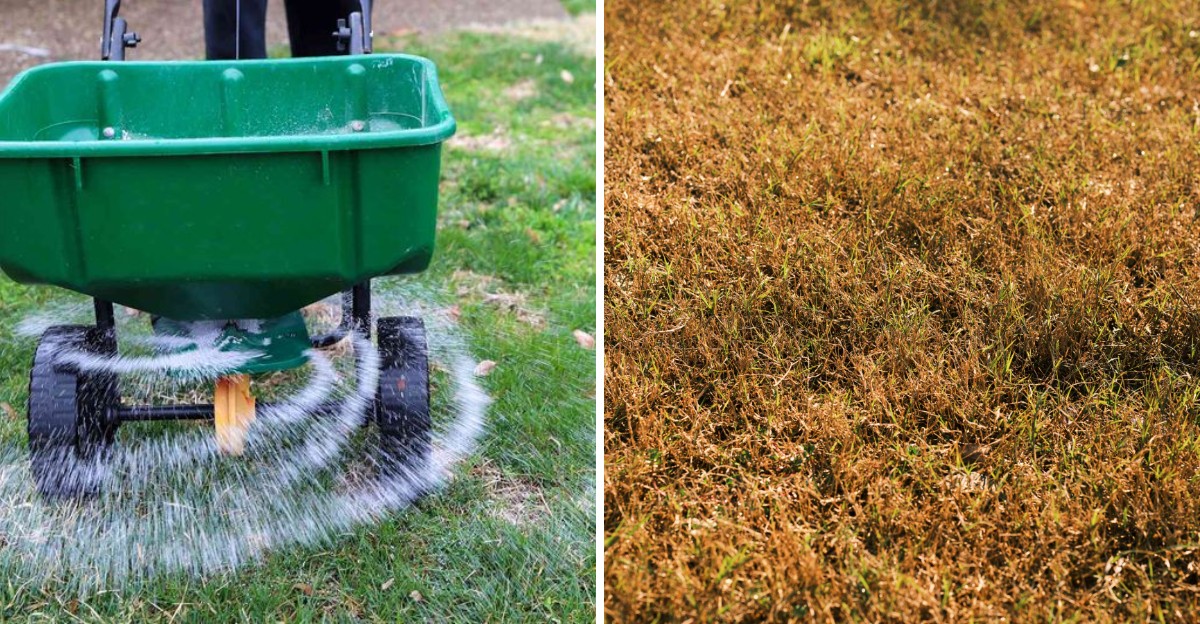
A tan, crunchy lawn in late fall is usually resting, not failing, because warm-season grass naps when soil cools. Across Texas, that quiet pause tempts plenty of us to grab seed bags and fertilizer spreaders a little too quickly.
Believe it or not, food tossed onto sleeping grass mostly sits there, and rain can carry it toward nearby creeks. Some winter seed choices can even crowd your summer turf next spring, which surprised me more than I expected.
I used to treat November like a second spring, watering and feeding as if July heat were still around. My yard paid for that enthusiasm with brown fungus rings and a slow, grumpy green-up the following April.
Texas lawns need a lighter touch this month, and the smartest moves often feel almost too simple.
1. Ryegrass Seed Scattered Over St. Augustine Grass
St. Augustine grass spreads by thick aboveground runners called stolons, and it hates sharing sunlight with pushy neighbors.
Scatter ryegrass across it, and you have invited a houseguest who hogs the window seat until May.
Texas A&M AgriLife turf experts generally discourage overseeding St. Augustine, especially in shady yards where it already struggles.
Ryegrass keeps growing strong into spring, right when your warm-season grass is trying to wake up and spread.
That overlap sparks a quiet tug-of-war for light and water just as runners begin creeping again. St. Augustine often loses that early round, leaving thin spots that weeds love to claim by early summer.
I have to admit the emerald winter look tempted me for years before I learned about the tradeoff. A tan St. Augustine lawn in winter is perfectly normal, so you can relax and let it rest.
If winter color matters to you, pansies or ornamental kale in nearby beds can scratch that itch nicely. Both handle typical cool snaps across much of the state and keep your lawn free from competition.
Bermudagrass is the more common partner for ryegrass because it tolerates the competition and recovers quickly from scalping.
Even then, many turf specialists suggest overseeding only when winter green truly matters, such as on sports fields.
My advice is to leave St. Augustine alone this season and save that seed money for spring. Your runners will thank you in April by filling in faster and looking noticeably thicker by June.
2. Ryegrass Seed Sown When Soil Is Too Warm Or Too Cold
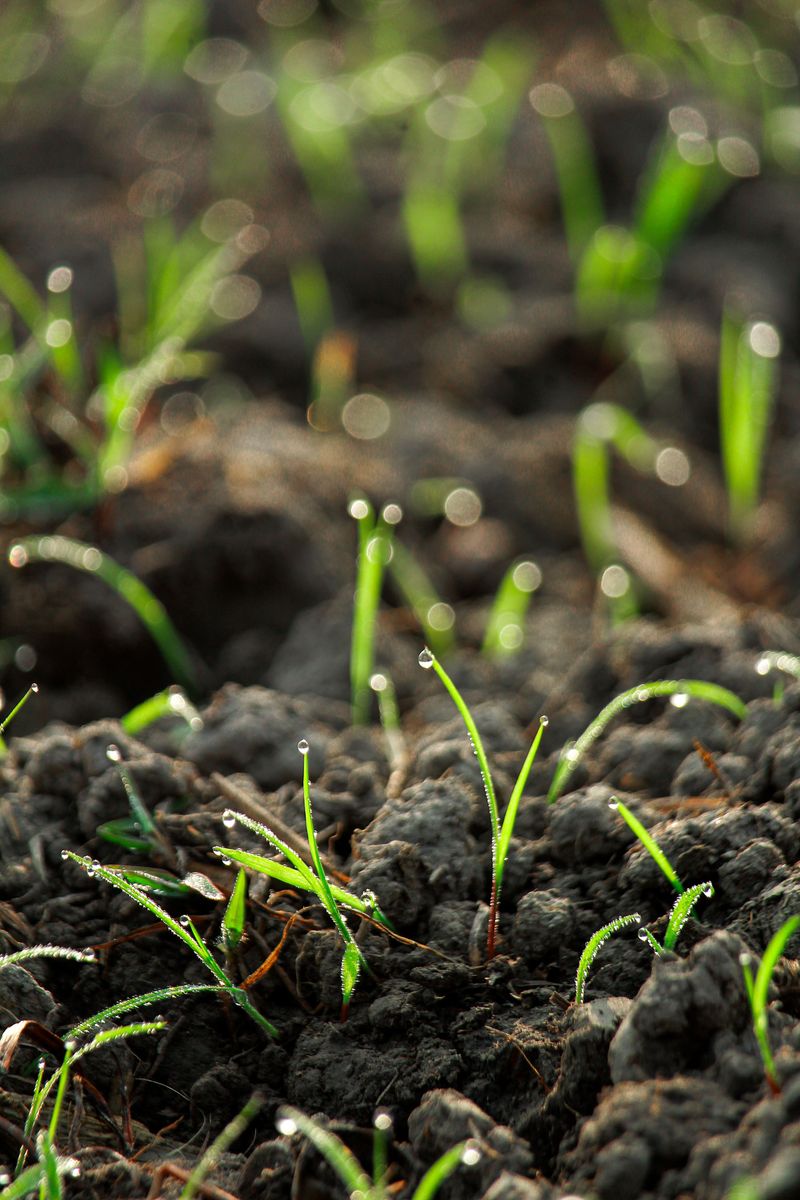
Ryegrass seed is surprisingly picky about soil temperature, even though the bag makes it look like a simple scatter-and-wait job. Sow it into hot ground and the seedlings sulk, while cold soil leaves them sitting idle for weeks.
Many extension guides suggest overseeding when daytime highs settle into the 70s and soil cools toward the 60s.
Across much of the state, that window usually opens around mid-October and stretches into early or mid-November.
North Texas often reaches ideal conditions sooner, while the Rio Grande Valley may stay warm well past Thanksgiving.
A cheap soil thermometer pushed about four inches deep tells you far more than the calendar ever could.
I keep one in my garage, and checking it each morning has become oddly satisfying, like reading a weather report.
Once readings hold steady in that cool comfortable range, ryegrass usually germinates within about a week or two.
Seeding too early brings another problem because your Bermudagrass is still actively growing and shading the tiny sprouts. Seeding too late means the young grass may not root deeply before the first hard freeze arrives.
Late November plantings in cooler regions can still work, but expect slower germination and thinner coverage at first. Using a slightly higher seeding rate helps make up for those losses, though it increases your cost.
Patience feels hard when neighbors are already spreading seed, yet timing beats speed nearly every single time.
Watch the thermometer instead of the calendar, and your ryegrass will reward you with a smoother stand.
3. Tall Bermudagrass Left Unscalped Before Overseeding
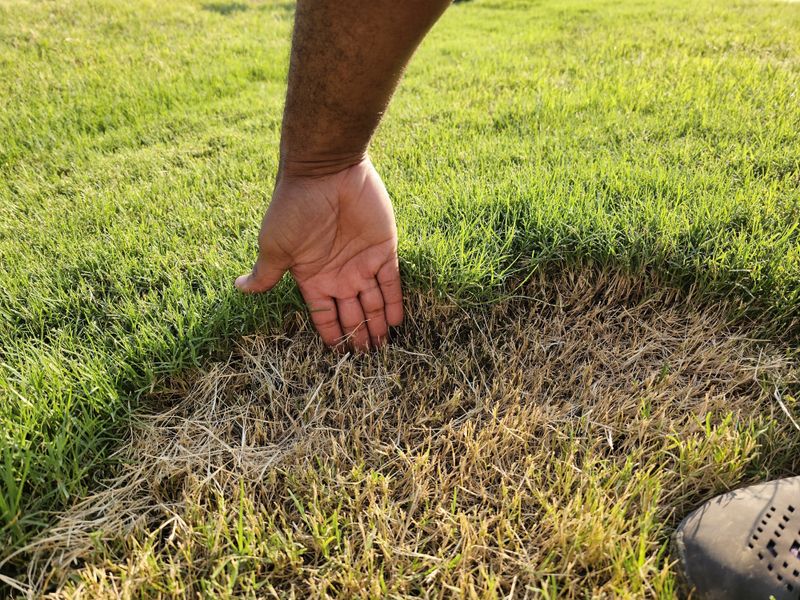
Seeds scattered on top of a tall, shaggy lawn behave a lot like confetti landing on a thick rug. Many of them miss the soil, and the ones that sprout end up starving for sunshine in the shade.
Before overseeding, turf specialists recommend mowing Bermudagrass low, often around half an inch to one inch tall.
Bagging those clippings matters too, because loose debris creates a barrier between your seed and the ground.
Personally, I lower the mower gradually over a couple of cuts rather than chopping everything down in one pass. The lawn looks rough for a few days, but that scruffy stage is just part of the process.
Heavy thatch deserves attention as well, since a spongy layer thicker than about half an inch traps seed. A light verticutting or power raking opens that mat and helps seed settle into real soil.
Avoid deep core aerating right before seeding, because ryegrass can sprout in tight clumps inside each hole. If compaction is a concern, consider aerating a few weeks earlier, giving the surface time to settle.
After seeding, a quick drag with the back of a leaf rake nudges seeds into better contact with soil. Some gardeners also add a thin topdressing of compost, which holds moisture around the seed like a blanket.
I truly believe prep work is the unglamorous hero of every great lawn project I have attempted. Spend an afternoon scalping and raking, and your seed has a fighting chance to grow thick and even.
4. Pre-Emergent Weed Preventer Spread Before Ryegrass Seeding
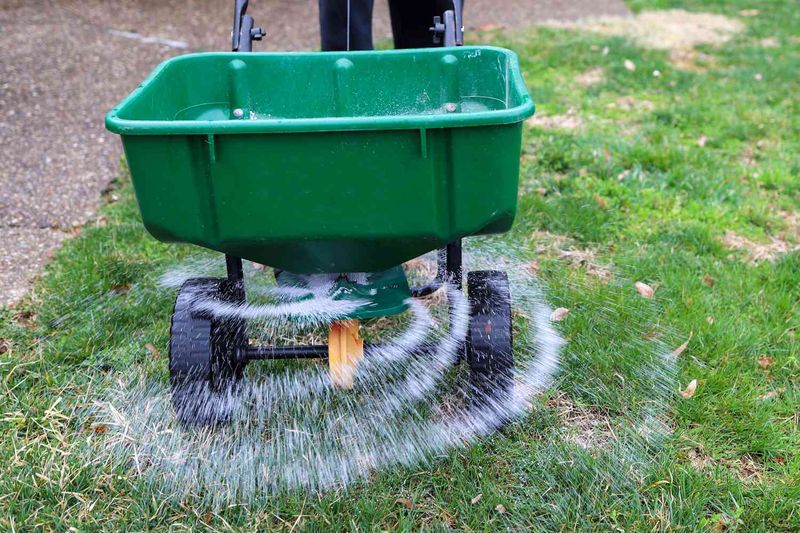
Weed preventers work by stopping seeds from developing roots, and they cannot tell a henbit seed from ryegrass.
That chemical barrier is great at blocking winter weeds, but it also blocks the grass you just paid for.
Many fall pre-emergent products, such as prodiamine or dithiopyr, can linger in soil for several months after application.
Labels often require waiting roughly six to twelve weeks or longer before overseeding, depending on the product.
Nobody warned me about this, so I once watched an expensive bag of seed simply refuse to show up. The culprit was a combination weed-and-feed I had spread a few weeks earlier without reading the fine print.
Before overseeding, check every product you applied since late summer, including those handy fertilizer blends with weed control.
If any contain pre-emergent ingredients, follow the label waiting period carefully or skip overseeding that section this year.
You still have options for winter weeds in an overseeded lawn, though they require a little more planning. Spot treating broadleaf weeds later in winter with a product labeled safe for ryegrass is one approach.
Thick, healthy turf also shades out many weed seedlings naturally, which reduces the need for extra chemicals. A dense ryegrass stand acts like a living mulch, crowding henbit and chickweed before they gain ground.
Each part of your yard needs a choice between weed prevention and overseeding, since combining them usually backfires.
Write the date of every application on your calendar, and future seasons will feel much less confusing.
5. Nitrogen Fertilizer Spread On A Dormant Brown Lawn
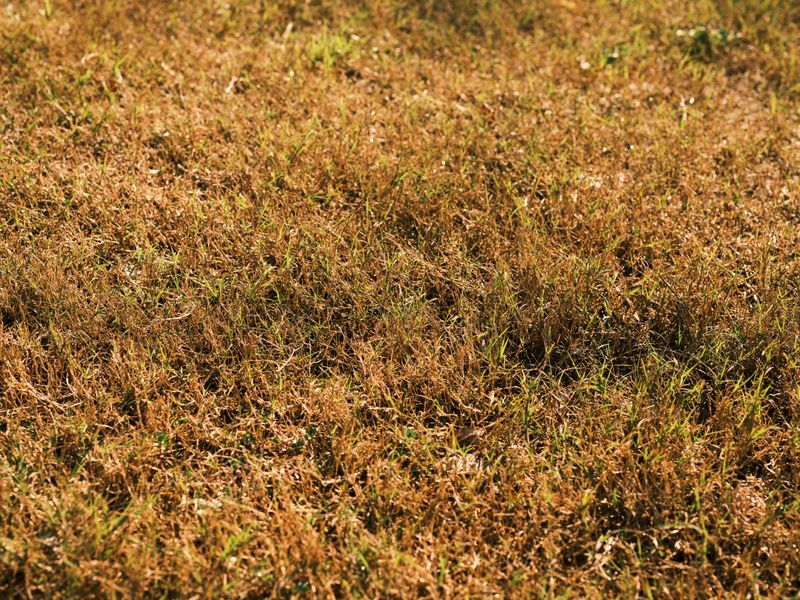
A brown, dormant lawn is basically asleep, and feeding it nitrogen is like serving dinner to someone snoring. The grass cannot use much of that fertilizer, so a lot of it simply washes away with winter rain.
Texas A&M AgriLife generally advises finishing nitrogen applications on warm-season lawns several weeks before the expected first frost. In many areas that means early fall, well before turf starts fading to its winter tan color.
Late nitrogen can push tender new growth that cold snaps easily damage, leaving your lawn weaker heading into spring. Runoff from unused fertilizer can also feed algae in ponds and creeks, which hurts local water quality.
St. Augustine lawns face an extra risk because late-season nitrogen can encourage large patch, a stubborn fungal disease.
Those brown circular patches often show up in cool, damp weather and can linger well into spring.
I love how a simple soil test from the AgriLife lab takes so much guesswork out of feeding decisions. It shows which nutrients your lawn actually lacks, so you can plan smarter applications for next spring.
Overseeded ryegrass is the main exception, since that cool-season grass stays green and actively grows through winter.
Light monthly feedings, often around half a pound of nitrogen per thousand square feet, usually keep ryegrass looking healthy.
For a dormant lawn without ryegrass, the kindest move this month is simply leaving that fertilizer bag closed. Wait until the grass greens up on its own next spring, then feed when it can use every bit.
6. Sprinkler Watering Mistakes On New Ryegrass And Dormant Turf
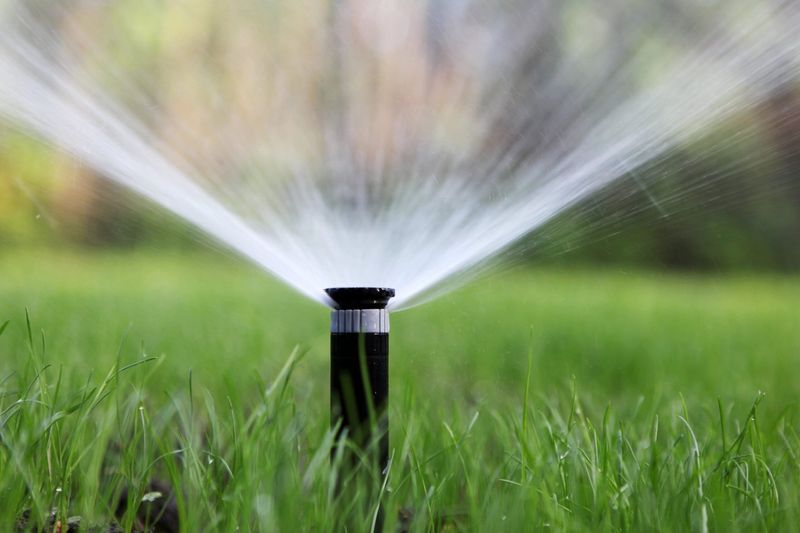
Water needs flip upside down in late fall, and many sprinkler timers stay stuck on their summer schedule.
Freshly sown ryegrass craves frequent sips, while sleeping warm-season grass wants surprisingly little to drink most weeks.
For new seed, light watering once or twice a day keeps the top inch of soil evenly moist. Letting that surface dry out during germination can leave tender sprouts shriveled before they ever take root.
After seedlings reach about mowing height, you can gradually shift toward deeper, less frequent soakings to build stronger roots.
That transition usually happens within a few weeks, depending on temperatures and how quickly the ryegrass fills in.
Dormant lawns are a different story, since soggy soil in cool weather invites fungal problems like large patch.
Many extension specialists suggest watering dormant turf only every few weeks when rain is scarce, mainly before hard freezes.
Moist soil holds heat better than dry soil, which helps protect roots during a sharp cold snap. A deep drink a day or two before a predicted freeze is a smart, simple habit.
Confession time, I used to forget about my controller until the water bill arrived each December. Switching it to manual mode for winter saved me money and finally ended those mysterious soggy spots.
Take a closer look at your sprinkler settings this week, and adjust them for each section of yard. Seeded areas get gentle frequent watering, while dormant turf mostly relies on rain and the occasional deep soak.