10 Flowers To Plant in November in Florida
Florida gardeners plant many of their showiest annuals in November, the same month northern beds go quiet under frost. I love how our calendar flips upside down, with cool weather becoming the real start of flower season.
Lower humidity and gentle sunshine help young roots settle in before the harsh heat returns next summer. Many favorite blooms that sulk through August suddenly grow fat buds and bright faces during these mild months.
I think this window is the easiest planting time of the whole year in the Sunshine State. You need only a sunny patch of ground and a little patience with the hose for amazing results.
One pick smells like warm honey, and another tastes peppery enough to toss right into your salad bowl. Which cheerful bloom will earn the very first sunny spot beside your front door this year?
1. Pansies
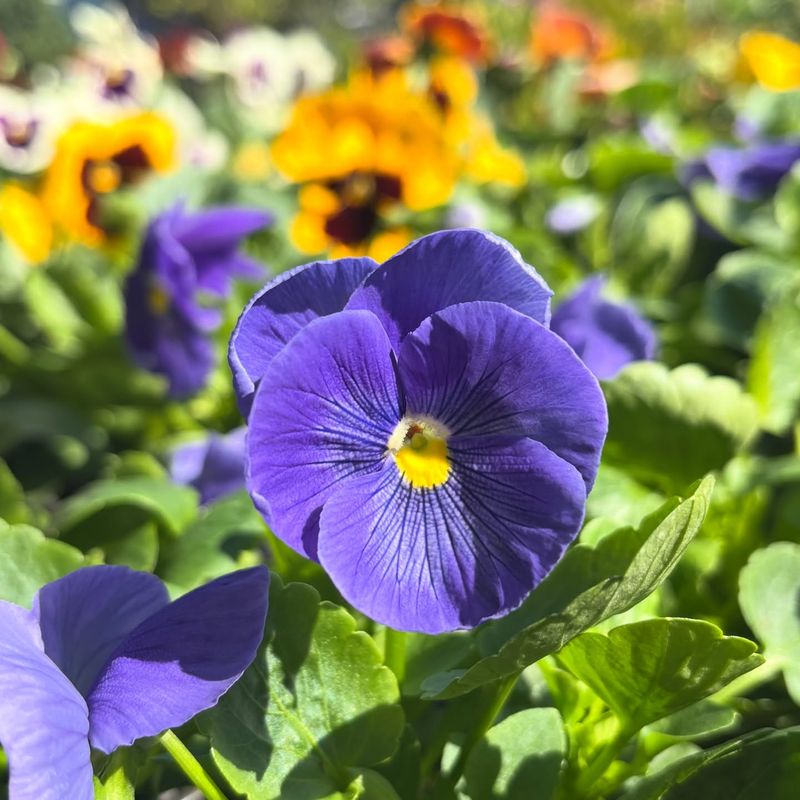
Those little dark blotches on pansy petals really do look like tiny faces peeking up at you from the bed. I can’t walk past a tray of them at the garden center without smiling back at least once.
Garden pansies, known to botanists as Viola x wittrockiana, are cool-season annuals that love our mild winter weather. University of Florida experts list them among the most reliable choices for planting during the cooler months here.
Give them full sun or a touch of light afternoon shade, plus loose soil that drains well after rain. Water often during the first couple of weeks, because young roots dry out quickly in sandy ground.
Pinching off faded flowers keeps the plants focused on making fresh buds instead of setting seeds too early. You can expect steady color through winter, and many plantings keep going until the spring heat arrives.
Fun fact time, because the name pansy comes from the French word pensee, which simply means thought. The flowers are edible too, so I like scattering a few petals across cupcakes for a cheerful garden party.
2. Petunias
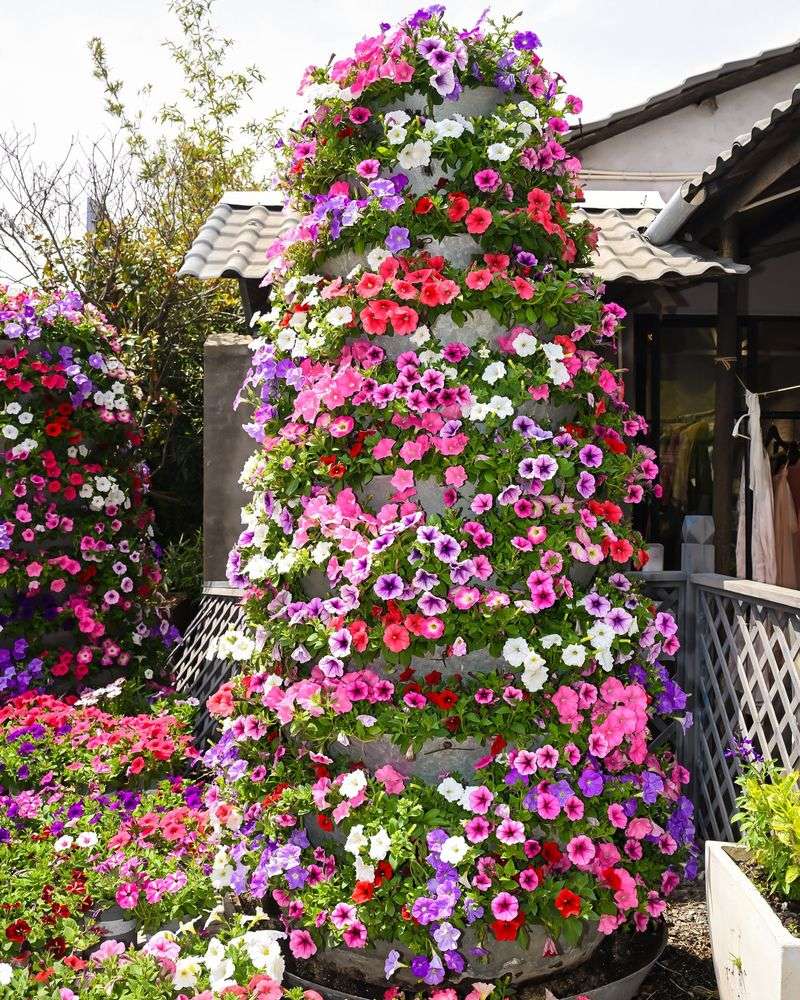
Petunias belong to the same plant family as tomatoes and peppers, which surprises most people I mention it to. Their trumpet blooms spill out of pots like colorful ribbons, and I find them hard to resist.
Fall into early winter is the sweet spot for planting Petunia x atkinsiana in our warm southern climate. Summer heat and soggy afternoons wear them down, but cool sunny months bring out their very best performance.
Choose a bright location with at least six hours of sun and soil that drains quickly after watering. Feed them with a slow-release fertilizer at planting time, since these hungry bloomers use up nutrients fairly fast.
Plant sizes vary a lot, from tidy mounds about six inches tall to spreading types that cover several feet. Trailing series such as Wave petunias look fantastic tumbling over hanging baskets or the edges of raised beds.
Snip back leggy stems by a few inches in midwinter to encourage fresh branching and more flowers. You might notice a lovely sweet scent at dusk, especially from older purple and white varieties near seating areas.
3. Snapdragons
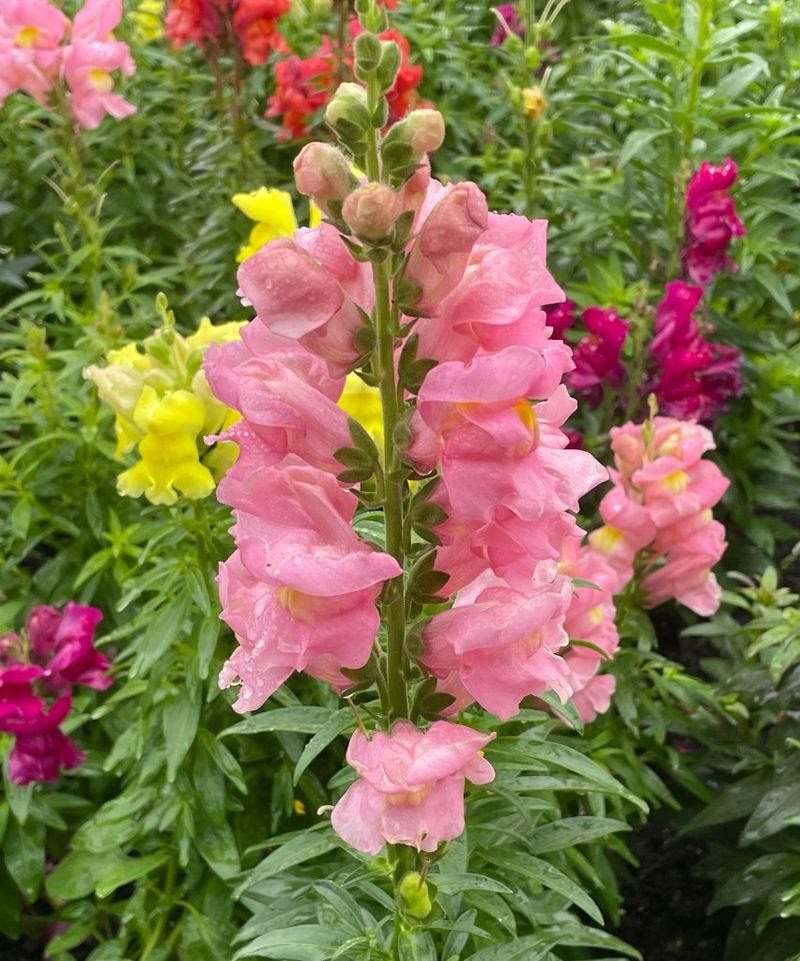
Gently squeeze the sides of a snapdragon flower, and it opens and closes like a tiny dragon mouth. Kids find this trick hilarious, and honestly, I still do it every single time I pass a blooming bed.
Antirrhinum majus grows happily through our cool season, adding tall spikes of color that most winter annuals lack. Their upright shape makes them perfect for the back of a border or in a bright vase indoors.
Plant them in full sun with rich, well-drained soil, and work in some compost before setting them out. Water about once a week after they settle in, letting the top inch of soil dry between drinks.
Dwarf types stay under a foot tall, while tall cutting varieties can reach about three feet in good conditions. Taller kinds may need a stake or two, especially in windy spots near the coast during winter cold fronts.
Pinch young plants once to encourage bushier growth with more flower spikes over the following weeks. Bumblebees are strong enough to pry open the closed blooms, so watch for them crawling right inside the flowers.
4. Dianthus
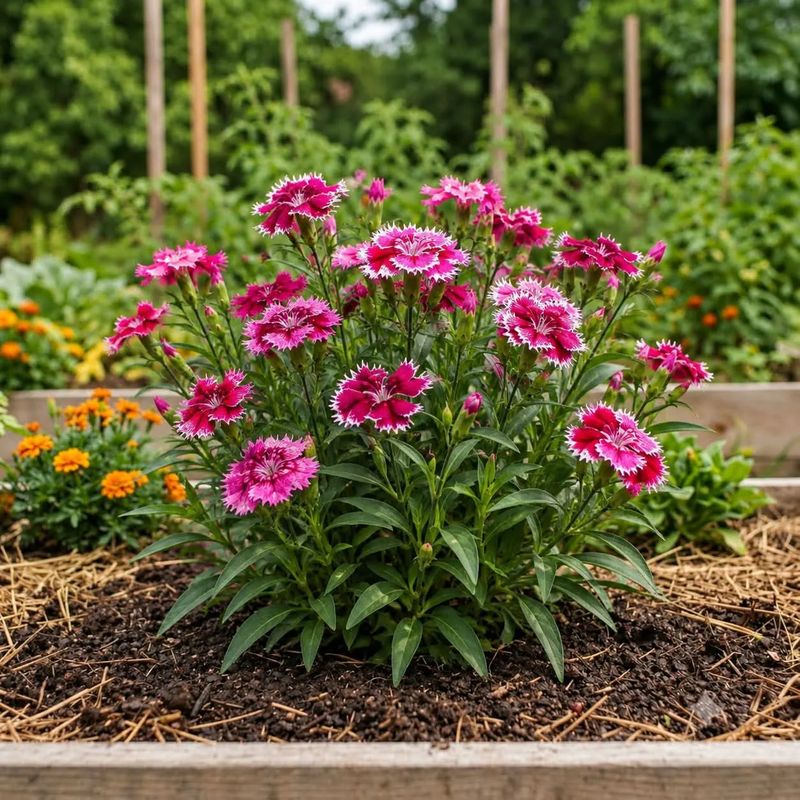
Lean in close to a dianthus bloom, and you might catch a spicy scent that reminds many people of cloves. Those fringed edges look like someone trimmed each petal with pinking shears, which explains the old nickname pinks.
China pinks, or Dianthus chinensis, handle chilly nights better than many bedding plants sold during the cooler season. They shrug off light frost, so northern gardeners can usually enjoy them without hauling out blankets every time.
Full sun keeps them compact and blooming, while soggy soil can quickly lead to root rot problems. Raised beds or containers with fast drainage work beautifully, especially in low spots that hold rainwater after storms.
Most varieties form neat mounds about six to twelve inches tall, making them ideal for edging walkways. Their flowers come in pink, red, or white, often with contrasting rings or eyes in the center of each bloom.
Trim off faded flower clusters every week or so to keep fresh color coming through the spring. I like tucking a few plants near benches, because that gentle clove fragrance is easier to enjoy at nose level.
5. Sweet Alyssum
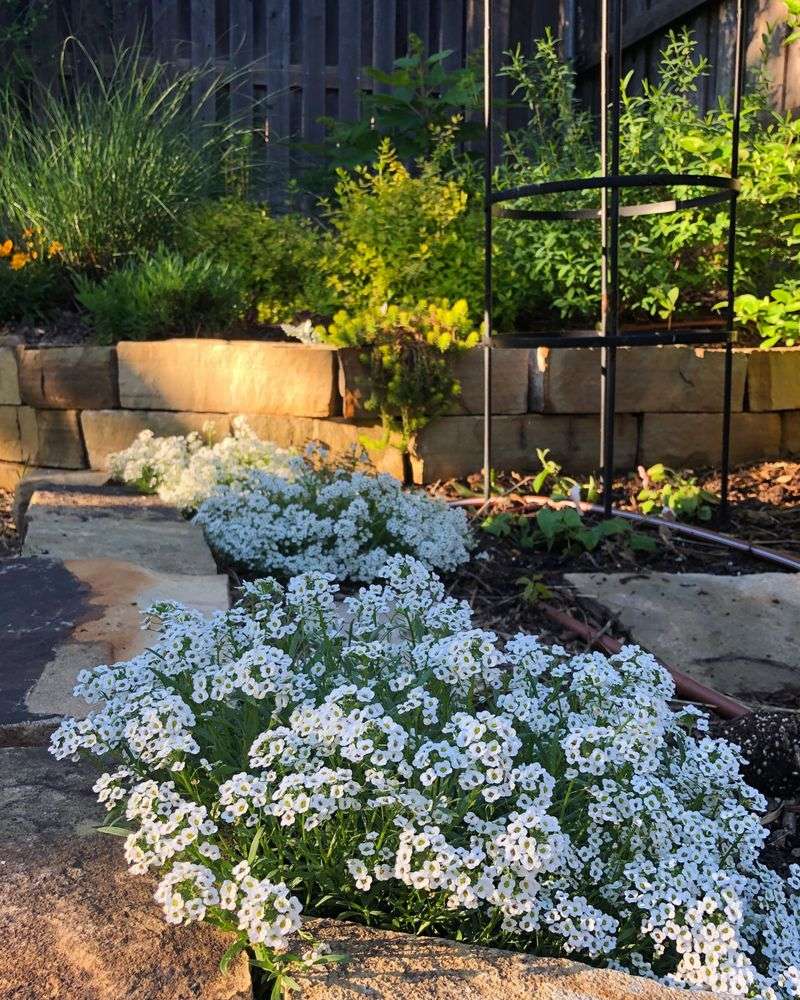
On a calm sunny afternoon, sweet alyssum releases a honey scent that drifts across the whole garden path. I have to admit that I sometimes sit near my patch just to enjoy that soft fragrance for a while.
Lobularia maritima is a low annual that loves cool weather and fades once summer humidity settles in again. Planting it during late fall gives you months of tiny flower clusters before the warm season takes over.
Give it full sun in winter and average soil that drains well but stays lightly moist between waterings. A quick trim with scissors after a big flush of blooms encourages the plant to fill back in nicely.
Most plants stay only three to nine inches tall, spreading into soft mats that spill over pot rims. White varieties glow at dusk, though you can also find lovely pink and purple shades at many local nurseries.
Small flies and tiny wasps visit the blossoms for nectar, and many of these helpers eat aphids. Vegetable gardeners often tuck alyssum between lettuce rows, which brings in useful insects while adding charm to the beds.
6. Geraniums
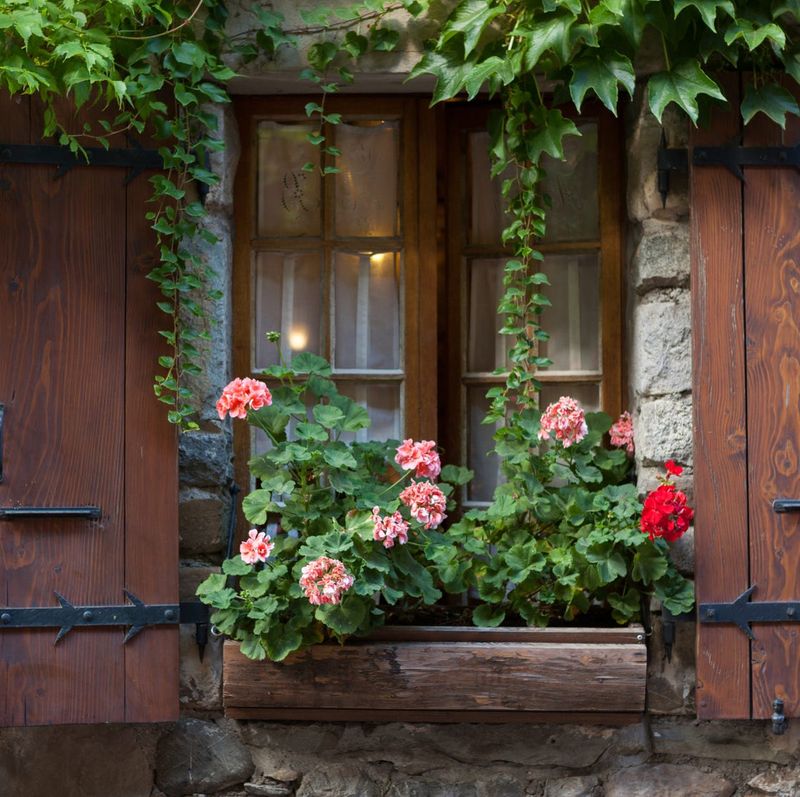
Northern gardeners treat geraniums as summer flowers, but here they often look happiest during our mild winter months. I grew up seeing them on porches up north, so finding them thriving in December still feels delightfully strange.
Zonal geraniums, or Pelargonium x hortorum, dislike heavy summer rain and sticky heat across much of the state. Cool dry weather suits them much better, which is why fall planting gives them such a strong head start.
Pick a spot with morning sun and some afternoon relief, especially in the warmer southern parts of the region. Let the top of the soil dry slightly before watering again, because soggy roots quickly lead to rot.
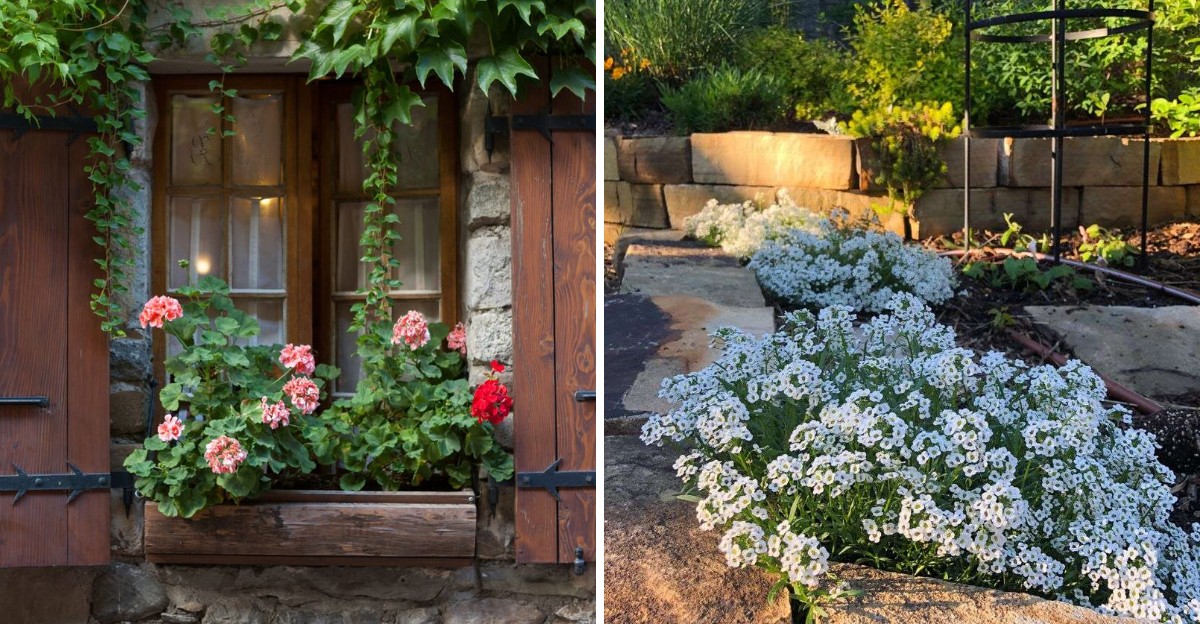
Big rounded flower clusters rise above scalloped leaves that often carry a darker band or zone across them. Red is the classic choice, though salmon, pink, and white varieties look equally cheerful in patio containers and window boxes.
Snap off spent clusters at the base of the stem to keep new buds forming all season. Containers make life easy, since you can move pots under a roof when a hard frost threatens your area.
7. Calendula
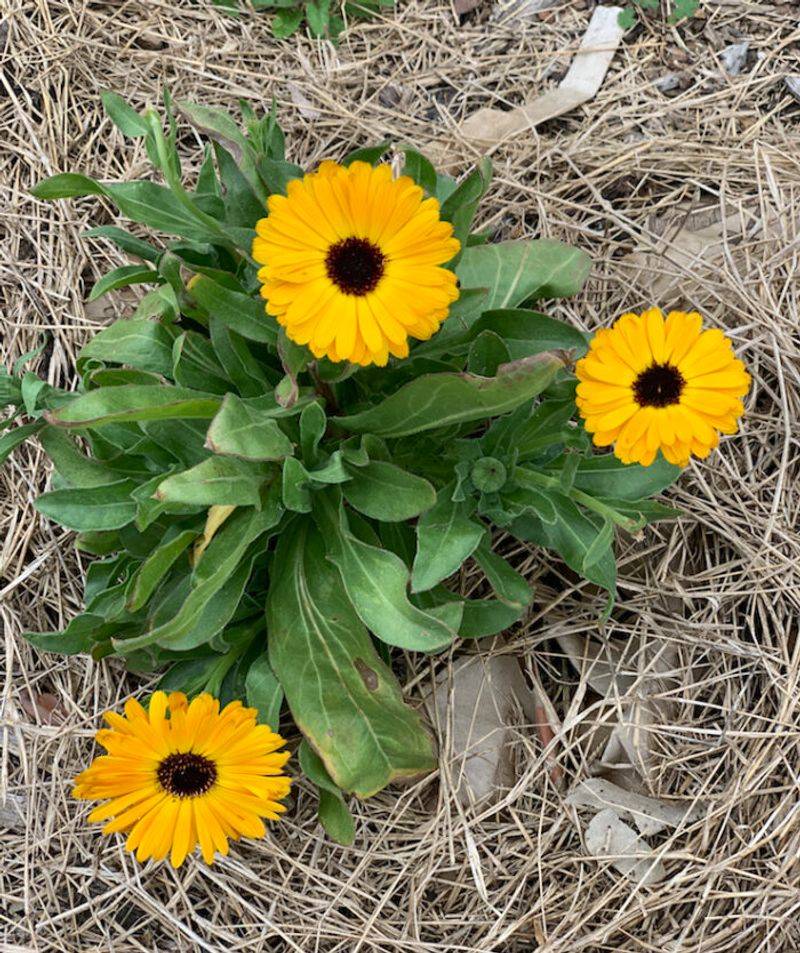
Calendula petals once added golden color to soups and cheeses, earning the plant its old nickname pot marigold. Those glowing orange and yellow blooms look like little suns, which feels perfect on a gray winter afternoon.
Calendula officinalis is a true cool-season annual, so it slows down once warm spring weather finally settles in. Fall planting lets you enjoy it through the cooler months when its cheerful color really stands out in beds.
Plant it in full sun with average soil, since overly rich ground can produce more leaves than flowers. Water regularly while young plants settle in, then ease back a bit once the roots have grown deeper into the soil.
Plants usually grow one to two feet tall with flowers between one and three inches across. You can find single blooms that resemble daisies, or fluffy double types that look a bit like small pom-poms.
Harvest open flowers often, because picking encourages the plant to produce even more blooms over the season. The petals are edible with a mild peppery taste, so I sprinkle them over salads for a quick splash of color.
8. Nasturtiums
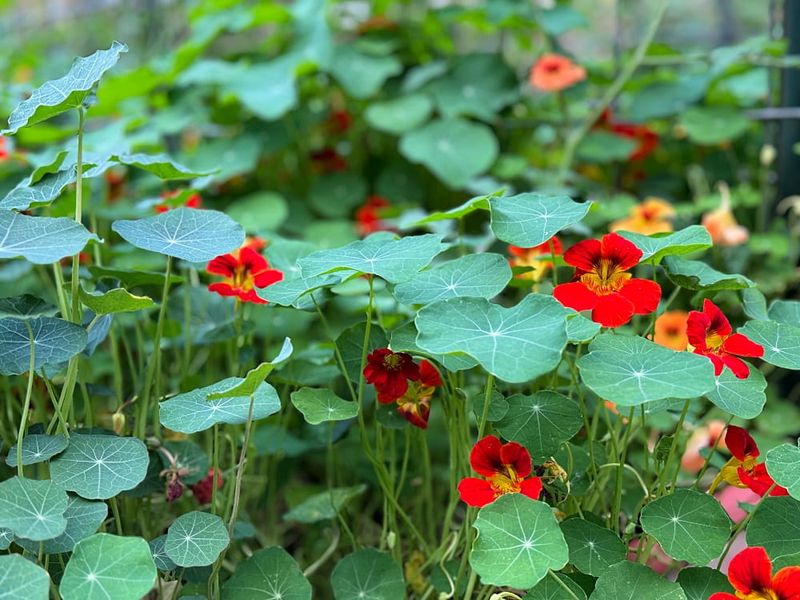
Every part of a nasturtium above ground is edible, from the round leaves to the bright funnel-shaped flowers. I love surprising dinner guests with a peppery petal on their plate, then watching their faces light up.
Tropaeolum majus prefers cool weather and struggles during hot humid summers, making fall our ideal planting season. University of Florida vegetable guides even list nasturtiums among good options for cool-season edible gardens across the state.
Sow the large seeds directly into the ground about half an inch deep, since seedlings dislike being transplanted. Pick a sunny spot with plain soil, because heavy fertilizer leads to lush leaves and only a few flowers.
Leaves look like tiny lily pads, and water droplets bead up on them beautifully after a morning sprinkle. Trailing varieties spill over walls and baskets, while bush types stay compact enough for small containers on balconies.
Aphids sometimes cluster on the stems, so blast them off with a strong spray from the garden hose. Keep picking the flowers for salads, and the plants will reward you with fresh blooms for several months.
9. Stock
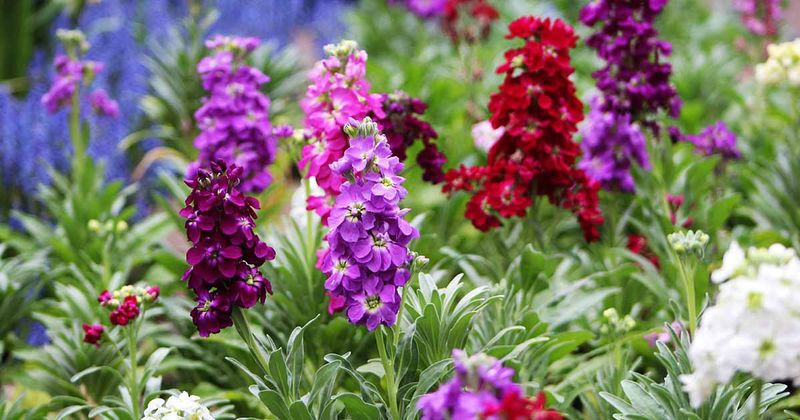
Few flowers smell as sweet as stock, with a spicy perfume that many people compare to cloves and vanilla. One stem in a vase can fill a small kitchen with scent, and I find that completely charming every time.
Matthiola incana loves cool temperatures and often stops blooming once warm spring nights arrive in our area. Setting transplants out during late fall gives them a long stretch of comfortable weather to grow sturdy flower spikes.
Choose a sunny location with fertile soil that drains well, adding compost if your yard is mostly sand. Water at the base instead of over the leaves, because damp foliage can invite fungal problems during cloudy weeks.
Most varieties grow twelve to thirty inches tall with dense spikes of single or double flowers on top. Colors range from soft lavender and blush pink to creamy white, which look lovely planted together in small groups.
Cut stems early in the morning when the flowers are about half open for the longest vase life. Planting near a doorway or window lets you enjoy that sweet evening fragrance without stepping outside on chilly nights.
10. Pentas
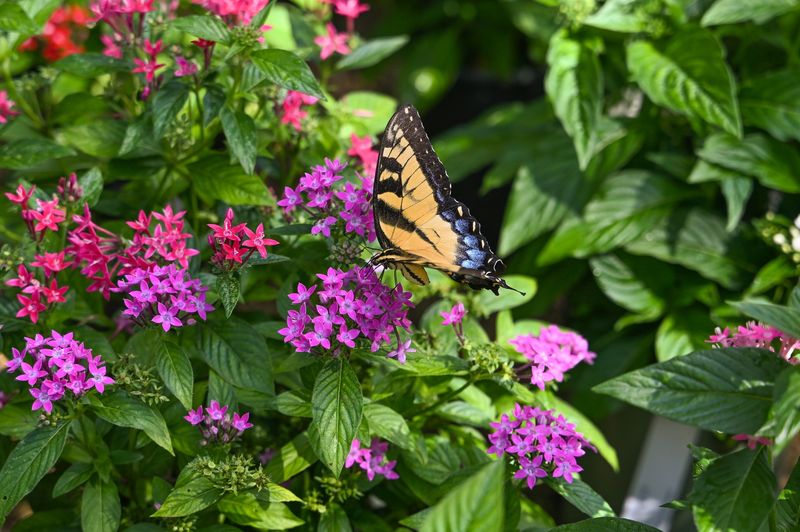
Butterflies treat a patch of pentas like a busy snack bar, landing on those star-shaped clusters over and over. I could happily spend an entire morning watching swallowtails sip nectar from a single blooming plant near my porch.
Pentas lanceolata is a tender perennial that handles warm weather well and keeps flowering in frost-free areas. Gardeners in the central and southern parts of Florida can plant it now and expect color for months ahead.
Northern gardeners should wait until spring or grow pentas in pots that can move indoors before a freeze. Full sun brings the heaviest flowering, though plants still bloom reasonably well in spots with some light afternoon shade.
Plants usually reach one to three feet tall with rounded clusters of tiny five-petaled flowers on top. Red and pink varieties seem especially popular with hummingbirds, while white and lavender types glow beautifully in evening light.
Water regularly while new plants settle in, then they handle short dry spells fairly well once established. Trim spent clusters and leggy stems now and then, and the plants respond with fresh branches covered in new blooms.