Water Your Christmas Cactus This Way in California’s Dry Air For A Full Holiday Bloom
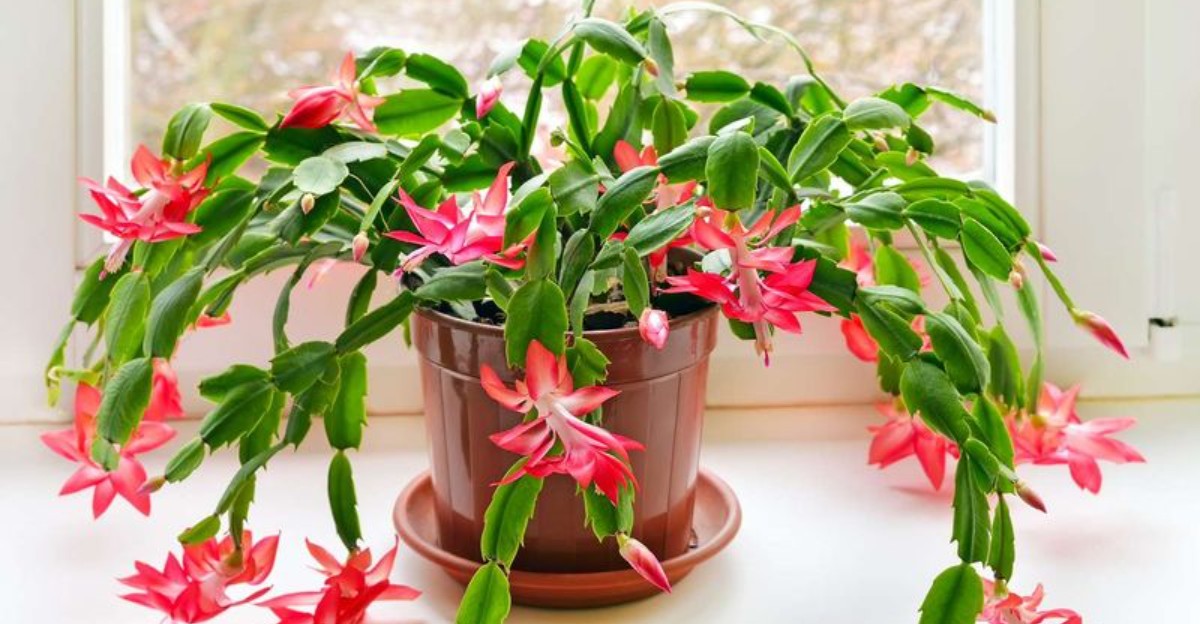
Limp, droopy stems on a certain holiday bloomer often point to soggy roots, not thirst. Waterlogged soil pushes out air, and roots starved of oxygen can’t move water up into the plant.
That surprises people, since this plant gets shelved beside spiky desert types. Its wild family actually perches on tree bark in cool, cloudy Brazilian forests.
Their roots tuck into moss that drains quickly but stays a little damp. I love that jungle twist on a grocery store classic.
By mid-November, buds are swelling at the stem tips, and they get dramatic about sudden changes. Last year’s gift plant arrived in shiny store foil, which quietly became a tiny indoor swimming pool.
The buds bailed one by one. Heated California rooms, often drier than a cracker, don’t help either.
Nail the watering rhythm, and those bright blossoms could open just in time for the holidays.
A Rainforest Christmas Cactus Is Living in Your Desert Living Room
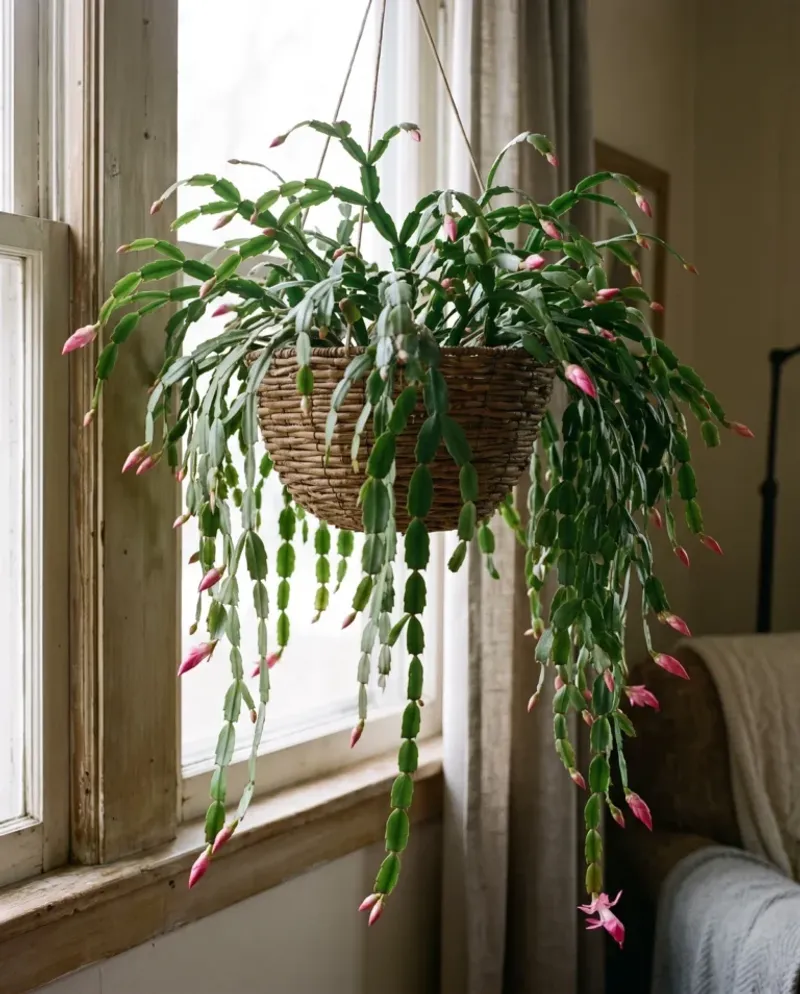
Brazil’s Atlantic Forest is where this plant’s family story begins. Wild Schlumbergera grow as epiphytes, clinging to tree bark and rocks in cool, foggy mountains. Their roots sit in moss and leaf litter that drains fast but stays a little damp.
Now compare that to a heated California living room in December. Indoor humidity can easily slide below 30 percent, while these plants are happiest closer to 50 percent. The flat green segments lose moisture through their surface, and the plant has to work harder to keep up.
You can usually spot the stress early. Segments may look thin, wrinkled, or slightly reddish, and buds may loosen and fall. University extension experts note that bud drop often comes from sudden changes in moisture, temperature, or location.
Personally, I find it helpful to stop thinking of it as a cactus at all. Treat it more like a tropical houseplant with a love for quick-draining soil. Once that idea clicks, every watering choice becomes easier.
A fun bonus fact: many plants sold as Christmas cactus are actually Thanksgiving cactus, Schlumbergera truncata, with pointy segment edges. Care is nearly the same, so no worries either way.
Soak the Christmas Cactus Pot, Then Let It Drain Dry
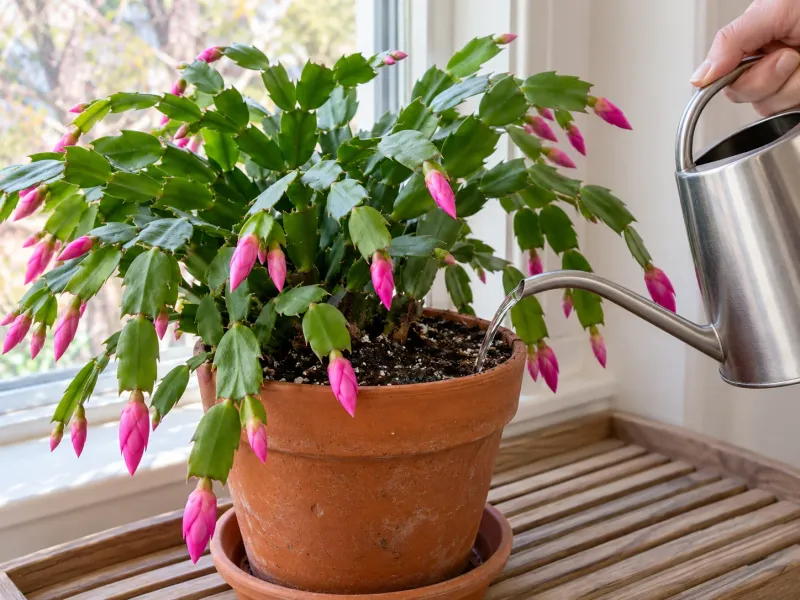
My favorite method is wonderfully simple. Carry the pot to the sink and water slowly until it runs out the drainage hole. Then let it sit for ten minutes so every extra drop escapes.
Timing matters as much as the soak. Check the soil with your finger, and water again once the top inch feels dry. In warm, dry parts of California, like the Inland Empire or Central Valley, that might be every week. Along the foggy coast, it could stretch to ten days or more.
Skip the tiny daily sips. Small splashes wet only the surface and leave deeper roots thirsty, while frequent watering can keep soil soggy at the bottom. A full drink followed by a short dry spell copies the rain and quick drainage these plants know from home.
Room-temperature water is kinder than icy tap water. Cold shocks can stress roots, especially when buds are forming.
Here is a quick checklist I keep in mind:
Feel the soil first. Water deeply. Empty the saucer every time. That last step sounds small, yet it keeps roots breathing and buds firmly attached through the holidays.
Pebble Trays Give Thirsty Holiday Cactus Buds a Humid Hug
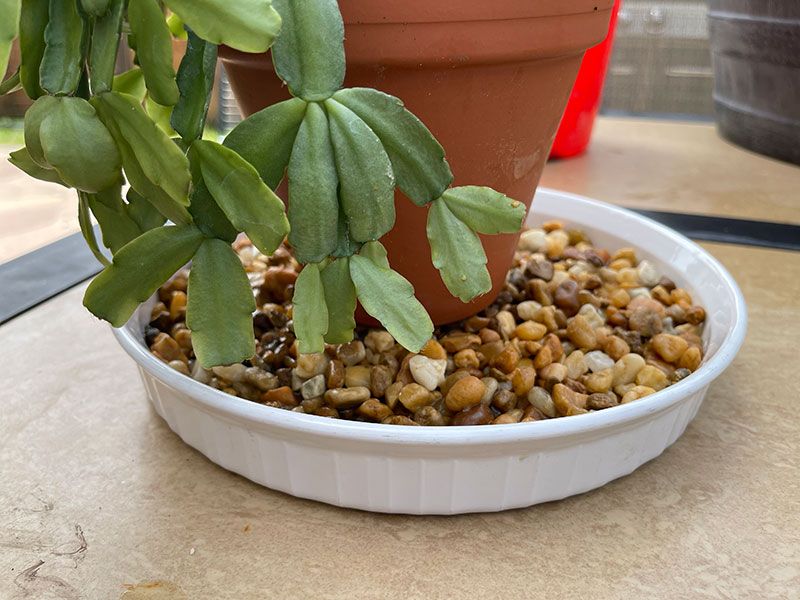
Honestly, a tray of rocks changed my holiday blooms more than any fancy fertilizer. Fill a shallow dish with pebbles, add water just below the tops, and set the pot on the stones. As water evaporates, it raises moisture right around the plant.
The pot should sit above the water, not in it. If roots soak in that reservoir, you trade one problem for a bigger one. Refill the tray every few days, especially when the heater runs.
Grouping houseplants helps too. Leaves release moisture as they breathe, so a little cluster creates its own friendly microclimate. A small cool-mist humidifier works even better in very dry homes, and you only need it running nearby for part of the day.
What about misting? Many growers skip it. The boost lasts only minutes, and water sitting on segments in a stuffy room can invite fungal spots.
Placement counts as well. Keep the plant away from heater vents, fireplaces, and drafty doors. Hot, moving air pulls moisture out of segments fast. A calm spot with steady temperatures will keep those swelling buds plump and ready to open.
Ease Up on the Watering Can When Fall Buds Are Setting
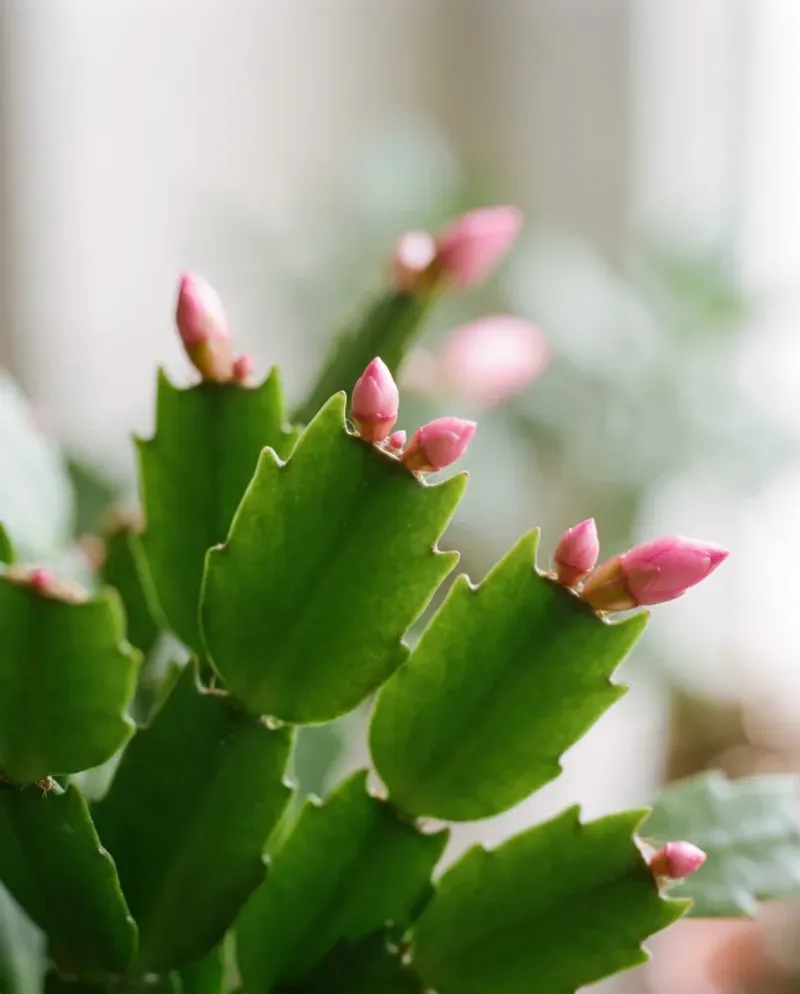
Autumn is when the magic quietly starts. Shorter days and cooler nights tell the plant it’s time to make flowers. A slightly drier soil routine in early fall supports that signal.
Around late September or October, let the soil dry a bit deeper between drinks. You don’t want shriveled segments, just a gentle pause. Some growers also stop fertilizing at this point so the plant focuses on blooms instead of new growth.
Watch the tips of each stem closely. Tiny bumps will appear and slowly swell into little pointed buds. Once you see them, return to your normal deep-soak schedule so the buds have enough water to grow.
This step trips up a lot of people. They keep the plant dry too long and the buds stall, or they overreact and flood the pot. Steady, moderate moisture during bud growth works best.
I like to mark my calendar the day buds appear. Most plants bloom roughly six to eight weeks after the fall light and temperature cues begin, so you get a good sense of when the show will start. It feels a little like waiting for a present to open.
Soggy Soil Is the Sneaky Reason Christmas Cactus Buds Drop
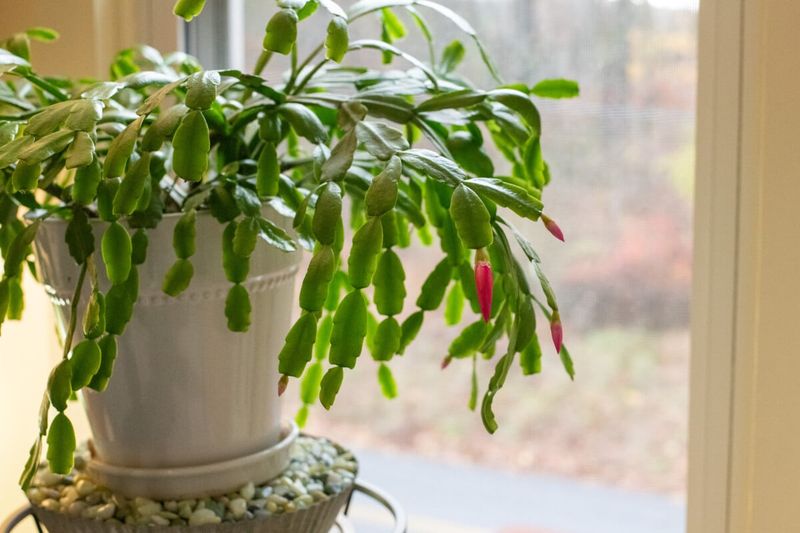
Plenty of kind gardeners love these plants a little too much. Overwatering ranks as one of the most common problems, and it often looks confusingly like thirst. Limp, droopy segments can mean the roots are struggling in wet soil.
Waterlogged soil pushes out air, and roots need oxygen to work. Without it, they soften and rot, so they can’t send water up to the stems. The plant wilts even though the pot feels heavy and damp.
So before you grab the watering can, check the soil. Wet and droopy points to too much water. Dry and wrinkled usually points to too little.
Saucers are a sneaky culprit. A pot sitting in a puddle keeps the bottom soil soaked for days. Decorative foil wrappers from the store do the same thing, so poke holes in them or remove them.
If rot has started, act quickly. Gently slide the plant out, trim mushy brown roots, and repot in fresh, fast-draining mix. Healthy segments can also be rooted as cuttings, which is a lovely way to save a favorite plant and share extras with friends.
Long Dark Nights and Cool Windows Wake Up Holiday Cactus Flowers
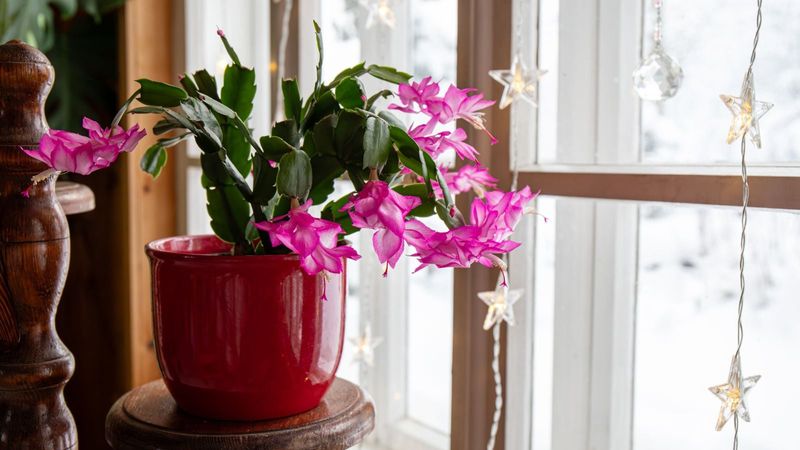
Water gets the plant ready, but light and temperature flip the bloom switch. Christmas cactus sets buds when nights are long and cool. Around 12 to 14 hours of darkness for about six weeks does the trick.
Night temperatures between roughly 50 and 65 degrees Fahrenheit help a lot. Many coastal California homes hit that range naturally in fall. In warmer areas, a cool bedroom or a spare room works well.
Here’s a sneaky detail: lamps count. A reading light switched on every evening can confuse the plant and delay flowers. A quiet room that stays dark at night is ideal.
Some Californians move plants to a shaded patio in early fall where nights are mild. That can work great in frost-free spots. Bring them inside before temperatures drop near freezing, which can happen in inland valleys and foothills.
During the day, bright indirect light keeps segments healthy. An east or north window is a sweet spot. Hot afternoon sun through west glass can bleach or redden the stems, so filter it with a sheer curtain if needed.
A Happy Christmas Cactus Can Bloom for Your Family Year After Year
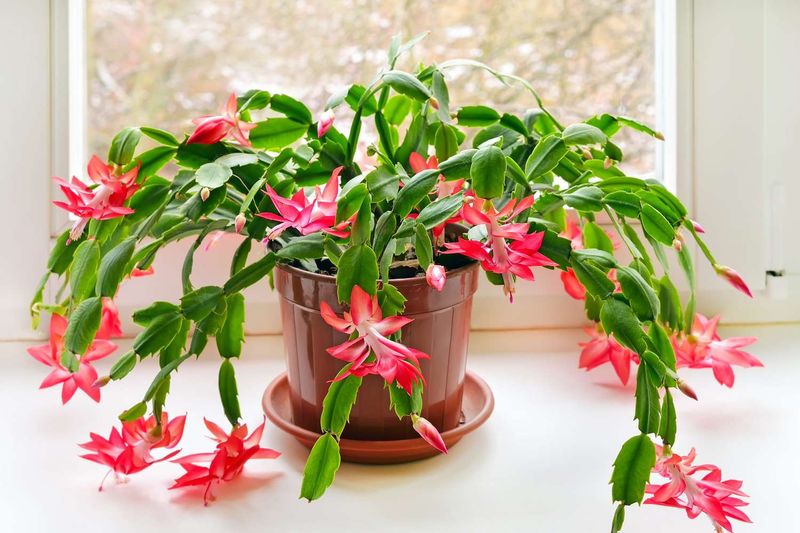
Some families pass these plants down for generations. Heirloom Christmas cacti decades old still bloom on grandma’s windowsill, and yours can join that club with steady care.
Start with the right home. A loose mix that drains fast, such as regular potting soil blended with perlite or orchid bark, mimics the airy roots of its jungle cousins. Pots with drainage holes are a must.
Repot only every two or three years, after blooming ends. These plants flower well when slightly snug in their containers. Moving up just one pot size keeps extra soil from staying wet.
Feed lightly with a balanced houseplant fertilizer in spring and summer. Then pause in fall as buds form. A little light pruning after flowering, by twisting off a few segments, encourages fuller branching.
Once blooms fade, the plant rests for a few weeks. Water a bit less until new growth appears in spring.
My best advice is simple. Water deeply, let it drain, add some humidity, and give it cool, dark fall nights. Follow that rhythm, and your holiday table may glow with blossoms for many seasons.