That Fast Many-Legged Bug In Your Texas Basement Is Venomous But Helpful
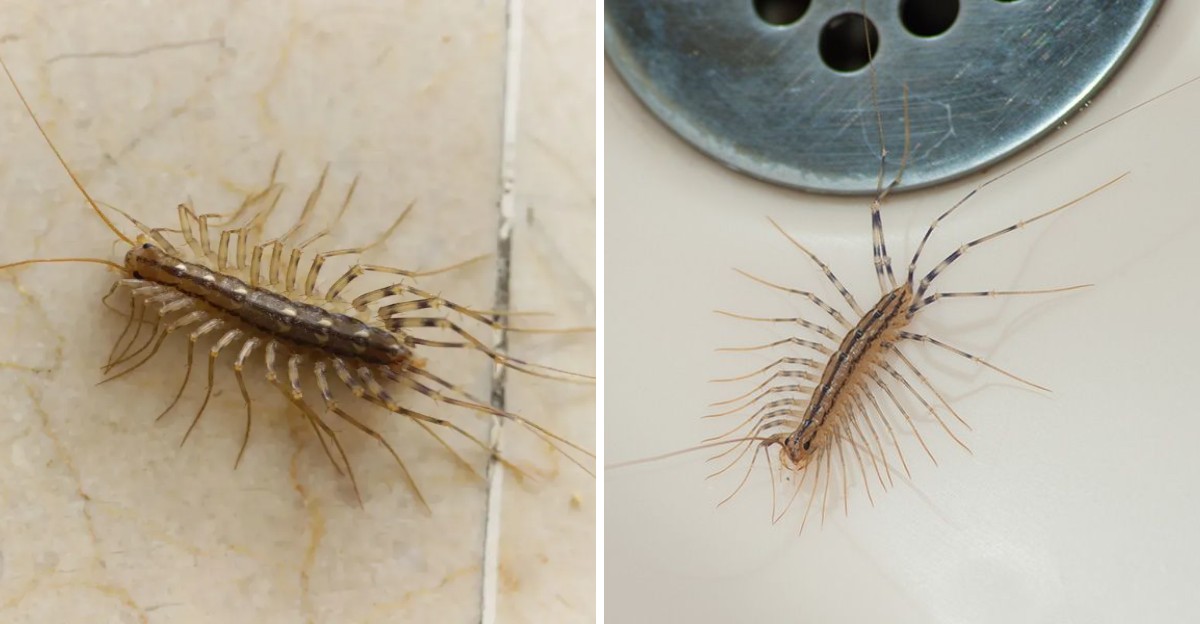
Its front pair of fangs are not mouthparts at all. They are legs, reshaped over millions of years into tiny venom-loaded pincers. Nobody warned me about that the first time one sprinted past my laundry basket.
This little hunter carries 30 legs, and the back pair can stretch longer than its whole body. It can cover more than a foot in a single second. In a dim Texas basement, that speed feels almost unfair to the eyes.
I used to grab the nearest shoe on sight. Then I learned what it eats, and my opinion flipped. Roaches, silverfish, and spiders make up a big part of its menu.
So is this leggy sprinter a threat, a roommate, or a free bodyguard? The answer surprised me more than the bug did. You may look at your basement shadows a little differently tonight.
That Streaking Basement Bug Has A Name And A Job
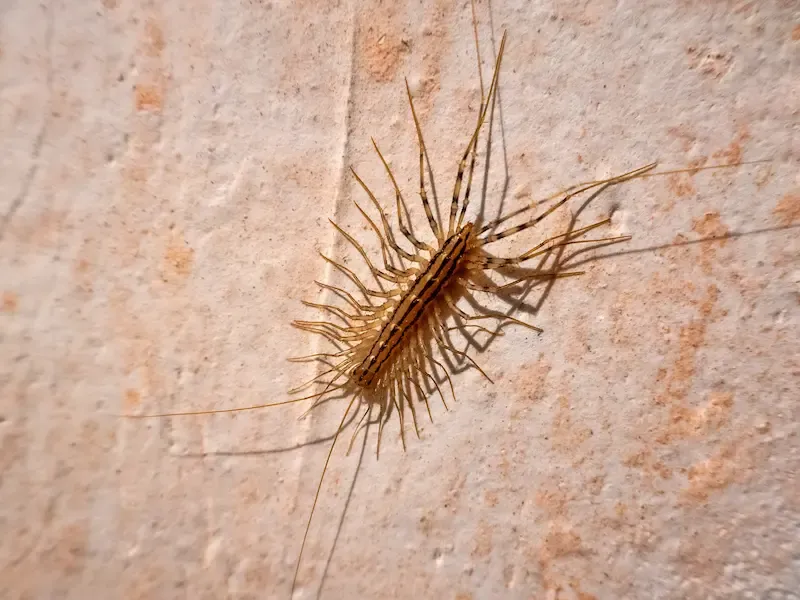
Most folks who spot it describe the same thing: a blur of legs racing along a baseboard. Meet the house centipede, known to scientists as Scutigera coleoptrata. It lives in homes across much of the United States, including plenty of Texas houses.
Its body is only about one to one-and-a-half inches long. The legs and antennae make it look far bigger, often three to four inches from tip to tip.
Look closely and you will see a yellowish-gray body with three dark stripes running down the back.
Those 15 pairs of legs are banded with dark and light rings, almost like candy stripes. The rear legs are the longest, and they can look like a second set of antennae. That clever trick may confuse predators about which end is which.
I find it oddly charming once the shock wears off. This bug is not a roach, not a spider, and not some strange new invader. It is a common arthropod that has quietly shared homes with people for a very long time.
The big takeaway right away is simple. That startling sprinter is a predator, and it came to your basement looking for other bugs to eat.
Those Tiny Venom Claws Aren’t Aimed At You
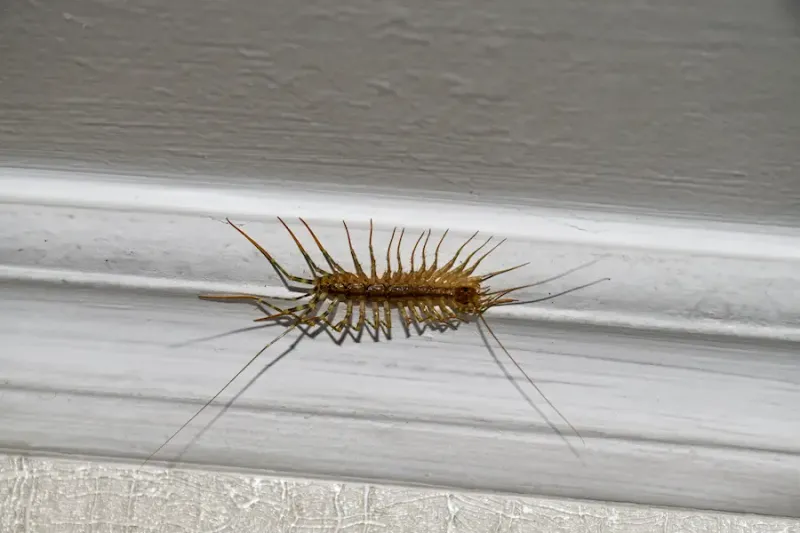
Yes, the venom part is real. Right behind the head sits a pair of modified legs called forcipules. They grab prey and inject venom that quickly stops small insects in their tracks.
For people, the story is far calmer. House centipedes rarely bite, and they would much rather run than fight. Bites usually happen only when someone presses one against skin or tries to pick it up.
When a bite does happen, most people compare it to a mild bee sting. Expect some local pain, redness, or slight swelling that often fades within hours. Washing the spot with soap and water and using a cold pack is usually plenty.
Poison control centers note that serious reactions are uncommon. Still, anyone with a history of strong allergic reactions to stings should watch for unusual swelling or trouble breathing and get medical help fast.
Pets are generally fine too. A curious cat or dog may chase one, and a nip on the nose could sting briefly. The venom is too weak to cause major harm to larger animals.
Personally, I treat them like I treat bees. Respect them, skip the bare-handed grab, and let them get back to work.
Roaches And Silverfish Top This Centipede’s Menu

Here comes the helpful half of the headline. House centipedes are strict meat-eaters, and they hunt the very pests most of us dread. Cockroaches, silverfish, spiders, crickets, earwigs, flies, moths, and ants are all fair game.
Researchers call them generalist predators. That means they are not picky, and they will tackle almost any small arthropod they can catch. Some reports even list bed bugs and termites among their meals.
In a warm Texas home, roaches can be a year-round headache. A few centipedes patrolling the basement or garage act like a quiet night shift. They work while you sleep, and they ask for nothing in return.
I like knowing something is chasing down silverfish before they reach my stored seed packets and old garden books. That feels like free pest control with zero chemicals.
There is one catch worth remembering. A centipede will only stay where food is plentiful. If you see them often, they may be pointing at a bigger insect population hiding nearby.
Think of them as both helpers and messengers. They reduce pests, and they also tell you that pests are around to reduce.
Thirty Long Legs Make This Hunter A Speed Champion
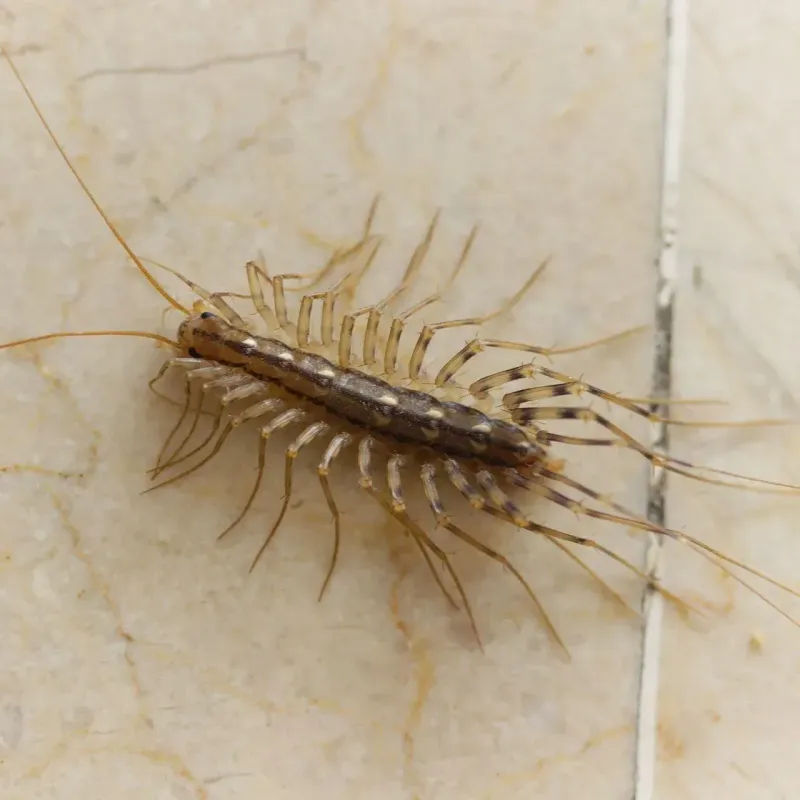
Ever tried to catch one? Good luck. House centipedes can move around 16 inches per second, which is lightning quick for something so small.
The secret is in the leg design. Each pair gets slightly longer toward the back, so the rear legs step over the front ones instead of tangling. That staggered setup lets them sprint smoothly across floors, walls, and even ceilings.
They also hunt with real strategy. Scientists have watched them lasso prey with their legs, wrapping tiny insects in a sort of cage. With risky prey like wasps, they may strike, back off, and wait for the venom to work.
Their long antennae are another tool. These feelers pick up touch and chemical signals, helping the centipede track prey in pitch-dark corners. Large compound-like eyes add extra help, unusual for centipedes.
Fun fact for your next dinner conversation. If a predator grabs a leg, the centipede can drop it and run. Younger ones may regrow lost legs over later molts.
Once I learned this, my startle turned into respect. Few garden helpers combine speed, smarts, and stealth quite this well.
Damp Basements And Bathrooms Roll Out The Welcome Mat

Moisture is the magic word. House centipedes lose water easily through their bodies, so they seek damp, dark, sheltered spots. Basements, crawl spaces, bathrooms, and laundry rooms check every box.
Leaky pipes, sweating water heaters, and floor drains create perfect hangouts. Cardboard boxes stacked on concrete floors add hiding places too. Clutter gives both centipedes and their prey lots of cozy cover.
Many Texas homes are built on slabs rather than over full basements. In those houses, the same bug often shows up in garages, utility closets, under sinks, and around tubs instead. The habits stay the same, only the address changes.
Indoors, temperatures stay steady through the year. That steady climate helps them live and hunt in every season. In milder months, some also roam outdoors under mulch, rocks, and woodpiles near the foundation.
One more surprise caught me off guard. Those centipedes you find stuck in the bathtub usually did not crawl up the drain. They often fall in while hunting at night and cannot climb the slick sides.
A quick walk through your damp spots tonight with a flashlight can reveal plenty. You may spot their prey too.
A Mediterranean Traveler Settled Into American Homes
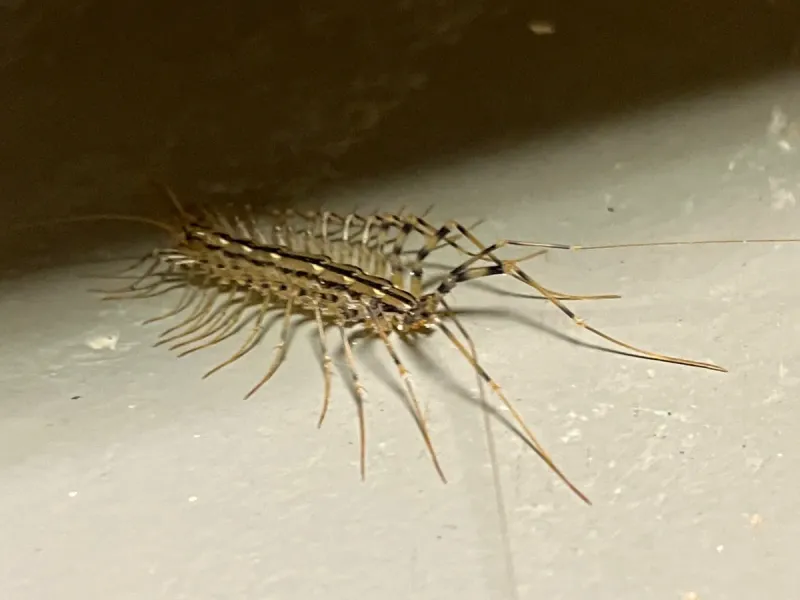
Long before it startled anyone in Houston or Austin, this centipede was a Mediterranean native.
Scientists believe it spread around the world by hitching rides in shipments and belongings. By the mid-1800s, it had reached North America.
From there, it adapted remarkably well. Homes offered shelter, steady temperatures, and plenty of insects to eat. Today it is one of the most familiar centipedes in the country.
Life inside a home is surprisingly long for a bug. House centipedes can live three to seven years. Females lay eggs in damp, hidden spots, and the young start with only four pairs of legs.
Each molt adds more legs until they reach the full set of 15 pairs. Watching a small one with fewer legs can feel like spotting a teenager still growing into its shoes.
They are not spreaders of disease, and they do not chew wood, fabric, food, or plants. That puts them in a very different category from roaches or termites.
Knowing this history helped me relax. This is a long-settled resident, not a sudden invasion or outbreak. It simply moved in where food was easy.
Fewer Leaks And Sealed Cracks Mean Fewer Surprise Sprinters
Grab a flashlight and a tube of caulk. Managing house centipedes mostly means managing moisture and their food supply. Sprays alone rarely fix the root of the issue.
Start with water. Fix dripping faucets and leaky pipes, and run a dehumidifier in damp basements or crawl spaces. Aim to keep humidity at roughly 50 percent or a bit lower.
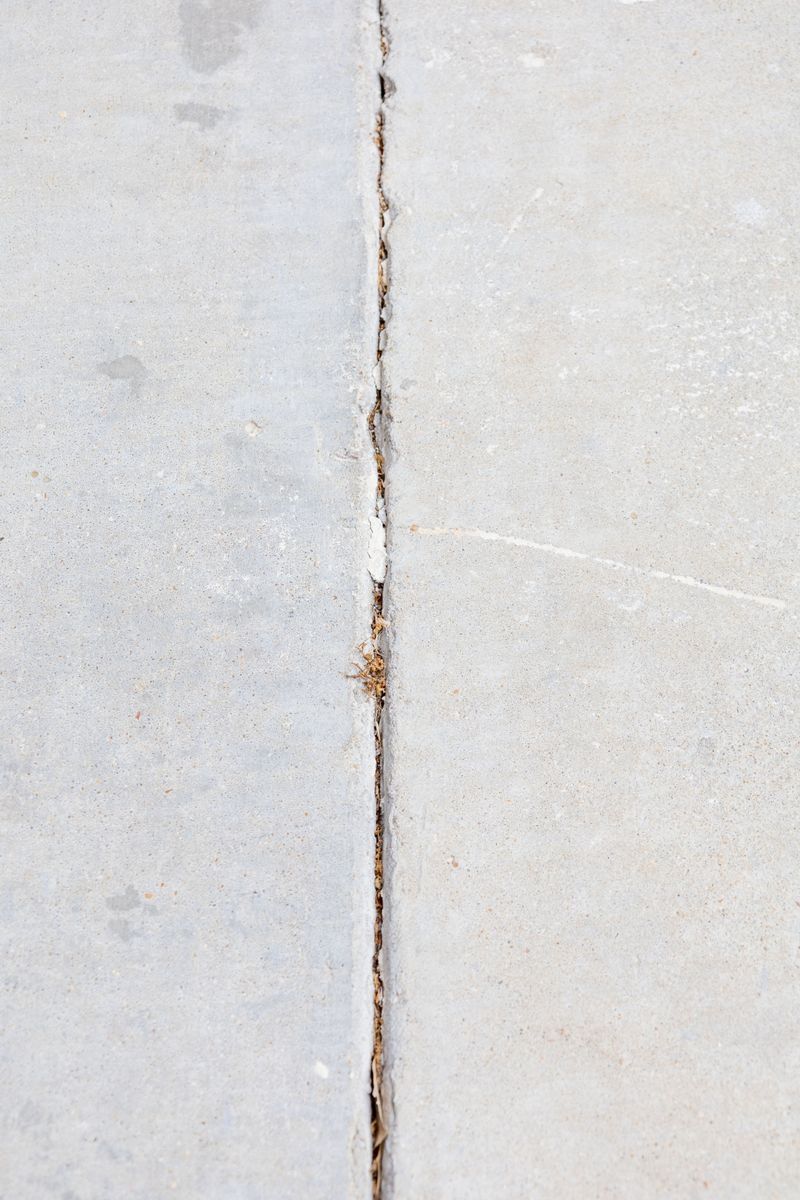
Next, seal the doors. Caulk cracks in foundations, add weather stripping, and check gaps around pipes and vents. Those openings let in centipedes and the insects they chase.
Outside, pull mulch, leaf litter, and firewood a little away from the foundation. In a Texas yard, thick mulch beds hugging the slab stay cool and damp, which invites bugs right up to the walls. A dry gap of a foot or so helps.
Clear clutter too. Store items in sealed plastic bins instead of cardboard boxes on the floor.
Sticky traps placed along walls can catch wanderers and show you where activity is heaviest. If roaches or other pests seem heavy, a licensed pest professional can help target that bigger problem directly.
Letting A Few House Centipedes Stay Could Be Your Smartest Move
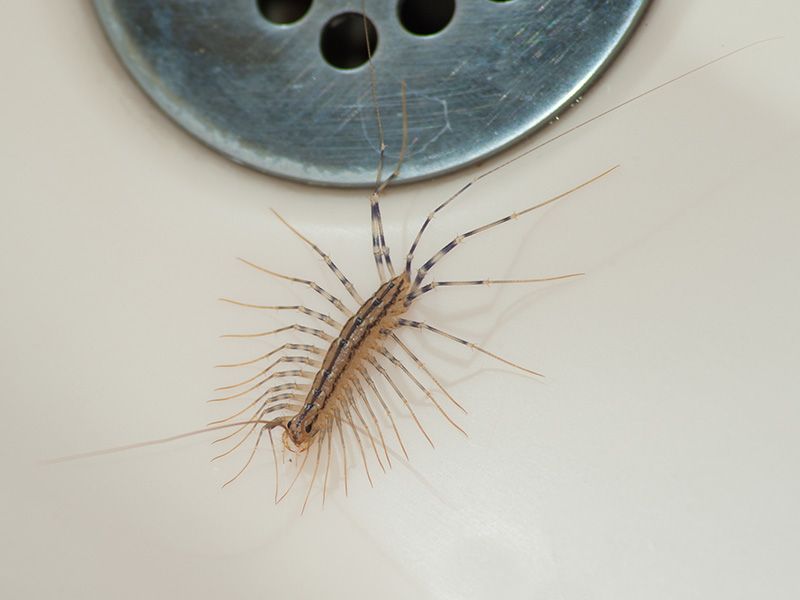
Honestly, my rule now is easy. One or two in the basement get to stay. A crowd means I go looking for leaks and pests.
A small population signals a working natural balance. They hunt roaches, silverfish, and spiders without harming your home, pantry, or houseplants. That kind of help is hard to buy.
If one wanders into a living space, you can relocate it gently. Slide a cup over it, slip a stiff card underneath, and carry it outside or back to the garage. Just be ready for a quick escape attempt.
Kids often find them fascinating once the fear fades. Counting legs or watching antennae twitch can turn a scary moment into a mini science lesson. Remind little ones to look, not touch.
For gardeners, this bug shows a bigger lesson. Many creepy-looking critters, from garden spiders to ground beetles, quietly protect the spaces we care about.
So next time something many-legged flashes across the floor, pause before the shoe comes down. That speedy hunter might be the best pest patrol your home ever hired, and it works for free.