The Extreme Heat Warning Near Austin Means Changing This Crucial Garden Habit
Texas heat doesn’t ease up gently, it slams the door shut on anything unprepared. When the thermometer climbs past 105 degrees, plants start rationing water just to get through the day, and most gardeners have no idea their garden is already losing the fight.
The instinct is to water more, and that instinct alone can turn a stressed garden into a struggling one by the end of the week.
Roots don’t cool down from a splash on the surface. They need moisture where it counts, timed around the sun, and shaped by soil that either holds water or wastes it.
Austin summers force a choice: rethink your approach now or watch weeks of growth wilt away in a single scorching afternoon. The fix isn’t complicated, but it starts with questions most gardeners never think to ask.
Adjusting Your Watering Schedule Is The Key Habit
Your watering schedule is one of the most powerful tools you have right now. When an extreme heat warning hits near Austin, that schedule needs an immediate overhaul.
Most Texas gardeners water whenever it feels convenient. That casual approach works fine in mild weather, but heat warnings change everything fast.
The soil near Austin bakes hard and dry within hours. Water that sits on the surface evaporates before roots ever get a sip.
Changing your watering schedule means shifting to a rhythm that works with the heat, not against it. Plants need deep, consistent moisture to survive triple-digit days.
Shallow watering encourages shallow roots. Shallow roots are the first to suffer when the ground turns into a skillet.
Water deeply and less frequently to push roots downward. Deeper roots find cooler soil and stay hydrated longer without constant attention.
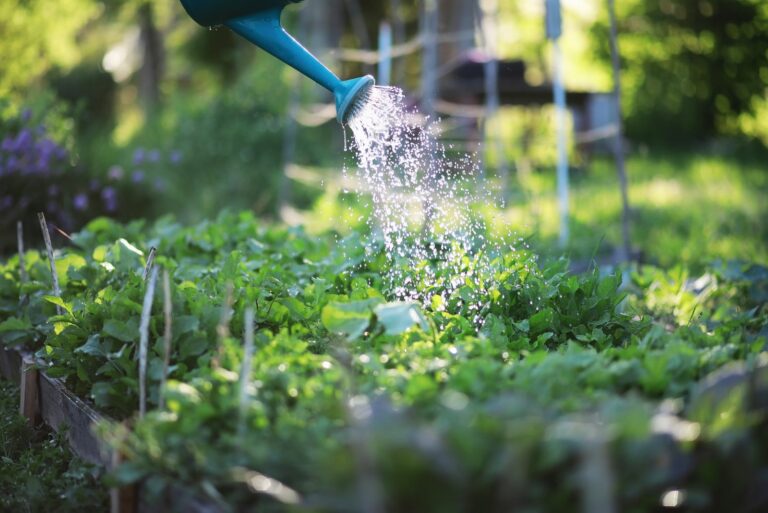
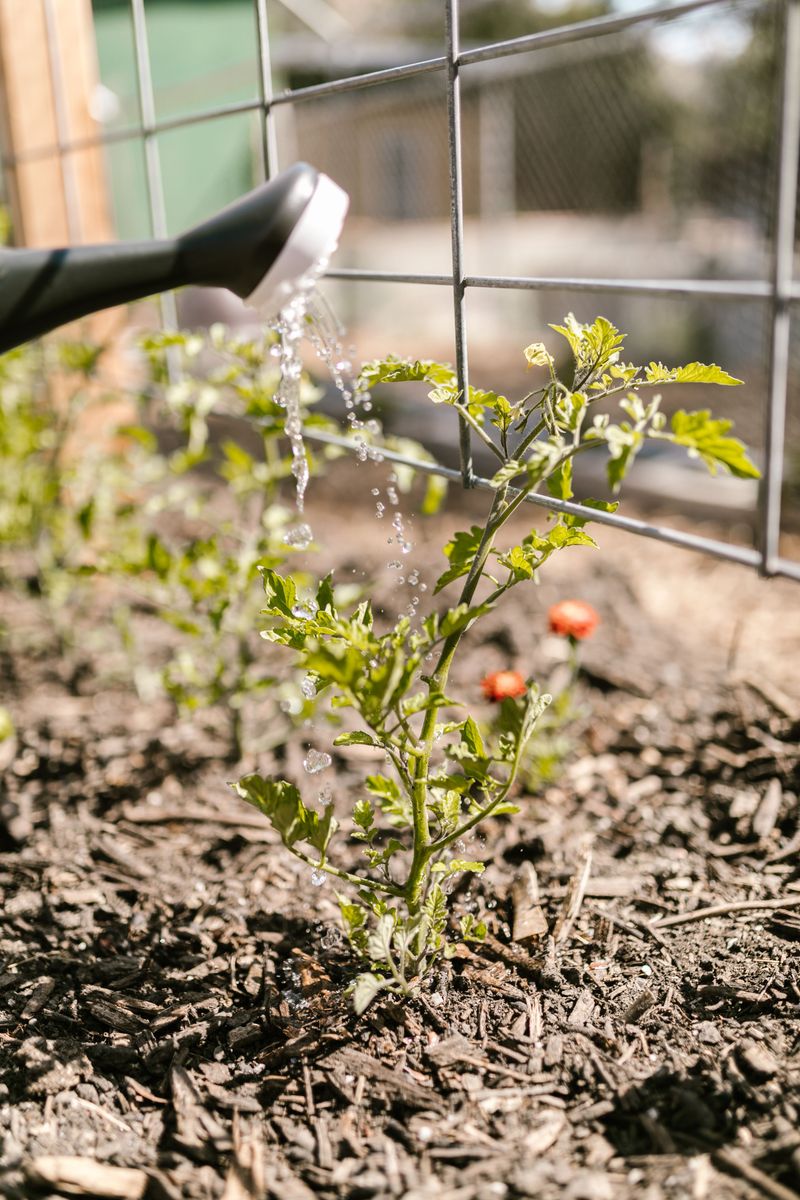
A soaker hose or drip system delivers water directly to the root zone. Less water is wasted, and plants absorb every drop more efficiently.
Set your irrigation timer to run in cycles. Short bursts spaced 30 minutes apart allow water to soak in rather than run off.
Check your schedule every morning during a heat warning. Temperatures shift fast, and your garden’s needs shift right along with them.
Getting this habit right is the foundation of heat survival for your garden. Every other strategy builds on top of a smart watering schedule.
Midday Watering Wastes Water In Extreme Heat
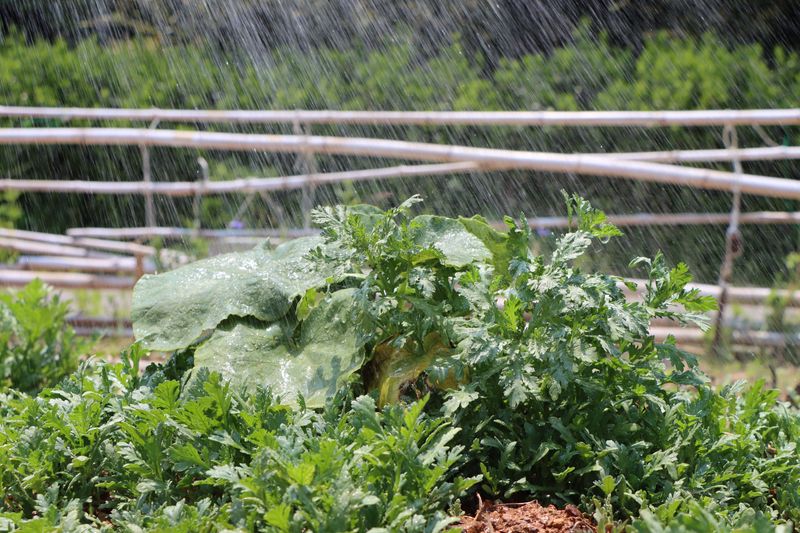
Watering at noon feels productive, but it is one of the most wasteful things you can do. The sun is at full strength and water simply vanishes before it reaches the roots.
Evaporation rates climb sharply when temperatures push past 100 degrees, and a significant portion of your water can be lost before it ever reaches the roots.
Hot soil repels water at first contact. The water beads up and runs sideways instead of soaking straight down to where roots live.
Midday watering also stresses plants at their most vulnerable moment. They are already working hard to stay cool, and sudden cold water shocks the root system.
Your Texas Garden Changes Every Week. Your Plan Should Too.
Gardening in Texas changes quickly throughout the season. Every Friday you’ll receive a simple weekly plan showing exactly what to plant, prune, fertilize, harvest, and protect so you never miss the right timing.
Your water bill climbs while your plants suffer. That is a losing situation no gardener near Austin wants to face during a heat warning.
Sprinkler systems set to run at noon are especially problematic. Wind carries the spray away, and heat devours whatever lands on the soil.
Switch your timer away from any midday settings immediately. Even a two-hour shift toward morning makes a measurable difference in plant health.
Think of midday watering like pouring ice water on a hot skillet. It sizzles, steams, and disappears without doing the job you intended.
Save your water and save your plants by skipping the midday slot entirely. Your garden will thank you within just a few days.
The Best Time Of Day To Water During Warnings
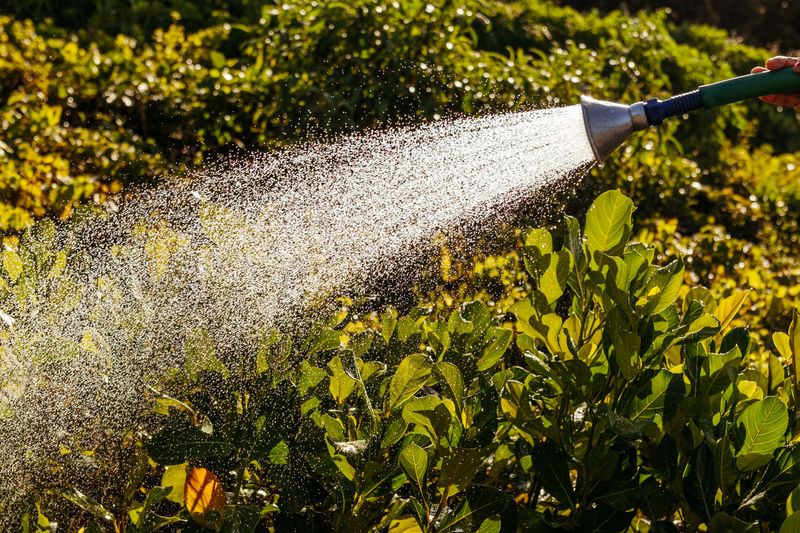
Early morning is the golden window for watering during a heat warning. The air is cool, the soil is receptive, and the sun has not yet reached its peak intensity.
Aim to finish watering by 8 a.m. at the latest. That gives the soil time to absorb moisture before temperatures begin their rapid climb.
Morning watering also allows foliage to dry before noon. Wet leaves heading into the hottest part of the day invite fungal problems on top of heat stress.
Evening watering is the second-best option if mornings are not possible. Temperatures drop after sunset, and evaporation slows down significantly after 7 p.m.
Be cautious with evening watering on dense plantings though. Leaves that stay wet overnight can develop mildew and other moisture-related issues quickly.
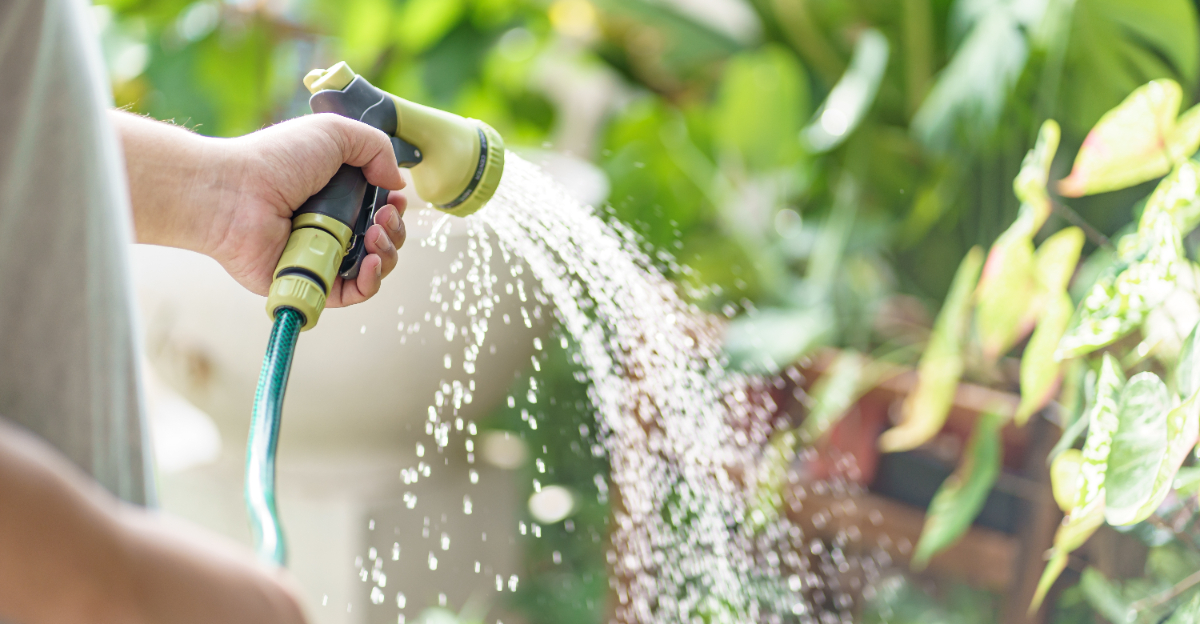
Drip irrigation makes timing easier and more precise. You can set it to run at 5 a.m. without ever stepping outside in the dark.
Hand watering at dawn is also surprisingly satisfying. There is something grounding about walking your garden in the quiet cool before the heat arrives.
Check the soil moisture with your finger before turning on the hose. If the top inch is still damp from yesterday, skip the session and let roots breathe.
Consistency matters more than perfection when heat warnings are in effect. Watering at the right time every day builds resilience into your plants over time.
Pick your window, stick to it, and your garden will hold up through even the fiercest Austin summer days.
Signs Your Plants Are Struggling In The Heat
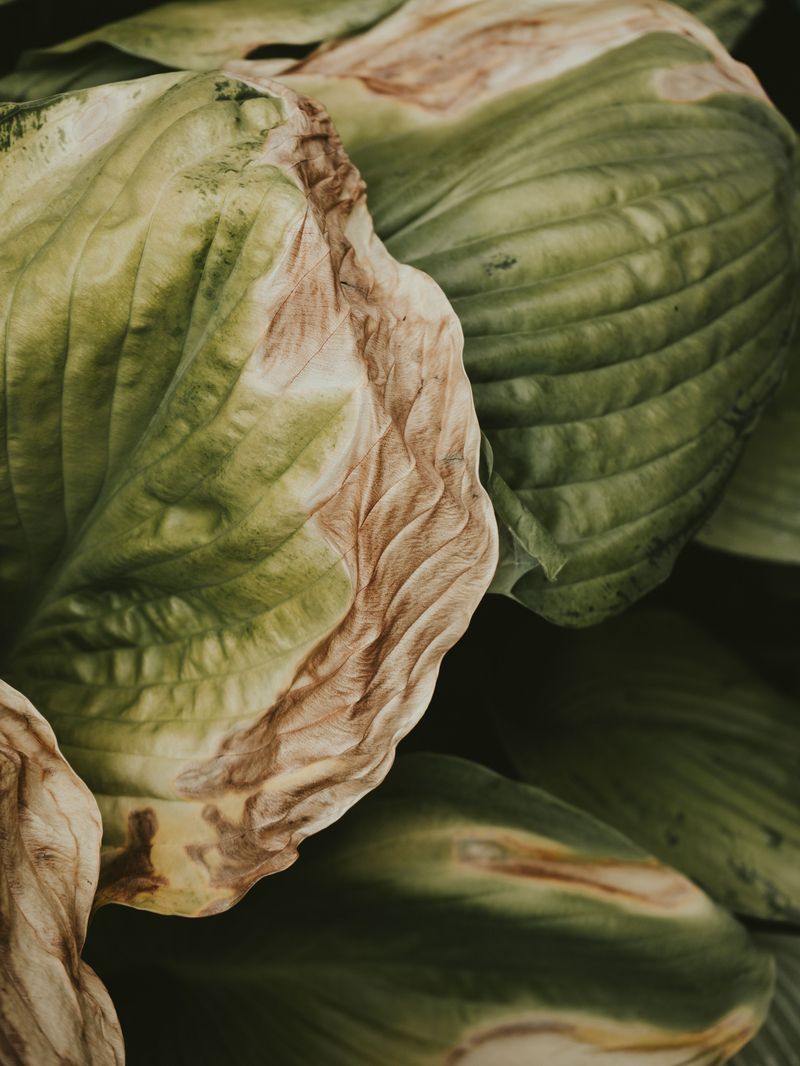
Plants cannot speak, but they absolutely send distress signals. Knowing what to look for can mean the difference between saving a plant and losing it entirely.
Wilting is the most obvious sign, but timing matters a lot. Wilting in the afternoon is normal stress response, but wilting in the morning means serious trouble.
Leaf curl is another key signal to watch. Leaves roll inward to reduce the surface area exposed to the blazing sun and hot air.
Yellowing leaves often show up mid-heat wave. This can mean the plant is dropping foliage to conserve energy and water for its core survival functions.
Crispy brown edges appear when heat damage has already set in. Those edges will not recover, but protecting the rest of the plant is still very much possible.
Flowers dropping off before they open is a frustrating but common heat response. Tomatoes, peppers, and beans are especially prone to blossom drop above 95 degrees.
Stunted new growth is a quieter sign that often goes unnoticed. When a plant stops pushing new leaves, it is redirecting all resources to basic survival.
Check your plants in the early morning when stress is least visible. Any wilting or discoloration you spot at dawn is a true red flag worth acting on.
Touch the soil around struggling plants and assess moisture levels. Sometimes a single deep watering session turns a suffering plant around within 24 hours.
Catching these signs early gives you the best shot at keeping your garden alive through a brutal heat warning stretch.
Mulching Strategies That Help Retain Moisture
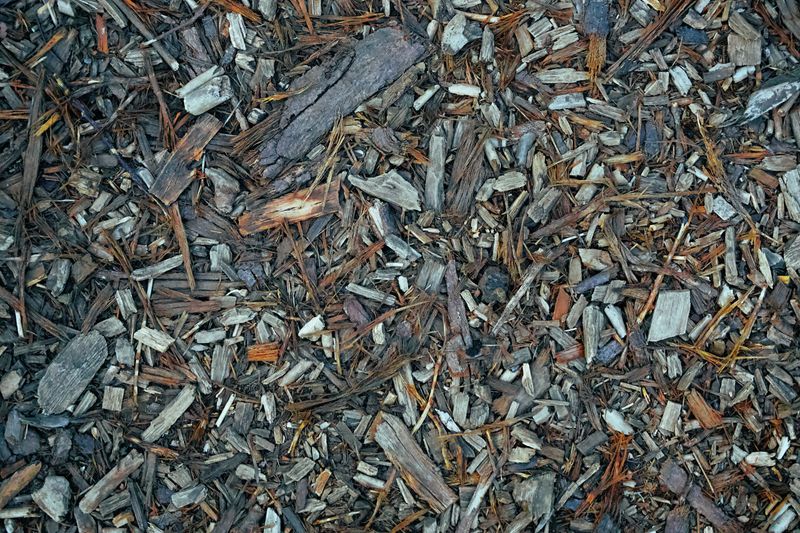
Mulch is like a blanket that works in reverse during summer heat. It keeps the cool moisture in while blocking the brutal sun from baking the soil dry.
A good layer of mulch can significantly cut down on soil moisture loss. That alone should convince any Austin gardener to grab a bag immediately.
Aim for a layer that is three to four inches deep around your plants. Anything thinner lets too much heat through, and anything thicker can block airflow to roots.
Cedar mulch is a popular choice in Texas for good reason. It breaks down slowly, smells great, and naturally repels certain insects that thrive in warm conditions.
Straw mulch works especially well in vegetable gardens. It is lightweight, easy to move around transplants, and keeps the soil temperature noticeably cooler during peak afternoon hours.
Grass clippings from your lawn make a free and effective mulch layer. Spread them thinly to avoid clumping, which can create a barrier that blocks water from reaching roots.
Keep mulch pulled a few inches away from plant stems. Mulch packed against a stem traps moisture and heat in a way that causes rot at the base.
Refresh your mulch layer midway through the summer if it starts thinning. Wind and rain break it down over time, and a heat warning is the worst moment to have bare soil.
Mulching is one of the easiest, most affordable habits you can add to your garden routine. A single afternoon of spreading mulch pays off for weeks of cooler, happier soil.
Protecting Container Plants During Heat Warnings
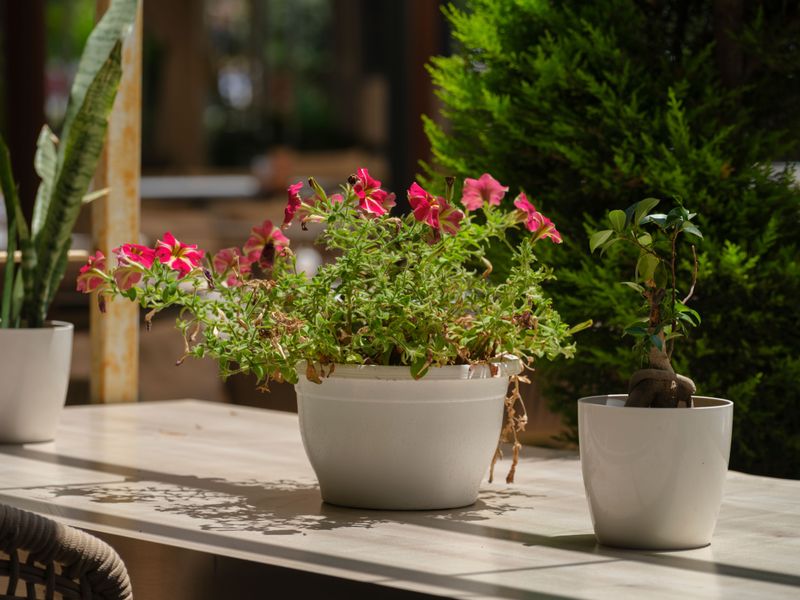
Container plants are the most vulnerable members of your garden during a heat warning. Pots heat up fast, and roots have nowhere to escape the rising temperatures.
A black plastic pot sitting in full Texas sun can heat up dramatically inside, far beyond what the plant’s roots can tolerate. That is hot enough to damage roots even when the plant looks fine on top.
Move containers to a shaded spot as soon as a heat warning is issued. Morning sun with afternoon shade is the sweet spot for keeping potted plants alive.
Group containers together to create a microclimate with slightly cooler air. Plants clustered together shade each other and slow the rate of moisture loss from individual pots.
Water container plants more often than in-ground plants during heat warnings. Pots dry out dramatically faster because they have limited soil volume holding moisture.
Check pot moisture twice a day during extreme heat warnings. Morning and evening checks take only minutes but can catch a drying pot before it reaches a crisis point.
Place saucers under pots and fill them with water during heat warnings. Roots will draw moisture upward from the saucer as the top layer of soil dries out.
Light-colored or ceramic pots absorb less heat than dark plastic ones. Swapping a plant into a white or terracotta container can noticeably lower root-zone temperatures.
Wrap pots in burlap or reflective bubble wrap as a quick heat shield. It looks a little quirky, but your petunias will not complain one bit.
Protecting container plants during an extreme heat warning keeps your patio looking alive and your garden habit strong all season long.