The Meaning Behind A Porcupine Showing Up In Your Texas Garden After Dark
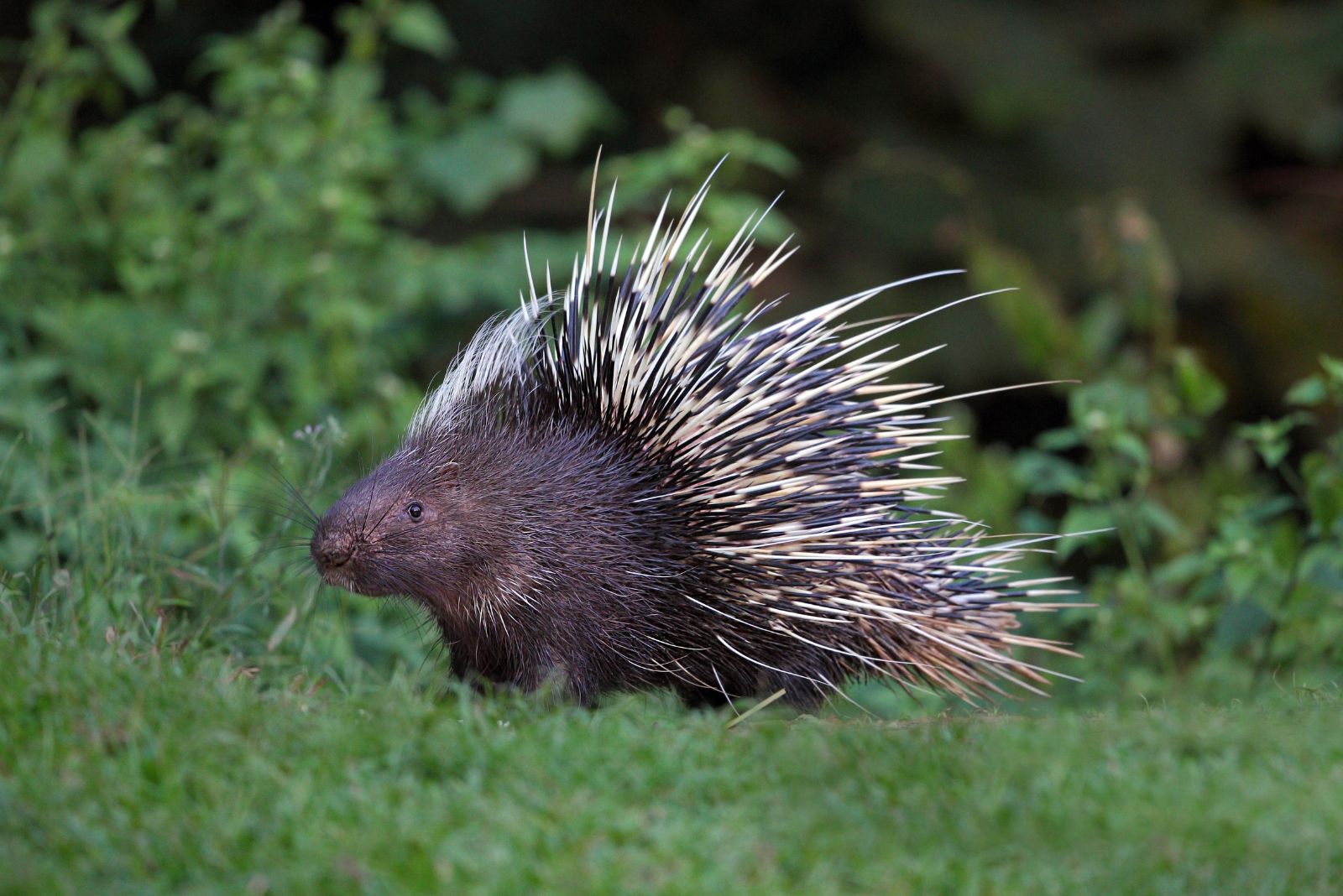
Finding a porcupine in your Texas garden after dark is one of those encounters that catches you completely off guard. They’re not the first animal most Texans think about when it comes to nocturnal yard visitors.
And yet there it is, moving slowly and deliberately through your garden in the dark, completely unbothered by your presence or your flashlight.
Once the initial surprise wears off, the questions start arriving. Why is it here? What is it after?
And does a porcupine showing up in your garden mean something beyond the obvious fact that one wandered through? Porcupines are not random wanderers.
Like most wildlife, they move through residential areas in response to specific conditions that your property is providing, whether that’s food, water, shelter, or a combination of all three.
Their presence tells you something real about your garden and the local habitat around it. Beyond the practical, porcupines carry rich symbolic meaning across several cultural traditions that have long called Texas home.
1. Your Garden May Be Near Porcupine Habitat
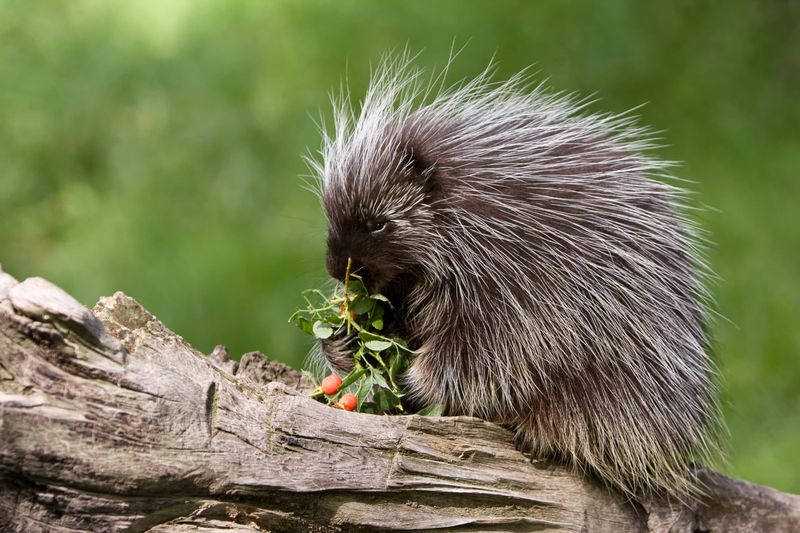
Rocky slopes, cedar breaks, and wooded edges are exactly the kind of places porcupines call home in Texas. If one has wandered into your garden after dark, there is a good chance your property sits closer to natural porcupine territory than you realized.
Most people are surprised to learn how far these animals can travel at night just looking for food and shelter.
Porcupines in Texas are most commonly found in the Trans-Pecos region, the Hill Country, and parts of West and Central Texas. They tend to stick to areas with rocky outcroppings, dense brush, and wooded corridors that give them cover.
A garden near any of these features becomes an easy stopping point during their nightly travels.
Brushy fence lines, dry creek beds, and thick shrub rows can act like highways for wildlife. A porcupine may follow these natural pathways right into your backyard without you ever knowing it was there until now.
Seeing one after dark is a sign that your land is part of a larger wild landscape, not just a contained yard.
That kind of connection to nature is actually something many Texas homeowners appreciate once they understand it. Your garden is not just a garden.
To a porcupine, it may be a waypoint between a rocky den site and a food source. Recognizing that your land sits within a wildlife corridor can change how you think about your outdoor space and the creatures that share it with you each night.
2. It Is Probably Looking For Plant Food
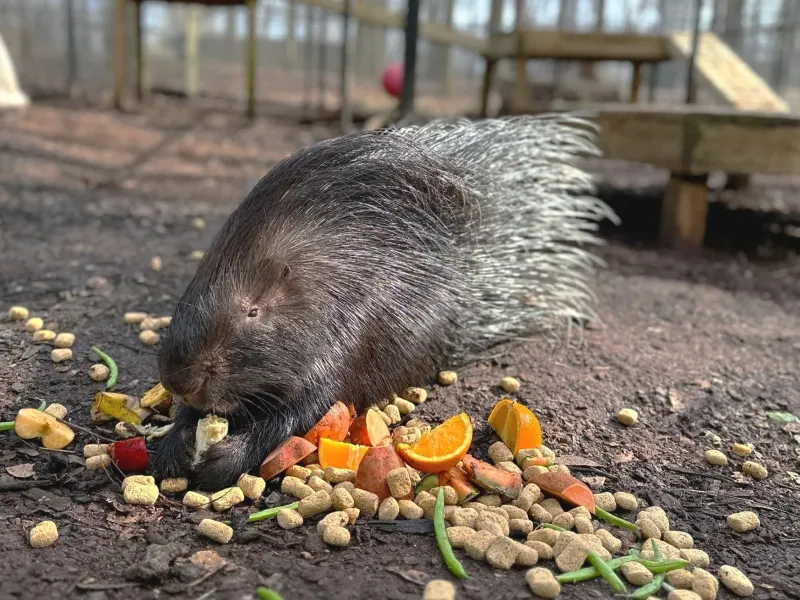
Porcupines are completely plant-based eaters, and your garden is basically a buffet to them. Leaves, roots, berries, bark, grasses, seeds, and stems are all fair game.
During the warmer months especially, they actively search for fresh vegetation after the sun goes down, when temperatures are cooler and predators are easier to avoid.
A nighttime garden visit almost always comes down to food. If you grow vegetables, herbs, or fruit-bearing plants, those will be especially attractive.
Your Texas Garden Changes Every Week. Your Plan Should Too.
Gardening in Texas changes quickly throughout the season. Every Friday you’ll receive a simple weekly plan showing exactly what to plant, prune, fertilize, harvest, and protect so you never miss the right timing.
Even ornamental plants with fleshy leaves or tender stems can draw a hungry porcupine in from the surrounding landscape. They are not picky eaters, and they will sample quite a few things before moving on.
One thing many gardeners do not expect is how much damage a single porcupine can cause in just one night. Chewed stems, stripped bark on young shrubs, and half-eaten vegetables are common signs of a visit.
Spotting this kind of damage alongside tracks or quills on the ground is a good clue that a porcupine was the culprit.
Knowing what draws them in gives you the power to make your garden less inviting without causing any harm to the animal. Covering vulnerable plants with wire mesh or netting at night is a simple and effective way to protect your garden.
Raised garden beds with secure covers also work well. The porcupine is just following its instincts, and giving it less to snack on is the most practical way to encourage it to move along to a less tempting spot.
3. Trees May Be Part Of The Attraction
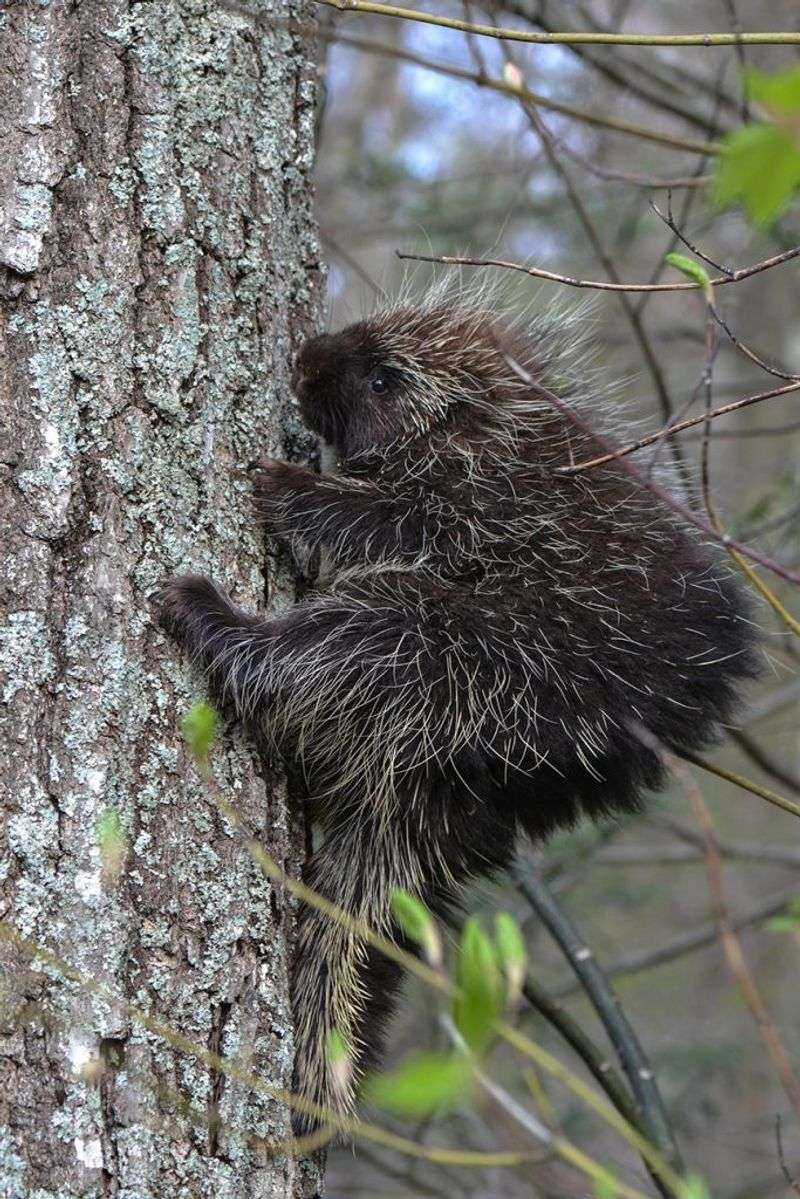
Most people think of porcupines as ground-level creatures, but they are actually surprisingly skilled tree climbers. Strong claws and a sturdy grip let them scale trunks with ease, and they often spend hours up in the canopy feeding on bark, buds, twigs, and leaves.
If your yard has mature trees, those trees may be the main reason a porcupine keeps showing up.
Oak trees are a particular favorite in Texas. Porcupines will chew through the outer bark to reach the softer, nutrient-rich layer beneath.
Over time, this feeding behavior can leave visible damage in the form of gnawed patches or stripped sections of bark that circle the trunk. Mesquite, fruit trees, pines, and pecans are also commonly targeted, especially during seasons when other food sources are limited.
Fun fact: a porcupine can spend several consecutive nights in the same tree, working its way through the available food before moving on. This means that if you spot one climbing a tree tonight, it may return for the next few nights.
Keeping an eye out and noting which trees are being visited can help you decide which ones need protection first.
Wrapping the lower trunk of vulnerable trees with a smooth metal collar or hardware cloth can stop a porcupine from climbing. The collar should be at least two feet wide and placed low enough to prevent the animal from jumping past it.
Protecting your trees early is much easier than dealing with bark damage after the fact, and it keeps your trees healthy for years to come.
4. Your Yard Offers Quiet Nighttime Cover
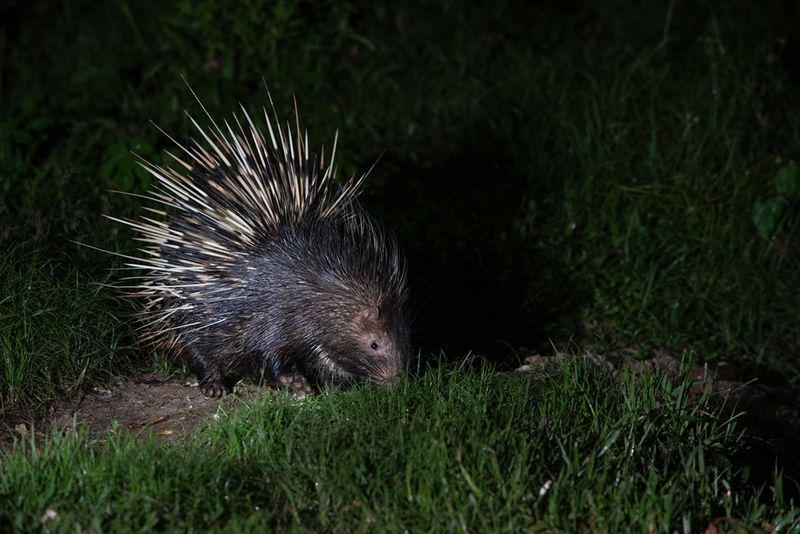
Porcupines are cautious animals. They do not just wander into any open space. When one shows up in your garden after dark, it is a sign that your yard feels safe and sheltered enough for them to pass through comfortably.
Open, bright, or noisy spaces tend to keep them away, so a quieter yard with good cover is naturally more inviting.
Brush piles, stacked firewood, low-growing shrubs, and dense plantings along fence lines all create the kind of cover porcupines look for when traveling at night. Stone walls and raised garden borders also provide hiding spots along their route.
Your yard may essentially be functioning as a rest stop or a travel corridor between a den site and a food source somewhere nearby.
Understanding this can actually be useful. If you want to discourage repeat visits, reducing the amount of ground-level cover in key areas can make your yard feel less appealing as a nighttime route.
Clearing away brush piles, trimming overgrown shrubs near the fence, and installing motion-activated lights in strategic spots can all make a difference without harming the animal.
On the other hand, if you enjoy wildlife and do not mind the occasional visit, knowing that your yard feels like safe habitat is kind of a compliment. It means your outdoor space is calm, natural, and connected to the landscape around it.
Either way, the porcupine is not there to cause trouble. It is simply following a quiet path through the night, using whatever cover the land offers along the way.
5. It Is Not There To Chase People Or Pets
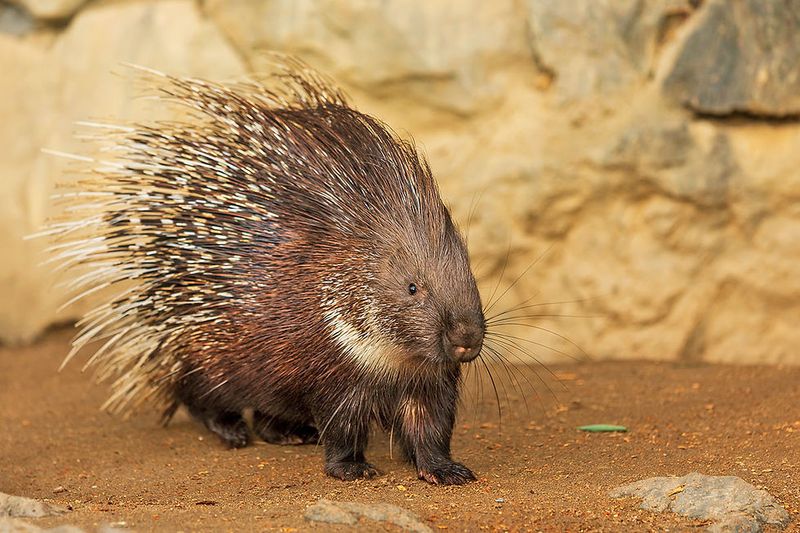
Porcupines have a reputation that makes some people nervous, but the truth is they are among the most laid-back wild animals you are likely to encounter. They do not chase, lunge, or seek out confrontation.
When threatened, a porcupine will simply turn its back, raise its quills, and wait for the threat to go away. It is purely a defense move, not an attack.
The real concern is not the porcupine itself but what happens when a curious dog decides to investigate. Dogs that get too close often end up with a face or snout full of quills, which is painful and requires careful removal, sometimes by a vet.
Porcupines do not throw their quills, but the barbed tips embed easily on contact, especially when a dog presses its nose against the animal or paws at it.
Keeping pets inside or on a leash during nighttime hours is the simplest way to prevent a painful encounter. If you see a porcupine in your yard, calmly bring your pets indoors and give the animal space to move on at its own pace.
Shouting or rushing toward it will only make it hunker down and stay put longer. Children should also be taught to admire porcupines from a distance. They look harmless and even a little funny waddling around, but getting too close is never a good idea.
Watching quietly from a doorway or window is actually a great way to observe one without any risk at all. A little patience goes a long way when sharing your space with Texas wildlife.
6. You Should Remove Temptations, Not Harm It
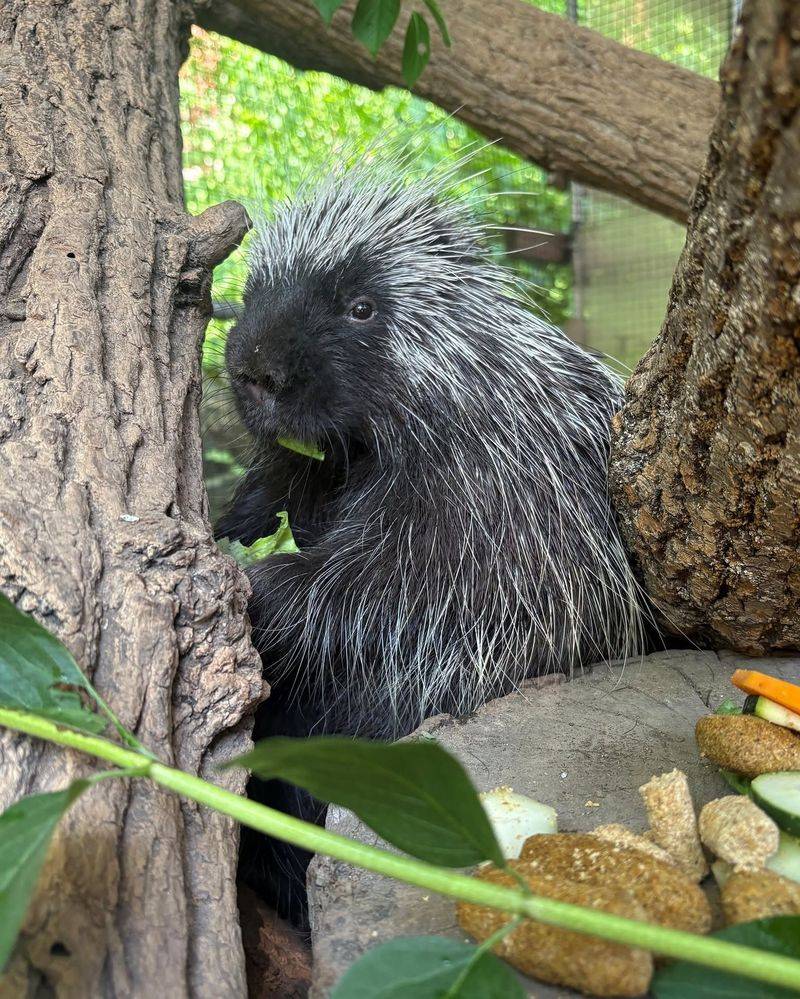
The best response to a porcupine visiting your garden is a calm, practical one. Porcupines are protected under Texas wildlife regulations, and it is both illegal and unnecessary to harm them.
The goal is simply to make your yard less attractive so the animal chooses to move on and find a more suitable spot elsewhere.
Start by removing things that might draw porcupines in beyond food. Salty objects are a surprisingly strong attractant.
Sweaty work gloves, wooden tool handles soaked with hand sweat, and even certain fertilizers can pull porcupines in from a distance because they crave sodium. Storing tools in a shed or garage and keeping salty items out of reach can reduce visits noticeably.
Tree trunk guards made from hardware cloth or smooth metal sheeting are one of the most effective ways to protect your trees and shrubs. Wrap the lower two feet of any vulnerable trunk to prevent climbing.
For garden beds, use wire mesh covers or row covers at night to protect tender plants. These steps are affordable and easy to set up over a weekend.
If the porcupine keeps returning despite your efforts, or if it is causing significant damage to trees or structures, reaching out to a local Texas wildlife professional or your county extension office is the smartest move.
They can offer guidance specific to your area and help you find humane solutions that work long term.
Coexisting with wildlife is always easier when you understand what the animal needs and respond with a little patience and the right tools.