The Fruit That Ripens Best Off The Minnesota Tree Is Quietly Waiting In A Cold Room This November
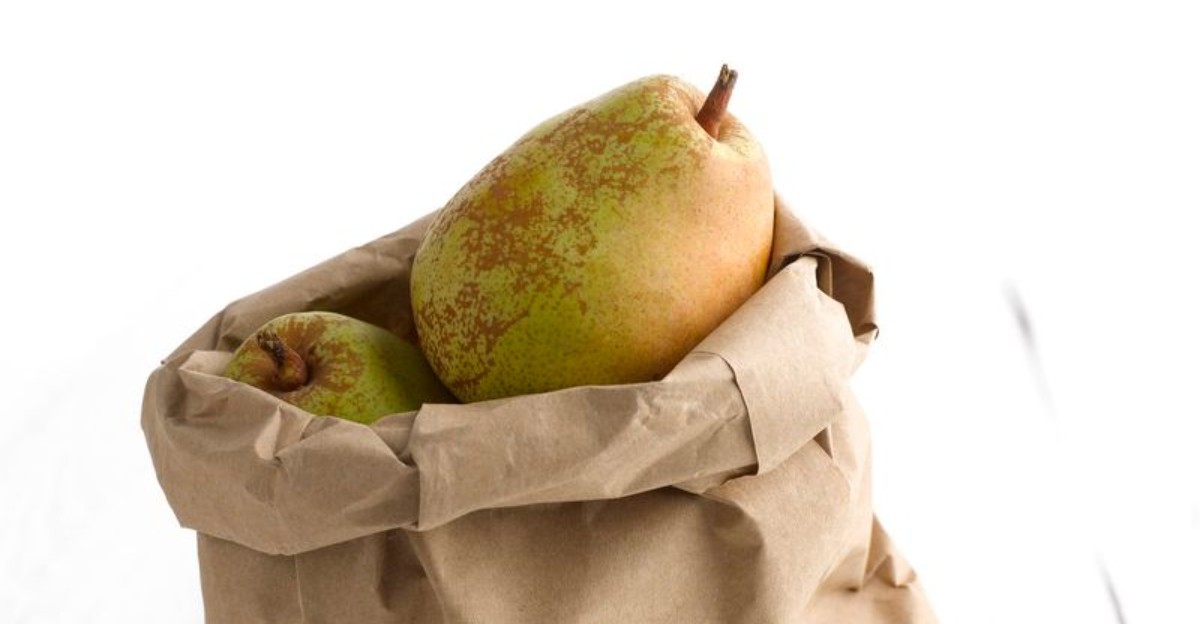
A pear left hanging until it feels soft on the branch often turns gritty and brown at the core. The tree gives you the fruit, but it rarely finishes the job.
I learned this the hard way in my Minnesota backyard. My first homegrown harvest looked gorgeous and tasted like wet sawdust with a sandy middle.
A little reading from university fruit experts gave me the answer, and it involved my refrigerator.
Across Minnesota, backyard growers picked firm, green fruit weeks ago. Right now, a lot of it sits in chilly basements, garage fridges, and crisper drawers.
You might notice nothing happening at all, yet the cold is slowly changing the inside of each one. So why would a fruit need a winter chill before it turns sweet? And how do you know when yours is finally ready for the kitchen table?
Those Hard Green Pears in Your Fridge Have a Hidden Job to Do
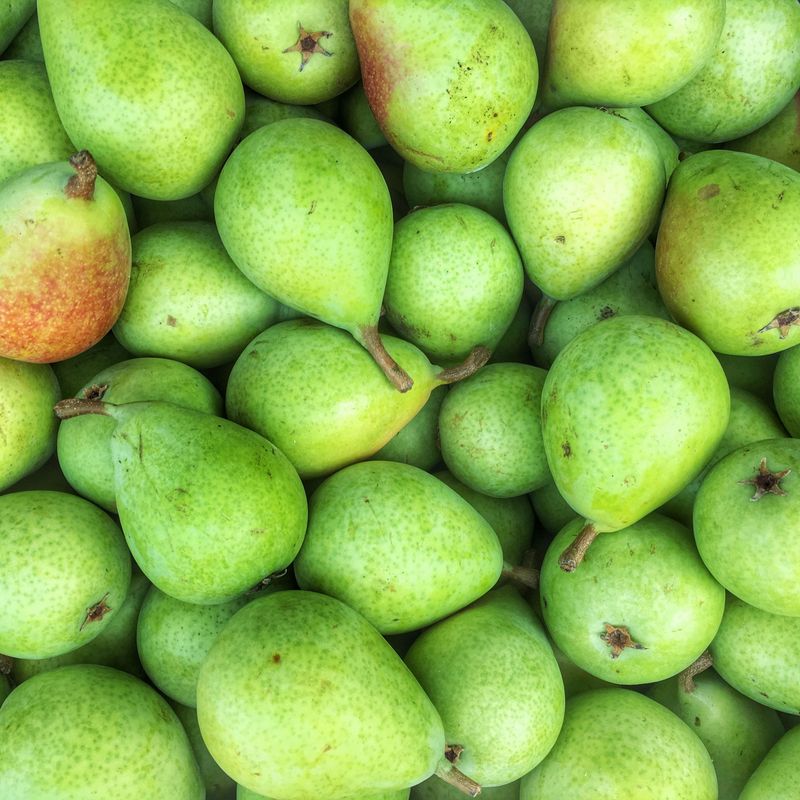
Plenty of folks open a backyard pear in late summer and wonder what went wrong. The skin looks fine, yet the center is mushy, brown, and full of grit.
European pears, like Bartlett, Bosc, and Anjou, ripen from the inside out. When they stay on the tree too long, the core softens and breaks down before the outer flesh turns buttery.
Those gritty bits are stone cells, and they get more noticeable in fruit that ripened on the branch.
University extension experts, including those at Minnesota and Purdue, give the same advice. Pick pears when they are mature but still hard, then let them finish ripening off the tree.
A mature pear often shifts from deep green to a lighter green, and the stem snaps free when you tilt the fruit upward.
Asian pears are the exception. They ripen well on the tree and are picked ready to eat, crisp like an apple.
So if you have a bag of rock-hard European pears chilling right now, they are not a failure. They are right on schedule.
The cold room is where the real transformation begins, and patience pays off with smoother, juicier fruit than the tree could ever give you on its own.
A Chilly Rest Wakes Up the Sweetness in Bosc and Anjou Pears
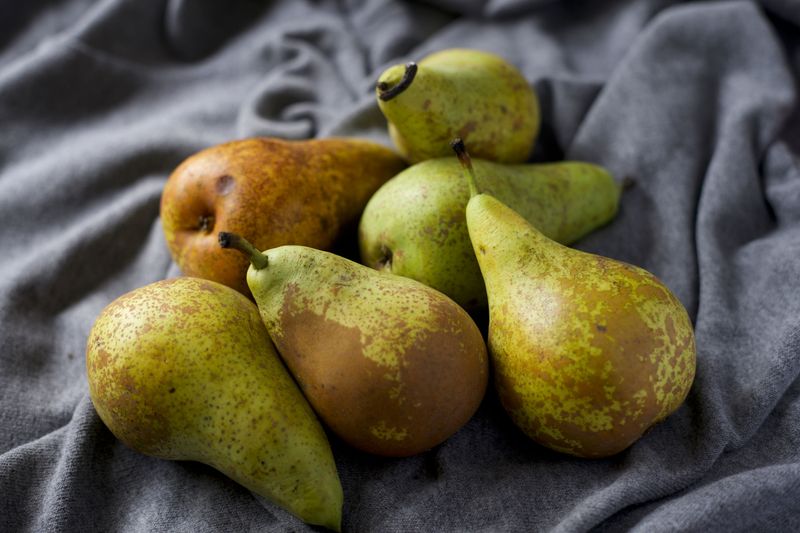
Cold does something sneaky to a pear. During a stretch near freezing, the fruit gets ready to make ethylene, the natural ripening hormone that tells it to soften and sweeten.
Without that chill, many winter varieties stall. Anjou pears are famous for this. Skip the cold step, and they may shrivel on the counter without ever turning juicy. Extension guidance lists rough chilling times by variety:
Bartlett needs little or no chilling, often just a day or two. Bosc usually wants two to six weeks. Anjou and Comice often need a month or more to ripen evenly.
I find this part oddly satisfying. You do almost nothing, and the fruit does the hard work in the dark. A refrigerator set just above freezing does a fine job for most home growers.
Keep in mind that Minnesota-hardy pears, like Parker, Patten, Summercrisp, and Luscious, can behave a bit differently. Summercrisp is often eaten crisp, while others benefit from a short chill.
Check what your nursery or the University of Minnesota says about your specific tree, and jot the picking date on the bag so you can track the weeks.
Sorting Freshly Picked Pears Before They Head Into Cold Storage
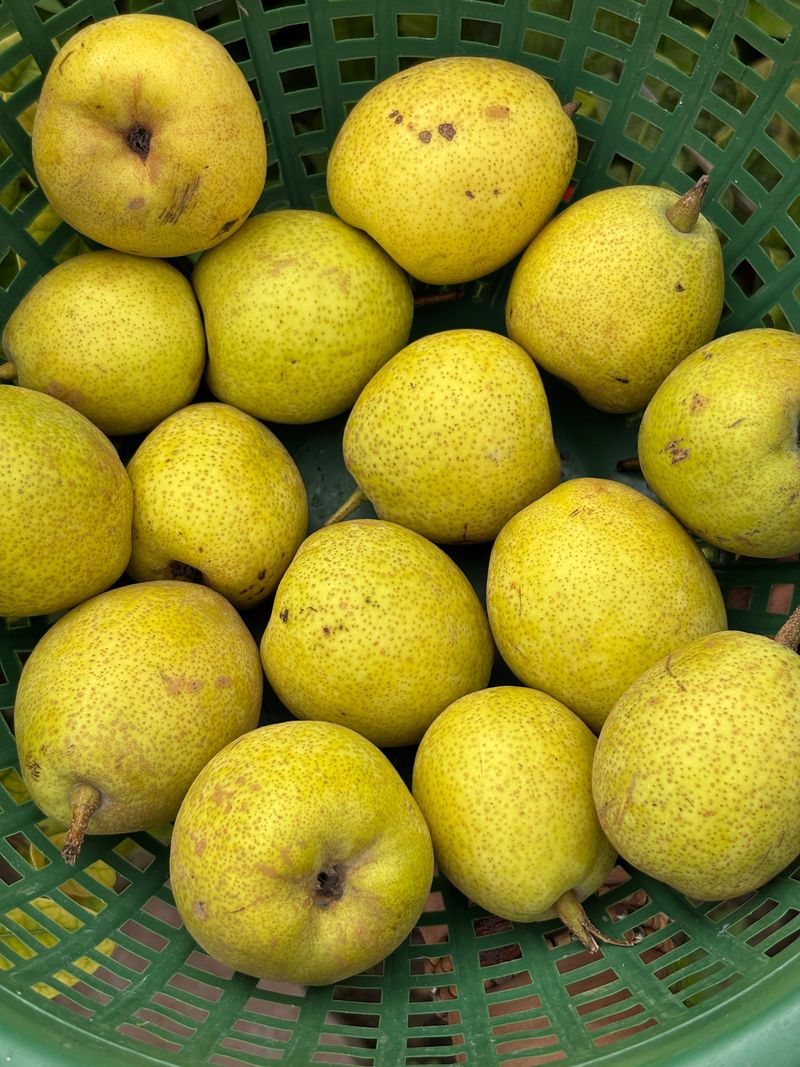
One bruised pear can sour the whole batch. Rot spreads fast in a crowded bag, so sorting is the first thing I do after picking.
Look over every fruit in good light. Set aside any with cuts, soft spots, bird pecks, or insect holes. Those make fine eating this week or a quick batch of pear sauce, but they should stay out of storage.
Handle the keepers like eggs. Pears bruise easily, even when they feel hard, and the damage often shows up weeks later as brown patches.
Next comes temperature. Commercial growers hold pears around 29 to 31 degrees with about 90 percent humidity.
At home, a spare refrigerator set close to 32 degrees works well. Avoid letting the fruit actually freeze.
Moisture matters too. Pears dry out and wrinkle in dry air, so many growers use plastic bags with a few small holes. The holes let gases escape while keeping humidity high.
Cool the fruit soon after harvest, ideally within a day. Warm pears waiting on a porch lose storage life fast.
A cool garage can work briefly in fall, but watch the forecast, since Minnesota nights can dip well below freezing by November.
Keep Stored Pears Far Away From Your Apple Bin
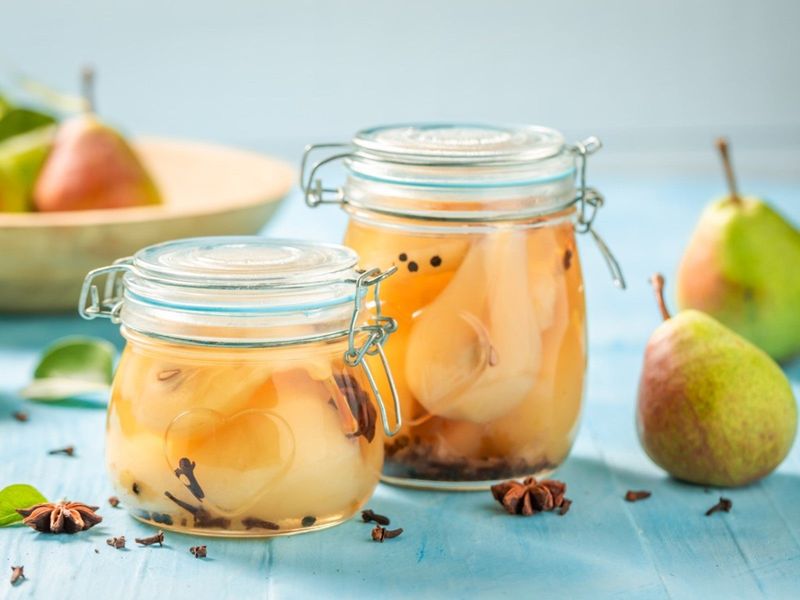
Apples are wonderful, but they make terrible roommates for stored pears. They give off plenty of ethylene, the same gas that tells pears to start ripening.
Park the two together, and your pears may soften far sooner than you planned. That could leave you with a sudden pile of ripe fruit and nowhere to put it.
Pears are sensitive to ethylene, especially once they have had their chill. So give them their own shelf or, better yet, their own refrigerator if you have the option.
Onions and potatoes are worth moving too. Their strong odors can drift into fruit, and potatoes prefer warmer storage than pears anyway.
With a clean, separate space and steady cold, many pear varieties hold for two to four months. Some winter types, like Anjou, can last longer in ideal commercial conditions, though home fridges usually fall short of that.
Check your stash every week or two. Pull out any pear showing a soft spot or mold right away.
A quick sniff tells you a lot, since a sweet, perfumed smell usually means some fruit is starting to ripen early. Catching it early keeps the rest of the batch in good shape.
Pull Out a Small Batch of Pears Whenever You Crave One
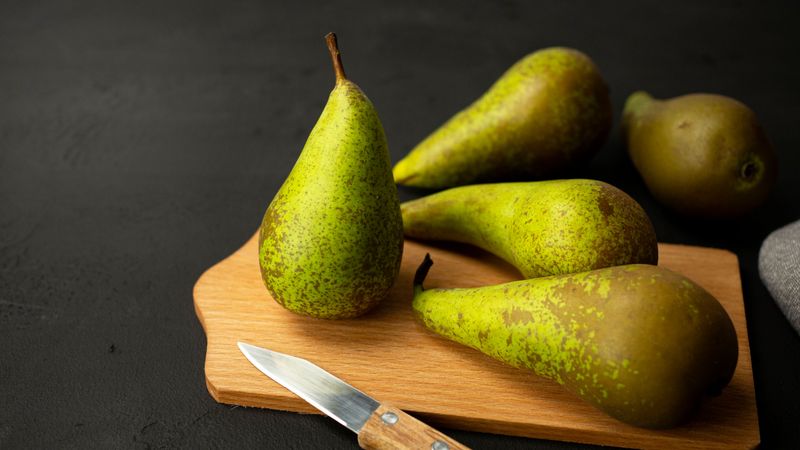
Here is my favorite trick of the whole season. Instead of ripening the entire harvest at once, bring out just a few pears at a time.
Once a pear has finished its chilling period, it is ready to ripen whenever you move it somewhere warmer. The rest can stay asleep in the cold.
That means fresh, homegrown fruit trickling into your kitchen through late fall and well into winter.
I usually grab four to six pears each week. That is about how many my family eats before they go too soft. Bigger households might take a dozen.
Timing still depends on variety. Bartlett can head to the counter quickly, while Bosc benefits from its full two to six weeks first.
A simple label helps. Write the variety and picking date on each bag with a marker. That way you know which pears are ready and which need more cold time.
Fruit pulled out too early may ripen unevenly or stay rubbery. If a batch disappoints, give the next group another week in the fridge. Small tests like this teach you what your own tree likes best.
A Paper Bag on the Counter Finishes the Pear Ripening Magic
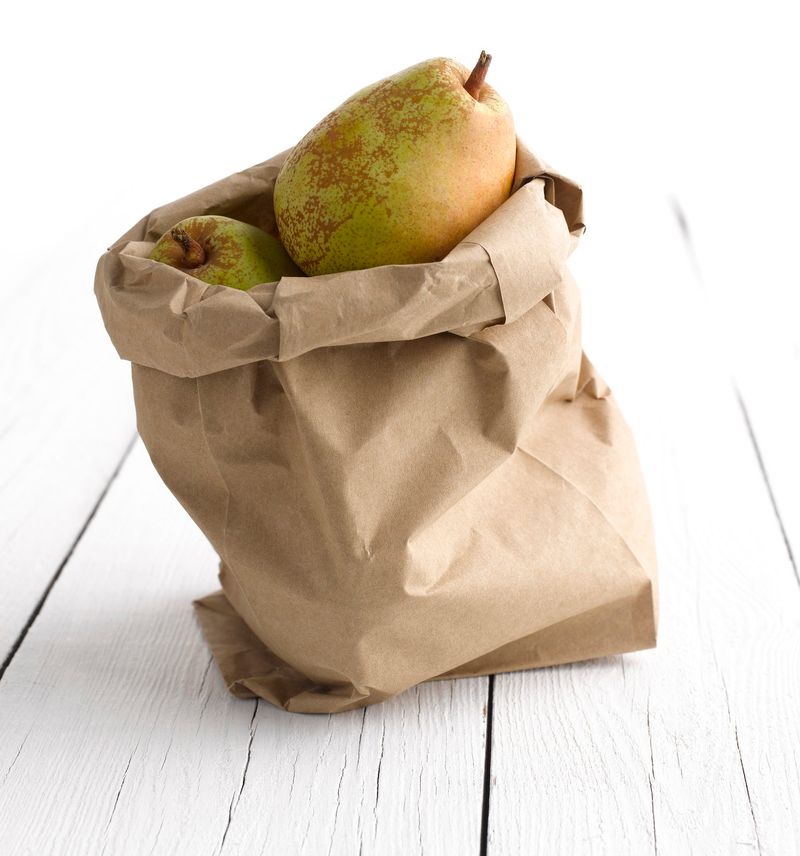
Room temperature is the final step. Set chilled pears somewhere between about 60 and 75 degrees, out of direct sun, and let them be.
Most will soften in three to seven days. Bartletts often turn from green to a buttery yellow, which makes them easy to read.
Bosc and Anjou barely change color, so you will need another clue, which comes in the next section. Want them faster? Tuck the pears into a loose paper bag and fold the top over.
The bag traps their own ethylene and speeds things up. Adding a ripe banana or apple to the bag boosts the effect even more. Skip plastic for this step. It traps moisture and can lead to mold or off flavors.
I like setting a bowl near the coffee maker so I see the pears every morning. That small habit keeps me from forgetting them until they turn mushy. Fun fact: pears are among the few fruits that ripen better off the tree than on it.
Growers have been using this cold-then-warm routine for generations, long before anyone understood the chemistry. Your kitchen counter is basically a tiny version of a commercial ripening room.
Press Gently Near the Pear Stem to Know It Is Ready
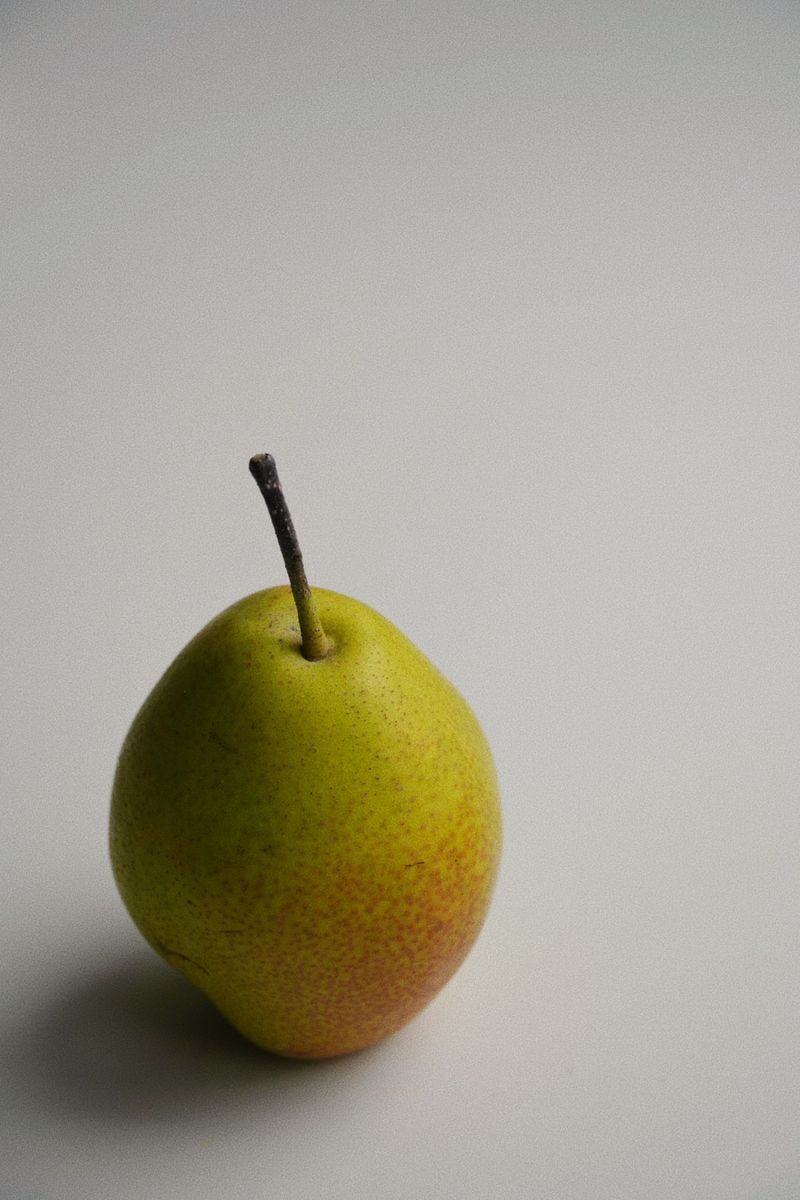
Squeezing the fat bottom of a pear tells you very little. By the time that part feels soft, the core may already be past its best.
Fruit experts recommend checking the neck instead. Press lightly with your thumb right below the stem. If the flesh gives a little, the pear is ripe and ready to eat. Go easy. A firm squeeze leaves a bruise, and a bruised pear browns quickly.
Once ripe, a pear will not wait long. Eat it within a day or two, or move it back into the refrigerator. The cold slows things down and buys you a few extra days of good eating.
Overripe fruit still has value. Soft pears blend into smoothies, bake into crisps, and cook down into a lovely sauce with a pinch of cinnamon.
As winter settles over Minnesota, this little routine becomes something to look forward to. Pick firm, chill patiently, warm a few, then check the neck.
Next season, try writing down which varieties stored best and how long each needed. Those notes will turn a confusing harvest into a reliable supply of sweet, homegrown fruit for months.