What Happens If Your Tree Falls on Your Neighbor’s House This Winter in Ohio
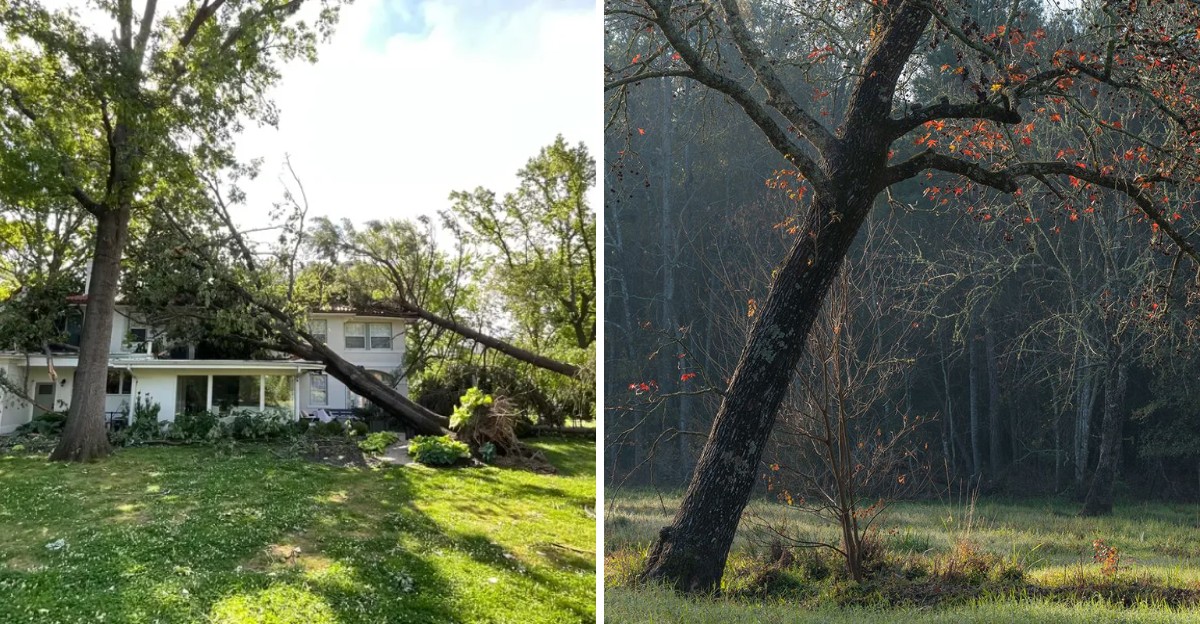
Your tree can crush your neighbor’s roof, and your insurance might not pay a single dime. That sounds backward, but it is how most storm claims play out.
Courts and insurers care far more about the tree’s condition than about whose yard it grew in. A sturdy trunk snapped by a freak ice storm gets treated very differently from a rotten one everybody noticed last summer.
I can’t imagine a worse winter morning than hearing that crack and wondering who pays.
Personally, I would rather learn the rules now, with a mug of coffee, than in the snow with an angry neighbor at my door.
Ohio winters bring heavy wet snow, ice glaze, and gusty fronts that test every limb out there. I’ll admit I judged this one wrong for years, and the real answer to who pays might surprise you too.
That Snapped Trunk on the Roof Starts a Bigger Question
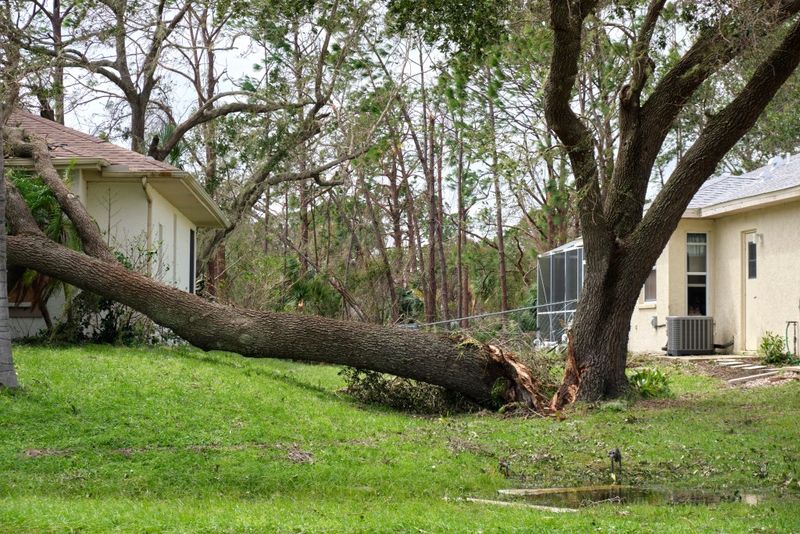
A healthy tree toppled by a winter storm is usually treated as an act of nature. Legally, that means nobody was at fault, even though the trunk came from your yard.
Ohio winters make this pretty common. Freezing rain can coat limbs with ice that adds hundreds of pounds of weight, and wet snow clings to evergreens like a heavy coat.
Add strong winds and even sound trees can give way.
When that happens, the question shifts from whose tree it was to what shape the tree was in. A sturdy maple that fails in a severe ice storm is viewed very differently from a hollow one leaning toward the house for years.
I find this part surprising for most folks. We tend to assume ownership equals blame, the same way a loose dog is the owner’s problem.
Trees play by different rules because weather is a factor nobody controls.
So the first thing to figure out after the crash is simple. Was the tree healthy before the storm hit, or were there warning signs?
That one detail shapes nearly everything that follows, from insurance claims to any talk of lawsuits.
Keep that in mind as you sort through the mess.
Your Neighbor’s Homeowners Policy Usually Covers the Damaged House
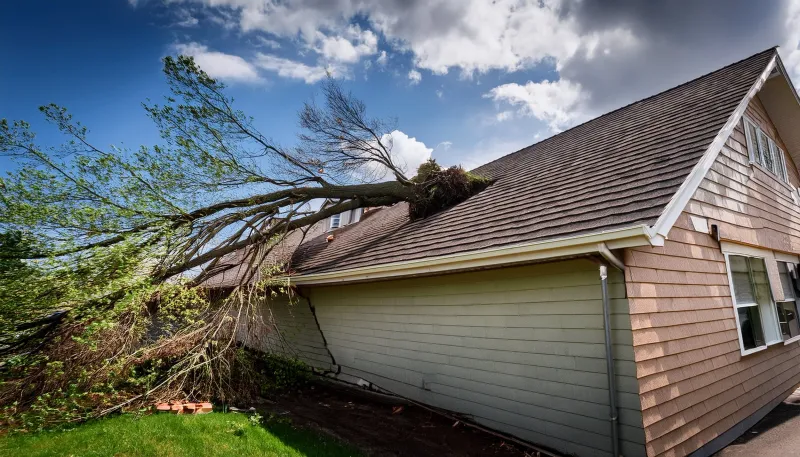
Here comes the twist that catches people off guard. When a healthy tree falls in a storm, the damaged home’s own insurance typically pays for repairs.
That means your neighbor files a claim with their insurer and pays their own deductible. Your policy usually stays out of it, as long as you were not careless.
Standard homeowners coverage treats windstorms and the weight of ice or snow as covered events for the dwelling.
Tree removal is a separate story. Many policies pay a limited amount, often around $500 to $1,000, to clear a tree that hit a covered structure.
Debris that simply landed on the lawn may not be covered at all.
Your role in this moment is mostly being a good neighbor. Share what you know, help with photos, and stay calm.
A cup of hot cocoa offered over the fence goes further than you might expect.
One more practical point is worth repeating. If the tree also damaged your fence or shed, your own policy handles your side of the line.
Each household generally files for its own property.
Read your policy declarations page this winter. Knowing your deductible and removal limits ahead of time takes a lot of stress out of a stormy night.
A Rotting Trunk Can Shift the Bill to You
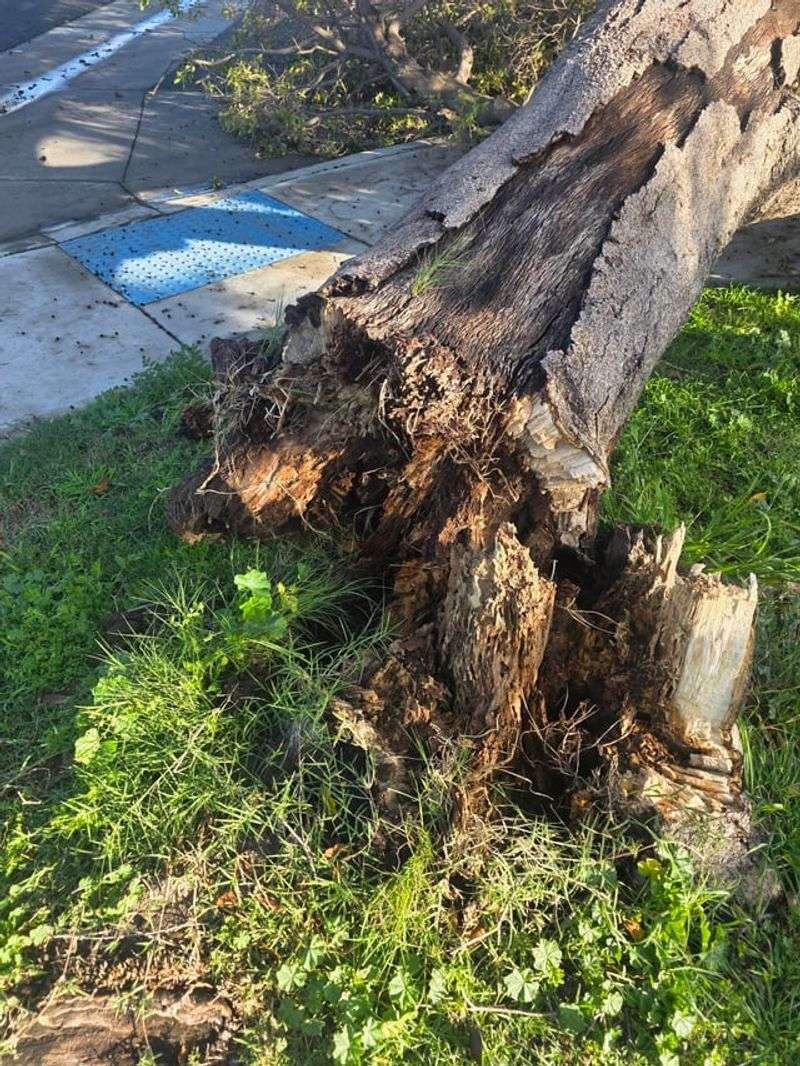
Everything changes when the tree was sick and you knew it, or should have known. That is where negligence enters the picture.
In Ohio, a tree owner can be held liable when a defect was obvious and nothing was done about it. Think large hollow cavities, mushrooms sprouting from the base, a split trunk, or big leafless limbs hanging over a roof.
Courts look at whether a reasonable person would have spotted the danger.
If negligence is shown, your neighbor’s insurer may pay first and then come after your liability coverage. That process is called subrogation.
It can also help your neighbor recover their deductible from you.
Ohio courts have also drawn a line between city and country owners. Urban and suburban homeowners are generally expected to inspect their trees more closely than owners of large rural woodlots.
Living on a crowded street raises the bar.
Personally, I think of this as the moment every gardener should take a slow walk around the yard. A tree that looked fine in July can show its weak spots once the leaves drop.
Winter is honestly a great time to look, since bare branches reveal cracks and lifeless limbs that summer foliage hides.
Bare Winter Branches Reveal Warning Signs You Can Spot
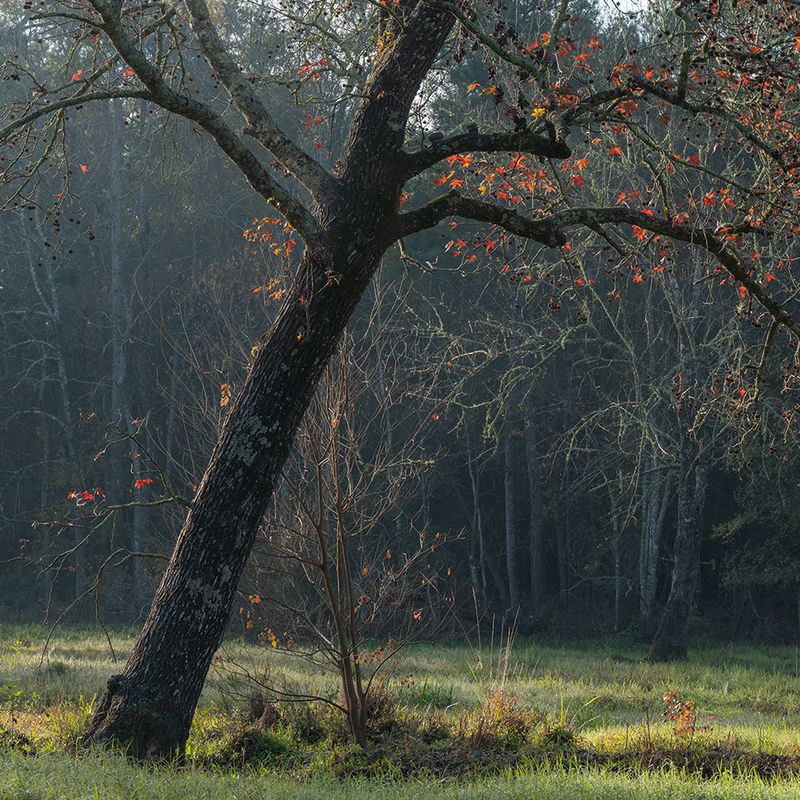
Leafless trees are like an open book. Grab a coffee, put on boots, and give your trees a slow once-over from every side.
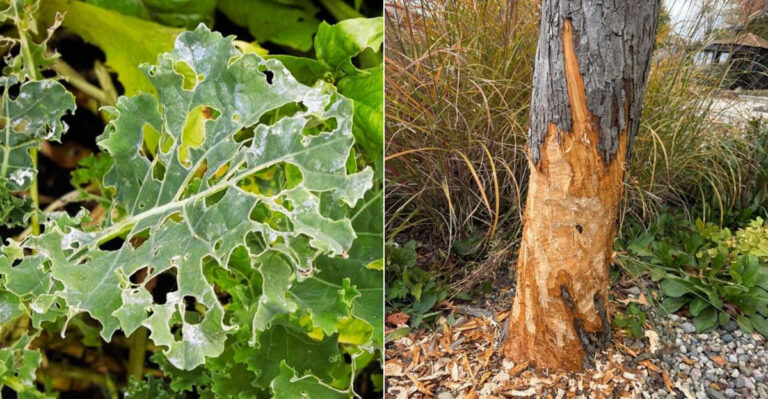
Look for limbs with no buds or with peeling bark, since those are often no longer alive. Check for deep vertical cracks, especially where two big trunks split in a tight V shape.
Those narrow unions trap bark and tend to fail under ice weight.
Watch the base too. Mushrooms or shelf fungi, soft spongy wood, or soil heaving on one side can point to root trouble.
A lean that seems worse than last year deserves a closer look.
Ohio has an extra worry. Emerald ash borer has left many ash trees brittle across the state, and those can snap without much warning.
If you have an ash with thinning crowns or D-shaped exit holes, take it seriously.
When something looks off, call an ISA certified arborist. Many offer winter visits, and dormant season is often a fine time for pruning most trees.
Write down what you find and keep the arborist’s report. That record shows you acted responsibly, which matters a lot if a limb ever comes down.
Overhanging Limbs From Next Door Can Be Trimmed Carefully
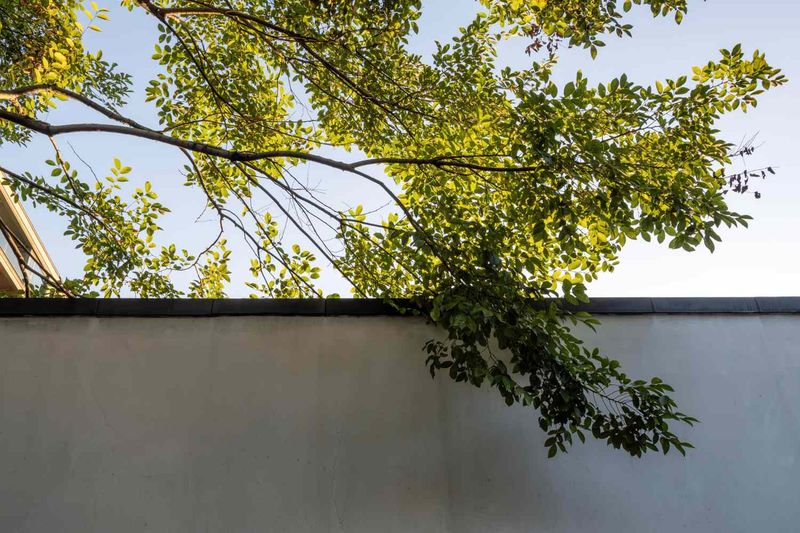
Flip the situation around for a second. What if your neighbor’s oak is the one dangling a heavy limb over your roof?
Ohio generally lets you trim branches that hang over your property line, back to that line. You do not need permission, though a friendly chat first keeps the peace.
You also usually pay for the trimming yourself.
Be careful with how much you cut. Removing too much or hacking into the trunk can injure the tree.
Under Ohio Revised Code 901.51, recklessly cutting or harming someone else’s tree can mean paying triple its value, and big trees can carry hefty price tags.
You also should not step onto their side or take down the whole tree without consent. Stick to what crosses the line, and leave roots near the trunk alone.
I like hiring a certified arborist for this job. They know where to make clean cuts that let the tree heal, and they carry insurance if something slips.
A quick note to your neighbor ahead of time helps a ton. Most people appreciate the heads up, and some might even split the cost when the work protects both homes.
Photos and a Dated Letter Protect Everyone After a Fall
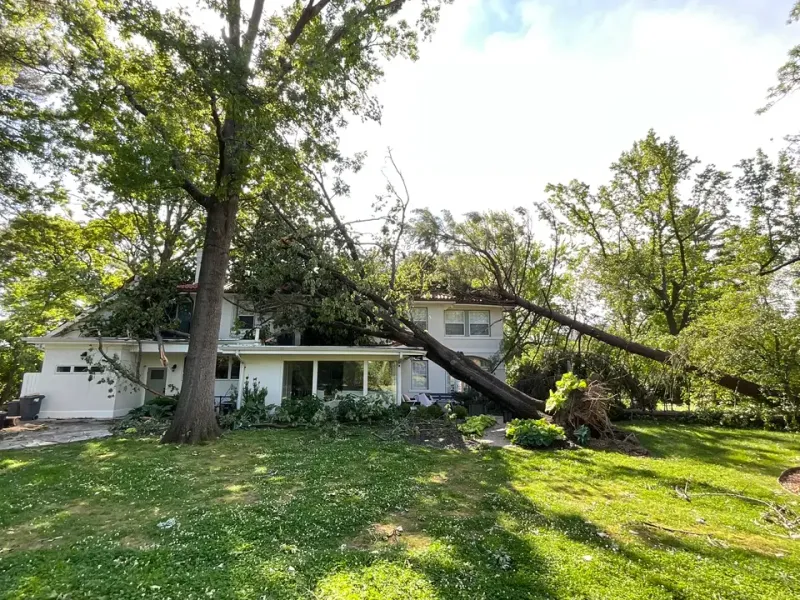
Picture-taking is the best thing you can do in the first hour. Before any chainsaw starts, snap wide shots of the scene and close-ups of the break.
Get the stump, the snapped area, and any rot or hollow wood inside. Those details show whether the tree was healthy.
Photograph the roof, gutters, siding, and vehicles too, plus the weather conditions outside.
Call your insurer quickly and keep notes on every conversation, including names and dates. Save receipts for tarps, emergency repairs, or hotel stays.
Insurers often require you to prevent more damage, so covering a hole in the roof is a smart early step.
Paperwork helps before a storm as well. If you worry about a neighbor’s tree, send a dated written note with photos.
That creates proof they had notice of the problem, which carries far more weight than a chat over the fence.
Safety comes first, of course. Stay away from downed power lines tangled in branches and call your utility right away.
Leave big removal jobs to pros. Cutting a tree under tension can be dangerous, and a few photos plus a phone call are your real job that morning.
City Street Trees Follow a Slightly Different Path
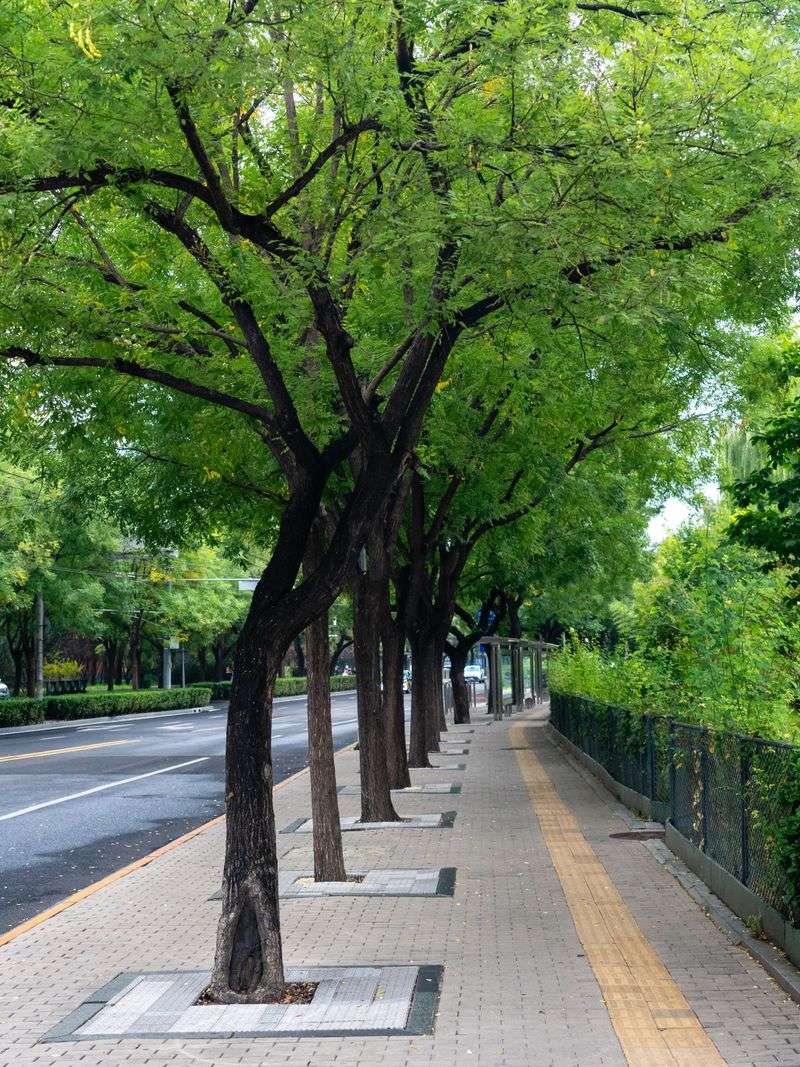
Not every falling tree belongs to a homeowner. Many sit in the strip between sidewalk and curb, owned or maintained by the city.
If a healthy city tree falls during a storm, your own homeowners insurance usually covers the damage, just like with a private tree. Weather gets the blame, not the city.
Things change if the city knew about a hazard. When residents reported a decaying street tree and nothing happened, municipal liability may come into play.
Ohio does give local governments some legal protections, so these claims can get complicated and depend on the facts.
That is why reporting matters. If a street tree near your home looks rough, call your city forestry or service department and ask for an inspection.
Get a ticket number or send an email so there is a record.
Columbus, Cincinnati, Cleveland, and many smaller towns have urban forestry programs that handle requests. Some also manage ash removal tied to emerald ash borer.
Do not prune city trees yourself without permission, since many places require a permit. A quick call clears that up and keeps you on the right side of local rules.
A Little Tree Care Now Keeps Neighbors Smiling Next Spring
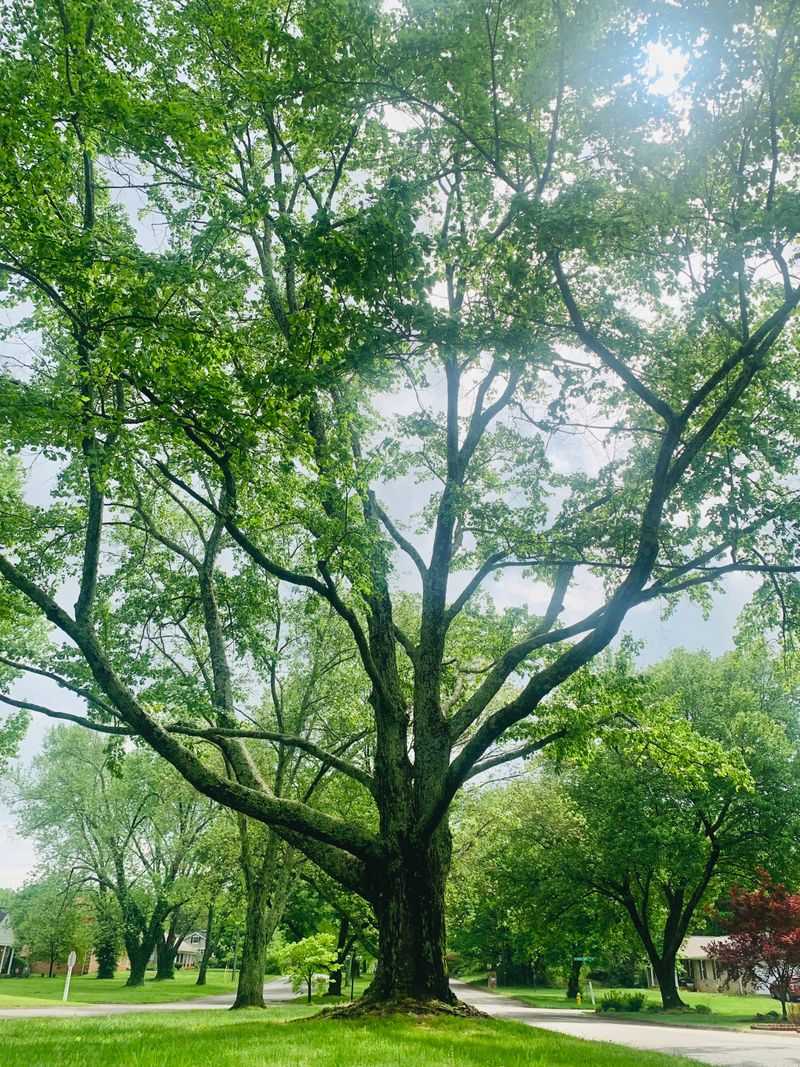
Prevention is cheaper than any deductible. A healthy, well-pruned tree is far less likely to end up on someone’s roof.
Start with a plan. Have an arborist look at large trees near homes every few years, and more often for older ones.
Remove limbs that are no longer alive and ask about thinning heavy crowns that catch ice.
Skip topping, which leaves weak sprouts that break easily later. Avoid piling mulch against trunks, and protect roots from construction or trenching.
Watering during dry fall spells helps trees head into winter stronger.
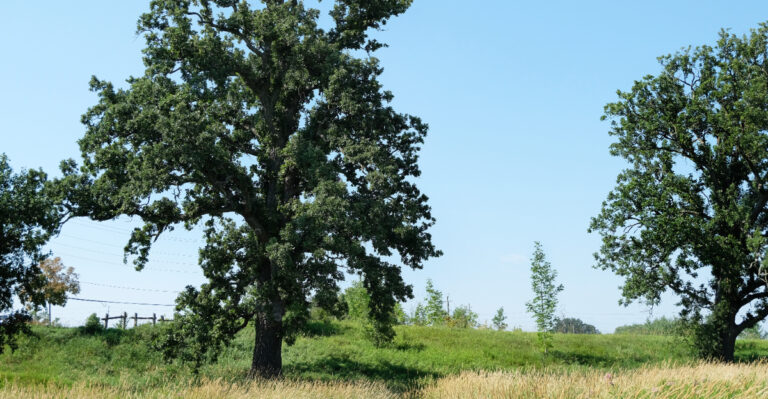
When planting new trees, choose spots well away from houses and power lines. Ohio natives like white oak, bur oak, and serviceberry tend to handle local weather nicely, so check their mature size first.
Talk with your neighbors too. Swapping notes about trees along the property line can head off problems and sometimes leads to sharing costs on work that helps both yards.
Finally, review your insurance once a year. Ask about tree removal limits and liability coverage so nothing surprises you after a storm.
My takeaway is simple. Healthy trees, good records, and friendly conversations do most of the heavy lifting.