Winterberry and Holly: 8 Berry Shrubs for a Festive Ohio Yard
Plenty of robins skip the southern trip and spend the whole winter in Ohio snacking on fruit. They trade their summer worm diet for berries that cling to bare twigs long after the leaves fall.
Some of those shrubs only fruit when a male plant grows nearby, which surprises plenty of new gardeners. A few keep their glossy fruit for months, giving birds a snack long after the gardens go quiet.
I love how one red branch can make a gray January yard look like a holiday card. You get that cheerful color for free, with no lights to untangle and no extension cords to trip over.
Eight hardy shrubs stand out for shrugging off the cold while keeping your feathered visitors well fed. One of them might just turn your gray January view into that holiday card.
1. Winterberry Holly
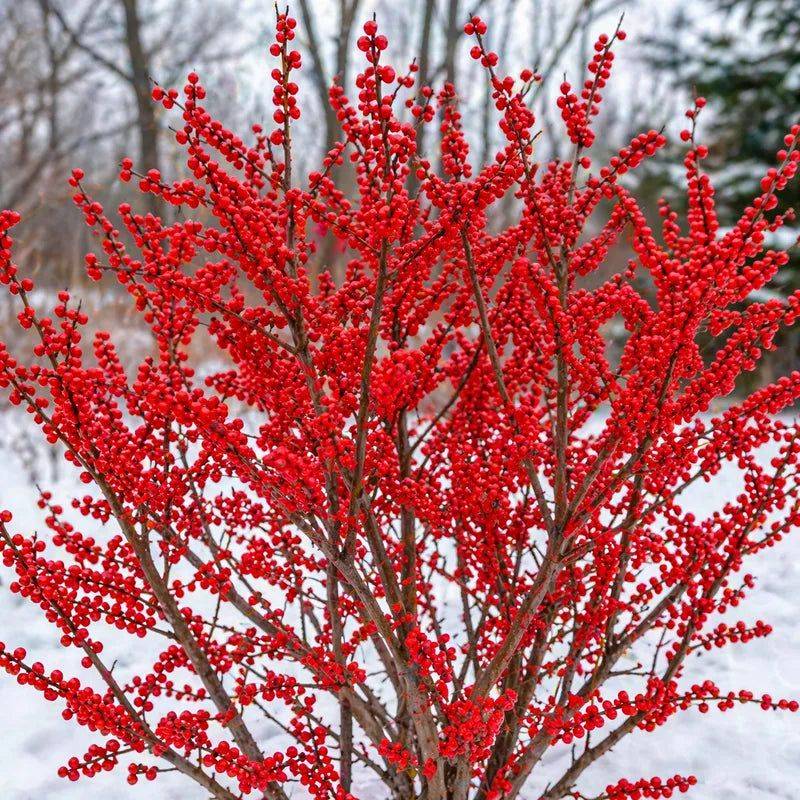
Few sights in a snowy yard beat a bare winterberry branch loaded with berries as red as a cardinal. The leaves drop in fall, so nothing hides that glowing fruit once the cold weather settles in.
Despite the holly name, this native shrub loses its leaves every autumn and skips the prickly foliage you might expect. It usually grows six to ten feet tall, forming a tidy clump of many slender stems.
I have to admit the pollination rule caught me off guard when my first plant stayed berry-free. Female and male flowers grow on separate shrubs, so you need a male within about fifty feet.
Nurseries often pair the female ‘Winter Red’ with a male like ‘Southern Gentleman’ to make matching easy. One male can usually handle several females, so plant them in a small group for the best show.
Winterberry loves moist, acidic soil and even tolerates spots where water stands for a short while. Give it full sun or light shade, since heavy shade means fewer flowers and far fewer berries.
Hungry robins and cardinals visit these shrubs in winter, when fresh food grows scarce across the landscape. In late spring, the tiny greenish-white flowers also draw native bees that busily work each little bloom.
Personally, I clip a few berry-covered stems for a porch planter and leave the rest for birds. Plant in spring or early fall, and water well during the first summer while roots settle in.
2. American Holly
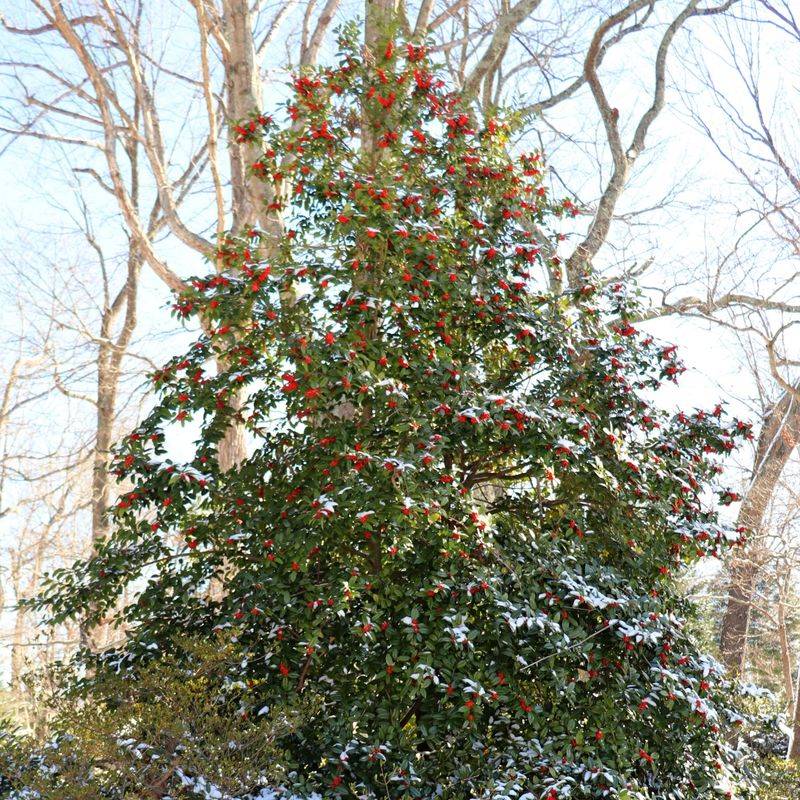
Those glossy, spiny leaves on holiday cards most likely belong to American holly, a classic evergreen with real staying power. Its red berries glow against dark green foliage from mid-fall straight through late winter in a sheltered yard.
Wild populations grow naturally only in the far southeastern corner of Ohio, among the hills near the river. Gardeners have since planted it much farther north, and cold-hardy selections can handle impressive winter lows.
Expect slow growth, since this pyramid-shaped tree usually reaches fifteen to thirty feet in home landscapes. In the wild, older trees can climb toward fifty feet, so give yours room to spread out.
Like winterberry, this holly needs both a male and a female tree before any berries appear. The pollinating partner must be the same species, so a different kind of holly next door probably will not help.
Moist, acidic, well-drained soil keeps the leaves dark and shiny, while alkaline soil often turns them yellow. Soggy ground is a problem too, so skip low spots where puddles linger after every rain.
Young trees appreciate shelter from harsh winter winds, which can scorch evergreen leaves into crispy brown patches. I like tucking one near a building or taller evergreens on the north side for a little protection.
Songbirds rely on the fruit in lean months, and the dense branches give them a cozy hiding place. Keep kids and pets away from the berries, though, since they are considered poisonous to people.
3. Black Chokeberry
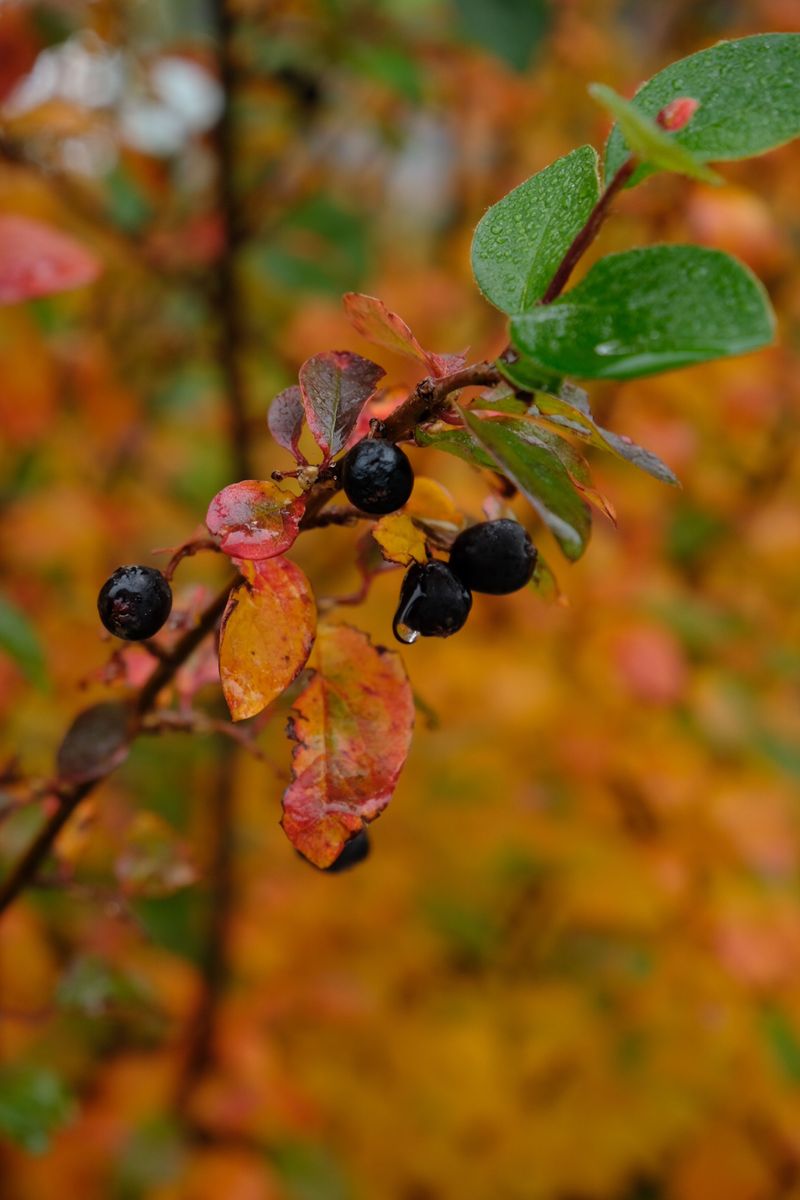
One bite of a raw chokeberry explains the name fast, because the tart purple-black fruit puckers your whole mouth. Birds seem far less bothered, and the berries often hang on the branches well into winter.
I believe this native shrub is one of the easiest berry plants a beginner could ask for. Most plants stay a manageable four to six feet tall, which suits small yards and foundation beds.
Unlike the hollies on this list, one chokeberry can produce fruit by itself with no partner needed. That makes shopping simple, since you can grab a single plant and still enjoy a full harvest.
Clusters of white flowers with a hint of pink open in early May and buzz with hungry pollinators. By midsummer, those blooms turn into glossy dark fruit that hangs in heavy clusters along the stems.
Fall brings the real fireworks, as the leaves flare into brilliant red that rivals any burning bush. Choosing chokeberry over invasive burning bush is a smart swap that gives local birds much better winter food.
This tough shrub shrugs off both soggy clay and dry, poor ground without much fuss from you. Full sun gives the heaviest fruit and boldest fall color, though partial shade still works fine for most gardeners.
You can cook the berries into jam or syrup, since sugar softens that sharp, puckery bite. Personally, I leave most clusters on the bush because watching the birds feast is half the fun.
4. Allegheny Serviceberry
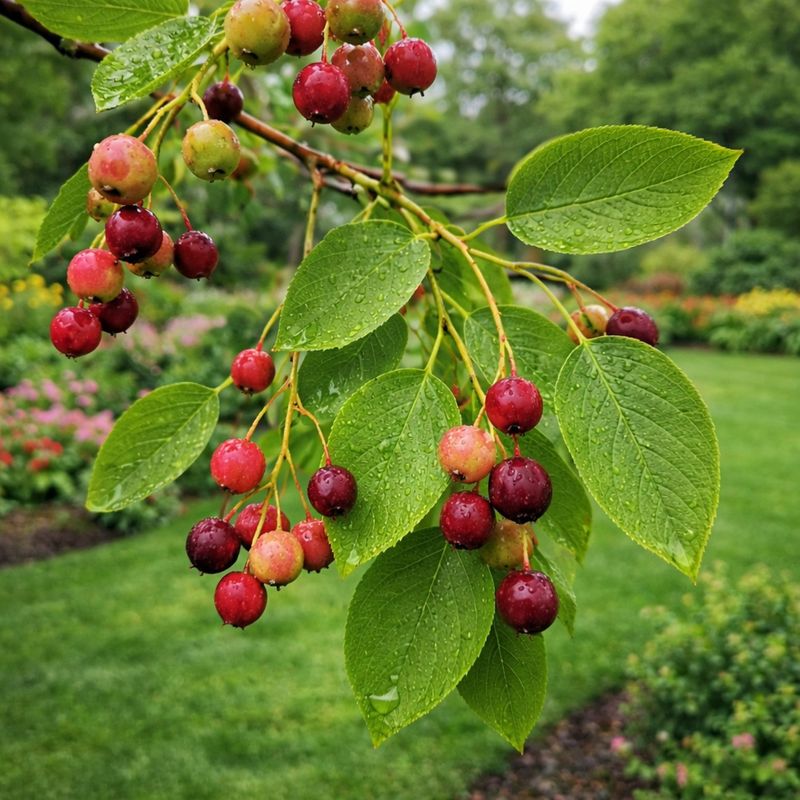
One popular story says serviceberry earned its name by blooming just as thawing roads let traveling preachers return. Whether that tale holds up or not, those snowy white flowers are among the first shrub blooms of spring.
Allegheny serviceberry, Amelanchier laevis, is a favorite native pick that grows as a large shrub or small tree. Expect a mature height around fifteen to twenty-five feet, with a graceful, airy shape that rarely feels heavy.
By June, the fruit ripens from red to deep purple and tastes a lot like a sweet blueberry. You will need to move fast, though, because cedar waxwings and robins often strip the branches quickly.
I can’t imagine a better snack for nesting birds, since early fruit arrives right when hungry babies need feeding. The leaves also feed many moth and butterfly caterpillars, which in turn become food for those growing chicks.
Now, about the festive angle, since this shrub is better known for spring blossoms than winter berries. Its smooth silvery-gray bark and fiery autumn leaves still give your yard plenty of seasonal charm.
Plant serviceberry in moist, well-drained soil, though established trees can handle drier spells fairly well in summer. Full sun to part sun brings the best flowers and fruit, so avoid deep shade under big trees.
Hardy down to zone three, it shrugs off the coldest winters this region can throw at it. Tuck one near a window, and you can watch the berry buffet without leaving your warm kitchen.
5. American Elderberry
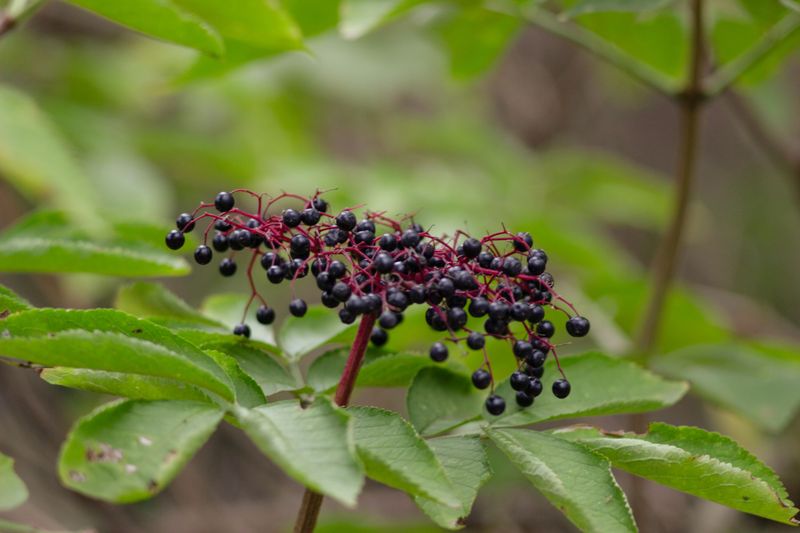
Elderberry grows so fast that a small nursery pot can turn into a head-high shrub within a couple of seasons. Its flat, lacy flower clusters look like creamy dinner plates floating above the leaves in early summer.
Those blooms buzz with pollinators, then slowly turn into drooping clusters of tiny purple-black berries by late summer. Birds adore them, so you may see robins and cedar waxwings working over the heavy clusters for days.
So where does the festive part come in, since the berries are usually gone before snow flies? Honestly, elderberry earns its spot by stocking your pantry with homemade syrup and jam for holiday gifts.
Safety matters here, because the raw berries and other plant parts are mildly toxic to people. Cook the ripe fruit thoroughly before eating, and remove the stems so only berries go into the pot.
Moist, well-drained soil keeps elderberry happiest, though it tolerates a wide range of conditions across the yard. Full sun brings the biggest harvest, while partial shade still gives you plenty of flowers and fruit.
Expect a big plant, around twelve feet tall, that spreads by suckers into a loose, arching thicket. Give it a back corner or a rain garden edge where that wild energy becomes an advantage.
I like pruning out the oldest canes in late winter, since younger stems usually fruit more heavily. Planting two different elderberry selections nearby can also improve pollination and give you larger berry harvests.
6. Red-Osier Dogwood
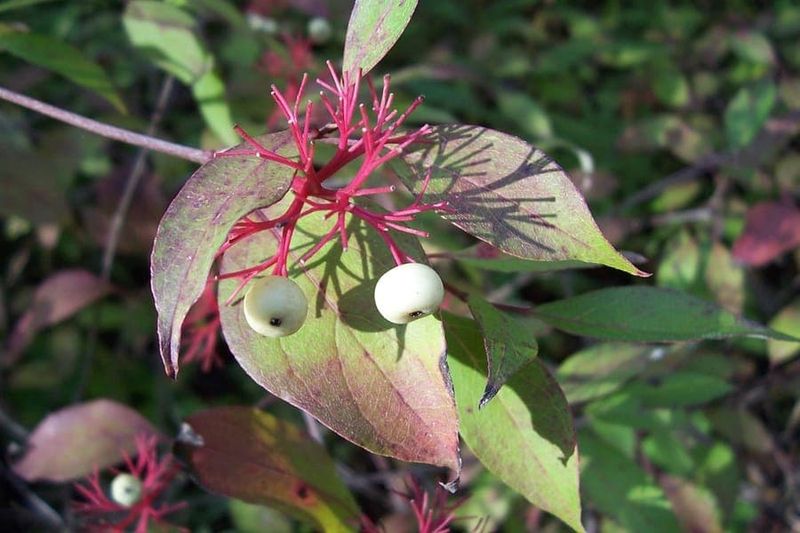
Red-osier dogwood saves its best trick for winter, when bare stems glow like bright red licorice against fresh snow. Those stems light up a gray landscape better than almost any other native shrub I know, honestly.
Berries matter too, although these are pea-sized and white rather than the classic shiny holiday red. They ripen by late summer, and many different bird species gobble them up well before winter arrives.
In mid-spring, flat clusters of tiny white flowers open across the shrub and eagerly feed visiting pollinators. Come autumn, the leaves turn a rich purplish red just before dropping to reveal those famous stems.
You will often find this shrub growing wild along streambanks and in swampy spots across Ohio. That love of wet feet makes it a natural choice for rain gardens and soggy low areas.
It typically grows seven to nine feet tall and spreads up to ten feet wide, so plan ahead. Full sun to partial shade works, though sunnier spots usually produce the brightest stem color each winter.
My favorite tip is pruning out a few of the oldest stems each spring to keep things vivid. Younger branches carry the richest red, while older wood fades to a duller grayish brown over time.
Cut a few bright stems in early winter for porch pots, where they shine next to evergreen boughs. Just skip tasting the berries yourself, since they are considered mildly toxic for people to swallow.
7. Arrowwood Viburnum
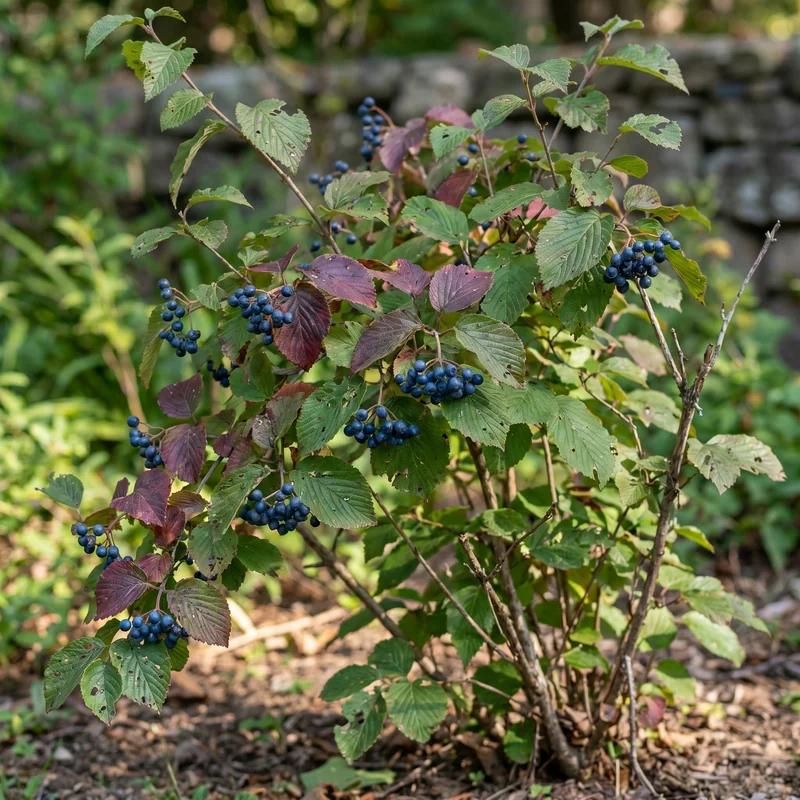
Native Americans reportedly used the straight young stems of this shrub to make arrow shafts, which explains the name. Run your hand along a new shoot, and you will feel how impressively straight it grows.
Arrowwood viburnum forms a dense, rounded mound about six to ten feet tall and just as wide. That thick growth makes a friendly hedge, and nesting birds love tucking their cups deep inside.
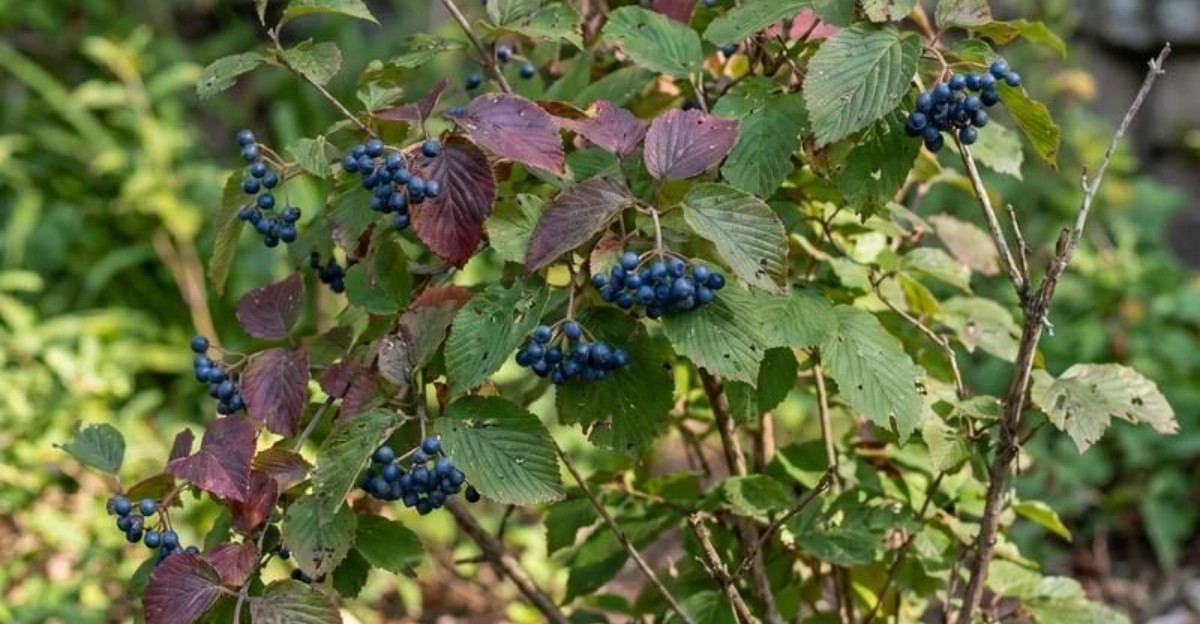
Creamy white flower clusters open in late spring and attract a busy crowd of pollinators of all sizes. By late summer, those flat clusters ripen into heavy bunches of glossy blue-black berries along nearly every branch.
What surprises me most is how much these little berries matter to birds heading south each fall. The fruit is packed with fats and carbohydrates, giving hungry travelers quick fuel for their long journeys south.
Fall foliage adds a bonus, as the glossy leaves often shift toward warm reds and deep purples. Berries usually disappear quickly, so this shrub brings its show before the deepest winter cold truly arrives.
Arrowwood adapts to moist or fairly dry soil and grows well in full sun or partial shade. For heavier fruit, plant two different arrowwood selections near each other in your yard so they can cross-pollinate.
Watch for viburnum leaf beetle, a pest that chews leaves into lacy skeletons in many Ohio gardens. Prune off twigs holding egg sites over winter, and your shrub will usually bounce back nicely by summer.
8. American Beautyberry
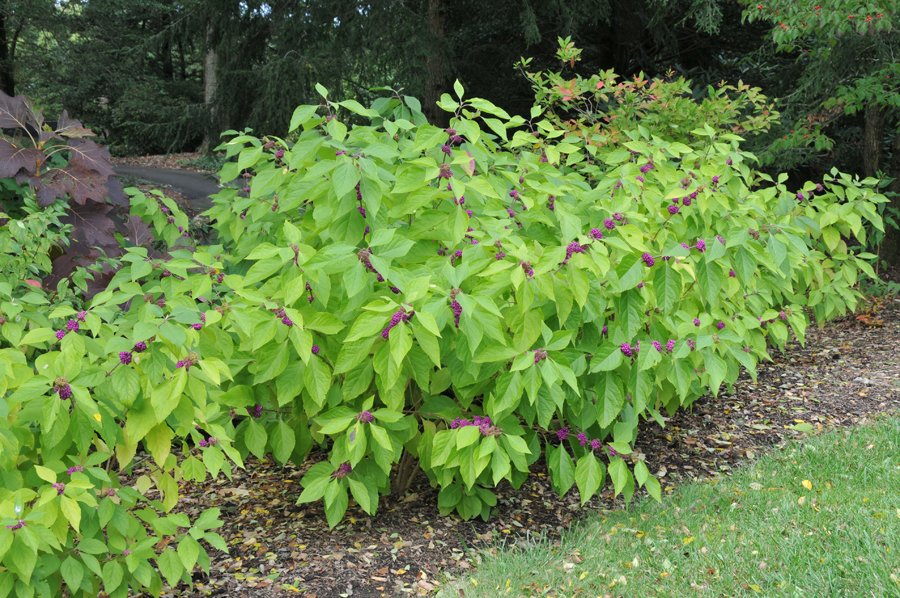
Purple berries this bright look almost fake, like someone glued shiny beads up and down the bare stems. American beautyberry wraps its fruit in tight clusters that circle each stem at every leaf joint.
This shrub is native to the southeastern United States, not Ohio, so it comes with a few caveats. It does best in the warmer southern part of the state, where winters stay a bit milder.
In colder spots, the stems may freeze back to the ground, though roots often survive with good mulch. Flowers form on new growth, so fresh shoots can still bloom and fruit that same year.
Many gardeners actually cut the whole plant back to about a foot tall in late winter or very early spring. That hard pruning keeps it compact and seems to encourage a heavier crop of those glossy berries.
Tiny pinkish flowers appear in summer, but they are easy to miss until the berries color up. By early autumn, the fruit turns vivid violet and often hangs on into the start of winter.
Mockingbirds and other birds eventually nibble the colorful berries, but people should skip them as a snack. Give the shrub full sun or light shade, plus soil that drains well yet stays slightly moist.
One word of caution: Asian beautyberry species are sold widely, and some have escaped into eastern woodlands. Choosing the native American type keeps your purple display friendly to local wildlife and nearby wild areas.