Why Ohio Gardeners Pick Tomatoes Slightly Green Before Heavy Rain
There is a particular smell to an Ohio afternoon right before a storm, warm soil and cut grass with a metallic edge underneath. The light goes flat and yellow, and the leaves start flipping over in the wind.
Long before the first rumble of thunder, certain gardeners are already outside with a five gallon bucket swinging at their side. They are not staking anything down or dragging out row covers.
Instead, they are taking something off the vine early, cutting weeks of patience short on purpose. To a neighbor watching over the back fence, the whole quick trip through the rows looks a little impatient.
There is solid reasoning behind that hurry, and it has everything to do with what an inch of rain can do in a single hour. When the logic clicks, you may find yourself checking the radar with a basket already in hand.
The Storm Signal Ohio Growers Learn To Trust
Ask a longtime gardener in Dayton or Delaware County what they do when the sky turns that odd greenish gray, and they will probably reach for a bucket. Storm clouds rolling in from the west are a harvest cue around here, not simply a weather event.
Ohio summers pair long stretches of dry, sticky heat with sudden downpours that drop an inch or more in under an hour. Plants that have been sipping water for two weeks suddenly get a flood, and the fruit on the vine feels every bit of it.
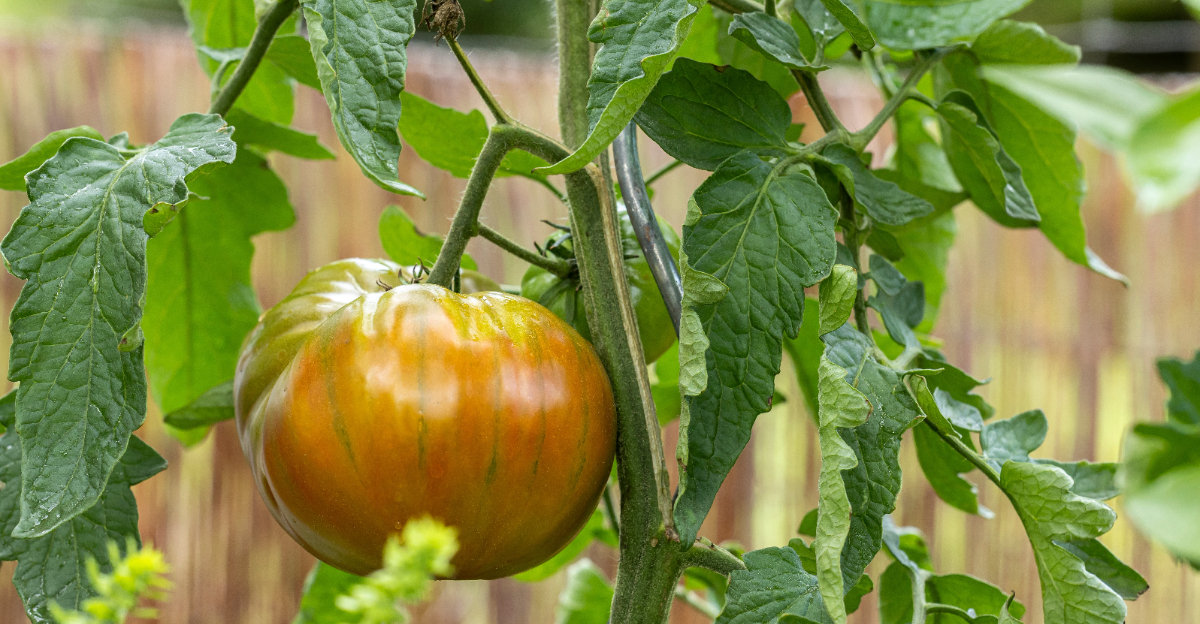
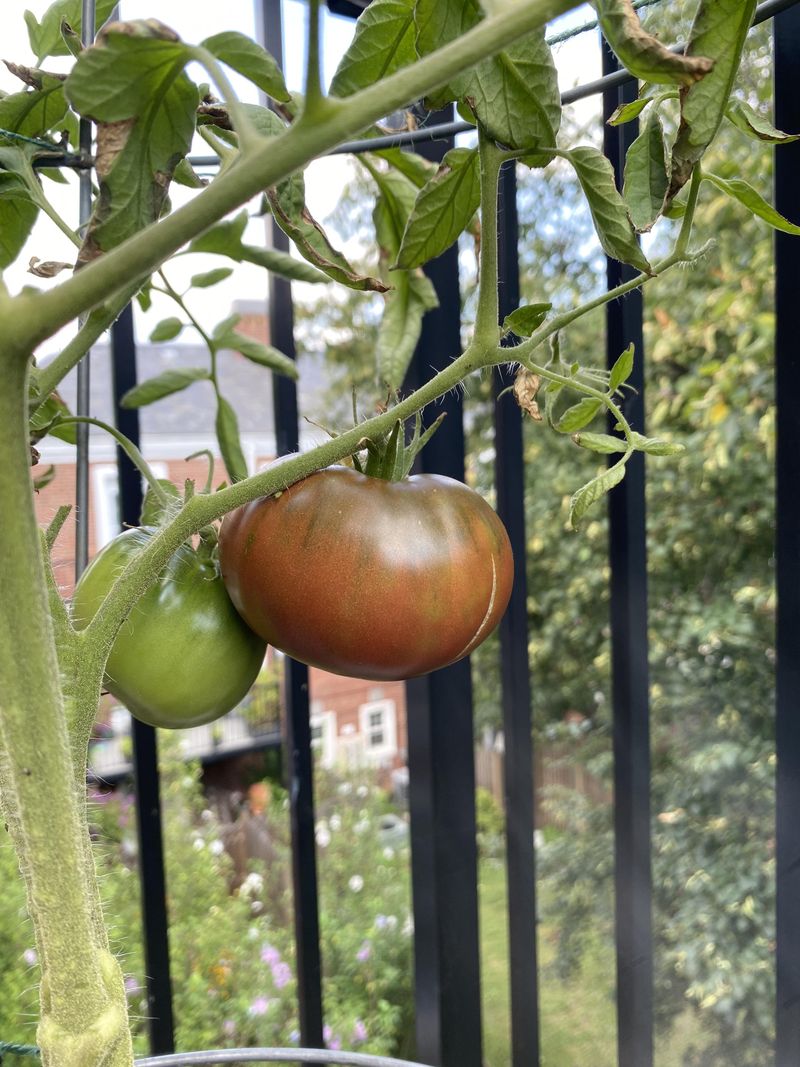
Experienced growers watch the radar the same way they watch their vines. A tomato that is firm and just starting to turn pale pink or orange will hold up far better on a kitchen counter than out in that weather.
The habit did not come from a textbook. It came from walking outside after a July storm and finding split skins, sour spots, and fruit that had gone soft overnight.
So the picking happens early, on purpose. A slightly green tomato is not a failure, it is a rescued one, and it will finish coloring up indoors without much fuss.
Neighbors who share this trick talk about it like insurance. You give up a day or two of vine time and gain a basket you can actually use in salsa, sandwiches, and canning jars.
Once you try it during one wet Ohio week, the reasoning clicks fast and sticks around.
Rain, Roots, And The Pressure Building Inside Ripe Fruit
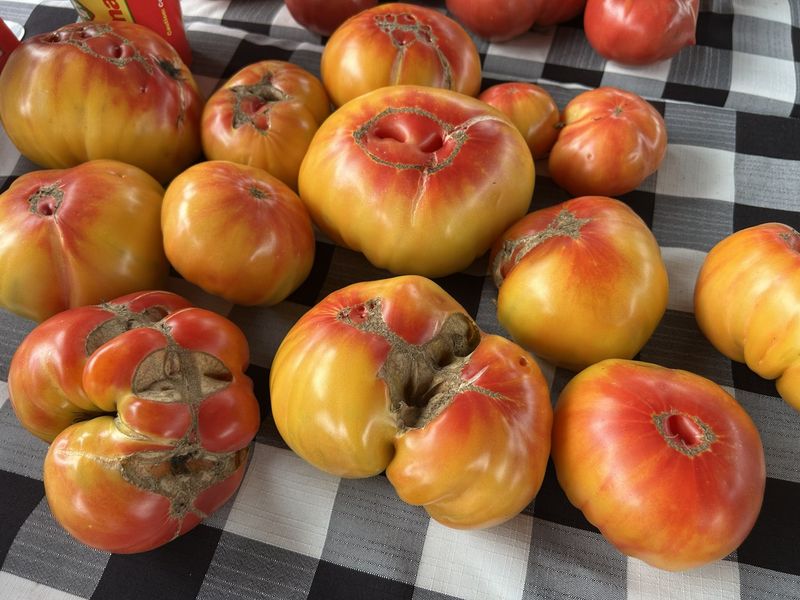
Here is the plumbing behind the problem. A tomato plant pulls water in through its roots, pushes it up the stem, and sends a good share of it straight into the swelling fruit.
During a dry spell, that flow is slow and steady, and the skin on each tomato thickens up and grows less stretchy. Then two inches of rain arrive in ninety minutes.
Roots take up water quickly because the soil around them is suddenly soaked. The inside of the fruit expands faster than the outer skin can stretch, and something has to give.
Your Ohio Garden Changes Every Week. Your Plan Should Too.
Gardening in Ohio changes quickly throughout the season. Every Friday you’ll receive a simple weekly plan showing exactly what to plant, prune, fertilize, harvest, and protect so you never miss the right timing.
What gives is the skin. You see rings around the shoulders on some fruit and long vertical lines running down the sides of others, and both openings invite mold and fruit flies.
Fully ripe fruit is the most vulnerable, since its skin has already stretched about as far as it can go. A tomato that is still partly green has firmer walls and more give left in reserve.
Heavy clay soil, common across much of Ohio, makes the swing sharper because water lingers near the surface instead of draining away. Mulch and deep, even watering soften the change, though they cannot cancel out a summer storm.
Picture the fruit as a water balloon wearing a firm outer shell, and the timing choice makes plain sense. The goal is to take that balloon off the hose before the hose blasts on full force.
Timing An Early Pick Against The Ohio Forecast
Forecast watching becomes a gardening skill somewhere around your second Ohio summer. When the ten day outlook shows a dry stretch ending with a big green blob sweeping in off Indiana, that is your harvest window.
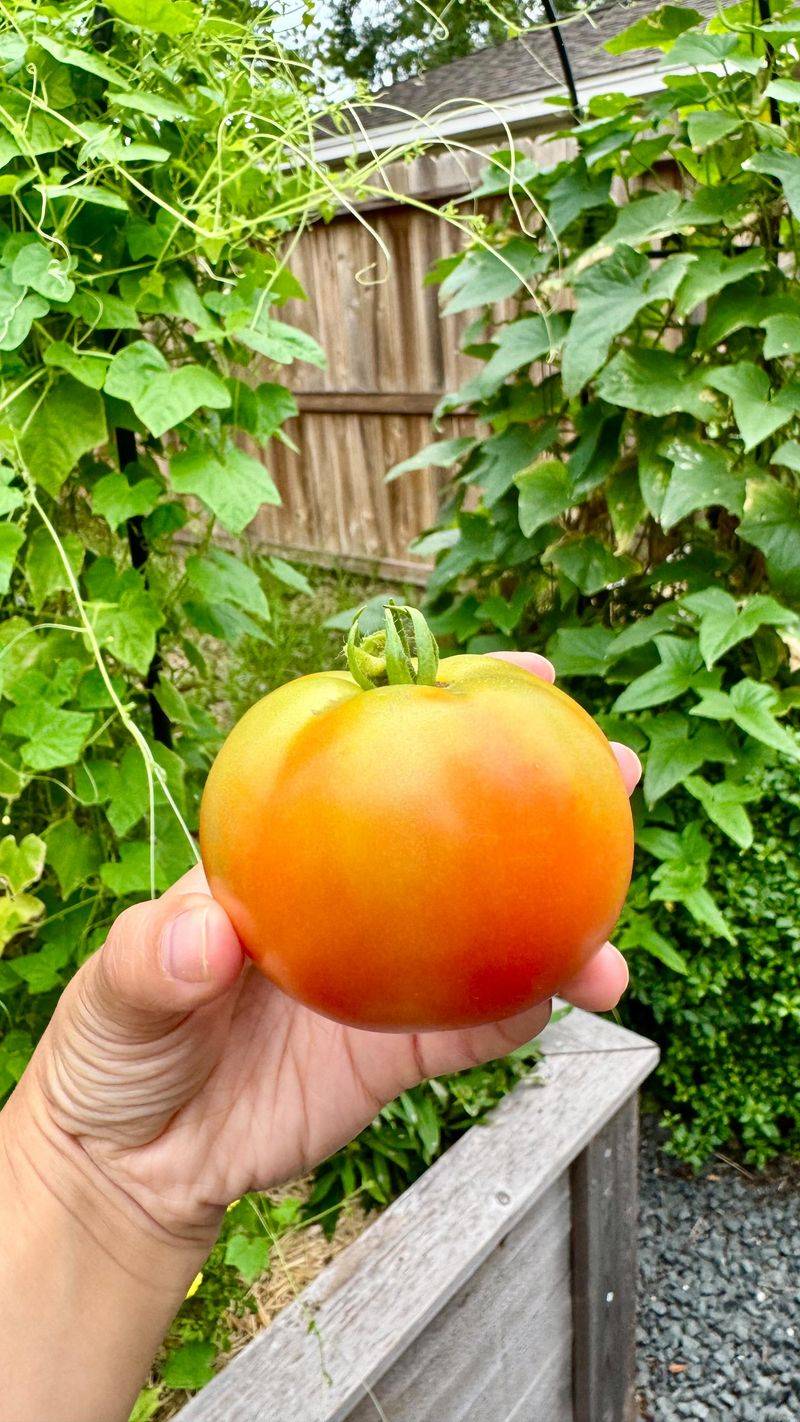
The sweet spot is the stage growers call breaker, when the blossom end shifts from solid green to a soft blush of pink or gold. Pick then, roughly one to three days ahead of a storm, and you keep nearly all the flavor.
Morning is the better time of day. Fruit is cooler and firmer, less likely to bruise in the basket, and you will not be sliding around in mud.
Walk the rows the day before as well, since fruit hidden under leaves is easy to miss until it is too late. Lift the lower branches and check the shady interior where the biggest ones like to hide.
Twist gently upward rather than yanking, or snip the stem with clippers so the vine stays intact. Leaving a short piece of stem attached helps the fruit last longer on the counter.
If rain is only a light quarter inch shower, you can usually leave everything alone. Storms in the one inch and up range are the ones worth acting on, especially after a week without watering.
Radar apps make this easier than it used to be. A quick look after dinner tells you if tomorrow calls for a bucket or a lawn chair, and either answer is fine, because the vine keeps setting new fruit.
Common Missteps That Waste A Good Head Start
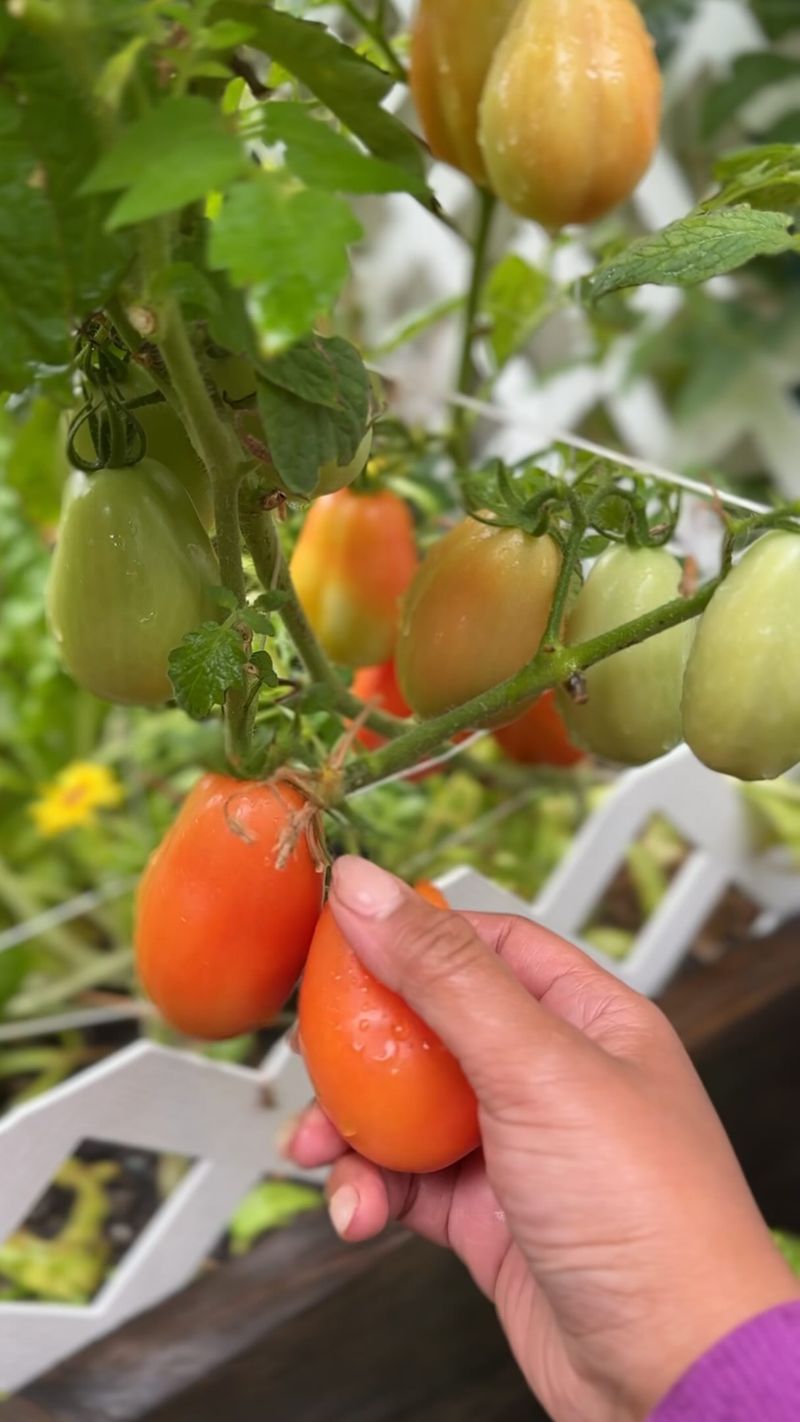
Plenty of gardeners get the timing right and then trip over the small stuff. The most common slip is picking too soon, grabbing hard green fruit that has not reached full size or started to blush.
Fruit at that stage will color up eventually, but the flavor stays flat and a bit mealy. Waiting for that first hint of pink at the bottom makes a real difference.
Another frequent mistake is stacking the harvest three deep in a bucket. Weight bruises the bottom layer, and bruises turn into soft spots within a day or two.
Washing everything right away causes trouble as well. Moisture sitting in the stem scar encourages mold, so wipe fruit with a dry cloth and rinse it only when you are ready to slice.
The refrigerator is a tempting shortcut and a flavor thief. Cold below roughly fifty five degrees stalls the ripening process and dulls the taste, leaving you with something pale and cottony.
Some folks also strip an entire plant in a panic, including tiny fruit that had weeks of growing left. One storm is not the finish of a July season, and the vine will set more once the heat breaks.
Skip the sunny windowsill myth too, since direct sun heats fruit unevenly and can scald the skin. A shaded counter at room temperature handles the job better, and most of these corrections cost nothing but a minute of attention.
Finishing Slightly Green Tomatoes Indoors With Steady Warmth
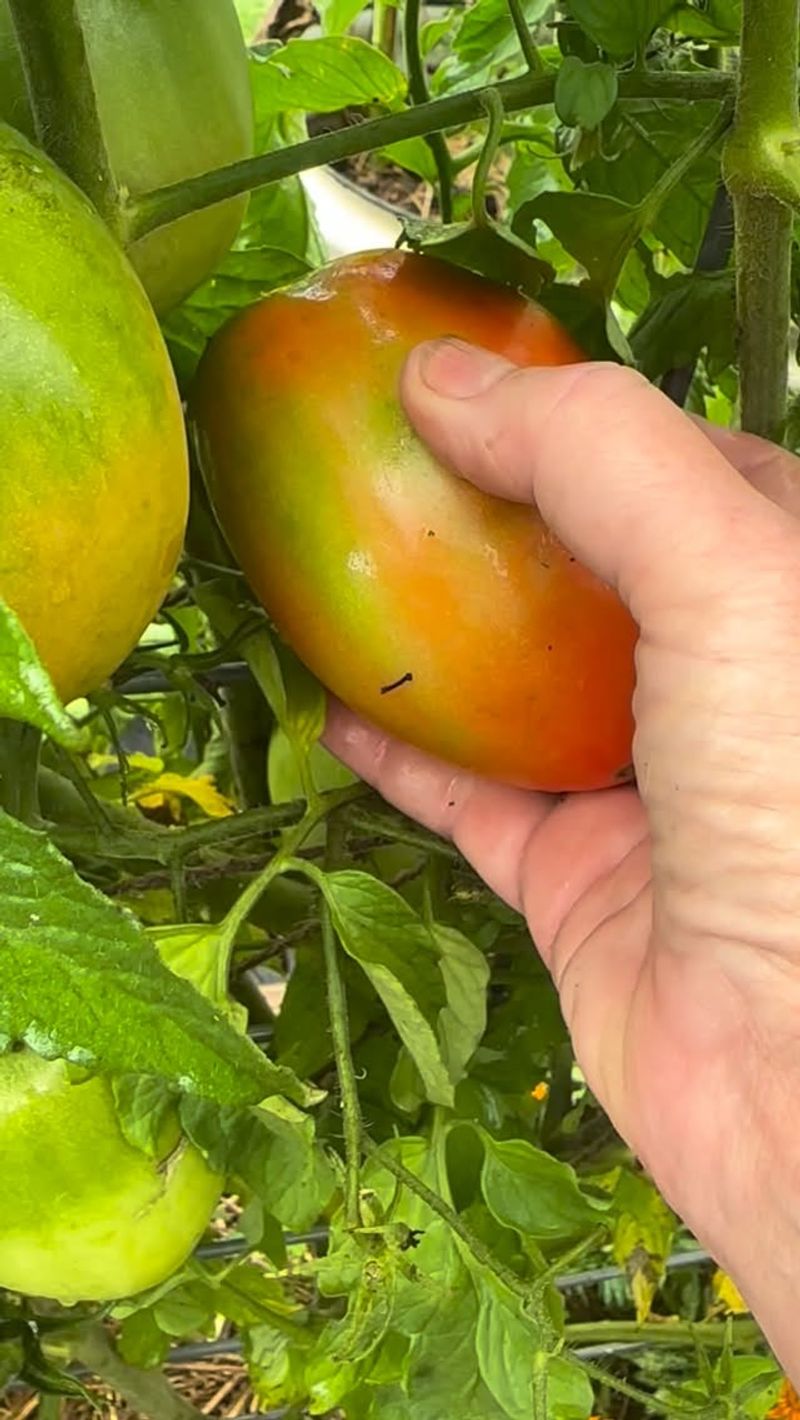
The kitchen counter does more work than most people expect. A tomato picked at the blush stage carries everything it needs to finish ripening, because the sugars and acids inside are already set.
Ethylene, a natural gas the fruit produces on its own, drives the color change from green to red. Warmth simply moves the process along.
Set the fruit stem side up in a single layer on a tray or in a shallow box lined with newspaper. Somewhere around sixty five to seventy five degrees works well, out of direct sunlight.
Give each one a little breathing room so air can move between them. Check daily and pull anything with a soft spot before it affects its neighbors.
To hurry things up, tuck a few tomatoes into a paper bag with a ripe banana or apple. Both release extra ethylene and can shave two or three days off the wait.
To slow things down, spread the fruit in a cooler spot such as a basement stairwell near sixty degrees. Staggering batches this way keeps you from facing thirty ripe tomatoes on the same Tuesday.
Most breaker stage fruit finishes in three to seven days depending on temperature. The color deepens, the shoulders soften slightly, and the smell turns sweet right near the stem.
Anything that stays stubbornly green after a couple of weeks still has a job waiting. Fried green slices, relish, and green tomato pie are all common uses for unripe fruit, so nothing from the storm run goes to waste.
The Payoff In Flavor, Yield, And Kitchen Confidence
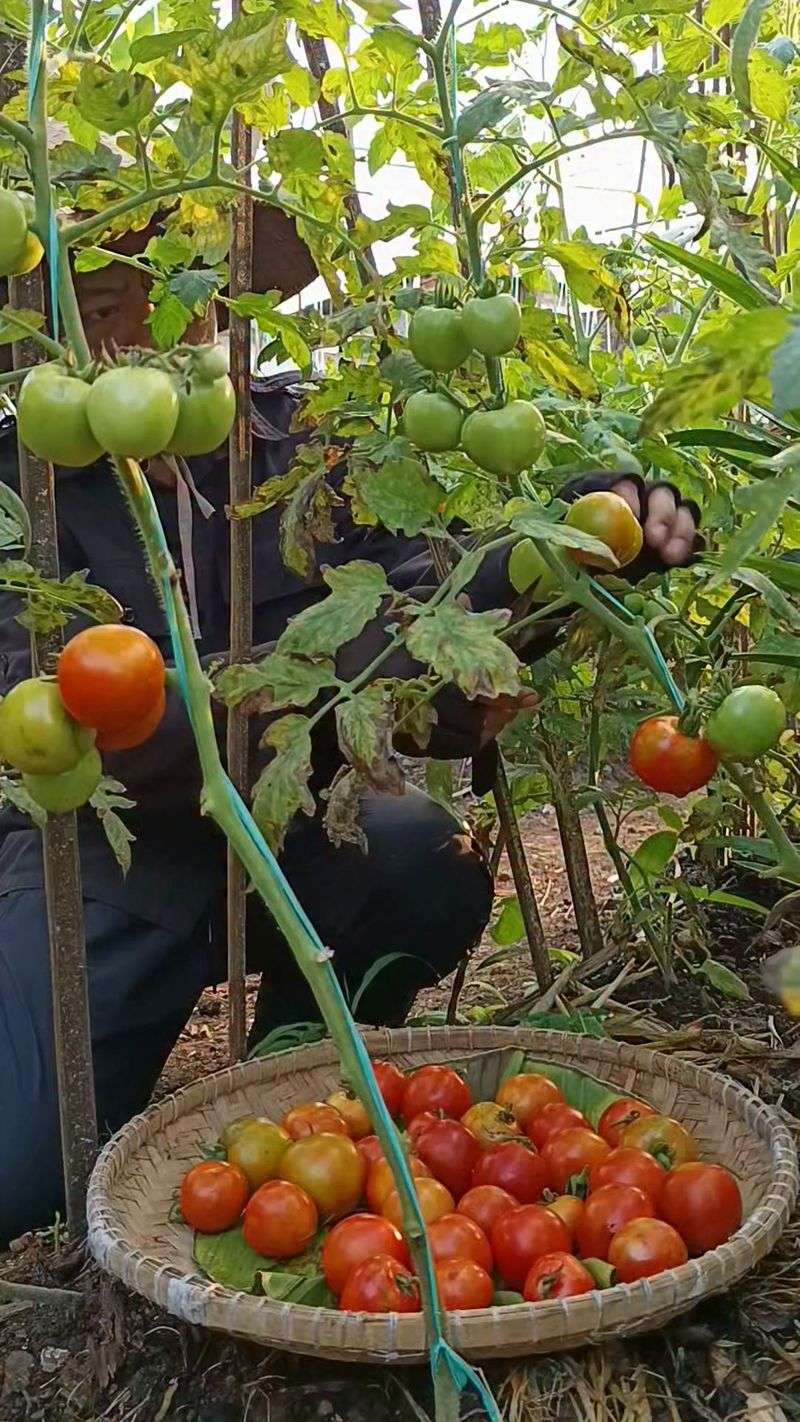
Ask about results and you will hear numbers. Gardeners who harvest ahead of a big storm often save the bulk of a crop that might otherwise crack wide open.
Casual taste tests back up the practice as well. Fruit ripened off the vine from the blush stage tastes remarkably close to vine ripened fruit, and most people at the table cannot tell them apart.
There is a bonus out in the garden too. Removing near ripe fruit nudges the plant to push energy into new blossoms, which can stretch production later into September.
Fewer split tomatoes also means fewer sap beetles, fruit flies, and mold spores hanging around the beds. Cleaner fruit and cleaner soil surfaces cut down on trouble for the rest of the season.
Canners appreciate the control most of all. Instead of racing a wet, cracked pile to the stove, you get a tray that ripens in waves and fits your weekend schedule.
Kids in the house tend to enjoy the tray on the counter, checking every morning to see which one turned overnight. It is a small science lesson that ends in a sandwich.
Over a few seasons the routine becomes automatic, part of how Ohio gardeners read a sky. Storm in the forecast, bucket by the back door, dinner still on the table that night.
That quiet confidence is the real reward. You stop dreading the rain and start seeing it as free watering for whatever is still growing.