Before Your Michigan Pond Freezes Solid, Do This to Protect It
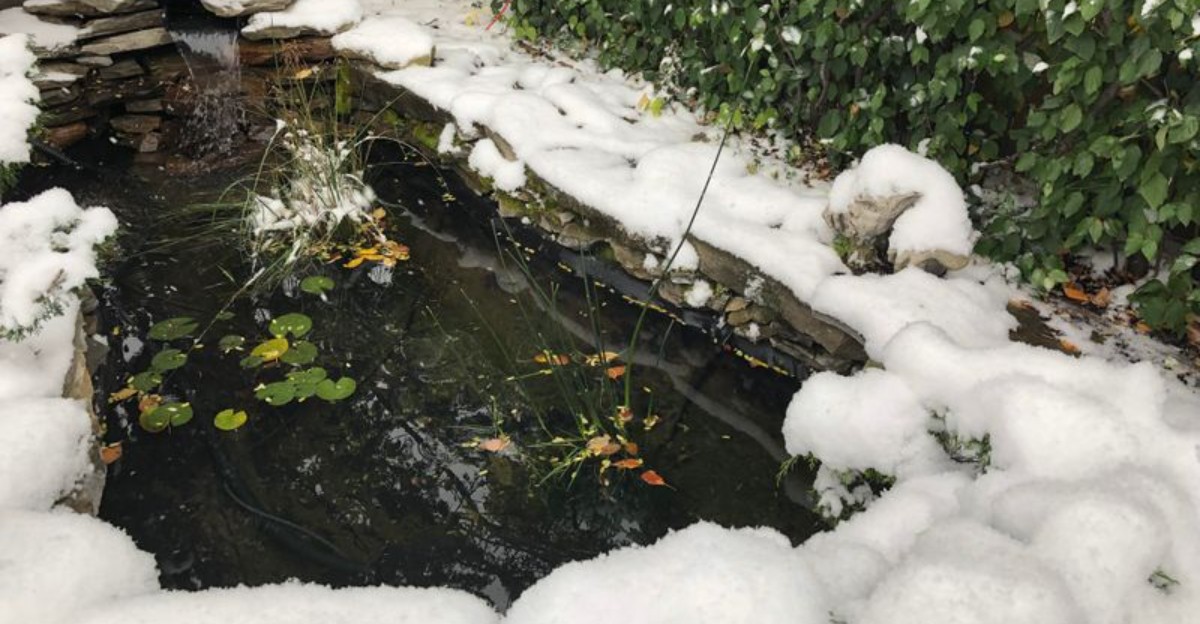
A goldfish can spend an entire winter under the ice with a heartbeat so slow it barely seems to be living at all. Its body cools down to match the water, and it simply waits for spring.
That quiet survival trick only works if the water below stays healthy. The ice itself is rarely the real problem for fish. The trouble is what gets trapped underneath it.
One thing I love about backyard ponds is how much they teach you about patience. In Michigan, that lesson arrives fast, with the first skim of ice showing up some November mornings before you have finished your coffee.
I know how frustrating it can be to lose fish over the winter and never know why. The answer often traces back to a few simple chores done in fall.
1. A Sealed Sheet of Pond Ice Traps More Than Cold
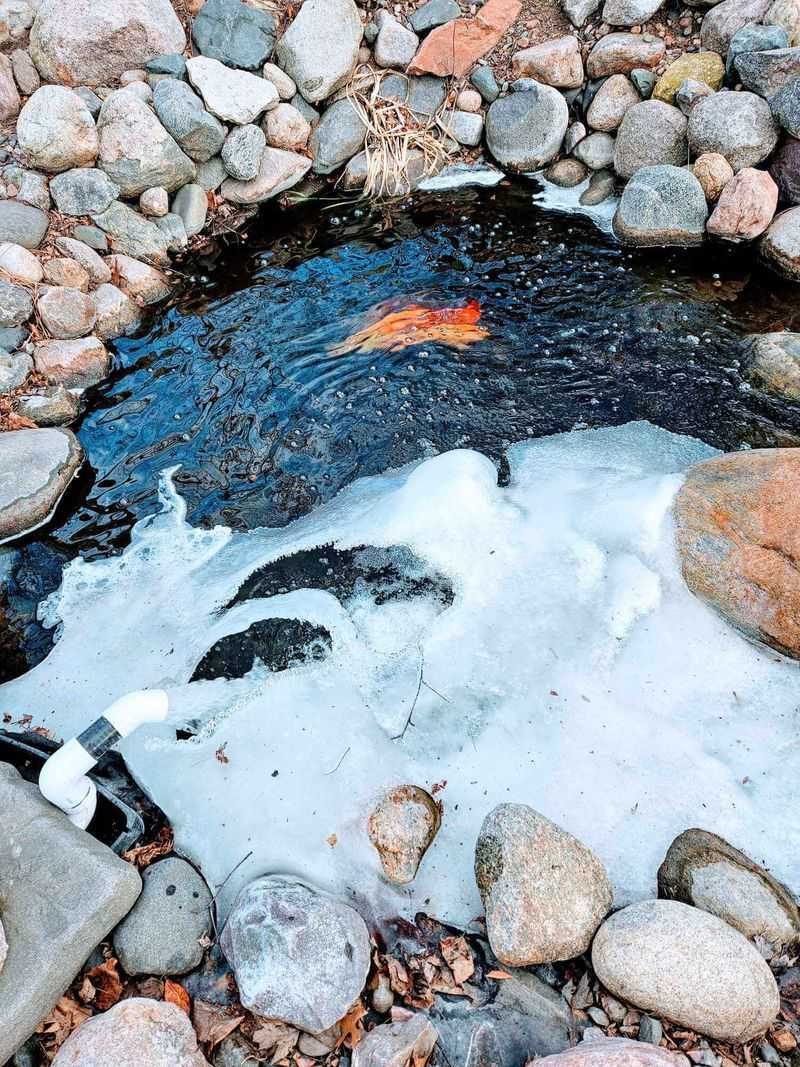
Fish handle cold water surprisingly well. What they struggle with is stale water that cannot breathe. That is the hidden issue behind most winter fish losses in backyard ponds.
Leaves, uneaten food, and old plant bits keep breaking down on the pond floor all winter. As they rot, they use up oxygen and release gases like carbon dioxide and, in some cases, hydrogen sulfide. Fish waste also adds ammonia to the mix.
In open water, these gases escape into the air. A solid lid of ice blocks that exchange. Snow on top makes things worse by blocking sunlight, which slows the oxygen that underwater plants and algae make.
Michigan State University Extension notes that winter fish loss in ponds usually comes from low oxygen, not from freezing. Shallow ponds packed with organic muck are the most at risk.
So the goal for winter is simple. Keep the bottom as clean as you can, and keep a small opening at the surface so the pond can breathe. Every step that follows supports one of those two jobs.
Once you see the problem this way, winter prep feels far less mysterious and much more doable.
2. A Small Hole in the Ice Lets Your Fish Pond Breathe
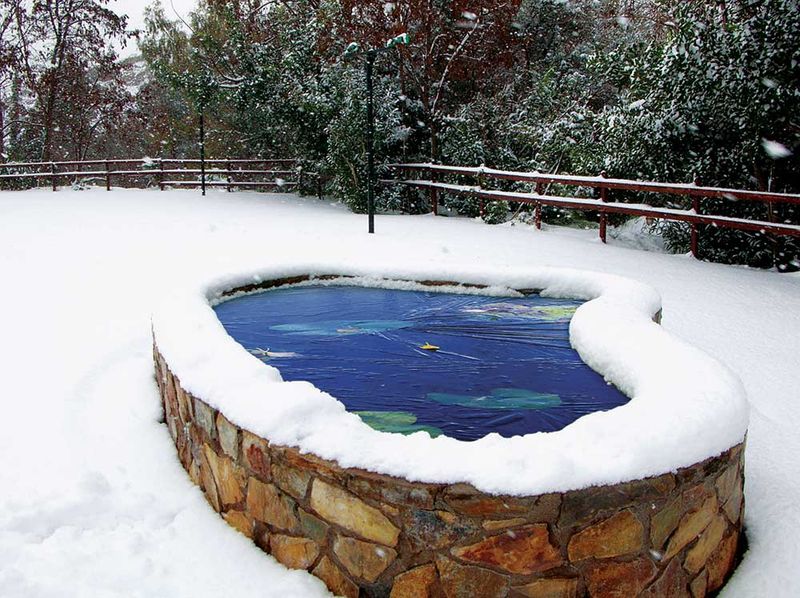
My favorite winter sight is a little circle of open water steaming on a frozen pond. That tiny gap is doing more work than it looks.
A floating de-icer is the easiest tool for the job. It turns on when the water gets near freezing and keeps a small area open without heating the whole pond. Most pond suppliers suggest a thermostatically controlled model to save on power.
A small air pump with a diffuser stone works well too. The rising bubbles keep a spot open and add oxygen. Place the stone in shallow water, about 12 to 18 inches down, instead of the deepest point.
That placement matters. The bottom layer stays near 39 degrees, the warmest water in a frozen pond, and fish rest there. Bubbling from the very bottom can mix in colder water and chill them.
Plug any equipment into a GFCI outlet for safety. Never smash the ice with a hammer or shovel, since the shock waves stress fish. If you need a quick opening, set a pot of hot water on the ice and let it melt through.
3. Scoop Those Fallen Leaves Before They Sink
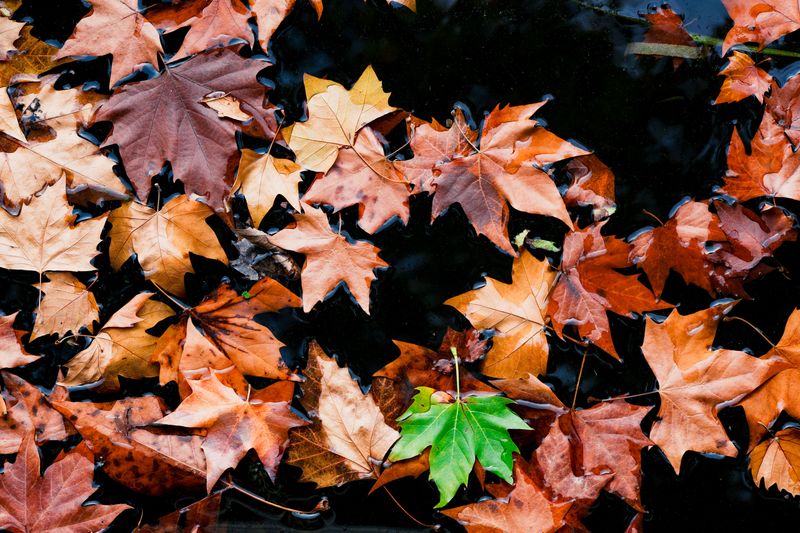
Every maple leaf that drifts into your pond is a tiny snack for bacteria. Those bacteria will feast all winter and use up oxygen your fish need.
That is why fall cleanup ranks so high on the list. A long-handled skimmer net grabs floating leaves before they soak up water and drop. Try to skim every day or two during peak leaf drop, which runs from late September into early November across much of the state.
Leaves that already sank are a bit harder. A pond vacuum or a fine net can pull up the soggy layer on the bottom. You do not need a spotless pond, though. A thin layer of muck is normal and helps beneficial bacteria.
Here is a time saver I wish I had learned sooner. Stretch pond netting over the water before the trees let go. Stake it down and let leaves pile up on top, then lift and dump them.
Remove the net once the leaves are done so snow does not weigh it down. A cleaner bottom now means clearer water and healthier fish when spring rolls around.
4. Koi and Goldfish Should Stop Eating as the Water Cools
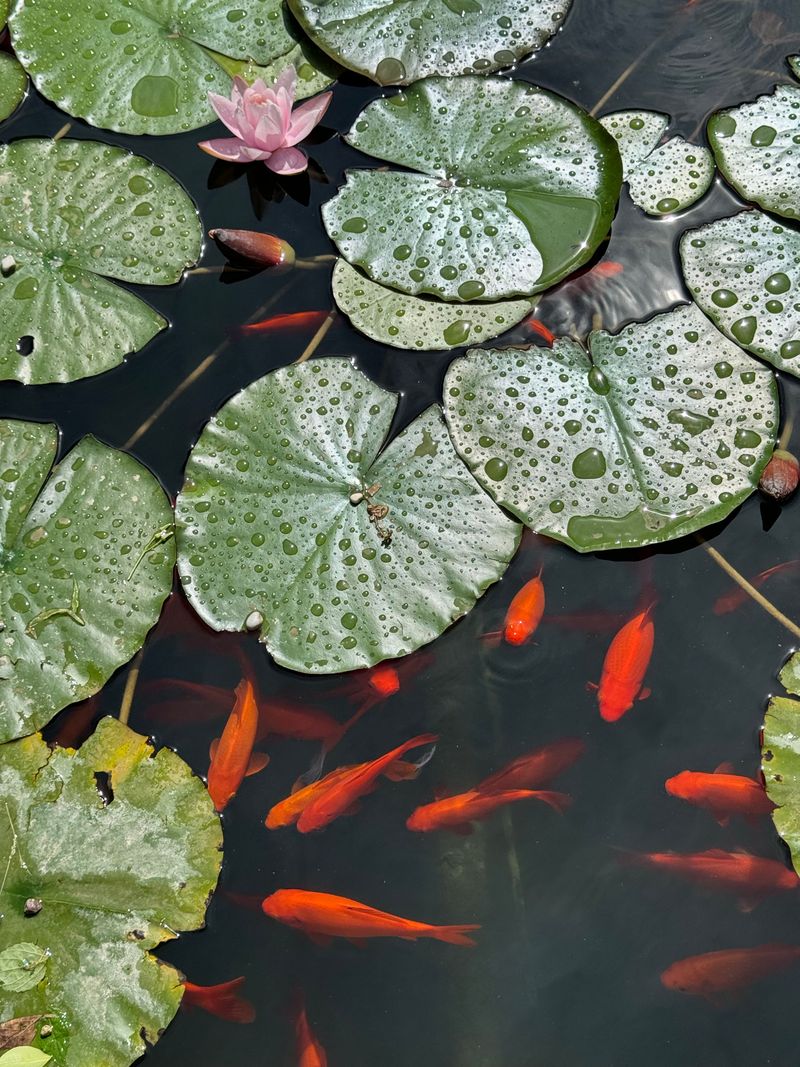
Feeding your fish feels like kindness. Once the water turns cold, though, that handful of pellets can do more harm than good.
Koi and goldfish are cold-blooded, so their body speed follows the water temperature. As it drops, digestion slows way down. Food can sit in their gut too long, and leftovers sink and rot.
Many pond keepers follow a simple temperature guide. Below about 60 degrees, switch to an easy-to-digest wheat germ food and feed less. Below 50 degrees, stop feeding for the season.
A cheap floating pond thermometer takes the guesswork out of this step. Check the water, not the air, since ponds lag behind the weather by days.
Worried they will go hungry? Healthy fish build up fat reserves during summer and fall. They live off that stored energy until the water warms again in spring.
Depth helps too. Fish need at least 18 to 24 inches of water to ride out a northern winter, and deeper is better in colder parts of the state. If your pond is shallower, consider moving fish to an indoor tank for the season.
5. Trim Back Water Lilies and Sink Them Deeper
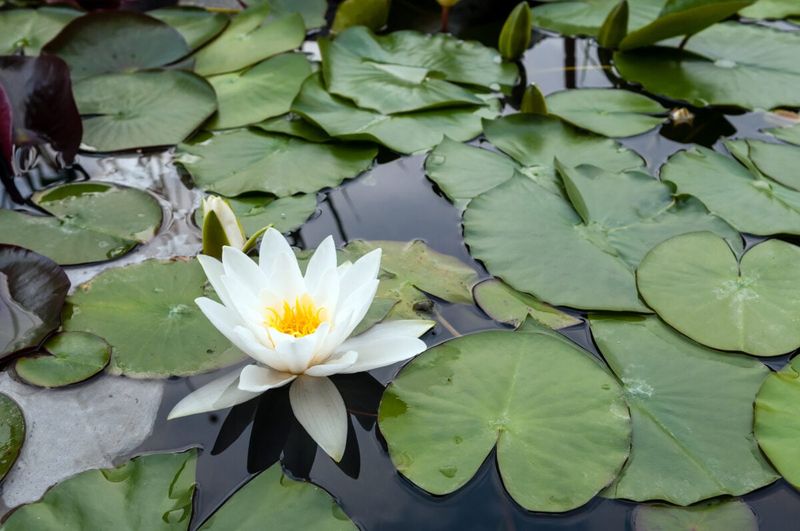
Hardy water lilies are tougher than they look. With a little help, they can sleep through a frozen winter right in your pond.
Wait until frost browns the leaves. Then cut back the yellow foliage and stems close to the pot. Leaving that soft plant material in the water just feeds the rotting process you are trying to avoid.
Next, lower the pots to the deepest part of the pond, ideally below where ice forms. Most sources suggest at least 18 inches down. The roots stay safe there even when the surface turns solid.
Marginal plants like cattails, pickerelweed, and native rushes can stay in place. Cut them back above the water line, since hollow stems standing up can help release some gases.
Tropical plants need a different plan. Tropical lilies and other warm-weather plants cannot handle freezing, so bring them inside or treat them as annuals.
Water hyacinth and water lettuce deserve a special note. Bag them and put them in the trash rather than tossing them in a ditch or stream. They can cause problems in natural waters, and Michigan restricts several aquatic plants.
6. Pond Pumps and Waterfalls Need a Winter Plan
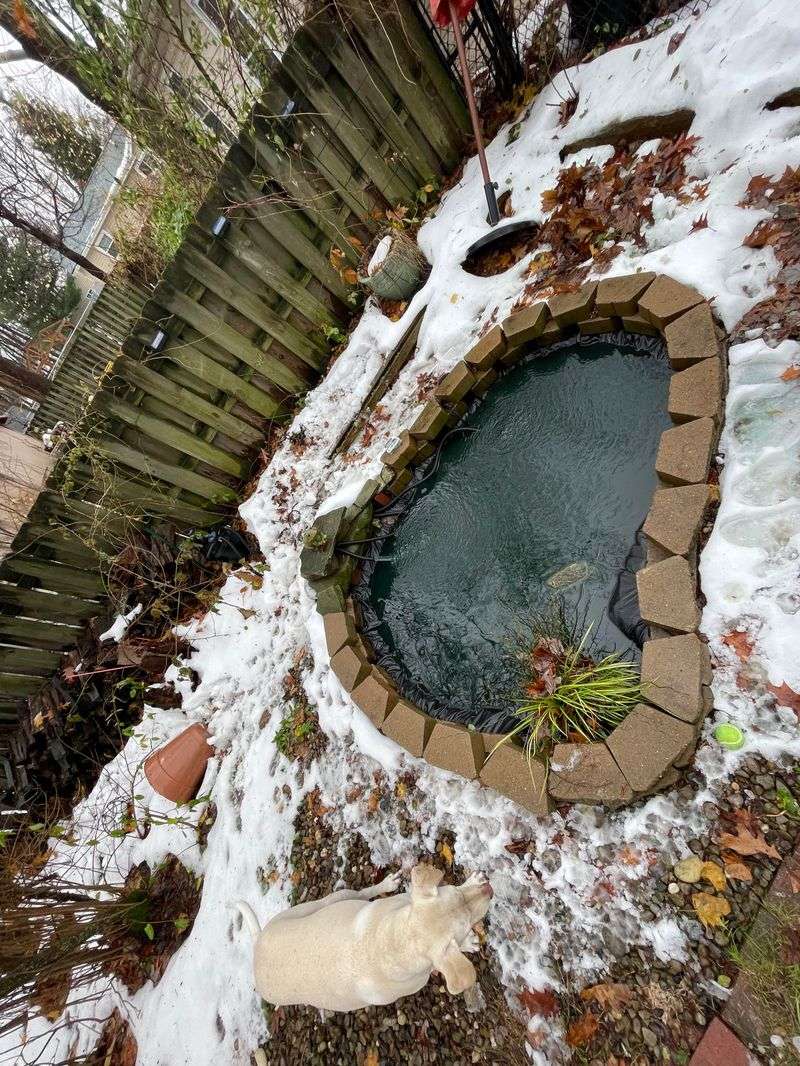
Ice is sneaky inside a pump. Water that freezes in a small housing expands and can crack plastic parts you will be paying to replace in April.
Many owners in colder areas shut their pumps down once the water stays under about 45 to 50 degrees.
Pull the pump, rinse off gunk, and clean the intake screen and impeller. Some manufacturers recommend storing it in a bucket of water indoors so the seals stay moist, so check your manual.
Drain filters, hoses, and UV clarifiers too. Store UV bulbs and electrical parts somewhere dry and above freezing.
Waterfalls and streams are a tricky case. Running water over a cold rock face can chill the pond more than you would expect. It can also build ice dams that send water out over the edge of your liner.
If you do keep a pump running for circulation, raise it off the bottom and aim it near the surface. That keeps the warm bottom layer calm for the fish.
Either way, check on things after big storms. A quick look in January can save you a soggy, costly surprise.
7. Snow Piled on Pond Ice Can Dim the Water Below
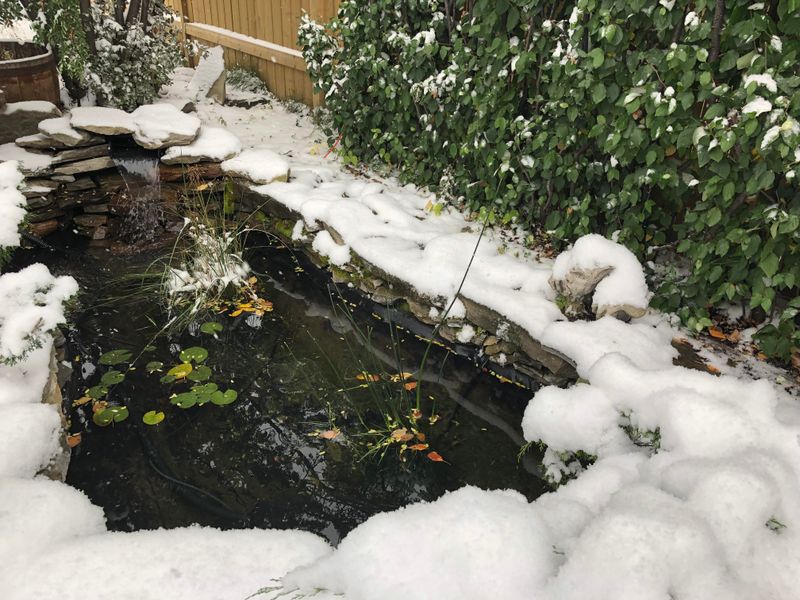
Lake effect snow can bury a backyard pond overnight. That pretty white blanket has a downside most people do not notice.
Clear ice lets sunlight through. Underwater plants and algae use that light to make a little oxygen, even in midwinter. Thick snow cover blocks it, and oxygen can drop faster under a dark lid.
For small ponds, gently brushing snow off part of the surface can help. Use a soft broom and only work from the shore. Do not walk on pond ice, since backyard ice is often thinner than it looks, especially near a de-icer or bubbler.
Some gardeners try a breathable cover, like a light frame or insulating panels over part of the pond. These can hold back snow and shelter the surface from biting wind. Leave a gap so gas can still escape, and keep your de-icer or air pump running.
Watch for warning signs as winter goes on. Fish hanging right at the opening, gasping, may mean low oxygen. A partial water change is hard in winter, so adding more aeration is usually the quickest fix.
8. One Last Walk Around Your Garden Pond Before the Deep Freeze
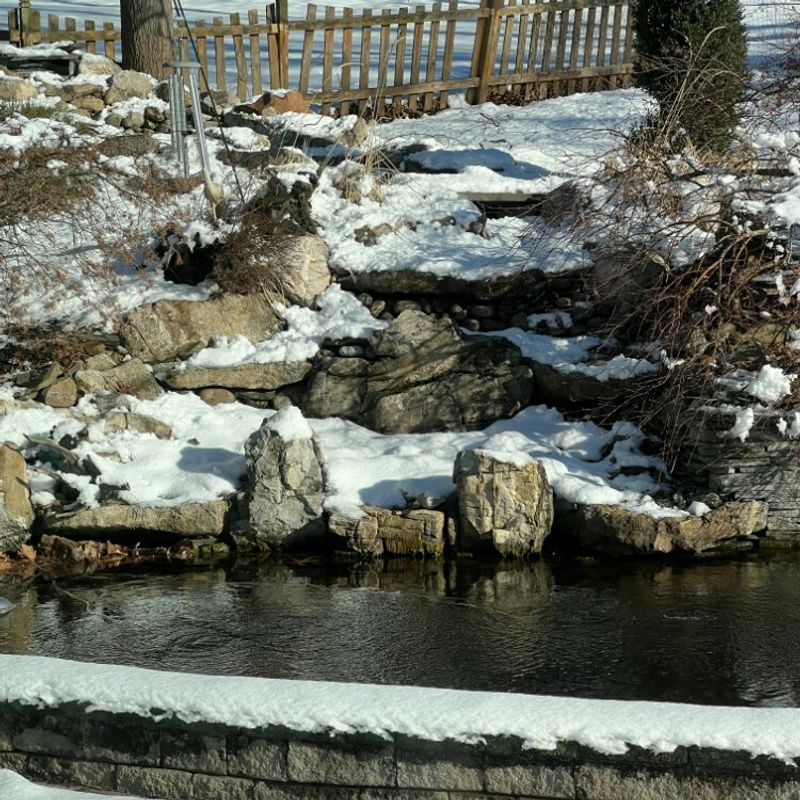
Something about that final fall walk around the pond feels like tucking in a sleeping house. A few minutes now can spare you a lot of spring cleanup.
Start with a quick checklist. Is the de-icer or air pump plugged into a working GFCI outlet? Are cords safely routed where snow shovels and curious dogs will not snag them?
Skim any last leaves floating on top. Check that lily pots are sitting deep and that tropical plants have come inside. Confirm feeding has stopped and the fish thermometer is still easy to read.
Take a look at the liner edges too. Dropping water levels in fall can expose liner to sun and ice, so top off with dechlorinated water if needed.
Timing varies across the state. The Upper Peninsula often freezes weeks before the southern Lower Peninsula, so watch your own forecast rather than a calendar.
Finally, jot down a few notes about what worked this year. Memory fades by spring, but a simple list helps you do even better next fall. Your pond will reward that care with clear water and lively fish when the ice finally melts.