These Houseplants Don’t Mind a Chilly Michigan Sunroom or Mudroom All Winter
Some of the prettiest winter bloomers sold at garden centers refuse to set flower buds unless their nights turn cool. That means the drafty room you apologize for every winter might be the best spot in your house.
A typical Michigan sunroom or mudroom often hovers somewhere in the forties and fifties once January settles in. Most tropical houseplants sulk in that chill, but a handful of tough characters actually prefer it that way.
I love walking past frosty boots and wet mittens to find fresh green leaves and bright blooms waiting. You may be surprised how little fuss these cool-room plants need once you stop babying them with heat.
Every northern gardener deserves something alive to admire while the vegetable beds sleep under a foot of snow. So which plants will happily share that chilly space with your snow shovel and boots this winter?
1. Cast Iron Plant
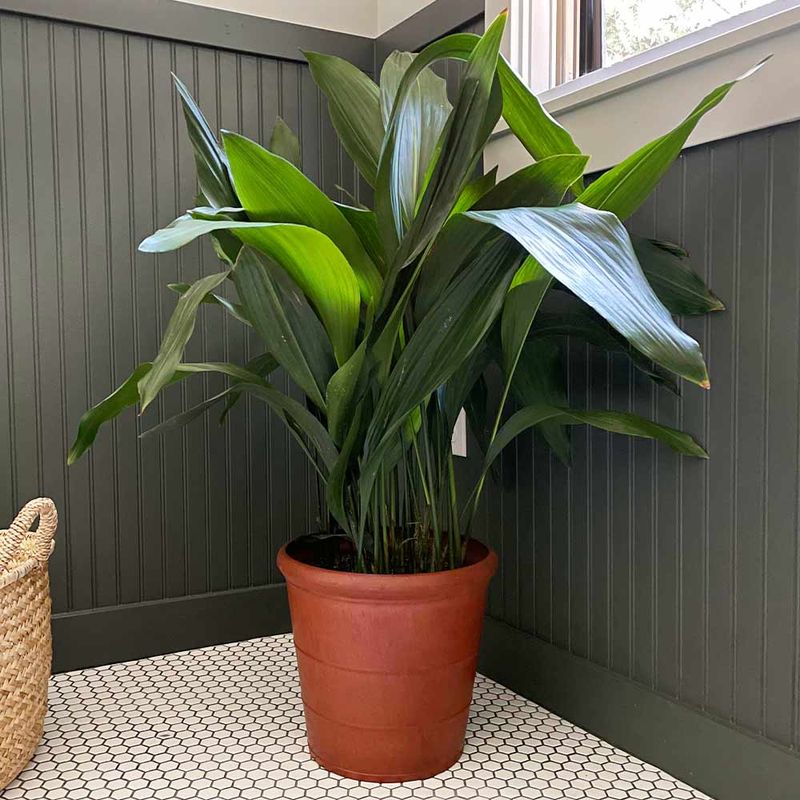
Victorian parlors were dim and drafty, yet this leafy survivor earned its tough nickname by thriving there anyway. I think of Aspidistra elatior as the plant that shrugs at nearly everything a cold mudroom throws at it.
Its dark, strappy leaves can reach two feet long and rise straight from the soil on short stems. Growth is slow, so a nice-sized pot from the store will look tidy in your entryway for years.
Cool rooms suit it beautifully, and many growers report it handles temperatures dipping into the low forties. Just keep the pot off frozen floors and away from a door that blasts icy air all day.
Low light is no problem, which makes it a smart pick for the shady corner beside your coat hooks. Direct sun through sunroom glass can bleach or scorch the foliage, so keep it a few feet back.
Watering is where people get into trouble, because cold soil stays soggy far longer than warm soil does. Let the top couple of inches dry out before you water, and skip feeding until spring arrives.
Dust settles on those broad leaves surprisingly fast, especially near a busy door where everyone tracks in grit. A damp cloth once a month keeps them glossy and helps the plant soak up whatever light it gets.
Pet owners can relax, since the ASPCA lists the cast iron plant as nontoxic to both cats and dogs. In my house, it guards the back door like a patient green doorman who rarely asks for anything.
2. Cyclamen
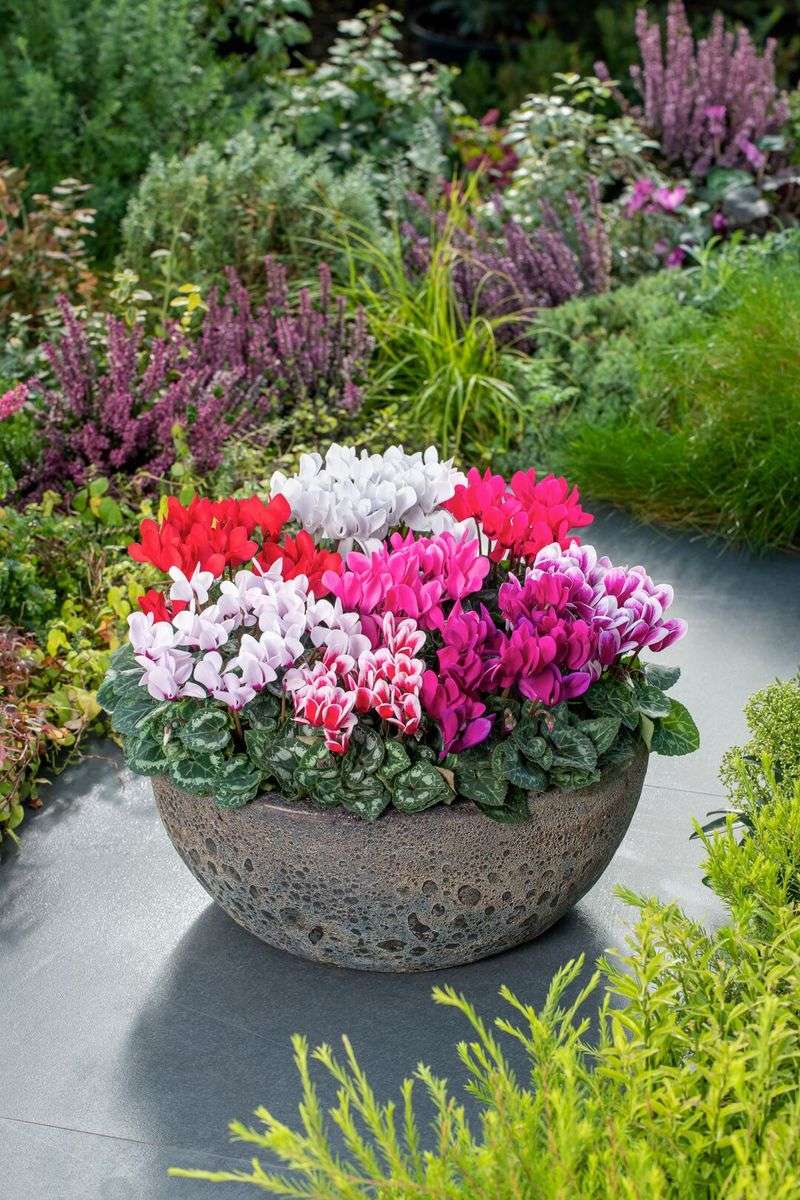
Warm living rooms make florist cyclamen flop like a sulky teenager, but a chilly sunroom brings out its best. Those swept-back petals look like tiny butterflies hovering above silver-marbled leaves shaped like little green hearts.
Cyclamen persicum grows wild on rocky Mediterranean hillsides, where winters are cool and moist and summers bake. That history explains why it blooms through winter and then rests once warm weather returns each year.
Extension experts suggest daytime temperatures around 60 to 65 degrees with nights closer to 50 degrees. Kept that cool, the flowers can keep coming for weeks, sometimes stretching into early spring with steady care.
Give it bright, indirect light, like a sunroom shelf that catches a glow without harsh afternoon rays. Freezing glass is another matter, so slide the pot back on nights when the forecast drops below zero.
I water mine from the bottom by setting the pot in a saucer for about twenty minutes. Splashing water into the center crown can cause rot, so this simple trick keeps the tuber safe.
Spent blooms should come off with a gentle twist and tug right down at the base of the stem. Yellowing leaves late in the season usually mean the plant is heading into its normal summer rest.
Keep this one out of reach of curious pets, because the ASPCA lists cyclamen as toxic, especially the tuber. A high plant stand in a cool sunroom solves that problem and shows off the flowers nicely.
3. Christmas Cactus
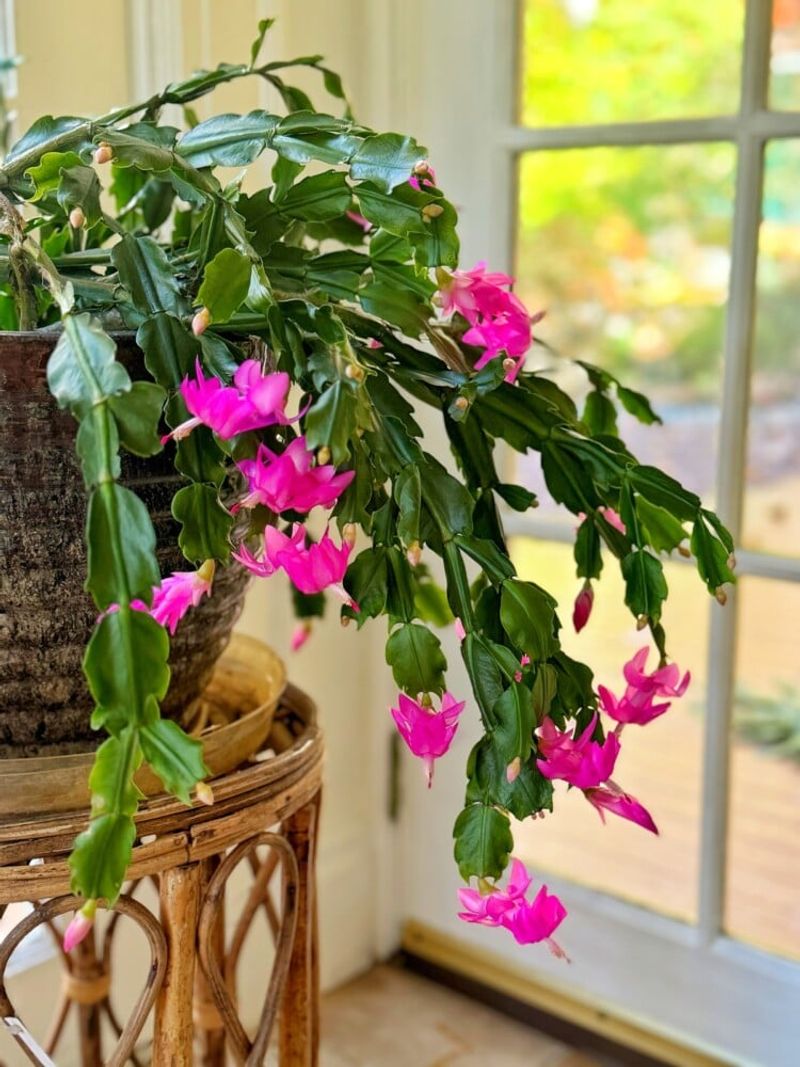
Grandma’s Christmas cactus probably bloomed so well because her back porch stayed cold and her lamps stayed off. Schlumbergera sets buds in response to cool nights and long darkness, which a chilly sunroom supplies for free.
Despite the name, it is no desert plant at all, since it grows on trees in Brazilian coastal forests. That jungle background explains why it likes more water and less blazing sun than a typical cactus.
Night temperatures around 50 to 55 degrees encourage buds, according to several university extension services across the country. Many plants will set buds at those temperatures even without special darkness treatments, which makes life easy.
Once buds appear, try not to move the pot around, because sudden changes can make them drop. Drafts from an opening door and hot air from a nearby vent cause the same frustrating problem.
Bright, indirect light works best, so a sunroom spot behind a sheer curtain is close to ideal. Water when the top inch of soil feels dry, then let extra water drain away from the pot.
After flowering finishes, I give mine a short rest with a bit less water for about a month. Spring is the time to repot or pinch back stems, and those cuttings root easily in moist soil.
Families with pets can breathe easier, because the ASPCA lists Christmas cactus as nontoxic to cats and dogs. Plenty of these plants get passed down for decades, so yours could become a treasured family heirloom someday.
4. Jade Plant
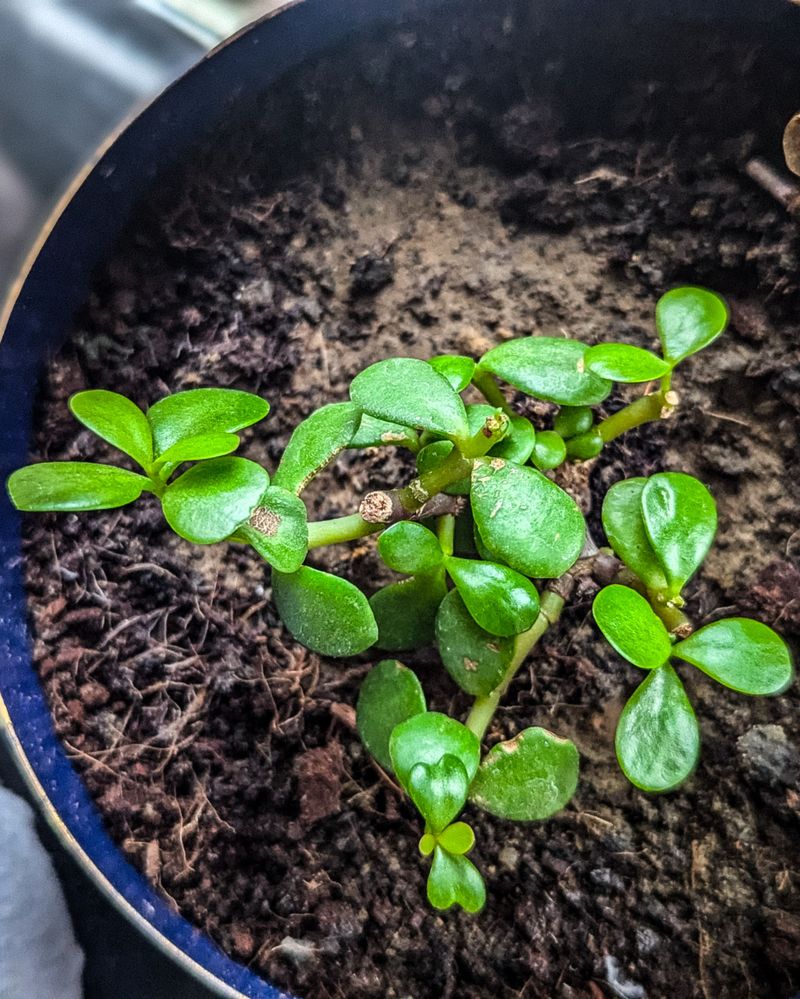
Chubby little jade leaves feel like smooth green coins, and a cool winter window can tint their edges red. I love that blush, which shows up when Crassula ovata gets bright light and a bit of chill.
Native to South Africa, this succulent grows into a thick-trunked shrub that looks like a miniature tree. Indoors it grows slowly, and a healthy plant can stick around long enough to outlast several kitchen remodels.
Cool nights in the fifties during fall and winter can even coax mature plants into producing starry flowers. Those small pink or white clusters are a sweet surprise that many jade owners rarely get to see.
Sunlight matters more than anything else, so put your jade in the brightest sunroom spot you can find. Weak winter light makes stems stretch and lean, and a south window helps keep the plant compact.
Frost is a real danger, though, so keep the temperature above about 40 degrees on the coldest nights. Leaves pressed against icy glass can turn mushy, which is a sign they got too cold.
Water sparingly in winter, letting the soil dry out fully between drinks, since soggy roots rot quickly. A heavy clay pot with a drainage hole helps balance a top-heavy plant and lets extra moisture escape.
Keep jade away from nibbling pets, because the ASPCA lists it as toxic to both cats and dogs. A sturdy shelf in a sunny mudroom window makes a fine home that curious paws cannot easily reach.
5. Clivia
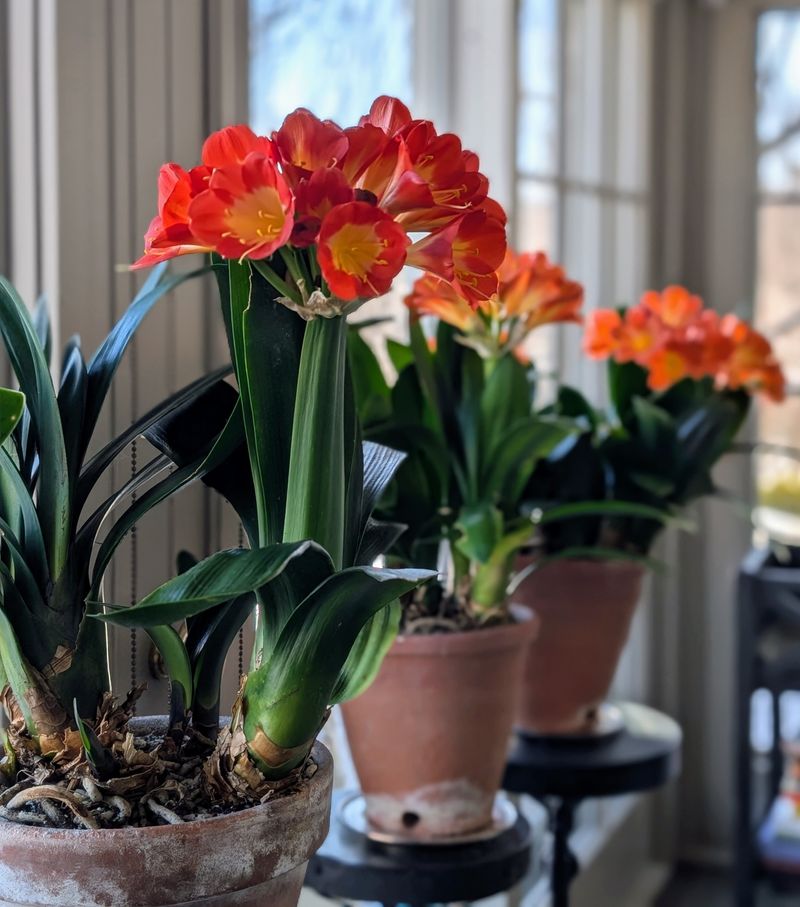
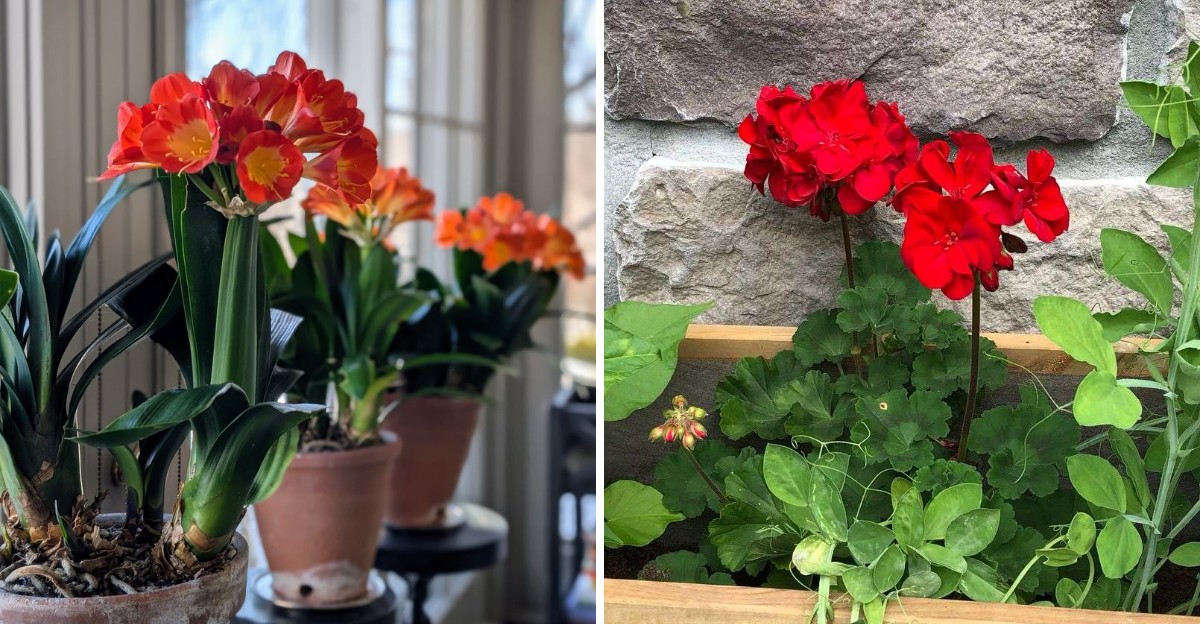
Clivia actually demands a chilly winter break before it rewards you with clusters of glowing orange trumpet flowers. Honestly, a cool sunroom might be the easiest place in the house to make this South African beauty bloom.
Clivia miniata grows wild in shady forests, which is why it handles lower light better than most bloomers. Its glossy, strap-shaped leaves stay handsome all year, so the plant looks good even without flowers.
Growers usually recommend a rest period of about eight to twelve weeks at roughly 40 to 55 degrees. During that time, water very little, just enough to keep the leaves from wrinkling or flopping over.
Once a flower stalk pokes up from the center, move the plant somewhere a little warmer and brighter. Resume normal watering at that point, and the stalk should stretch tall enough to lift the blooms nicely.
Bright, indirect light suits clivia best, since direct sun through glass can leave pale scorched patches. Freezing temperatures will harm the leaves, so keep it safely above the upper thirties at all times.
Clivias bloom best when their roots feel slightly crowded, so resist the urge to repot every single year. I wait until roots push hard against the pot, then move up only one size in spring.
Pets and small children should stay away from this plant, because the ASPCA lists clivia as toxic. Plants are often shared as divisions among friends, and a mature clump can keep blooming for many decades.
6. Rosemary
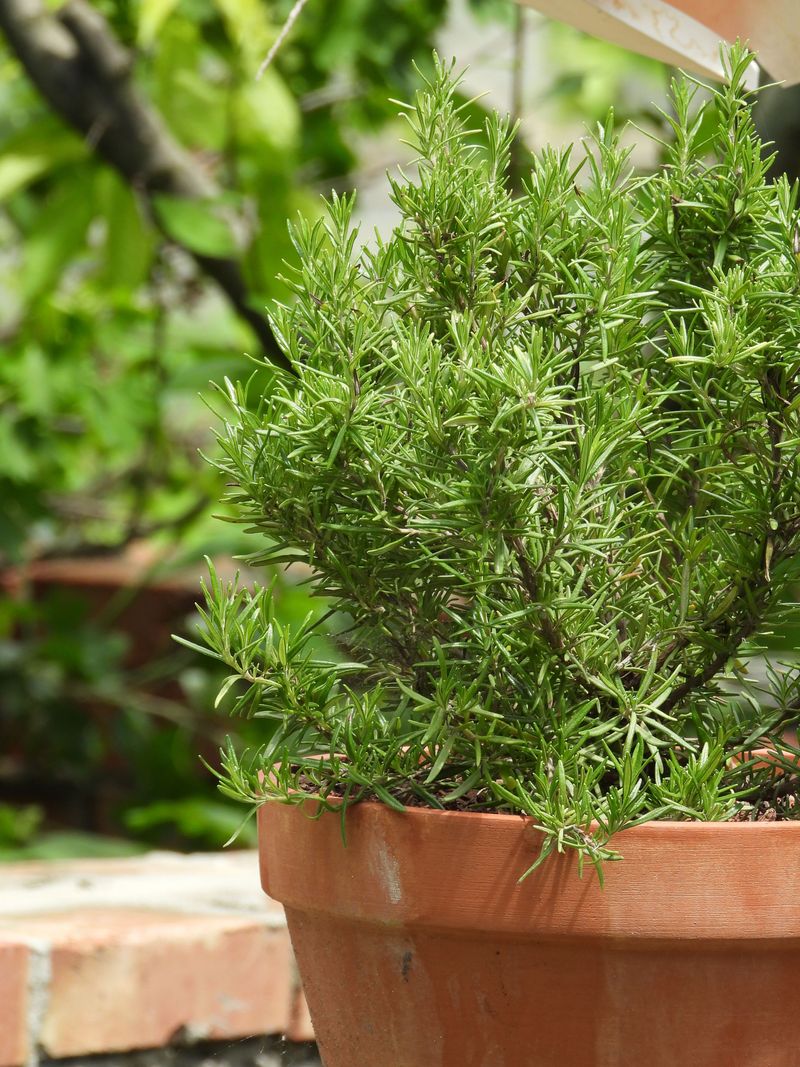
Brushing past a rosemary pot in a cold sunroom releases a piney scent that smells like summer cooking. Most Michigan winters are too harsh for rosemary outdoors, so bringing it inside before hard frost makes sense.
Rosemary now carries the scientific name Salvia rosmarinus, after botanists moved it into the sage genus a few years ago. Growing wild on sunny Mediterranean slopes, it prefers cool winters over the dry heat of a toasty living room.
A bright sunroom running in the forties and fifties suits it far better than a warm, stuffy kitchen. Give it the sunniest window you have, since rosemary wants as many hours of direct light as possible.
Watering takes a light touch, because this herb hates soggy roots but also sulks when it dries out fully. I check the soil every few days and water when the top inch feels dry to my finger.
Powdery mildew can show up indoors as a white dusting on the needles, especially when air sits still. A small fan on low or a slightly open sunroom door helps keep the air moving gently.
Snip sprigs for soups and roasted potatoes all winter, but avoid taking more than a third at once. Growth slows down in cool weather, so the plant needs time to replace what you harvest.
Once spring frost danger passes, harden the pot off slowly before moving it back outside for summer. Rosemary is generally considered safe around cats and dogs, which makes it a friendly mudroom neighbor too.
7. Zonal Geranium
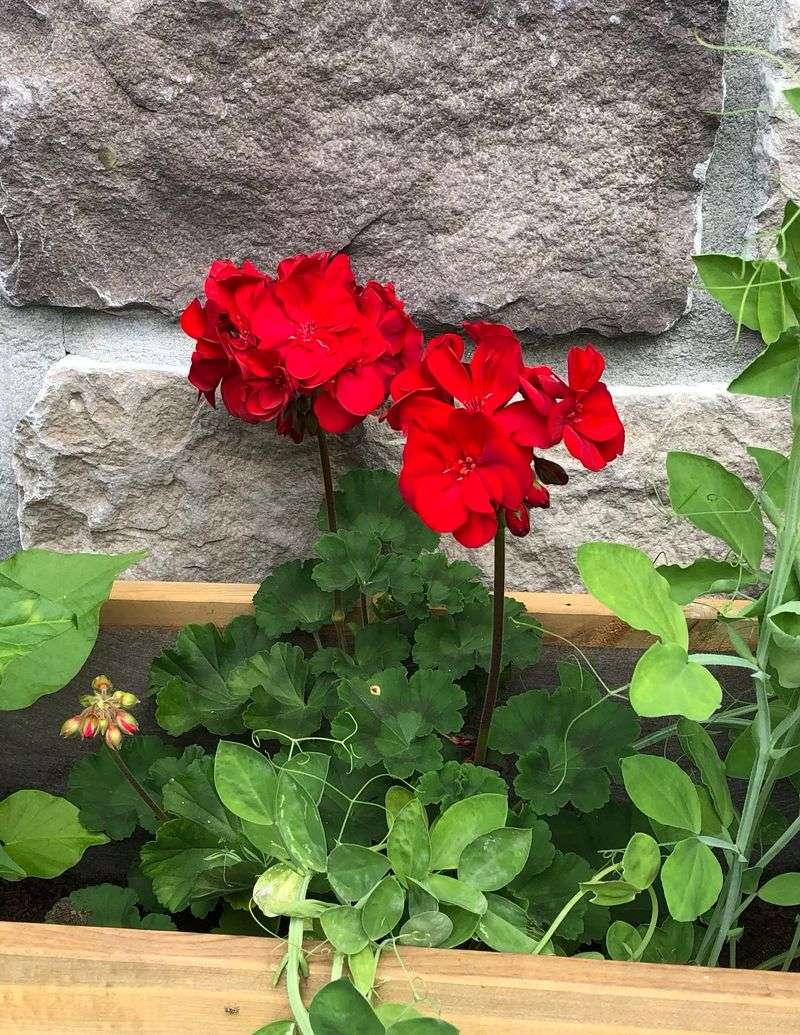
Those red geraniums from your summer porch boxes can keep flowering on a sunny sill straight through winter. I find that a splash of scarlet against snowy windows feels like a tiny pep talk every morning.
Zonal geraniums belong to the genus Pelargonium, and their ancestors come from southern Africa rather than Europe. The name comes from the darker horseshoe-shaped band, or zone, that marks many of their rounded leaves.
Cool rooms help them stay compact, with daytime temperatures near 60 degrees and nights in the low fifties. Warm, dim rooms do the opposite, producing long floppy stems with only a few weak blooms.
Next fall, bring plants indoors before the first frost and trim them back by about a third. Check the leaves carefully for whiteflies or aphids first, so you avoid inviting hitchhikers into your sunroom.
Full sun is the secret, so a south or west window gives the best chance of steady flowers. Let the soil dry somewhat between waterings, because geraniums prefer being a little thirsty over sitting wet.
Pinch off faded flower clusters regularly, and the plant will put its energy into making fresh buds instead. Stem cuttings taken in late winter root easily, giving you free plants for the window boxes come May.
Keep the pot away from pets, though, since the ASPCA lists geraniums as toxic to cats and dogs. Few things beat seeing a cheerful red bloom while a Michigan snowstorm piles drifts outside the door.