Growing Crape Myrtles in New York Is a Gamble. Here’s How Long Island Gardeners Win It
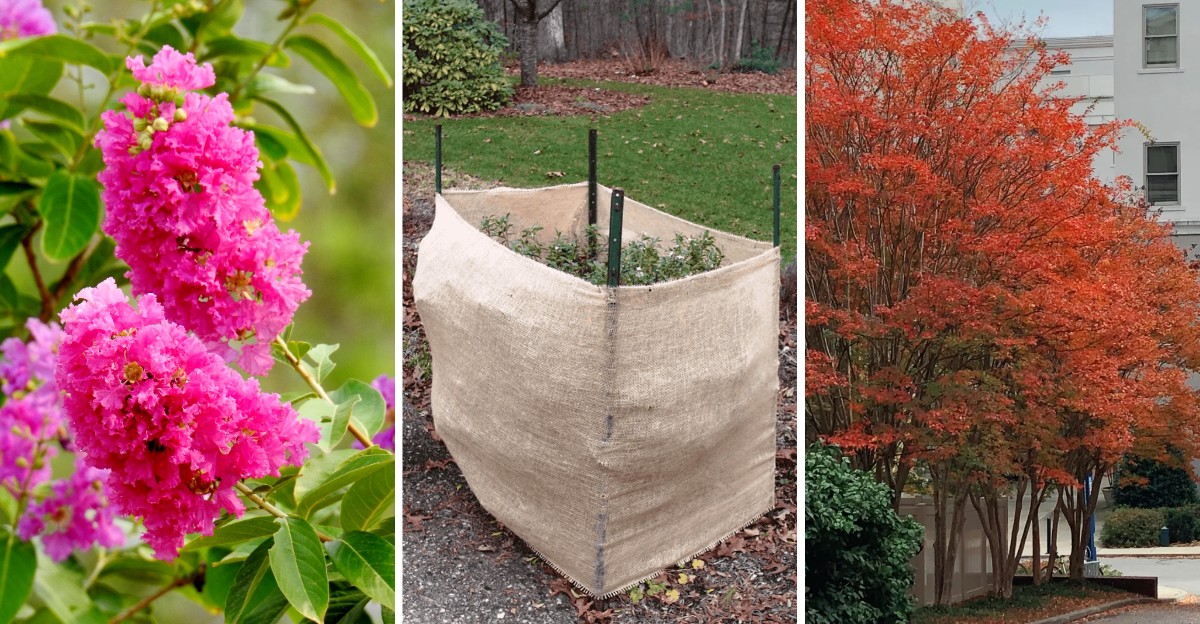
A shrub that blooms in the heat of Georgia can also flower in July on the South Shore of Long Island. I stopped my car the first time I saw one doing it.
The secret came from Japan. A tough cousin species was crossed with the classic Southern plant at the U.S. National Arboretum, and many of those hybrids carry Native American tribe names.
Truth be told, I lost one of my first plants to a hard January in New York. The top froze back to the ground, and I nearly pulled it out. Then green shoots appeared in late May, weeks after everything else in the yard had leafed out.
That surprise taught me patience. It also made me wonder how many gardeners give up too early on a plant that was only sleeping late.
Those Peeling Cinnamon Trunks Have a Japanese Secret
Plant breeders did Northern gardeners a huge favor decades ago. Dr. Donald Egolf at the U.S.
National Arboretum crossed the common Southern crape myrtle, Lagerstroemia indica, with Lagerstroemia fauriei, a hardier species from Japan.
The result was a group of hybrids that handle cold far better than older types. Many carry names like Natchez, Tuscarora, Muskogee, Sioux, and Tonto.
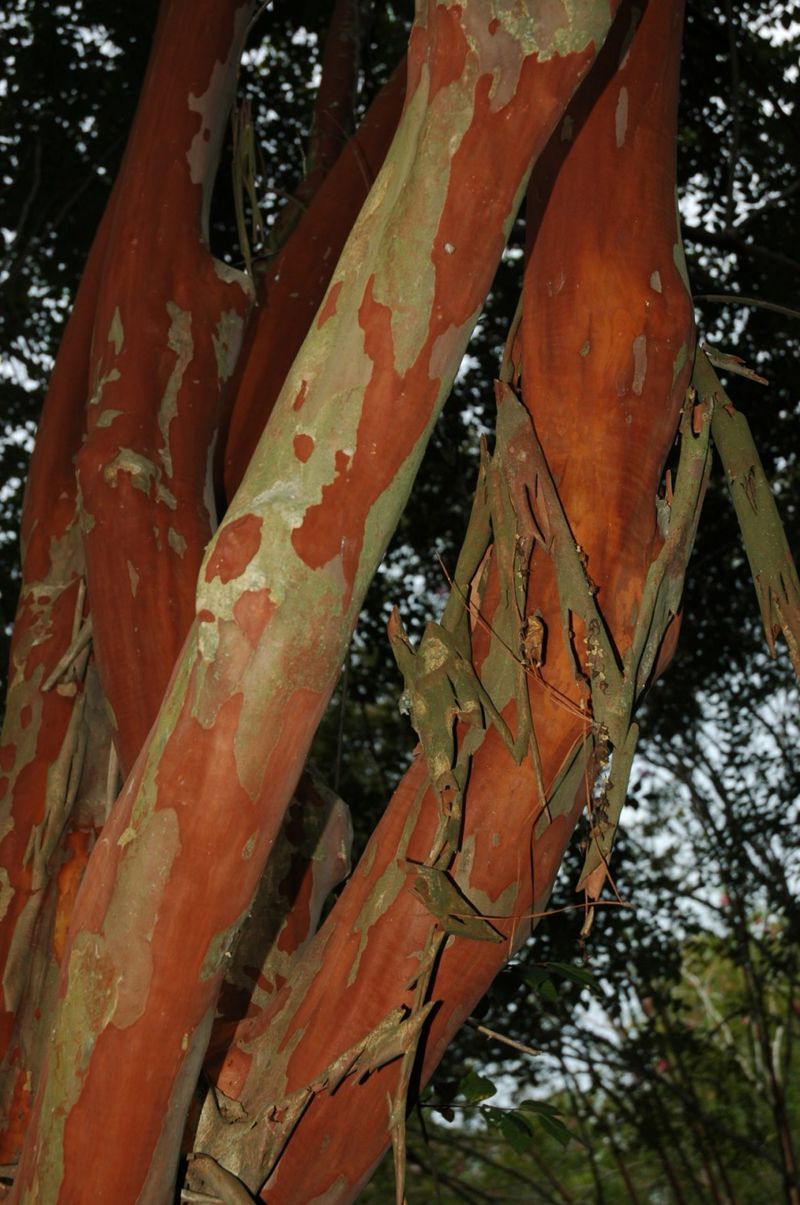
You can often spot the fauriei influence in the trunk, which peels in smooth patches of cinnamon, tan, and cream.
Why does this matter so much? Long Island sits mostly in USDA Zone 7, with some cooler inland pockets closer to 6b.
Older indica types can freeze back hard there, while many fauriei hybrids keep more of their wood through a typical winter.
Hybrids also tend to resist powdery mildew better. That disease once made crape myrtles look dusty and tired by midsummer in humid areas.
None of this means the plant is bulletproof. A brutal winter can still damage branches on any variety.
The odds simply tilt your way when the right genes are in the pot.
So before you fall for a pretty bloom color at the garden center, flip the tag over. A cultivar name with a known fauriei parent is your first and best bet for success in New York.
Pick a Crape Myrtle Variety With a Proven Cold Record
Walking into a nursery in June can feel like a candy store. Every crape myrtle looks lovely in a pot, but only some will shine after a Long Island winter.
Local nurseries like Hicks in Westbury often point shoppers toward tested hybrids. Natchez offers bright white blooms and some of the best peeling bark around.
Tuscarora brings coral pink, while Zuni shows off soft lavender.
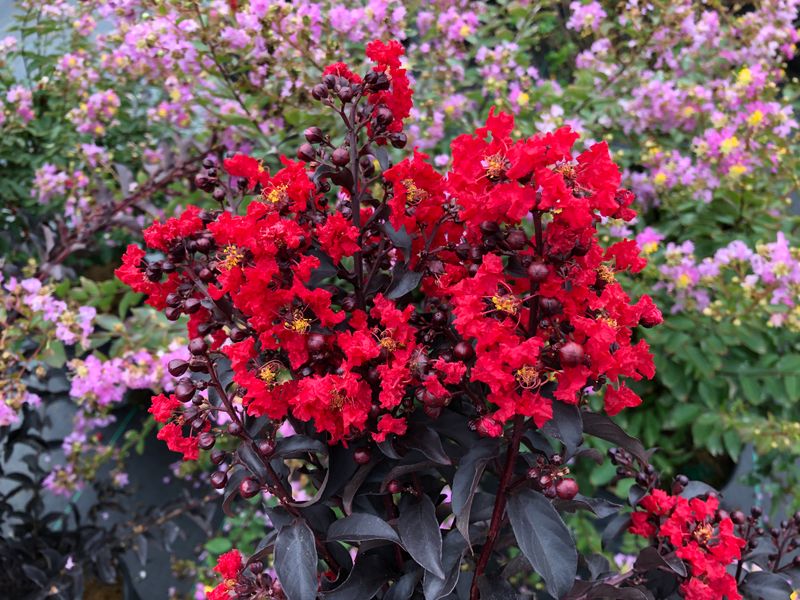
Want bold color? Tonto flowers in a rich red-magenta, and Sioux leans hot pink.
Both stay at a manageable size for most yards.
Short on space? The Black Diamond series has dark foliage and compact growth.
Cherry Dazzle stays small enough for a front border or a large container.
Here are a few quick shopping tips:
Choose plants grown by regional nurseries when you can. Check the mature height on the tag, since some types reach 20 feet or more.
Look for firm stems and healthy roots that are not circling tightly.
Height matters more than you might expect. Picking a tree that fits the space naturally saves you from heavy pruning later, which keeps the plant healthier and more beautiful.
My advice is simple. Buy for hardiness first, then size, then flower color.
That order gives you the best shot at a summer full of blooms.
Sunny Crape Myrtle Spots With Well-Drained Soil Win Every Time
Sunshine is the fuel behind every flower cluster. Crape myrtles need at least six hours of direct sun daily, and eight hours is even better.
In shade, the plant grows thin and leggy. It also blooms less and invites powdery mildew.
I learned that lesson with a tree tucked beside a tall maple, and it barely flowered for two summers.
Soil comes next. Crape myrtles hate wet roots, especially in winter when soggy soil can freeze around them.
Long Island has plenty of sandy soil, which helps, but low spots and heavy clay near foundations can hold water.
Try this easy drainage test. Dig a hole about a foot deep and fill it with water.
If it still holds water after several hours, pick a different spot or build up a gentle mound.
One more surprise caught my attention. A hot south-facing wall seems like a cozy spot, but it can warm a plant too early on sunny winter days.
A sudden cold snap afterward may damage that tender tissue.
An open spot with good airflow often works better. Moving air dries the leaves quickly after rain, which helps reduce fungal problems.
Give your plant sun, drainage, and breathing room. Those three things handle a big share of the work for you.
Spring Planting Gives Crape Myrtle Roots a Head Start
Fall is a wonderful planting season for many trees. Crape myrtles in the North are a different story.
Most experts in colder regions recommend planting in spring, after the soil warms and frost danger passes. On Long Island, that usually means May, though early summer works too if you water well.
Why the fuss? New roots need a full growing season to spread before winter.
A tree planted in October has little time to settle, and frozen soil can heave or stress those shallow roots.
When you plant, dig a hole two to three times wider than the root ball but no deeper. The top of the root ball should sit level with the surrounding soil or slightly higher.
Loosen any circling roots with your fingers. Backfill with the native soil rather than piling in rich compost, which can make roots lazy about reaching outward.
Water deeply right after planting. Then keep the soil evenly moist through the first summer, roughly an inch of water each week, including rain.
Let me save you some trouble. Skip the bargain plants on clearance in late fall unless you can keep them in a sheltered spot until spring.
Patience here pays off with a tree that faces its first winter strong and ready.
A Thick Mulch Blanket Protects Crape Myrtle Roots in Winter
Roots are the insurance policy for every crape myrtle in the North. Even if the branches freeze back, healthy roots can send up fresh shoots in late spring.
That is why mulch matters so much. In late fall, after the ground cools, spread two to three inches of shredded bark or wood chips across the root zone.
For a newly planted tree, many growers go deeper, up to about six inches.
Keep the mulch a few inches away from the trunk. Piling it against the bark traps moisture and invites rot and rodents.
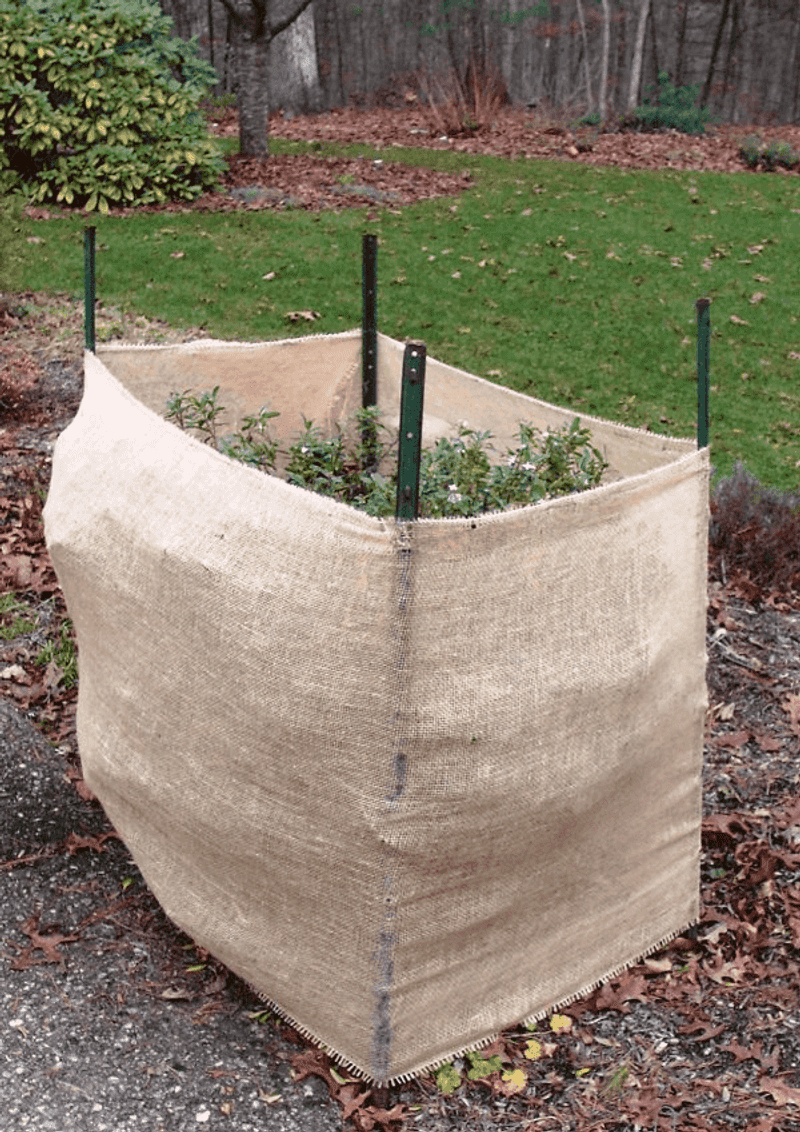
Young trees in exposed spots may need more help. A loose wrap of burlap or frost cloth can shield stems from drying winter winds along the coast.
Take it off in early spring so the plant does not overheat.
Container plants face bigger risks because their roots sit above ground. Move pots into an unheated garage or shed once the plant goes dormant.
Water lightly about once a month so the soil does not go bone dry.
Here is a fun fact. Some Long Island gardeners treat smaller crape myrtles almost like perennials.
They let tops freeze in a rough year and still enjoy flowers, since blooms form on new growth each summer.
Late Leaf-Out Fools Plenty of Long Island Crape Myrtle Owners
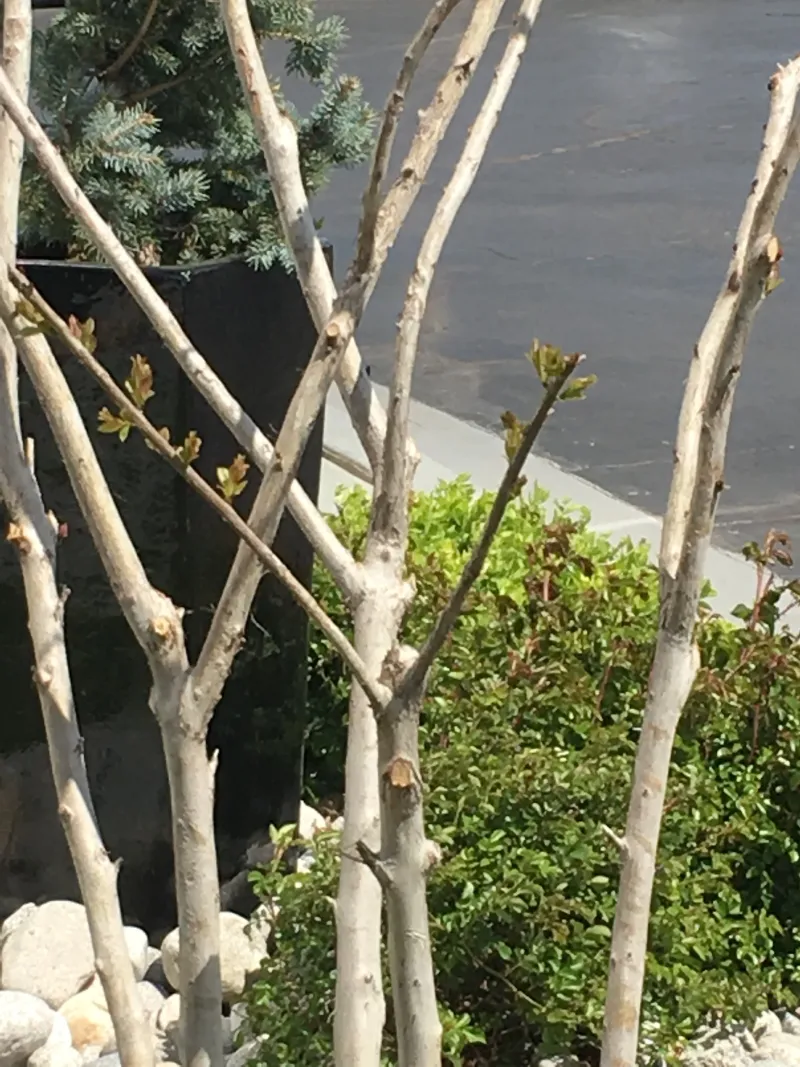
Every spring, someone asks me if their crape myrtle made it. The neighbors’ lilacs have finished, the lawn needs mowing, and the crape myrtle still looks like a bundle of sticks.
Relax for a few more weeks. Crape myrtles are famous for waking up late, especially in the Northeast.
On Long Island, new buds often appear in mid to late May, and some plants hold out until early June after a rough winter.
You can do a simple check. Gently scratch a twig with your thumbnail.
Green tissue underneath means the stem is alive, while brown and dry tissue points to winter damage.
Start near the tips and work downward. Sometimes only the upper branches are lost, and the lower wood is fine.
If the entire top looks brown, check the base. Shoots from the roots often appear later in the season.
Don’t make my mistake of digging up a plant in April. I nearly tossed one that later grew four feet and bloomed by August.
Fertilizing early won’t speed things up either. Warm soil is what triggers growth, so the best tool here is a calendar and a little faith.
Skip the Crape Myrtle Topping and Prune After Buds Break
Southern pruning calendars can lead Northern gardeners astray. Many guides say to prune in late winter, but on Long Island that often comes too early.
Wait until you see new growth in May. Then you can tell exactly which branches survived winter and which ones need to go.
Remove damaged wood back to a healthy bud or side branch. Clip crossing limbs, thin crowded stems in the center, and pull suckers sprouting at the base.
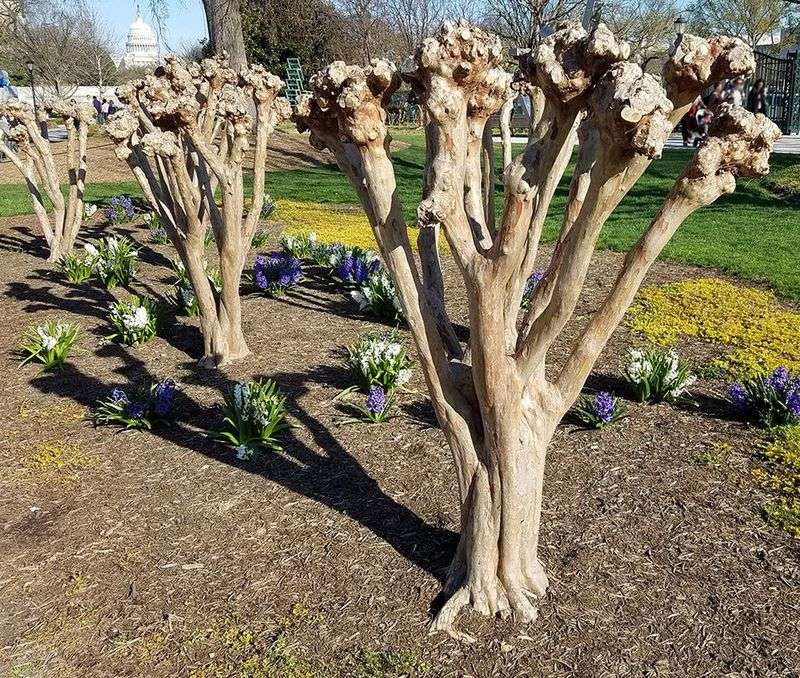
Avoid the common practice of severely cutting back crape myrtles. Lopping every branch at the same height leaves ugly knobs, and the regrowth is often weak and floppy.
Topping doesn’t create more flowers in a meaningful way. It simply trades a graceful shape for a stubby one and invites more maintenance.
Are you trying to control size? Pick a cultivar that matches your space instead of fighting a 25-foot tree every year.
A few light cuts are all most healthy plants need. Use clean, sharp pruners and loppers so each wound closes neatly.
If a hard winter freezes the plant to the ground, cut the brown stems near the soil once fresh shoots appear. Choose a few strong shoots to become the new framework.
Many recovered plants bloom later that same summer.
Fall Crape Myrtle Leaves and Winter Bark Keep the Show Going
Summer flowers get the attention, but the payoff lasts longer than most people expect. Healthy crape myrtles bloom from July into September in New York, often when few other trees are flowering.
Keep things simple through the growing season. Water deeply during dry spells, especially the first two years.
A light, balanced slow-release fertilizer in spring is plenty, while heavy nitrogen encourages leaves instead of blooms.
Watch for a couple of common problems. Powdery mildew appears as a white coating on leaves, and aphids leave sticky honeydew that can turn into black sooty mold.
Good airflow and resistant hybrids handle most of this.
Crape myrtle bark scale is a newer pest worth knowing. It shows up as white, felty spots on bark and has been spreading in parts of the East.
Report suspicious finds to Cornell Cooperative Extension of Suffolk or Nassau County.
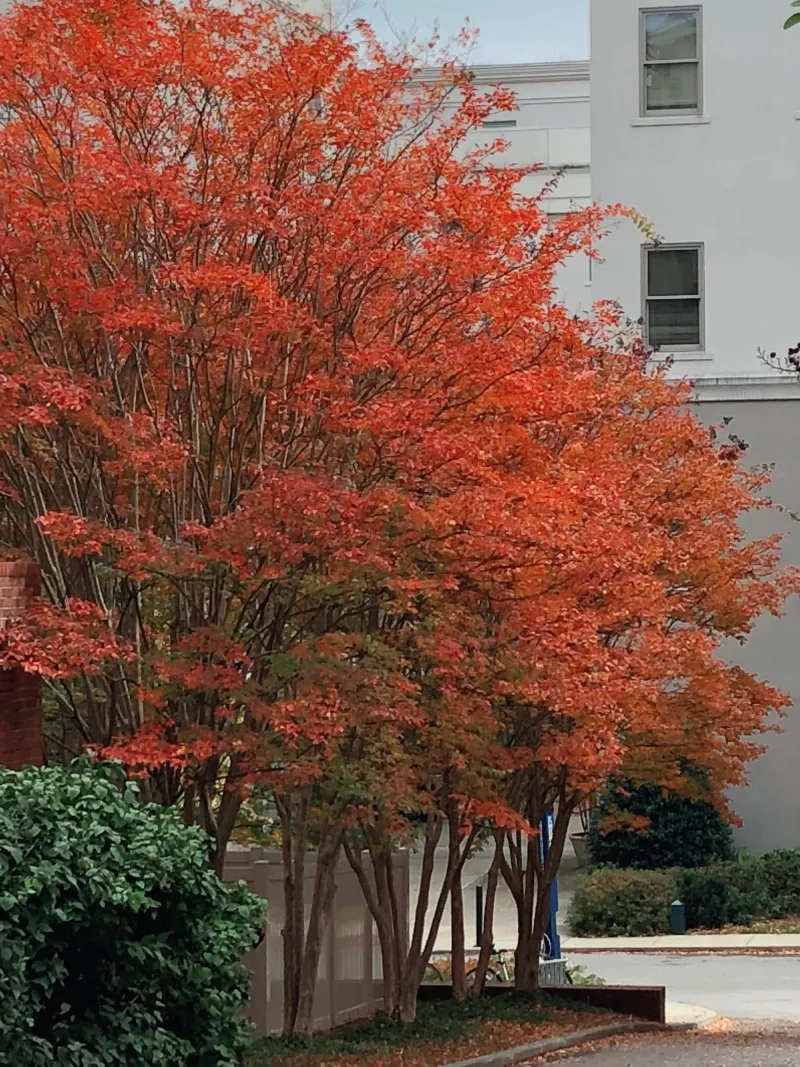
Then autumn arrives with a bonus. Leaves turn shades of orange, red, or burgundy depending on the cultivar.
Winter brings the bark into focus. Those peeling trunks glow against snow and give your yard some texture in gray months.
If you ask me, that full-year beauty is the real prize. Win the gamble once, and the plant keeps rewarding you season after season.