8 Ways To Protect Young Trees From Deer Rubbing In Virginia This Month
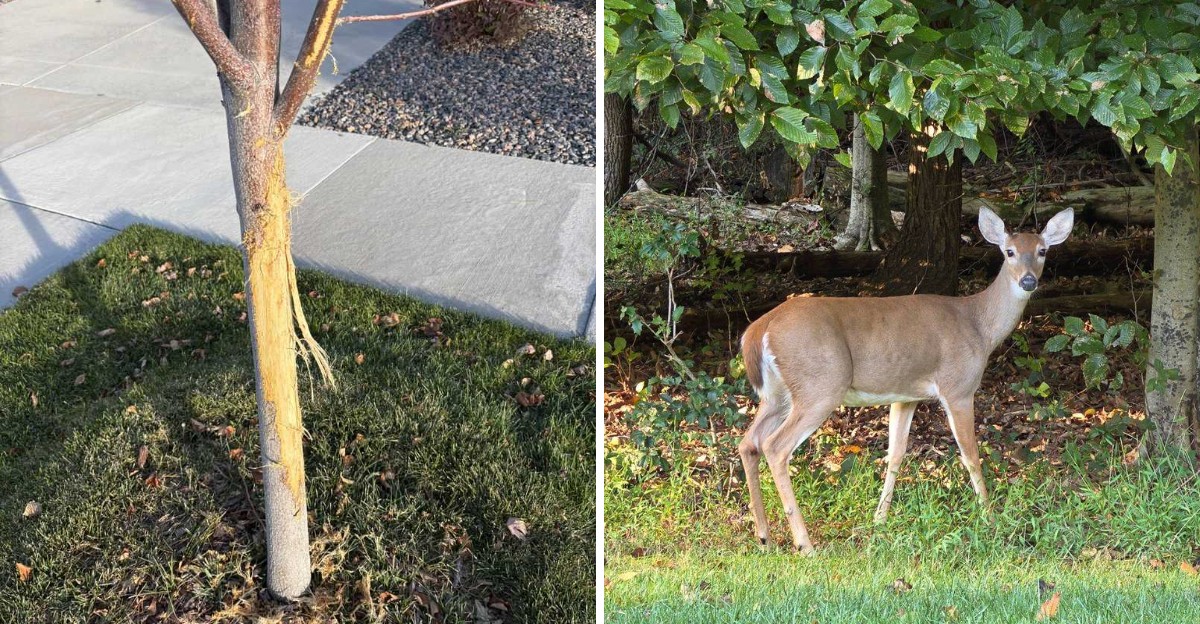
One antlered animal can leave several hundred bark scrapes on saplings in a single autumn, biologists report. Those scrapes are not about food at all, because the real goal is leaving scent for rivals and mates.
In Virginia, that busy signaling season usually hits its peak around early November across most regions.
Smooth, skinny trunks about the width of a broom handle seem to attract the most attention from these visitors.
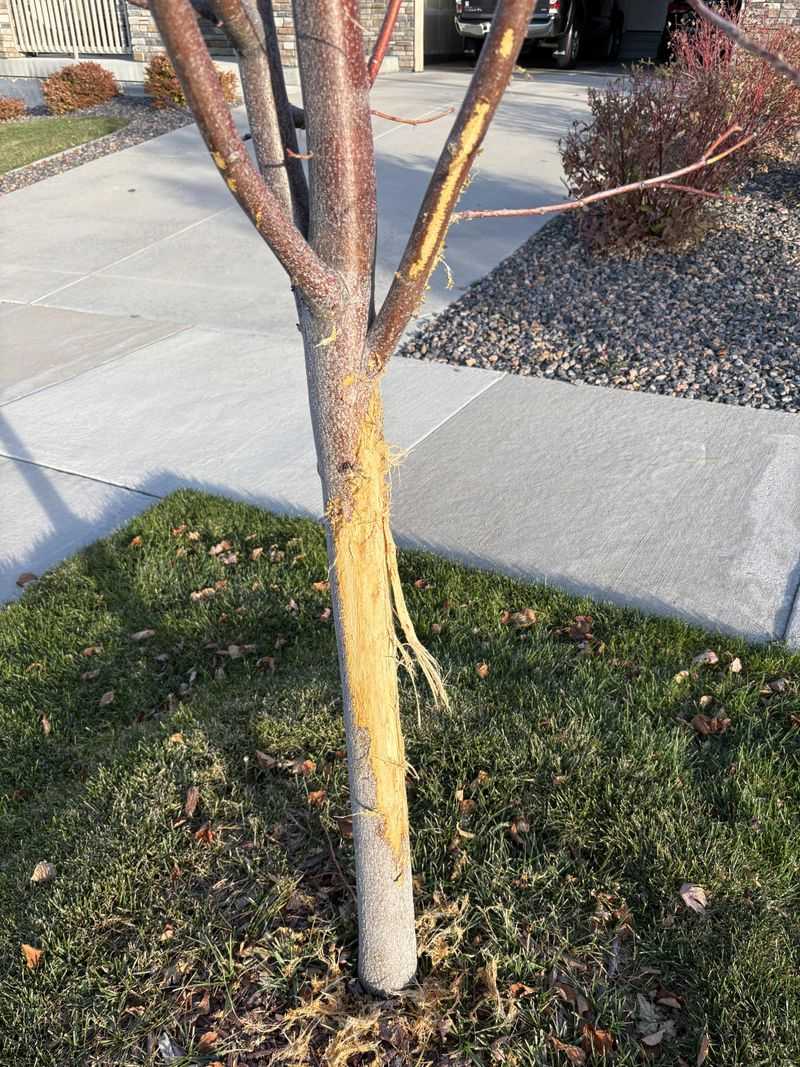
I have to admit that my first scraped maple left me grumbling at the window for a whole morning. You might notice shredded bark hanging in strips, and the bare wood underneath looks shockingly pale and wet.
Damage like that can girdle a young tree, cutting off the flow of water and food through its trunk.
A little protection now could save your favorite sapling from the next nighttime visitor looking for a place to leave its mark.
1. Tall Plastic Tree Guards Shield Smooth Young Bark
Bucks seem to love trunks between one and four inches thick, which describes nearly every tree I plant.
Those slender stems bend just enough to feel satisfying against antlers, and the smooth bark holds scent nicely.
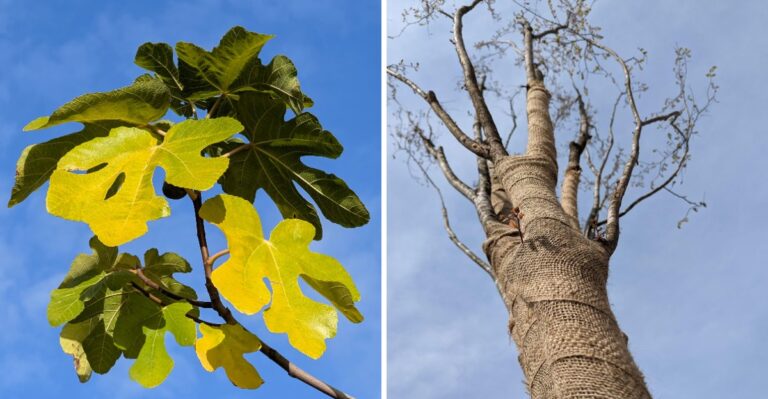
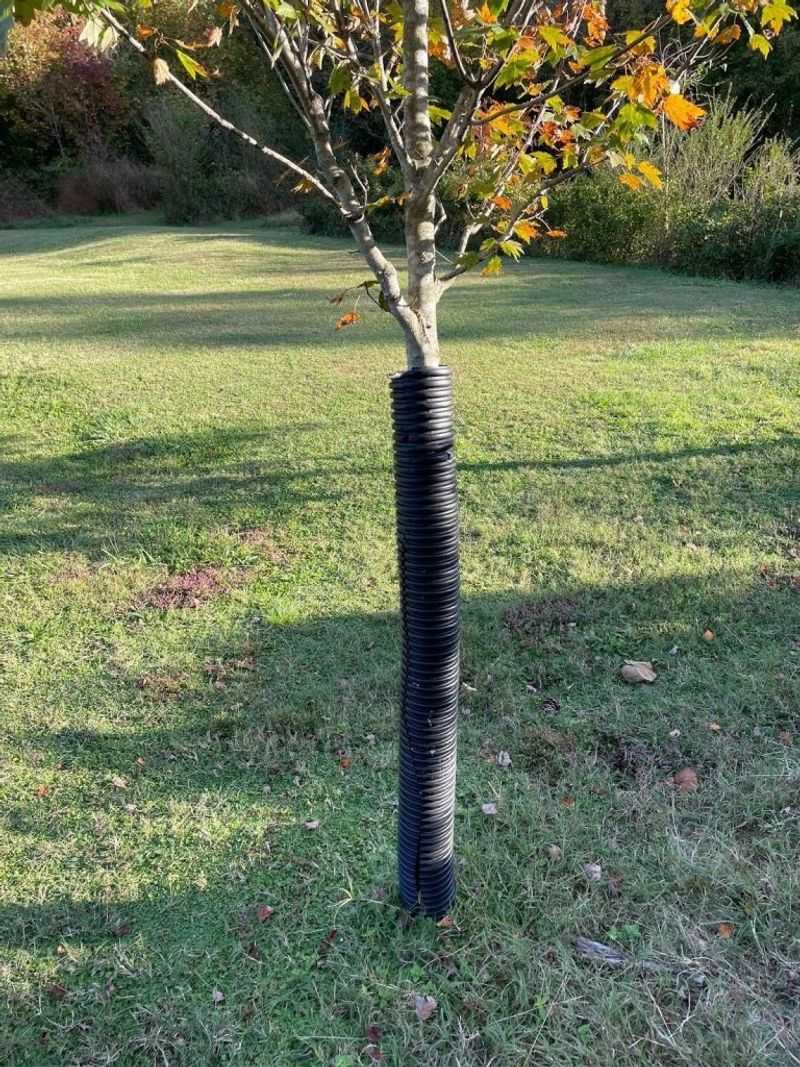
A rigid plastic guard slips around that trunk like a raincoat and keeps antler tips from touching bark. Look for ventilated tubes or split corrugated drain pipe, both sold at most garden and hardware stores.
Height matters more than most people expect, since bucks usually rub from near the ground up to several feet. Personally, I aim for guards at least four feet tall so the most popular rubbing zone stays covered.
Light colors like white or tan reflect winter sun better than dark plastic, which can trap extra heat. Sunscald already worries arborists on thin-barked trees, so a pale guard offers a small bonus during cold months.
Ventilation holes matter too, because moisture trapped against bark can invite insects and fungal trouble over time. I prefer mesh-style tubes for this reason, especially around maples and young fruit trees with thin bark.
Push the bottom edge slightly into the mulch so curious voles cannot sneak underneath and chew the base. Leave a little breathing room between guard and trunk, because a snug fit can rub bark on windy days.
2. Welded Wire Cages Keep Buck Antlers Away
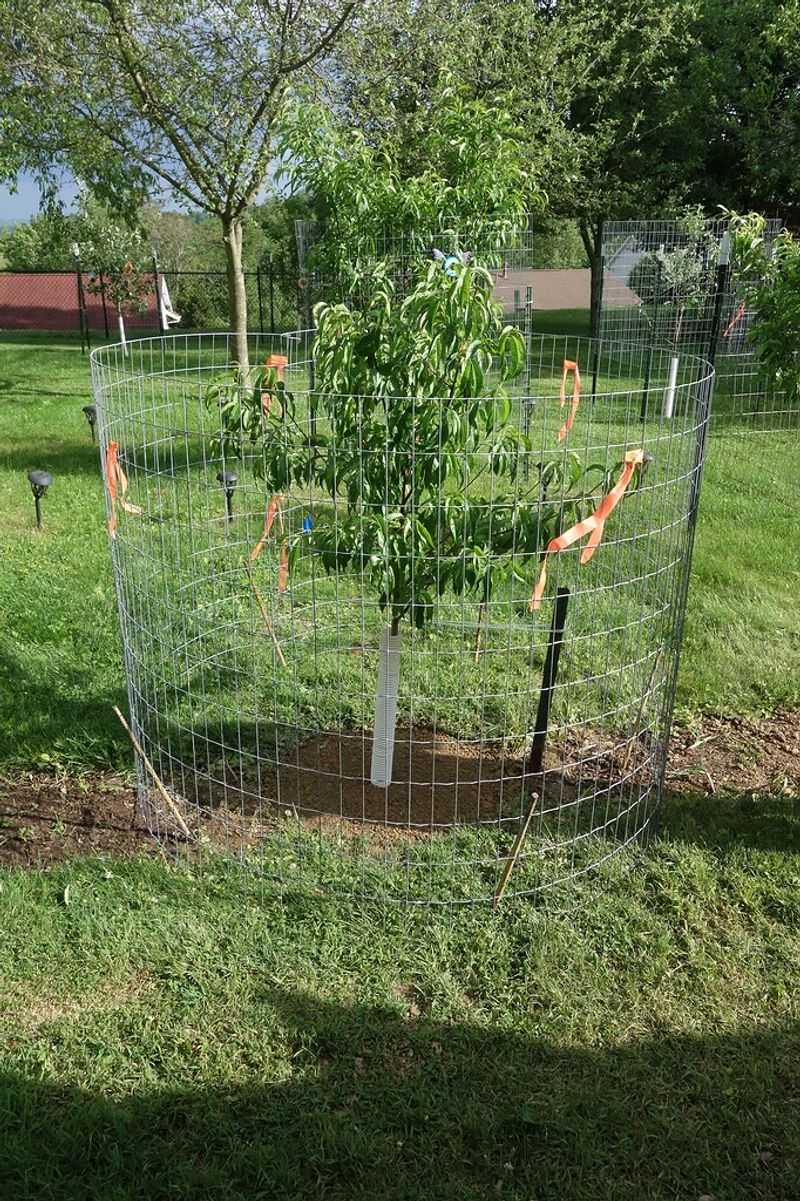
Nothing frustrates a rutting buck quite like a ring of stiff wire standing between him and a fresh sapling. I love how such a simple circle of fencing can turn a tempting target into a boring obstacle.
Welded wire or sturdy hardware cloth works better than flimsy chicken wire, which bends when a heavy animal pushes.
Many extension specialists suggest cages at least four or five feet tall when bucks are active nearby.
Width counts just as much as height, because antlers can reach through a cage that hugs the trunk. Leave about a foot of space on every side, so tines cannot poke through and scrape the bark.
Two or three metal T-posts or wooden stakes hold the cage upright when a determined buck leans in. Zip ties or wire twists fasten the fencing to the posts, and they come loose easily for adjustments later.
What surprises me most is how long these cages last, often protecting a tree for several years straight. That durability makes them a smart pick for native oaks and redbuds planted near wooded edges.
Fall is prime planting season across Virginia, so new trees often go into the ground right as rubbing peaks. Set the cage up the same day you plant, rather than waiting until the first scrape appears.
Cages do look a bit industrial, but black or green wire fades into the landscape surprisingly well.
3. Sturdy Wooden Stakes Block A Buck’s Approach
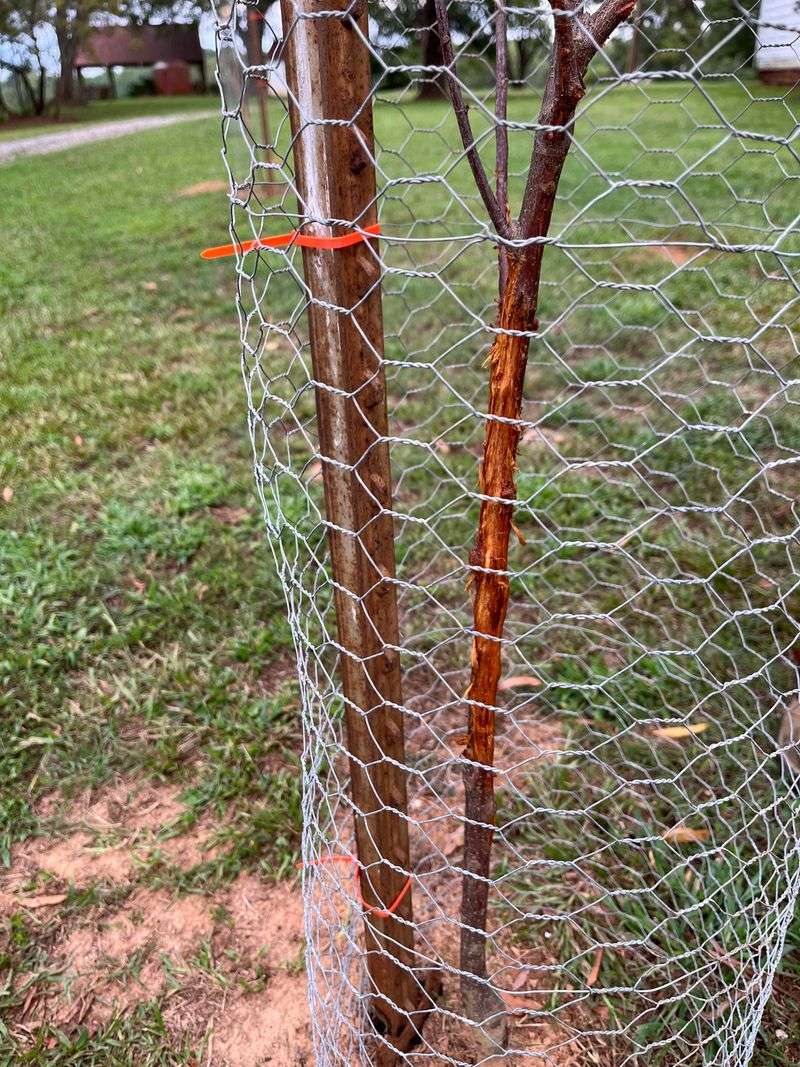
A few tall stakes pounded around a sapling can confuse a buck more than you might expect.
Bucks need room to swing their heads and twist their necks, and crowded stakes take that space away.
The trick involves driving three or four stout stakes in a ring about a foot or two from the trunk. Each stake should stand taller than the guard zone, so roughly four to five feet above the ground works well.
I like using rough wooden posts or metal rebar, since both hold firm in damp autumn clay soils. Rebar ends can be sharp, so cap them with bright plastic safety covers to protect people walking past.
Some people even give the buck a sacrificial post nearby, hoping he prefers that spot over the young tree. Results vary widely, so treat that idea as a fun experiment rather than a guaranteed fix for your yard.
Stakes work best when paired with a trunk guard, because the combination covers both bark and swinging room. Personally, I rarely trust stakes alone on high-traffic properties where deer trails cross the yard every evening.
This method shines in budget situations, since leftover lumber or old garden stakes often cost nothing at all. You can also tie bright flagging tape between posts, which adds a little visual surprise for curious animals.
Check the stakes after heavy rain, since soggy ground lets them lean and lose their protective spacing quickly.
4. A Tall Deer Fence Protects The Whole Yard
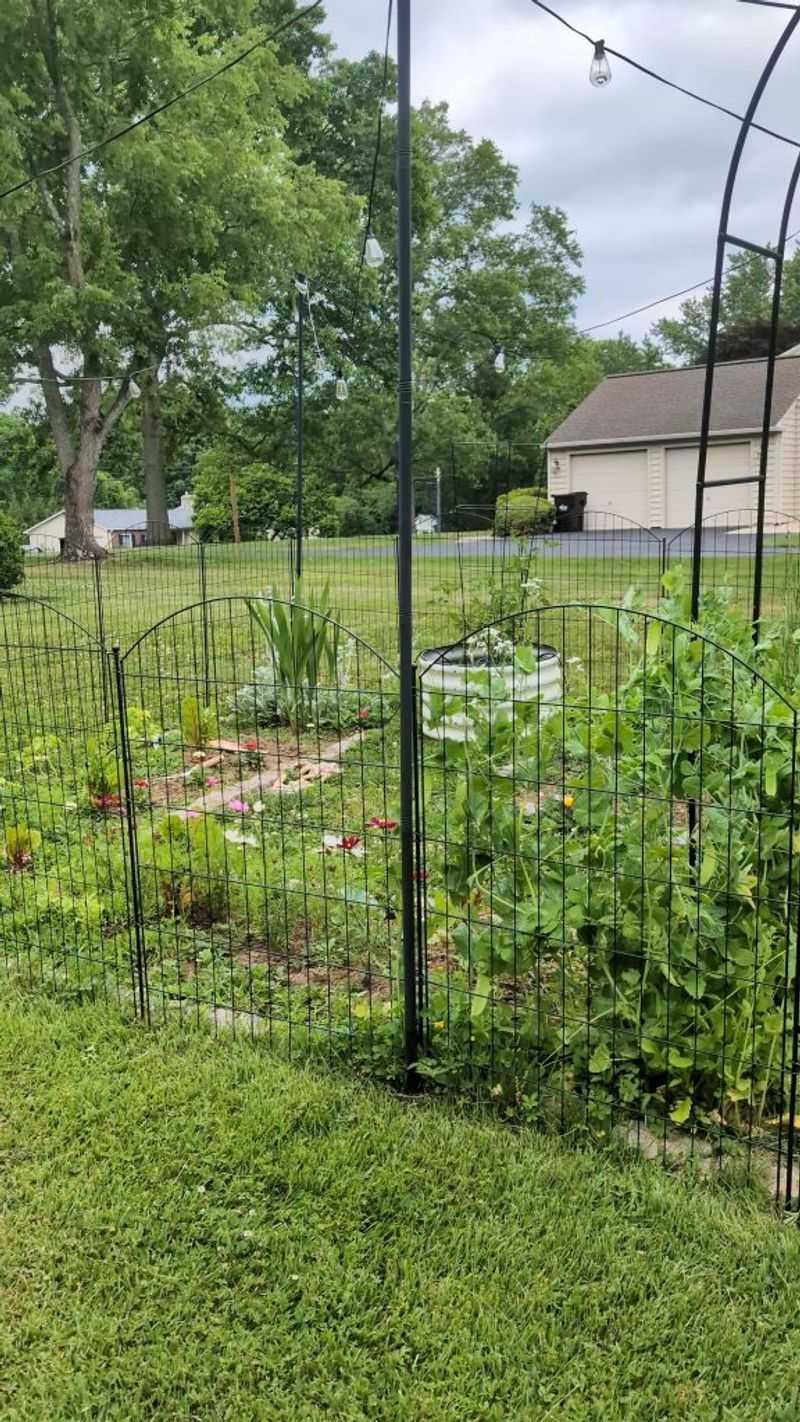
White-tailed deer can clear an eight-foot fence when motivated, which explains why short garden fences rarely stop them. When a whole young orchard needs protection, I believe a perimeter fence beats guarding trees one by one.
Most extension guides recommend fences around eight feet tall for reliable deer exclusion on open properties.
Black polypropylene mesh blends into the background, and it costs far less than traditional woven wire.
Shorter options can still work when built cleverly, such as two parallel fences spaced a few feet apart. Deer seem reluctant to jump into that narrow gap, since they cannot judge a safe landing spot easily.
Electric fencing offers another path, and some designs use baited wires to teach deer to keep their distance. Those systems need regular checks, because fallen branches or tall weeds can short the current and weaken protection.
Before buying materials, call your local zoning office, since some Virginia towns and homeowner groups limit fence height. A quick conversation now can save you from tearing down expensive posts after a complaint next spring.
Fencing costs more upfront than tree guards, yet it protects every sapling and shrub inside the boundary together. You might notice fewer browsed tulips and hostas the following year, which feels like a lovely bonus.
Walk the fence line weekly during the rut, since a single gap invites trouble almost immediately.
5. Deer Repellent Sprays Work Best As Backup
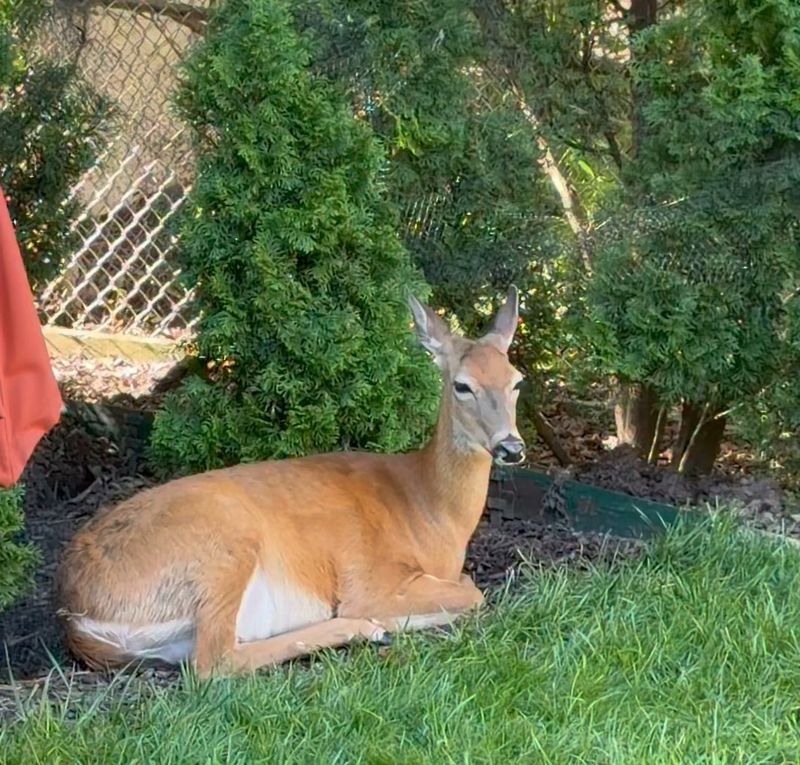
Rotten eggs make up the main ingredient in many popular deer repellents, and the smell is hard to forget. I can’t imagine a buck enjoying that aroma, yet repellents have real limits when antlers are involved.
Repellents mainly stop browsing, since deer taste or smell the product before biting tender twigs and buds.
Rubbing is a scent-marking behavior rather than feeding, so a sprayed trunk may still attract a determined buck.
That said, odor-based products can make some deer less comfortable lingering near your young plantings throughout the night. Many extension specialists view sprays as helpful extras, best used alongside physical barriers like guards or cages.
Apply products on a dry day when temperatures stay above freezing, since many labels require that for proper drying. Read the directions carefully, since some formulas are not meant for edible fruit trees close to harvest.
Rain and melting frost wash coatings away, so plan to reapply every few weeks or after storms. Switching between different brands can help, because deer sometimes grow used to one familiar scent over time.
Homemade tricks like hanging scented soap bars get mixed reviews, with some gardeners swearing by their results. Research results vary, so I treat soap as a cheap experiment rather than a dependable shield for valuable trees.
Spray the lower trunk and surrounding foliage, focusing on the zone between the ground and about four feet up.
6. Fresh Buck Rubs Signal Where To Act Fast
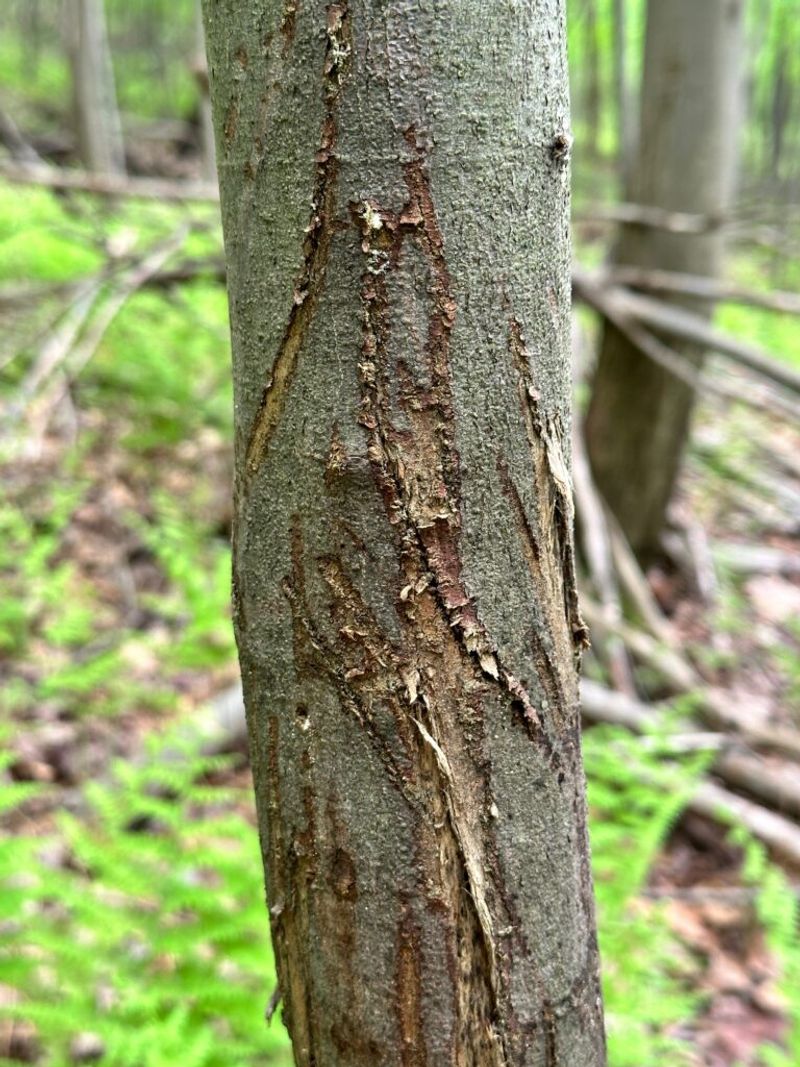
A buck rub looks like someone took a cheese grater to the trunk, leaving pale wood and dangling bark.
Once you spot one, you have learned something valuable about where deer travel through your property.
Bucks often return to the same areas, and they sometimes rub several trees along a favorite travel route. Walking your yard every few days in fall helps you catch new damage before more saplings get hit.
Look for scraped bark roughly knee to waist high, along with broken twigs and shredded strips on the ground. You might also notice scrapes in the soil nearby, which bucks paw out as another way of communicating.
Personally, I mark each discovery with a bit of flagging tape so I can map trouble spots later. That simple habit tells me exactly which trees need guards first, instead of spreading supplies too thin.
Trees near woodland edges and along fence corners seem to get hit most often in my own experience. Deer like moving along cover, so saplings planted beside those natural travel lanes deserve extra attention this season.
Rubbing usually starts in late summer when bucks shed velvet, then continues through the breeding period into early winter. Activity tends to slow after the rut, but keep guards in place until bucks drop antlers in winter.
Snapping a quick phone photo of each rub helps you compare damage and track healing over the coming months.
7. Gentle Bark Care Helps Rubbed Saplings Recover
Old-fashioned tree paint once seemed like the obvious fix, but modern arborists mostly advise skipping wound dressings.
Research shows trees seal wounds naturally by forming callus tissue, and coatings can trap moisture against injured wood.
Remove only bark that is already loose or detached, avoiding cuts into healthy bark or unnecessary enlargement of the wound.
Avoid cutting into healthy bark, since the goal is tidying loose strips rather than enlarging the injury.
I have to admit this step feels nerve-racking, but careful trimming can help healing tissue form more evenly. Wipe your blade with a household disinfectant between trees to avoid spreading disease from one sapling to another.
How much bark is missing matters most, because a tree needs a connected strip around the trunk to survive. Saplings with damage around most of the circumference often struggle, while partial scrapes usually recover with good care.
Water deeply during dry spells this fall, since moisture stress makes healing harder for an injured young tree. Skip heavy fertilizer for now, because pushing tender new growth late in the season can backfire.
A two- or three-inch layer of mulch helps hold soil moisture, but keep it pulled back from the trunk. Mulch piled against bark invites rot and rodents, which a wounded sapling definitely does not need right now.
Most importantly, install a guard immediately so the same buck cannot return and finish what he started.
8. Spring Guard Removal Keeps Trunks Healthy
Tree guards left on too long can cause the exact harm they were meant to prevent, which surprises many gardeners.
Trunks keep thickening every year, and a forgotten wrap can slowly squeeze bark like a belt pulled too tight.
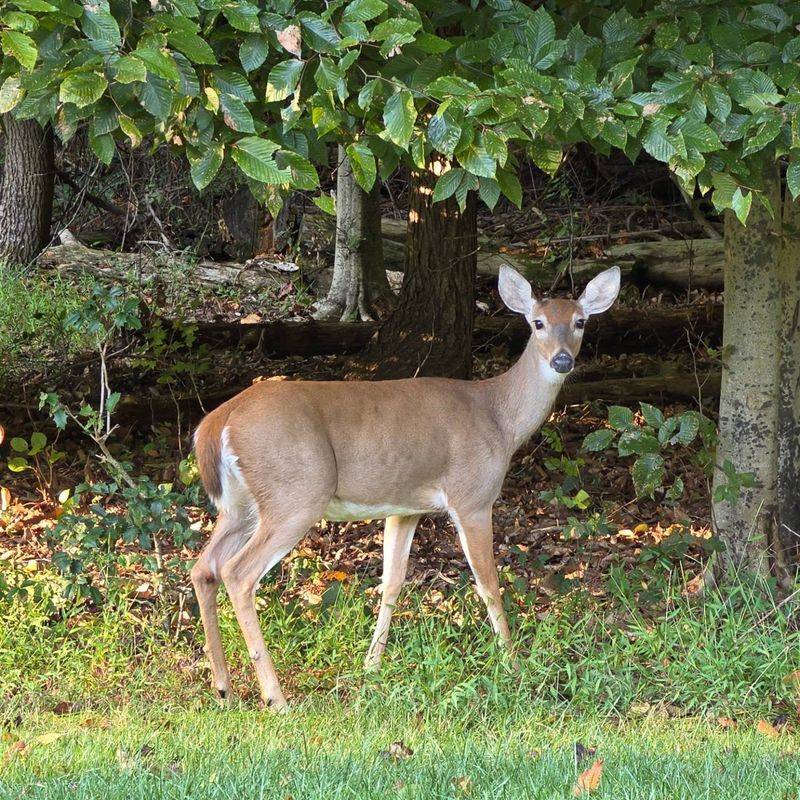
Bucks usually drop their antlers in winter, often between late December and March across much of the region. Once rubbing season ends, many guards can come off or loosen, depending on other pests in your area.
Rabbits and voles still chew bark during winter, so some gardeners keep short guards on until spring growth begins. That approach works nicely, as long as you remember to check the fit when buds start swelling.
Moisture and insects love hiding beneath tight plastic, and summer heat can build up inside closed tubes. Personally, I remove solid wraps by mid-spring and store them in the shed for the next fall.
Wire cages can usually stay put longer, because their open design lets air and sunlight reach the trunk. Just widen them as the tree grows, and pull any twist ties that start digging into the bark.
Set a phone reminder now for early spring, since forgetting is the most common mistake I see. A quick reminder costs nothing, while removing a guard that has grown into bark can scar the tree badly.
Come next September, Virginia bucks will begin shedding velvet again, and your stored guards will be ready to go.