Venomous Creatures Virginia Homeowners Should Watch For Before Yard Cleanup
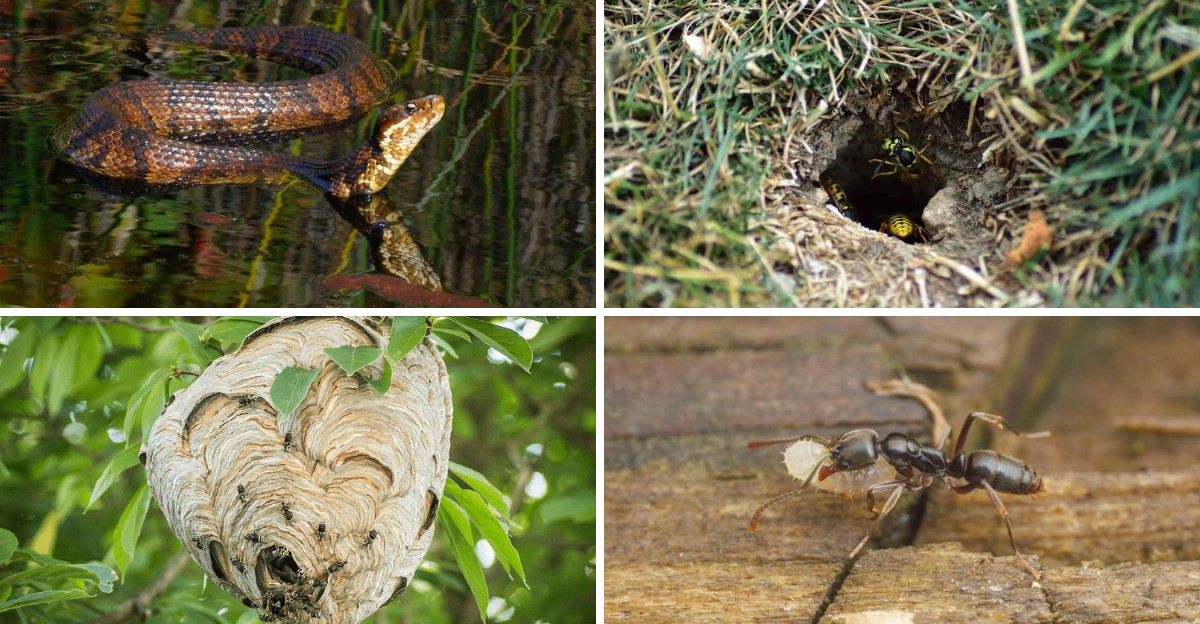
Reaching into a damp woodpile and feeling something move is a fall cleanup moment nobody forgets. Across Virginia, yard work brings a few surprise guests with fangs or stingers.
Most of these creatures would rather slip away than pick a fight. A careless grab or a heavy boot in the wrong spot, though, can turn a sunny Saturday into a trip to urgent care.
Some critters are truly dangerous, while others just look scary and actually help your garden. Knowing who lives in your mulch beds, sheds, and brush piles makes the work safer.
The guide below covers who to watch for and where they hide. Read it before you clear that next pile.
1. Copperheads Tucked Into Leaf Piles And Mulch
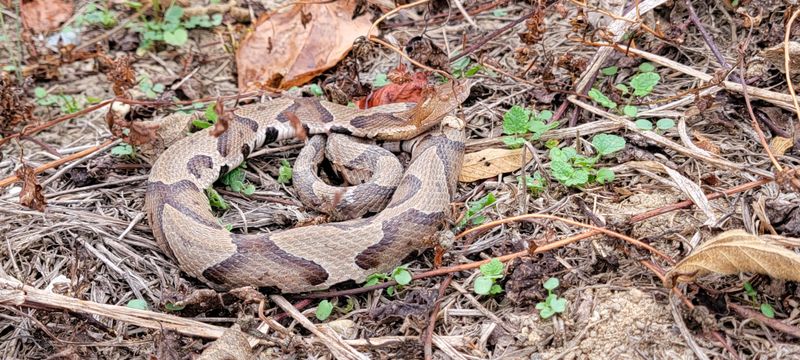
Picture a snake that looks exactly like a pile of fallen oak leaves. Copperheads pull off that trick so well that many people step right next to one without noticing.
Across Virginia, these pit vipers cause around 100 reported bites every year. You can find them almost everywhere in the state, even in busy suburbs and city neighborhoods.
Look for a thick body about two to three feet long. The coloring runs from copper to light tan, with dark hourglass bands that narrow along the spine.
Up close, the head looks triangular and wider than the neck. Their eyes have vertical pupils, a lot like a cat’s eyes.
Baby copperheads carry a bright yellow tail tip. They wiggle it like a tiny worm to lure frogs and lizards close enough to grab.
From April through October, copperheads stay most active. They love leaf litter, brush piles, woodpiles, and even quiet corners of garages.
Freezing in place is their main defense. Sadly, that habit means bites often happen when someone reaches down or steps close without looking first.
Luckily, copperhead bites are rarely life-threatening for healthy adults. Still, the venom causes strong pain and swelling, so a doctor visit is a must.
Before raking a big leaf pile, poke it gently with a long tool. Give any snake a few minutes to slide away on its own.
Keep grass trimmed short around play areas and walkways. Fewer hiding spots means fewer surprise meetings during your weekend chores.
2. Timber Rattlesnakes Near Rocky Woodlands
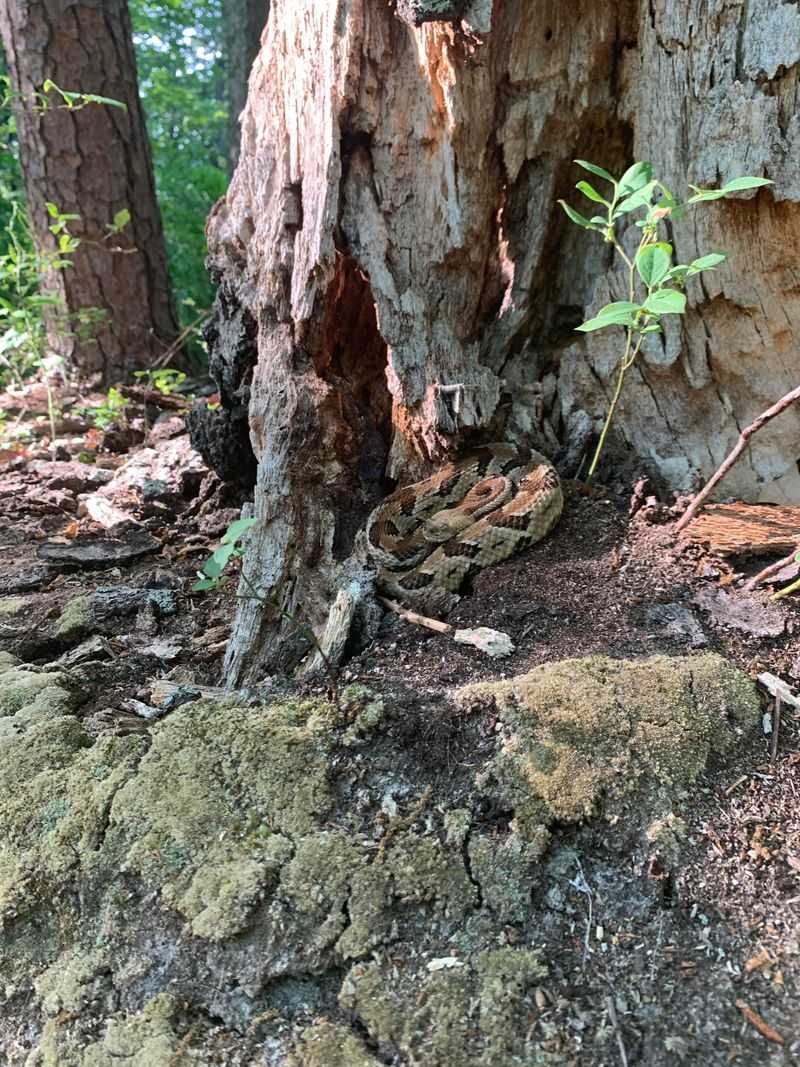
Out in the western mountains, a quiet buzzing sound among the rocks deserves your full attention. The timber rattlesnake is the only rattlesnake species living in the state.
Most of them live in the mountainous western part of the state. A smaller group, called canebrake rattlesnakes, hangs on in the far southeastern corner.
Homeowners near hardwood ridges, rocky ledges, or loose stone slopes should stay alert. These snakes rest in rock crevices, under leaves, or coiled on the forest floor.
Adults usually stretch between three and five feet long. Their bodies show dark zigzag bands over gray, brown, yellow, or even pinkish skin.
Many also have a rust-colored stripe running down the back. The black tail ends in a rattle, though young snakes may only have one small button.
Your Virginia Garden Changes Every Week. Your Plan Should Too.
Gardening in Virginia changes quickly throughout the season. Every Friday you’ll receive a simple weekly plan showing exactly what to plant, prune, fertilize, harvest, and protect so you never miss the right timing.
Here’s the good news about their personality. Timber rattlesnakes prefer avoiding people and usually rattle loudly as a warning before striking.
Their venom is strong, and any bite counts as a medical emergency. Most bites happen when someone tries to catch or handle one.
If you live near rocky woods, clear stacked stones and brush away from your house. Rock walls and loose piles make cozy shelters for many critters.
Spot one in your yard? Back away slowly, keep pets inside, and call a wildlife professional for help.
3. Cottonmouths Near Southeastern Wetlands
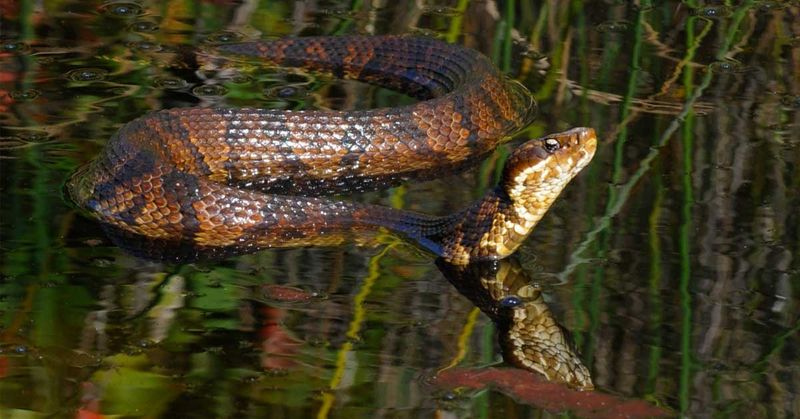
Live near a swamp in Chesapeake or Virginia Beach? Then the northern cottonmouth might share your neighborhood, especially around soggy ditches and ponds.
Range matters a lot with this snake. Cottonmouths mostly stay in southeastern Virginia, south of the James River.
Plenty of folks in central and northern Virginia report cottonmouth sightings each summer. Most of those turn out to be harmless water snakes instead.
Adults usually measure 30 to 48 inches and have heavy bodies. Coloring ranges from olive to black, with wide dark crossbands.
Older snakes can look almost solid dark, hiding their patterns. Watch for a flat-topped triangular head clearly wider than the neck.
Swimming style offers a handy clue. Cottonmouths float high, with their whole body resting on top of the water.
When cornered, one may coil, shake its tail, and open its mouth wide. That bright white lining gives the snake its famous name.
Despite their tough reputation, cottonmouths often slip away when they notice people. Problems start when someone corners, traps, or tries to handle one.
A bite needs serious medical care right away. Keep a calm head, move away, and get help quickly.
Cleaning near wet areas calls for extra caution. Thin out thick ground cover and brush piles near ponds and ditches to make your yard less inviting.
4. Black Widows Hiding In Woodpiles And Sheds
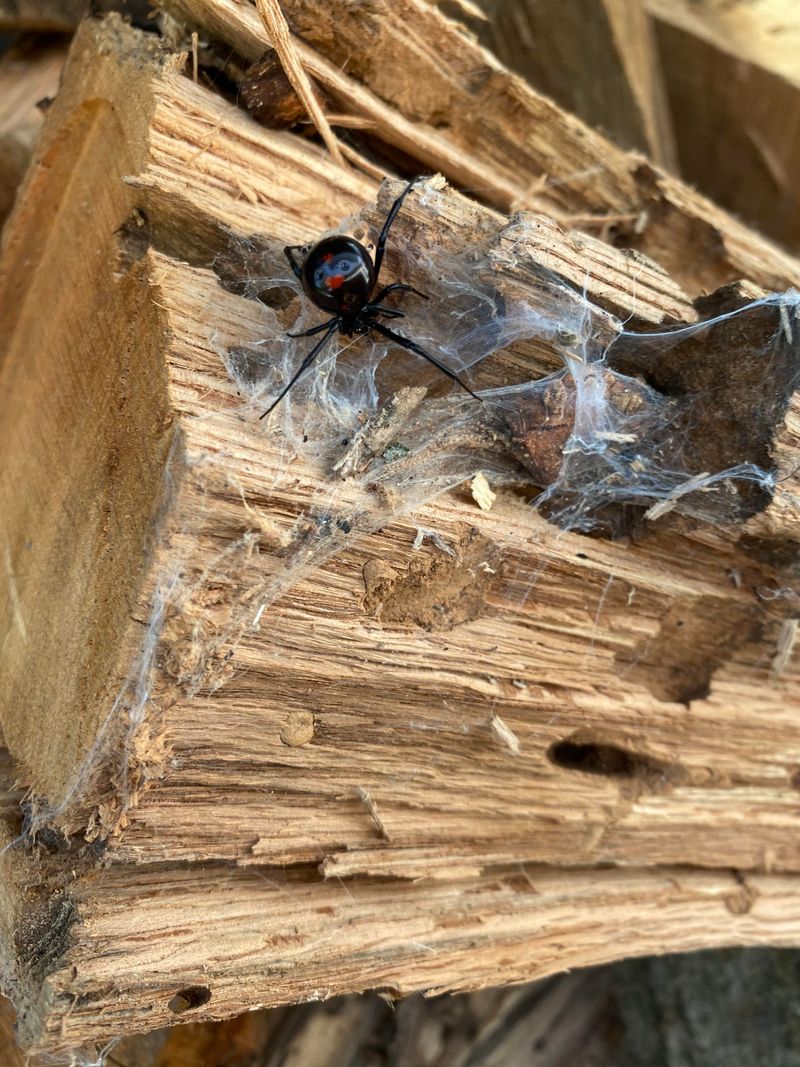
Grabbing an armful of firewood seems harmless until you spot a glossy black spider glaring back. Black widows love the same quiet corners where we store our stuff.
Both northern and southern black widows live in Virginia. They are the only confirmed venomous spiders found across the whole state.
Favorite hangouts include woodpiles, hollow logs, rock walls, and the undersides of stones. Sheds, garages, barns, and crawl spaces also suit them nicely.
Their webs look messy and tangled, not neat like a garden spider’s. Finding a sloppy web low in a dark corner is a good clue.
Females are the ones to watch. They have shiny black bodies about half an inch long with a round belly.
Flip one over, and you’ll see a red or orange hourglass. Northern black widows sometimes show two separate red bars instead.
Males are smaller, lighter colored, and pretty much harmless. Their fangs are too short to cause trouble for people.
A bite might feel like a tiny pinprick or go unnoticed at first. Within hours, pain and cramping can spread to the legs or belly.
Nausea, sweating, and headaches can follow. Kids and older adults especially should see a doctor quickly.
Clearing clutter makes your shed less cozy for spiders. Wear gloves and long sleeves whenever you move firewood, boxes, or old flower pots.
5. Yellow Jackets Nesting In Ground Holes And Walls
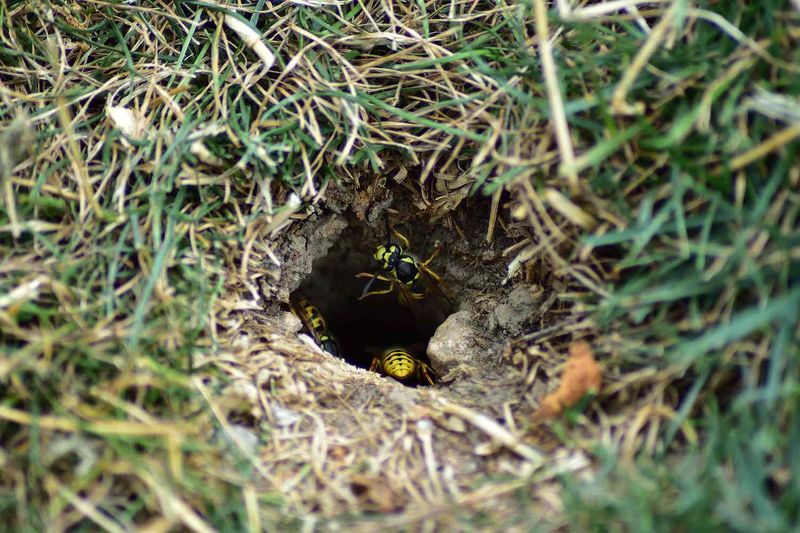
Mowing along happily, you hit a bump, and suddenly the air fills with angry buzzing. Plenty of homeowners learn about ground-nesting yellow jackets this exact way.
Many people mistake them for bees. Yellow jackets are actually social wasps with smooth, shiny bodies and very little fuzz.
Look for bright yellow and black stripes, a skinny waist, and a pointed rear end. Workers usually measure between half an inch and one inch long.
Underground nests often sit inside old rodent burrows. Some colonies build in wall gaps, attics, or hollow trees instead.
Inside, the nest is made from chewed wood fibers that look like gray paper. You won’t see it from the yard, only the busy entrance.
Spotting a steady stream of insects zipping in and out of one hole? That’s a strong sign of an active nest.
Colonies grow largest from late summer into early fall. Unfortunately, that timing matches up with prime cleanup season.
Unlike honeybees, yellow jackets can sting again and again. Disturbing a nest can trigger a whole group attack.
Stings bring sharp pain, redness, swelling, and itching. Trouble breathing, hives, or dizziness means someone needs emergency care fast.
Walk your yard slowly before mowing or raking in late summer. Flag any busy holes and call a pest professional instead of handling them yourself.
6. Bald-Faced Hornets Guarding Branch Nests
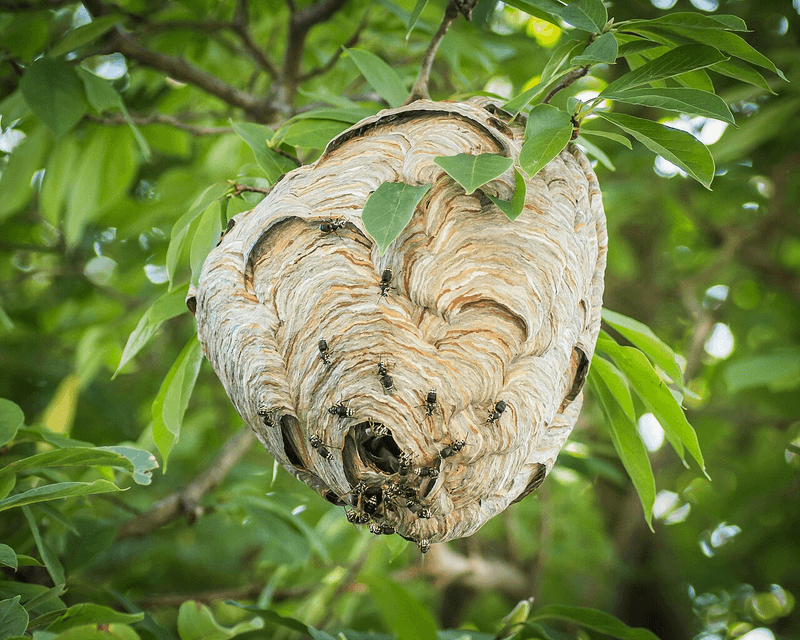
High up in a maple, a gray paper football swings gently in the breeze. Inside, hundreds of bald-faced hornets are standing guard and watching your hedge trimmer.
Fun twist: these insects aren’t true hornets at all. Scientists group them with aerial yellow jackets.
Spotting them is pretty easy. They have black bodies with bright ivory-white markings on the face, legs, and tail end.
That pale face explains the bald-faced name. Workers are stocky and about three-quarters of an inch long.
Nests can grow up to three feet long by late summer. You’ll find them hanging from tree branches, thick shrubs, roof edges, or sheds.
Most nests have one opening near the bottom. A few hornets usually sit there like security guards.
Trimming bushes or pruning branches without looking can turn ugly quickly. These hornets defend their home fiercely and can sting over and over.
People describe the sting as a hot, burning jab. Redness, swelling, and itching can linger for hours afterward.
Swelling in the face or throat, dizziness, or a racing pulse signal a serious allergic reaction. Call for emergency help right away.
Before pruning, scan trees and shrubs from several angles. Found a nest?
Leave that area alone until a pro removes it, or wait for a hard frost to empty it.
7. Red Imported Fire Ants Building Mounds In Southern Counties
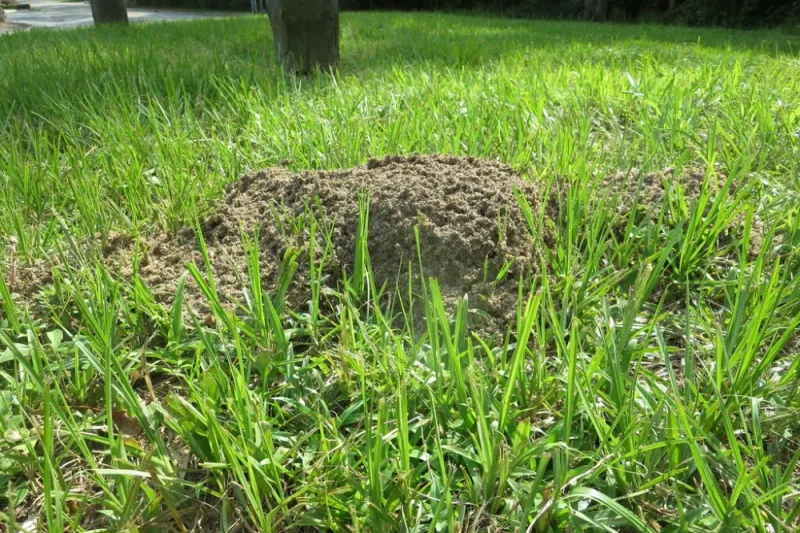
Step on the wrong dirt pile, and your ankle will feel like it’s on fire within seconds. Red imported fire ants earned their name honestly.
Officials first found these invaders in Virginia back in 1989. Today, much of southeastern and Southside Virginia sits under quarantine for them.
Most activity happens in the southeastern region, and the range keeps spreading west. Northern Virginia doesn’t have established colonies yet.
Fire ants love open, sunny ground with loose, sandy soil. Lawns, fields, and parks suit them far better than shady woods.
Mounds often pop up near rocks, fences, or curbs. Typical ones are rounded, one to two feet tall, with a hard crust.
Some mounds stay flat and hard to spot, especially after rain. Walk your lawn carefully before kneeling to weed.
The ants themselves are tiny, from one-sixteenth to one-quarter inch long. Look for reddish-brown bodies with darker rear sections.
Disturb a mound, and workers swarm out fast. Each ant bites to hold on, then stings again and again.
Stings burn right away and later form itchy bumps. Those bumps often turn into white, fluid-filled blisters, so avoid scratching them.
Keep your lawn mowed and watch for new mounds after storms. Treat fresh mounds promptly, or hire a pest control service in affected counties.
8. Asian Needle Ants Lurking Under Logs And Mulch
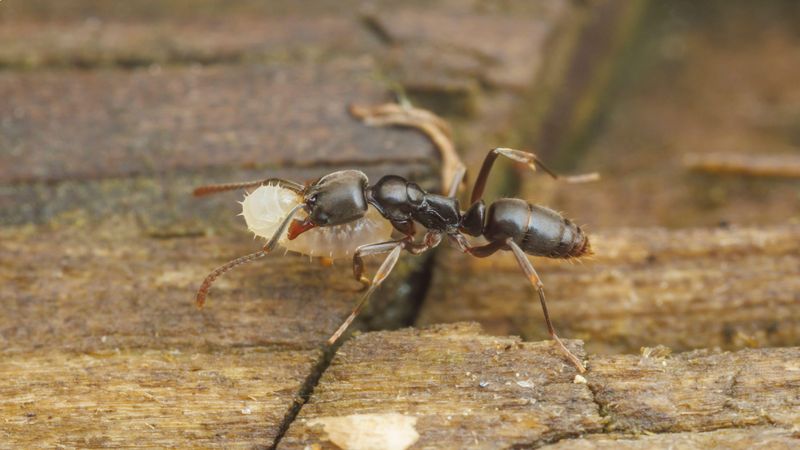
Some troublemakers arrive quietly, riding along in a bag of mulch. Asian needle ants spread across the East Coast largely that way.
Several Virginia counties now report these invasive ants. Milder winters have helped them settle in and spread.
Moist, shady spots are their happy place. They nest in leaf litter, under rocks, and inside rotting logs.
Mulch beds, potted plants, and woodpiles also attract them. Lift a soggy log, and you might uncover a small colony.
These ants look plain at first glance. They’re dark brown to black, about one-eighth to one-quarter inch long.
Check the legs and antenna tips for lighter orange or brown coloring. Orange jaws give away their identity up close.
Unlike fire ants, needle ants usually run away from people. They often wander alone or in small, loose trails.
Pressing your bare hand onto a nest changes everything. They’ll sting, and the pain can be surprisingly sharp.
For some people, the venom triggers serious allergic reactions. Hives, trouble breathing, or dizziness need emergency care right away.
Wear gloves, long sleeves, and closed-toe shoes while spreading mulch or moving logs. Inspect new mulch deliveries, and let damp beds dry out a bit between waterings.
9. Harmless Rat Snakes Mistaken For Copperheads
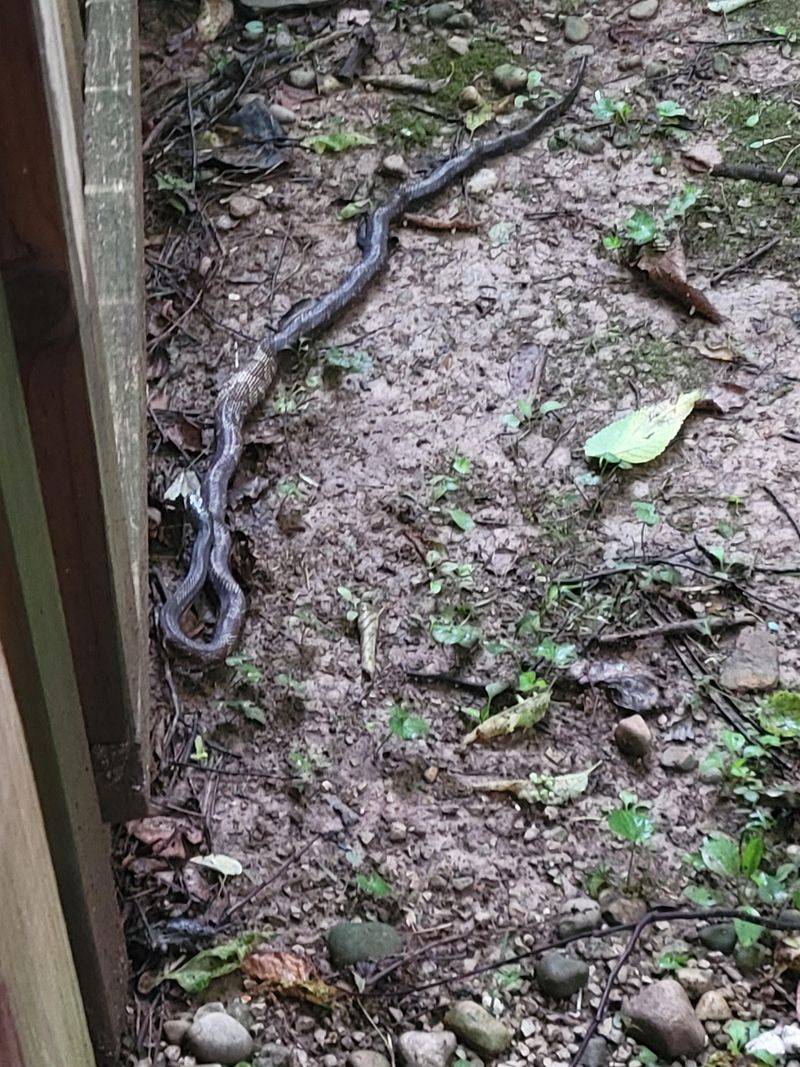
Not every scary-looking snake deserves a panicked shovel swing. The eastern ratsnake might be the best friend your garden ever had.
Statewide, these snakes rank among the most common ones people see. They live in forests, farms, wetlands, and city woodlots.
Rodent control is their specialty. A single ratsnake can help keep mice and rats out of barns, sheds, and gardens.
Adults often reach six feet or more. They’re mostly black on top, with black and white checkered bellies.
Juveniles look totally different, which causes the confusion. Babies wear gray or brown blotches on a pale gray background.
Here’s the key trick for telling them apart. Young ratsnake blotches stop short of the sides, while copperhead hourglasses widen down them.
Eyes offer another clue. Ratsnakes have round pupils and no heat-sensing pits near the nose.
When nervous, they can flatten their heads to look wider. They also shake their tails, which sounds like rattling in dry leaves.
Old stories claim ratsnakes breed with copperheads or guide them around. Both ideas are myths with zero science behind them.
Spotting one during cleanup? Let it be, keep pets back, and enjoy having free pest control slithering around your property.