Why Pennsylvania Fig Trees Need Special Care Before Their First Winter
A plant whose ancestors grew around the warm Mediterranean can produce sweet fruit in a Pittsburgh backyard. I still find that a little wild every time I see one loaded with purple treats in August.
Nobody warned me how fragile these trees are in year one, though. The wood is thin, the roots are shallow, and a single cold snap below 15 degrees can knock the whole top back to the ground.
Pennsylvania winters range from Zone 5 chill in the northern mountains to milder Zone 7 pockets around Philadelphia. That spread matters a lot for a tree that only just settled into your soil last spring. Your new tree is counting on you this fall.
Personally, I think a little effort in November pays off with years of jam, snacks, and bragging rights. So what does a young tree really need before the first hard freeze arrives?
1. Young Fig Roots Are Still Finding Their Footing
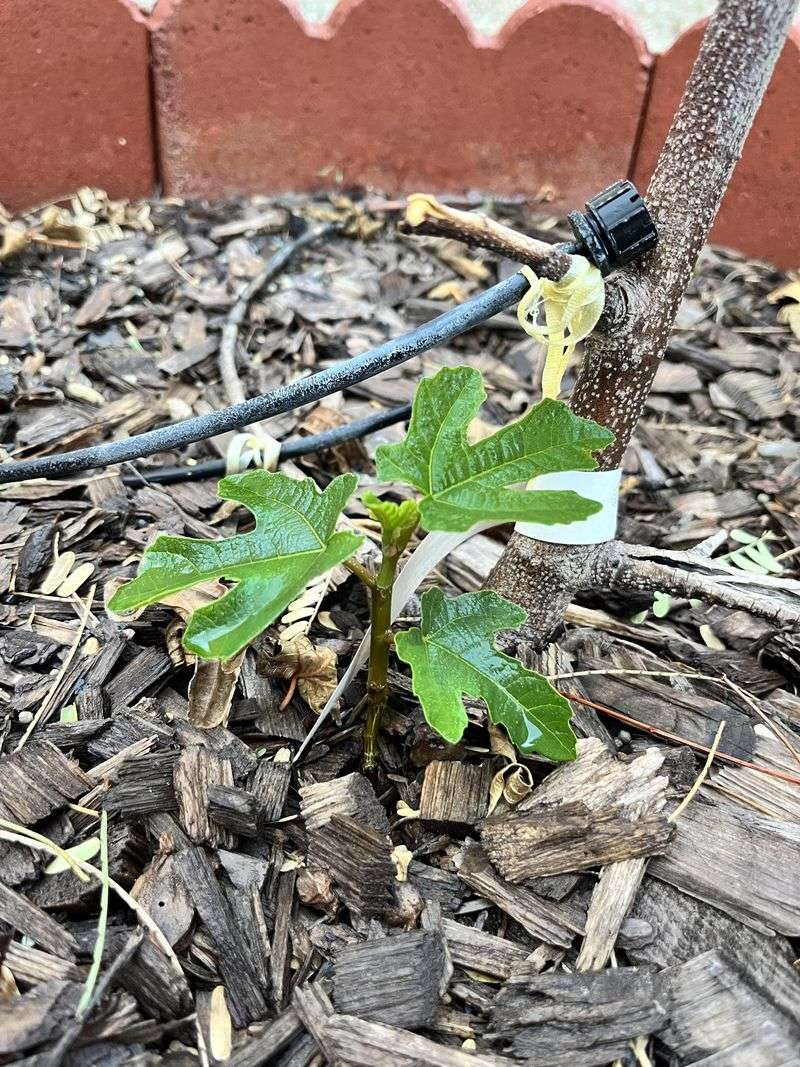
Mature figs have a clever survival trick. When a harsh winter freezes the branches, their deep, well-fed roots often push up fresh shoots the next spring.
A first-year tree has not built that safety net yet. Its root system is small and close to the surface, so cold soil and freeze-thaw cycles hit it hard.
Penn State Extension notes that most common figs suffer serious damage once temperatures fall into the low teens or below.
Thin, green-barked stems add to the risk. Young wood holds more moisture and has less time to harden off, so it cracks and browns faster than older branches. Drying winter winds pull even more water out of those stems.
Location within the state makes a difference too. A sheltered spot in southeastern counties may come through with light cover, while a hilltop in the northern tier needs serious bundling. Check your USDA zone before deciding how much protection to use.
Think of year one as the tree’s training camp. Protect it now, and each following winter gets a little easier as the roots spread deeper. A well-rooted fig can bounce back from tough weather for decades.
2. Wait for Fallen Fig Leaves Before You Wrap

Patience is the secret ingredient here. Wrapping too early can trap warmth and humidity, which invites mold and confuses the tree about the season.
Watch for the signal instead. After the first hard frost, usually in late October or November across most of Pennsylvania, fig leaves turn yellow, go limp, and drop.
That leaf drop tells you the tree has entered dormancy and is ready for its winter rest.
Plan to finish protection before nights regularly dip into the low 20s. In the Lehigh Valley and around Harrisburg, that often means mid to late November.
Folks in Erie or the northern mountains may need to move a week or two sooner.
A few late-season habits help as well. Stop fertilizing by midsummer so the tree is not pushing soft new growth in autumn.
Keep watering during dry fall spells, since a well-hydrated tree handles cold better than a thirsty one.
Pick off any small green figs still hanging on. Those leftover fruits will not ripen over winter and can rot under the wrap. Then grab your twine and mulch, because the real work is about to begin.
3. A Thick Mulch Mound Shields the Fig Tree Base
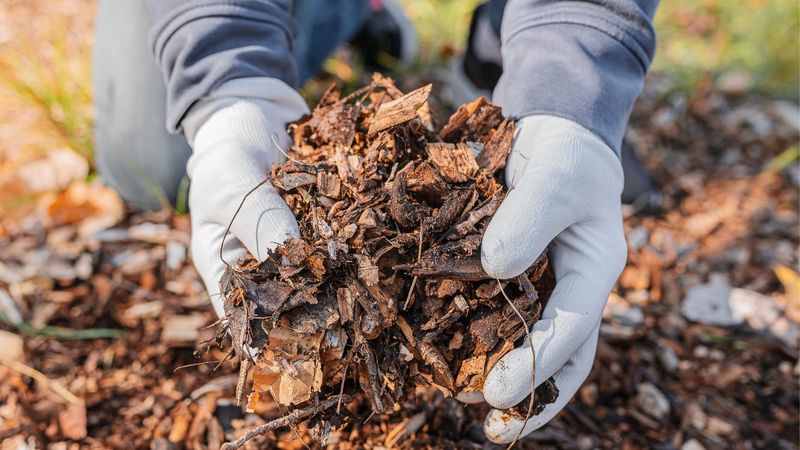
I like to call this the insurance policy. Even if every branch above ground suffers, a protected root crown can send up new shoots in spring.
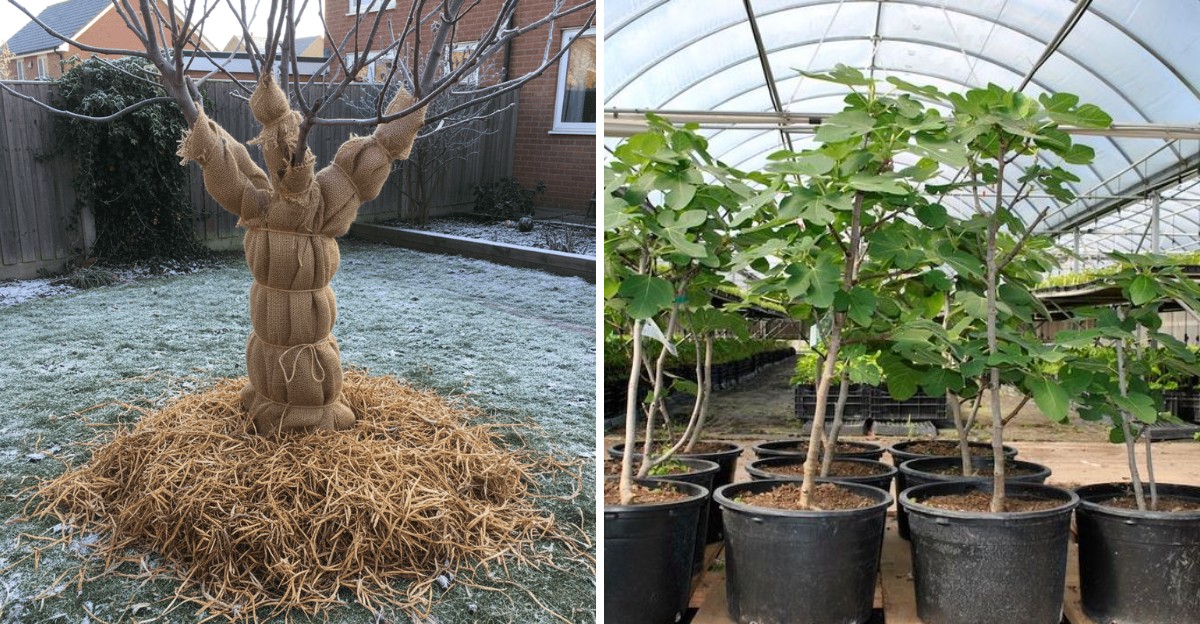
Start by piling loose organic material around the trunk. Straw, shredded leaves, and wood chips work well. Aim for a mound roughly 12 inches deep, and go deeper in colder regions if you have plenty of material.
Spread the mulch a couple of feet out from the trunk in every direction. Roots on a young tree are shallow, so the wide layer keeps soil temperatures steadier and reduces frost heaving. Heaving can push small root balls right out of the ground.
Shredded leaves stay fluffier than whole ones, which helps trap air. Whole leaves tend to mat down into a soggy blanket. A quick pass with the lawn mower turns them into a much better insulator.
Rodents sometimes move into cozy mulch piles and nibble bark. A loose ring of hardware cloth around the trunk before you mulch helps keep voles away.
In spring, pull the mulch back gradually so the soil can warm up and the tree can wake on schedule.
4. Tie Those Fig Branches Into a Snug Bundle
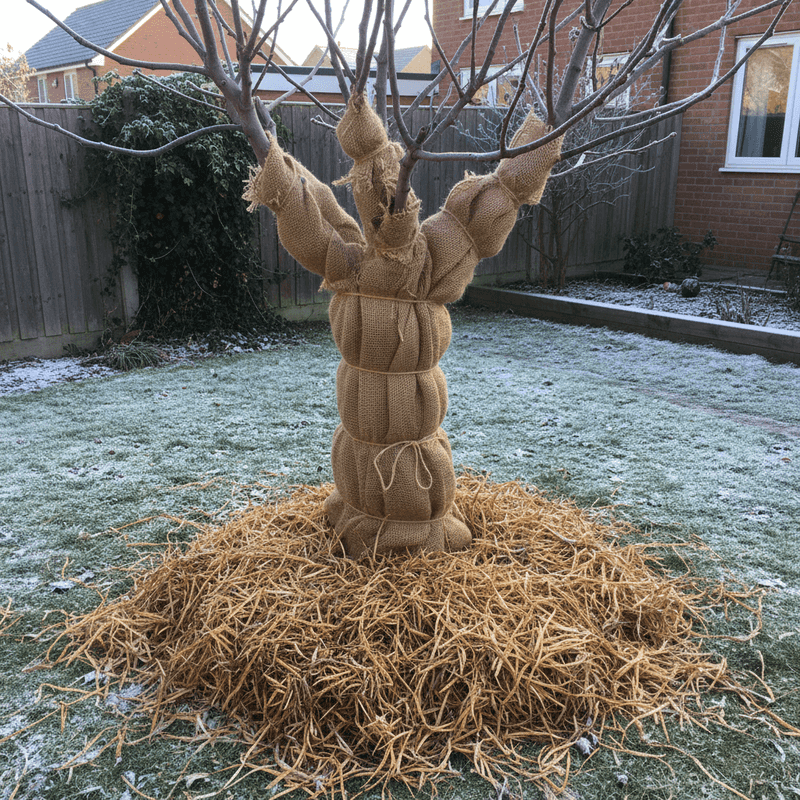
Ever tried to wrap a present with arms sticking out in every direction? A sprawling fig is just as tricky, so bundling comes first.
Gently gather the branches upward toward the center. Young fig wood bends nicely when you go slowly. Loop soft jute twine or garden rope around the bundle in two or three spots, snug but not tight enough to dig into bark.
Some growers prune a tall young tree back a bit to make wrapping easier. Light trimming of long, whippy tips is fine.
Save any major shaping for late winter or early spring, when you can see exactly which wood made it through.
A compact bundle has less surface exposed to wind. That means less drying and fewer split stems. It also lets your wrapping layers fit closely, so the trapped air stays put.
Here’s a fun detail. Many Italian American families around Philadelphia and Pittsburgh have bundled their backyard figs this way for generations, often with old rugs and buckets.
Their trees sometimes outlived the original planters. Bundling is a small step, but it sets up everything that follows, so take your time and keep the twine handy.
5. Burlap Beats Plastic When Wrapping Your Fig
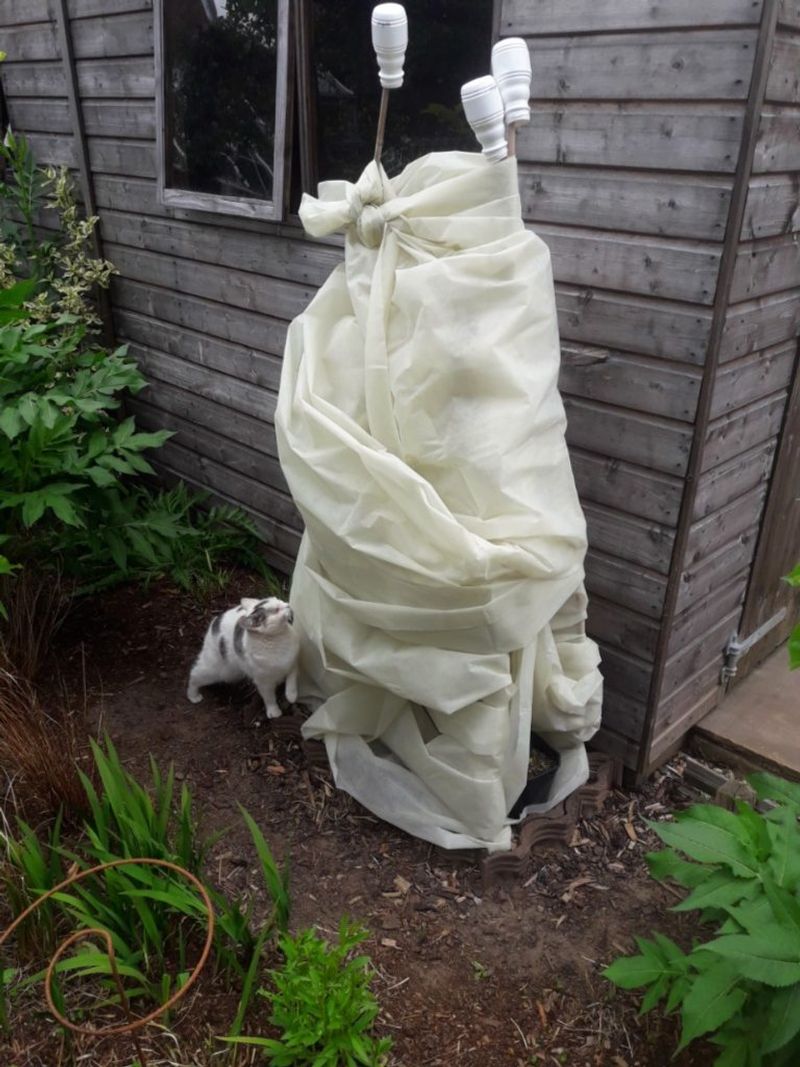
Breathability is the name of the game. Plastic pressed against bark traps moisture, and that damp pocket can lead to mold, rot, and overheating on sunny winter days.
Burlap, frost cloth, or old cotton blankets make better first layers. Wrap the bundled branches loosely, overlapping as you go. Secure the fabric with twine so winter gusts cannot peel it away.
For extra warmth, build a simple cage. Circle the tree with chicken wire or a ring of cardboard, then fill the gap loosely with dry straw or shredded leaves. The air pockets inside act like the stuffing in a puffy coat.
Top the whole thing with a cap. An upturned bucket or a small tarp sheds rain and snow, keeping the insulation dry. Wet straw loses much of its warming power.
Leave the bottom a little open for airflow. A bit of ventilation stops condensation from building up inside the wrap during warm spells.
You can use a plastic tarp as an outer rain shield, just never as the layer touching the tree. On mild February afternoons, peek inside to make sure everything looks dry and firm.
6. Burying a Bent Fig Tree in a Trench Works Wonders
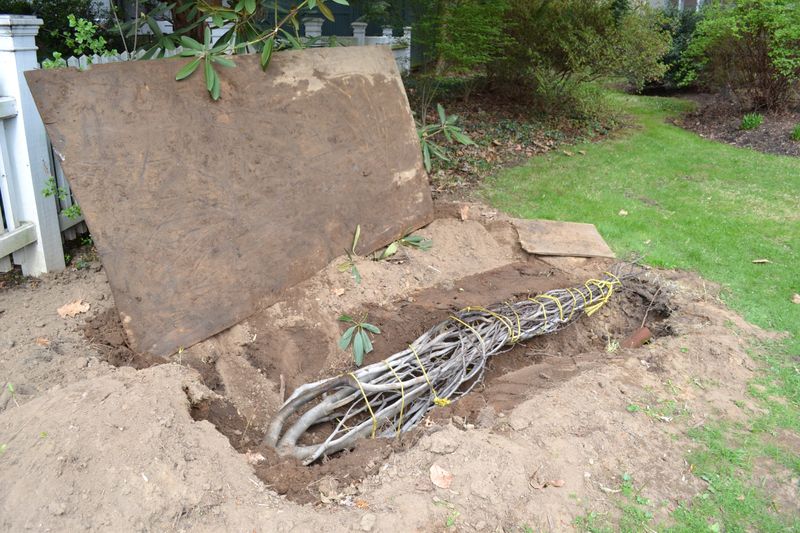
Old-school growers swear by this one, and honestly, the results speak for themselves. Soil is one of the best insulators around, so laying a fig underground keeps it far warmer than open air.
Dig a trench next to the tree, about as long as the bundled branches and a foot or more deep. Loosen the soil on the opposite side of the root zone. Then slowly tip the tree into the trench, keeping the main roots in the ground.
Young figs are actually ideal candidates. Their trunks are flexible, so bending them takes less effort than wrestling an older tree. Go gently, and stop if you hear cracking.
Lay a board or cardboard over the branches to keep soil weight and critters off the bark. Cover everything with soil, then add a thick layer of straw or leaves on top. Mark the spot so nobody steps on it.
This method suits colder areas like the Poconos and north-central Pennsylvania. Expect a sore back and a muddy afternoon. In spring, lift the tree back upright once hard frosts are past, and water it well.
7. Potted Figs Can Snooze in a Cool Garage
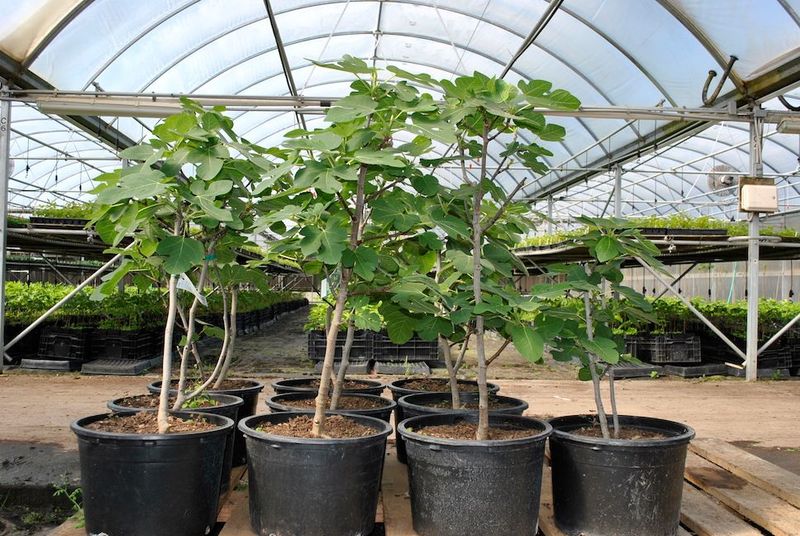
Container growers, you’re in luck. Moving a potted fig indoors is the easiest winter plan on this whole list.
Leave the pot outside until a frost knocks the leaves off. That cold exposure helps the tree settle into dormancy.
Then roll it into an unheated garage, shed, or cool basement where temperatures stay roughly between 25 and 45 degrees.
Darkness is perfectly fine. A sleeping fig does not need sunlight because it has no leaves to feed. A warm, bright living room is the wrong choice, since heat can coax the tree into weak early growth.
Water sparingly, about once a month. You only want the soil lightly moist, not soggy. Soaking a dormant fig invites root rot, which is far more common than winter drying in pots.
Roots in containers are more exposed than roots in the ground. That is why potted figs should not stay outdoors through a Pennsylvania winter without serious insulation.
Bring the tree back outside gradually in April, starting with a shady spot for a few days. Watch for tiny green buds swelling at branch tips, a cheerful sign your tree slept well.
8. Spring Fig Shoots Reward Your Fall Effort
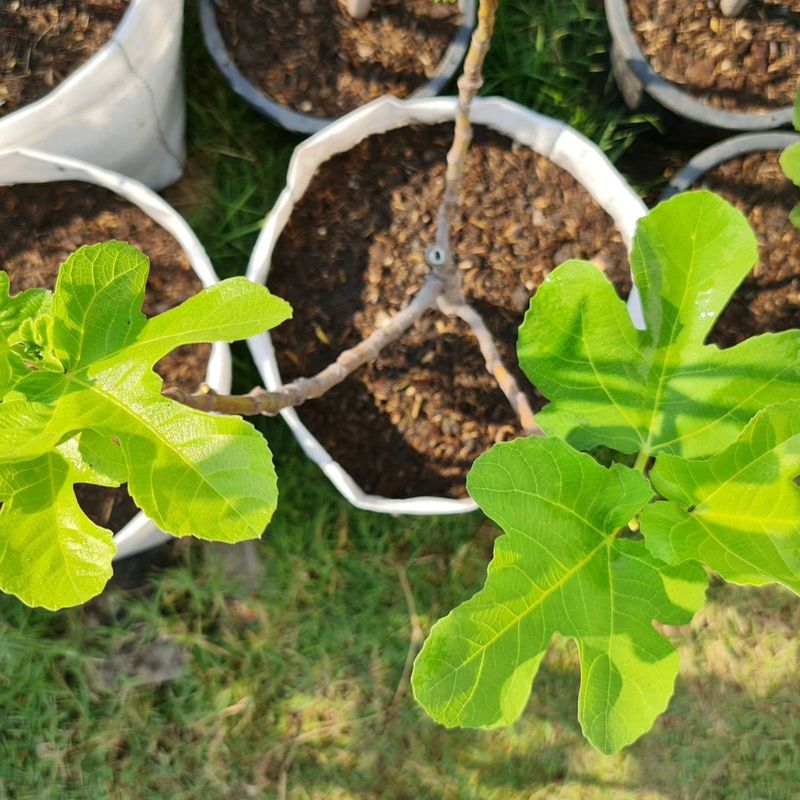
That first spring peek under the wrap is pure excitement. I treat it like opening a present I wrapped months ago and half forgot about.
Wait until the danger of hard frost has passed, often around mid to late April in southern Pennsylvania and May farther north.
Remove layers over a week or so instead of all at once. A cloudy day helps tender bark adjust without sun scald.
Do not panic if some branch tips look brown or shriveled. Scratch the bark gently with a fingernail. Green tissue underneath means the wood is alive, while brown and brittle wood can be pruned back once buds appear.
Figs are famously stubborn in a good way. Even if the top struggled, new shoots often pop from the base by late spring.
Many common varieties, like Chicago Hardy and Brown Turkey, can fruit on that same season’s new growth.
Jot down what worked in a garden notebook. Note your wrap dates, materials, and how the tree looked in spring. Each year the roots grow stronger, and your winter routine gets quicker.
With steady care, those sweet late-summer figs become a backyard tradition worth sharing.