Acorns Covering Your Michigan Lawn? Here’s What to Do With Them
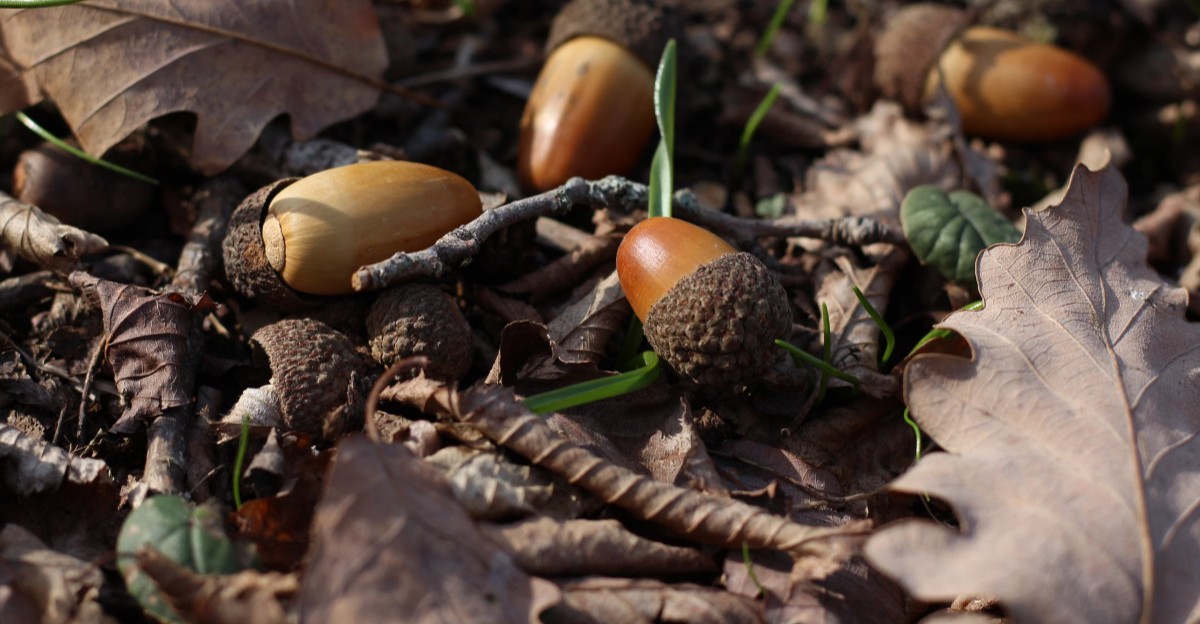
A single mature oak can drop thousands of seeds in one good autumn. Some years, the ground under one tree turns into a crunchy, rolling carpet that feels like walking on marbles.
I know how frustrating it can be when your mower sputters and your boots slide on the patio. Here in Michigan, red oaks, white oaks, and bur oaks are common yard trees, so plenty of us share this mess every fall.
There’s actually a good reason the crop seems huge one year and skimpy the next. The trees follow their own rhythm, and weather plays a big part in it.
The real question is what you should do with the pile. Some of it can feed your soil, some can help wildlife, and some needs to leave your yard before the family dog finds it.
1. Those Oak Trees Are Having a Bumper Acorn Year
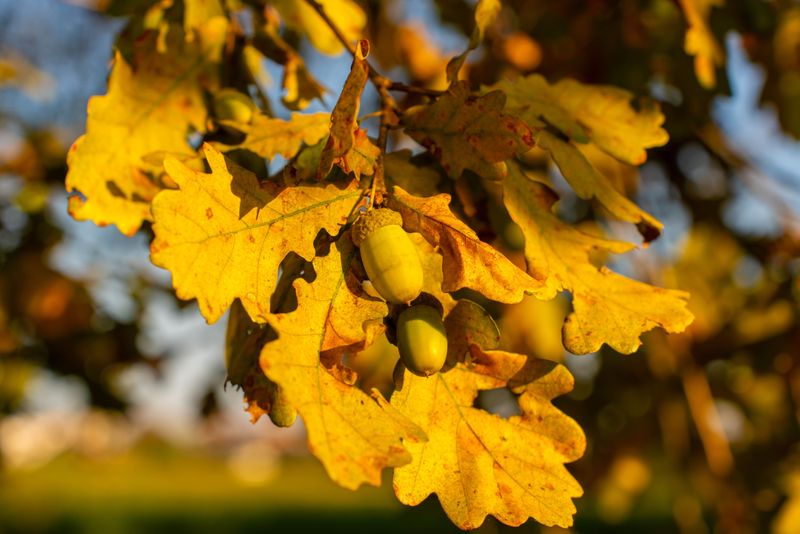
Oak trees seem to coordinate like a secret club. Foresters call a heavy seed year a mast year, and oaks across a whole region often produce big crops at the same time.
Michigan State University Extension notes that oaks swing between big and small crops instead of producing the same amount each fall.
Bumper years often show up every two to five years, though timing varies by species and location. A mast year usually signals a healthy, well-fed tree, not a stressed one.
Weather plays a big role. Warm, dry spring days help oak pollen travel on the wind, while a late frost can ruin flowers and shrink the crop. Red oaks need about two growing seasons to ripen their acorns, so this fall’s pile started back in an earlier spring.
Scientists think boom years help oaks outsmart hungry animals. Squirrels, deer, and jays simply can’t eat everything, so some seeds survive and sprout.
I find that oddly comforting when I’m raking. Your tree isn’t sick, and next year will probably be lighter. Knowing that helps you plan cleanup for this season instead of worrying about your oak’s health.
2. Rake Up Fallen Acorns Before They Smother Your Grass
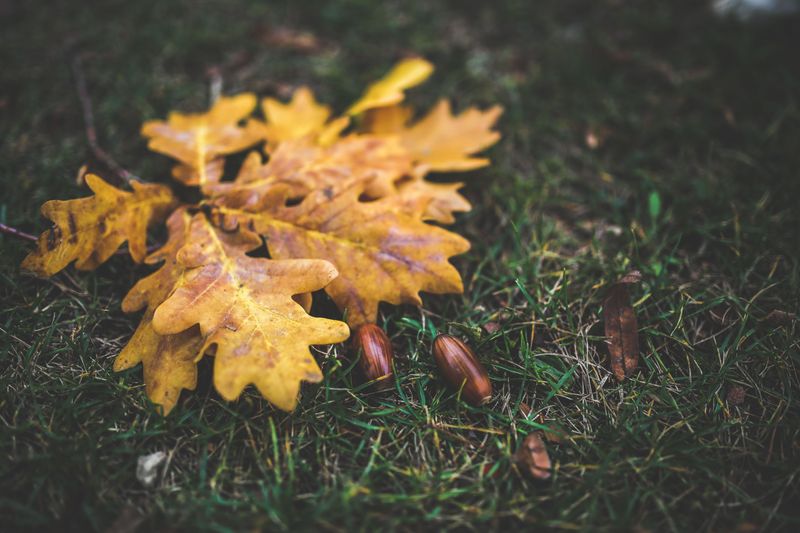
Grass needs sunlight and air, even in October. A thick blanket of acorns and oak leaves can shade turf and trap moisture, which may lead to thin or patchy spots by spring.
Cool-season lawns in Michigan keep growing and storing energy into fall. That makes this a smart time to clear the ground so your grass can soak up those last sunny days.
Acorns also create real safety problems. They roll underfoot on sidewalks, steps, and driveways, and a slip on a hard surface can hurt. A mower can also fling acorns hard enough to crack a window or sting someone nearby.
Plan to clean up every week or so during the peak drop, which often runs from September into early November. Smaller, frequent sessions are easier than one huge weekend job.
Start with the spots people walk on most. Then move to the lawn areas closest to the trunk, where acorns pile deepest. A few rounds with a sturdy rake can make a surprising difference.
Also check the gutters. Acorns and leaves can clog downspouts, and Michigan’s late fall rains need a clear path off your roof.
3. A Rolling Nut Gatherer Can Save Your Back
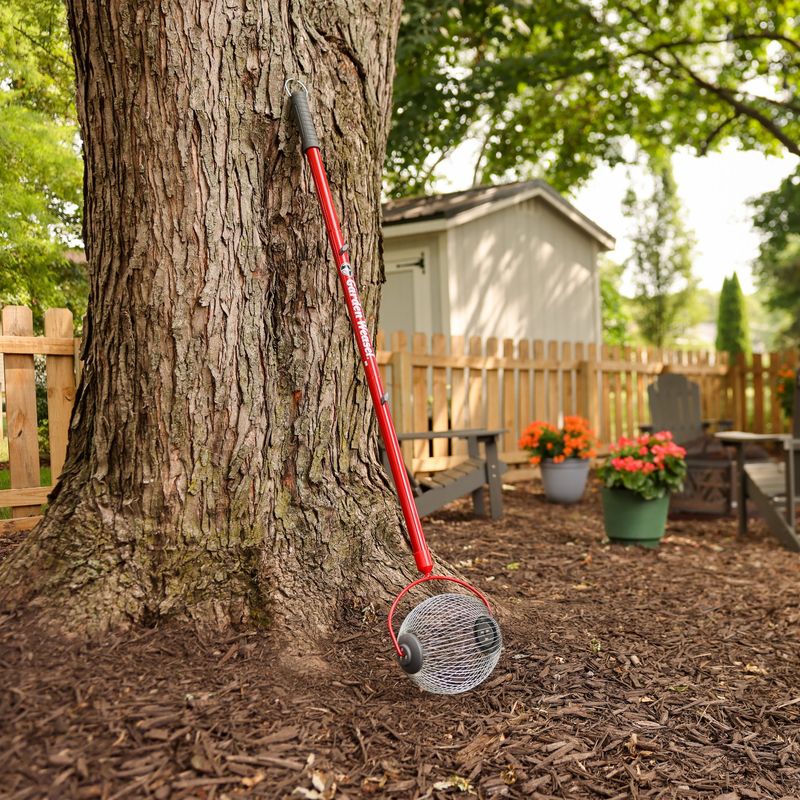
My back still remembers the year I picked up acorns by hand. Once I tried a rolling nut gatherer, I wondered why I waited so long.
These simple tools have a wire cage on a long handle. You roll them across the grass, and the flexible wires spread apart to trap acorns inside. Most models empty by spreading the wires over a bucket.
For bigger yards, a push lawn sweeper is another handy option. Rotating brushes flick acorns and leaves into a hopper as you walk. Tow-behind sweepers attach to a riding mower if you have lots of ground to cover.
A leaf blower works well on flat, hard surfaces like driveways and patios. Blow the acorns into a corner, then scoop them up with a dustpan or shovel.
Some people use a mower with a bagger. That can work for a light layer, but heavy loads may dull blades and stress the machine. Check your mower manual first.
Wear gloves and sturdy shoes during cleanup. Acorn caps can be sharp, and wet nuts get slippery fast on sloped lawns.
4. Crushed Acorns Make Slow but Useful Compost
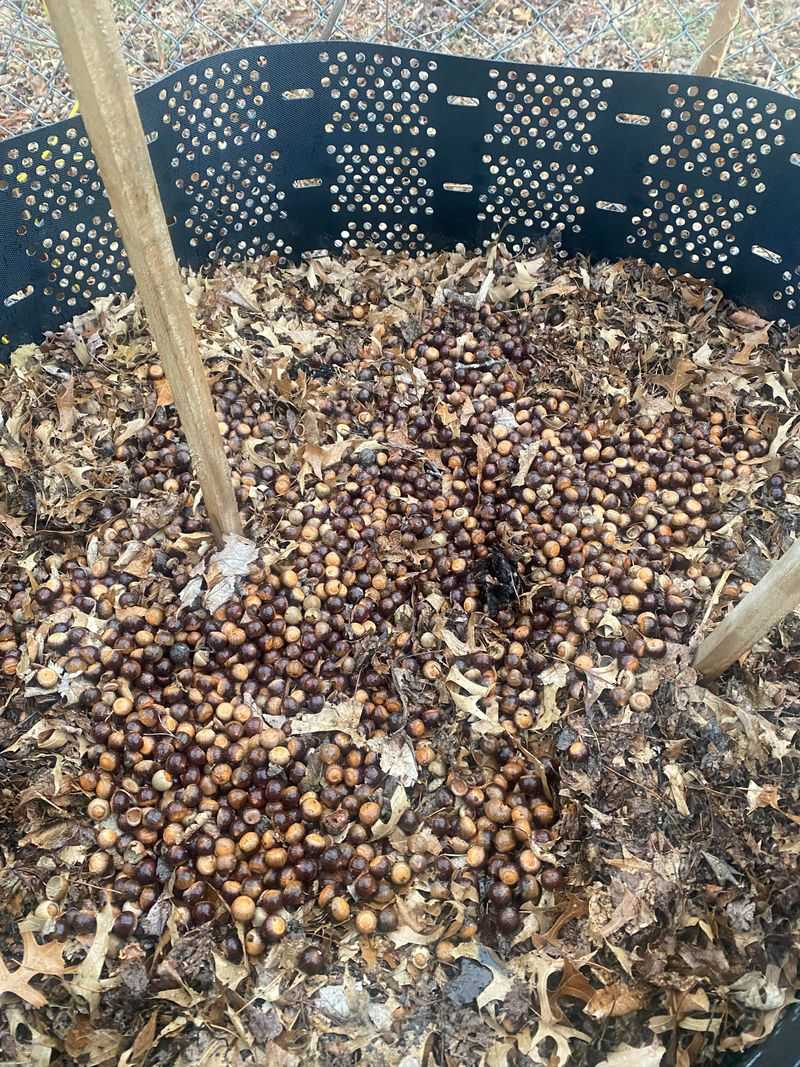
Composting acorns feels like a fair trade with the oak tree. It dropped them on your lawn, so you can turn them into food for your garden.
Acorns count as brown material in compost, meaning they add carbon. Pair them with green material like vegetable scraps, coffee grounds, or fresh grass clippings to keep the pile balanced.
Whole acorns have a tough shell and break down very slowly. Crack them first by driving a mower over a pile on a tarp, stomping on them in a sturdy bag, or tapping them with a hammer. Smaller pieces give microbes more surface to work on.
Keep the pile about as damp as a wrung-out sponge and turn it every few weeks. Michigan compost piles slow down in cold weather, so expect most action to resume in spring.
Acorns contain tannins, which can slow decomposition a bit. Mixing them with plenty of other materials helps, and finished compost won’t harm most garden plants.
One quick tip saves trouble later. Unbroken acorns may sprout in the pile or wherever you spread the compost, so crushing them also prevents surprise oak seedlings in your flower beds.
5. Keep Curious Dogs Away From Acorns on the Ground
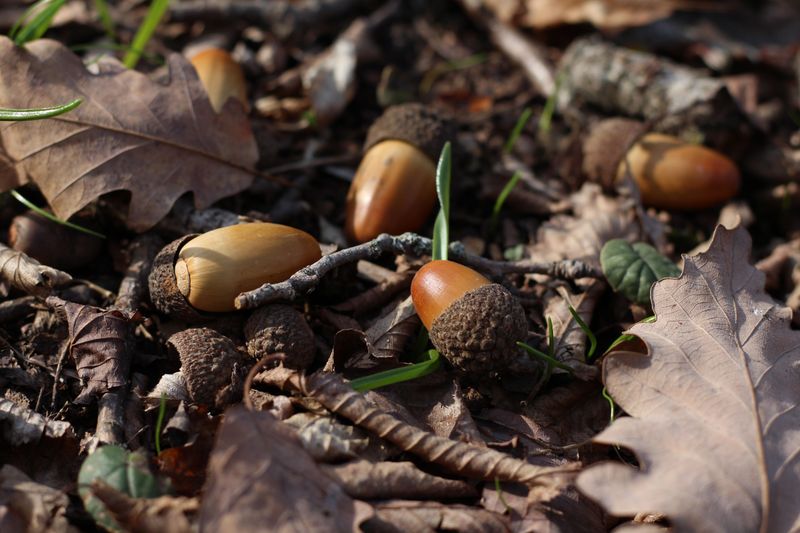
Dogs treat a yard full of acorns like a giant snack bowl. Sadly, those crunchy nuts can cause real trouble for pets.
Acorns contain tannins and other compounds that can upset a dog’s stomach. Veterinarians report signs like vomiting, diarrhea, drooling, and belly pain. In larger amounts, problems can become more serious, including possible kidney damage.
The shape matters too. A whole acorn or a sharp cap can lodge in the throat or intestines, especially in small dogs. That kind of blockage often needs emergency care.
Watch puppies closely, since they explore with their mouths. Walk dogs on a leash in oak-heavy areas during fall, and train a solid leave-it command. Clearing acorns from the main play area also helps a lot.
If you think your dog ate acorns, call your veterinarian or a pet poison helpline right away. Mention how many your dog may have eaten and when it happened.
Horses and cattle can also be harmed by eating lots of green acorns. If you keep livestock near oaks in Michigan, fence off heavy drop zones during peak season.
6. Squirrels, Turkeys, and Deer Love a Good Acorn Crop
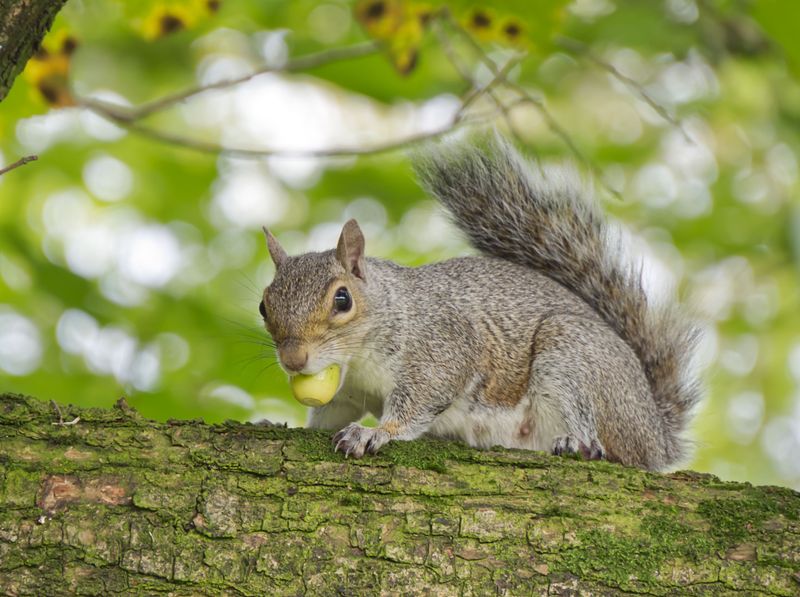
Acorns rank among the most important wild foods in North America. More than 100 kinds of animals eat them, from blue jays and wood ducks to black bears.
White-tailed deer and wild turkeys put on fat with acorns before winter. Squirrels bury thousands each fall and forget some, which helps plant new oak trees. Blue jays also carry acorns long distances and cache them.
You can share your extras with wildlife in a simple way. If you own wooded land, scatter some acorns along the edge where animals already travel.
Avoid piling acorns near your house, though. Feeding deer can bring them closer to gardens and roads, and some local rules restrict wildlife feeding.
The Michigan Department of Natural Resources has set rules on baiting and feeding deer in parts of the state, partly to slow chronic wasting disease. Check current DNR guidance before putting out piles of food for deer.
Leaving a small natural layer under trees in an unmowed corner works nicely. Wildlife gets a snack, and you get a little less raking.
7. Mice and Chipmunks May Stash Acorns Near Your Foundation
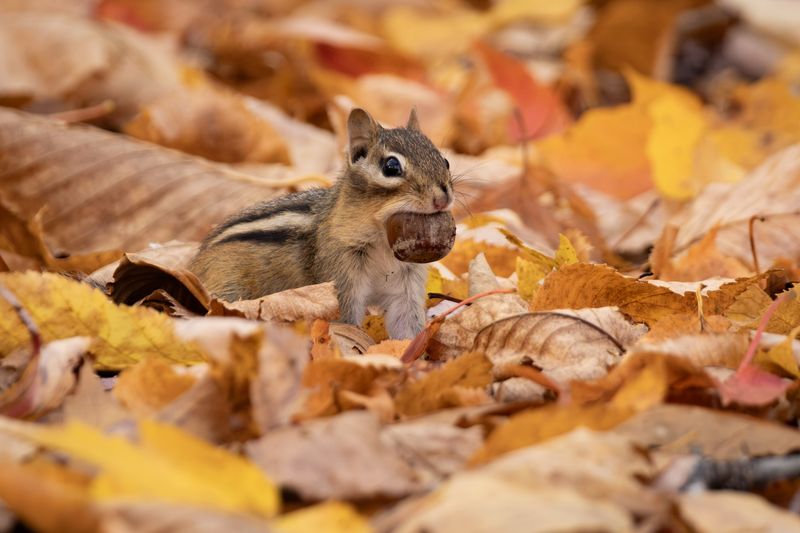
Chipmunks stuff their cheeks like tiny grocery bags. A yard full of acorns gives them an easy pantry, and they rarely shop far from home.
Mice, chipmunks, and squirrels often hide food in sheltered spots. That can include garages, sheds, wall gaps, attics, and even car engine bays. As nights cool down, a warm house looks very appealing.
Start by clearing acorns from a strip about a few feet wide around your foundation. Move woodpiles and leaf piles away from the house too, since they provide hiding places.
Next, look for small openings. A mouse can squeeze through a gap about the size of a dime. Seal cracks with steel wool, caulk, or hardware cloth, and check door sweeps and vents.
Store birdseed, pet food, and grass seed in metal or heavy plastic bins with tight lids. Open bags in a garage act like a welcome sign.
Chipmunk burrows near patios or steps may loosen soil over time. If you notice lots of holes or signs of rodents indoors, a licensed wildlife control professional can help with humane options.
8. Turn a Few Acorns Into Crafts, Flour, or New Oak Trees
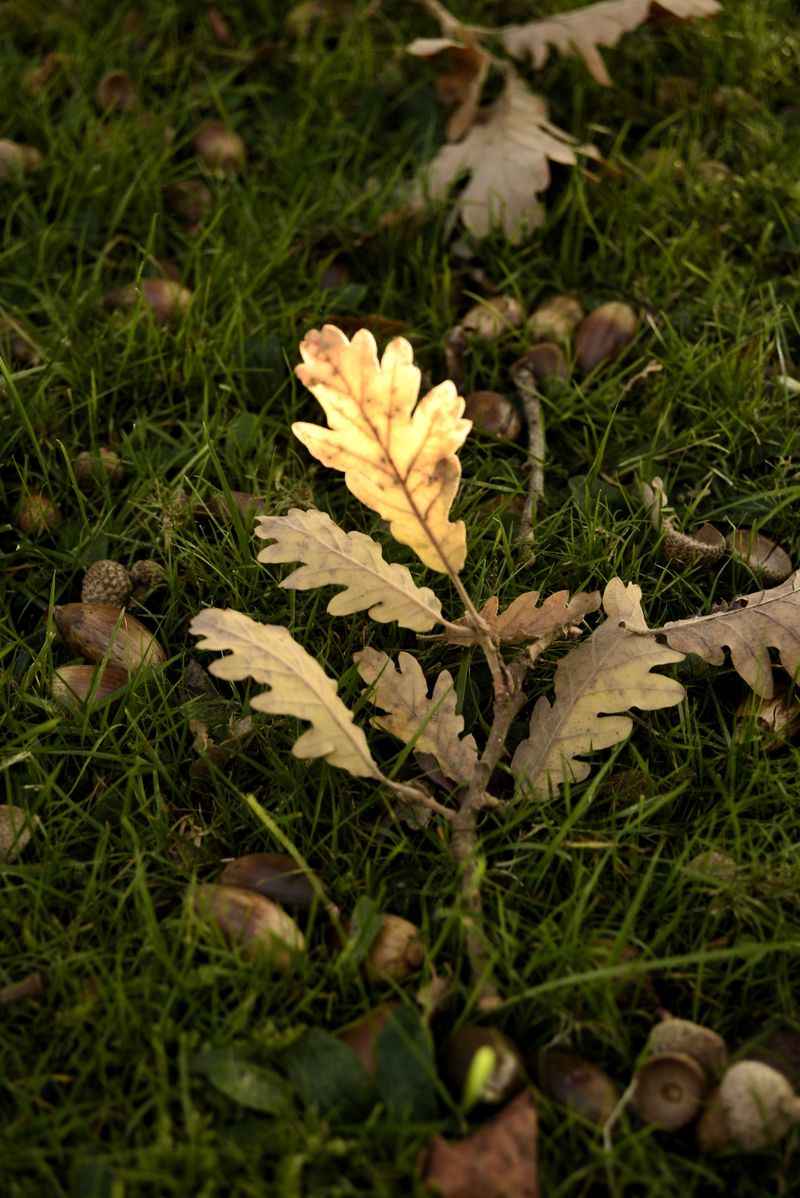
Some of my favorite fall projects start with a bucket of leftover acorns. Not every nut needs to head to the curb. Acorns have fed people for thousands of years. Many Indigenous communities processed them into meal.
White oak acorns tend to have fewer tannins than red oak types, but all acorns need leaching first, which means soaking or boiling them in changing water until the bitterness fades.
Only eat acorns you have identified with confidence. Toss any with tiny holes, since acorn weevil larvae often tunnel inside.
Crafts are an easy choice for kids. Bake clean acorns at a low heat for about an hour or two to drive out bugs, then use them for wreaths or table decorations.
You can also grow an oak. Plant fresh, healthy acorns in a pot or protected bed in fall, since many oak acorns need a cold winter before sprouting. Native oaks support hundreds of caterpillar species, which feed songbirds.
Whatever you choose, remember the main goal. Keep paths safe, protect pets, and treat the extras as a gift from a strong, healthy oak tree.