10 Native Wildflower Seeds New Yorkers Should Sow Outside in November for Spring Blooms
Freezing weather does a job that seed companies charge good money to fake inside a refrigerator for weeks. Botanists call it cold stratification, and many native seeds refuse to sprout until they get it.
Repeated freezing and thawing softens tough seed coats and tells sleepy embryos that spring is finally near. Across New York, late fall is the window when bare soil turns cold enough to start that natural countdown.
Looking back, I should have trusted winter years ago instead of babying expensive seed trays on my kitchen windowsill. Half of those indoor seedlings flopped, while my lazy fall scatterings came up thick and happy in April.
So which native beauties actually reward a chilly November sowing with flowers that bees and butterflies adore? Between you and me, a few picks on this list surprised even my stubborn, seasoned gardening friends.
1. Wild Columbine
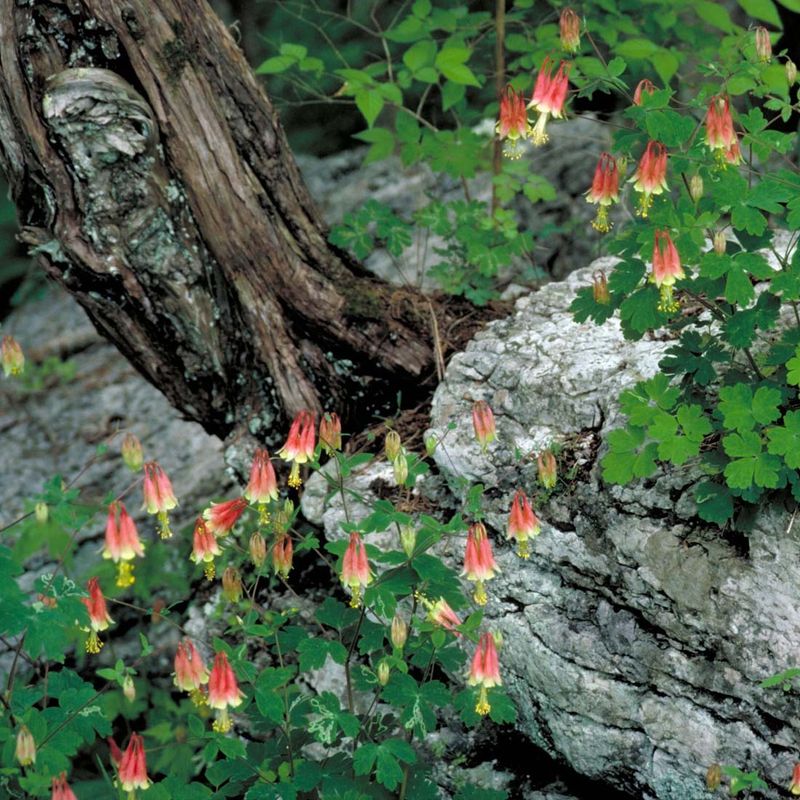
Hummingbirds returning in spring often head straight for the red and yellow lanterns dangling from this woodland charmer. Those nodding blooms have long spurs packed with nectar, sized just right for a tiny hovering bill.
Aquilegia canadensis grows about one to three feet tall and blooms from roughly April into June in most areas. It handles sun or part shade and happily tucks into rocky, well-drained spots where fussier plants sulk.
For what it’s worth, the seeds are tiny, so scatter them on loosened soil and barely cover them. A light dusting of soil, about an eighth of an inch, keeps them in place without burying them.
Winter moisture and cold break their dormancy, and seedlings usually pop up once spring soil begins warming. Expect mostly leafy growth the first year, since most columbines wait until their second spring to flower.
Mark the spot with a stake or plant label, because tiny seedlings are easy to mistake for weeds. I once yanked a whole row of baby columbines in April, and I still wince thinking about it.
Plants are fairly short-lived, but they reseed politely and pop up in nearby cracks and garden edges. Leaf miners sometimes draw squiggly trails on the foliage, though the damage is mostly cosmetic and easy to ignore.
Choose the native species over hybrid columbines if you want plants that local wildlife truly recognizes and uses. Early bumblebees also visit the flowers, sometimes chewing holes in the spurs to steal nectar directly.
2. Wild Lupine
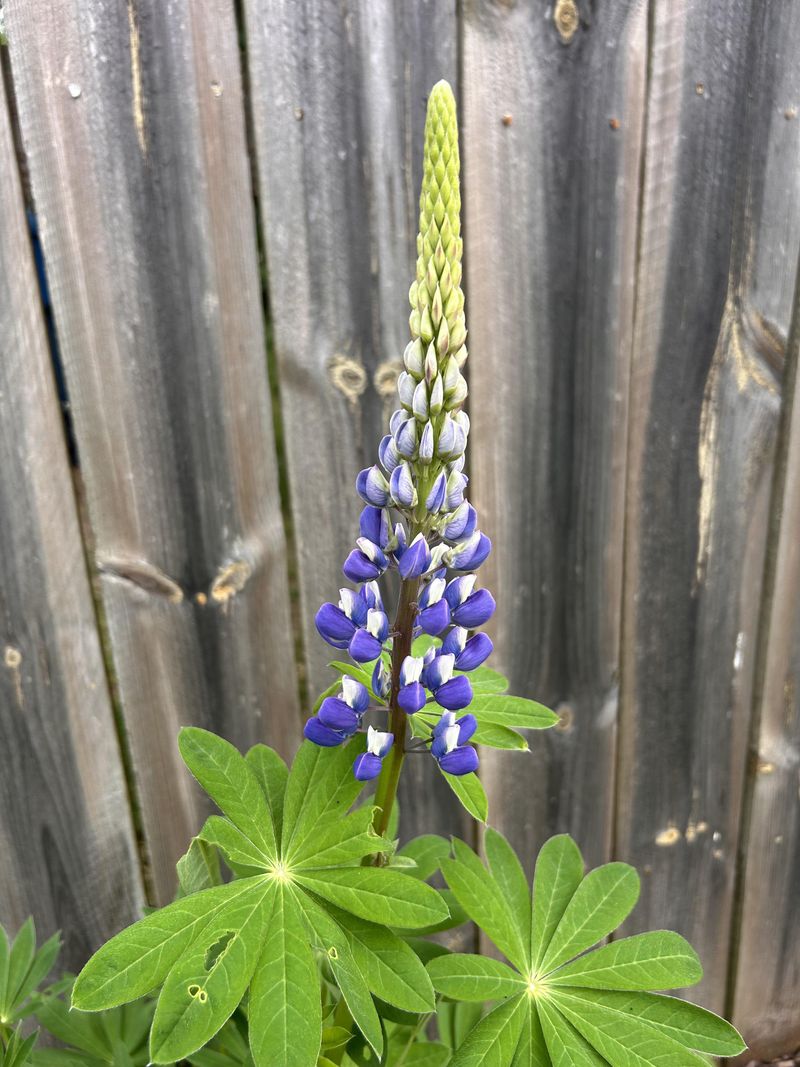
Karner blue butterfly caterpillars eat only one plant, and that plant is the purple-spiked star of this entry. Restoration crews at the Albany Pine Bush Preserve have planted huge amounts of it to help those tiny butterflies recover.
Lupinus perennis sends up blue to purple flower spikes in late spring, usually around May and early June. Plants reach one to two feet tall and fix nitrogen, which helps them thrive in poor, sandy ground.
Its seeds wear a hard coat, so rub them lightly with sandpaper before sowing to help water sneak inside. Plant them about a quarter inch deep in full sun, ideally in sandy, well-drained, slightly acidic soil.
Fall sowing lets winter freezes crack and soften those tough coats even further before spring arrives. Seedlings form a long taproot quickly, so sow them where you want them to stay for good.
Take it from someone who tried, moving an established lupine rarely ends well because that root runs deep. Most plants bloom in their second or third year, so a little patience pays off handsomely here.
Watch out for the big, showy garden lupines sold everywhere, since those are a different western species. Lupinus polyphyllus has escaped into roadsides across the Northeast and can crowd out the native plant butterflies need.
Buy seed from a reputable native supplier that clearly lists Lupinus perennis on the packet or label. Your patch might not host Karner blues, but bumblebees and other butterflies will happily visit those spikes.
3. Golden Alexanders
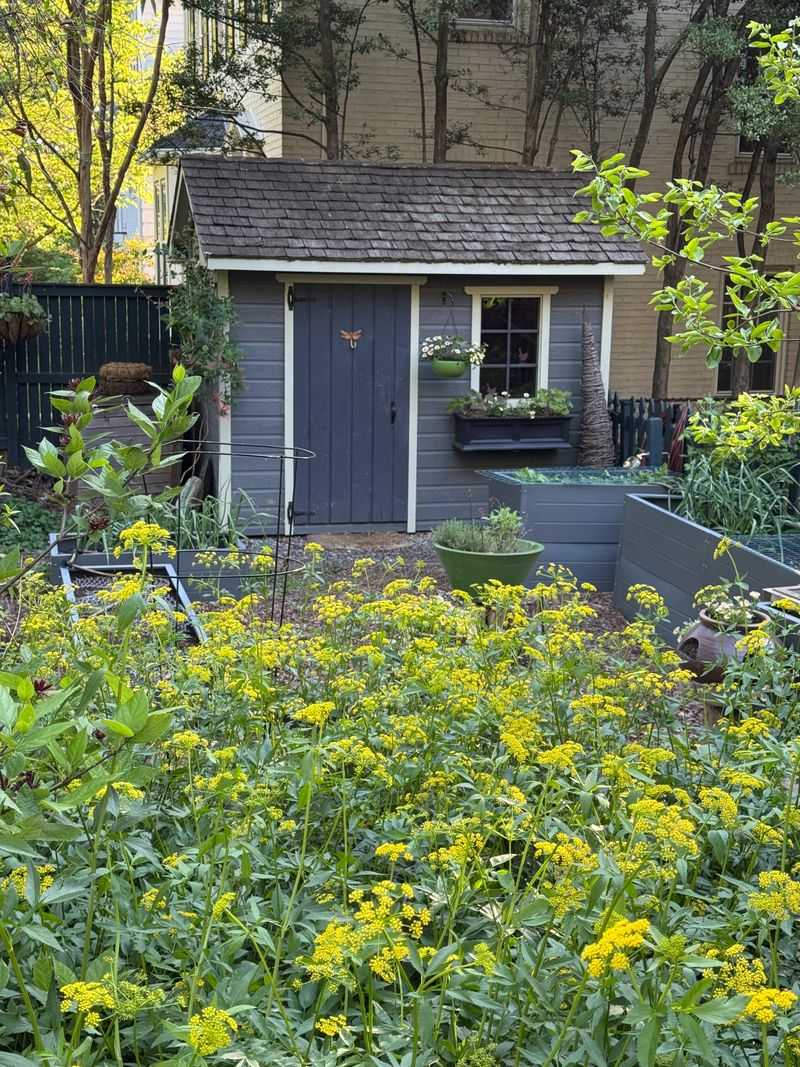
Black swallowtail caterpillars munch on parsley in vegetable gardens, but they also adore this sunny native relative of carrots. Flat clusters of tiny yellow flowers open in late spring, looking like little golden umbrellas held over glossy leaves.
Zizia aurea usually blooms from May into June and grows roughly one to three feet tall. It tolerates full sun or part shade and handles moist meadow soil better than many prairie plants do.
Short-tongued native bees and small flies crowd the flowers, since that nectar sits right out in the open. If you ask me, it ranks among the busiest pollinator stops in my yard each spring.
Sow seeds about an eighth of an inch deep after the first hard frost has settled in. Press the soil down firmly so each seed touches the ground well before winter rain and snow arrive.
Those seeds need a long stretch of moist cold, so fall sowing saves you a messy fridge project. Germination may stagger over several weeks in spring, so resist the urge to dig and reseed too early.
First-year plants focus on roots, with flowers typically showing up during the second growing season in most gardens. Plants are fairly short-lived, yet they reseed reliably and fill gaps without becoming a bully in mixed borders.
Leave the striped caterpillars alone if you spot them chewing the leaves, because they become swallowtails later. The plant bounces back quickly, and you get front-row seats to a pretty remarkable transformation all summer long.
4. Wild Geranium
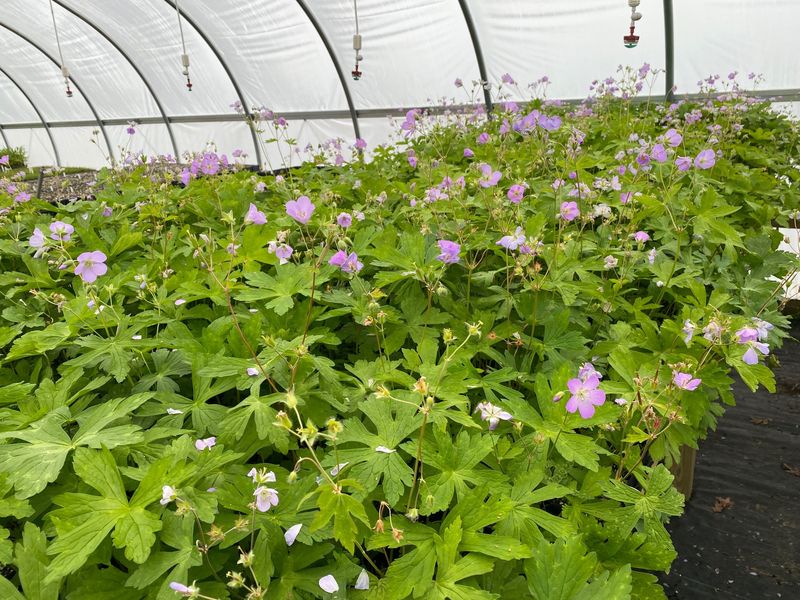
Seed pods on this woodland favorite act like tiny catapults, flinging seeds several feet away when they ripen. Long beaked fruits give the plant its other common name, cranesbill, and they look just like a bird’s bill.
Geranium maculatum opens soft pink to lavender flowers from about April into June across much of the Northeast. Each bloom has five rounded petals, and plants usually stay between one and two feet tall.
Don’t confuse it with the bedding geraniums in window boxes, which belong to a different genus called Pelargonium. This native one is a hardy perennial that returns each spring and slowly spreads by thick underground rhizomes.
Scatter seeds over loosened soil in part shade and cover them lightly, roughly a quarter inch deep. Winter’s cold and moisture handle the stratification, so you can skip the plastic bags and the crowded fridge drawer.
Let’s just say chipmunks noticed my first batch of seeds, so a thin layer of leaves helped. Light mulch hides seeds from hungry critters and keeps the soil from heaving during wild freeze and thaw swings.
Most seedlings flower in their second year, though some gardeners report a few blooms sooner under great conditions. Plants tolerate sun if the soil stays reasonably moist, but leaves look happiest with afternoon shade.
Small native bees and syrphid flies visit often, and pink guide lines on the petals point them toward nectar. Deer usually leave it alone, which earns serious bonus points from anyone gardening near the woods.
5. Foxglove Beardtongue
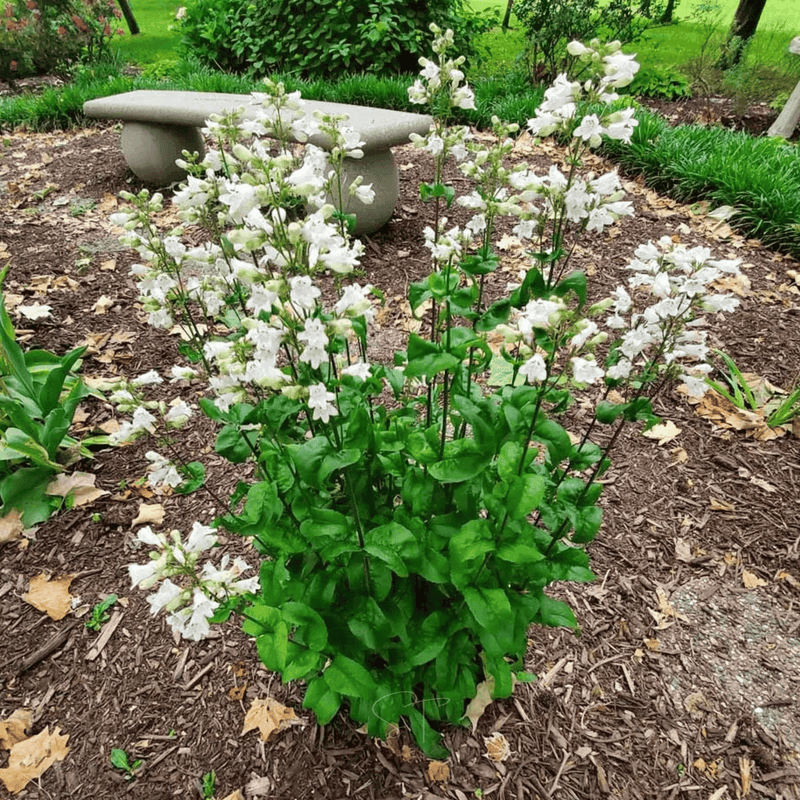
Bumblebees crawl right inside the white tubular flowers of this plant, and watching their fuzzy rears wiggle is pure entertainment. The name beardtongue comes from a fuzzy, sterile stamen that sticks out like a tiny tongue.
Penstemon digitalis usually blooms from late May through June, holding airy flower clusters on stems two to four feet tall. Its glossy basal leaves often stay green into winter and sometimes blush reddish when temperatures drop.
Seeds are dust-fine, so sprinkle them on the soil surface and press gently without covering them. Light helps them germinate, and winter’s chill takes care of the cold treatment they need first.
Mixing those specks with a scoop of dry sand makes spreading them evenly much easier, trust me on that. My first attempt left one crowded clump and a lot of bare dirt, which taught me fast.
Full sun to light shade suits it well, and it handles heavy clay better than many showy perennials. Wet winter soil can cause trouble, though, so pick a spot where water drains away after storms.
Expect leafy rosettes the first season, with a good flower show usually arriving by the second year. A popular purple-leaved selection called Husker Red was named Perennial Plant of the Year back in 1996.
Leave the seed stalks standing through winter, since they add texture and may drop seeds for new plants. Hummingbirds occasionally visit too, though bees remain the most loyal customers at this tubular buffet every June.
6. Hairy Beardtongue
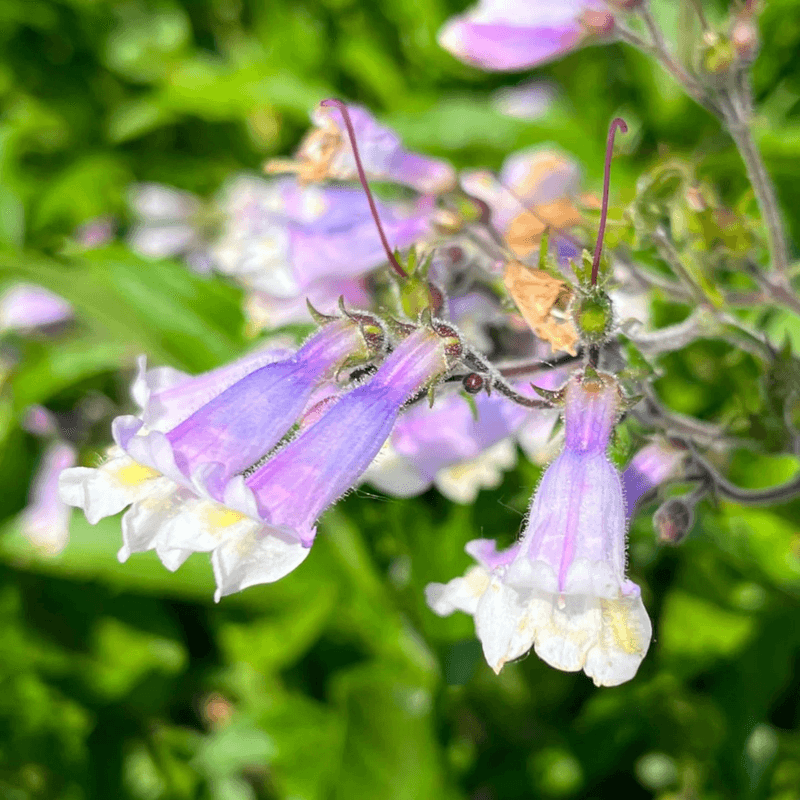
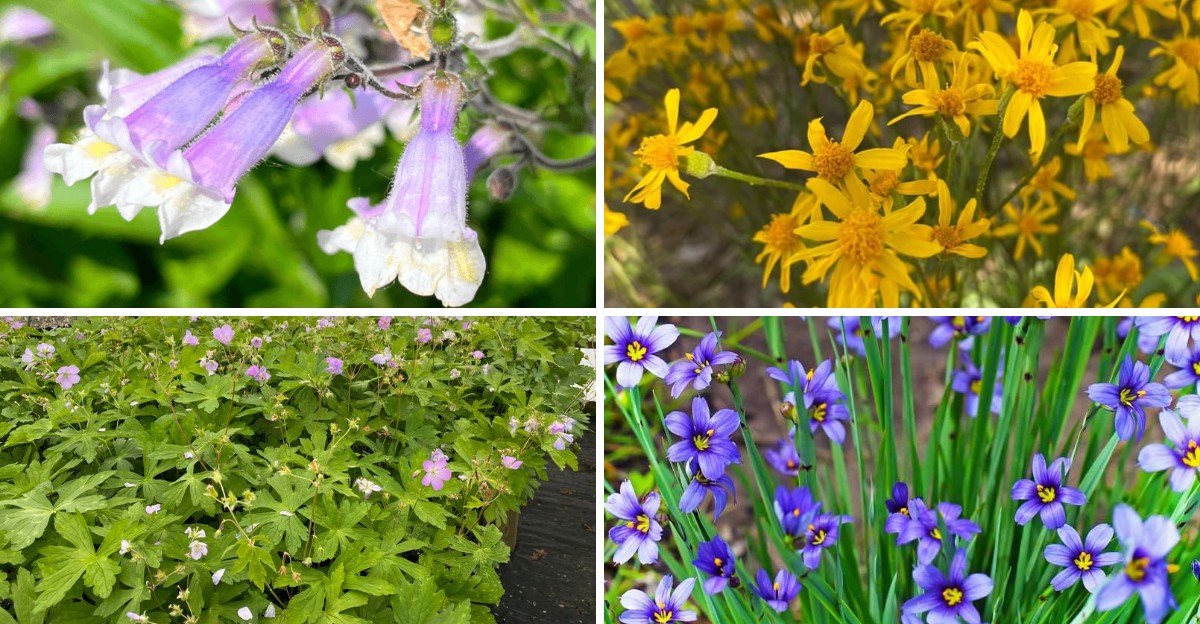
Fuzzy stems and a scrappy attitude let this compact beardtongue thrive in rocky spots that make other flowers pout. Its pale violet tubes with white throats look like tiny open mouths singing in a late spring chorus.
Penstemon hirsutus typically blooms in May and June and stays fairly short, often around one to two feet. Those modest proportions make it a great fit for rock gardens and the sunny edges of stone walls.
In the wild, it often grows on dry, rocky slopes and open woods where soil drains quickly. Lean, gritty ground keeps it compact, while rich, soggy beds tend to make it flop or rot.
Sow the tiny seeds right on the surface in November, then press them in with your palm. Like its taller cousin, it germinates best after winter cold and with a little light reaching the seeds.
What caught my attention first was the stems, which feel soft and fuzzy, almost like the skin of a peach. That fine coat of hairs gives the plant its name and makes it fun for kids to touch.
Plants are often short-lived, so let a few seed heads ripen and scatter to keep the colony going. Most seedlings bloom in their second spring, and established clumps handle drought surprisingly well once settled.
Small carpenter bees and bumblebees work the blossoms steadily on warm mornings in late spring and early summer. Pair it with columbine for a charming duo that loves the same dry, sunny-to-partly-shaded spots near rocks.
7. Wild Blue Phlox
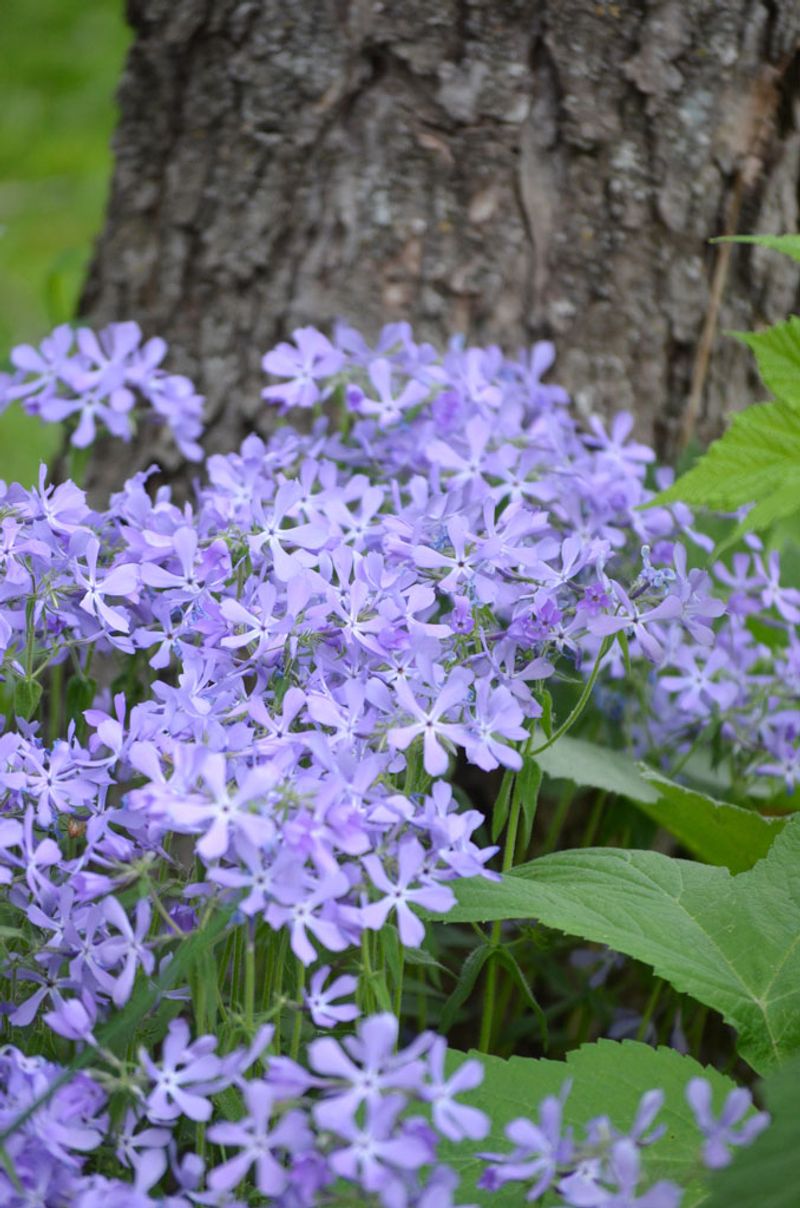
Sweet perfume drifts off this low woodland phlox on mild spring evenings, and it stopped me mid-step the first time. Soft blue to lavender blossoms float above the leaves like a pale cloud that settled onto the shady ground.
Phlox divaricata usually flowers from April into May, reaching about ten to fifteen inches tall in most gardens. Each five-petaled bloom has notched tips, which gives a cluster a delicate, almost lacy look up close.
Butterflies and long-tongued bees seek it out, since the nectar sits deep inside narrow flower tubes. Swallowtails sometimes visit as well, adding a flash of motion to the soft blue carpet below the trees.
Choose a spot with part shade and rich soil that stays slightly moist, much like a woodland floor. After raking back the leaves, cover the seeds with roughly an eighth inch of loose, crumbly soil.
Fall sowing gives the seeds a long, chilly rest, which they need before sprouting in spring. Germination can be spotty, so I scatter a generous handful rather than counting out every single seed.
Most seedlings bloom by their second spring, then slowly spread as trailing stems root where they touch the soil. Powdery mildew can show up in stuffy summer air, so give plants some breathing room between clumps.
Rabbits sometimes nibble young shoots, so a little chicken wire cage helps during the first spring. Once established, it makes a lovely companion for ferns and spring bulbs under deciduous trees in shady yards.
8. Jacob’s Ladder
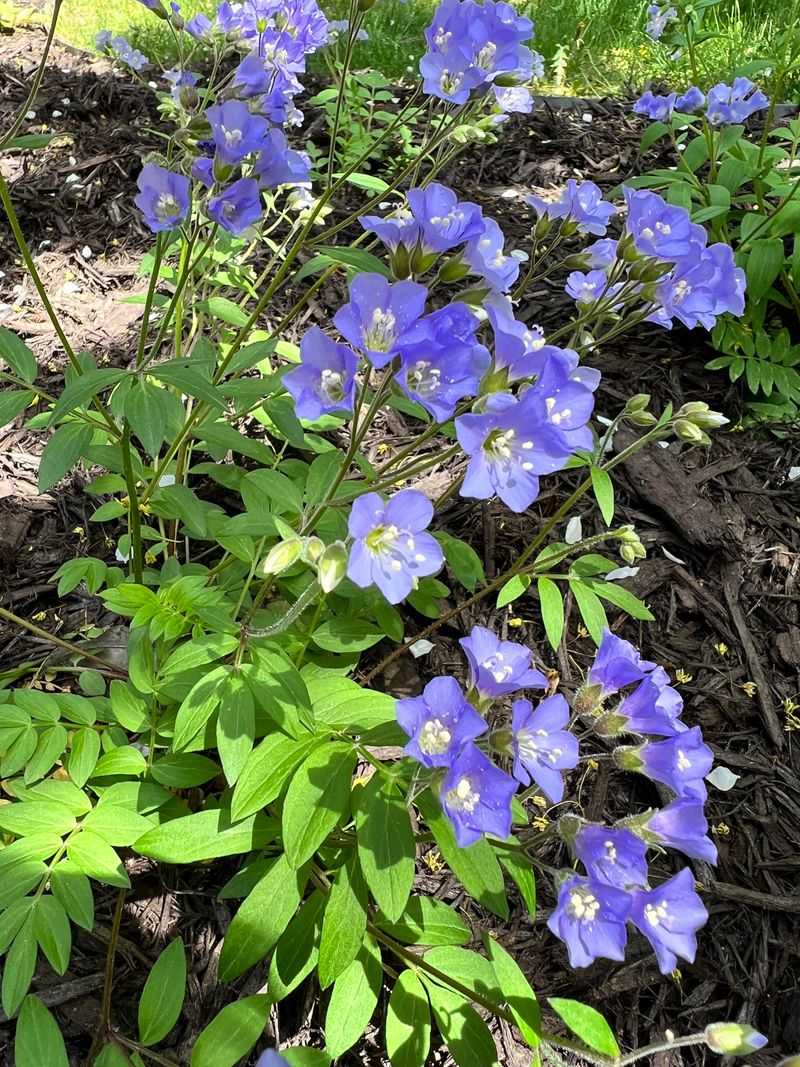
Leaflets march up each stem in neat pairs, like rungs on a ladder, which explains this plant’s biblical name. Clusters of nodding sky-blue bells dangle above that foliage in spring, and bees can’t seem to stay away.
Polemonium reptans grows wild in moist woods across parts of the state, especially western and central regions. Plants usually stay one to two feet tall and bloom from about April into early June.
Despite the name reptans, which means creeping, this species forms loose clumps rather than running wildly across beds. Gardeners who fear thugs can relax, since it mostly behaves and stays where you put it.
Scatter the seeds in part shade where the soil stays moist and rich with fallen leaves. Cover them very lightly, then let snow and chilly rain provide the cold, damp rest they prefer.
Don’t make my mistake of tucking it into a hot, dry corner, where it sulked all summer long. Leaves can scorch and turn crispy in strong afternoon sun, so morning light with afternoon shade works best.
Many seedlings flower by their second spring, and mature plants reseed gently in surrounding soil each year. Bumblebees and smaller native bees visit the bells often, especially during cool mornings when little else blooms.
Trim tired stems back after flowering, and a fresh mound of tidy foliage often returns within weeks. That neat leafy clump keeps shady beds looking polished long after the blue bells fade away.
9. Golden Ragwort
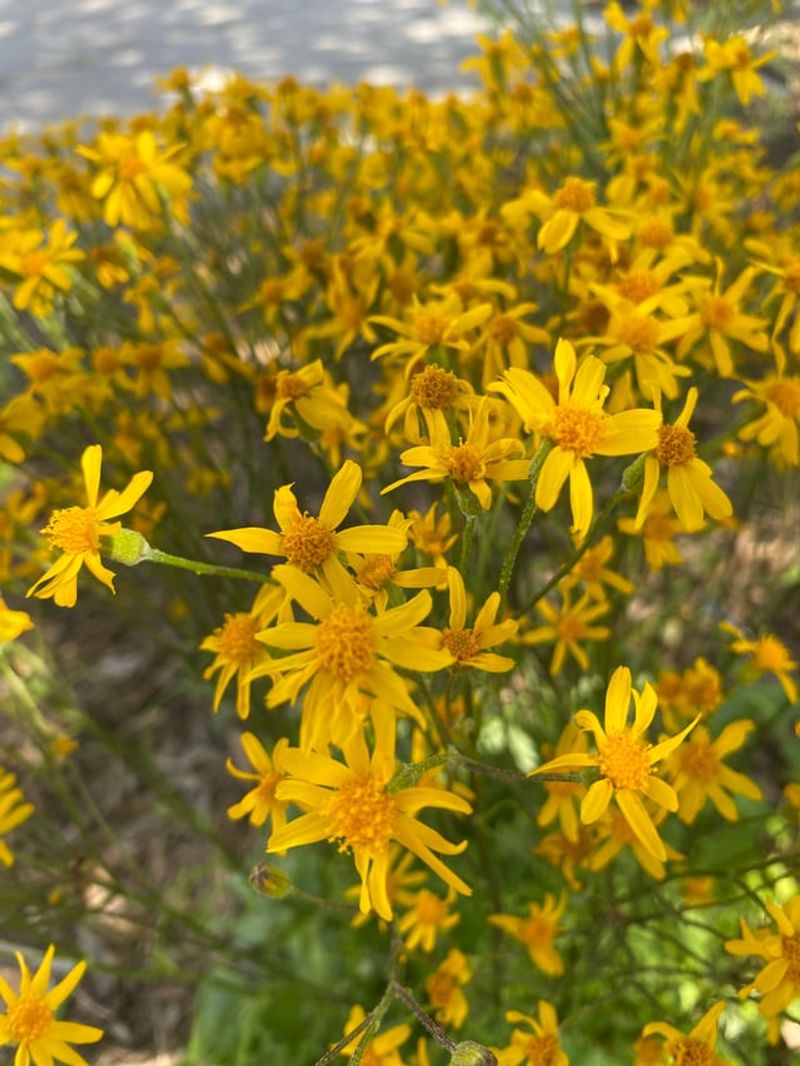
Bright yellow daisies light up soggy, shady corners in early spring, right when most gardens still look brown. Honestly, the first time I saw a patch glowing beside a creek, I pulled the car over.
Packera aurea, once called Senecio aureus, usually blooms from April into May on stems one to two feet tall. Its heart-shaped basal leaves often stay green through winter, giving bare ground a welcome bit of color.
Wet clay that drowns other perennials suits it fine, and it handles shade better than many sunny daisies. Over time it spreads by short runners into a thick groundcover that helps crowd out weeds.
Press seeds onto the soil surface in November and leave them uncovered or barely dusted with soil. Cold, moist winter weather improves germination, and seedlings usually appear once spring days lengthen and warm up.
Young plants spend their first year building leafy rosettes, and cheerful flowers typically arrive the following spring. Early bees and small flies feed on the nectar when few other flowers are open for business.
One caution matters here, because all parts of the plant contain compounds that are toxic if eaten. Keep it away from grazing animals and teach curious kids to admire the flowers without tasting them.
Deer and rabbits mostly skip it for that same reason, which makes it handy near wooded edges. If it spreads farther than you like, simply dig out extra clumps and share them with friends.
10. Blue-Eyed Grass
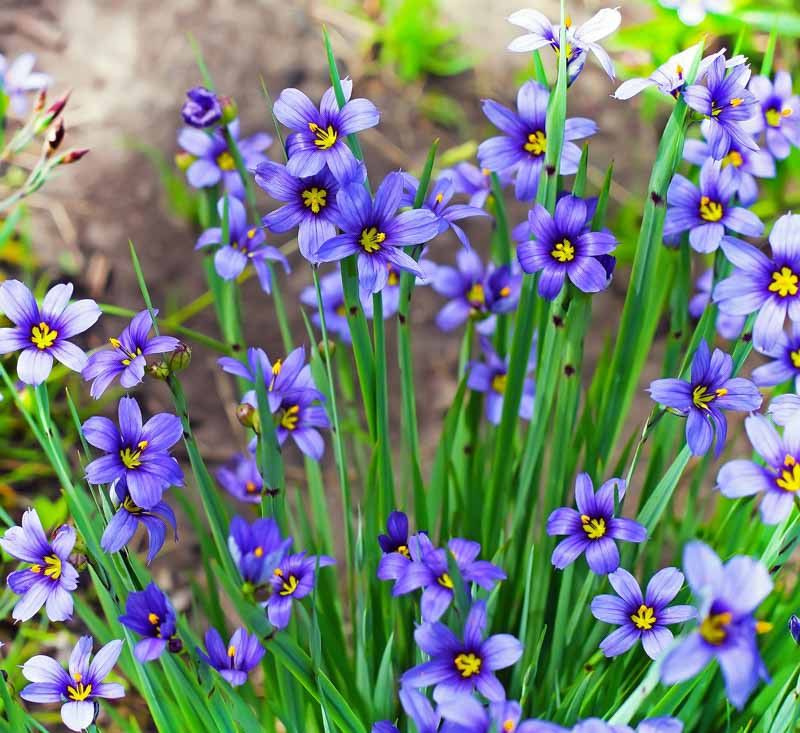
Despite its name, this little charmer is not a grass at all but a member of the iris family. Grassy leaves fooled me for years, until tiny blue stars with sunny yellow centers popped open one bright morning.
Sisyrinchium angustifolium usually blooms from late spring into early summer and stays about six to eighteen inches tall. Each flower lasts a single day, yet plants keep producing new buds for several weeks in a row.
Blooms open in sunshine and tend to close on cloudy days or late afternoons, so plant it where you’ll notice. A path edge or the front of a sunny border puts those small flowers right where you’ll spot them.
Scatter seeds on bare soil in November and cover them with just a sprinkle of fine soil. Winter freezing and thawing loosens their dormancy, and sprouts often appear in spring as the ground warms.
It prefers full sun to light shade and average to moist soil, though it adapts to many garden conditions. Plants often bloom in their second year, and some vigorous seedlings flower sooner than expected in good spots.
Small native bees, including sweat bees, visit the flowers for pollen during sunny late spring mornings. Its tidy fans of leaves also make a neat edging plant that rarely looks messy after the flowers finish.
Clumps reseed modestly and can be divided every few years in early spring to keep them vigorous. For such a small and humble plant, it delivers a surprising amount of joy in New York gardens.