What A Praying Mantis Visit Really Means For Your New York Garden’s Ecosystem
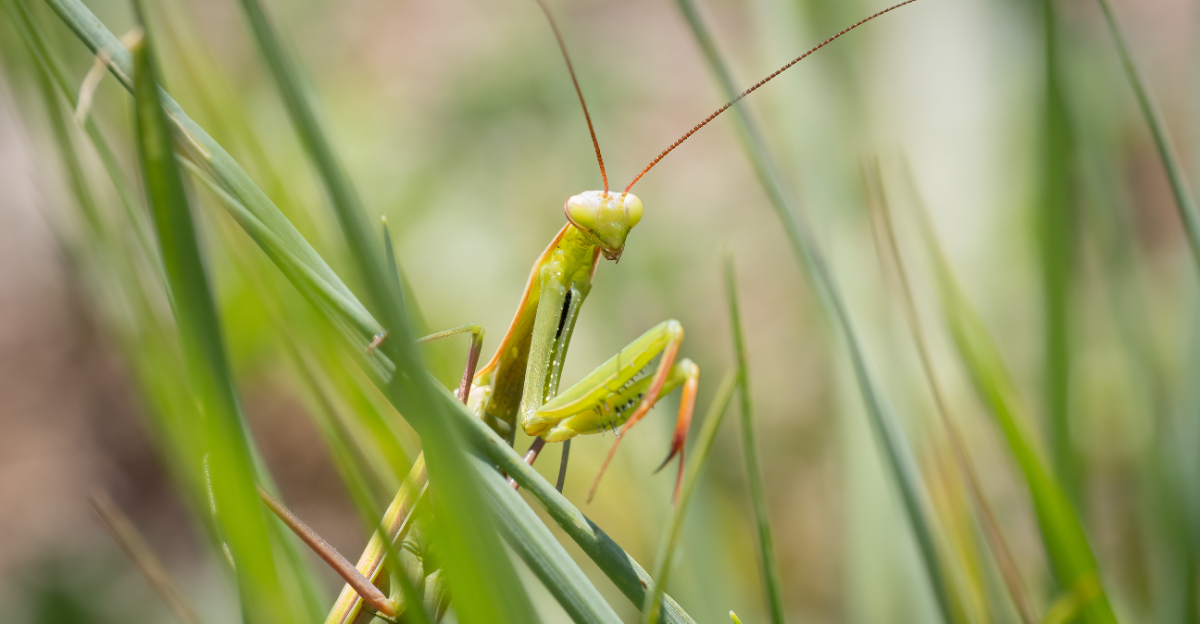
You’re halfway through your morning coffee when something on the tomato leaves catches your eye. A praying mantis sits there, perfectly still, angled like a tiny martial artist mid-stance, watching the garden with unnerving patience.
Most people walk right past this moment. But a mantis sighting carries weight that no fertilizer bag or soil kit can match.
These insects don’t settle for scraps. They show up where prey is abundant, where chemicals haven’t scorched the food chain, and where the whole system still runs on its own terms.
Finding one on your plants means your New York garden earned something rare: real ecological trust.
A Mantis Sighting As A Sign Of Garden Health
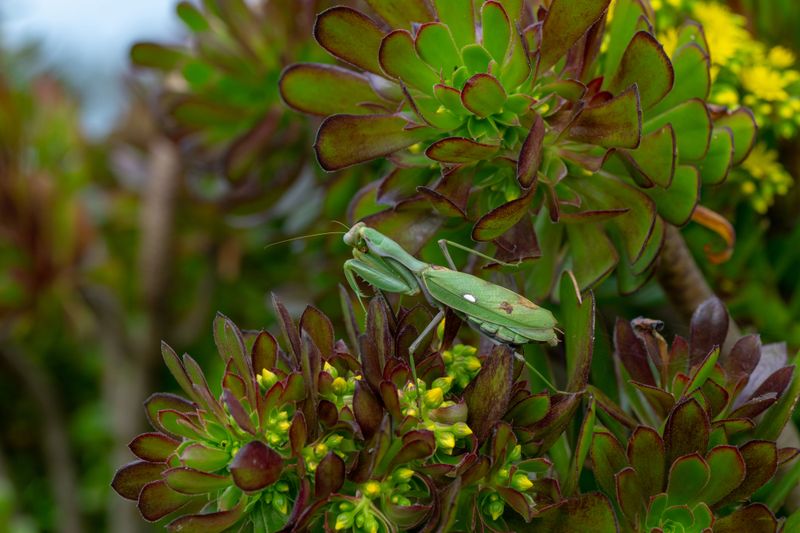
Spotting a praying mantis in your New York garden is basically nature handing you a gold star. These ancient insects do not show up just anywhere, they require a specific kind of environment to survive.
A mantis needs dense vegetation, plenty of prey, and minimal pesticide exposure. If one has chosen your garden, you have already done something right.
Gardens that support mantis populations tend to have layered planting, healthy insect diversity, and low chemical interference. That combination is harder to achieve than most gardeners realize.
Think of a mantis as a living indicator species. Scientists use indicator species to measure the overall health of an ecosystem, and your backyard is no different.
A praying mantis visit means your garden has enough biodiversity to support a top-level predator. That is genuinely impressive for a residential plot in a busy state like New York.
Predators sit at the end of a long chain of smaller successes. Every rung below the mantis, from soil microbes to aphids, had to hold steady first.
It also suggests your soil and plant health are strong enough to sustain a full food web. Weak gardens rarely support these kinds of creatures.
Many gardeners chase expensive certifications or fancy amendments to prove their space is thriving. You just need one mantis sighting to know you are on the right track.
Celebrate that moment, then start asking what else your garden might be quietly supporting right under your nose.
Native Versus Introduced Mantis Species In New York
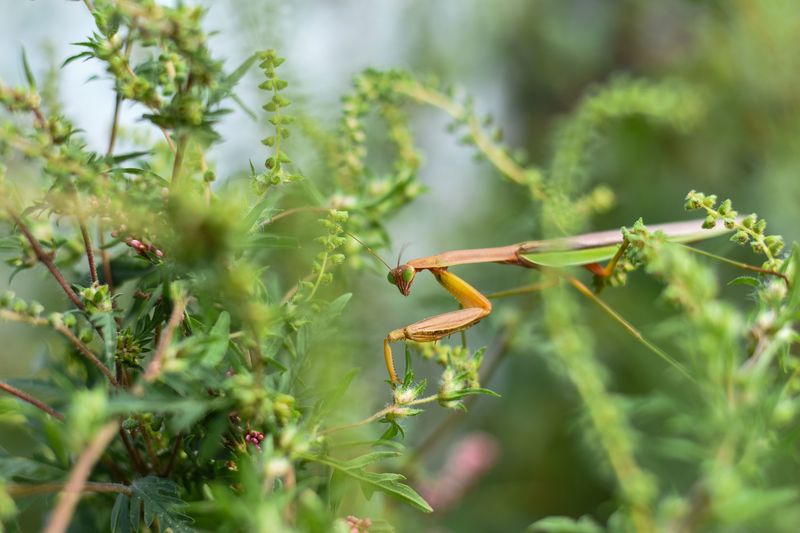
Not every mantis in your garden grew up here, and that distinction matters more than you might think. New York is home to both native and introduced mantis species.
The Carolina mantis is the only truly native species found in the northeastern United States. It is smaller, brownish-gray, and blends beautifully into bark and dry stems.
The Chinese mantis and the European mantis are both introduced species that have spread widely across North America. They are larger and far more commonly spotted in suburban gardens.
Chinese mantises can grow up to four and a half inches long, making them hard to miss on a garden stroll. Their size and bold posture make them feel almost prehistoric.
Introduced species often outcompete native ones for food and territory. That competition can quietly shift the balance of your local insect community over time.
Your New York Garden Changes Every Week. Your Plan Should Too.
Gardening in New York changes quickly throughout the season. Every Friday you’ll receive a simple weekly plan showing exactly what to plant, prune, fertilize, harvest, and protect so you never miss the right timing.
Native mantises tend to be better matched to local prey populations and seasonal rhythms. They evolved alongside the same bugs your garden has been hosting for centuries.
Encouraging native plant diversity can help support the smaller, shyer Carolina mantis. Dense grasses and wildflower patches give it the cover it prefers.
Knowing which species you are looking at helps you understand your garden’s story. A praying mantis visit from a native species is an especially meaningful ecological moment worth noting.
The Praying Mantis Role In Pest Control
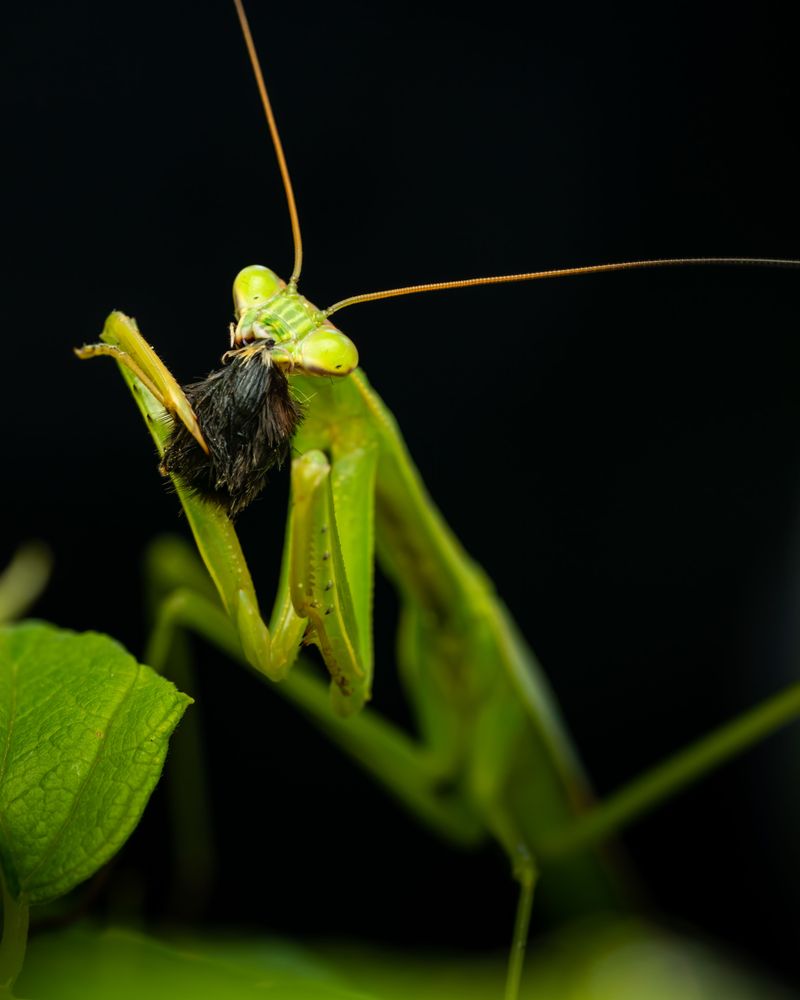
Forget the pesticide aisle for a moment, there is a far more elegant solution hunting through your New York garden right now. A praying mantis is one of the most efficient natural pest controllers on the planet.
These insects are ambush predators, meaning they wait motionless until prey walks right into reach. Their strike is so fast the human eye can barely follow it.
Mantises target a wide range of garden nuisances including aphids, beetles, flies, and caterpillars. That broad appetite makes them incredibly valuable in mixed vegetable and flower gardens.
Unlike pesticides, a mantis does not leave chemical residue on your food crops. It simply eats, moves on, and lets the garden rebalance naturally.
One healthy adult mantis can consume dozens of insects in a single week. Multiply that across a small population and the impact on pest numbers becomes significant.
Gardeners who reduce or eliminate pesticide use often report seeing mantises appear within one to two seasons. The connection between chemical-free gardening and predator presence is widely reported by gardeners.
A praying mantis visit is essentially free pest management delivered by the ecosystem itself. No effort required beyond letting the garden do its work.
Supporting mantis populations means fewer pest outbreaks and a more self-regulating garden. That kind of natural balance is the goal every serious gardener is chasing.
The Full Diet Of A Praying Mantis
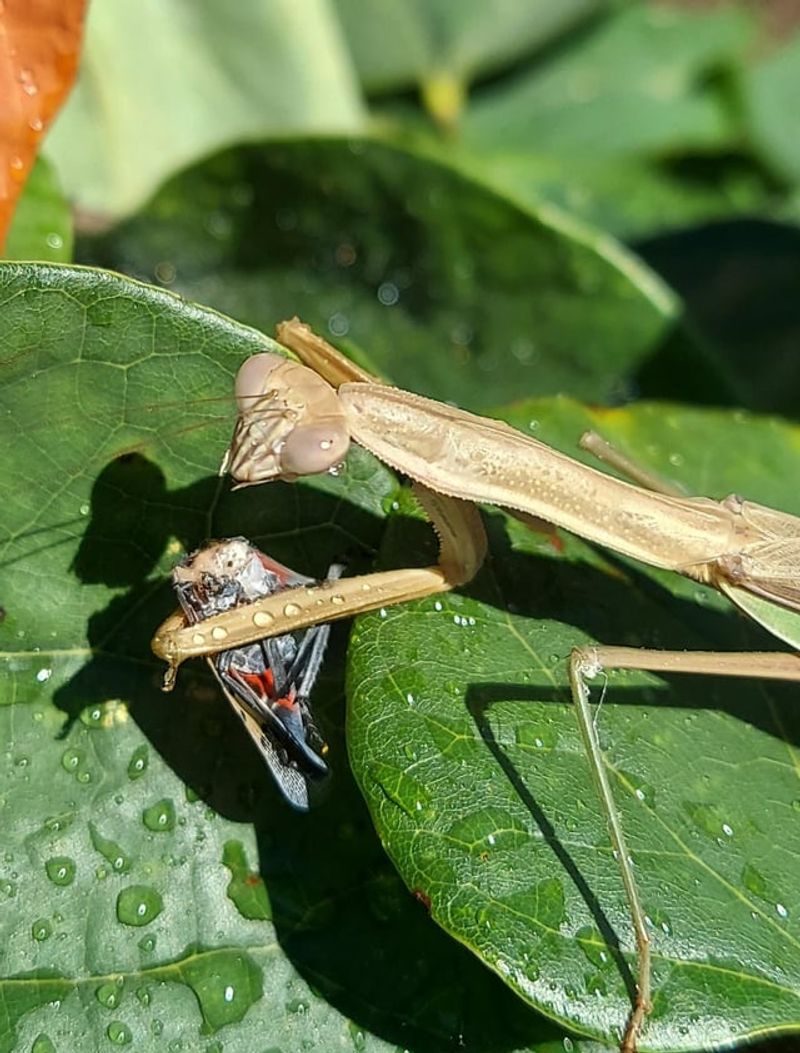
Here is something that surprises most people: mantises are not picky eaters. They will consume almost any creature small enough to grab and hold.
Common menu items include crickets, grasshoppers, moths, flies, and even small spiders. In larger species like the Chinese mantis, the list expands to include small frogs and hummingbirds on rare occasions.
That last part tends to make gardeners uneasy, especially those with feeders nearby. However, hummingbird predation is genuinely rare and should not overshadow the mantis’s overall garden benefit.
Mantises are also known to eat each other, particularly during mating. This behavior is well documented both in captivity and in the wild, though it draws far more attention than it deserves.
In your vegetable patch, a mantis is most likely targeting caterpillars, aphids, and beetles that would otherwise shred your plants. That targeted hunting protects your crops without any intervention from you.
Flower gardens benefit too, since mantises patrol blooms for pollinators and flies alike. Their presence throughout the garden creates a natural buffer against population explosions of any single pest species.
One thing to keep in mind: mantises do eat beneficial insects like bees and butterflies. That trade-off is worth understanding before you actively encourage a large mantis population.
A praying mantis visit to your garden means a complex food web is operating nearby. That complexity is what keeps any healthy ecosystem from tipping out of balance.
Signs You Are Looking At A Healthy Mantis Population
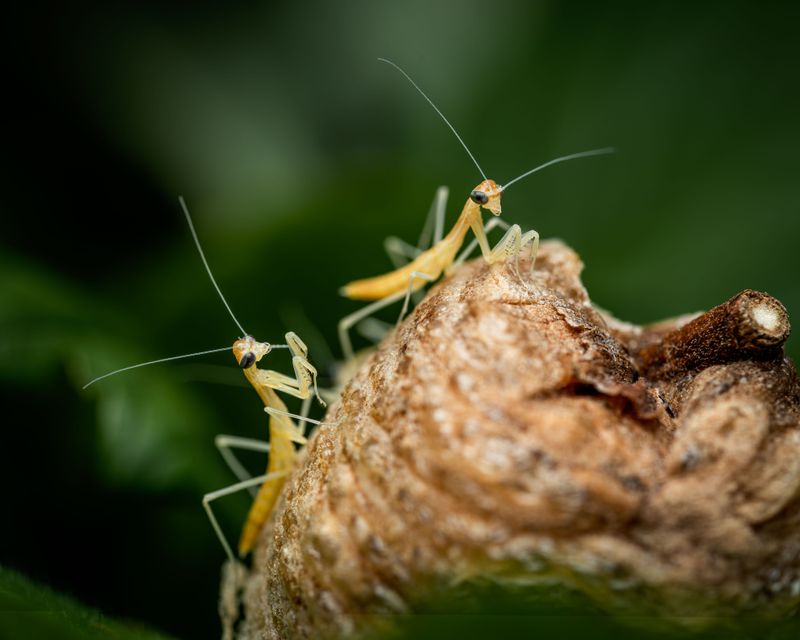
One mantis is exciting, a reproducing population is extraordinary. Knowing the signs of an established mantis presence can completely change how you read your New York garden.
The most reliable sign is finding egg cases, called oothecae, attached to woody stems and shrubs in late fall. Each case can hold between 20 and 200 eggs depending on the species.
Oothecae look like small tan or beige foam cylinders wrapped tightly around a branch. They are easy to overlook but worth searching for in October and November.
Spotting mantises at multiple life stages, tiny nymphs in spring, juveniles in summer, large adults in late summer, suggests successful year-round reproduction. That kind of continuity points to a genuinely stable population.
Seeing mantises in different areas of your garden rather than just one spot is another positive indicator. It means they are hunting a wide enough territory to find consistent food.
Healthy mantises hold their bodies in an upright, alert posture and respond quickly to movement. A sluggish or discolored mantis may signal environmental stress nearby.
Gardens with diverse plantings and minimal pesticide use tend to support the most robust mantis populations. Monocultures and chemical-heavy spaces rarely sustain them past one season.
A thriving praying mantis population is one of the clearest signs your garden ecosystem has genuinely hit its stride. Protect what you have built.
Ways To Protect Mantises In Your Garden
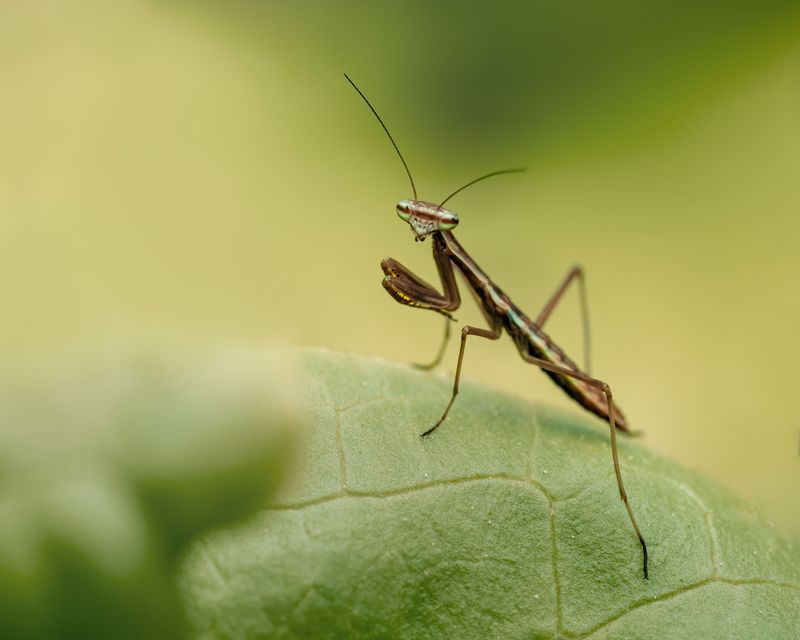
Protecting mantises starts with one simple rule: stop reaching for the spray bottle. Pesticides are the single biggest threat to mantis populations in residential gardens.
Even organic pesticides labeled as safe for humans can be lethal to beneficial insects including mantises. Broad-spectrum sprays wipe out the prey base that mantises depend on for survival.
If you must address a pest outbreak, choose targeted solutions like neem oil applied directly to affected plants. Spot treatment protects the broader insect community that keeps your garden balanced.
Leaving some garden areas a little wild gives mantises shelter and hunting ground. Dense grasses, native shrubs, and untrimmed perennials create the layered habitat they prefer.
Avoid disturbing egg cases you find in fall and winter, they contain next season’s mantis generation. Mark their locations with a small stake so you do not accidentally cut them during cleanup.
Cats and birds are natural predators of adult mantises, so creating some sheltered planting zones helps reduce predation pressure. A few dense shrubs near the garden perimeter can make a meaningful difference.
Mulching garden beds also supports mantis nymphs in spring by retaining moisture and encouraging the small insects they first feed on. Healthy soil equals healthy prey equals healthy mantises.
Many of the choices you make in your garden can help or hurt the mantis population you’re hoping to see again next season.