When To Pick Satsumas, Oranges And Grapefruit In Texas: 6 Ripeness Signs
Citrus fruit stops getting sweeter the moment it leaves the branch, so an early pick stays sour forever. Nobody warned me about that rule, and my first homegrown harvest tasted like a mouthful of lemon peel.
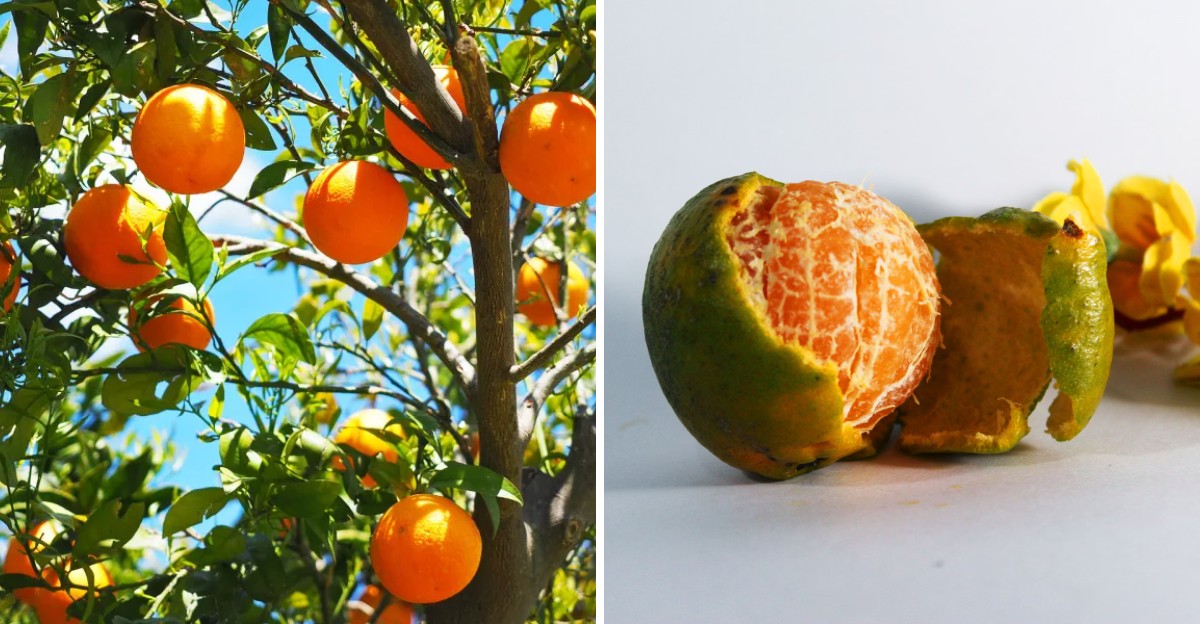
Here’s a fun twist that surprised me even more. Some fruit can be fully ripe while the peel still looks green, and some ripe fruit turns green again in spring.
Texas growers enjoy a long harvest window, often stretching from October into late spring. That gives you months of picking, but only if you know which clues to trust on each tree.
I used to judge ripeness by color alone, until a neighbor’s tart orange changed my mind for good. So how do Texas gardeners really know the right moment to reach up and twist one off?
1. A Quick Taste Test Beats Every Other Clue
Extension experts agree on one simple truth, and it happens to be the most delicious part of growing citrus. The surest way to judge ripeness is to pick one fruit and actually taste it right there.
I love how this method skips the guesswork, because your tongue reads sugar better than your eyes ever could.
Choose a fruit from the sunny outer canopy, since those usually sweeten a little sooner than shaded ones.
Peel it slowly, take a slice, and pay attention to the balance between sweet flavor and sharp acid. A sour bite means the tree needs more time, so wait about a week or two before trying again.
Citrus does not keep ripening after harvest the way bananas or peaches do on the kitchen counter. That makes patience extra valuable, because fruit picked too early stays tart no matter how long you store it.
Personally, I keep a small notebook and jot down the date, the variety, and how each sample tasted. After a season or two, you’ll spot patterns that tell you when your own trees usually hit their sweet spot.
Remember that one tree can hold fruit at slightly different stages, especially after an uneven bloom in spring. Test fruit from several sides of the canopy before deciding the whole crop is ready to harvest.
2. Green Satsumas Can Be Sweeter Than They Look
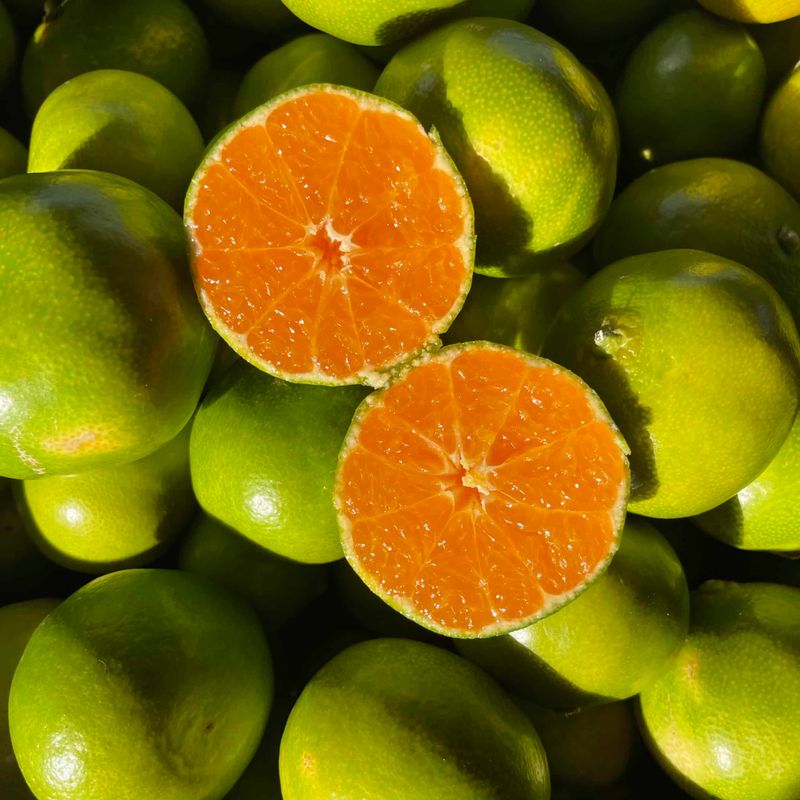
Satsumas love to fool new growers, because a few fruits taste sweet while the peel still wears patches of green.
Early types like Armstrong can mature around September or October, well before color fully changes in many Texas gardens.
Owari, the popular favorite, usually becomes ready beginning around the second week of November in many areas.
Its flavor often turns best from late November into early December, when acid drops and sweetness climbs nicely.
You might notice the skin loosening as fruit matures, and that puffy feel is part of the satsuma charm. Still, loose skin is not a dependable sign of sweetness, so taste a sample before picking a full basket.
Timing matters more with satsumas than with oranges, because their window of peak quality is fairly short. After rainy spells in January, fruit left hanging can turn puffy and dry, losing quality by February.
I truly believe satsumas reward gardeners who stay curious and check the tree every few days in late fall. Clip fruit with hand pruners close to the button, since pulling can tear the tender peel near the stem.
These cold-tolerant mandarins grow well along the upper Gulf Coast, which makes them a favorite outside the Valley.
Pick your crop steadily through the season rather than leaving most of it hanging into the wet winter weeks.
3. Navel Oranges Hold Their Sweetness Right On The Branch
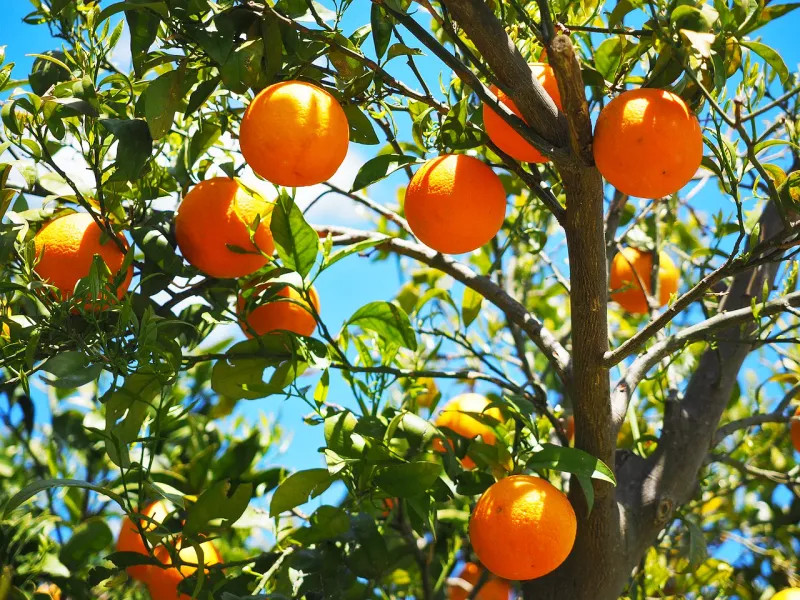
Navel oranges might be the most forgiving fruit you can grow, since they store beautifully while still hanging on the tree. That built-in pantry lets you harvest a few at a time instead of picking everything during one busy weekend.
Navels naturally carry low acidity, so they can taste pleasant even when some green lingers on the peel.
Many become quite tasty by late October, and the harvest can continue comfortably into January in many Texas yards.
Cooler nights trigger the color change, which explains why bright orange peels often arrive after sugar is already ready. Warm autumns can delay that glowing color, so do not let a greenish rind stop your taste test.
Look for the small navel at the blossom end, which is really a tiny second fruit tucked inside. Kids love finding that little bonus orange, and it makes a great lesson about how this seedless variety formed.
I have to admit that navels taught me to slow down and enjoy the season instead of rushing harvest. Pick only what you’ll eat within a week or two, and let the tree handle the rest of the storage.
Gently twist and lift each fruit, or use clippers if it resists, so the peel stays intact. A torn stem end invites mold quickly, which shortens how long your oranges keep inside the refrigerator.
4. Valencia Oranges Turn Green Again In Spring
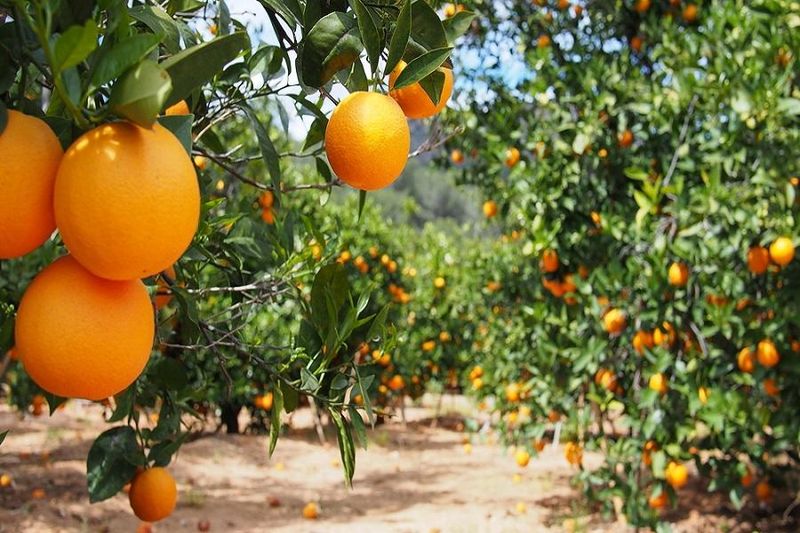
Few fruits play tricks quite like Valencia oranges, which can turn partly green again while hanging ripe on the tree. That regreening happens in warm spring weather, and it is only a cosmetic change on the outer peel.
Inside, the juice stays sweet and full, so a green blush near the stem should not worry you. Growers value Valencias for juicing, and their flavor holds up nicely as the fruit lingers into late spring.
Valencias are a late variety, often maturing around midwinter and holding well on the tree through June. That long window means you can enjoy fresh oranges after your navels and satsumas have already finished up.
Hamlin oranges sit at the other end of the calendar, usually harvested from about October through January.
They can hang for a few months after maturity, giving you a smooth handoff into the later Valencia crop.
Believe it or not, one regreened orange once fooled me into waiting weeks longer than I needed. Now I trust the calendar and a quick taste instead of judging these spring oranges by their patchy peel.
Watch out for new spring blossoms appearing beside last season’s ripe fruit, which is perfectly normal for Valencias.
Pick carefully around those fragrant flowers so you protect next year’s crop while harvesting this year’s sweet oranges.
5. Heavy Grapefruit With Flat Ends Hide The Most Juice
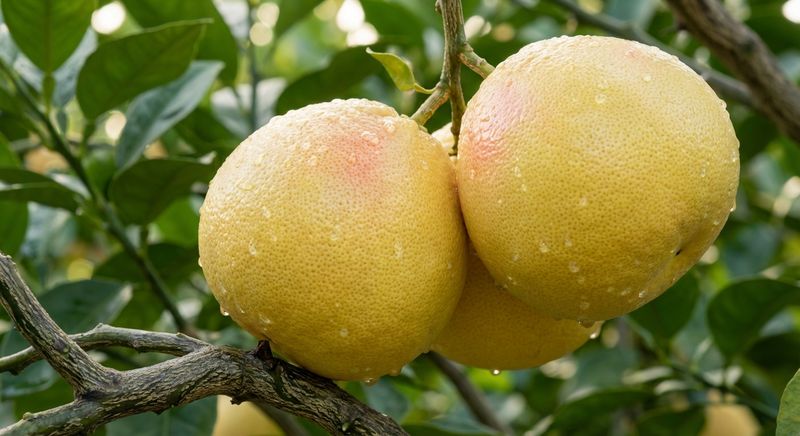
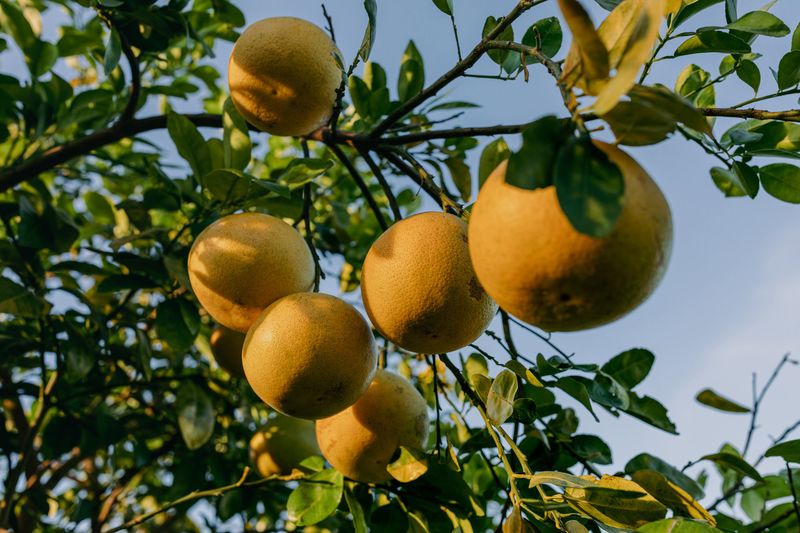
Grapefruit gives you a fun physical clue, because a ripe one feels surprisingly heavy when you cradle it in your palm. That weight signals plenty of juice, which is exactly what you want from a breakfast grapefruit.
Give the fruit a gentle squeeze, and it should feel firm while yielding just slightly under your fingers. Skip any fruit with soft, mushy spots, since those usually point to overripe flesh or early decay inside.
Shape matters too, and slightly oval fruit with flattened tops often tastes sweeter than perfectly round ones.
Wind scars on the rind, sometimes called beauty marks, rarely affect flavor, so do not judge fruit by blemishes.
Texas grapefruit season usually runs from about October into April, and peak sweetness often lands between November and March.
The famous red grapefruit is the official state fruit, and Rio Star types have especially deep red flesh.
What surprises me most is how long grapefruit can wait on the tree without losing much quality. Ripe fruit can often hang for two or three months, slowly gaining size and sweetness as winter rolls along.
Once picked, keep grapefruit in a cool spot for about two weeks or refrigerate it for several weeks. I like stashing a few in the crisper drawer, so a chilled half is ready on sunny mornings.
6. Peel Color Is A Helpful Hint But Not The Final Word
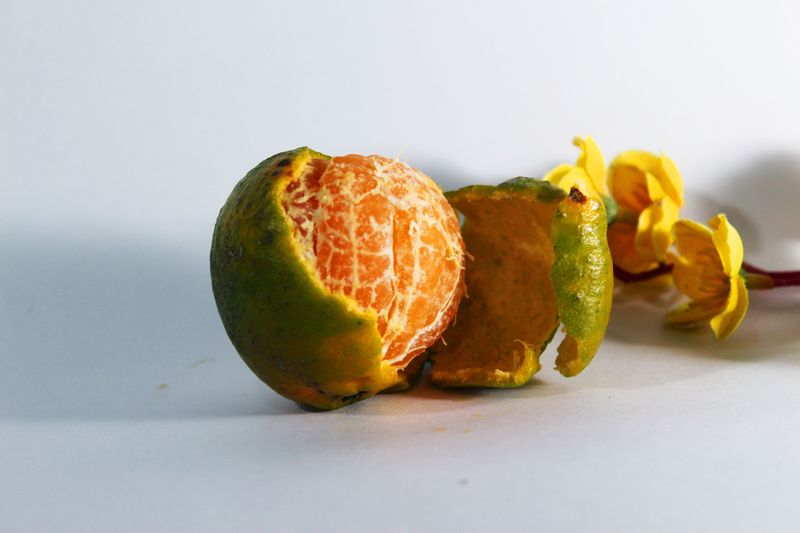
Color is the clue everyone reaches for first, and honestly it fools more backyard growers than any other sign. Citrus peels respond to cool nights, so warm falls can keep ripe fruit looking green for weeks.
Grapefruit can begin ripening in mid to late October even while the skin still looks mostly green. Red varieties often show a rosy blush, and a deeper blush sometimes matches sweeter fruit inside the peel.
Ruby Red can look pale on the outside while hiding a sweet interior, which keeps many Texas gardeners guessing.
A slight green tinge may even fade after a day or two on the counter, though sweetness will not increase.
Satsumas usually turn orange or show a reddish blush, but early fruit can be ready with green skin. Navels follow the same pattern, often tasting good before their peel finally catches up with the inside.
You’ll wonder why you trusted color alone once you start pairing it with taste, weight, and the calendar. Use peel color as a friendly nudge to sample fruit, rather than as permission to strip the whole tree.
Grab your gloves and a sturdy basket, then wander the canopy looking for fruit that checks several boxes. When color, feel, and flavor all line up, you can pick with confidence and enjoy every juicy segment.