These 7 Virginia Garden Plants You Must Prune In November – Plus The Mistakes That Ruin Next Year’s Blooms

Some fungal spores spend the whole winter snoozing on old leaves you forgot to clear away from beds. When spring rain arrives, those spores wake up and splash right onto fresh shoots and tender flower buds.
Certain moths also tuck their eggs into tired foliage, and the hungry larvae hatch out next April or May. A quick November cleanup interrupts both problems before they ever get a chance to start.
Take it from someone who once cut the wrong shrub and enjoyed a summer of leaves without flowers. Timing matters as much as technique, and a few plants punish eager pruners who grab their shears too soon.
Virginia gardens hold a mix of plants that love a fall trim and others that hate it. So which ones belong on your November list, and which ones should you leave alone until spring?
1. Hostas
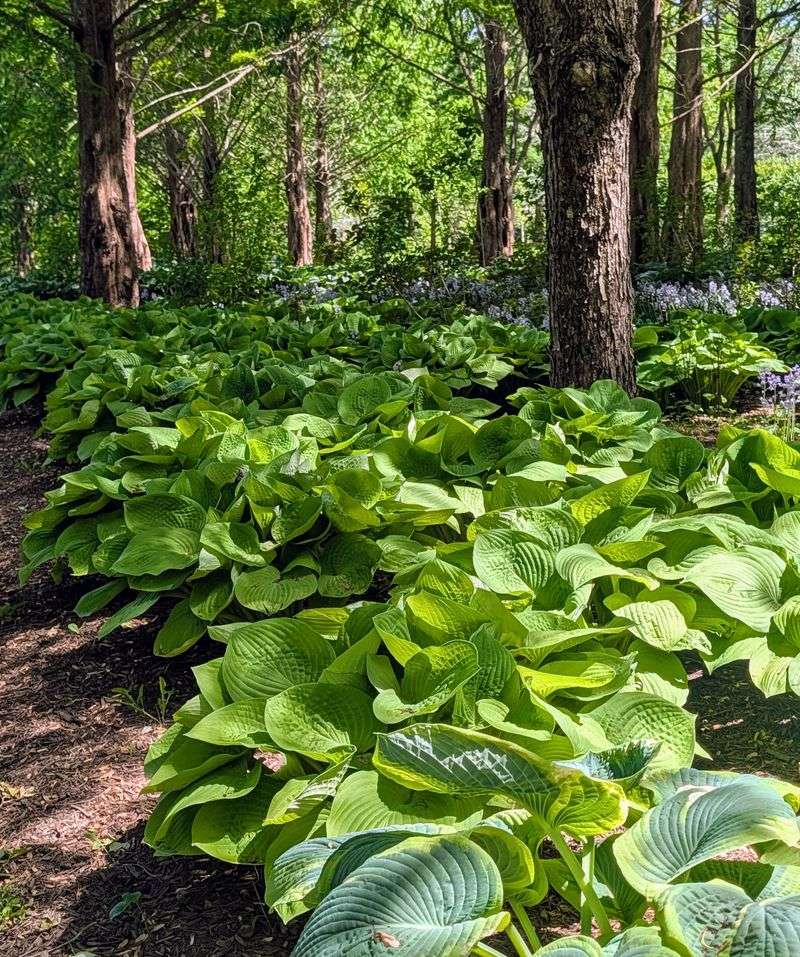
Hosta leaves turn into mushy golden puddles after the first hard frost, and slugs think that soggy mess is pure paradise. Those slimy guests lay clusters of pearly eggs under wet foliage, so old leaves quickly become a cozy winter nursery.
My garden taught me this lesson the hard way, with ragged leaves full of holes the following June. Clearing the collapsed foliage now gives slugs fewer hiding spots and makes your spring patrol much easier to manage.
Wait until frost has turned the leaves yellow or brown before you reach for your pruners or garden gloves. Fading leaves send stored sugars down into the roots, which fuels those big, bold shoots when spring finally returns.
Cutting green, healthy hosta leaves in early fall is the classic mistake that many tidy gardeners make every single year. Plants that lose their foliage too soon often come back smaller and weaker, with fewer flower stalks next summer.
Snip each leaf stem near the soil line, or gently pull away any leaves that lift off without a fight. Toss the debris in the trash or a hot compost pile if slugs or leaf spots showed up this year.
Leave a little breathing room around the crown, and skip piling thick mulch directly on top of the plant. Heavy mulch pressed against the crown holds extra moisture and can invite rot during long, wet winter stretches.
For what it’s worth, hostas rank among the easiest cleanup jobs you will tackle in the garden this month. Ten quiet minutes with clean shears can save you weeks of slug trouble once the warm weather comes back.
2. Herbaceous Peonies
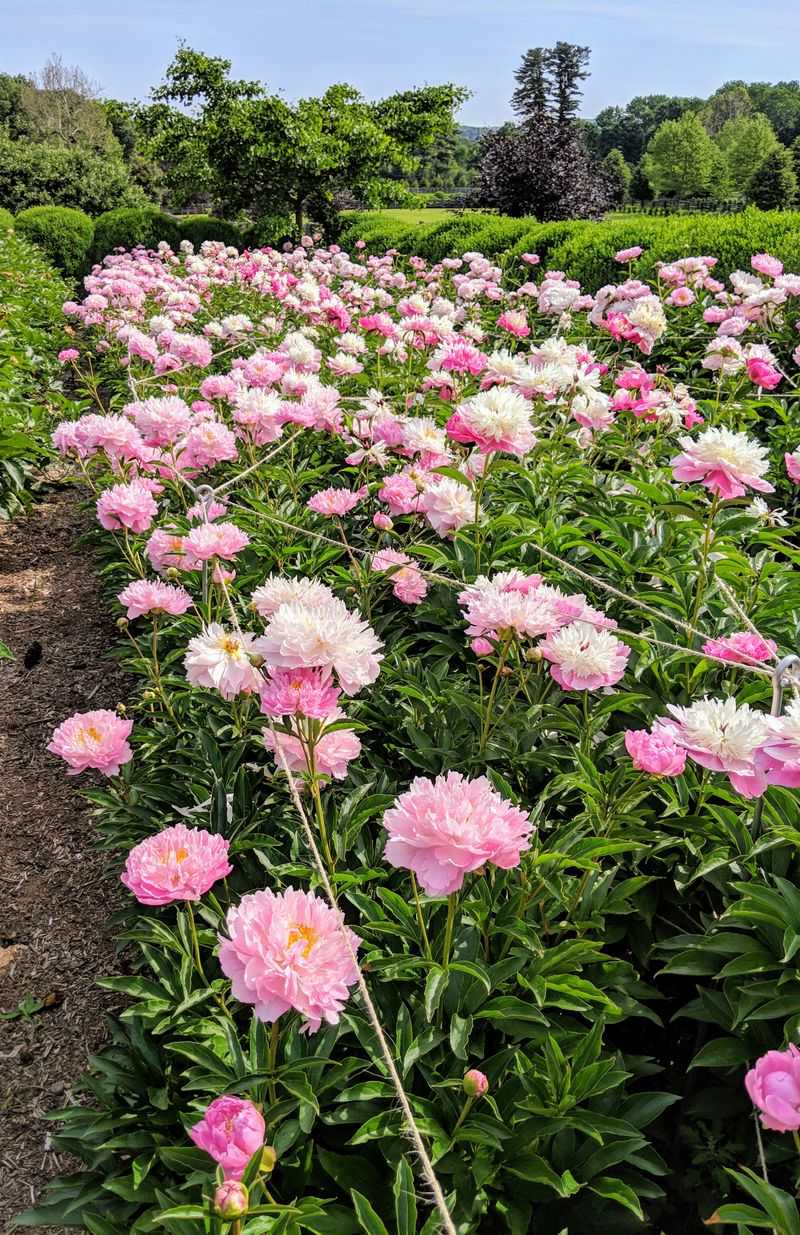
Ants crawling over plump peony buds in May get plenty of attention, but the real troublemaker hides out in fall. Botrytis blight, a gray and fuzzy fungus, survives the winter on old peony stems and leaves left in the bed.
Virginia Cooperative Extension suggests cutting herbaceous peony foliage down to the ground in fall to help reduce that disease. Removing the infected material breaks the cycle before chilly spring rains splash spores onto the brand new red shoots.
Wait until frost has browned the foliage, which usually happens in late October or November across most of the state. Earlier cuts rob the roots of stored energy, and that shortfall shows up later as fewer or smaller blooms.
Use sharp, clean pruners and cut each stem just above soil level, leaving short stubs to act as handy markers. Those little stubs remind you exactly where the crowns sit, so you avoid stabbing them with a spade next spring.
Bag the stems or put them in the trash rather than your compost bin if botrytis appeared during the season. Most backyard compost piles rarely get hot enough to break down fungal spores, so the problem can easily come back.
Another sneaky mistake involves mulch, because peony eyes buried too deep often refuse to bloom for several years in a row. Keep those pink buds no more than two inches below the soil surface, with only a light mulch layer above.
Tree peonies are a different story, since their woody stems carry next year’s flower buds safely through the winter months. Leave those woody stems standing and only trim out broken or clearly diseased wood on the tree types in your yard.
3. Daylilies
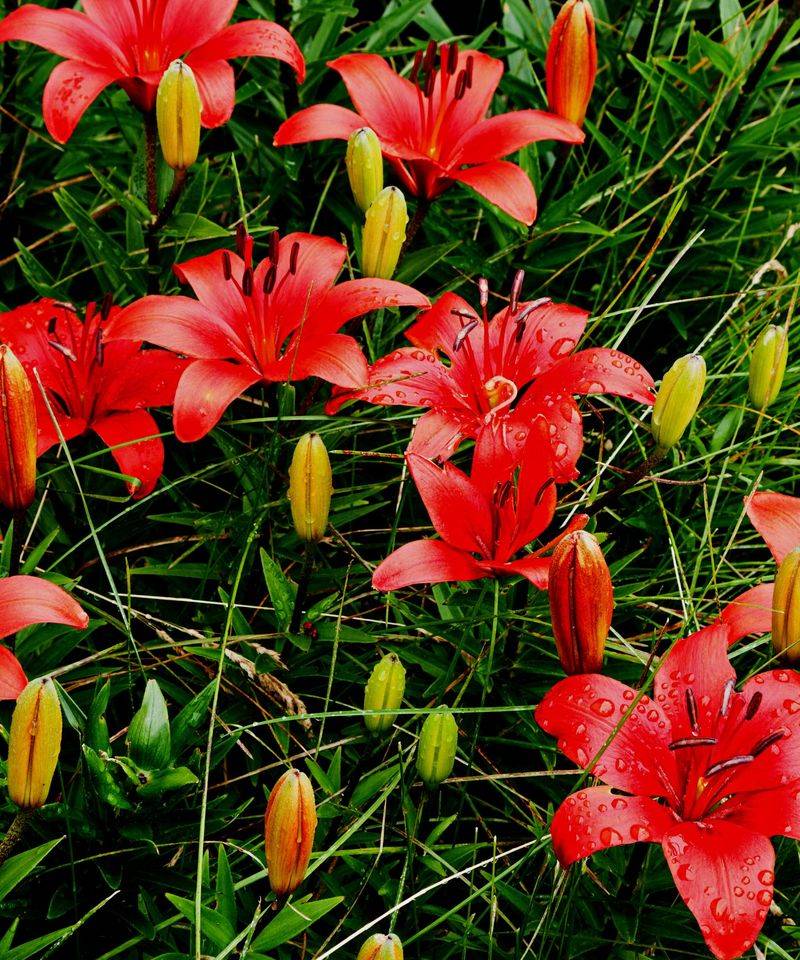
Daylily foliage flops over like a tired green mop by late fall, and honestly, it looks a little sad by Thanksgiving. Those tangled leaves can shelter slugs and aphids, along with leaf streak fungus that happily lingers in the clump over winter.
Between you and me, daylilies are tough plants, but they still appreciate a tidy haircut once the cold sets in. A quick trim lets more air and sunlight reach the crown, which helps the clump stay healthy and less crowded.
Check what kind of daylily you have before cutting, because some types keep green foliage through much of the winter. Dormant varieties turn brown and mushy after frost, while evergreen and semi-evergreen types often hold onto some living leaves.
For dormant types, cut the browned leaves back to about two or three inches above the crown with sharp shears. With evergreen kinds, simply pull away the yellow, collapsed leaves and leave the healthy green fans in place for now.
Shearing perfectly green leaves to the ground is the mistake that quietly weakens these otherwise easygoing plants over time. Those leaves are still feeding the roots, and a hungry plant usually sends up fewer flower scapes the following summer.
Rake out the trimmed foliage instead of leaving it on the soil, since soggy leaves invite the very pests you want gone. Clean your blades with rubbing alcohol between clumps if you noticed streaky brown leaf spots earlier in the year.
If your clumps bloomed poorly this season, crowding might be the culprit rather than pruning or a lack of fertilizer. Make a note to divide them in early spring, and you will likely enjoy a much bigger flower show afterward.
4. Bearded Iris
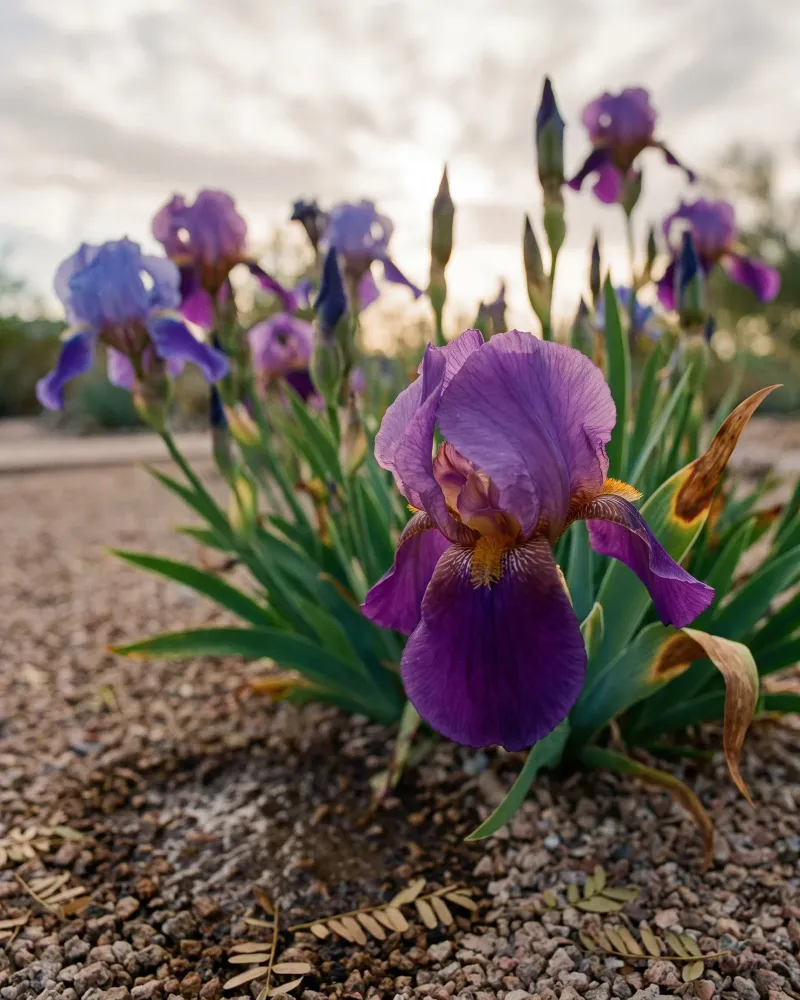
A small brown moth flutters through iris beds in early fall, and most of us never even notice it there. The iris borer moth lays its eggs on old, ragged iris leaves, where they wait quietly through the entire winter season.
Come spring, the tiny caterpillars hatch, crawl up the fresh leaves, and tunnel down toward the fleshy rhizomes below. The damage often leads to mushy, smelly rot that ruins whole clumps and wipes your flower show off the calendar.
Removing that old foliage after a hard frost is one of the best ways to break this frustrating cycle. Iris specialists in Virginia and beyond recommend gathering the brown leaves and other bed debris before winter sets in.
Cut the browned leaves down to a neat fan about four to six inches tall, then rake the area clean. Bag the trimmings or send them out with the trash, since composting them can let the borer eggs survive.
Don’t make my mistake of trimming green iris fans down hard in the middle of summer just to look tidy. Those healthy leaves feed the rhizome all season, and short-changing them can mean fewer of those ruffled spring blooms.
Watch out for heavy mulch too, because bearded iris rhizomes like to sit right at the soil surface in sunshine. Piling mulch over them traps moisture and often leads to soft rot during a long, damp stretch of winter weather.
If you spot any squishy or hollow rhizomes while cleaning up, dig them out and discard them right away. Firm, healthy pieces can be replanted later in summer, so the bed stays productive and gorgeous for years to come.
5. Garden Phlox
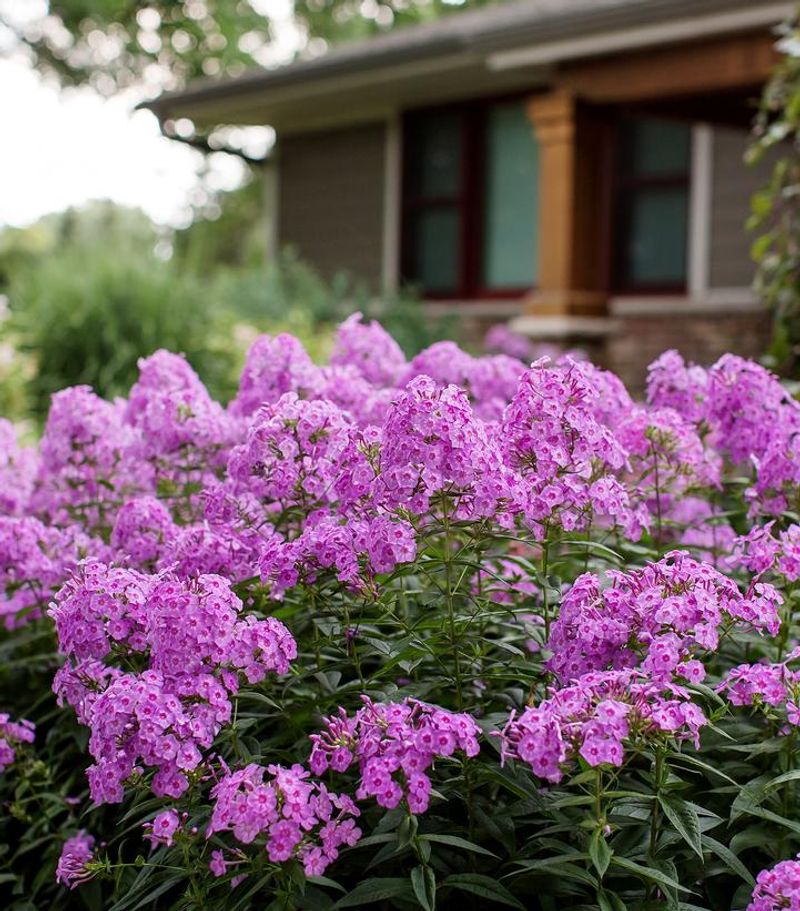
Garden phlox fills summer evenings with a sweet, spicy perfume that drifts across the yard and pulls in hungry butterflies. By November, though, those tall stems often look gray and dusty, thanks to a stubborn fungus called powdery mildew.
That chalky coating on the leaves is not just ugly, because the fungus can overwinter on old stems and fallen foliage. Leaving the mess in place gives the disease a head start when new shoots pop up again next spring.
Phlox paniculata is native to much of the eastern United States, so it feels right at home in local gardens. Even so, crowded clumps with poor airflow struggle with mildew year after year, especially during humid late summer weather.
Once frost has knocked the foliage back, cut every stem down to about an inch or two above the soil. Gather all the leaves and stems, then send them out with the trash instead of tossing them into compost.
Looking back, I should have cleaned up my phlox sooner instead of letting the stems flop over all winter long. My spring shoots were dusted with white spots by July, and the flower clusters never filled out properly that year.
A common mistake is cutting phlox back hard in early fall while the leaves still look green and healthy. Wait for frost to signal dormancy, so the roots can finish storing the energy they need for next season.
Plan to thin the clumps in spring by removing a few weak stems at the base for better airflow. Fewer stems mean drier leaves, and drier leaves usually mean much less mildew trouble during the sticky dog days of summer.
6. Roses

Roses love to show off with a last flush of blooms in October, and then the leaves start dropping with spots. Those yellow leaves speckled with black dots carry black spot fungus, which happily overwinters in the mulch beneath your bushes.
Rake up every fallen rose leaf you can find, and pick off any spotted leaves still clinging to the canes. This simple chore cuts down the amount of fungus waiting to splash back onto fresh growth when spring rains arrive.
November is the right time for a light cleanup, not a heavy haircut, so keep your loppers mostly in the shed. Trim out broken, diseased, or rubbing canes, and shorten any extra-long canes that might whip around in winter winds.
Heavy fall pruning is the mistake that hurts roses most, because it can trigger soft new shoots before winter. Those tender shoots get hit hard by freezing nights, and the plant wastes energy it should have been saving for spring.
Virginia Tech experts suggest saving the major structural pruning for late winter, just as the buds begin to swell. That timing lets you see exactly where cold damage happened, so you can cut back to healthy, green wood with confidence.
Once-blooming climbers and old garden roses flower on last year’s wood, so a big fall cut removes next summer’s flowers. Prune those types right after they finish blooming in early summer, and simply tidy them up during the cooler months.
If you ask me, the most satisfying November rose job is the cleanup underneath, not the pruning above. Fresh mulch over clean ground makes a tidy winter bed and gives your plants a healthier start next year.
7. Smooth Hydrangea
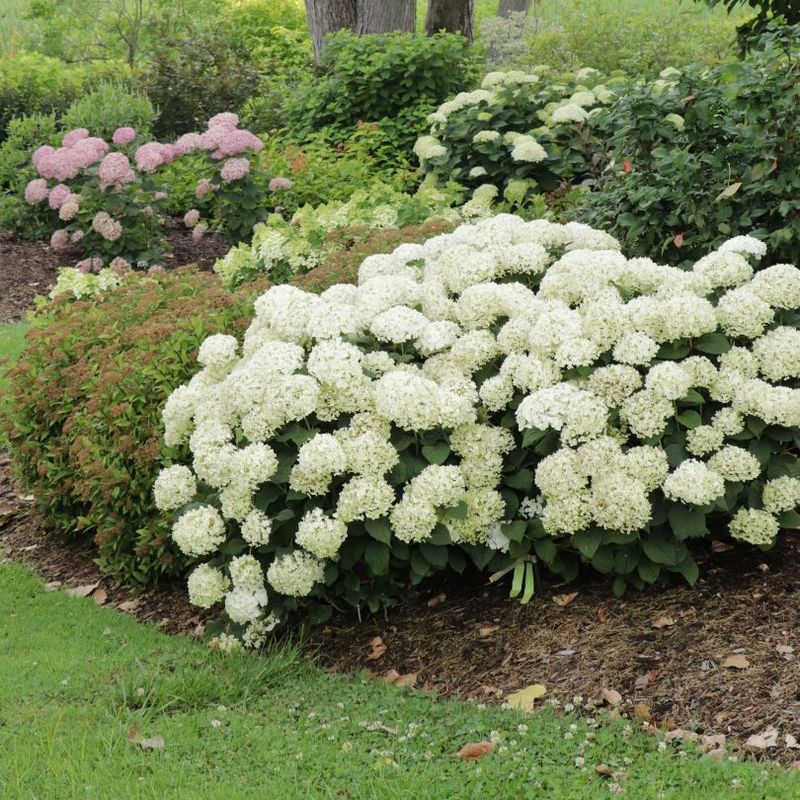
Smooth hydrangea is a true local, growing wild on shady slopes and stream banks across much of the eastern United States. Famous cultivars like Annabelle produce huge white snowball flowers on brand new stems that sprout fresh every single spring.
Because the blooms form on new wood, you can safely cut these shrubs back in late fall without losing next summer’s flowers. Many gardeners trim the stems to about twelve to eighteen inches tall, which encourages sturdier growth and nicely balanced shape.
Some folks prefer leaving the papery dried flower heads up for winter interest, and that choice works fine too. In that case, just do the cutting in late winter before new growth begins to push from the base.
The biggest mistake happens when gardeners treat every hydrangea the same and prune them all in November. Bigleaf and oakleaf hydrangeas set their flower buds on old wood during the late summer, so fall cuts remove them.
Let’s just say I learned this one by chopping a bigleaf shrub to the ground one chilly autumn afternoon. I was rewarded with a gorgeous wall of green leaves the next summer, and not a single blue flower appeared anywhere.
Not sure which kind you have growing near the porch or along the fence line in your yard? Smooth types have thin stems and round white or pink heads, while bigleaf types have thicker stems and glossy leaves.
Panicle hydrangeas also bloom on new wood, so they can join the smooth types on your Virginia fall pruning list. Avoid cutting every stem to the ground each year, though, because some woody framework helps support those heavy blooms.