These Yard Features Might Not Be Allowed Much Longer In Virginia Neighborhoods
Would you risk a fine over a shed, a hen, or a leaf blower? Localities across Virginia keep rewriting ordinances, and many residents learn about changes only when a letter lands.
Fence heights, inoperable cars, and trailers parked in your driveway invite scrutiny. Some rules arrive from Richmond, where lawmakers write statutes that apply to you.
Others start when a neighbor files a complaint, and you inherit the consequences. Homeowner associations add covenants, fines, and approval forms that you must follow.
Review your deeds, bylaws, and county codes before a warning letter reviews you. Measure your fence, because a few inches can separate approval from a citation.
Photograph your shed, since proof of placement protects you during disputes. Call your zoning office and ask what applies to your lot.
Rules can change, and spotting updates early gives you time to adjust. A quick check now can prevent a costly notice later.
1. Invasive Ornamental Plants

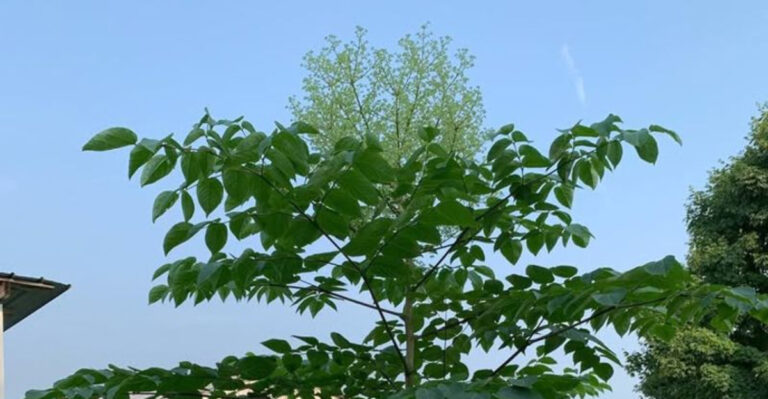
Each spring, Bradford pear trees cover Virginia roadsides in white blossoms that smell a bit like old fish. Pretty to look at, sure, but those trees have become a significant problem.
Callery pears spread into fields and forests, crowding out native plants that birds and bees depend on. Their weak branches also split apart in storms, often landing on cars and roofs.
Starting January 1, 2027, Virginia will require garden sellers to label certain plants as invasive. Shoppers will then see warnings beside popular picks such as English ivy, Japanese barberry, and Bradford pear.
Labels can be a first step before tighter limits. Some states, including South Carolina and Ohio, have already moved to ban sales of Bradford pears.
Virginia has not banned Bradford pear sales, but the tree is on the list that will require warning signs. Some homeowner associations now steer residents away from these plants in new landscaping plans.
Not sure what is growing in your yard? Virginia’s Department of Conservation and Recreation shares a free invasive plant list online.
Fall is a great time to swap them out, because cool weather helps new trees settle their roots. Eastern redbud, serviceberry, and flowering dogwood all offer spring blooms with native credentials.
Dogwood is even Virginia’s state tree and state flower, so you get bonus points for hometown pride. Your local birds will also enjoy the bright red berries later in the season.
For English ivy, pull it off tree trunks and away from the base before it climbs higher. Wear gloves, take your time, and bag the vines so they do not reroot.
2. Gas-Powered Leaf Blowers

Saturday morning, 8 a.m., and the street fills with engine noise. October in Virginia means leaves, and leaves mean the gas blower comes out.
Many people love the power, but plenty of neighbors are tired of the noise and fumes. Some gas blowers reach 90 decibels or more at the operator’s ear, and that noise carries to neighboring yards.
Washington, D.C. banned the sale and use of gas leaf blowers in January 2022. Alexandria will ban gas leaf blowers on November 17, 2026, and Arlington County has approved a ban that starts January 1, 2029.
Your Virginia Garden Changes Every Week. Your Plan Should Too.
Gardening in Virginia changes quickly throughout the season. Every Friday you’ll receive a simple weekly plan showing exactly what to plant, prune, fertilize, harvest, and protect so you never miss the right timing.
Virginia’s Dillon Rule limits what localities can do, and a 2026 bill to give dense localities explicit authority was defeated in a Senate committee, so these cities rely on their noise ordinances. Noise ordinances and HOA rules are already trimming the hours when blowers can run.
The pollution numbers surprise people too. Older two-stroke engines burn oil with gas, and California regulators have found they can emit more pollutants per hour than some cars.
If you are shopping this fall, battery blowers have improved a lot in recent years. Many models are much quieter, start with a button, and skip trips to the gas station.
Plenty of yards do fine with a good old rake, which doubles as free exercise. Raking into a tarp makes hauling leaves to the curb or compost pile much easier.
You can also leave a light layer of leaves on garden beds. They protect soil, feed worms, and give overwintering butterflies and fireflies a cozy place to hide.
Whatever tool you choose, wait until mid-morning on weekends. Your sleepy neighbors may even bring you a pumpkin muffin as thanks.
3. Running Bamboo Hedges

A neighbor’s bamboo, planted for privacy, can pop up in your tomato bed. Running bamboo spreads underground through runners that can reach far beyond the original planting.
Virginia law allows localities to create ordinances that hold owners responsible when running bamboo spreads onto neighboring property.
Some counties and towns have adopted these rules, so check whether yours has. State law caps civil penalties at $50 for a first violation and $200 for later ones, so check your locality’s ordinance.
Removal costs can be high too. Digging out a mature patch may take heavy equipment and hundreds or even thousands of dollars.
Call your county office or check its website to see if a bamboo ordinance applies to you. Rules differ from place to place, so a quick question can save real money.
If you already have bamboo, consider installing a deep root barrier around it this fall. A plastic barrier about 30 inches deep can slow those wandering roots down quite a bit.
Clumping bamboo varieties are a calmer choice because they grow in tight bunches. They still give you that leafy, tropical look without spreading across property lines.
October is a smart month to check edges, since growth slows and the soil is easier to work. Mow or snap off any new shoots that sneak past your border.
Native options like switchgrass or wax myrtle make lovely privacy screens with far fewer headaches. Your neighbors, and your tomato bed, will thank you.
4. Overgrown Front Lawns

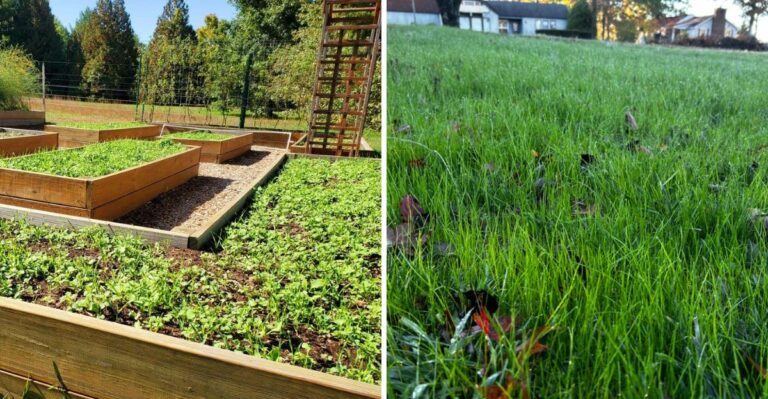
How tall is too tall? In some Virginia localities, grass and weeds over 12 inches can trigger a notice from code enforcement, though thresholds vary.
State law lets localities require owners to cut tall grass on developed lots and some vacant ones. If an owner ignores the warning, the county may hire a crew and send the bill.
Repeat problems can lead to extra fines that grow each time. Some places even attach unpaid mowing costs to the property as a lien.
Code officers usually respond to complaints rather than patrolling every street. A single complaint can start the process, so friendly communication goes a long way.
Here is the tricky part for nature lovers. Wildflower meadows and no-mow lawns are growing in popularity, but they can look messy to a code officer.
Some localities may consider clearer rules that separate planned native gardens from neglected yards. Until those rules arrive, it helps to make your meadow look intentional.
Add a neat mowed border along the sidewalk and driveway. A small sign, a bench, or a simple fence tells passersby that the wild look is on purpose.
Keep taller plants toward the back of the yard and shorter ones near the street. Also check your HOA rules, since many set stricter height limits than the county.
October brings cooler weather, and grass growth slows as frost approaches. That makes now a good time for one final trim and a fresh layer of mulch.
5. Glaring Outdoor Floodlights
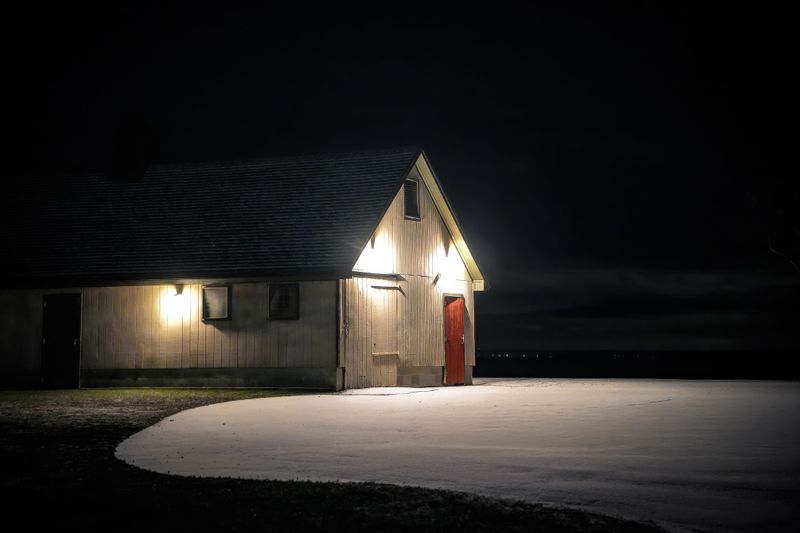
Remember lying in the grass as a kid, counting stars on a warm night? In many Virginia neighborhoods, a single bright floodlight can dim the view of the stars.
Light pollution has become a hot topic in county meetings across the state. Staunton River, James River, Natural Bridge, and Sky Meadows State Parks hold official dark sky park designations.
Several Virginia localities now have lighting ordinances that require shielded fixtures pointing downward. More HOAs are adding similar rules after neighbors complain about lights shining into bedrooms.
Bright, unshielded lights confuse migrating birds, which often travel at night during fall. They also draw moths and other insects away from their normal jobs, like feeding bats and pollinating flowers.
October is peak migration season, so this issue matters right now. Turning off extra lights at night gives tired travelers a safer path south.
You do not need to sit in the dark to stay safe. Motion-sensor lights switch on only when needed, which saves energy and keeps neighbors happier.
Look for fixtures labeled fully shielded or dark sky friendly when you shop. Warm bulbs around 3000 Kelvin or lower feel softer and cause less glare than harsh blue-white ones.
Aim existing lights toward the ground, not across the street. A simple angle change can stop your porch light from becoming the neighborhood’s least favorite moon.
Some families even plan backyard stargazing nights once their lights are fixed. Cool, clear October evenings are perfect for spotting planets with a cheap pair of binoculars.
6. Open Backyard Burn Piles

Nothing says fall quite like the smell of a leaf pile smoldering in a neighbor’s backyard. Many Virginians grew up with that scent, but it is becoming less common in suburban areas.
Many Northern Virginia localities already restrict open burning of yard waste in neighborhoods. Other localities limit burning to certain days, or require a permit before you strike a match.
Virginia also has a statewide 4 p.m. burning law during spring fire season, which applies to outdoor burning near woods or brush. From February 15 through April 30, that burning is banned before 4 p.m.
Fall can be risky too, since dry leaves and gusty winds help flames jump quickly. A small pile can turn into a grass fire in minutes, and firefighters see it every year.
Smoke is the other big complaint. People with asthma or heart problems can struggle when a neighbor burns wet leaves that smolder for hours.
Rules vary by locality, and some may add permit requirements or burn-free days for residential areas. Some localities may have adopted these rules, so check whether yours has.
The easiest swap is composting. Shredded leaves break down into rich, crumbly soil food that your vegetable garden will gobble up next spring.
Some localities offer free curbside leaf collection in the fall, often from October through December. Check your locality’s website for pickup dates and whether leaves need bags or can sit loose.
Craving that campfire feeling? A screened fire pit for warmth or s’mores is often still allowed under local rules.
7. Backyard Chicken Coops
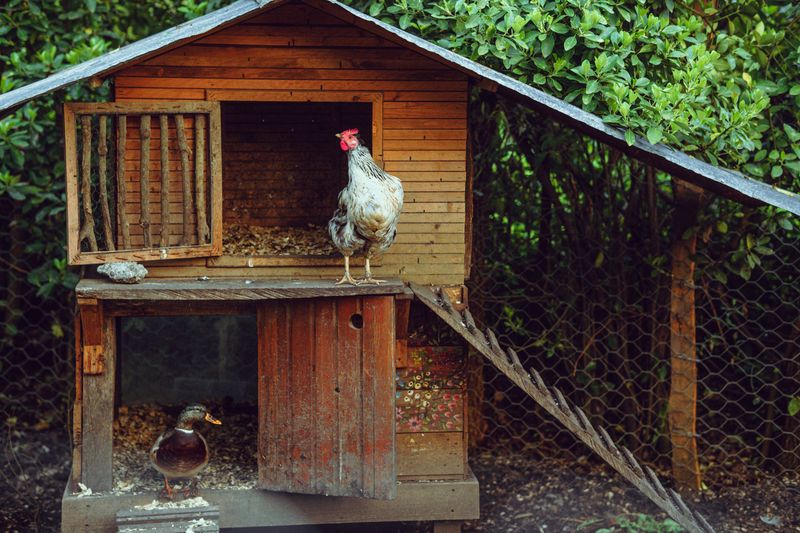
Fresh eggs, funny clucks, and a feathered alarm clock sounded like a dream to plenty of families. Backyard chickens boomed in Virginia during 2020, when grocery shelves looked a little bare.
Now many owners are learning how much local rules matter. Rules about hens vary widely from one county to the next.
Penalties vary by locality, and code officers may order an inoperable car towed at the owner’s cost. Roosters are banned in many suburban areas because of the early wake-up calls.
Complaints usually center on smells, noise, and visitors you did not invite. Spilled feed can attract rats, and a poorly built coop can draw foxes, raccoons, and hawks.
Bird flu outbreaks have also made health officials more cautious about small flocks. HOAs in newer subdivisions often ban poultry outright, even when the county says yes.
If you already keep chickens, a tidy setup is your best defense. Clean the coop often, store feed in metal cans, and keep the run sturdy and covered.
Placement matters more than people think. Many rules require coops to sit a set distance from property lines, so measure first.
October is a good month to prep the flock for winter. Add fresh straw bedding, check for drafts, and plan a way to keep water from freezing.
Sharing a carton of eggs with nearby neighbors is a time-tested peace offering. It is hard to file a complaint about the folks who keep your breakfast stocked.
8. Inoperable Parked Cars
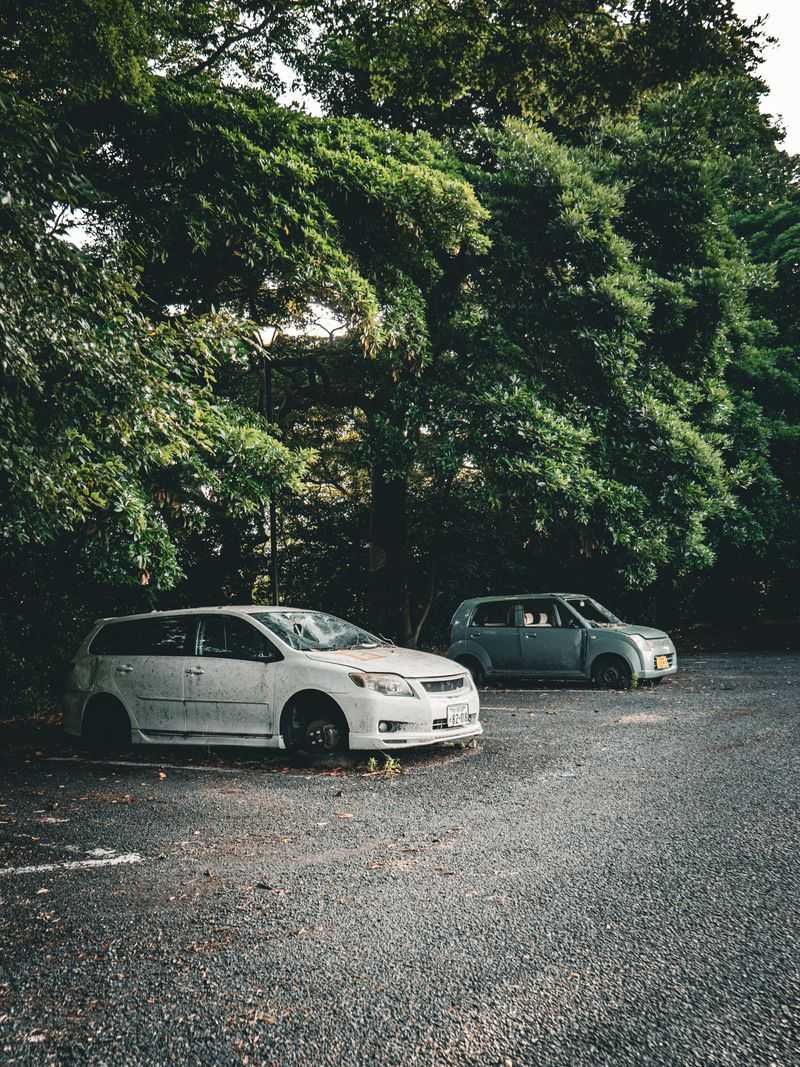
Many streets have one: the old pickup on blocks that has not moved since the 1990s. Its owner swears it will run again someday, maybe after just one more part.
Virginia law gives cities and counties the power to limit inoperable vehicles kept in plain view. Some localities allow only one, and some require it to be fully covered or hidden.
A car usually counts as inoperable if it lacks valid tags, inspection, or working parts. Flat tires, missing wheels, and broken windows can also land it on the list.
Some localities have tightened their rules or raised fines, and code officers may order a car towed at the owner’s cost.
Boats, campers, and trailers are joining the conversation too. Many HOAs ban them in driveways, and some towns limit street parking time.
Why the fuss? Leaky fluids can reach storm drains, and old cars make cozy homes for rodents.
If you have a project car, a closed garage is your best friend. A fitted car cover can also help, though some localities want vehicles fully screened from view.
Keeping tags and registration current is another simple fix. Even a car you drive twice a year looks legal when the paperwork is up to date.
Ready to let go? Many Virginia charities accept donated vehicles, running or not, and some even tow them away for free.
Scrap yards may pay cash for old metal too. Either way, your driveway gets a fresh look, and that pickup finally leaves the block.