Box Turtles Spend Winter Hiding in North Carolina Yards, and These Fall Chores Could Disturb Them
A creature that can outlive the person who planted your oak tree may be sleeping under a few inches of leaves right now. Some of these reptiles reach 50 years old or more, and many spend their whole lives within a few acres.
That means the same shy neighbor could be wintering in your yard year after year. In North Carolina, this little homebody is even the official state reptile.
One thing I love about fall gardening is the fresh, crunchy smell of leaves and cool soil. I also know how tempting it is to clean every bed until it looks brand new.
The tricky part is that a resting animal under those leaves can’t run, hide, or even wake up quickly. The real question is simple. How many of your favorite autumn chores happen right on top of a tiny, sleepy guest?
1. A Box Turtle Might Be Sleeping Closer To Your Rake Than You’d Guess

Most people expect a winter turtle to be buried deep like a bear in a cave. Eastern box turtles take a much lazier approach, and that surprises a lot of gardeners.
As days cool in October and November, these turtles dig into loose soil, leaf litter, rotting logs, or old stump holes. Many settle only a few inches down, and some stay barely covered at first.
They then slip into brumation, a slow, low-energy state similar to hibernation. During brumation, a turtle’s heart rate and breathing drop way down. It can’t wake up fast enough to crawl away from a shovel or blade.
That’s why the edges of your yard matter so much in late fall. Box turtles also tend to return to familiar spots.
Researchers have found that adults often use small home ranges, sometimes only a few acres, for decades. If you’ve seen one wandering your garden in summer, there’s a fair chance it’s tucked away somewhere nearby now.
Favorite hideouts include leaf drifts under shrubs, shady fence lines, woodland borders, compost edges, and brush piles.
Many turtles stay put until warm spring days return around March or April. Knowing where they like to rest is the first step toward working around them, and it only takes a little extra attention.
2. That Lawn Mower Mulching Your Leaves Is The Biggest Turtle Risk
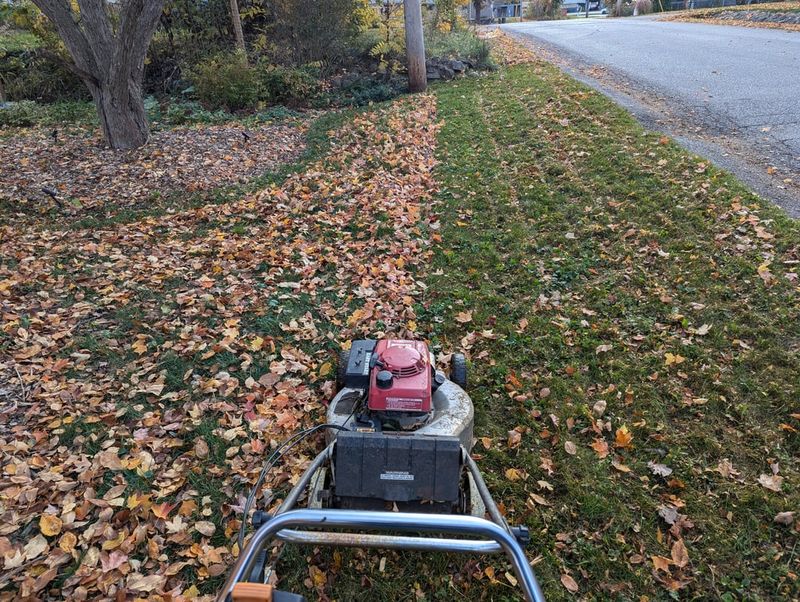
Mulching leaves with a mower is one of my favorite fall shortcuts. It feeds the lawn and saves hours of raking. Sadly, it’s also the chore most likely to hurt a box turtle.
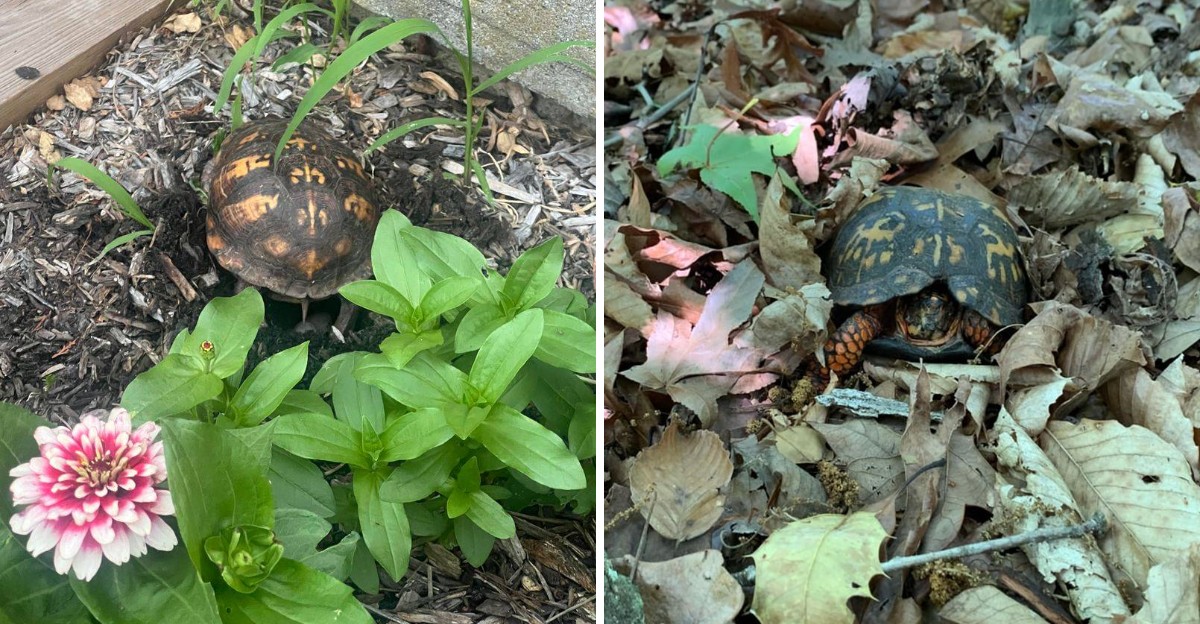
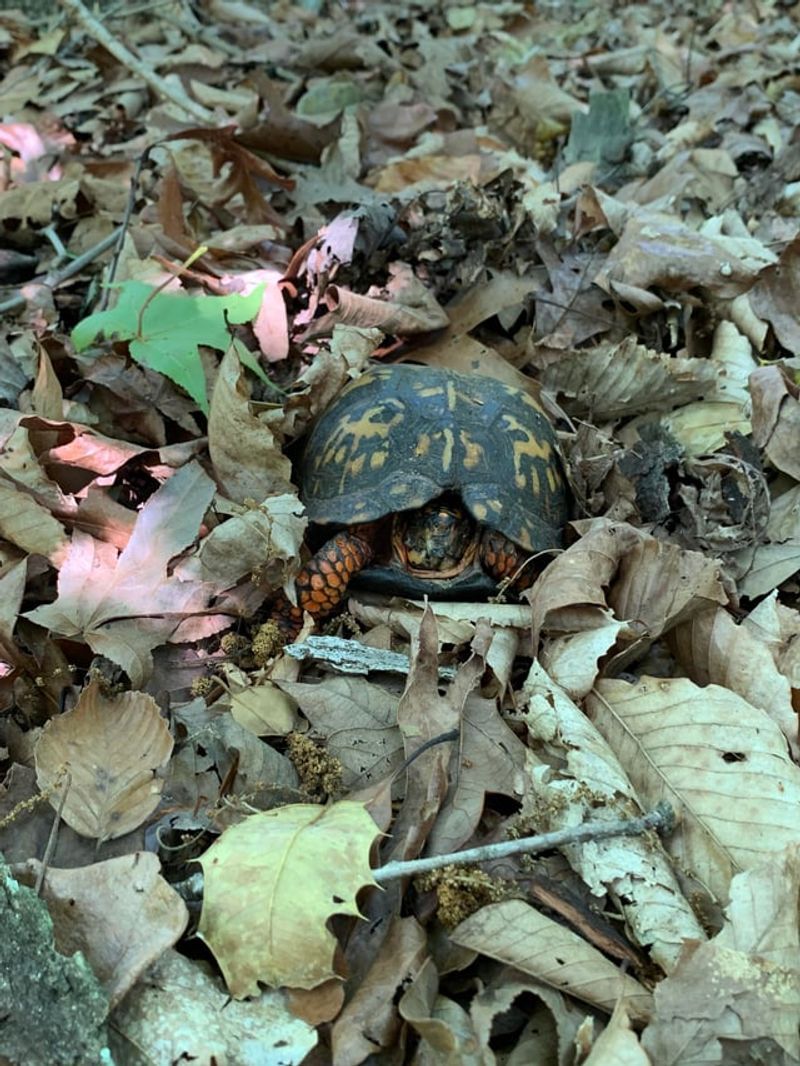
A domed brown and orange shell blends almost perfectly into a pile of oak and maple leaves. Turtles also move slowly, and a cooling turtle moves even slower. When a mower rolls over a leaf drift, a hidden turtle has little chance to get out of the way.
Wildlife rehabilitators across the state treat many box turtles with mower injuries each year. Shells can crack badly, and recovery often takes months of care, if it’s possible at all.
A few simple habits lower the risk: Raise your mower deck to its highest setting for fall mowing. Skip mowing into thick leaf piles along fences, shrubs, and wooded edges. Mulch leaves mostly on open lawn, where turtles are less likely to rest.
Timing helps too. Turtles are more active on warm afternoons, so mowing during those hours means more of them might be crossing the yard. On any warm day, a quick look before you start makes a real difference.
3. Stroll Your Yard Slowly Before Starting Any Fall Cleanup
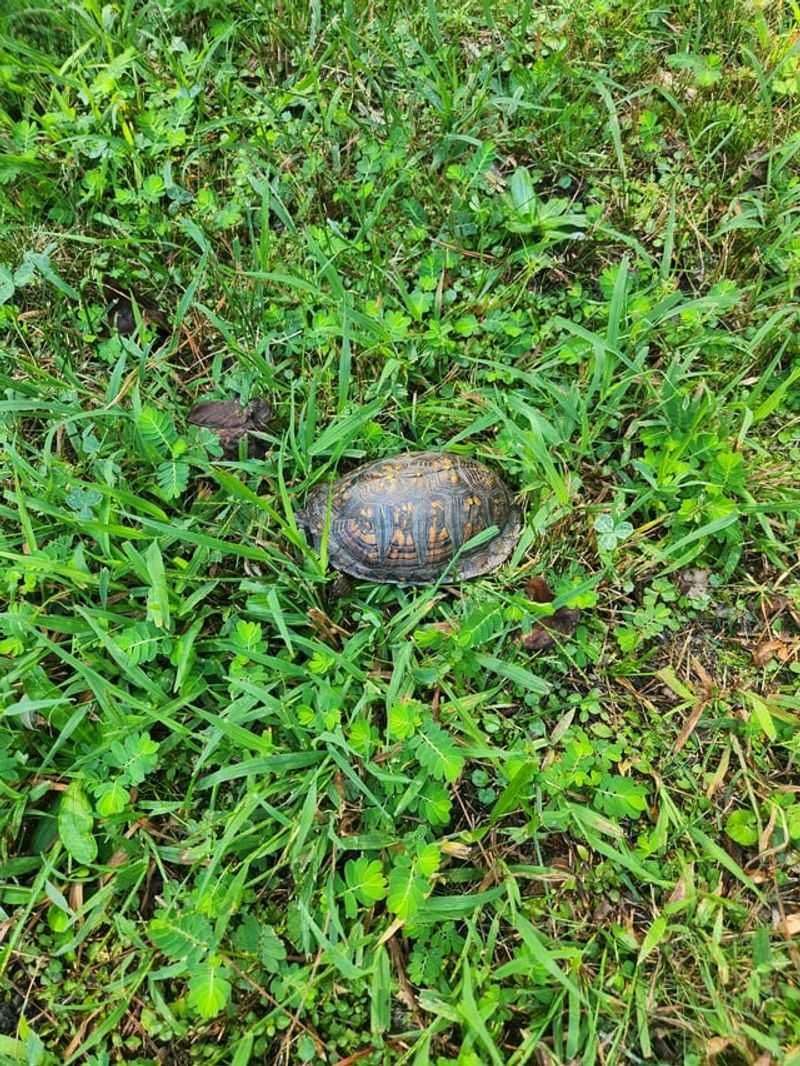
Five minutes of slow walking can save a turtle that’s lived longer than your house has stood. I like to call it a turtle check, and it fits nicely with a morning cup of coffee.
Before mowing, raking, or trimming, walk the areas you plan to work. Look closely at fence lines, shrub edges, woodpiles, garden beds, and any thick drift of leaves. Box turtle shells often look like a smooth brown rock or a lump of soil.
Watch for a round, slightly raised shape with yellow or orange markings. A small hole or disturbed patch of leaves can also mean a turtle has dug in recently.
If you find one, leave it right where it is. Moving a brumating turtle can expose it to cold before it can dig in again. Simply skip that spot and mark it with a stake or a flag so you remember later.
Found a turtle out wandering on a warm fall day? You can gently carry it a short distance in the direction it was heading. Please don’t take it to a park or woods across town.
Box turtles have strong homing instincts, and relocated turtles often struggle trying to find their old territory.
4. Raking Up Every Last Oak Leaf Strips Away A Turtle Blanket
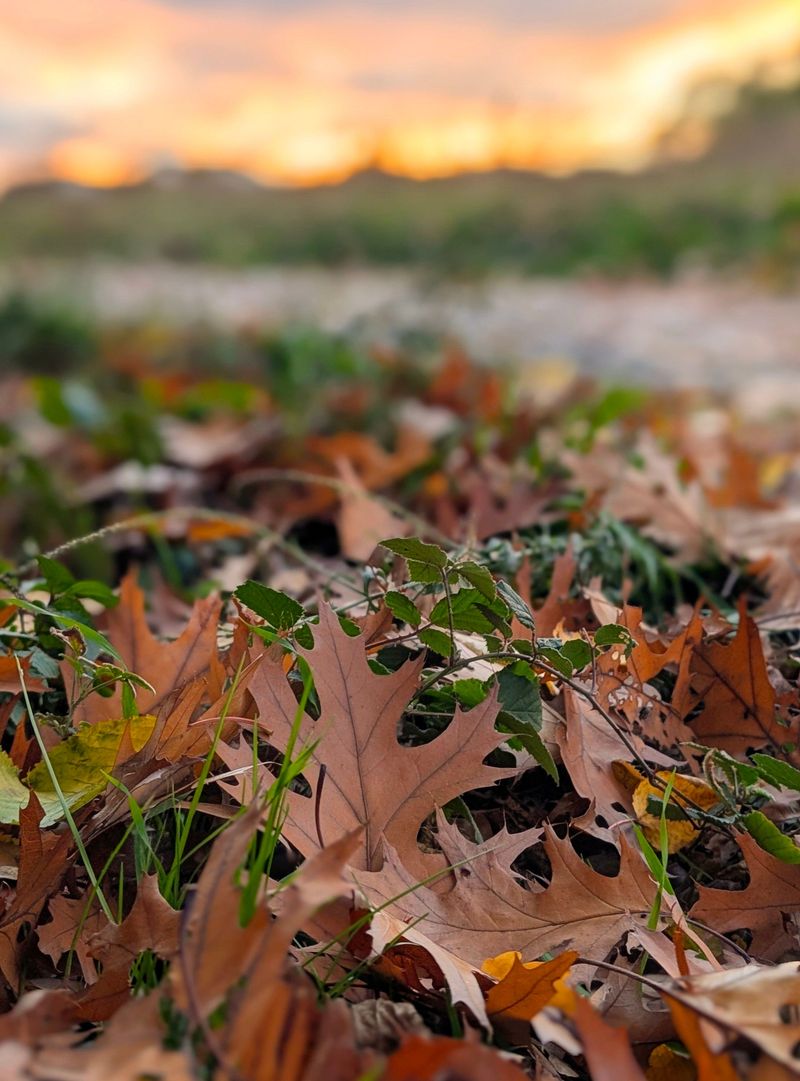
Leaf litter works like a fluffy quilt for wildlife. It traps warmth, holds moisture, and keeps the soil below from freezing as hard or as fast.
Box turtles count on that cover through winter. A turtle tucked under several inches of leaves stays far better protected than one in bare, exposed dirt. When every leaf disappears into a bag, those shelters vanish with it.
Leaves also feed the turtle pantry. They break down into rich soil that supports earthworms, slugs, beetles, and mushrooms. Box turtles happily snack on all of those in spring and summer.
You don’t have to give up a tidy lawn, though. Try this balanced approach: Rake leaves off the open grass, where thick mats can smother turf.
Move them into shrub beds, around tree bases, or along borders at a depth of a few inches. Leave existing leaf layers under hedges and woodland edges alone. NC State Extension also points out that shredded leaves make excellent mulch and compost.
So your yard gets free soil food while turtles keep their winter cover. Honestly, it’s one of those rare garden chores where doing a little less gives better results for everyone involved.
5. Your Leaf Blower Can Uncover A Sleeping Shell In Seconds

Leaf blowers are loud, fast, and powerful. That’s great for clearing a driveway, but it’s tough on anything hiding under the leaves.
A strong blast can peel away the cover a turtle carefully built. Once exposed, a sluggish turtle may not have the energy to dig a new shelter, especially after a cold snap. Freezing weather can then cause serious harm.
Blowers also push leaves into big piles, and those piles often end up mowed, burned, or hauled away. A turtle could be caught in any of those steps without anyone noticing.
Here’s a smarter way to use your blower: Stick to hard surfaces like driveways, patios, sidewalks, and decks.
Avoid blasting under shrubs, hedges, and along fence lines where turtles like to rest. Use a hand rake or your hands in sensitive spots, so you can feel and see what’s beneath.
If you do uncover a turtle, gently replace the leaves over it. Add a few more handfuls for extra insulation. A quick fix like that gives the animal a solid chance of waking up healthy in spring.
Quieter tools also disturb other wildlife less, including overwintering bees, butterflies, and fireflies.
6. Brush Piles And Old Logs Make Cozy Box Turtle Hideouts
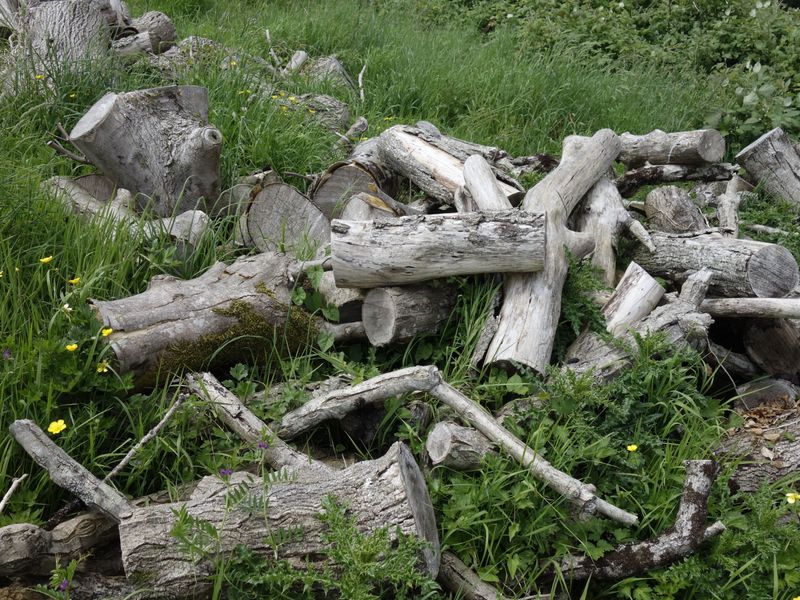
That untidy pile of branches behind the shed might be the nicest real estate in the neighborhood, at least to a turtle. Logs and brush offer shade in summer and solid shelter in winter.
Box turtles often wedge themselves under fallen logs or tuck into the loose soil beneath a brush pile. Rotting wood also attracts insects and fungi, which keeps their favorite snacks close by.
Fall is when many folks haul off brush, split logs, or burn yard debris. Each of those jobs can hurt a resting turtle. Burning is especially risky, since turtles can’t escape quickly from heat and smoke.
If you need to clear brush, consider these steps: Do the work in late summer or early fall, before turtles settle in for winter. Lift and move pieces by hand, checking underneath as you go. Avoid dragging heavy logs across the ground.
Better yet, keep one brush pile in a quiet corner on purpose. Stack larger branches at the bottom and smaller ones on top for air pockets. Wrens, toads, and salamanders will use it too.
Before any burning, check your local fire rules and the NC Forest Service guidelines for outdoor burning permits.
7. Hold Off On Deep Tilling Near Shrubs And Quiet Garden Corners
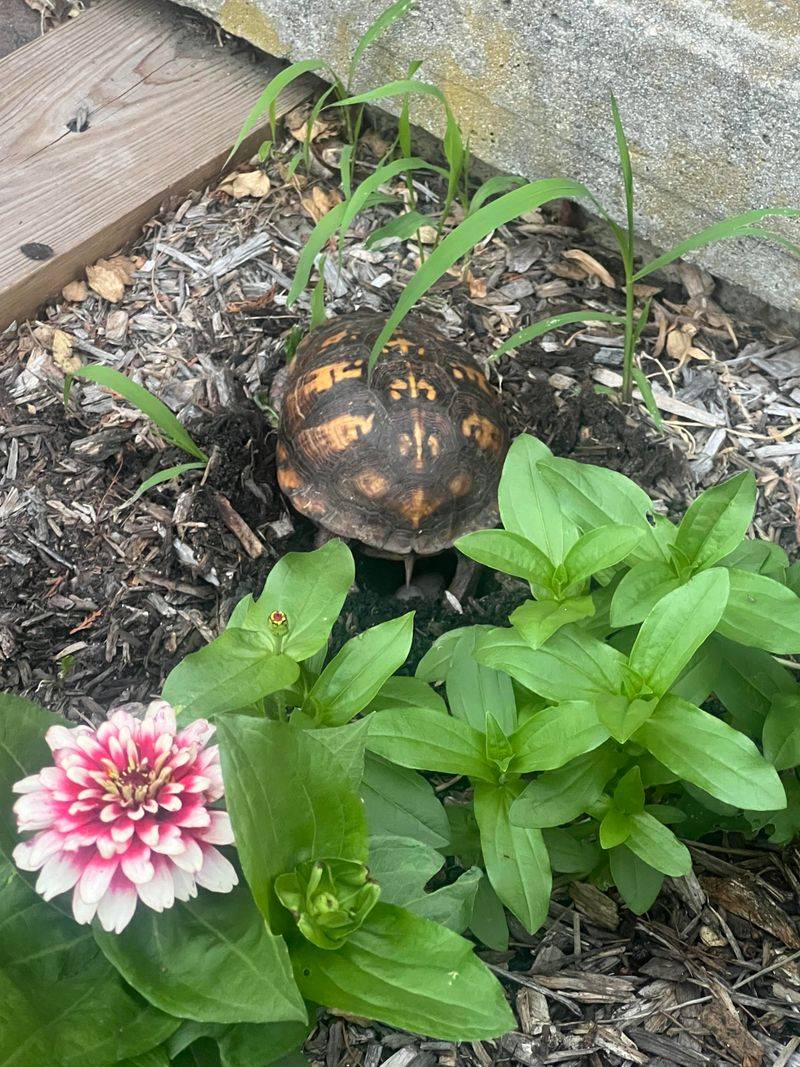
Fall feels like the perfect moment to turn over soil and prep beds for spring. Before grabbing the tiller, think about who might be underground.
Box turtles can spend the entire winter just a few inches below loose soil. Soft garden beds near shrubs, fences, and shady borders are especially appealing. A tiller or deep shovel cut can strike a turtle long before you’d ever see it.
Many gardeners have moved toward no-till or low-till methods anyway. Extension experts note that less digging protects soil structure, helpful fungi, and earthworms. Turtles simply get to share in those benefits.
Some easy swaps: Add compost or shredded leaves on top of beds instead of digging them in. Let worms and weather do the mixing over winter. If you must dig, use a hand trowel or fork and go slowly, especially in undisturbed spots.
Spring is the better time for big bed projects. Wait until turtles are active again, usually when daytime temperatures stay mild in April.
Then check carefully, because females may dig nests in sunny soil from late May through July. A marked no-dig corner can be a simple reminder for everyone in the household.
8. Leave A Wild Leafy Corner And Give Box Turtles A Safe Winter
Some of the best gardening decisions involve putting the tools down. A small wild corner might be the simplest gift you give local wildlife this year.
Pick a spot along a fence, under trees, or at the back of a bed. Let leaves gather there, add a log or two, and skip mowing and raking. Native shrubs like American beautyberry, inkberry holly, and highbush blueberry fit nicely and offer food later.
Box turtles face many challenges, including roads, habitat loss, and collection. North Carolina law limits how many native turtles people can keep, and wildlife experts urge folks to leave wild turtles in the wild.
Protecting resting spots in your yard helps local populations hold steady. Spread the word, too. Neighbors with connected wild edges create larger safe zones for turtles that wander between properties.
Here’s a quick fall checklist to remember: Walk the yard before mowing. Raise your mower deck. Move leaves into beds instead of bagging them. Keep blowers on hard surfaces. Save one brush pile. Skip deep digging until spring.
If you ever find an injured turtle, contact a licensed wildlife rehabilitator through the NC Wildlife Resources Commission. With a little patience, that sleepy shell may greet you again next spring.