The Fire Ant Bait Mistake North Carolina Homeowners Make Right Before A Fall Rain
Fire ant bait is simple to use. Sprinkle it across the lawn, let the ants carry it home, and wait. That is why so many people do it the moment they see a mound, no matter the weather.
The forecast, though, matters more than the product. Bait is made from food ants love, and moisture turns it into something they ignore. A shower can wash it away or ruin it entirely, and the money you spent goes down the drain.
Timing also affects how well the colony takes the bait back to the queen. North Carolina’s fall brings a mix of dry spells and sudden storms, which makes the choice trickier. A quick look at the forecast before you open the bag can save a lot of frustration.
1. Rain Ruins Fire Ant Bait Fast
Dark clouds roll in, and suddenly every homeowner on the block is out spreading fire ant bait. It feels smart to treat before the storm hits. Sadly, that timing is the biggest mistake people make with bait.
Most fire ant baits look like tiny yellow crumbs. Those crumbs are corn grits coated with soybean oil and a small amount of insecticide. Worker ants love the oil, so they pick up the grits and haul them home to feed the colony and the queen.
Water changes everything. Once the bait gets wet, the oil becomes much less tasty to ants, and the grits turn soft and mushy. Worker ants simply walk past it, and your treatment never reaches the queen deep inside the mound.
So what should you do instead? Check the weather forecast before you open the bag. Look for a stretch of dry days, not just a dry morning, and hold off if rain is expected soon.
Waiting can feel hard when mounds keep popping up. Still, patience pays off, because one well-timed application works far better than two rushed ones. You also save money on bait you would otherwise wash away.
North Carolina makes this tricky. Fall cold fronts can sweep through with only a day of warning, and tropical systems from the Atlantic sometimes bring heavy rain that forecasters struggle to time.
A sunny sky at breakfast does not always mean a dry evening. Make it a habit to check a trusted local forecast or radar app right before you head outside.
If showers look likely, put the bag back on the shelf and try again later in the week. Your lawn, and your wallet, will thank you.
2. Baits Need A Dry Window To Work
Ants are busy little workers, and they move faster than most people expect. When they are out foraging, worker fire ants can find bait and start carrying it home within a few hours. That speed is great news, but only if the bait stays dry long enough.
Think of bait as a delivery that takes time to finish. Ants need to locate the granules, pick them up, and share the food throughout the colony. If rain sneaks in halfway through, much of the bait gets ruined before the job is done.
A good rule is simple. Apply bait when no rain is expected for at least 24 hours. Some products list their own rain-free period on the label, so read it and follow those exact directions.
Heavy rain soon after treatment means you will likely need to start over. Wait for the ground to dry, check the forecast again, and reapply at the label rate. It may feel frustrating, but a soggy treatment rarely works.
Keeping a small notebook or phone note can help. Write down the date you spread bait, the product name, and the weather afterward. Over time, you will spot patterns and learn what works best in your own yard.
North Carolina homeowners know how quickly a sunny afternoon can change. A single surprise shower, even a short one, can waste an entire bag of bait and a whole afternoon of work. That is money and effort nobody wants to lose.
Planning around that dry window gives your bait a real chance to reach the queen. Once she stops laying eggs, the colony begins to fade, and that is the result every homeowner hopes for.
3. Morning Dew And Wet Grass Cause Problems Too

Walk outside on a crisp October morning, and your shoes will likely end up soaked. That sparkling dew looks pretty on the grass, but it can quietly ruin fire ant bait. No storm is needed for moisture to cause trouble.
Bait does not care where the water comes from. Heavy dew or freshly watered grass can dampen the granules the moment they land. Once that happens, the oil loses its appeal, and ants lose interest fast.
Timing your treatment for the afternoon solves most of this problem. By then, the sun has usually dried the grass, and the ground feels warm and dry. Ants are often out foraging at that time too, which is a nice bonus.
Watering habits matter just as much. Skip watering the lawn right before you spread bait, and hold off afterward as well. Wet blades of grass act like little sponges that soak the bait from every side.
Automatic sprinklers are easy to forget. Many people spread bait perfectly, only to have the irrigation system click on at five the next morning. Turn your system off for a day or so after treatment, or follow the label if it gives a longer time.
Fall in North Carolina often brings cool nights and warm days. That swing in temperature creates heavy dew that can linger well into the late morning, especially in shady spots under trees.
A quick test helps. Run your hand across the grass before you start, and if it comes back wet, wait a few more hours. That small step can make the difference between a wasted bag and a successful treatment.
4. Don’t Water Baits In Like Other Products
Here is a mix-up that trips up even experienced gardeners. You read a fire ant product label once, it said to water it in, and now you do that with everything. Unfortunately, that habit can wreck a bait treatment in minutes.
Not all fire ant products work the same way. Some granular insecticides and mound treatments are meant to be watered in, because the water carries the chemical down into the soil where ants live. Those products are designed for moisture.
Baits are a completely different tool. They depend on worker ants picking up food and carrying it home. Watering them in soaks the granules, spoils the oil, and leaves ants with nothing they want to collect.
The fix starts at the store shelf. Read every label carefully to see whether the product is a bait or a contact insecticide. Words like bait, broadcast bait, or carried back to the colony are good clues.
Once you know you have a bait, never water it in. Keep sprinklers and hoses off for the amount of time the label recommends. If you use more than one product, store them separately so they do not get confused later.
For North Carolina homeowners, this mix-up is one of the most common reasons treatments fail. Garden centers sell many fire ant products side by side, and the bags can look surprisingly similar.
Taking two extra minutes to read the label is worth it. That small habit protects your money, your time, and your lawn. It also helps you use each product exactly the way it was meant to work.
5. Ants Must Be Actively Foraging
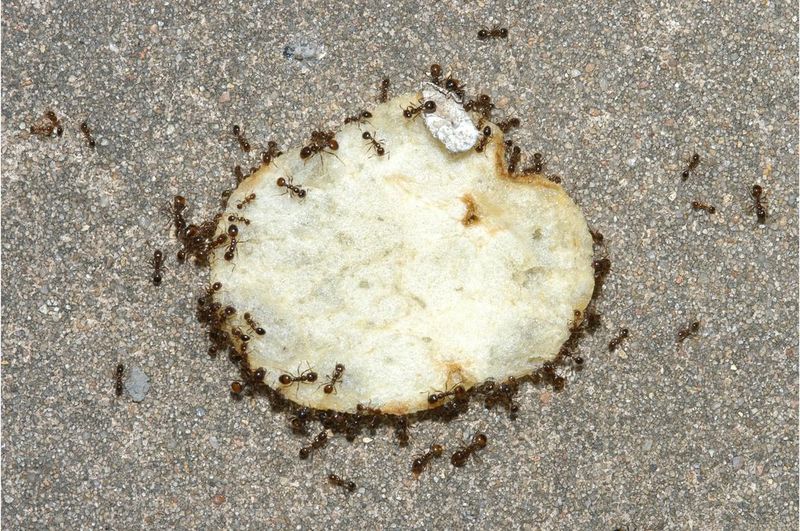
A potato chip might be the best pest control tool in your kitchen. It sounds silly, but this simple snack can tell you whether fire ants are ready for bait. Pest experts actually recommend this trick.
Baits only work when worker ants are out searching for food. If ants are tucked deep in the mound, the bait just sits there, slowly losing its appeal. Spreading it at the wrong time is like setting a dinner table when nobody is home.
Ants forage most when temperatures feel mild and the ground is dry. Very hot afternoons, cold mornings, or soggy soil keep them closer to home. That is why checking activity first is so helpful.
Testing is easy. Place a small piece of hot dog or a potato chip near a mound, then come back in about 30 minutes. If ants are swarming over it, you have a green light to apply bait.
Not seeing any ants? Try again later in the day or on another afternoon. Patience here keeps you from wasting bait on a colony that is not hungry yet.
Fall in North Carolina often hits that sweet spot. Days are warm but not scorching, and ants are busy storing up food before cooler weather arrives. Many experts consider early fall one of the best times of year to bait.
The catch, of course, is the weather. Those same fall weeks can bring sudden showers, so pair your chip test with a dry forecast. When hungry ants meet dry bait, you get the strongest results possible.
6. Fresh Bait Matters As Much As Dry Weather
That half-used bag of bait in the garage might be hiding a problem. It looks fine, smells mostly fine, and seems ready to go. Yet ants may turn up their tiny noses at it.
The reason comes down to the soybean oil. Once a bag is opened, air and heat slowly cause the oil to go rancid. Ants are picky eaters, and they will not carry stale bait back to their colony.
Old bait can fail even on a perfect day. You might have dry grass, hungry ants, and clear skies, and still see no results. Many homeowners blame the product when the real issue is freshness.
Start by buying fresh bait. Check the product date on the package if one is listed, and pick a bag size that matches your yard. Buying a giant bag to save a few dollars often backfires if half of it spoils.
Storage makes a big difference too. Seal opened bags tightly, or pour the bait into an airtight container. Keep it somewhere cool and dry, away from hot attics, sunny sheds, and anything wet.
Follow the label for how long an opened bag stays good. Some experts suggest using opened bait within a few months for the best results. When in doubt, a fresh bag is cheaper than a failed treatment.
Plenty of North Carolina homeowners keep leftover bait from one season to the next. Summer heat in garages and sheds can push temperatures high enough to speed up spoilage. Giving your bait a quick sniff test and a fresh start each fall is a smart habit.
7. The Two-Step Method Gets Better Results
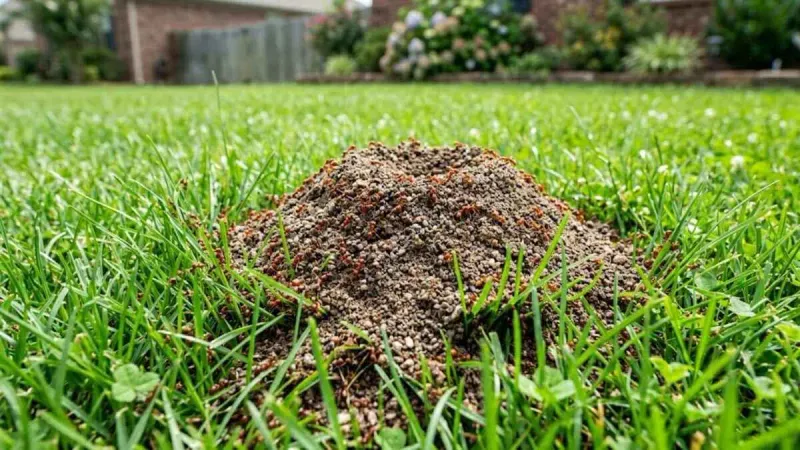
Smart fire ant control works a lot like a game plan with two plays. NC State Extension recommends a two-step method, and it has helped countless homeowners take back their yards. Proper bait use is the heart of it.
Step one is broadcasting bait across the whole yard. Spreading it evenly reaches many colonies at once, including hidden ones you have not spotted yet. Treating only the mounds you see often leaves plenty of colonies behind.
A hand-held spreader makes the job simple. Set it for the label rate, choose a dry day, and walk your yard in steady passes. More bait is not better, so stick closely to the directions.
Leave the mounds alone, both before and after baiting. Kicking or poking them makes ants stop foraging and may cause the colony to move. Calm ants are the ones that collect bait.
Step two comes a few days later. Treat individual mounds near walkways, patios, and play areas with a labeled mound treatment. These products act faster, which matters most where kids and pets spend their time.
Putting both steps together gives you wide coverage plus quick relief in busy spots. Many homeowners repeat the broadcast step in spring and fall to keep new colonies from settling in.
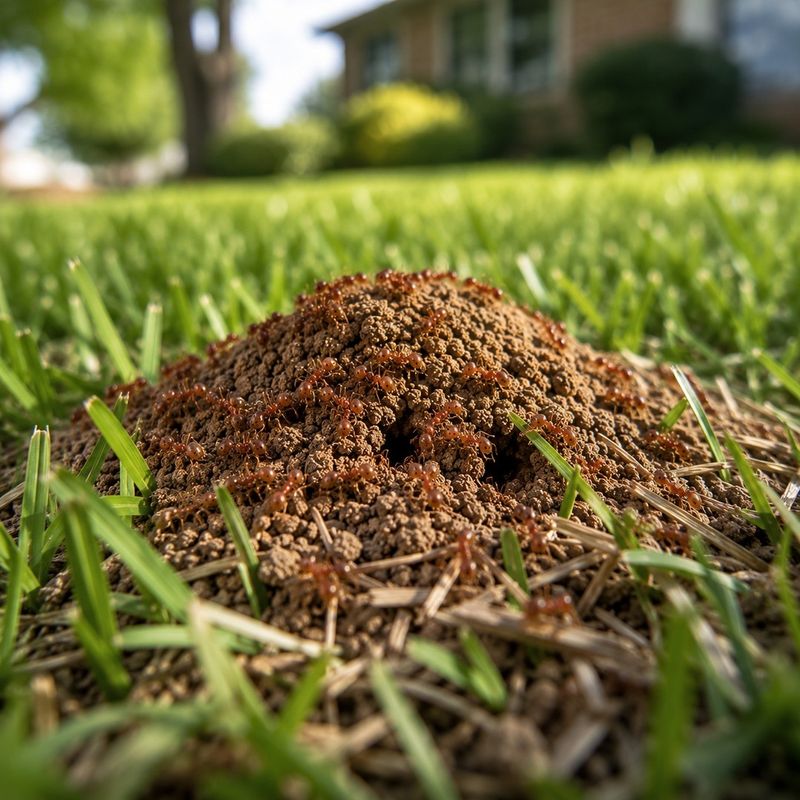
Fire ants are well established across much of North Carolina, especially in the Piedmont and Coastal Plain.
They are not going away on their own, so a steady plan beats random treatments every time. With dry weather, fresh bait, and the two-step method, your lawn can feel welcoming again.