What It Means When White-Throated Sparrows Arrive in Your Ohio Yard
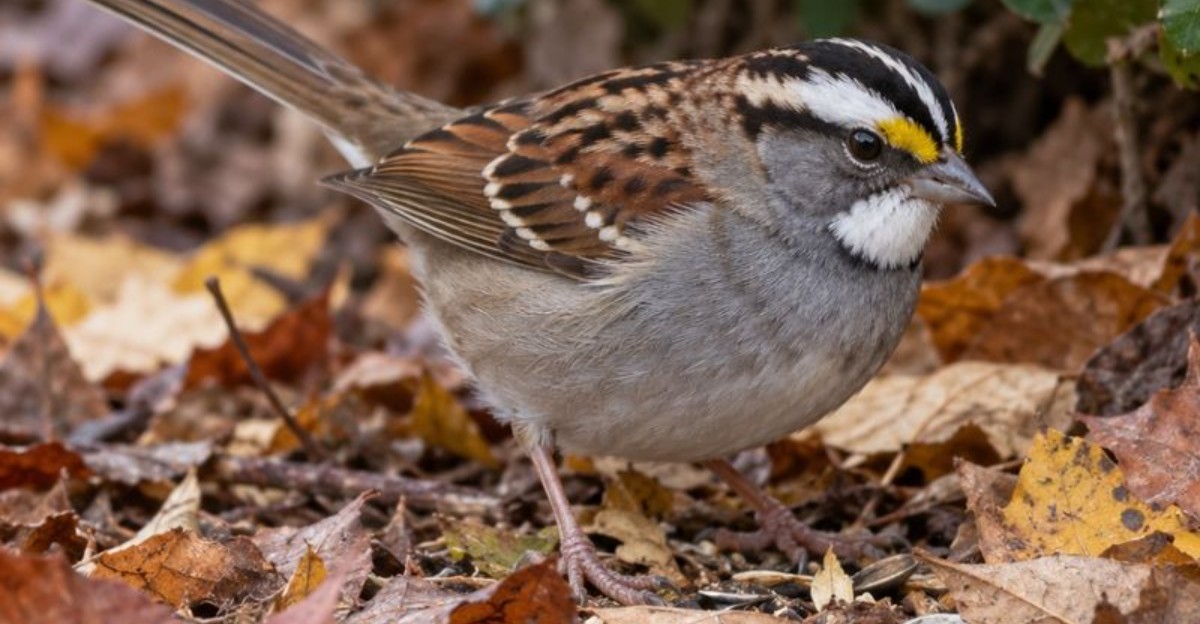
Some little brown birds come in two different head-stripe styles, and they tend to pair up with the opposite style. Scientists have studied this odd matchmaking habit for decades. I still find it one of the quirkiest facts in the bird world.
These same birds whistle a sweet, wavering song that cuts through cold autumn air. Some folks hear the words Old Sam Peabody in it. Others swear the bird sings about Canada, which makes sense, since many of them spend summer in northern forests.
Every fall, a flock of them slips quietly into Ohio backyards. You might spot them scratching under your shrubs like tiny chickens. I love how they make a tired October garden feel busy again.
Ever wonder why they picked your yard over the one next door? The answer says more about your garden than you might expect.
1. That Sweet Whistle Under Your Shrubs Marks a Seasonal Shift
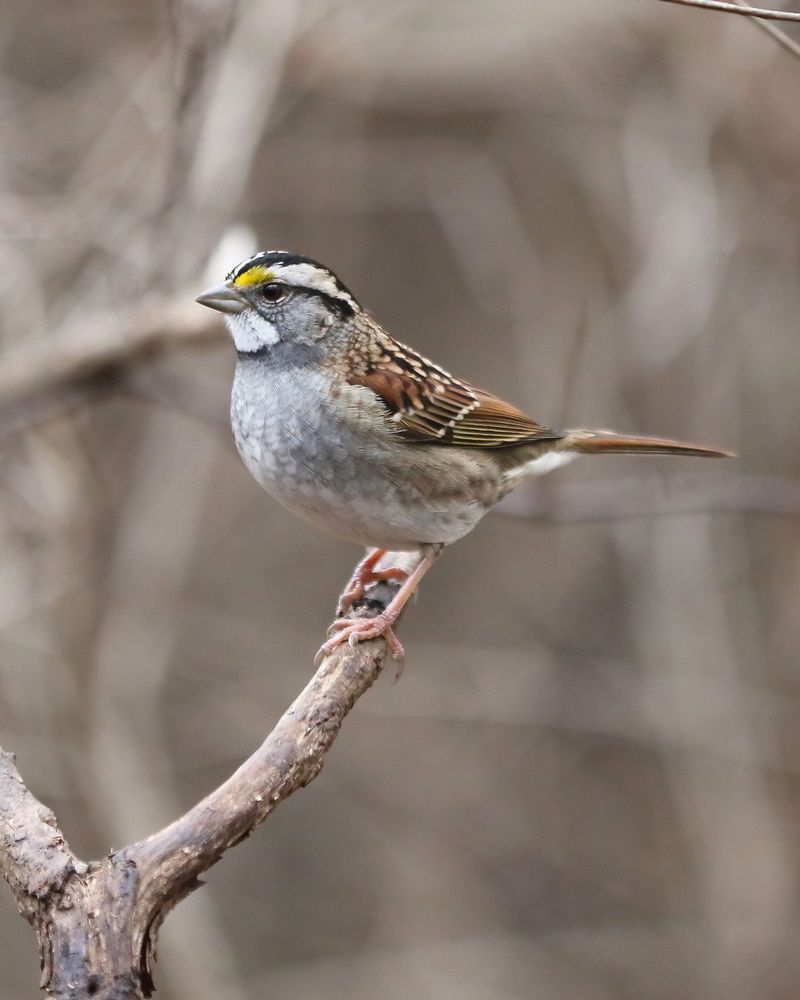
Honestly, few sounds announce fall in Ohio quite like a clear, two-note whistle drifting out of the bushes. When white-throated sparrows show up, the calendar has turned.
Most arrive from late September through October.
These birds nest across Canada, northern New England, and parts of the Great Lakes region. As days shorten, they head south to spend the cold months in milder places.
Ohio sits right in their wintering and migration zone, so many birds pass through while others stay until spring.
You may hear them before you see them. Their full song sounds like a slow Oh sweet Canada, Canada, Canada, and young birds often practice a shaky, half-finished version in fall.
They also give a sharp, metallic pink note when something startles them.
Personally, I treat that first whistle as my reminder to finish fall chores and fill the feeders. It tells me the season of busy summer songbirds is fading.
Wintering visitors are now taking over the yard.
Keep an ear out on calm mornings and evenings. The birds often sing at dawn, and sometimes even at night during migration.
Once you learn that tune, you will notice it everywhere this time of year.
2. Your Yard Passed the White-Throated Sparrow Shelter Test
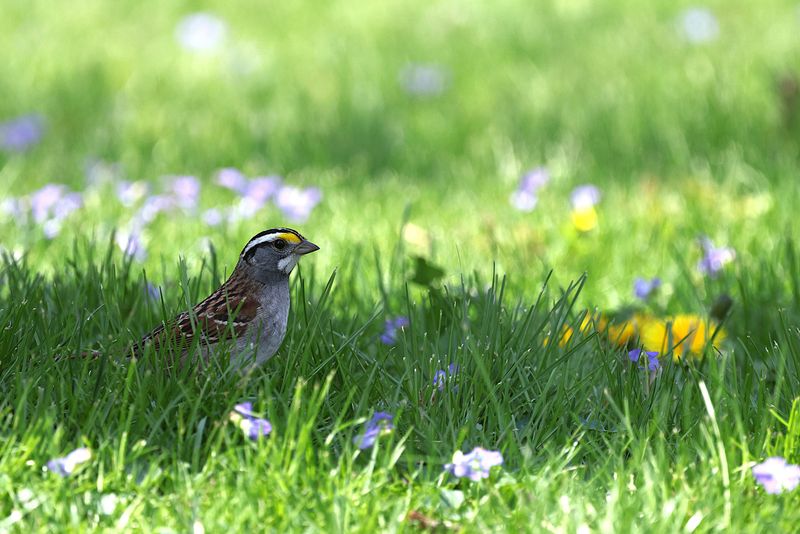
Congratulations are in order. A visit from these sparrows usually means your yard offers something they really need: thick, low cover close to the ground.
White-throated sparrows rarely wander far from shelter. They like dense shrubs, brambles, hedges, woodland edges, and brush piles.
These spots hide them from hawks, outdoor cats, and biting winter wind.
A bare lawn with a few trimmed bushes won’t hold their interest for long. A yard with layered plantings, a messy corner, or a pile of fallen branches looks like a five-star hotel to them.
They dash out to feed, then zip back into cover at the first hint of danger.
So if a small flock settles in, take it as a compliment. Your garden has the structure that many wintering birds depend on.
It also suggests other shy ground birds, like dark-eyed juncos and song sparrows, may find your yard appealing too.
I like to watch where they retreat after feeding. That tells me which shrubs or tangles are doing the most work.
Those spots are worth protecting, even if they look a little untidy to the neighbors.
Leave them standing through winter and trim later if needed.
3. Spot the Bright White Throat and Yellow Face Patch
Plenty of people lump every little brown bird into one boring group. Look closer, though, and white-throated sparrows turn out to be surprisingly sharp dressers.
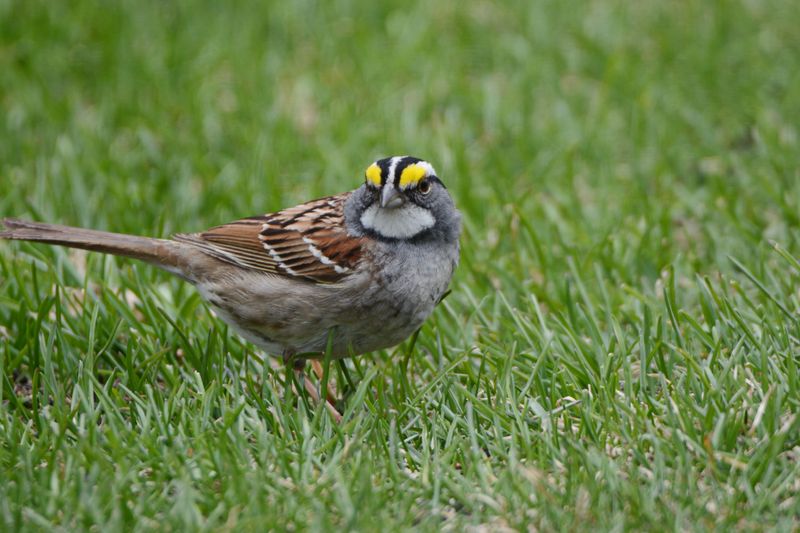
The giveaway is right in the name. A clean white throat patch stands out against a gray chest.
Between the eye and the bill, you will often see a small splash of yellow called the lores.
Head stripes come in two forms. Some birds wear bold black and white stripes, while others have softer tan and brown stripes.
These are not simply males and females. Both sexes can have either look, and research shows birds usually pair with a mate of the opposite stripe type.
Young birds in fall can look duller, with a blurry throat and streaky chest. That trips up many beginners.
Look for the overall face pattern and a hint of yellow near the bill.
Fun fact: the white-striped birds tend to sing more and act bolder, while tan-striped birds are often more attentive parents. Scientists have linked these differences to a rearranged chromosome.
Not bad for a sparrow most people overlook.
A pair of binoculars near the kitchen window makes spotting these details easy and fun.
4. Those Scratching Sparrows Are Hunting Seeds in Your Leaf Litter
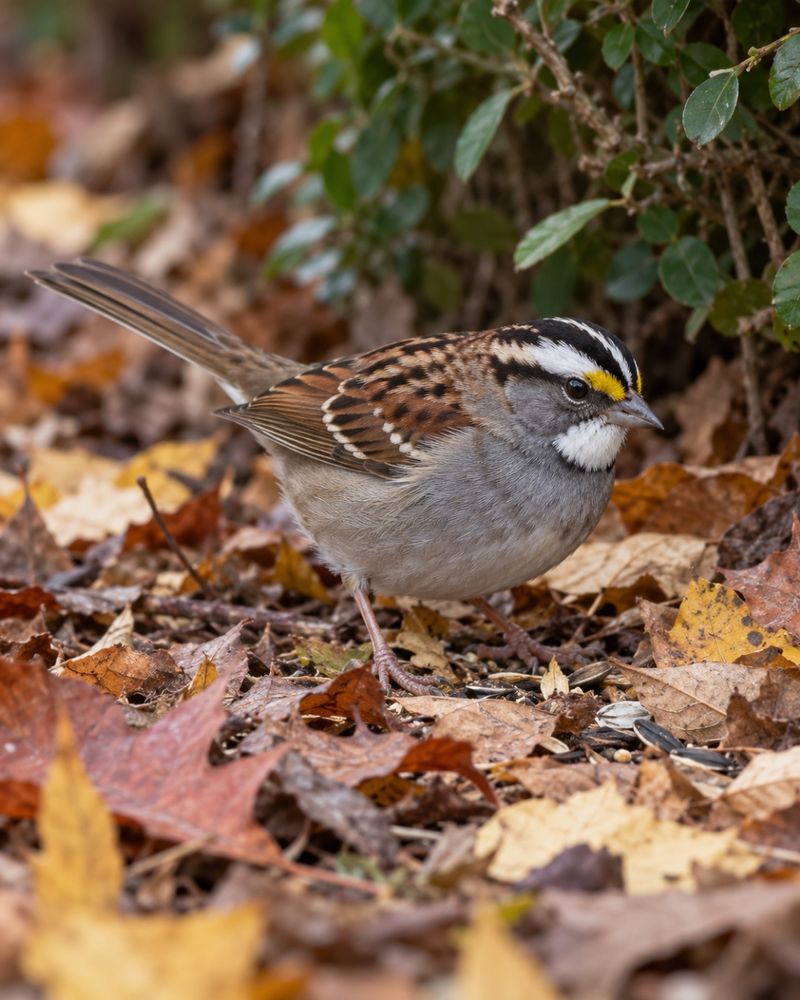
Watch one for a minute and you will catch a funny little dance. The bird hops forward, then kicks backward with both feet at once, flinging leaves aside like a tiny gardener.
This double-scratch move helps them uncover food hiding on the ground. In fall and winter, white-throated sparrows mostly eat seeds from weeds and grasses, plus fruits and berries.
In warmer months, they add more insects and spiders to the menu.
That means your fallen leaves are not trash to them. Leaf litter hides seeds, overwintering insects, and other snacks.
A garden bed left soft and leafy is a buffet.
Feeders help too, but placement matters. These sparrows prefer feeding on the ground or on low platform trays.
Scatter white proso millet or hulled sunflower seeds near shrubs, and they will usually find it quickly.
I keep a low tray tucked a few feet from a big shrub. The birds grab a bite and hop back to safety in seconds.
Hanging tube feeders, on the other hand, mostly attract finches and chickadees.
Try raking leaves off the lawn and onto your flower beds instead of bagging them. Your soil and the sparrows will both benefit.
5. Native Berry Shrubs Can Keep White-Throated Sparrows Coming Back
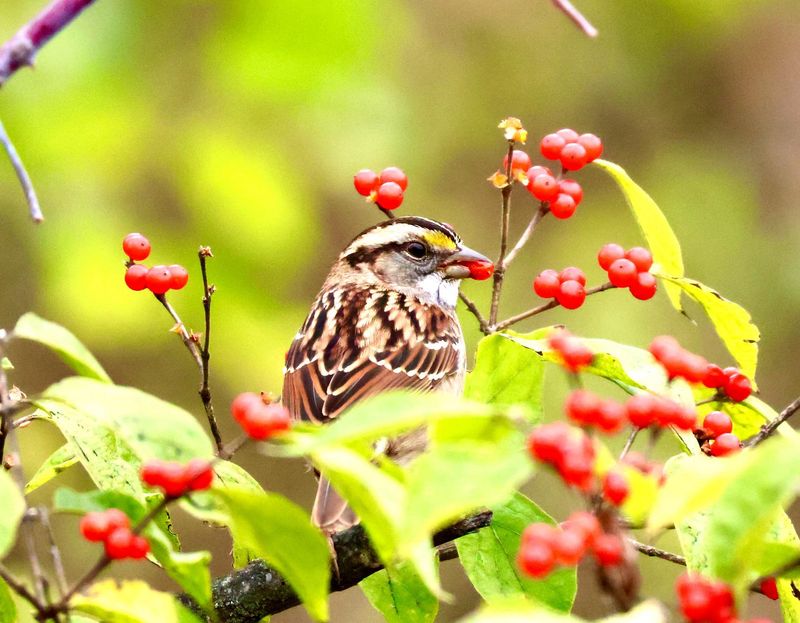
Want these birds sticking around past their first visit? Plant for them, and they will reward you all winter long.
Native shrubs give both food and cover in one tidy package. Good choices for Ohio include gray dogwood, American hazelnut, arrowwood viburnum, spicebush, and winterberry holly.
Eastern redcedar offers thick evergreen shelter plus berries that many birds eat.
Native grasses and wildflowers matter just as much. Let coneflowers, black-eyed Susans, goldenrod, and little bluestem stand through winter.
Their seed heads drop food right where sparrows like to forage.
Skip invasive shrubs like bush honeysuckle, autumn olive, and burning bush, even though birds eat their fruit. They crowd out native plants and offer lower-quality food.
Ohio actually restricts the sale of several invasive plants, so check before you buy.
Fall is a fine planting time across most of the state, as long as the ground is not frozen. Water new shrubs until the soil cools.
Spring planting works well too.
A brush pile is the fastest fix while new shrubs grow. Stack larger branches on the bottom and smaller twigs on top.
You will be amazed how quickly sparrows move in.
6. A Quick Spring Song Means Your Feathered Guests Are Heading North
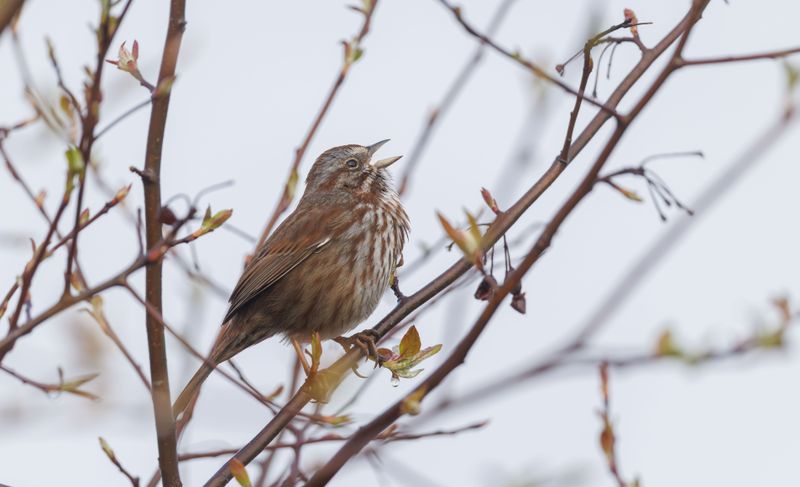
Spring brings a bittersweet moment. Suddenly the sparrows sing more often and with more energy, and then one week they simply vanish.
Most white-throated sparrows leave Ohio between late April and mid-May. That burst of singing in early spring is part of getting ready for the breeding season up north.
The tan and white birds you fed all winter are now heading to northern forests to nest.
A few hang on longer, especially in northern Ohio near Lake Erie. Still, nesting in the state is rare.
If you hear one in July, consider reporting it to eBird, since summer records are unusual and useful to scientists.
I always feel a small pang when the yard goes quiet. Then I remember that the same birds may return next fall.
Banding studies show many sparrows come back to the same wintering areas year after year.
Spring is also a good time to take notes. Write down your last sighting date, and compare it with your first fall sighting.
Over a few years, you will build a neat record of how these visitors use your yard.
Your notes can even help community science projects.
7. Small Backyard Changes Help This Declining Sparrow Thrive
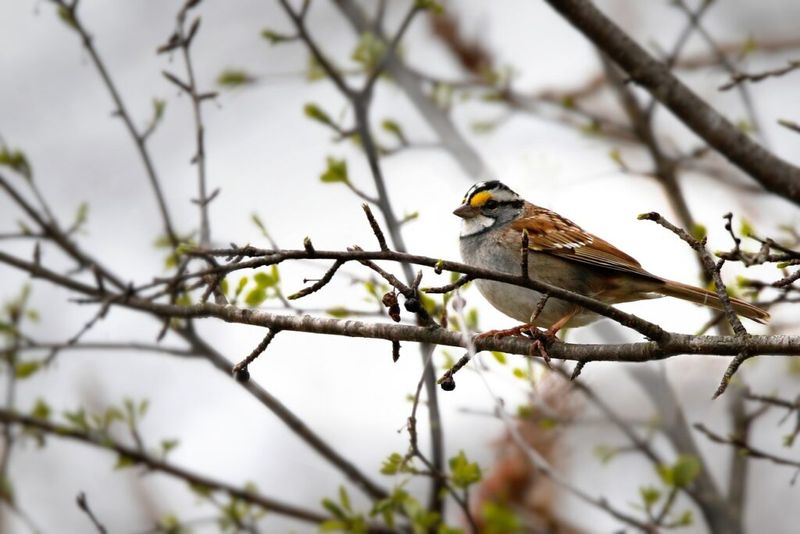
Common does not mean safe. Breeding Bird Survey data show white-throated sparrow numbers have dropped noticeably since the 1960s, even though millions still remain.
Habitat loss, window collisions, and outdoor cats are major threats for many songbirds, and this one is no exception. Because these sparrows migrate at night, they often hit windows and lit buildings.
Ground feeders also face extra risk from free-roaming cats.
You can make a real difference with a few simple steps. Add decals, screens, or string patterns to big windows.
Keep cats indoors, and place ground feeding areas near cover but away from spots where predators can hide.
Go easy on pesticides, too. Fewer chemicals means more insects for birds in spring and healthier seed plants in fall.
A shallow birdbath, heated if possible, helps when water freezes.
Clean feeders and trays every couple of weeks to reduce disease. Rake up old, moldy seed under feeding spots.
My favorite takeaway is simple. A slightly wild yard, with leaves, brush, and native plants, gives these whistling visitors what they need.
When they arrive next fall, you will know your garden is doing its part.