How To Prune Pepper Plants In Ohio Without Slowing Them Down
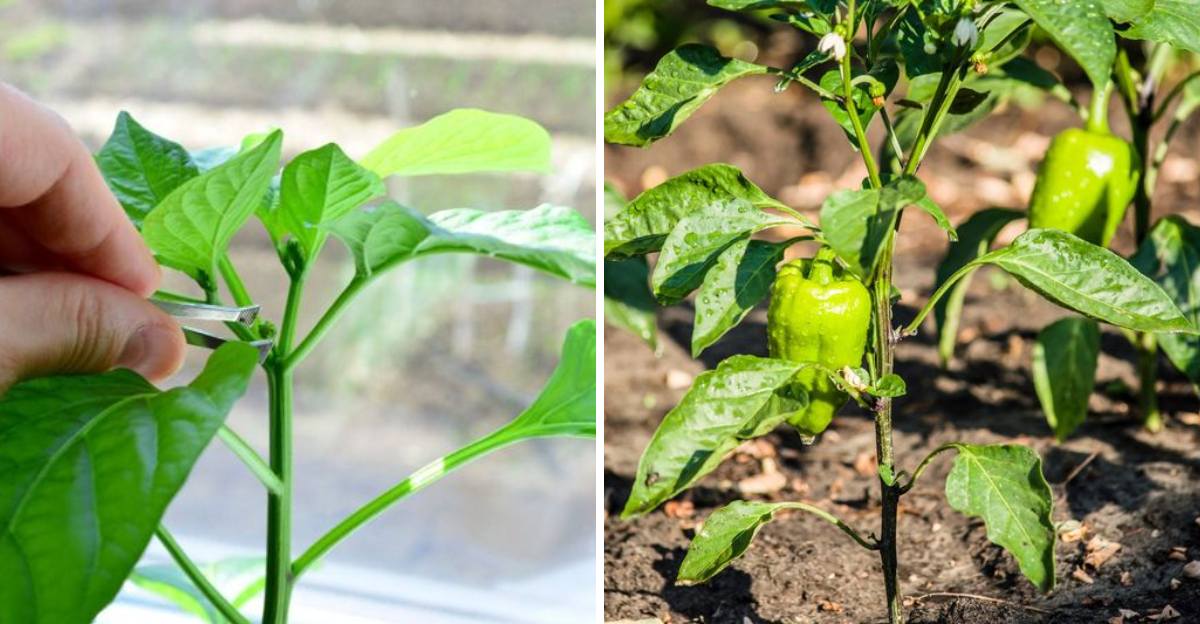
Growing peppers in Ohio can be a little frustrating. Just when your plants seem ready to take off, the weather shifts, the humidity kicks in, or the season starts feeling shorter than it should.
That is exactly why pruning matters more than most gardeners realize.
A few small cuts at the right time can help pepper plants stay stronger, healthier, and more productive without slowing them down.
The trick is knowing what to remove, when to do it, and when to stop.
And in a season as short and unpredictable as Ohio’s, that can make all the difference.
1. Start Strong With The Right Early Cuts
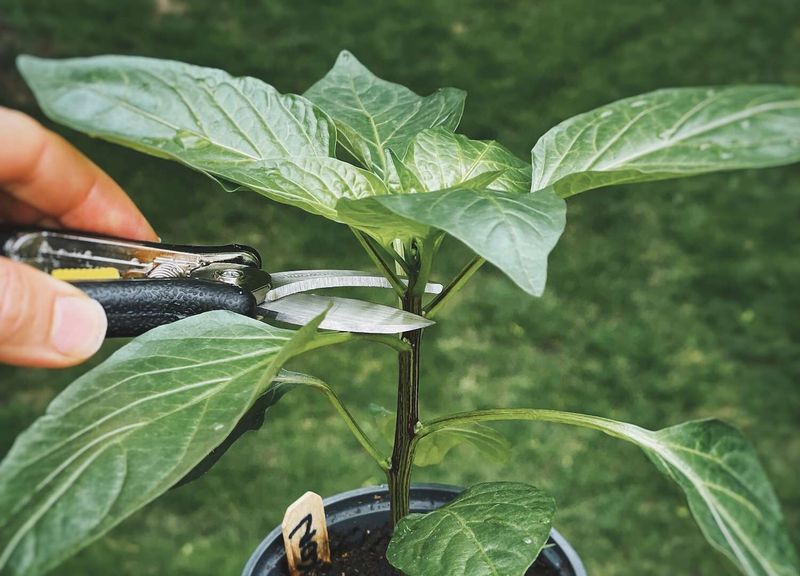
Young pepper plants are full of potential, but they need a little guidance to reach it. When your seedlings hit about 8 to 12 inches tall and have grown at least four to six true leaves, that is your cue to start shaping them.
Early pruning is less about removing a lot of material and more about setting the plant up for the season ahead.
At this stage, look for any thin, spindly shoots growing near the base of the plant. These weak stems are less likely to become productive branches, and removing them can help the plant focus on stronger growth.
Pinch them off cleanly right at the base using sharp, clean scissors or pruning shears. Sharp tools make a clean cut and reduce the chance of introducing disease to the wound.
You should also look at the main growing tip. If the plant looks leggy or unbalanced, trimming just above a healthy leaf node can encourage the plant to branch out instead of stretching upward.
This simple cut is sometimes called topping, and it is one of the most effective early moves you can make.
Do not go overboard during this first round of pruning. Removing too much too soon can stress a young plant, especially in Ohio where spring temperatures can still swing unpredictably.
A light touch early in the season sets the tone for healthier, more productive growth all summer long. Think of it as steering the plant in the right direction from day one.
2. Remove The First Flowers For Better Growth
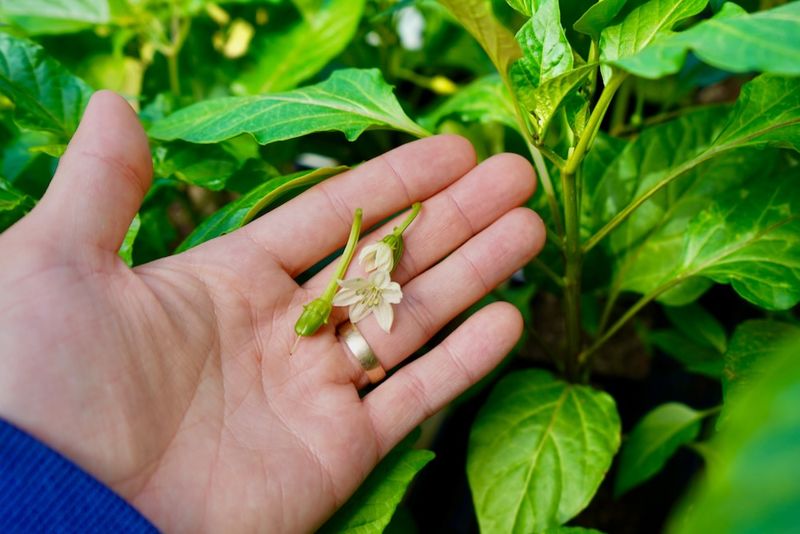
Seeing the first flowers pop up on your pepper plants feels exciting, but pinching off that first flush can help the plant build stronger roots, stems, and leaf growth before it starts setting fruit.
It sounds counterintuitive, but removing those first two to four flower clusters often helps the plant establish itself before shifting energy into peppers.
Pepper plants that fruit too early tend to stay small and produce less overall. The root system is still developing, and the branch structure has not fully filled out yet.
By removing those early blooms, you are telling the plant to keep growing outward and downward before switching gears into fruit production mode.
In Ohio, this step is especially helpful because the growing season does not leave much room for slow starts. Transplants typically go into the ground after Mother’s Day, once the risk of frost has passed.
Your Ohio Garden Changes Every Week. Your Plan Should Too.
Gardening in Ohio changes quickly throughout the season. Every Friday you’ll receive a simple weekly plan showing exactly what to plant, prune, fertilize, harvest, and protect so you never miss the right timing.
That gives you a relatively short window before cooler fall temperatures arrive. Getting the plant established quickly and fully is worth a short delay in fruit set.
Pinch flowers off with your fingers or snip them with clean scissors right at the base of the bloom. You do not need to remove every single flower that appears, just the very first wave.
Once the plant has a solid structure with several strong branches and healthy foliage, let the flowers stay and develop into fruit. That small sacrifice early on often leads to a stronger, better-established plant heading into the main part of the season.
3. Pinch Back For Bushier Plants
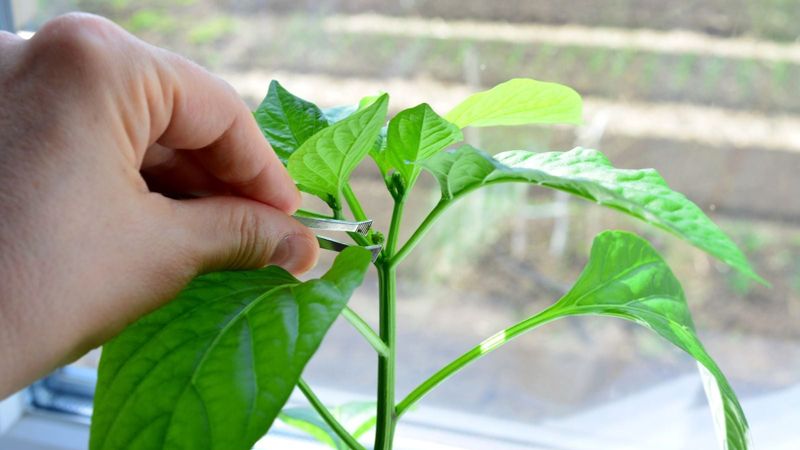
Pinching back pepper plants is one of those old-school gardening tricks that genuinely works. By removing the very tip of a growing stem, you signal the plant to stop growing in one direction and start branching out sideways instead.
More branches can create more places for flowers to form, especially if the plant has enough time and warmth to recover.
The technique is straightforward. Find the main growing tip or any long, single stem that has not branched yet.
Using your thumb and index finger, pinch off just the top inch or two of new growth right above a leaf node. A leaf node is the small bump where a leaf meets the stem.
Making the cut there encourages two new shoots to sprout from that point rather than one continuing upward.
Bushy pepper plants have a structural advantage in Ohio gardens. A wider, more compact plant handles wind better, supports heavier fruit loads without flopping over, and generally looks healthier throughout the season.
Tall, single-stemmed plants are more vulnerable to snapping and have fewer fruiting sites overall.
This is usually most useful as an early-season technique rather than something to repeat over and over through summer. Once the plant is actively flowering and setting fruit, additional pinching is usually more likely to slow it down than help.
Done early and lightly, pinching can help shape a sturdier plant without setting it back.
4. Clear Out Weak And Crowded Stems
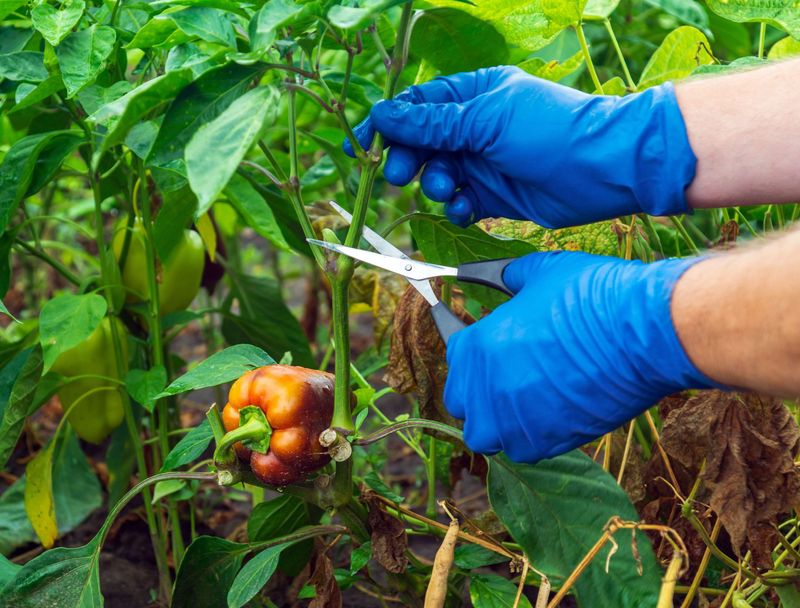
Walk up to a mature pepper plant in midsummer and peer inside the canopy. If you see thin, weak, or badly crossing stems crowding the plant, it may benefit from a little selective thinning.
Crowded growth blocks light from reaching the inner parts of the plant and slows down air movement through the foliage, which creates conditions where fungal problems can take hold.
Weak stems are easy to spot. They are usually thinner than a pencil, pale in color, and produce little to no healthy foliage or flower buds.
Removing them is not much of a loss, since they were unlikely to contribute much to your harvest anyway. A few careful cuts can help the plant stay less crowded and put its energy into stronger growth.
Crossing stems are another target. When two branches rub against each other, they can create small wounds on the plant’s surface, and those wounds become entry points for pests and disease.
Identify which of the two crossing stems is weaker or less productive and remove it at its base.
Use clean, sharp pruning shears for this job rather than just snapping stems off with your hands. Rough breaks can leave jagged wounds that take longer to heal.
After clearing out the weak and crowded growth, step back and look at the plant as a whole. A lightly thinned pepper plant should still look full and leafy, just less crowded and easier for air to move through.
That structure supports better yields and a healthier plant overall.
5. Focus Energy On Productive Branches
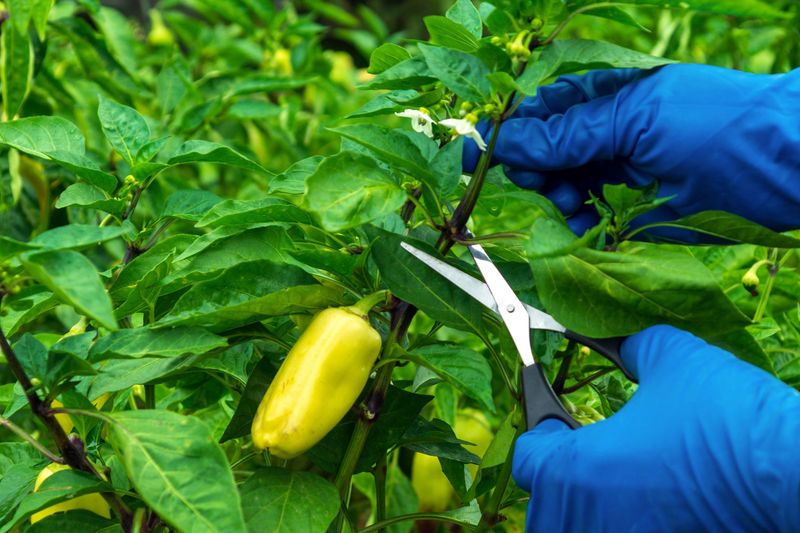
Not every branch on a pepper plant contributes equally. Some grow in awkward directions, produce few flowers, or just take up space without adding much to the overall harvest.
Learning to spot weak or poorly placed growth can help you prune more selectively.
Productive branches are usually thicker, darker green, and positioned to receive good sunlight. They tend to have visible flower buds or developing fruit already attached.
These are the branches worth protecting and supporting. If you have to choose between a strong, fruit-bearing branch and a thin one that has produced nothing all season, the choice is straightforward.
Removing underperforming growth is not about punishing the plant. It is about helping the plant put its energy into the strongest growth it can support.
A pepper plant has a limited amount of energy to work with each day. Spreading that energy across too many mediocre branches produces a lot of small, slow-developing fruit.
In some cases, removing weak or unproductive growth can help the plant focus on stronger stems and developing fruit.
As you prune for productivity, also remove any leaves that have yellowed, spotted, or show signs of damage. Diseased or stressed foliage should come off cleanly and be disposed of away from the garden, not left on the soil.
Keeping the plant focused on its best growth takes a bit of practice, but after a season or two, you will start to recognize the difference between a branch worth keeping and one that is just along for the ride.
6. Keep The Center Open For Airflow
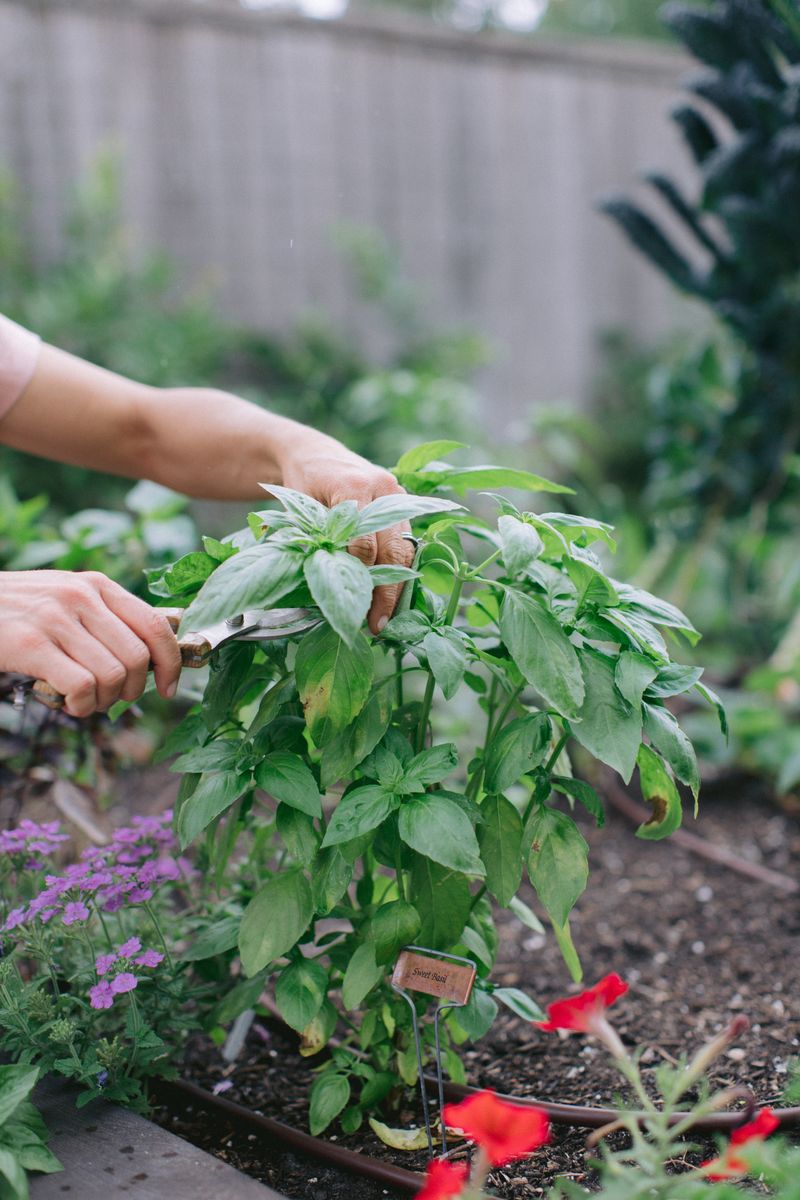
Ohio summers can get sticky. High humidity and warm temperatures can increase disease pressure, especially when plants stay crowded and slow to dry after rain or dew.
Light, selective pruning can help improve airflow and speed up drying after rain or morning dew.
A dense, closed-up canopy traps moisture against the leaves and stems. Water that cannot evaporate quickly becomes a breeding ground for fungal spores.
By removing branches and leaves that crowd the interior of the plant, you allow wind and air to move through freely, which helps foliage dry out faster after rain or morning dew.
If the plant is especially dense, start by looking for inward-growing stems or leaves that are trapping moisture in the middle. These inward-facing stems are the main culprits for blocking airflow.
Trim them back to a healthy outward-facing bud or remove them entirely if they are adding little value. Also remove any large leaves deep inside the canopy that are shading the interior without contributing to fruit production.
The goal is not to strip the plant bare, just to remove enough interior crowding that air can move through more easily. If the plant still looks healthy, leafy, and shaded enough to protect the fruit, you have likely removed enough.
This level of openness keeps the plant healthier through the humid Ohio summer months and reduces the need for reactive treatments later in the season. Prevention through structure is always more efficient than damage control.
7. Trim Late For A Final Push
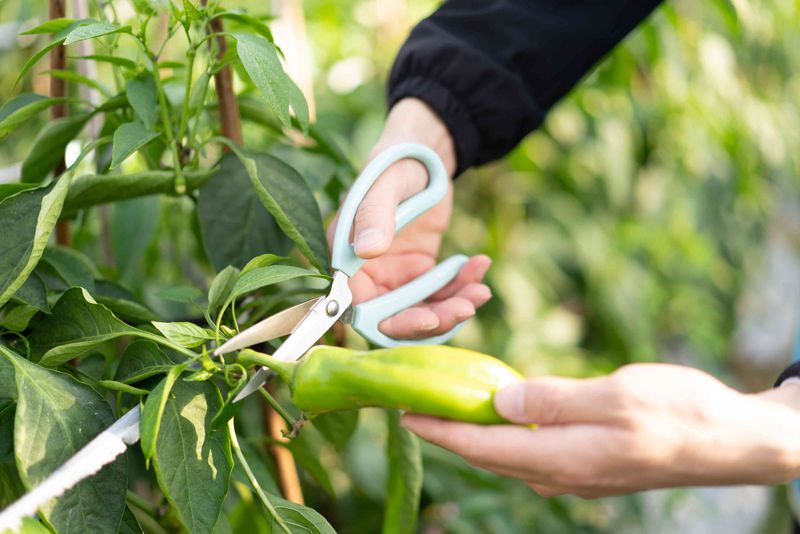
Late-season pruning is a different mindset than everything that came before it. By late summer, the goal shifts from encouraging new growth to making sure the fruit already on the plant has the best possible chance of ripening before the first frost arrives.
In Ohio, first frost dates vary by location, so it is best to work backward from your local average first frost date.
About four to six weeks before your expected first frost date, walk through the garden and assess each pepper plant. Any flower buds that are just opening now will not have enough time to develop into mature fruit before cold weather hits.
Pinch those buds off. Any tiny, newly set fruits that are smaller than a marble should also come off, since they are unlikely to reach full size and ripen in the remaining warm weeks.
Removing these late-forming buds and tiny fruits redirects the plant’s remaining energy toward the peppers that are already well-developed and close to ripening.
You may be surprised how much faster existing fruit colors up and matures once the plant stops trying to start new ones.
Also trim back any long, leafy shoots that sprouted in late summer. These new vegetative branches pull resources away from the ripening process without contributing anything useful at this stage.
Be selective and deliberate with these cuts. The idea is to simplify the plant’s workload so it can finish strong.
Late-season cleanup can sometimes help the plant finish ripening the peppers it already has before the season runs out.
8. Know When To Stop Pruning
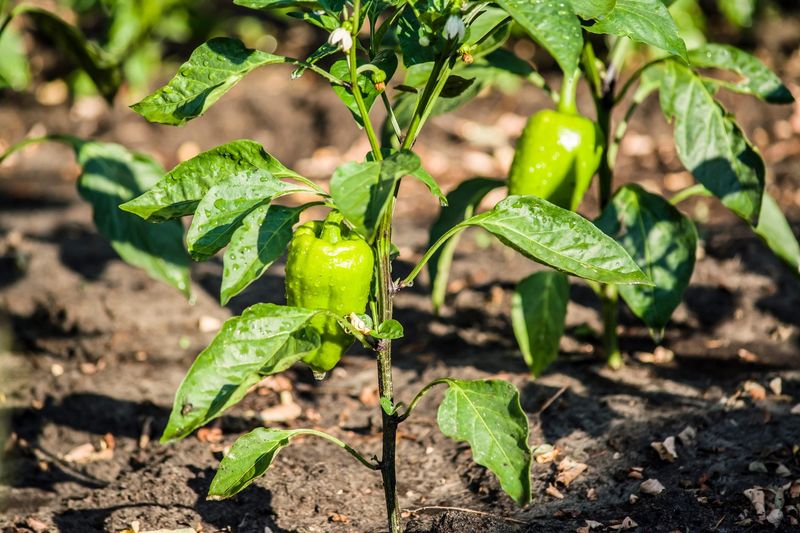
Pruning is a powerful tool, but like any tool, using it too much can cause problems. Over-pruning a pepper plant stresses it out, reduces the leaf area available for photosynthesis, and can actually slow down fruit production rather than speed it up.
Knowing when to put the pruning shears away is just as important as knowing when to pick them up.
A good general rule is to avoid removing too much foliage at once, since heavy pruning can stress the plant. Going beyond that can shock the plant and trigger a stress response that sends energy into survival mode rather than fruit production.
If a plant looks thin and stripped after you are done, you have likely taken too much.
Leaving enough healthy foliage in place also helps protect developing peppers from sunscald during hot, bright weather. By mid to late summer, the structure is usually set and the main job is to let the fruit ripen naturally.
Resist the urge to keep snipping away just because a few leaves look untidy or a branch is not perfectly positioned. At some point, the plant just needs to be left alone to do its thing.
Watch your plants closely and let their condition guide you. Healthy, productive plants with good structure and no obvious disease problems often need very little intervention in the final stretch of the season.
Step back, let the plant finish the job, and save your energy for harvest. Sometimes the smartest cut is the one you never make.