The Stubborn Holiday Bloomer Your New Jersey Grandmother Kept Still Has A Trick Most Modern Homes Miss
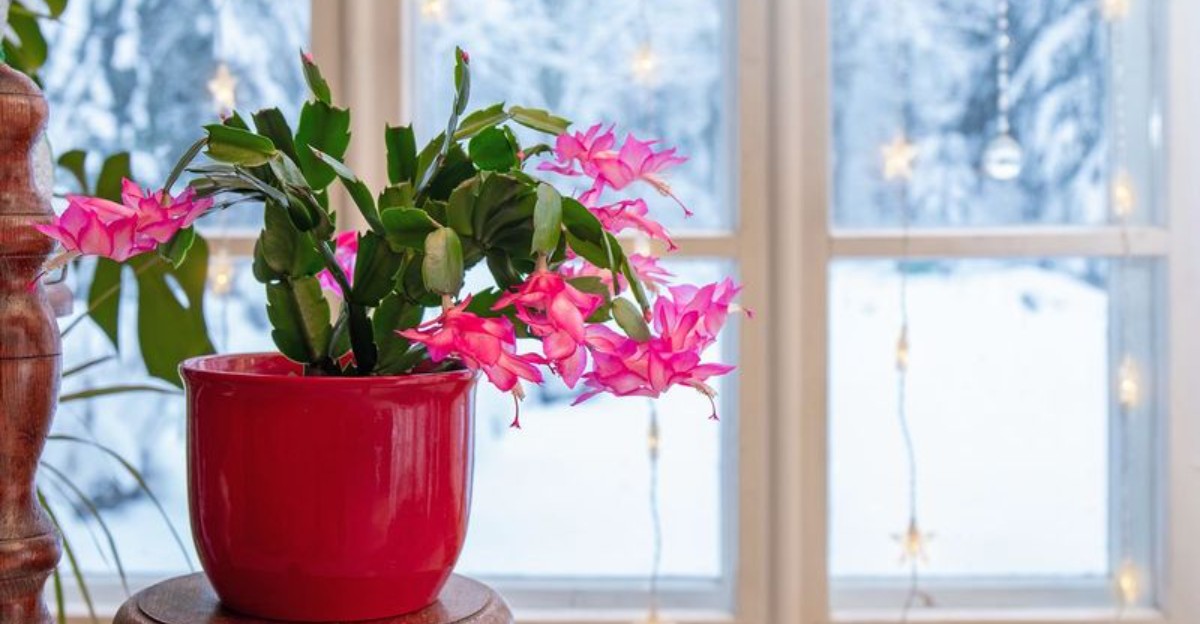
Grandma’s old plant probably bloomed because her New Jersey house was chilly and dark at night. That drafty back bedroom was doing half the work for her.
I spent years staring at my own green, flowerless pot and blaming the plant. Turns out my cozy living room was the real problem, with its steady heat and a lamp glowing until midnight.
The plant came from misty Brazilian mountain forests, not a dry desert. It reads the length of each night and the coolness of the air like a calendar, and modern New Jersey homes send it mixed signals.
You might notice your plant looks perfectly healthy yet refuses to set a single bud. So what did those older homes offer that ours quietly took away?
Grandma’s Christmas Cactus Had Her Old House on Its Side
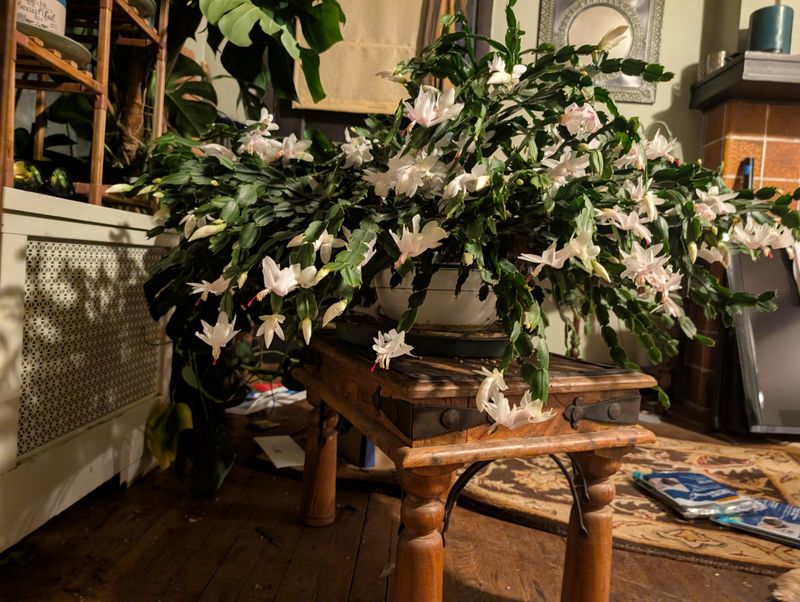
My grandmother never fussed over her plant, and that was part of the magic. Her house ran cool at night, the spare room stayed dark, and nobody left a TV glowing beside the windowsill.
Those quiet conditions matched what the plant expects in autumn. Christmas cactus belongs to the genus Schlumbergera, and it grows wild as an epiphyte, clinging to trees and rocks in the cool, misty coastal mountains of southeastern Brazil.
It is not a desert plant, even though the name suggests otherwise. In nature, buds form as nights grow longer and cooler. Older homes with thrifty thermostats, thin windows, and early bedtimes copied that pattern by accident.
Many grandmothers simply kept the plant in the same unheated sunroom or north window for decades.
Today our homes are warmer and brighter at night. Smart thermostats hold a steady 70 degrees, and streetlights, porch lights, and screens keep rooms glowing long after sunset.
So the plant stays happy and green but never gets the signal to flower. That missing signal is the real secret.
Grandma had skill, sure, but her house quietly handled the hardest part, and you can recreate it with a few easy changes.
Long Dark Nights Tell Your Christmas Cactus It’s Bud Time
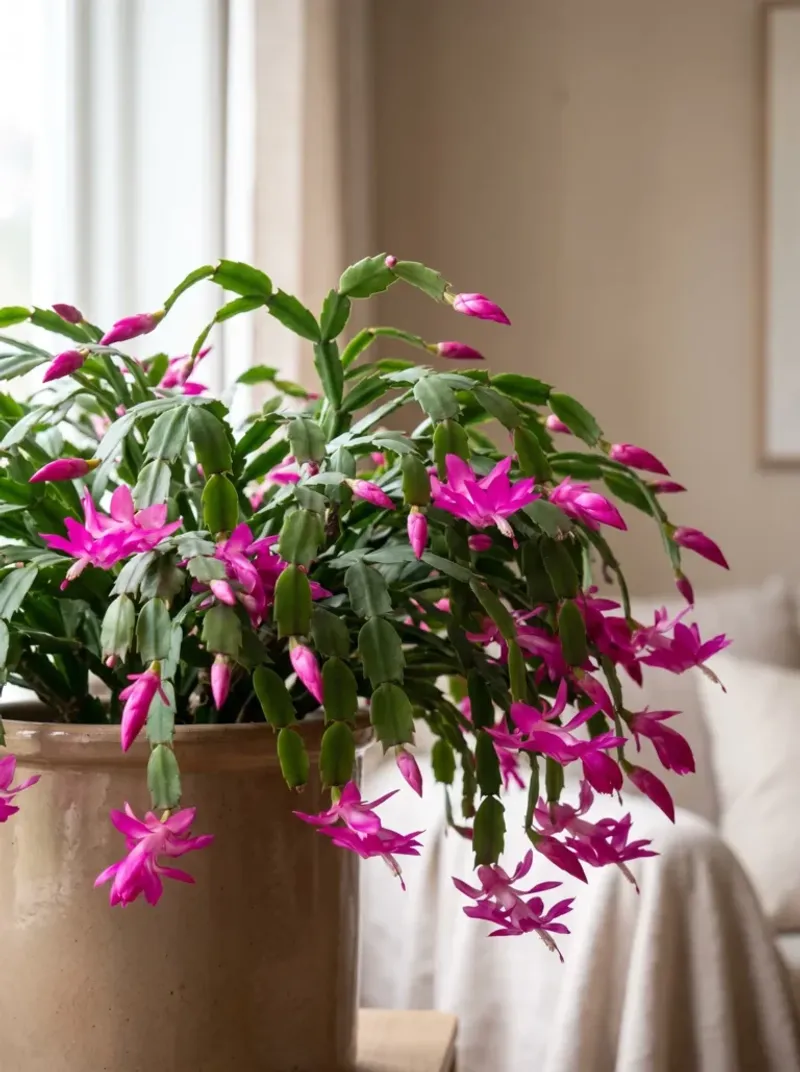
Darkness is the trick most of us miss. Christmas cactus is a short-day plant, which means it sets flower buds when it gets long, uninterrupted nights.
University extension services, including Penn State and Michigan State, suggest about 12 to 14 hours of darkness each night for roughly six weeks. Starting in late September or early October usually lines up blooms for December in a New Jersey home.
The darkness must be real darkness. A reading lamp switched on for a few minutes, a bright hallway light, or a TV across the room can interrupt the signal. Plants measure the unbroken dark stretch, so even short flashes can reset the clock.
A few easy options work well: Move the pot to a spare bedroom or guest room that stays unused at night. You can also set it in a closet from early evening until morning, then bring it back to bright light during the day.
Covering the plant with a cardboard box works too, as long as you remember it every evening. I set a phone reminder, and that made the routine stick. Daytime light still matters, so do not hide the plant around the clock.
A Cool Spot Near a Window Can Coax Out Cactus Flower Buds
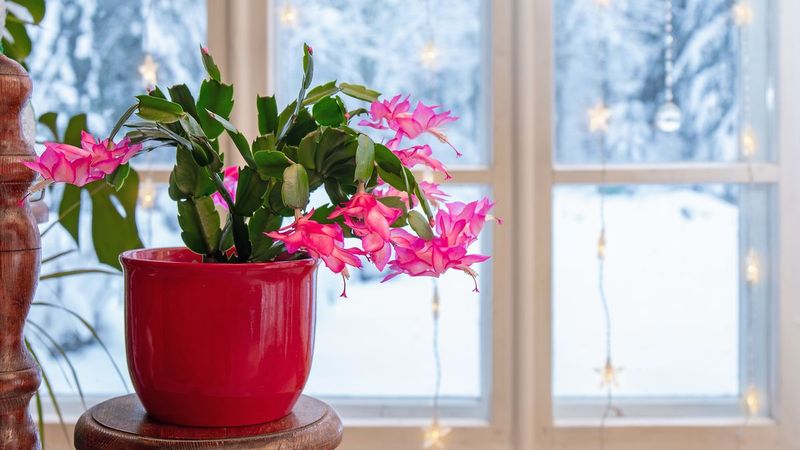
Temperature is the second half of the secret, and it can be even more powerful than darkness. Cool nights between about 50 and 60 degrees Fahrenheit strongly encourage bud formation.
Extension research shows that nights near 55 degrees can trigger buds even when the plant gets regular day length. Warm nights above about 70 degrees often keep it from blooming, even with plenty of darkness.
That explains why so many grandmothers had success in chilly enclosed porches and back bedrooms. In fall, a cool room in New Jersey can hit that sweet range without any extra effort.
Look for spots like these: An unheated sunroom works well until outdoor temperatures dip close to freezing. A window in a guest room with the vent partly closed is another strong choice, and so is a cool basement window with decent daylight.
Some gardeners leave pots outside in early fall, which can help a lot. Bring them indoors before nights drop below about 45 degrees, since frost can harm the tender segments.
Keep the plant away from heat vents, fireplaces, and cold drafts from doors. Steady coolness is the goal. Sudden blasts of hot or cold air can stress the plant.
Thirsty Fall Soil Helps Christmas Cactus Switch to Flowers
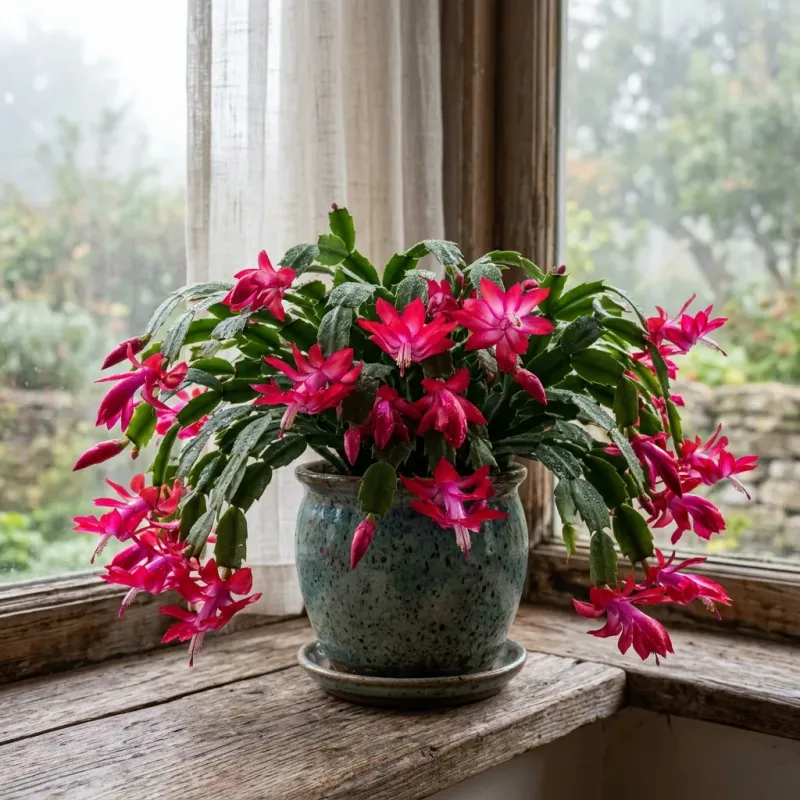
Here comes the part that sounds odd at first. A little less water in autumn helps the plant shift from growing leaves to making flowers.
During the bud-setting weeks, let the top inch or two of soil dry before watering. Many extension guides suggest cutting back on watering a bit in early fall, while still keeping the segments plump and firm.
Overwatering causes trouble fast. Soggy soil invites root rot, and that problem can spread before you notice it. Limp, wrinkled, or mushy segments are signs that the roots may be struggling.
Fertilizer timing matters too. Feed with a balanced houseplant fertilizer at half strength from spring through late summer.
Stop feeding by around September so the plant focuses on buds instead of fresh green growth.
Drainage makes everything easier. Use a pot with holes and a loose mix, such as regular potting soil blended with perlite or orchid bark.
Empty saucers after watering so the roots never sit in water, which matters even more in a humid New Jersey summer when soil stays damp longer.
Grandma probably watered when she remembered, which often meant less often. That casual habit actually fit the plant well.
A relaxed approach in fall can be a real advantage, even in a New Jersey kitchen where it’s tempting to water on a rigid schedule.
Pointy or Rounded Leaf Segments Reveal Which Holiday Cactus You Own
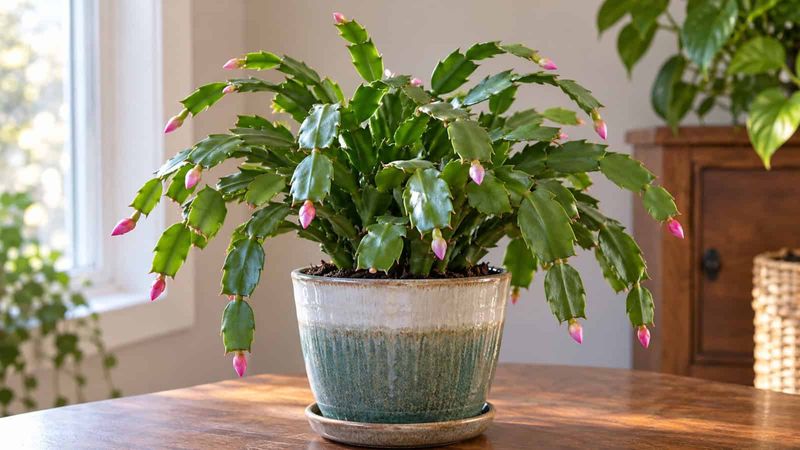
Plenty of folks are surprised when their so-called Christmas cactus blooms in November. Odds are good it is really a Thanksgiving cactus, Schlumbergera truncata, which is what most stores sell today.
Grandma’s plant may have been a true Christmas cactus, Schlumbergera x buckleyi. That hybrid dates back to the 1800s and was passed along for generations through cuttings.
Checking the stem segments is the easiest way to tell them apart. Thanksgiving cactus has pointed, claw-like teeth along each edge. True Christmas cactus has smoother, rounded, scalloped edges.
Flowers offer another clue. Thanksgiving cactus usually has yellow pollen parts called anthers, while Christmas cactus has purplish-brown anthers. Easter cactus is a different plant with bristly segment edges and spring flowers.
Both holiday types respond to the same cool nights and long darkness. Thanksgiving cactus simply reacts a few weeks sooner, so its flowers often open before December.
Knowing which plant you own helps you plan. If yours blooms early every year, nothing is wrong.
It is following its own timing. You may even want both types for a longer stretch of color from November through January.
Moving a Budded Christmas Cactus Can Make Flowers Drop
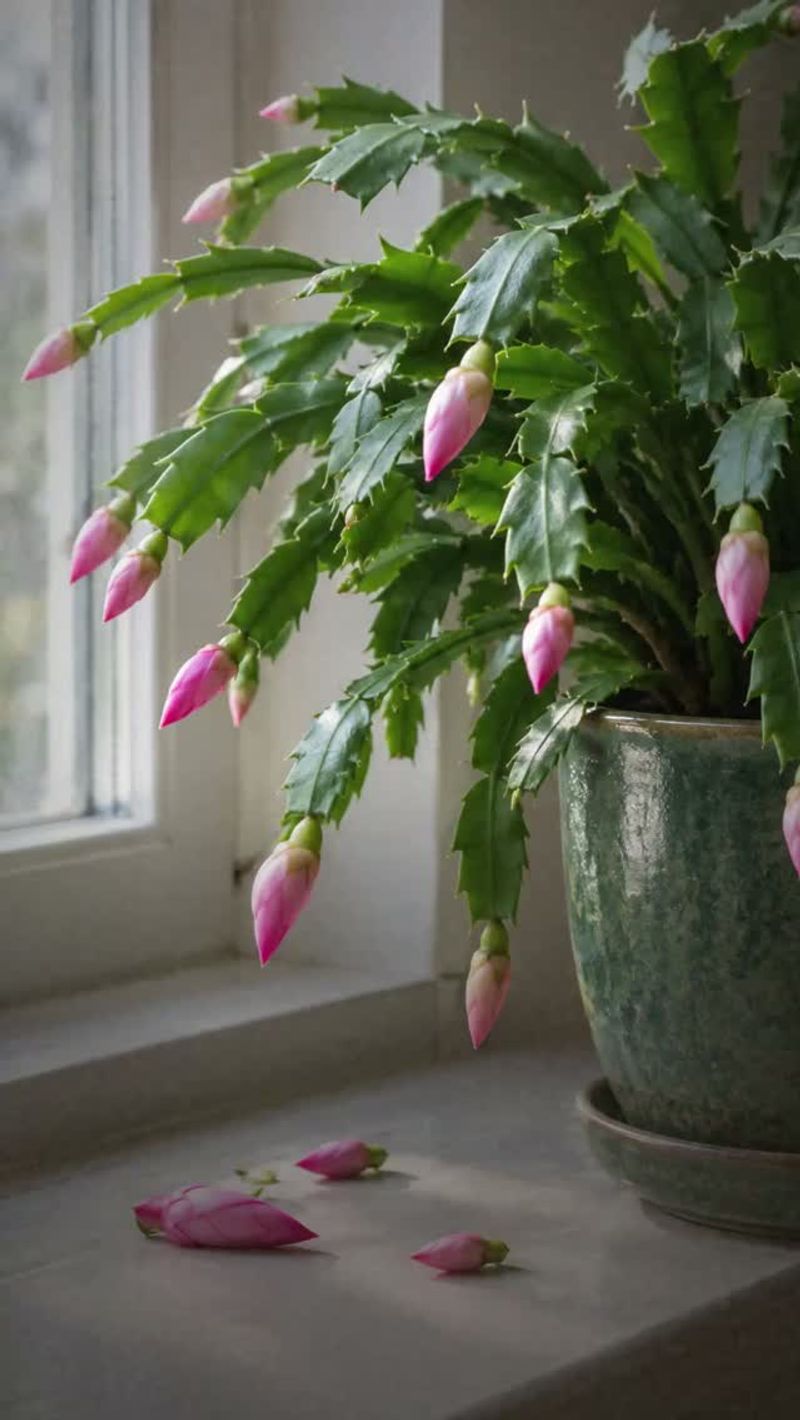
Few things sting like watching fat pink buds fall onto the table. Bud drop is common, and it usually follows a sudden change.
Once buds are about the size of a pea, the plant prefers steady conditions. Big swings in temperature, light, or watering can make it shed buds to save energy.
The usual causes include moving the pot from a cool room to a warm, bright living room overnight. Hot air from a radiator or a cold draft from an opening door can also do it.
Uneven watering plays a role too. Letting the soil dry hard and then soaking it can stress the plant.
Very dry winter air from furnaces sometimes adds to the problem. Here is a gentler plan. After buds form, you can relax the strict darkness routine. Move the plant to its display spot slowly if needed, and then leave it alone.
Keep watering lightly and evenly. A pebble tray filled with water underneath the pot can raise humidity a bit.
Turning the pot often is not needed and may upset the buds. Enjoy the show where it sits for several weeks.
Bright Indirect Light and Snug Pots Keep Christmas Cactus Happy All Year
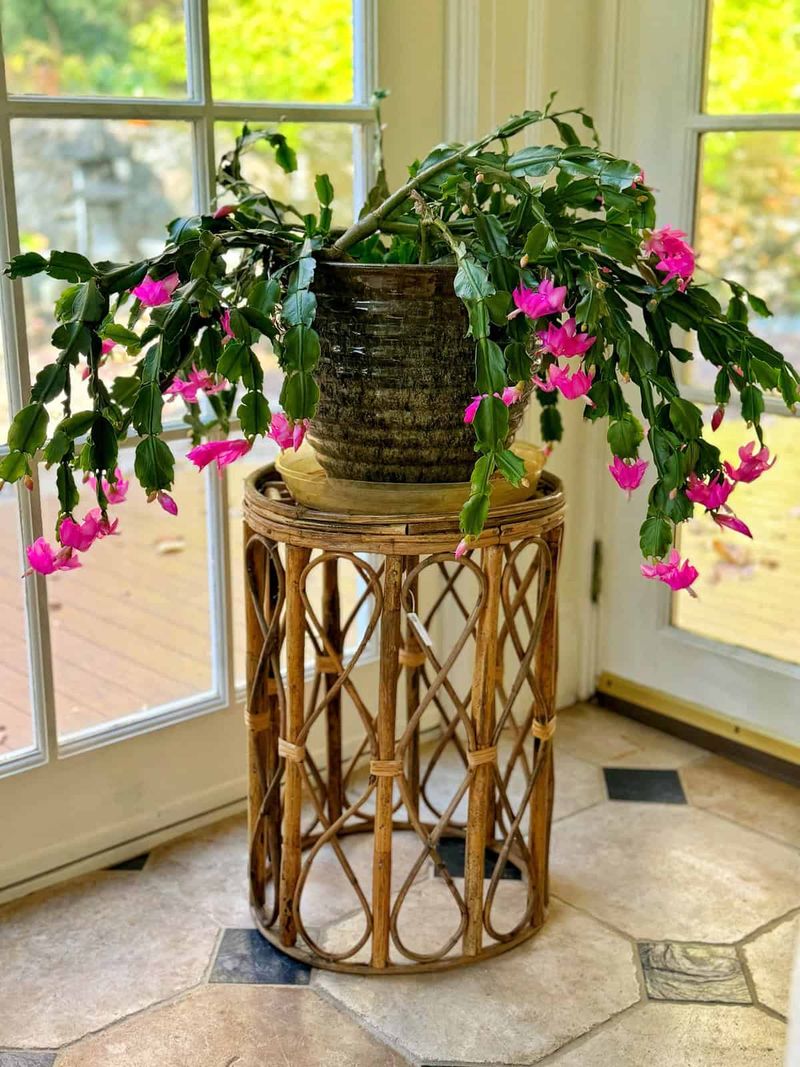
After the holidays, the plant needs a quieter kind of care. A short rest after blooming, with lighter watering for about a month, helps it recover.
Bright, indirect light is the best fit most of the year. An east window or a spot a few feet from a sunny south window works nicely. Strong afternoon sun can bleach the segments red or yellow.
Summer is a great time to set the pot outside in a shady spot. Many New Jersey gardeners hang it on a covered porch from late May until September. Watch for slugs and bring it in well before chilly nights arrive.
Repotting is rarely urgent. These plants bloom well when a little root-bound, so a snug pot is fine. Move up one size every few years in spring, using a fast-draining mix.
Humidity helps too, since the plant comes from misty forests. Grouping houseplants together raises moisture in the air around them.
That old family plant may live for decades with this simple rhythm. Some Christmas cacti have been shared within families for more than 100 years.
Christmas Cactus Cuttings Let You Pass the Family Plant Along
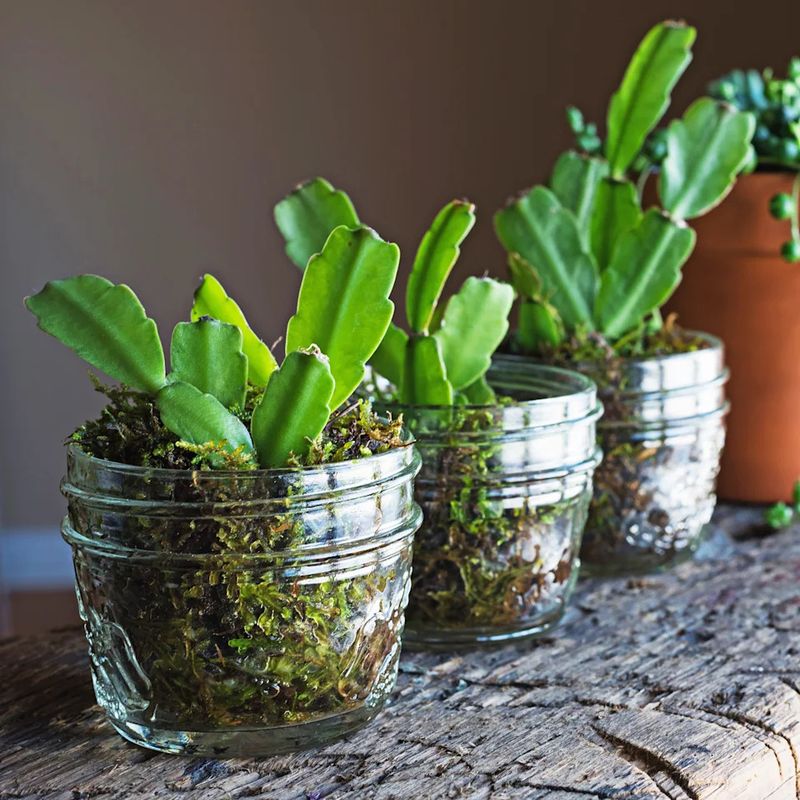
My favorite part of this plant is how easily it can be shared. A small piece of Grandma’s cactus can grow into a new plant on your windowsill, and later on your kids’ windowsills too.
Late spring is a good time to take cuttings, after blooming ends and new growth starts. Twist or snip off a piece with two or three segments.
Let the cut end dry for a day or two so it forms a callus. Then push the base about half an inch into moist, well-draining potting mix. Several cuttings in one small pot make a fuller plant.
Keep the pot in bright, indirect light and water lightly. Roots usually form within a few weeks, and you will notice new segments at the tips.
Pinching or trimming branch tips in late spring also makes the parent plant bushier. More branch tips mean more places for flowers to form.
Label the pot with the plant’s family story and the year you took it. Cuttings make thoughtful gifts for cousins, neighbors, and friends.
Give each one the cool, dark fall treatment, and that family tradition keeps blooming year after year.