Something Is Tunneling Under Your New Jersey Garden Right Now And You Will Not See It Until Spring
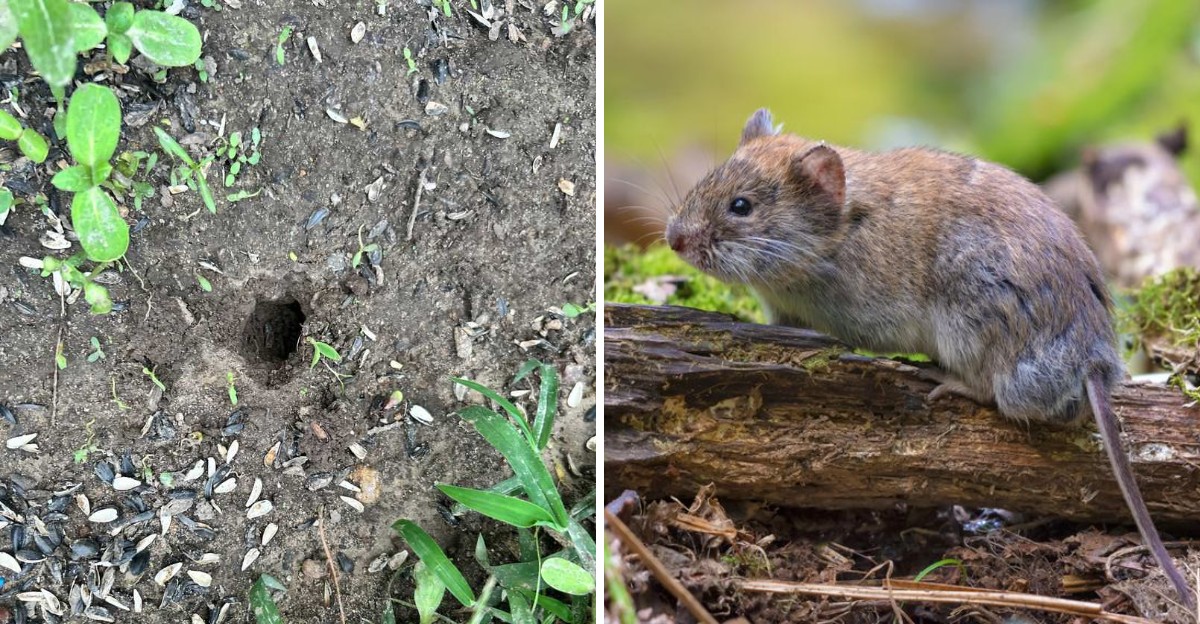
Tiny tunnelers are reshaping your lawn tonight, and you will not hear a sound. Voles thrive across New Jersey, and you host more of them than you suspect.
Meadow voles shape shallow runways through your grass, then use them under snow. Pine voles settle deeper, where you cannot see them sampling roots and bulbs.
Tulips go missing from beneath the soil, and you accuse squirrels. Breeding females raise litters that mature fast, so your colony grows quickly.
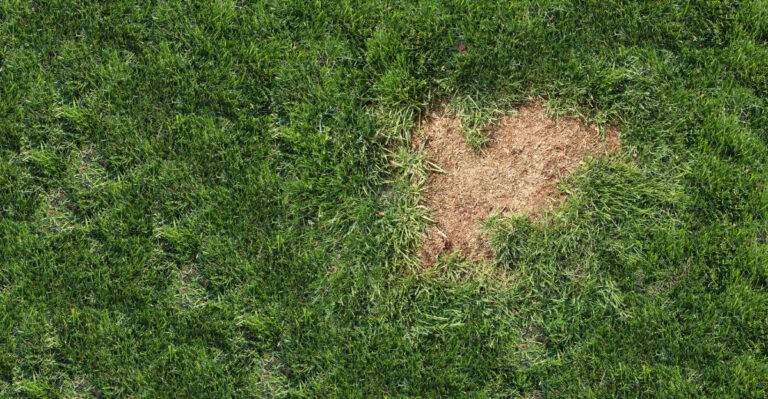
Winter conceals their work, and you notice changes only when March arrives. Snow melts, and you discover winding trails traced across your turf like loose handwriting.
Bark trimmed from young shrubs and fruit trees tells you the same story. Protect your bulbs now, because New Jersey snow can shelter voles for weeks. Wrap young trunks in hardware cloth and cage your prized tulips.
Meadow Voles And Pine Voles Are The Hidden Diggers
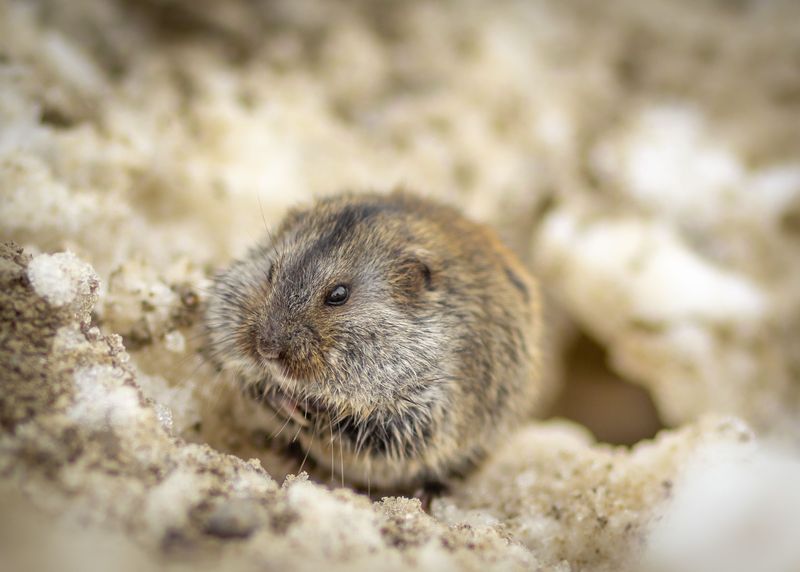
Picture a mouse with a shorter tail, tiny ears, and a round little face. That is a vole, and New Jersey has two common kinds living underground.
Meadow voles mostly travel just under grass and snow, making shallow runways about two inches wide. Pine voles dig deeper, often staying a few inches down near plant roots.
Many people blame moles for this activity, but moles eat grubs and worms instead of plants. Voles are plant eaters, so your bulbs, roots, and tree bark are their dinner.
A healthy vole family grows fast, since females can have babies when they are only a month old. One meadow vole female may raise five or more litters in a single year.
Vole numbers tend to rise and fall in cycles of a few years. A boom year can mean hundreds of voles living under one acre.
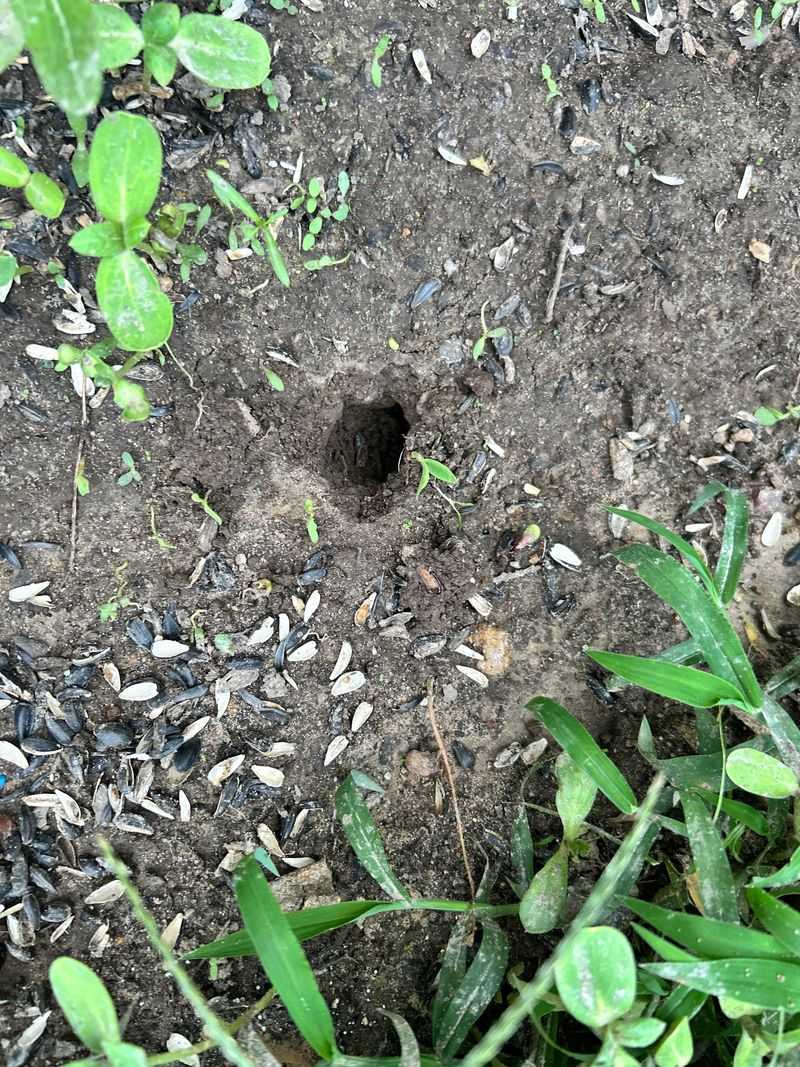
Look for small round holes about the size of a quarter near shrubs or garden beds. You might also spot little piles of chewed grass clippings by the openings.
Hostas, tulips, crocuses, and young fruit trees top their menu here in the Garden State. Pine voles are especially fond of chewing apple tree roots out of sight.
Knowing which vole you have helps you pick the right plan later this fall. Shallow trails suggest meadow voles, while wilted plants with loose roots point to pine voles.
Either way, you are dealing with a quiet, hungry neighbor that works year round. Spotting it early gives your garden a much better shot at spring.
October Is Prime Time For Tunnel Building
Cool October nights signal to voles in your yard that colder weather is arriving. They gather food and repair their tunnels and nests.
Unlike chipmunks or groundhogs, voles do not hibernate through the cold months. They stay active all winter, eating every few hours to keep their small bodies warm.
That makes fall an active building season for them. They dig new tunnels, widen old ones, and tuck grass nests into cozy underground rooms.
Your fall garden chores can accidentally help them along in sneaky ways. Fresh bulbs planted in October give them an easy food source.
Your New Jersey Garden Changes Every Week. Your Plan Should Too.
Gardening in New Jersey changes quickly throughout the season. Every Friday you’ll receive a simple weekly plan showing exactly what to plant, prune, fertilize, harvest, and protect so you never miss the right timing.
Once snow falls in December or January, voles get extra cover. Hawks, owls, and foxes can have a harder time reaching them under snow.
Under that snow, meadow voles build long surface runways right across your lawn. They chew the grass down to the soil as they travel back and forth.
Pine voles keep working deeper, chewing on roots and bulbs where the ground stays softer. Frozen topsoil may not slow them much down there.
So the activity builds up quietly for several months while you stay indoors. By the time you notice, the voles have had a long, comfy season.
October is your best window to act, before the ground freezes and the snow hides everything. A little effort now means less repair work when spring arrives.
How Mulch Can Shelter Voles
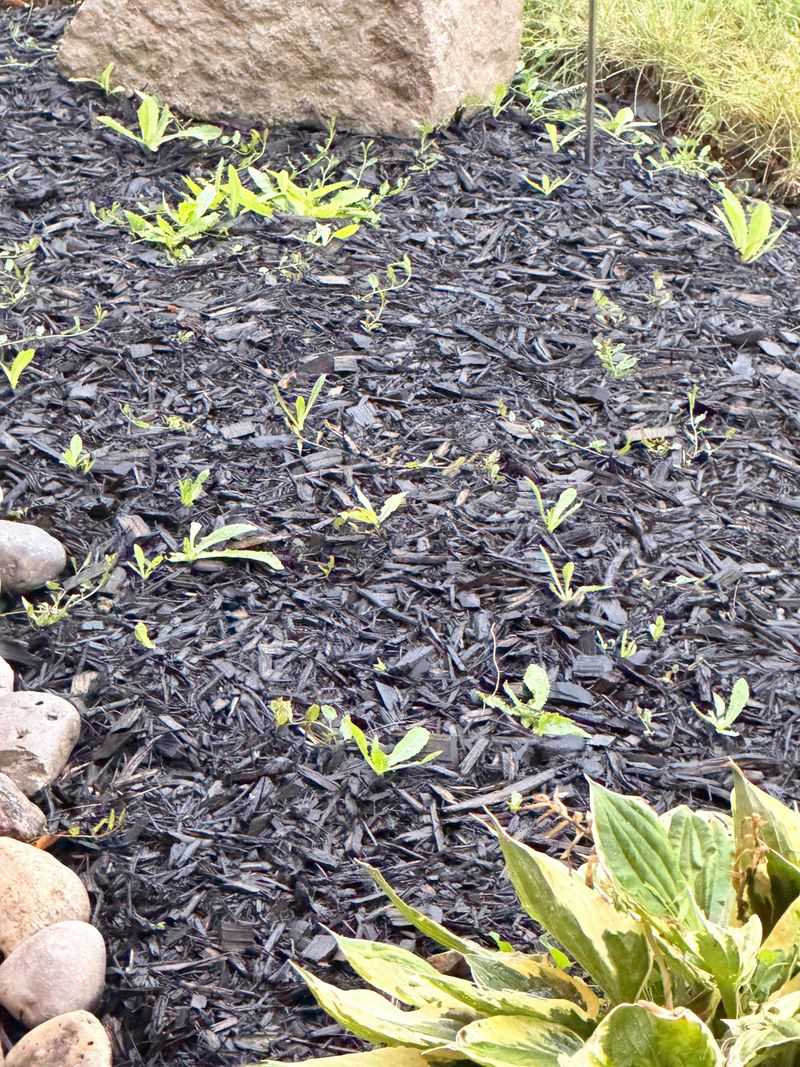
Many gardeners pile on thick mulch in fall, thinking they are tucking their plants in for winter. They may also be creating shelter for voles.
Voles feel nervous out in the open, where hawks and cats can grab them. Deep mulch gives them a hidden hallway right up to your favorite plants.
The riskiest setup is mulch piled high against tree trunks, sometimes called a mulch volcano. Voles hide inside that cozy cone and chew the bark all winter.
If they chew a full ring around a young tree, nutrients cannot travel between the roots and the crown. That tree may leaf out weakly in spring, then fade by summer.
Tall grass and leftover leaf piles create the same issue near garden beds. Ground covers like thick ivy or pachysandra also make great vole hideouts.
A better plan is to keep mulch about two to three inches deep. Pull it back three to six inches from tree trunks and shrub stems.
Wait to add winter mulch around perennials until the ground has frozen a bit. Mulch added later gives voles less time to nest in it before winter.
Give your lawn a final mow at your usual height before winter sets in. Shorter grass leaves voles feeling exposed, and they may move on to safer spots.
Rake up heavy leaf piles from your lawn, too, instead of letting them sit all season. Your trees will benefit, and voles lose a hiding spot.
Snap Traps, Repellents, And Practical Fixes For Fall
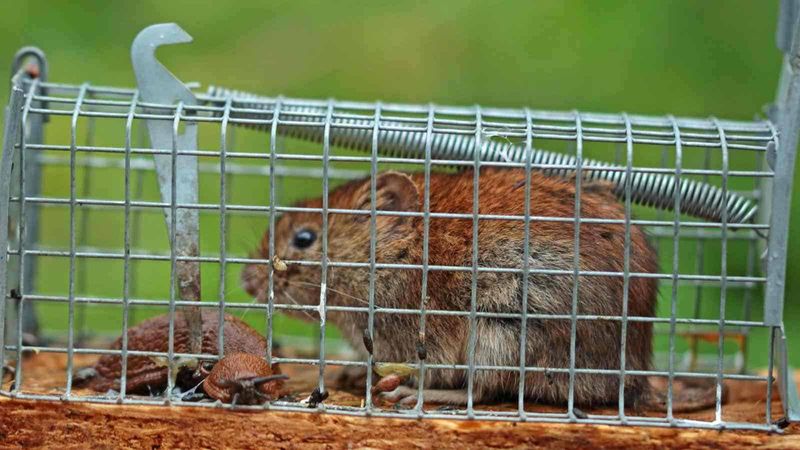
Ask a seasoned New Jersey gardener about voles, and you may hear about plain mousetraps. Those cheap little traps work surprisingly well when set the right way.
Place the trap at a right angle to a runway, with the trigger end facing the path. Bait it with a dab of peanut butter mixed with oatmeal or apple slices.
Cover the trap with a bucket or a shingle so birds and pets cannot reach it. Voles also feel safer under cover, so they explore it more often.
Check traps every morning and move them if nothing happens after two days. Gloves keep your scent off the trap and protect your hands, too.
Castor oil repellents may help by making the soil taste and smell unpleasant to voles, though results vary. Spray them over beds and lawns, and repeat after heavy rain.
Rodenticide baits are a risky choice for many home gardens. Pets, owls, and hawks can be harmed by eating a vole that has eaten bait, so skip them.
For bulbs, try planting them inside wire cages. Some gardeners also add sharp gravel to the planting hole. Daffodils and alliums are less tasty, so voles usually leave them alone.
Wrap young tree trunks with hardware cloth that has quarter-inch holes. Bury the bottom three to six inches and leave space so the trunk can grow.
Mix two or three of these fixes for the best results. One method alone may slow voles down, but combining methods usually works better.
Start this month while the soil is still soft. Waiting for a hard freeze makes every job tougher.
The Spring Reveal Of Brown Lawn Trails And Chewed Roots
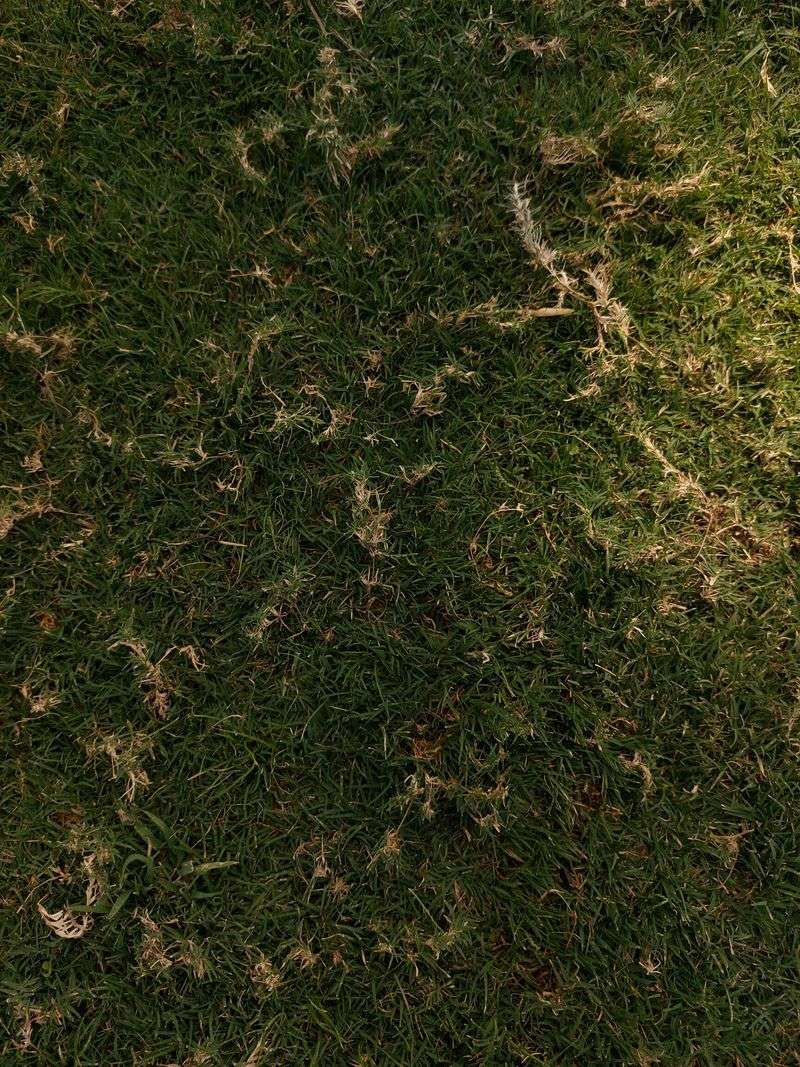
Imagine stepping outside on a warm March morning, ready to enjoy your yard. Instead, winding brown trails crisscross the grass like a maze drawn by a toddler.
Those trails are the old vole runways, finally uncovered after the snow melts. Each one is about two inches wide and packed with chewed grass and droppings.
The scene can look dramatic, but many lawns recover on their own. The grass roots usually survive, and new blades fill in within a few weeks.
Rake the runways lightly to fluff up the matted grass and remove debris. Bare spots can get a sprinkle of grass seed and a little compost.
Garden beds may tell a different story when spring growth begins. Tulips that should pop up may stay missing, since voles ate the bulbs months ago.
Shrubs and perennials can look fine at first, then wilt suddenly in May. Give a wilted plant a gentle tug, and it may lift right out of the ground.
No roots suggests pine voles were feeding below all winter. Hostas are a frequent target, and their crowns can be eaten away over several weeks.
Check tree trunks near the soil line for chewed bark with tiny tooth marks. Small wounds may heal, but a complete chewed ring needs prompt attention.
Snap photos of the affected areas and note where they are. That simple record turns into a treasure map for your fall prevention plan next year.
Local garden centers and your county Rutgers Cooperative Extension office can help you judge whether a tree can recover. Bring a clear photo of the trunk.
A Fall Prevention Plan To Start This Month
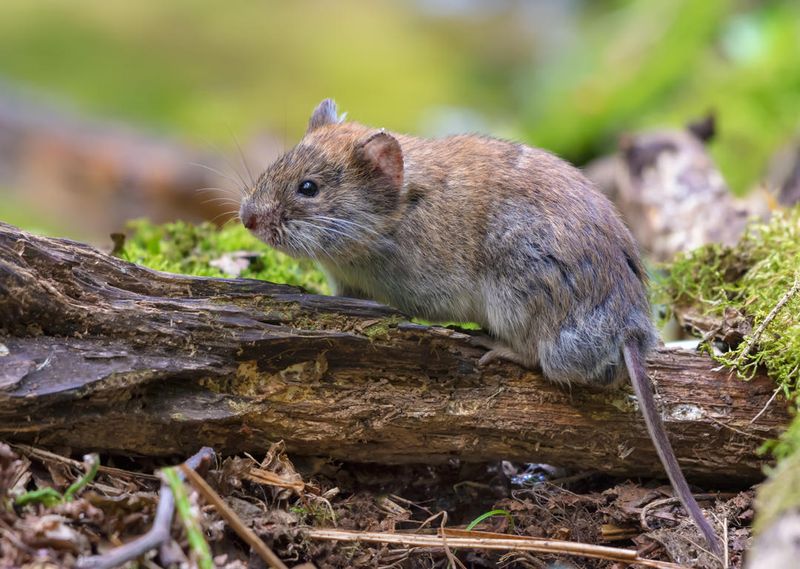
Think of vole control like brushing your teeth, since a little routine care beats a big repair. A steady plan each fall keeps the furry diggers guessing.
Start with a yard walk in early October, looking for fresh holes and runways. Mark trouble spots with garden flags so you remember where to focus.
Keep a clear strip of bare soil or gravel around beds and young trees. Voles avoid crossing open ground where predators can see them.
Invite natural helpers by adding an owl box or a hawk perch near open areas. A single barn owl family can eat thousands of rodents in a year.
Outdoor cats may catch a few, but they also hunt songbirds. Owls and foxes help control rodents, though they sometimes take birds as well.
Choose plants voles tend to skip, like daffodils, alliums, and lavender. Keep ornamental grasses away from beds, since they can shelter voles.
Plant tasty bulbs in mesh baskets or with gravel mixed into the soil. Fence small garden beds with hardware cloth buried about six inches deep. Bend the bottom outward so voles cannot tunnel straight under it.
Keep birdseed cleaned up under feeders, since spilled seed is a free snack for voles. Store pet food and compost in sealed containers, too.
Set a calendar reminder for next fall so you do not forget. Mid-October is a great time to trim grass, pull mulch back, and set traps.
Stick with it, and next spring might bring tulips instead of tunnels. Your garden will look like nobody threw a wild underground party all winter.