Quiet Hunter Is Prowling Illinois Backyards After Dark
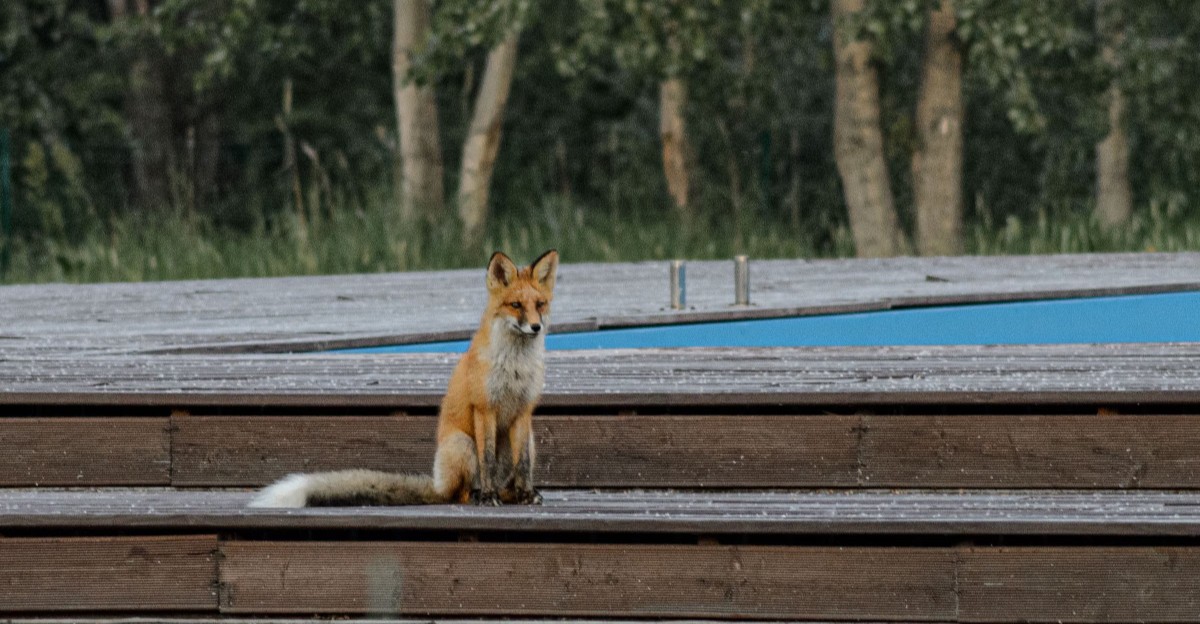
A hungry hunter in your yard can hear a mouse squeak under the snow from roughly 100 feet away. Then it leaps high, arcs through the air, and lands front paws first right on dinner.
I watched this happen once at the edge of my garden just after dusk. My jaw dropped, and my tea went cold.
This sly visitor lives across nearly every county in Illinois, from farm fields to busy city suburbs.
It slips along fence lines and under hedges while most of us are busy with supper or the evening news. You might notice only tiny tracks in the frost or a shallow hole near the compost pile.
So who is this furry night shift worker? Is it a garden friend, a pest, or a little of both? For a creature that has shared Illinois backyards with us for generations, the answer surprised me more than that midnight pounce did.
That Rusty Streak Along Your Fence Line Has Four Paws

Last October, a shape the color of a pumpkin slid past my rain barrel and melted into the shadows under the lilacs. It moved like a cat but held its head low like a dog. That combination is the giveaway.
What you likely saw was a red fox, one of the most widespread wild mammals in the world. Illinois Department of Natural Resources experts note that red foxes live statewide, and many have settled comfortably into towns and suburbs.
Foxes are shy and quiet travelers. They follow fence lines, creek edges, alleys, and hedgerows because these paths give cover.
Most of their moving happens from dusk to dawn, so a quick flash in your headlights or porch light is often all you get.
Spotting one does not mean something is wrong with your yard. It mostly means your neighborhood has food, shelter, and safe travel routes.
Wildlife experts at the University of Illinois point out that foxes and people often share space without any trouble at all.
For a fun check, look for tracks after a light snow. Fox prints form a nearly straight line, one in front of the other. A house cat leaves rounder prints, and dogs tend to wander in a messier pattern.
A Red Fox Pounce Is Pure Backyard Magic
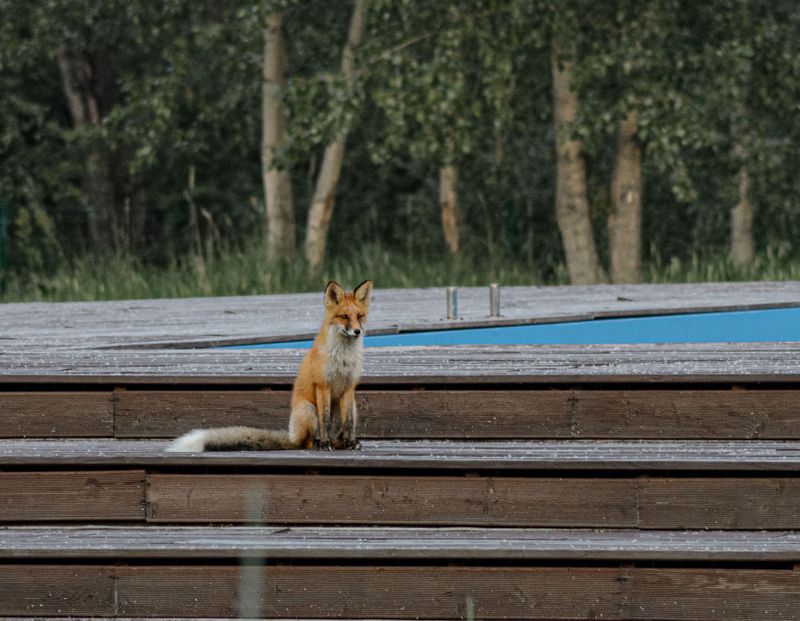
Few things in nature look as silly and brilliant as a fox hunting mice. The animal freezes, tilts its head, and listens hard. Then it springs straight up and dives down front paws first.
Scientists call this move mousing. Red foxes have sharp hearing that picks up the faint rustle of voles and mice moving under grass, leaves, or snow.
Some researchers have even noticed that foxes seem to pounce more successfully when facing a certain compass direction, though that idea is still being studied.
Most hunting happens at night, with extra bursts around dawn and dusk. In winter, you might catch a fox hunting in daylight, since food is harder to find and snow makes those little rodents easier to hear.
Want to watch without scaring it? Stay inside and use a window. Keep lights low and move slowly. A cheap trail camera aimed at a garden edge can also capture amazing footage while you sleep.
I set one up near my brush pile last winter. The clips showed a fox pouncing four times in a single night, and I happily replayed every one over breakfast.
Voles And Rabbits Have Good Reason To Fear This Fox

Gardeners, here is a pleasant surprise. The fox slipping through your yard is likely eating the very critters that chew your beans and bulbs.
Red foxes are opportunistic omnivores. Their menu leans heavily on mice, voles, and young rabbits, according to Illinois wildlife sources.
They also gobble insects like crickets, beetles, and grasshoppers, plus berries and fallen fruit in late summer and fall.
Voles are a big deal for anyone growing hostas, tulips, or young fruit trees. These small rodents tunnel and gnaw roots and bark, often through winter.
A single fox can catch many rodents over a season, which may help keep local numbers in check.
Rabbits are another favorite. If your lettuce keeps disappearing to the nibble line, a fox in the area could ease some of that pressure, especially in spring when young rabbits are plentiful.
Keep expectations realistic, though. A fox will not solve every pest problem, and it hunts across a wide territory, not only your lot.
Still, I cheer when I see one patrolling my garden edge. It feels like having a free, furry pest patrol on the night shift.
Look For Black Stockings And A White-Tipped Tail
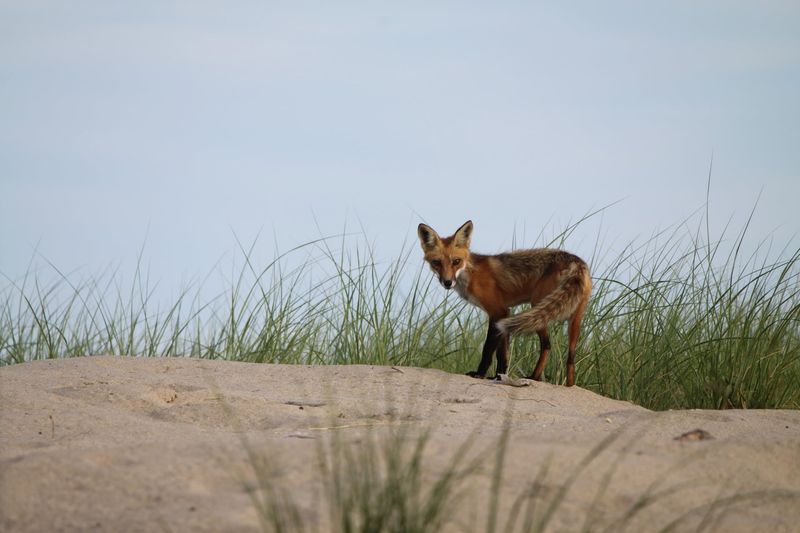
Quick quiz time. Is it a coyote, a gray fox, or a red fox? Three simple clues can settle it in seconds. First, check the legs. Red foxes wear dark lower legs that look like black stockings.
Second, peek at the ears, which have black backs. Third, and best of all, look at the tail. A big bushy tail with a white tip is the classic red fox signature. Size helps too. Adults usually weigh about 7 to 15 pounds, roughly like a small dog.
Coyotes are much larger and grayer, with tails that point down while they run. The gray fox, which also lives in Illinois, has a salt-and-pepper coat and a black-tipped tail. It can even climb trees, a talent red foxes lack.
Coat color can fool you. Some red foxes look pale, dark, or even silvery, and a cross fox has a dark band across its shoulders.
Those are still red foxes. Once you know the white tail tip, you will spot it every time, even in a grainy trail camera photo taken at midnight.
Young Foxes Wander Farther When Fall And Winter Arrive
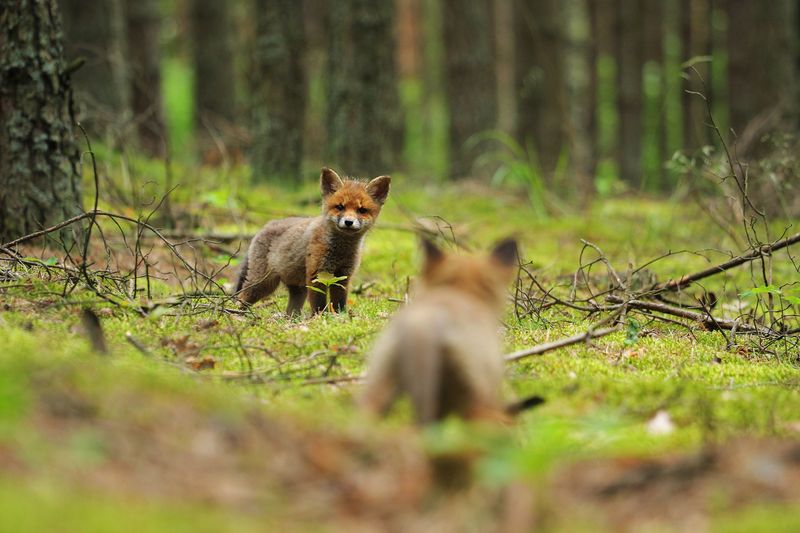
Notice more fox sightings as the days shorten? There is a solid explanation behind that, and it follows a natural yearly rhythm.
Red fox pups are born in spring, often around March or April in Illinois. By fall, those youngsters leave home to find their own territories.
This dispersal can send them several miles, sometimes across roads and right through neighborhoods.
Winter brings more movement. Breeding season peaks from about January into February, so adults roam widely searching for mates.
You may even hear eerie barks or screams at night. That spooky sound is mostly foxes talking to each other.
Bare trees also play a role. Once leaves drop, you simply see farther into yards and wooded edges.
A fox that hid all summer suddenly becomes easy to spot against frosty grass or snow. None of this points to a fox invasion. It is normal seasonal behavior, repeated every year.
Enjoy the show, and keep your phone camera ready near the back window on cold, clear evenings. Some of my favorite wildlife photos happened while I was just rinsing dishes after dinner.
Pet Food And Open Compost Bins Roll Out The Welcome Mat

A fox that keeps coming back usually has one big reason. Somebody is serving snacks, even without meaning to.
Common attractants include pet food left outside, spilled birdseed, fallen apples, open compost piles with meat scraps, and loose garbage bags. Foxes have excellent noses, so even a forgotten bowl on the porch can draw a nightly visitor.
I learned this the hard way. My cat’s dinner dish sat on the deck one night, and the trail camera showed a fox licking it clean by midnight. The next evening, I brought it inside, and the visits slowed down.
Try these simple fixes: Feed pets indoors. Keep trash cans closed with tight lids. Compost only fruit, vegetable scraps, and yard waste, and use an enclosed bin. Rake up fallen fruit regularly in late summer and fall.
Birdseed is trickier because rodents gather under feeders, and foxes follow the rodents. Use a seed tray to catch spills, or switch to no-mess blends.
Never feed foxes on purpose. Hand-fed wildlife can lose its natural caution, which often creates bigger problems for both people and animals later.
Chicken Coops And Deck Gaps Need Fox-Proof Fixes

Backyard chicken keepers, this section is for you. Poultry and ducks are tempting meals, and a fox can find a weak spot fast.
Build or upgrade coops with welded wire or hardware cloth, not thin chicken wire. Foxes dig, so add a wire apron buried or laid outward about 12 inches or more around the base. Lock birds inside every night, since most fox visits happen after dark.
Garden beds benefit from a low wire border if a fox keeps digging. Foxes sometimes scratch at fresh mulch or bone meal while sniffing for grubs or scent.
Watch for denning spots too. Foxes like hidden spaces under decks, sheds, and porches in late winter and spring.
Seal gaps with sturdy wire before pups arrive. If a den is already in use, wait until the young leave, usually by early summer.
Humane scare tactics help as well. Motion-activated sprinklers, bright lights, and a quick spray from the hose teach a fox your yard is not cozy.
Clap or shout from a safe distance. Healthy foxes rarely threaten people, but keep small pets supervised outside at night.
Know The Illinois Fox Rules Before You Act
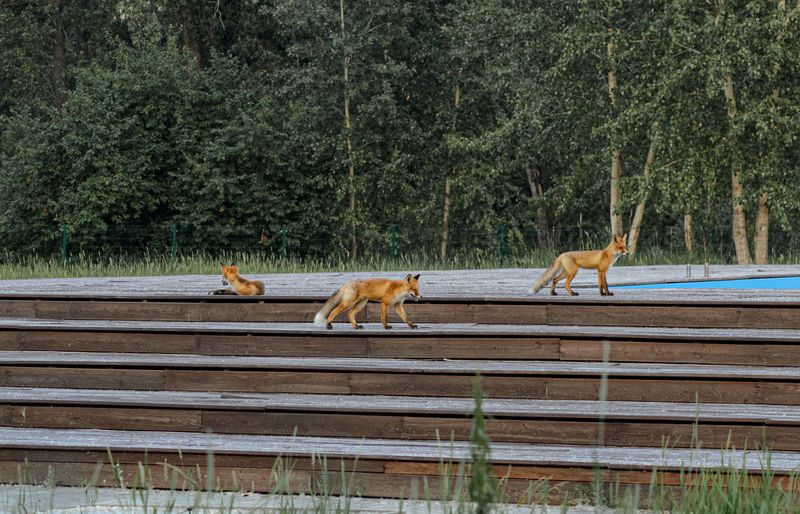
Before you trap or relocate a fox, pause for a minute. Illinois treats red foxes as protected furbearers, so rules apply.
Homeowners usually need a nuisance animal removal permit from the Illinois Department of Natural Resources to trap a problem fox outside legal hunting or trapping seasons. Many people hire a licensed nuisance wildlife control operator instead.
Moving a fox yourself is often illegal and can stress the animal. Most situations never reach that point. Removing food, securing coops, and blocking den spots solve the majority of complaints, according to university wildlife specialists.
Health matters too. Mange, caused by mites, can leave foxes thin with patchy fur. Rabies is rare in Illinois foxes but possible.
Call your local animal control or IDNR if a fox seems confused, unusually bold, stumbling, or very sick. Do not approach or handle it.
Otherwise, consider letting your quiet hunter be. A fox that passes through, eats a few voles, and moves on is doing honest work in your landscape.
Plant native shrubs, keep a tidy compost bin, and grab that trail camera. Your backyard nights may get a lot more interesting.