These Tiny Western Visitors Are Quietly Spending the Winter in North Carolina Yards
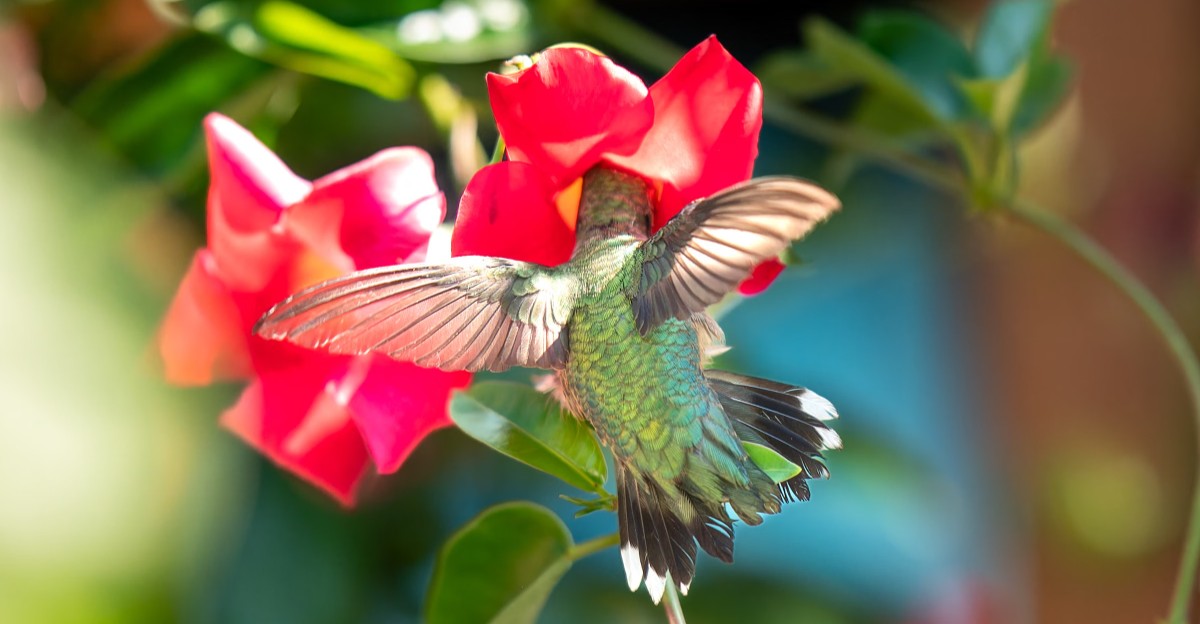
A bird weighing little more than a penny can travel from Alaska to a backyard feeder in North Carolina. Most folks expect their yards to go quiet once the first hard frost settles over the garden beds.
Yet a handful of tiny western travelers keep showing up each winter, zipping between camellias and sugar water. Bird banders across the Southeast have recorded several of these western species returning to the very same yards.
I love the idea that my scruffy winter garden might be a vacation spot for a mountain bird. You may be surprised to learn how many sightings start with someone simply leaving a feeder up in December.
Across North Carolina, these guests often go unnoticed because few people expect bright flashes of color in January. So which of these little westerners could be sipping from your yard right now, and how would you tell?
1. The Feisty Rufous Hummingbird Rules Winter Feeders
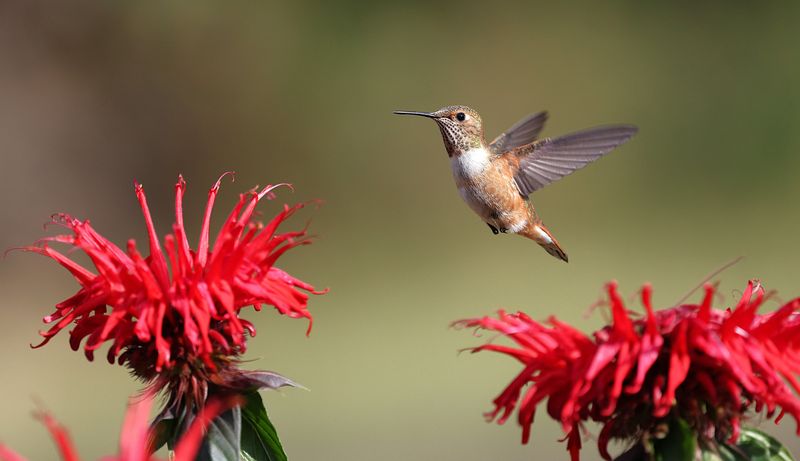
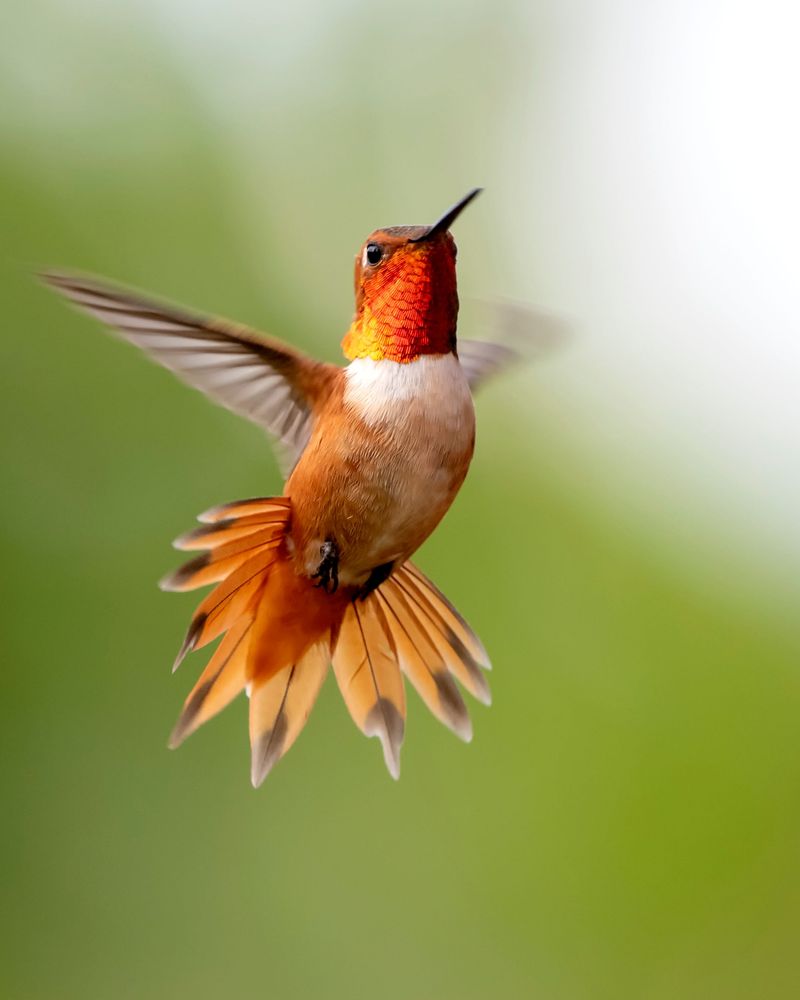
Few backyard birds pack this much attitude into a body barely three and a half inches long. A male rufous glows like a copper penny, and he will chase off birds twice his size.
Rufous hummingbirds breed as far north as southern Alaska, farther north than any other hummingbird species. Their migration ranks among the longest of any bird when you measure it against their tiny body length.
Most of them winter in Mexico, but a growing number now spend the cold months across the Southeast. In North Carolina rufous hummingbirds are the western species banders encounter most often during the winter season.
Females and young birds look greener, with rusty patches on their sides and a hint of orange in the tail. They can be tricky to separate from a close cousin, so a clear photo helps a lot.
In my yard, I keep one feeder going all winter and swap the nectar every few days. Mix one part white sugar with four parts water, and skip the red dye since birds do not need it.
On freezing nights, bring the feeder inside after dark and hang it back out before sunrise. These birds feed very early, so an icy feeder at dawn can leave them hungry when they need energy most.
Rufous hummingbirds also hunt tiny insects and spiders, so leave some leaf litter and bark crevices alone. A slightly messy garden in winter gives these copper sparks more protein than any feeder could offer.
2. The Black-Chinned Hummingbird Pumps Its Tail at Feeders
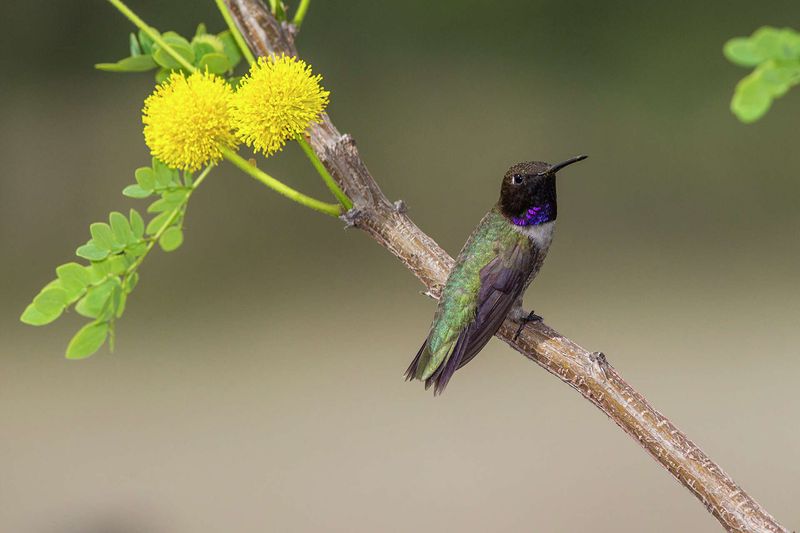
Watch the tail, because a black-chinned hummingbird wags it almost nonstop while hovering at a feeder. That restless bobbing is one of my favorite clues, and it often gives this bird away before anything else.
Black-chinned hummingbirds are close relatives of the ruby-throated hummingbirds that nest across the eastern states each summer. Their breeding range stretches through much of the western United States, from Texas canyons to Pacific Northwest valleys.
Adult males wear a velvety black chin with a thin band of violet that flashes only in good light. In shade, that violet strip can look plain black, so patience and a sunny morning make a big difference.
Females and juveniles are much harder, looking pale gray underneath with greenish backs and slightly long, drooping bills. Many look nearly identical to young ruby-throats, which rarely linger here in winter but occasionally do.
Because of that overlap, licensed banders often measure feathers in hand before confirming a winter black-chinned record. North Carolina has documented this species during the cold months, though it shows up far less often than rufous.
If you spot any hummingbird after mid-November, consider reporting it to local banders through the Carolina Bird Club. Your sighting helps researchers understand which western birds are wintering here and how often they return.
I also suggest jotting down dates and snapping photos from several angles, especially of the tail and wings. Even blurry pictures can help an expert narrow things down, so do not worry about taking perfect shots.
3. The Calliope Hummingbird Is the Smallest Western Guest
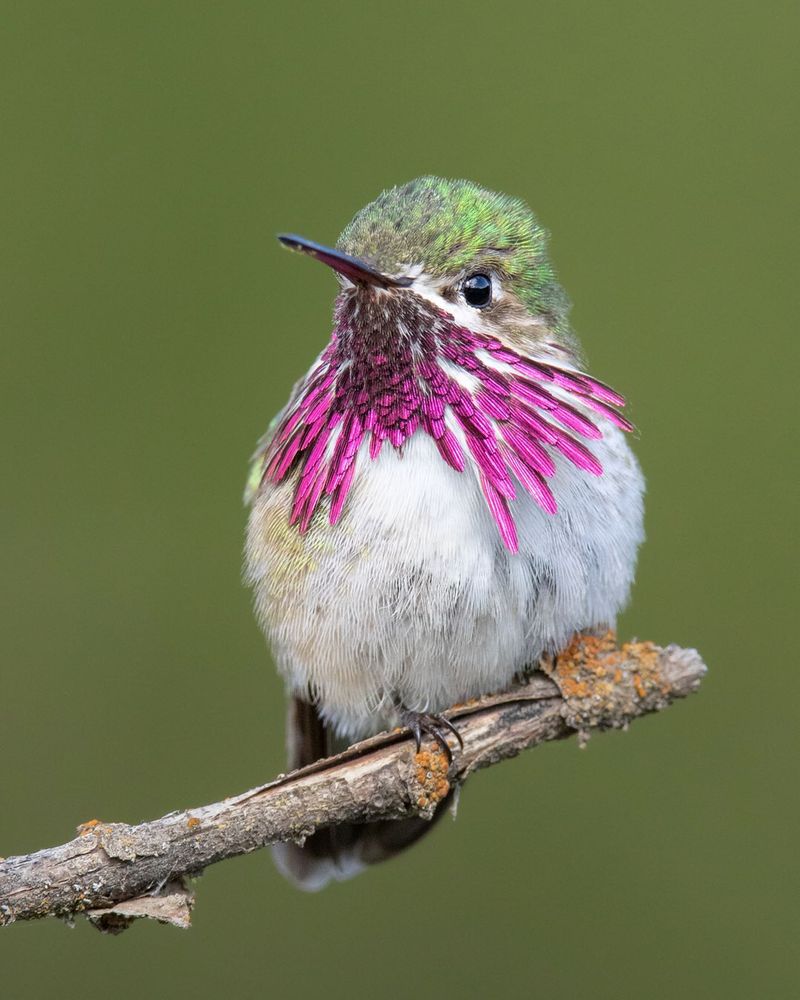
Hold a penny in your palm, and you are holding roughly the weight of an adult calliope hummingbird. This little sprite is the smallest breeding bird in the United States and Canada, measuring about three inches.
Despite that size, calliopes nest high in western mountains, often in open pine forests near rushing streams. They spend winters mainly in southwestern Mexico, so finding one in the Southeast feels like spotting a rare gem.
Males sport a striking throat of magenta streaks that fan out against white feathers, almost like a starburst. Females and young birds are plainer, with buffy sides and a tail so short that the folded wingtips reach past it.
Calliopes are rare winter visitors here, but banders have confirmed them in North Carolina on several occasions. I find it thrilling that a bird this small can wander so far off course and still find food.
Their compact size means they lose heat quickly, so they rely on a state called torpor during chilly nights. Their heart rate and body temperature drop sharply, which saves energy until morning sunshine warms the yard again.
You can help by placing a feeder near dense evergreen shrubs where a bird can rest out of the wind. Native options like wax myrtle or American holly offer shelter without crowding out other backyard plants.
Keep the feeder clean, too, since sugar water can grow mold quickly even when outdoor temperatures stay cool. A quick rinse with hot water and a bottle brush every few days keeps these pint-sized travelers safely fueled.
4. Allen’s Hummingbird Looks Almost Like a Rufous Twin
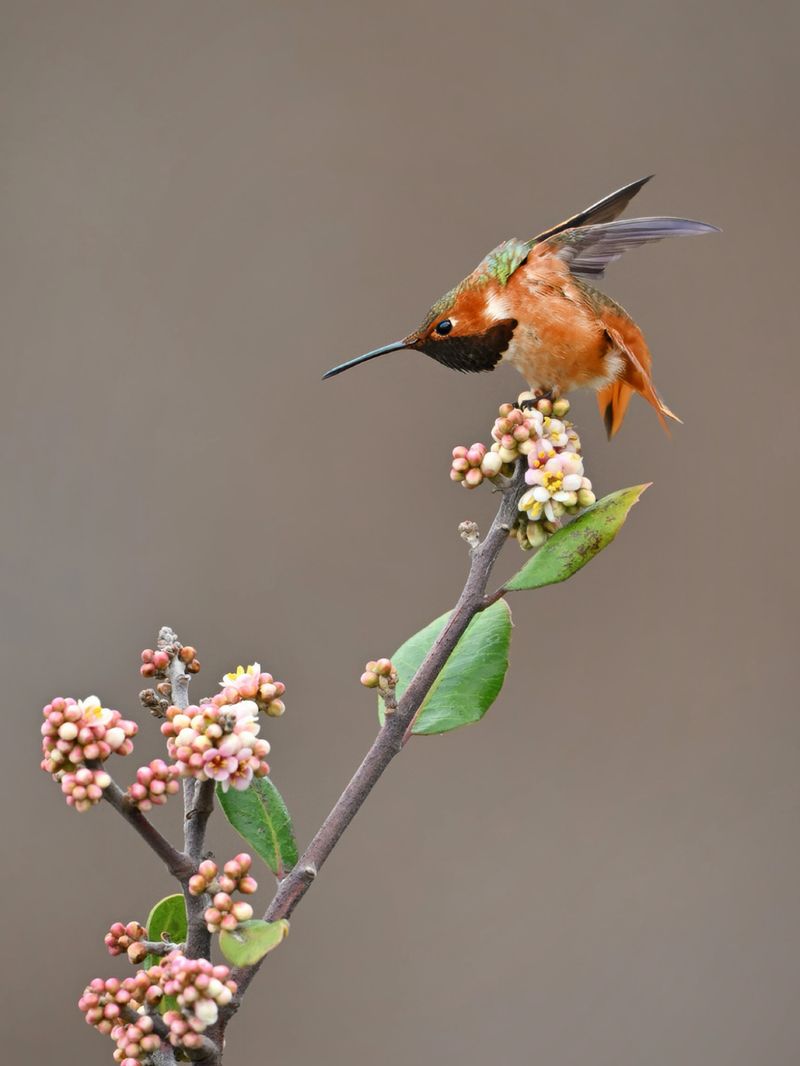
Some birds are easy to name, but an Allen’s hummingbird might keep even seasoned birders scratching their heads. It looks so much like a rufous that many sightings simply get labeled as rufous or Allen’s hummingbird.
Allen’s hummingbirds breed along a narrow coastal strip of California and southern Oregon, often in foggy scrub. Most head to central Mexico for winter, though a few drift east and turn up in southeastern gardens.
Adult males usually show a green back and copper sides, while rufous males are mostly orange on top. Some rufous males have green backs too, which makes even that handy clue a little less reliable.
Females and young birds are nearly impossible to separate by sight alone, even with sharp photos and patient study. Banders confirm them by measuring the width of specific tail feathers, which are narrower on Allen’s hummingbirds.
North Carolina has a handful of confirmed winter records, so every verified Allen’s bird adds valuable data. I think that makes them one of the most exciting mysteries a backyard feeder can deliver during the cold season.
Like other western visitors, Allen’s hummingbirds are tough and handle freezing mornings far better than most people expect. A steady food source matters more than warmth, so keep nectar fresh and thawed through the coldest stretches.
Some gardeners hang a small incandescent bulb near feeders or use heat tape to stop freezing on frigid days. Whichever trick you choose, leaving that feeder up through winter might bring a coastal Californian straight to your window.
5. Leaving One Feeder Up Through December Can Bring a Western Rarity
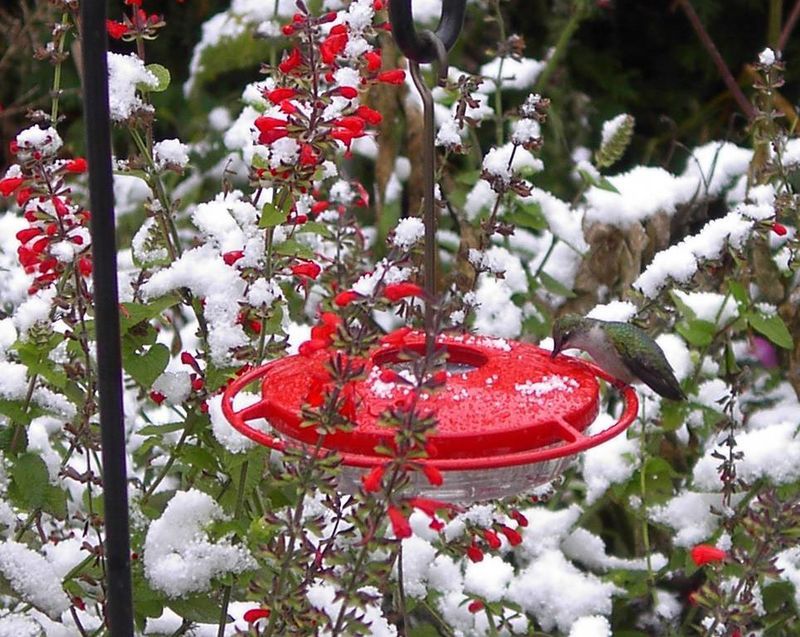
Ask any lucky homeowner how they found a winter hummingbird, and the answer is often the same. They just forgot to take the feeder down. That small bit of laziness has led to plenty of exciting sightings across the state.
Western hummingbirds usually arrive after our ruby-throats leave, often in November. By then, most flowers are finished, and a clean feeder becomes a reliable meal for a tired traveler.
Don’t worry about holding anyone back, either. Leaving a feeder up will not stop ruby-throats from migrating. Day length and instinct send them south on schedule, feeder or not.
Keep the mix simple, one part white sugar to four parts water, with no red dye. Swap it every few days in mild weather and about once a week when it stays cold. On freezing nights, bring it inside and rehang it before sunrise, since these birds feed very early.
Hang the feeder where you can see it from a window you use often. Winter visitors can be quiet and easy to miss.
Here’s the best part. Once a western hummingbird finds a good yard, it may stay for weeks or even months, and some return to the same feeder the following winter.
6. Licensed Hummingbird Banders Want to Hear About Your Winter Visitor
Picture a bird weighing little more than a penny wearing a tiny metal bracelet. That is what happens when a licensed bander visits your yard, and it does not hurt the bird one bit.
Many western species look nearly identical, especially young females. Banders catch the bird safely, then measure its wings, tail feathers, and bill. Those details in hand confirm whether you have a rufous, an Allen’s, or something even rarer.
The whole process usually takes just a few minutes. The bird gets a numbered band, a quick check of its health, and then it zips right back to your feeder.
Only trained banders with federal permits can do this work. Hummingbirds are protected by law, so never try to catch one yourself.
Those little bands tell big stories. Some banded birds have been caught again in the very same yard a year later, proving they remember a good winter home.
Want to help? Snap a few photos from different angles, especially of the tail. Note the date you first saw the bird.
Then contact the Carolina Bird Club, which can connect you with a bander nearby. Your sighting becomes part of real research on how these birds migrate.
7. Blooming Camellias and Evergreen Shrubs Give Winter Hummingbirds Food and Shelter
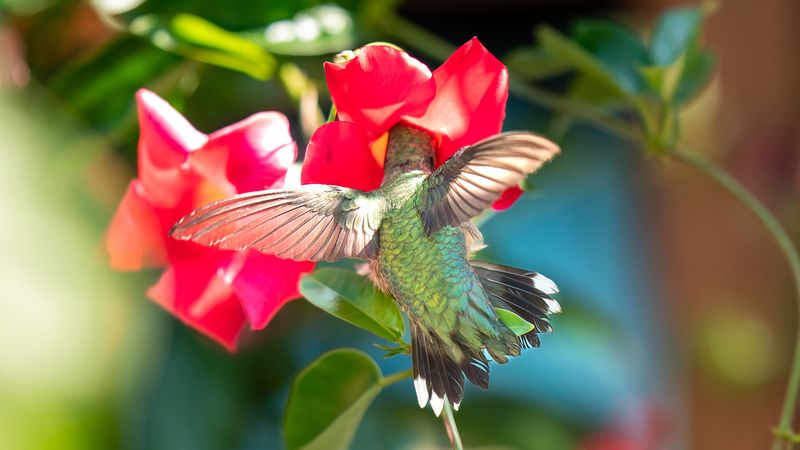
Remember those camellias glowing pink in a gray January yard? To a hungry hummingbird, they can be a lifesaver. Their blooms offer a sip of nectar when almost nothing else is flowering.
Sasanqua camellias usually bloom in fall and early winter, while japonica types carry the show into late winter. Planting both stretches the season nicely.
Nectar is only half the menu, though. Hummingbirds also need protein, so they pick tiny insects and spiders from bark and leaf litter. Skip raking every corner, and you leave a hidden snack bar behind.
In mild coastal gardens, native coral honeysuckle sometimes keeps a few red blooms going into winter. It is a lovely, well-behaved vine for any hummingbird-friendly fence.
Cold nights matter too. Hummingbirds slip into a deep rest called torpor to save energy, and they need a sheltered spot to do it safely.
Dense evergreens like wax myrtle and American holly block wind and hide sleeping birds from danger. Plant a few within easy reach of your feeder. Give your winter guest food, cover, and a steady routine, and it may stick around for weeks.