The Houseplant Trend Turning New Jersey Living Rooms Into Jungles
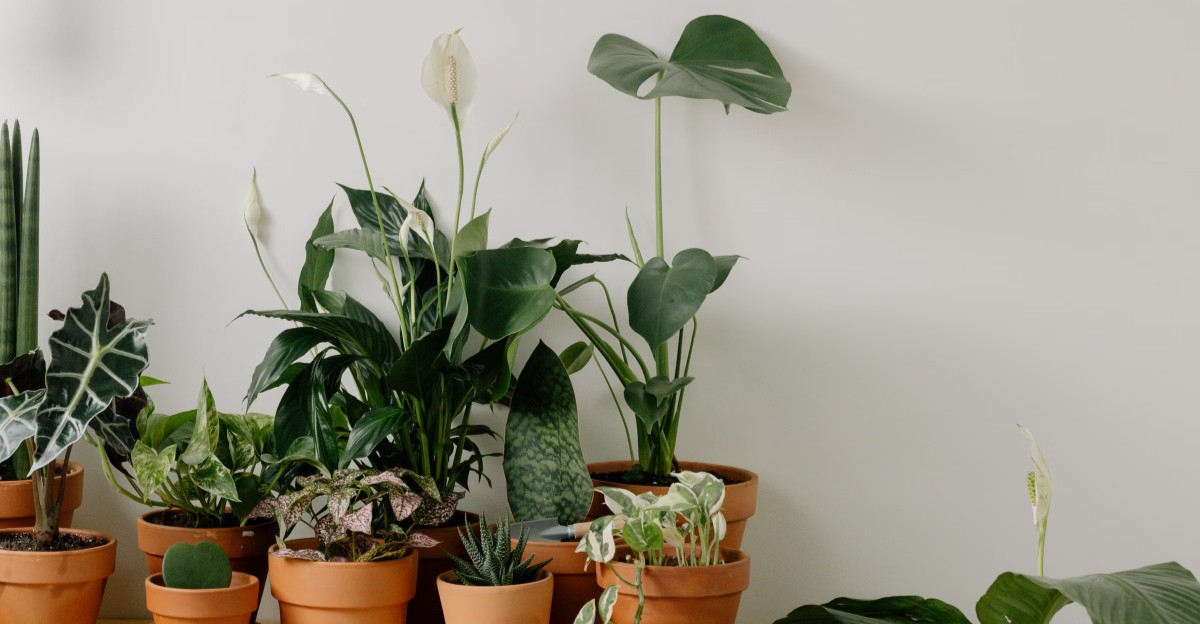
Researchers at Drexel University crunched the numbers on houseplants and indoor air, and the answer stunned me. You would need somewhere between 10 and 1,000 plants per square meter to freshen a room as well as normal airflow does.
And yet, folks across New Jersey keep hauling home more pots anyway. Local garden centers keep tropical benches packed, and shoppers keep stacking shelves, hanging vines from curtain rods, and parking leafy giants in sunny corners.
I get it. I started with one trailing vine on a bookshelf, and now my living room feels like a greenhouse with a couch in it.
You might notice the same creep happening at your place, one pot at a time, whether you’re in Newark, Trenton, or anywhere else in New Jersey.
So if clean air is not the real reward, what keeps everyone coming back to the plant aisle every single season? The answer turned out to be sweeter than I expected.
Those Monstera Leaves Filling Living Rooms Have A Backstory
Sales of houseplants jumped when people spent far more time at home in 2020, and plenty of new plant parents simply kept going.
Garden industry surveys from that period showed younger adults leading the charge, often buying plants for apartments and rentals with no yard at all.
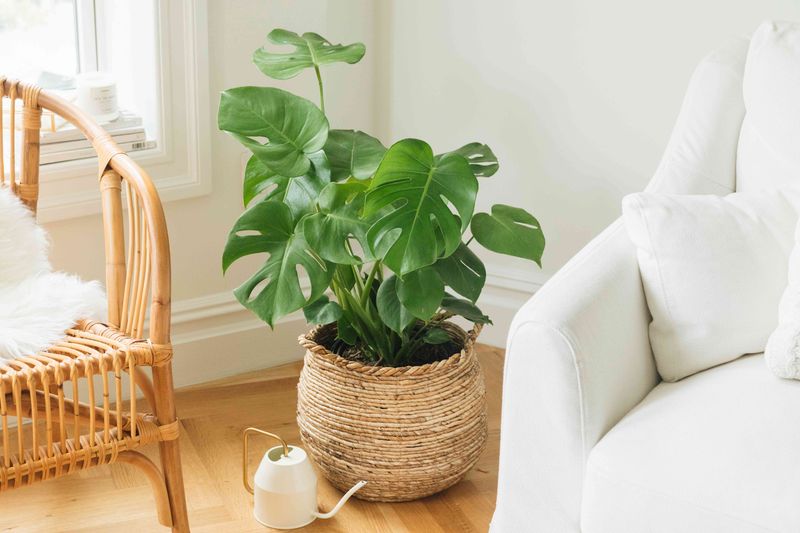
Social media poured fuel on the fire. Photos of glossy monstera leaves and shelves dripping with vines made a full jungle look doable, and honestly, a little addictive. Many local garden centers now stock tropical foliage all year, not just around the holidays.
Here in New Jersey, the appeal makes extra sense. Our outdoor growing season runs roughly from late spring to mid-fall, depending on whether you live in the cooler northwest hills or near the milder coast.
For the rest of the year, gardeners itch for something green to fuss over. I noticed the shift in my own habits first. One pot turned into five, then a corner, then a whole wall by the window.
The trend has staying power because it fills a real gap. Indoor plants give winter-weary gardeners a daily routine, a bit of color, and a reason to linger by the window with morning coffee.
Potted Greenery Lifts Your Mood More Than It Cleans Your Air
A famous 1989 NASA study tested a handful of plants in small sealed chambers and found they pulled certain chemicals from the air. That research gets quoted constantly, often with big promises attached, including by plant sellers across New Jersey.
Later work tells a more modest story. In 2019, Drexel University engineers reviewed decades of studies and concluded that normal air exchange in a home moves far more air than a few pots can clean.
Opening a window or running a good ventilation fan does the heavy lifting. So why bother? The mood benefits hold up much better.
Studies on indoor greenery link plants to lower stress, better attention, and a calmer feeling in a room, though results vary from person to person.
I feel it most on gray February mornings, which New Jersey winters deliver in abundance. Watering, checking new leaves, and wiping dust off a big leaf takes ten quiet minutes, and that small routine settles my head before the day gets busy.
Plants also release a little moisture through their leaves, but a room full of pots rarely changes humidity much on its own. Enjoy your jungle for the calm it brings, and keep cracking a window for fresher air once New Jersey winter heat dries things out.
Pothos, Snake Plants, And ZZ Plants Make The Easiest Jungle Starters
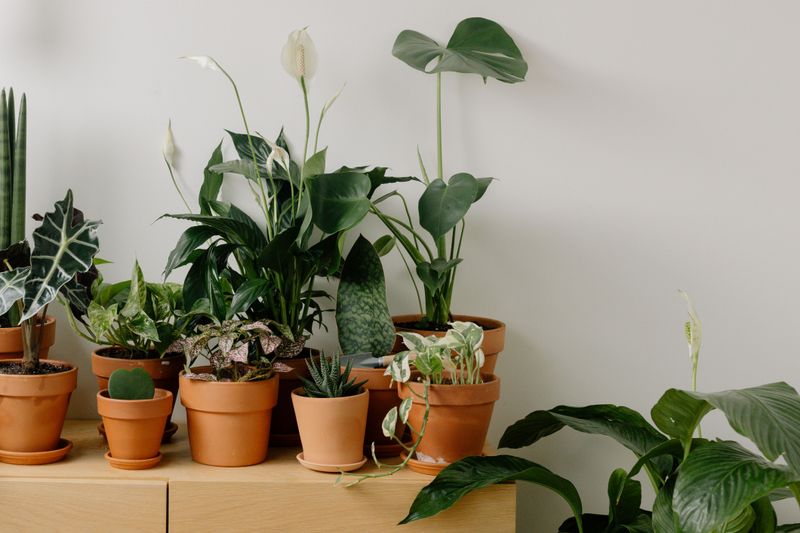
Every great jungle starts with a plant that forgives mistakes. Golden pothos tops my list because it shrugs off missed waterings, grows fast, and trails beautifully from a bookshelf.
Snake plants, now classified botanically as Dracaena, handle low light and dry spells like champs. The ZZ plant stores water in thick underground rhizomes, so it waits patiently while you’re away on vacation.
Heartleaf philodendron is another easy win. Its soft, heart-shaped leaves cascade nicely, and cuttings root in a glass of water within a few weeks.
Once you gain confidence, add a showpiece. Monstera deliciosa brings those split, holey leaves everyone recognizes, while a rubber plant offers glossy green or deep burgundy foliage on an upright stem.
Save the fussier divas for later. Fiddle-leaf figs drop leaves when moved or chilled, and calatheas sulk in dry air. One smart move is shopping at a local garden center instead of a big-box aisle in winter.
Plants that ride home in a freezing car can sustain cold damage within minutes, so ask staff to wrap them in paper or plastic sleeves for the trip. Starting with tough, healthy plants sets your jungle up to grow instead of struggle.
Tall Rubber Plants Below And Trailing Vines Above Create That Rainforest Depth
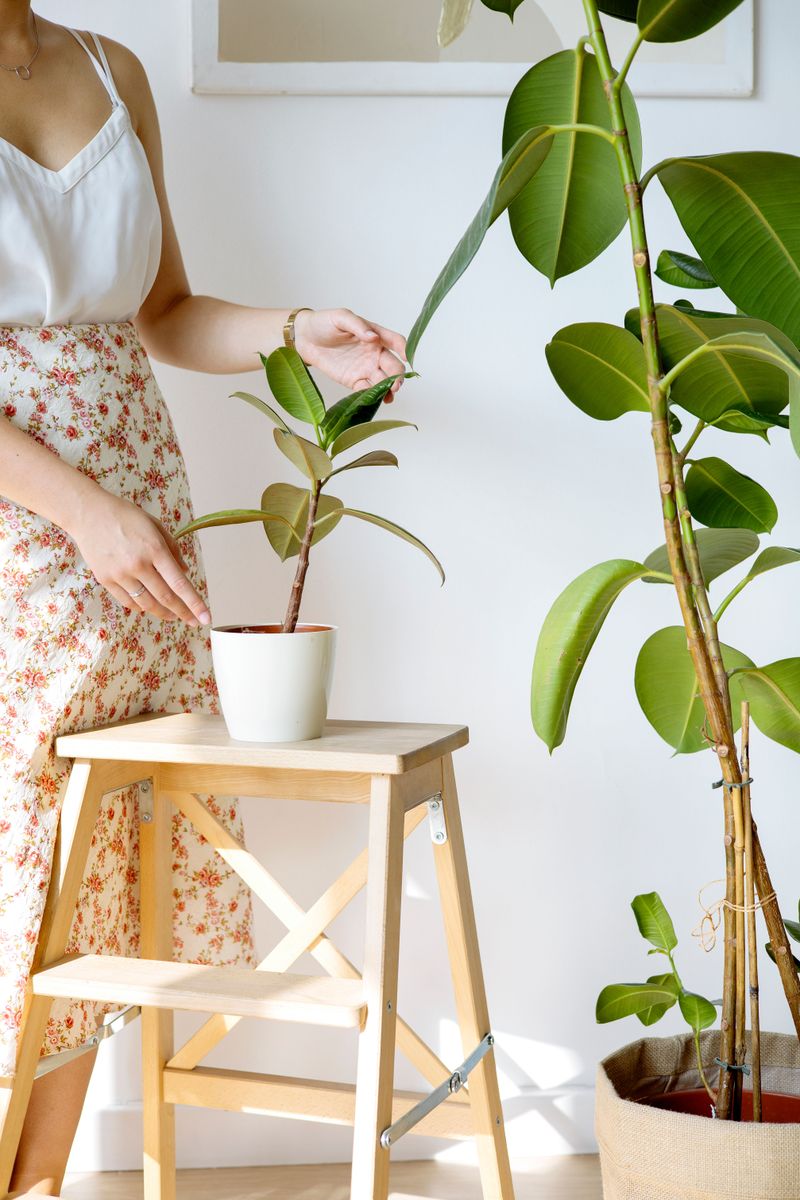
Designers borrow a simple trick from real rainforests, which grow in layers. Tall trees form a canopy, medium plants fill the middle, and vines and ferns spill around everything else.
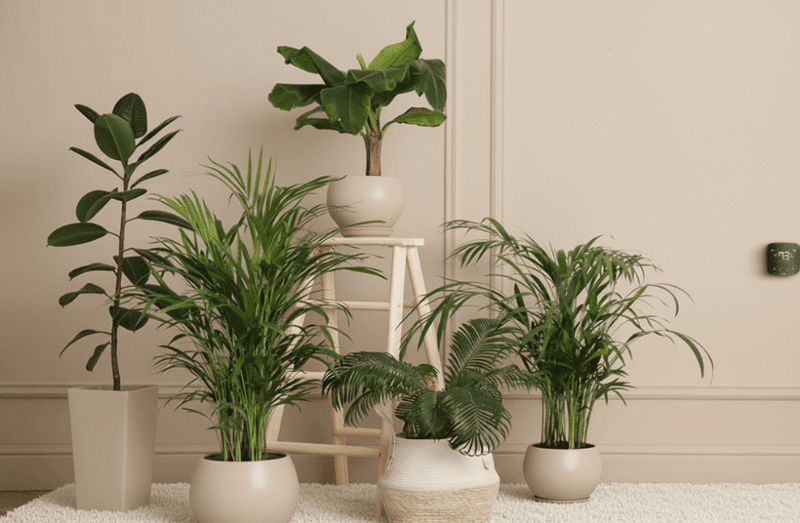
Indoors, I start with height. A rubber plant, a bird of paradise, or a tall dracaena anchors a corner and draws your eye upward.
Next comes the middle layer. Peace lilies, Chinese evergreens, and ZZ plants sit nicely on plant stands or low tables, filling gaps between the big guys and the floor.
Finally, go vertical with trailers. Pothos and philodendron vines look wonderful tumbling from a high shelf or a sturdy ceiling hook, and they soften hard edges around windows and bookcases.
Grouping pots also helps the plants themselves. Clustered leaves trap a little extra moisture around them, which many tropical species appreciate during dry winter months.
Mix leaf shapes and textures to keep the look interesting. Pair big, flat leaves with fine fern fronds or striped foliage so the room feels lush rather than cluttered.
Do check weight before hanging anything. A large, freshly watered basket can be surprisingly heavy, so screw hooks into a ceiling joist or use a properly rated anchor.
An East-Facing Window Is Prime Real Estate For Monsteras And Philodendrons
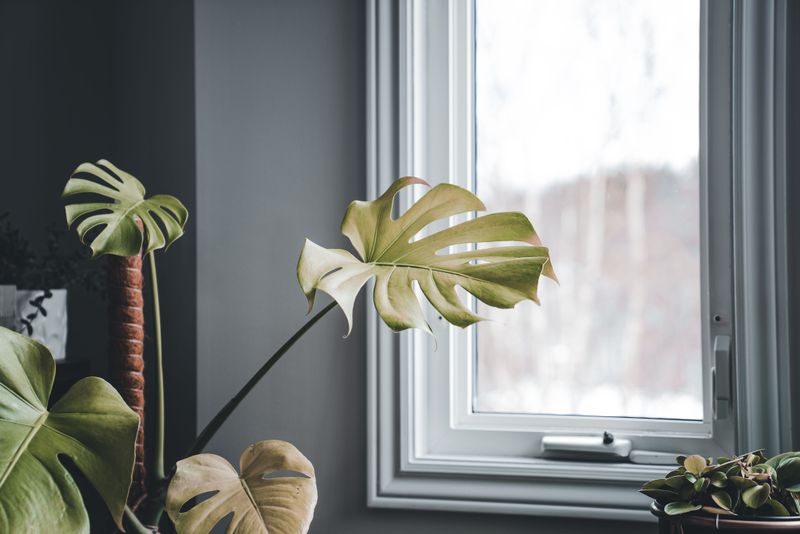
Light is the ingredient most living rooms run short on, especially from November through February. Winter days in New Jersey bring a little over nine hours of daylight around the solstice, and the sun sits low in the southern sky.
Most jungle favorites grew up under a forest canopy, so they like bright light that doesn’t scorch. An east-facing window delivers gentle morning sun that suits pothos, philodendrons, and monsteras well.
South and west windows get stronger rays. Set plants a few feet back or filter the light with a sheer curtain, especially in summer when afternoon sun can bleach leaves.
North windows work for low-light tolerators like snake plants and ZZ plants. Even these toughies grow slowly in dim corners, though, so don’t expect a jungle explosion there.
I added an inexpensive LED grow light to a dark bookshelf last winter, and the difference surprised me. New leaves came in bigger and closer together instead of stretching toward the window.
Watch for clues. Long, leggy stems and small new leaves mean a plant wants more light, while pale or crispy patches on the sunny side suggest too much. Rotating pots a quarter turn every week or two keeps growth even.
Crispy Calathea Edges Are Begging For More Humidity
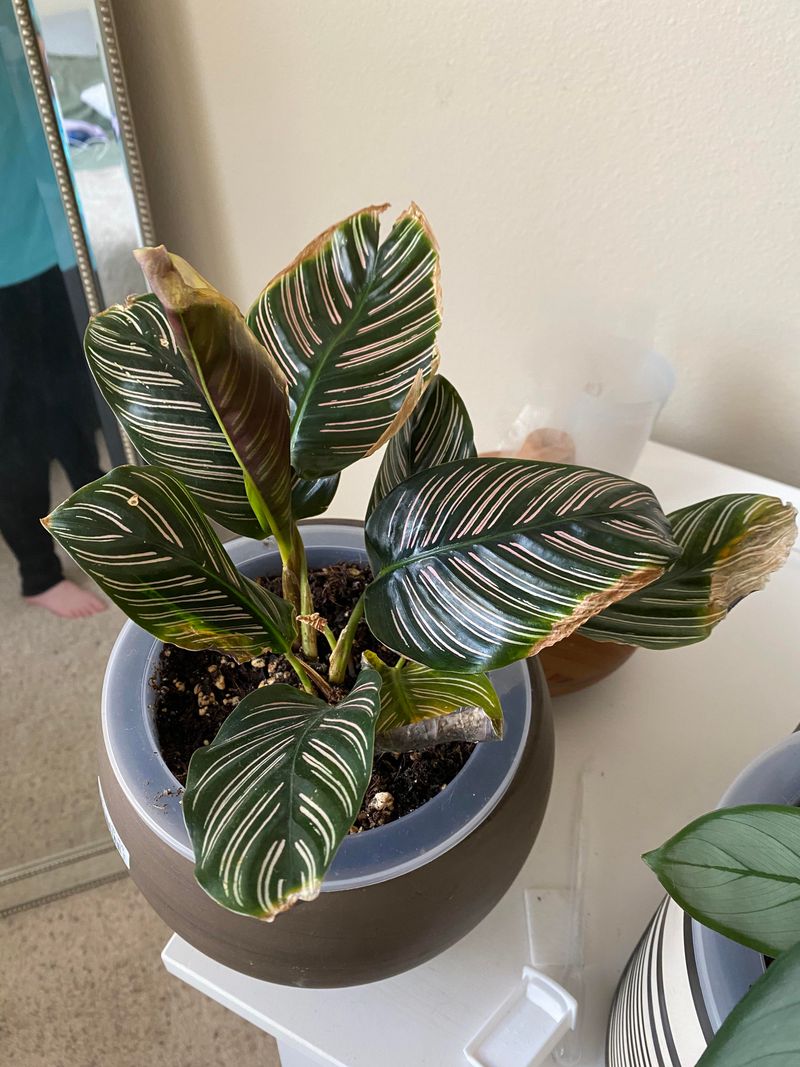
Run your fingers along a calathea leaf in January and you might feel crispy, brown edges. Forced-air heat and radiators can drop indoor humidity well below what rainforest plants prefer, sometimes to 30 percent or lower.
Many tropical houseplants are happiest somewhere around 40 to 60 percent humidity. A cheap digital hygrometer tells you exactly where your room stands, and I was startled the first time I saw mine.
A small humidifier is the most effective fix. Place it near your fussiest plants and clean it often to keep mold and mineral buildup in check.
Pebble trays help a little too. Fill a shallow tray with gravel and water, then set pots on top so the bottom sits above the waterline rather than soaking in it.
Misting gets plenty of attention online, but its effect fades within minutes. Wet leaves sitting in still air can even invite fungal spots, so I skip it. Keep plants away from heat sources.
A pot parked right next to a radiator, baseboard heater, or forced-air vent dries out fast, and so does one tucked against a frosty windowpane on a cold night. Moving a plant just a couple of feet can make a real difference.
Soggy Potting Soil And Fungus Gnats Usually Show Up Together
More houseplants struggle from too much water than too little, according to many university extension specialists. Roots need air as much as moisture, and soggy soil smothers them.
My rule is simple. Push a finger an inch or two into the soil, and water only when it feels dry at that depth, then soak the pot until water runs out the bottom.
Empty the saucer afterward. Pots without drainage holes are pretty, but they trap water, so use them as decorative covers around a plain plastic nursery pot.
Plants drink less in winter because they grow more slowly. A pothos that needed water weekly in July might go two weeks or longer in January.
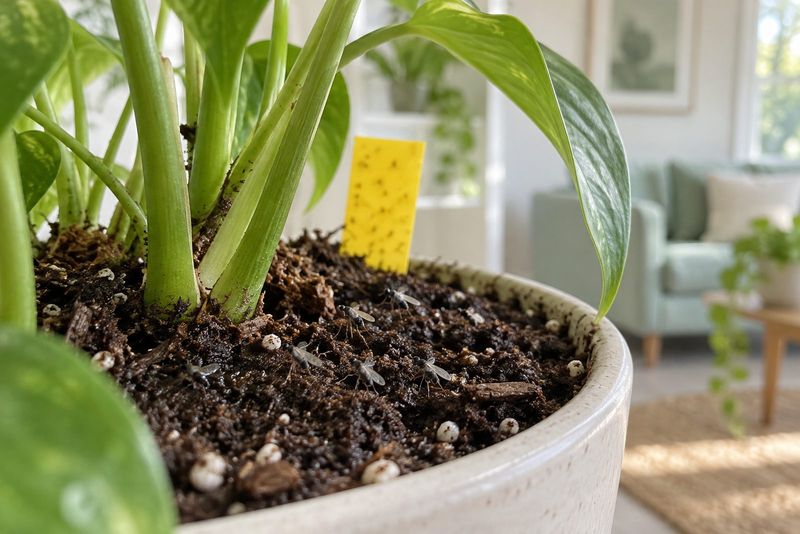
Tiny flies hovering over your pots? Those are probably fungus gnats, whose larvae feed in damp potting mix.
Letting the top layer dry out between waterings often breaks their cycle, and yellow sticky cards catch the adults.
Keep an eye out for spider mites and mealybugs too, especially on new arrivals. Fine webbing or white cottony clumps under leaves are the giveaways.
Isolate a new plant for a couple of weeks, inspect leaf undersides, and wipe off pests early before they spread through your whole jungle.
Check Which Leaves Your Cat Chews Before Your Jungle Grows Bigger
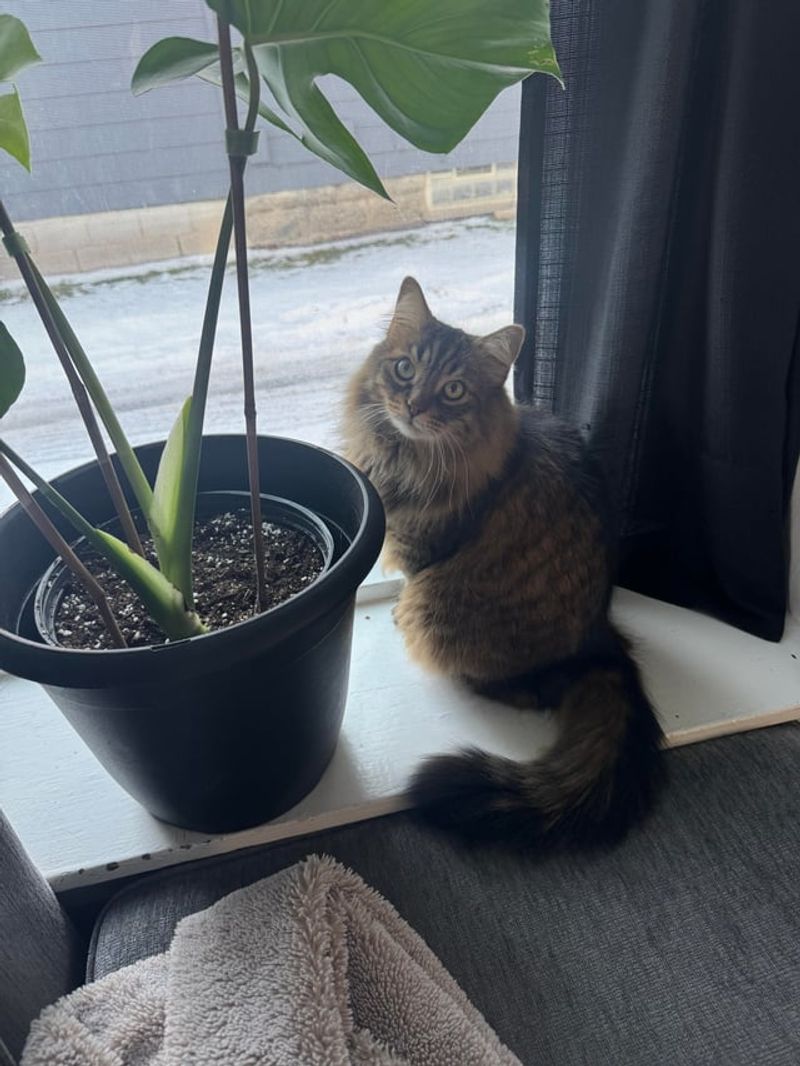
Before your jungle grows any bigger, take a quick look at who else lives with you. Cats and dogs love to chew leaves, and several trendy plants contain irritating compounds.
Pothos, philodendron, monstera, and peace lily hold calcium oxalate crystals that can cause mouth irritation, drooling, and vomiting in pets. The ASPCA keeps a free online list of toxic and nontoxic plants, and I check it before every purchase now.
Pet-friendly picks include spider plants, Boston ferns, parlor palms, calatheas, and peperomias. True lilies can cause kidney failure in cats, so skip them in homes with felines.
Warmer months bring another opportunity. Many houseplants enjoy a summer vacation on a shaded porch once nights stay above about 55 degrees, which usually means late May or early June across New Jersey.
Ease them outside gradually over a week or so to prevent sunburn. Bring them back in before early fall nights dip into the 50s, and check for hitchhiking insects first.
Start small, learn what thrives in your light, and add plants as your confidence grows. A living room jungle builds itself one healthy pot at a time, and the joy comes from watching each new leaf unfurl.