When to Pick Citrus in Florida: 9 Signs Your Oranges, Tangerines and Lemons Are Ripe
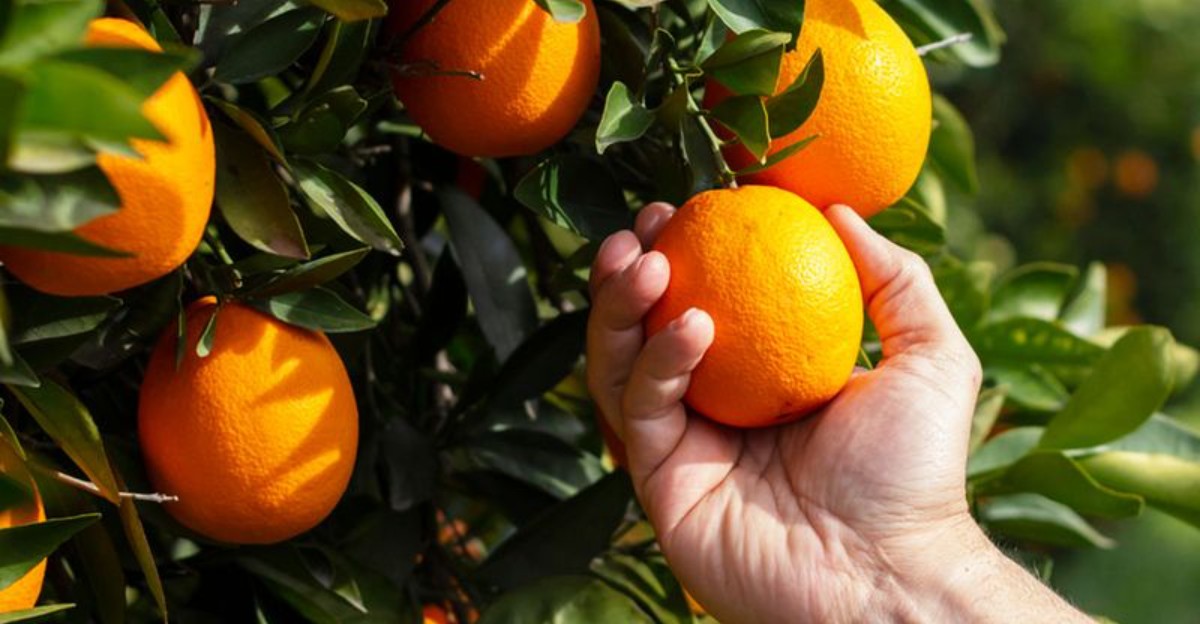
A perfectly sweet orange can still wear a green coat on the tree in Florida. Warm nights simply keep the rind from fading, even when the juice inside is ready to enjoy.
Unlike bananas or avocados, this fruit stops getting sweeter once you pull it from the branch. Every bit of sugar must build while the fruit hangs in the sunshine, waiting for you.
I’ll take the blame for once picking a whole bowl of bright fruit that tasted like sour lemonade. You might notice the same trap in your own yard, especially after a mild Florida winter.
Knowing the right moment to reach up and twist one free takes more than a quick glance at the color. The clues are hiding in plain sight, and some of them might surprise even seasoned growers.
1. One Sample Fruit Tells You Everything With A Taste Test
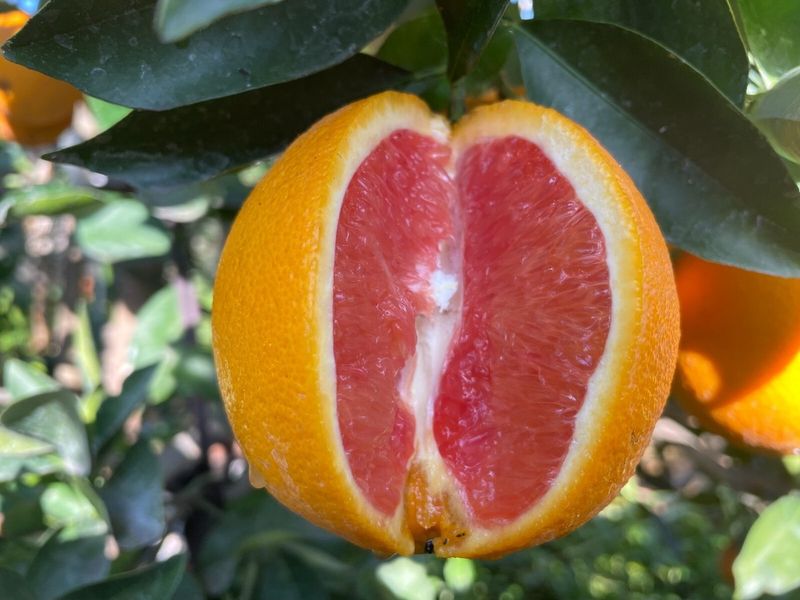
My favorite ripeness tool costs nothing, and it usually sits right in your kitchen drawer as a paring knife. University of Florida experts agree that tasting a sample fruit beats every other clue for home growers.
Pick one promising fruit from the sunny side of the tree, then slice it open on the spot. Sweet juice with a pleasant tang means the rest of that variety is probably ready to harvest soon.
A sharp, sour bite tells you to wait another week or two before trying again with fresh fruit. Citrus does not ripen after picking, so patience on the branch pays off with better flavor later.
Oranges should taste rich and balanced, with enough sugar to soften their natural acid in every single bite. Tangerines often lean sweeter, and many people love their bright, almost candy-like flavor when they are fully mature.
Lemons are tart by nature, so judge them by juiciness and fragrance rather than sweetness at harvest time. Meyer lemons taste milder and slightly sweet, which makes them a favorite for backyard growers across warm regions.
I like to taste fruit from different branches, because sun exposure can change sweetness quite a bit on one tree. Keep notes on dates and flavors, and you will learn your own tree’s rhythm within a season or two.
2. Green Patches On Ripe Oranges Can Still Mean Sweet Juice
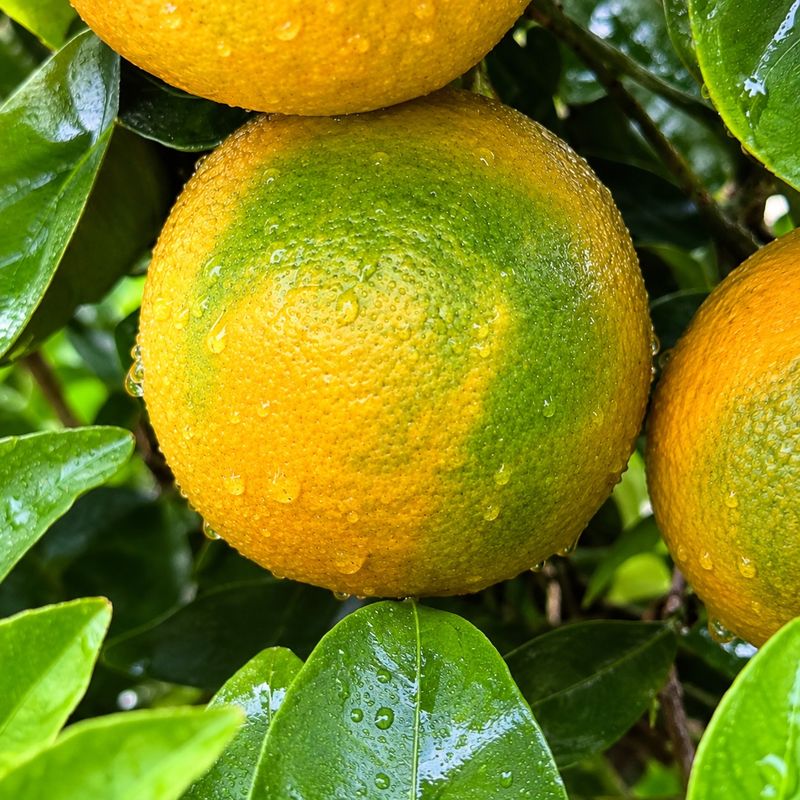
Some of the sweetest oranges I have ever tasted looked half green when I pulled them from the tree. Color is one of the least reliable ripeness signs in warm climates, which surprises plenty of new growers.
Orange color develops when cool nights break down green chlorophyll in the peel and reveal bright pigments underneath. Mild Florida winters often lack enough chilly nights, so ripe fruit can keep green or yellow patches.
Valencia oranges are famous for this trick, since they sometimes turn green again while hanging on the tree in spring. Experts call this regreening, and it rarely affects the juice quality inside those fruits.
Commercial packers sometimes use a process called degreening to give store fruit an even orange shade before shipping. Your backyard fruit skips that step, so its natural blotchy look is perfectly normal for homegrown citrus.
Tangerines may show a deep orange blush earlier, yet bright color can still appear weeks before the sugar arrives. Lemons can stay yellowish green while fully juicy, and many cooks happily use them at that stage.
You need to treat color as a hint rather than a final answer in your yard. Pair it with a quick taste test, and you will avoid the classic mistake of picking pretty but sour fruit.
3. Heavy Tangerines In Your Hand Signal Plenty Of Juice
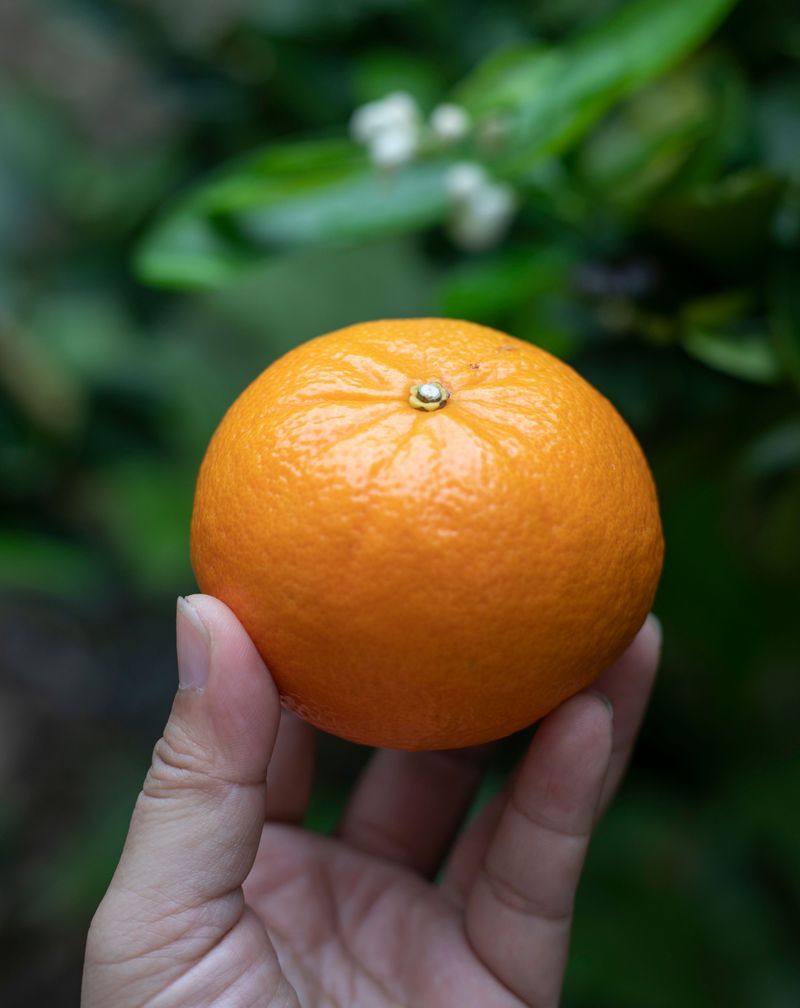
Grocery store shoppers have used this trick for years, and it works just as well in your own backyard grove. A ripe citrus fruit feels heavier than you expect, almost like it is packed with water.
That extra heft comes from juice filling the tiny sacs inside each segment as the fruit matures on the branch. Underripe fruit often feels light or a little hollow, because those juice sacs have not fully filled yet.
I like to pick two fruits of similar size and hold one in each hand for a quick comparison. The heavier one usually wins on juiciness, and that small test takes only a few seconds of your time.
Tangerines respond especially well to this check, since their loose peel can hide how much juice sits underneath. A plump, weighty tangerine typically peels easily and rewards you with tender, sweet segments ready for snacking.
Lemons follow the same idea, and a dense lemon usually gives far more juice for recipes than a light one. Oranges with real weight often make the best fresh juice, which matters if you love squeezing breakfast glasses.
Remember that weight works best alongside other clues, not as your only guide for harvest decisions. Dry weather can reduce juice, so steady watering during fruit development helps your crop gain that satisfying heft.
4. A Gentle Thumb Squeeze Reveals Ripe Lemon Firmness
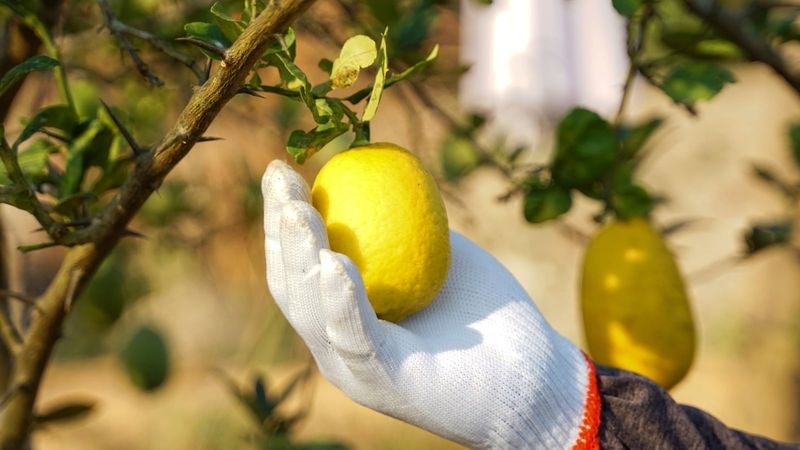
Your thumb is a surprisingly smart harvest tool once you learn what ripe citrus should feel like. Mature fruit stays firm, yet it gives just slightly under gentle pressure and then springs right back.
Immature fruit usually feels rock hard, with a stiff peel that does not budge at all when pressed. That tight feeling often matches a sour taste, so leave those fruits hanging a little longer on the tree.
On the other end, soft or spongy spots suggest the fruit is overripe or starting to break down. Mushy citrus can also attract fruit flies and fungus, so remove those fruits promptly and toss them away.
Lemons are my favorite fruit for this test, since their smooth peel shows a clear difference between stages. A ripe lemon feels slightly springy, while an older one may feel loose or puffy under your fingers.
Oranges should feel solid with a faint give, much like a well-filled water balloon wrapped in leather. Tangerines often feel softer overall because their peel is looser, so press gently to avoid bruising the delicate fruit.
Personally, I check firmness right after the taste test confirms a batch is ready. That quick squeeze helps me skip fruit that has lingered too long, and the bowl stays full of good picks.
5. Scratch The Orange Peel And Sniff The Citrus Scent
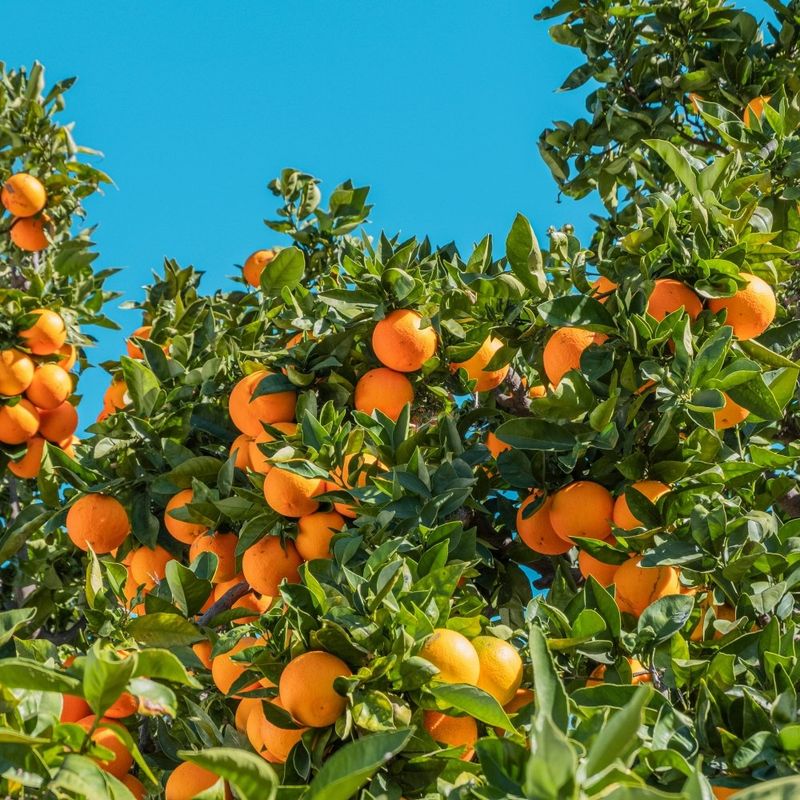
Few garden chores smell as wonderful as walking through citrus trees on a warm morning after a light rain. Ripe fruit often gives off a sweet, strong aroma, and your nose can pick it up before your eyes.
Gently scratch the peel near the stem with a fingernail to release the fragrant oils stored in the rind. Those tiny oil glands burst open, and a ripe fruit usually answers with a rich, bright scent.
Underripe citrus tends to smell faint, grassy, or barely noticeable even after you scratch the peel well. I love how this test feels almost like a secret handshake between a gardener and the tree.
Oranges usually release a sweet, warm scent that reminds me of fresh juice poured at the breakfast table. Tangerines often smell slightly spicy and floral, which makes sense given how fragrant their peel oil can be.
Lemons give off a sharp, zesty burst that clears your head on a sleepy morning in the garden. Meyer lemons smell softer and more floral, a hint of their mixed heritage with mandarin type ancestors.
Remember that aroma helps confirm ripeness, though it works best combined with weight and a taste test. Try sniffing a store fruit beside your own, and you will quickly train your nose to notice differences.
6. Ripe Tangerines Twist Off The Branch With Ease
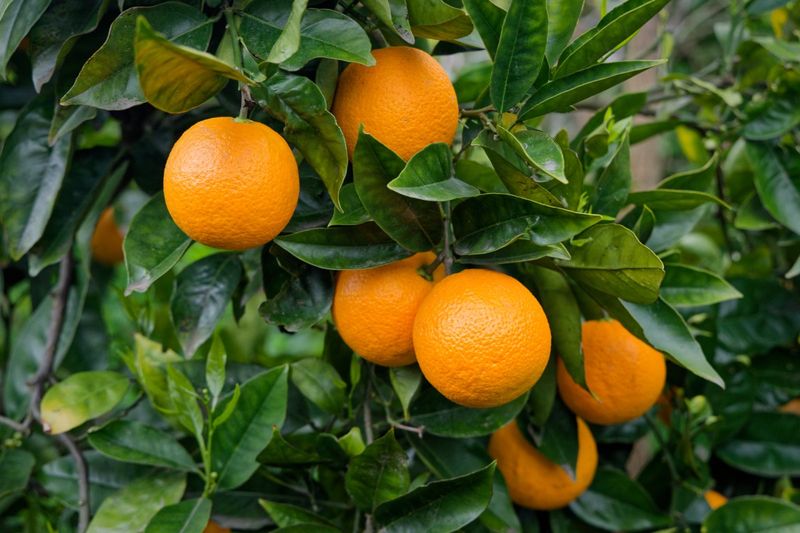
Some fruit practically hops into your hand, and ripe tangerines are famous for that cooperative little twist. A gentle turn and lift often frees mature fruit, while stubborn fruit is usually telling you to wait.
Tangerines and many mandarins form a weaker connection at the stem as they mature on the tree. That change makes harvest easier, though their thin peel can tear if you yank too hard or too fast.
I like to cup the fruit in my palm, twist slightly, and then tilt it upward toward the branch. If it resists, I grab clean hand pruners and snip the stem close to the fruit instead.
Cutting rather than pulling protects the peel from tearing, which helps the fruit store longer in your refrigerator. Torn peels near the stem invite mold quickly, so careful clipping keeps your harvest looking fresh and tasty.
Oranges and lemons often hold on more firmly, so this sign is less reliable for those larger fruits. Many growers clip every lemon and orange, which keeps the button at the stem end intact for better storage.
Trim stems short after harvest, because a long stem can poke neighboring fruit in your basket or bag. A small detail like that makes picking day smoother and keeps every fruit looking good for sharing.
7. Smooth Glossy Orange Skin Shows Maturing Fruit
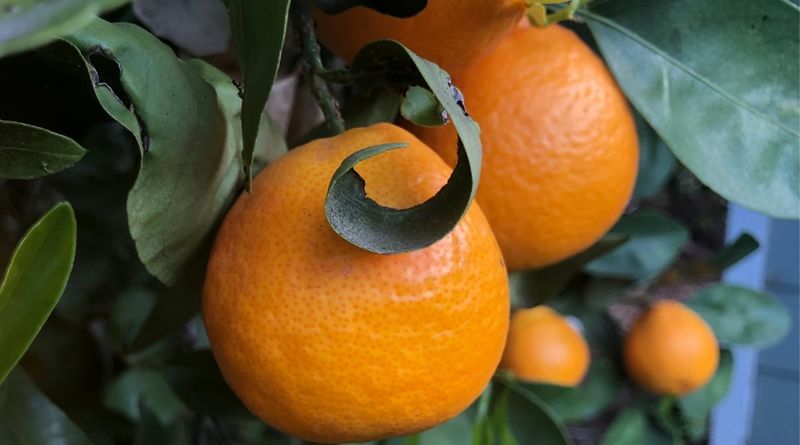
Run your fingers over a young orange and then a mature one, and you will feel a clear difference. Young fruit often has a rougher, pebbly rind, while mature fruit usually feels smoother with a soft sheen.
As the fruit fills with juice, the peel stretches a bit and often becomes thinner across the surface. That glossy look under sunlight is one of my favorite sights during a cool winter morning in the yard.
Peel texture also varies by variety, so compare fruit on the same tree rather than against store oranges. Navel oranges naturally carry a thicker, bumpier rind, while Valencias and Hamlins often feel smoother when mature.
Watch out for wrinkled, shriveled, or puffy skin, since those changes can point to fruit that has hung too long. Overly puffy tangerines may feel loose and dry inside, which is disappointing after months of careful waiting.
Thick rinds can also come from heavy nitrogen feeding, so balanced fertilizer helps produce better quality fruit. Florida extension specialists recommend citrus fertilizers with micronutrients, applied according to label directions and tree age.
I have to admit, skin texture is a quieter clue than taste or smell for most home growers. Still, it adds useful confidence when you are deciding between two fruits that look nearly identical on a branch.
8. Full Sized Lemons Hanging Heavy On The Tree
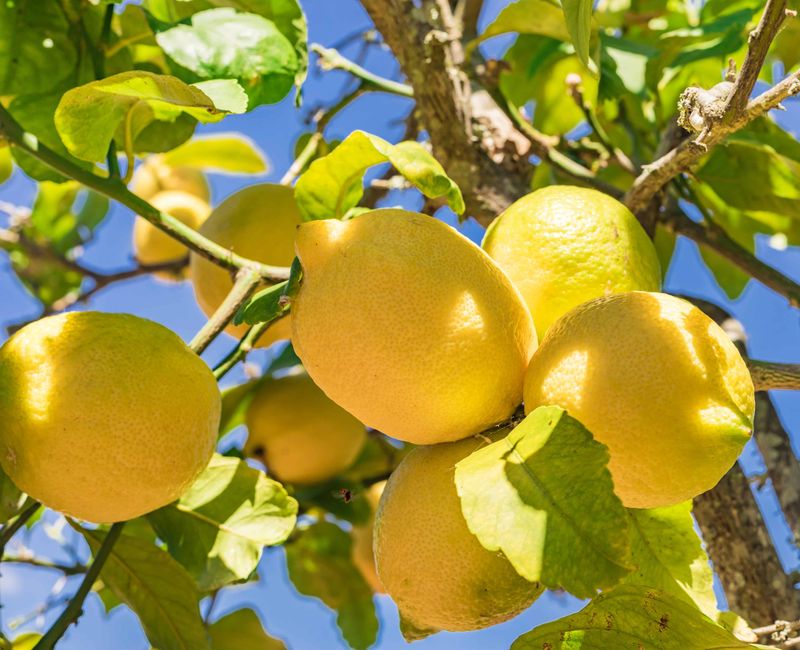
Size feels like the most obvious clue, yet citrus loves to fool gardeners with big fruit that still tastes sour. Most fruit reaches nearly full size well before the sugar and acid settle into a pleasing balance.
That means size tells you the fruit has grown long enough, but not always that the flavor is ready. Treat it like a first checkpoint, then move on to tasting and squeezing before you start a full harvest.
Lemons typically reach about two to three inches across when mature, depending on variety and growing conditions. Meyer lemons often look rounder, and their thin peel turns a deep yellow as they reach eating quality.
Oranges and tangerines vary widely by variety, so learn the normal size listed on your nursery tag. A small tangerine like a Honey or Murcott can be perfectly ripe while still looking smaller than a navel.
Heavy crops sometimes produce smaller fruit, because the tree shares its energy among many developing fruits. Thinning tiny fruit early in the season can help remaining fruit grow larger, though it is optional for most home trees.
Personally, I write down the date my lemons hit full size each year to track their timing. That simple note helps me plan the first taste test, and it makes the next season far less guesswork.
9. Navel And Valencia Oranges Follow A Seasonal Calendar
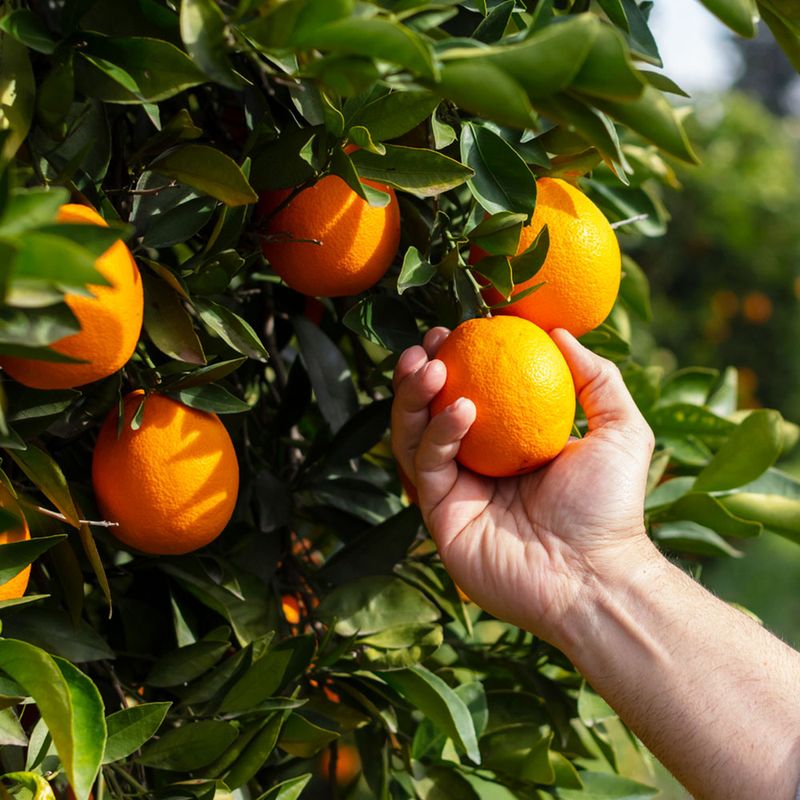
Citrus trees keep a surprisingly reliable calendar, and knowing it saves you from tasting sour fruit too early. Each variety has a typical harvest window, which gives you a smart starting point for checking flavor.
Satsumas often ripen first, sometimes starting in October and running through December in many home gardens. Navel oranges usually follow from about November into January, bringing easy peeling fruit just in time for holidays.
Hamlin oranges are early juice oranges, typically ready from October through January in many parts of the state. Valencias ripen much later, often from March into June, which means a long wait but a sweet reward.
Many tangerines, including Sunburst and Dancy, tend to ripen in late fall and early winter months. Honey tangerines, also called Murcotts, usually arrive later, often from January into March across Florida growing areas.
Lemons are wonderfully flexible, since many trees bloom several times and produce fruit across much of the year. You can often harvest lemons as needed, letting extras hang on the tree for a while without much trouble.
Local weather can shift these windows a few weeks, especially between north and south parts of the state. Use the calendar as a guide, then let your taste buds make the final call on picking day.