This Sparrow Flies To Pennsylvania To Spend The Winter In Your Brush Pile
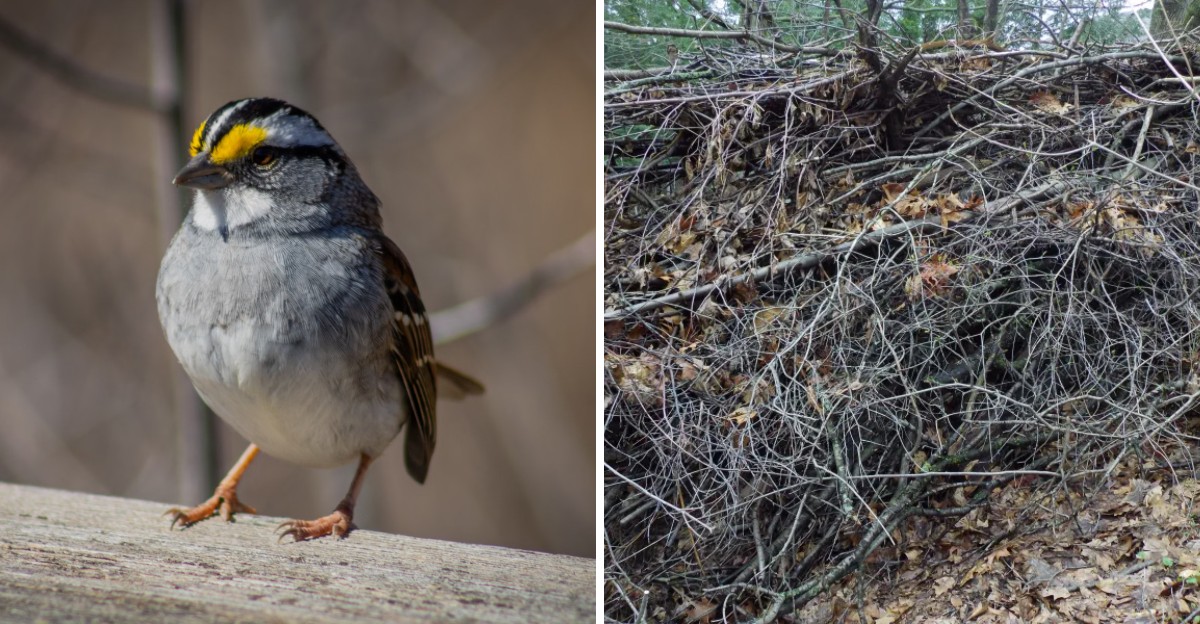
A little bird that weighs about as much as five quarters can fly over a thousand miles each fall. Then it lands in a pile of sticks behind somebody’s shed and calls it home for months.
I used to think winter yards went quiet after the leaves dropped. To my surprise, mine got busier. A tiny guest with a striped head started scratching under my tangled branches every single morning.
This traveler leaves the spruce forests of Canada and settles across Pennsylvania until spring. It sings a sweet, whistled tune that some people hear as a little phrase about Canada. You may have heard it on a gray November day without knowing who was singing.
The best part? You can make your yard its favorite stop with almost no work at all. So who is this hopping visitor hiding in your sticks?
A Striped Little Bird Shows Up When The Leaves Start Falling
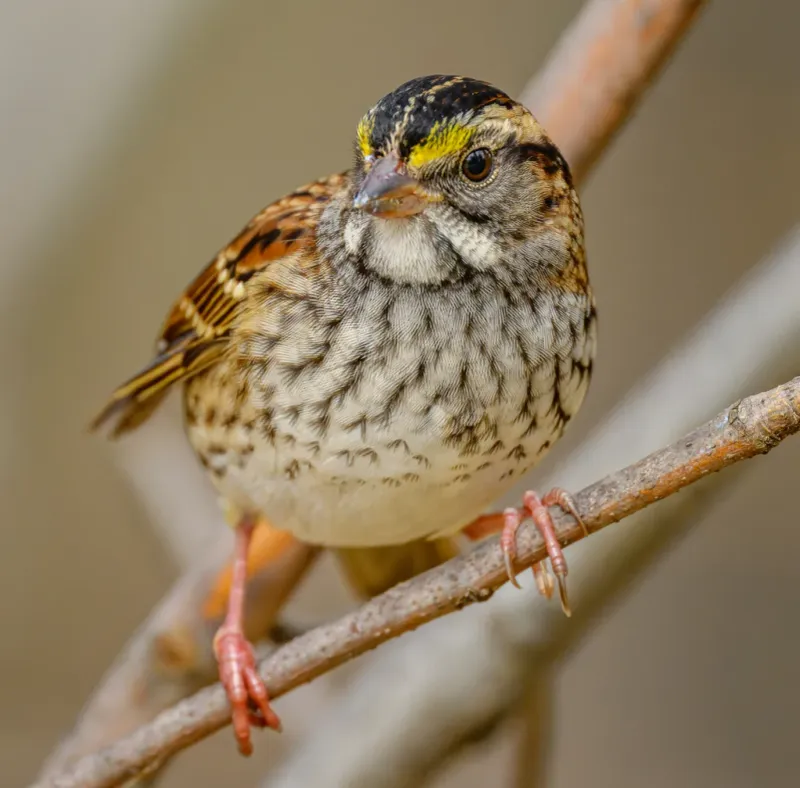
October is when the whistling starts in many Pennsylvania backyards. The singer is the white-throated sparrow, a chunky brown bird with a crisp white throat patch and a striped head.
Look closely and you will spot a small splash of yellow between the eye and the beak. Birders call that spot the lore, and it makes this sparrow easy to pick out from its plainer cousins.
Head stripes come in two forms. Some birds wear bold white stripes, while others have tan stripes.
According to the Cornell Lab of Ornithology, these are two genetic types, not males and females, and each type tends to pair with the opposite one.
Most of these birds nest in the forests of Canada and the far northern United States. A few breed in high, cool spots in northern Pennsylvania, but the big wave arrives in fall.
Once they land, many stay put until April or early May. That means you get roughly six months of company from one tiny species.
Listen for their song on mild winter mornings. It sounds like a slow, clear whistle, often written as Oh sweet Canada, Canada, Canada. Once you learn it, you will hear it everywhere.
That Messy Brush Pile Is Prime Sparrow Real Estate
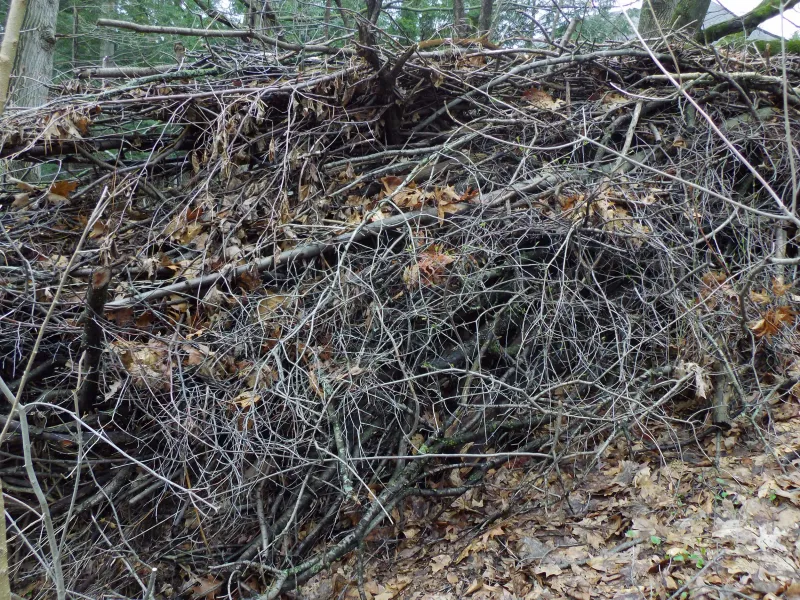
Nobody told me my lazy pile of pruned branches was the hottest address on the block. White-throated sparrows love thick, tangled cover, and a brush pile gives them exactly that.
Inside those crossing sticks, the wind slows down. Snow often sits on top like a roof, and the pockets underneath stay a bit calmer and more protected from harsh weather.
Safety matters even more than comfort. Cooper’s hawks and sharp-shinned hawks hunt small birds all winter, and outdoor cats prowl yards too.
A sparrow that can dart into a jumble of branches in one second has a much better chance of staying safe.
These birds rarely wander far from cover. They feed in the open only when a hiding spot sits close by, usually within a few quick hops.
So that pile of sticks is not just yard clutter. It works like a shelter, a lookout, and an escape hatch all rolled into one.
If you already have one, leave it alone until spring. If you don’t, you can build one in an afternoon with branches you probably already have lying around after fall cleanup.
Building A Bird-Friendly Brush Pile Takes One Afternoon
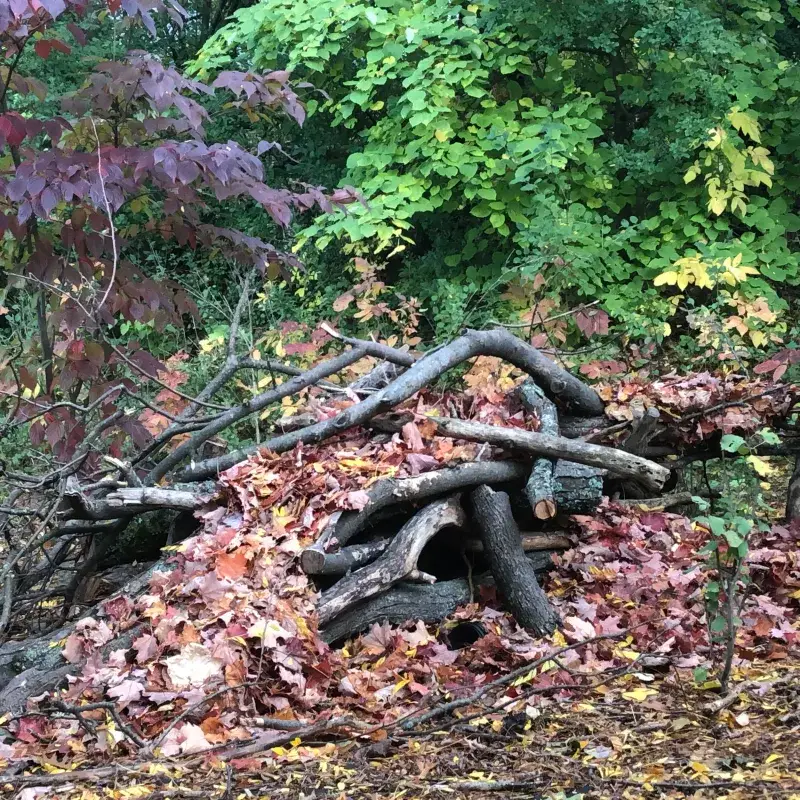
Grab your gloves and a few armloads of branches. A good brush pile is simple, but a little planning makes it far more useful to birds.
Start with a base of thick logs or larger limbs laid in a crisscross pattern. This creates open tunnels at ground level where sparrows can slip in and out.
Next, pile medium branches on top, then finish with smaller twigs and evergreen boughs. Old Christmas trees work great for this top layer, since the needles add extra cover.
Aim for a pile around five feet wide and three or four feet tall. Bigger is fine if you have room.
Location matters too. Place it near shrubs, a hedge, or the edge of a wooded area rather than in the middle of an open lawn. Keep it away from your house to avoid giving mice a shortcut indoors.
A spot you can see from a window is a bonus. You get a front row seat to all the hopping and scratching.
Check with your township or HOA if you live in a tightly managed neighborhood. A tidy, well-shaped pile near a back fence rarely causes trouble with neighbors.
Watch For That Funny Double-Footed Sparrow Scratch
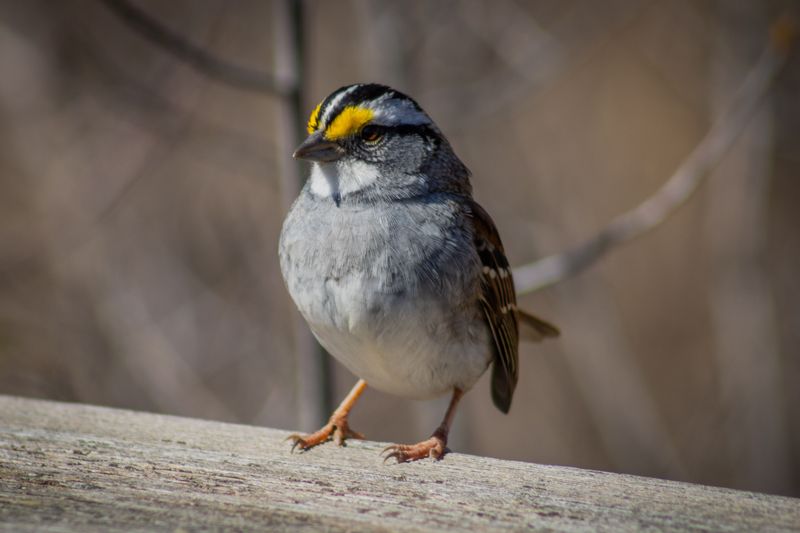
Once you notice this move, you will not be able to stop watching it. White-throated sparrows forage by hopping forward, then kicking both feet backward at the same time.
That quick kick flips leaves out of the way. The bird then hops forward and grabs whatever it uncovered, often a seed or a small insect.
The rustling sound can be surprisingly loud. More than once I have expected a squirrel and found a single sparrow tossing leaves around like a tiny rake.
In winter, their diet leans heavily on seeds from grasses and weeds, along with berries and fruits from plants like dogwood, sumac, and wild grape. Insects and spiders become more important in spring.
Leaf litter is basically their pantry. Overwintering bugs, fallen seeds, and bits of fruit hide in that brown layer.
Here is a practical tip. Rake leaves off your lawn if you need to, but sweep them under shrubs or around your brush pile instead of bagging them.
You save time, protect plant roots, and give the sparrows a fresh place to scratch. Your flower beds will thank you too, since leaves break down into rich soil over time.
Scatter Seeds On The Ground Below Your Bird Feeder
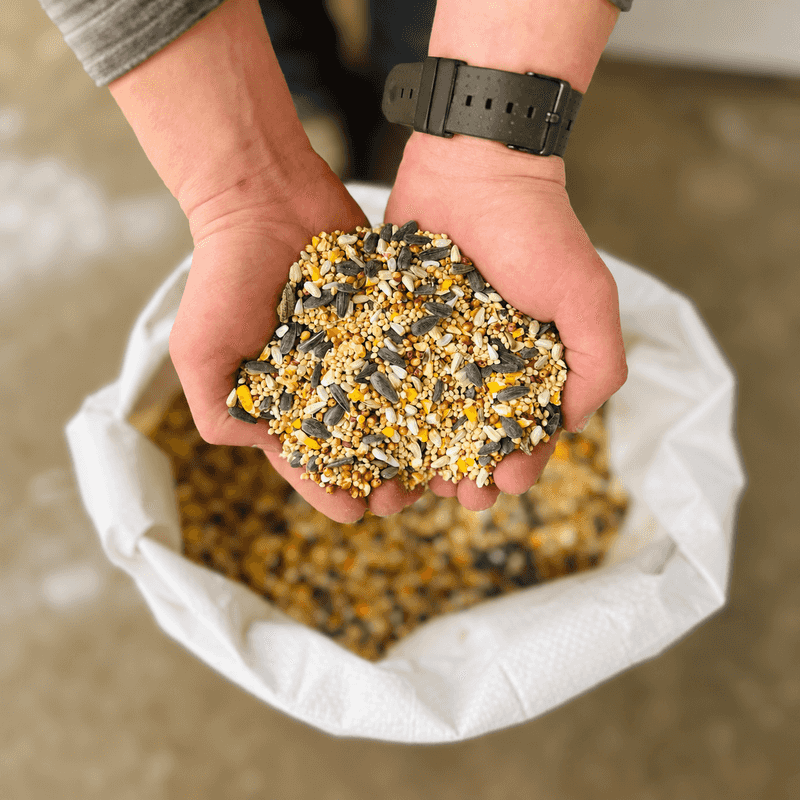
Ground feeding is the secret handshake with this sparrow. White-throated sparrows sometimes visit hanging feeders, but they much prefer picking food off the ground.
White proso millet is a top choice. Cracked corn, sunflower chips, and black-oil sunflower seeds also draw them in, especially when spilled below a feeder.
A low platform feeder works nicely too. It keeps seeds off soggy ground and makes cleanup easier.
Spread seeds near cover, not in the open middle of your yard. A spot within ten or fifteen feet of a shrub or brush pile feels safer to a nervous little bird.
Keep things clean. Rake up old, moldy seed and move your feeding area a few feet every couple of weeks. The Pennsylvania Game Commission sometimes asks residents to pause feeders during bird disease outbreaks, so stay tuned to their updates.
Fresh water helps a lot during freezing spells. A heated birdbath gives sparrows a place to drink when every puddle turns to ice.
Skip bread and kitchen scraps. They fill birds up without giving them the fat and nutrition needed to stay warm through long, cold Pennsylvania nights.
Juncos And Sparrows Make A Cozy Winter Crew
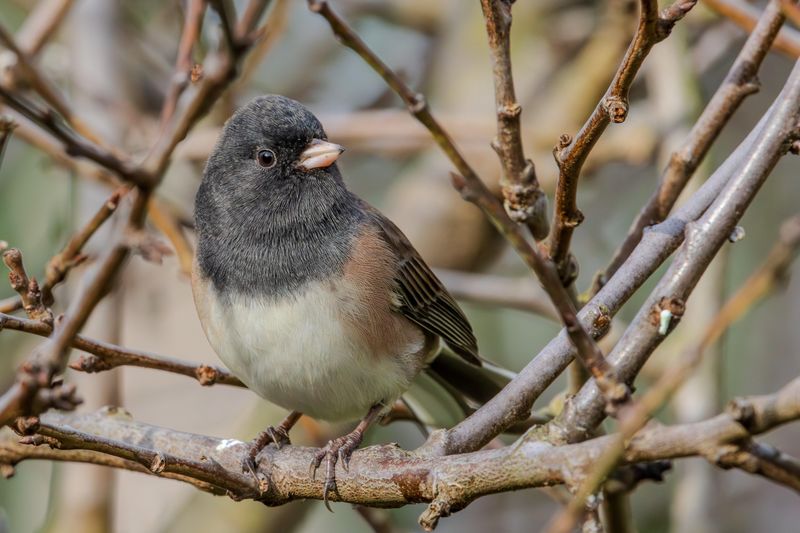
Winter turns these sparrows into social butterflies. Instead of defending territories like they do in summer, they gather in loose flocks of a dozen or more.
You will often spot them mixing with dark-eyed juncos, the slate-gray birds with white bellies that also flood in from the north each fall. Song sparrows, cardinals, and tree sparrows sometimes join the party too.
More eyes mean more warnings. When one bird spots a hawk, it gives a sharp call, and the whole group scatters into cover at once.
Flocks also tend to keep a pecking order. Researchers have found that older birds and the white-striped birds often act a little bossier at food spots.
Many winter flocks return to the same small area day after day. Some banded birds even come back to the same yards winter after winter, which makes me smile every October.
Learning their calls adds to the fun. Listen for a thin, high seet note, used as a contact call while they feed.
Grab a notebook and count your flock. Sharing that count with Project FeederWatch or the Great Backyard Bird Count helps scientists track bird populations.
Leave Seed Heads And Native Shrubs Standing Until Spring
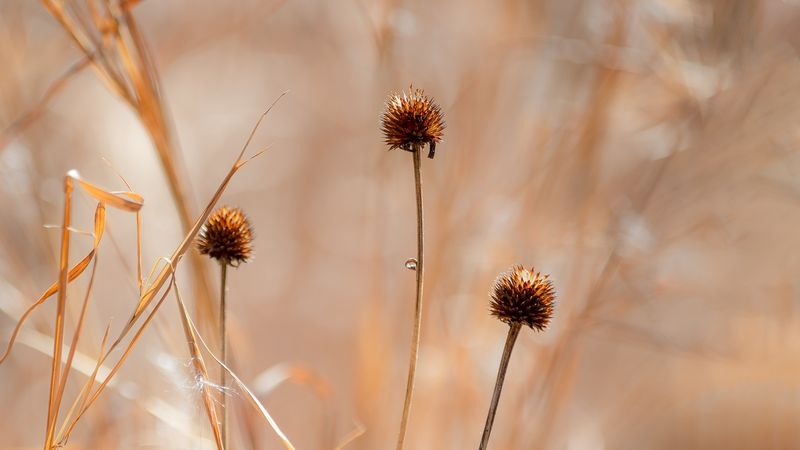
Personally, I have made peace with a slightly scruffy winter garden. Those brown stalks are some of the best bird feeders you will ever own.
Coneflowers, black-eyed Susans, goldenrod, asters, and native grasses like little bluestem hold seeds well into winter. Sparrows pick them straight from the stalks or from the ground below.
Native shrubs add both food and shelter. Gray dogwood, arrowwood viburnum, winterberry holly, and elderberry all grow well across Pennsylvania and offer fruits that birds love.
Plan new plantings for spring or fall, when cooler weather helps roots settle in. Look for local native plant sales through conservation districts or Penn State Extension Master Gardener events.
Avoid invasive shrubs like burning bush, Japanese barberry, and bush honeysuckle. They spread quickly into forests and crowd out the native plants wildlife depends on.
Wait to cut back stalks until temperatures stay above about 50 degrees in spring. Many helpful insects spend the winter tucked inside hollow stems.
Put it all together, and you have a brush pile, standing seed heads, leafy beds, and native shrubs. That simple combo can turn your yard into a winter retreat that sparrows return to year after year.