8 Ways To Get Rid Of Fungus Gnats In Georgia Homes
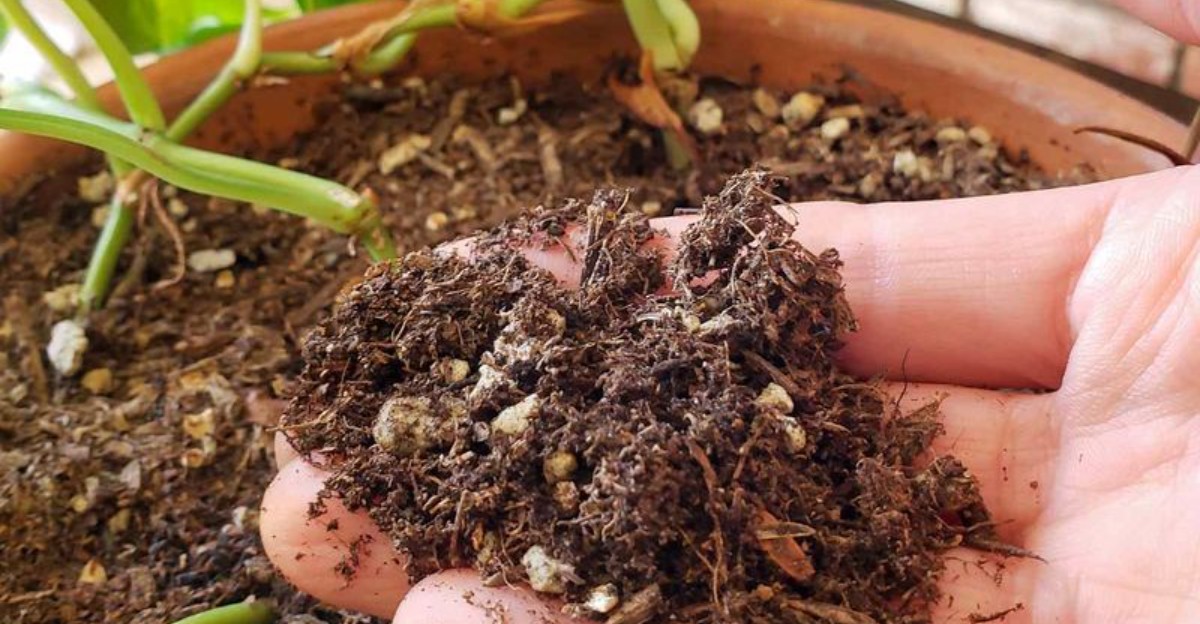
Somewhere in your favorite houseplant pot, tiny larvae with shiny black heads and clear bodies may be snacking right now.
They mostly eat fungi and decaying organic matter, but heavy numbers can chew tender roots of seedlings and cuttings.
Their parents are weak fliers that zigzag around windows, often mistaken for fruit flies by busy Georgia plant lovers. One female can lay well over a hundred eggs in damp potting mix, and the cycle repeats quickly indoors.
I have to admit my own pothos once hosted a cloud of them after I watered too generously. You might notice them most in winter, when homes stay closed up and potting soil dries slowly.
I prefer simple fixes that work with the bug’s life cycle instead of heavy sprays around my plants.
Some popular remedies barely make a difference, while others can interrupt the cycle before those tiny flies take over your windowsills.
1. Let Thirsty Potting Soil Dry Between Waterings
My watering can used to be the biggest gnat sponsor in my house, and I did not even realize it.
Females hunt for moist soil rich in organic matter, and the top inch of a soggy pot suits them perfectly.
Letting that top inch or two dry out makes the surface far less inviting for egg laying. Many larvae also struggle in dry soil, so this single habit can shrink the next generation quickly.
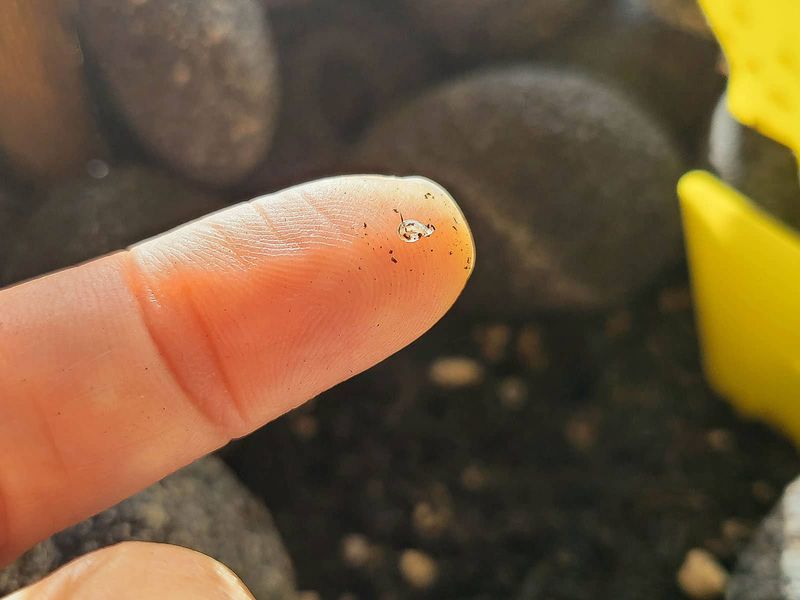
Before watering, push a finger into the mix up to the second knuckle and feel for moisture. If it still feels cool and damp, wait another day or two and check again before pouring.
Bottom watering helps too, because plants sip from a saucer while the surface stays drier than with top watering.
Just empty leftover water after about thirty minutes, since standing water in saucers can attract gnats as well.
Every few weeks, water from the top until it drains, which rinses out mineral salts that build up over time. Pots with drainage holes make this easy, and they keep roots from sitting in a soggy, airless puddle.
Winter matters here, because many houseplants grow slowly in short days and need much less water than in summer. Humid Georgia summers can slow drying as well, so a small fan nearby helps the surface lose moisture faster.
I like how this fix costs nothing and quietly improves root health at the same time.
2. Bright Yellow Sticky Traps Catch Flying Adults
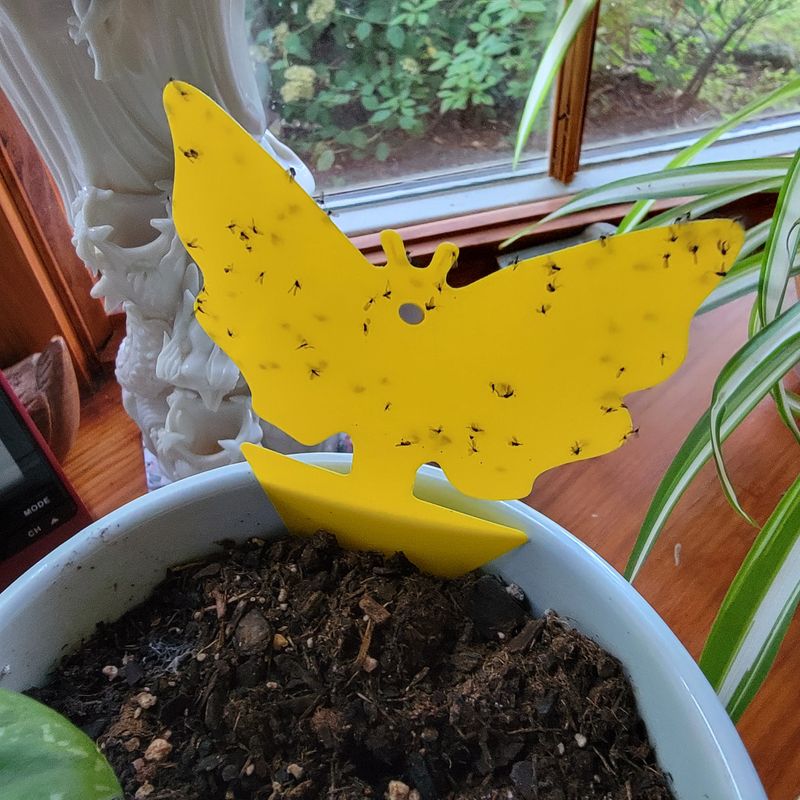
Adult gnats seem to love the color yellow, and a sticky card can turn that crush into their downfall. I still remember the first trap I tucked into a fern, speckled with tiny black bodies within two days.
Cut cards into small squares and press them onto plant stakes just above the soil surface.
Adults are weak fliers that hover near the pot, so low placement catches more of them than high placement.
Traps reduce adult numbers, but they do not touch larvae feeding below, so pair them with another method. Treat them as a helpful partner rather than a solo fix for an established infestation in your pots.
Their real superpower is monitoring, since a quick glance shows which plants host the biggest gnat crowds. Count the catches each week, and you will see whether your other control efforts are actually working.
Swap cards out when they get crowded with insects or covered in dust and pet hair. A dirty trap loses stickiness fast, and fresh ones keep catching new adults as they emerge from soil.
Keep traps away from curious cats and long hair, because the glue clings stubbornly to fur and skin.
Vegetable oil or a little dish soap usually loosens the residue if someone has a sticky accident.
3. Beneficial Nematodes Hunt Gnat Larvae In Soil
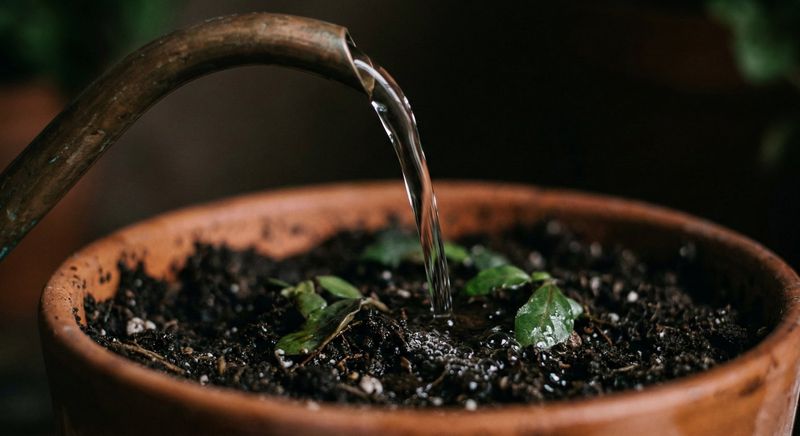
Microscopic roundworms called Steinernema feltiae slip into gnat larvae and release bacteria that stop the pests within days.
I find it oddly satisfying that such tiny allies handle the dirty work hidden beneath my houseplant soil.
These nematodes are sold as a powder or gel that you mix with cool water before applying. They are living creatures, so store them in the refrigerator and use them before the package expiration date.
Pour the mixture onto moist potting soil so the nematodes can swim through the film of water.
Dry soil strands them, while bright sunlight harms them, so evening or indoor applications work best for success.
University extension specialists note these nematodes are safe around people and pets when used according to the label. That makes them a smart option for homes with toddlers crawling near the fiddle leaf fig in the corner.
One application may not be enough, since eggs keep hatching and new larvae appear over several weeks. Many growers repeat the drench after about a week or two to catch the next wave of young larvae.
Garden centers in Georgia sometimes stock them, and online suppliers ship them with cold packs during warmer months.
Open the box quickly on arrival, because heat sitting on a porch can weaken the living cargo inside.
4. Mosquito Bits Soak Away Fungus Gnat Larvae
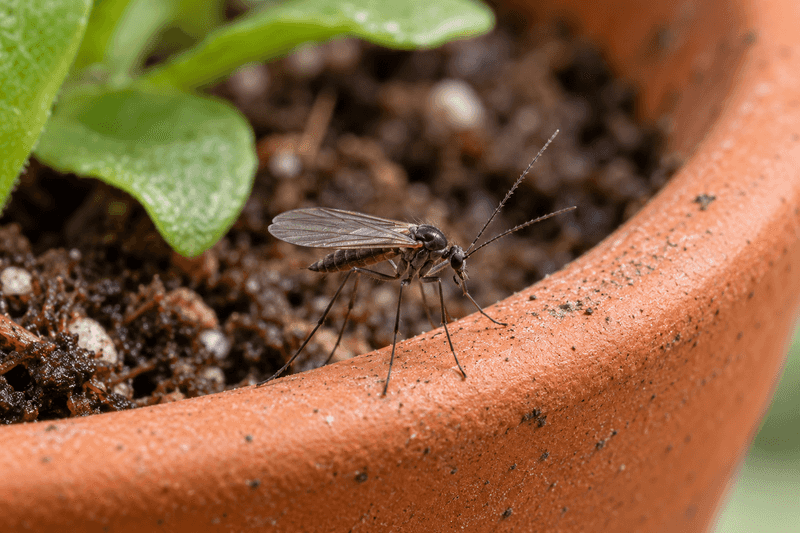
Those little mosquito products for rain barrels hold a secret talent for houseplant soil, and it still surprises friends.
They contain Bacillus thuringiensis israelensis, often called BTI, a natural bacterium that targets the larvae of certain flies.
Gnat larvae swallow the bacterium while feeding, and proteins inside it damage their gut so they stop eating. People and pets are not affected by it, which makes BTI a popular choice among cautious indoor growers.
Granular products like Mosquito Bits work well because you can steep them in water before using them. Check the label, then soak granules in water for about thirty minutes before straining out the bits.
Use that tea every time you water for a few weeks to reach larvae as they hatch. BTI breaks down fairly fast in soil, so steady repeat use matters more than one big heavy dose.
Some gardeners sprinkle granules directly on the soil surface, but soaking spreads the bacteria more evenly through pots. Floating granules can also grow a fuzzy layer of mold, which I personally find a bit unsightly.
Look for products listing Bacillus thuringiensis israelensis specifically, since other BT strains target caterpillars instead of fly larvae.
The wrong strain will sit in your pot doing nothing useful while gnats keep multiplying happily beneath it.
5. A Sand Layer Blocks Gnats From Laying Eggs
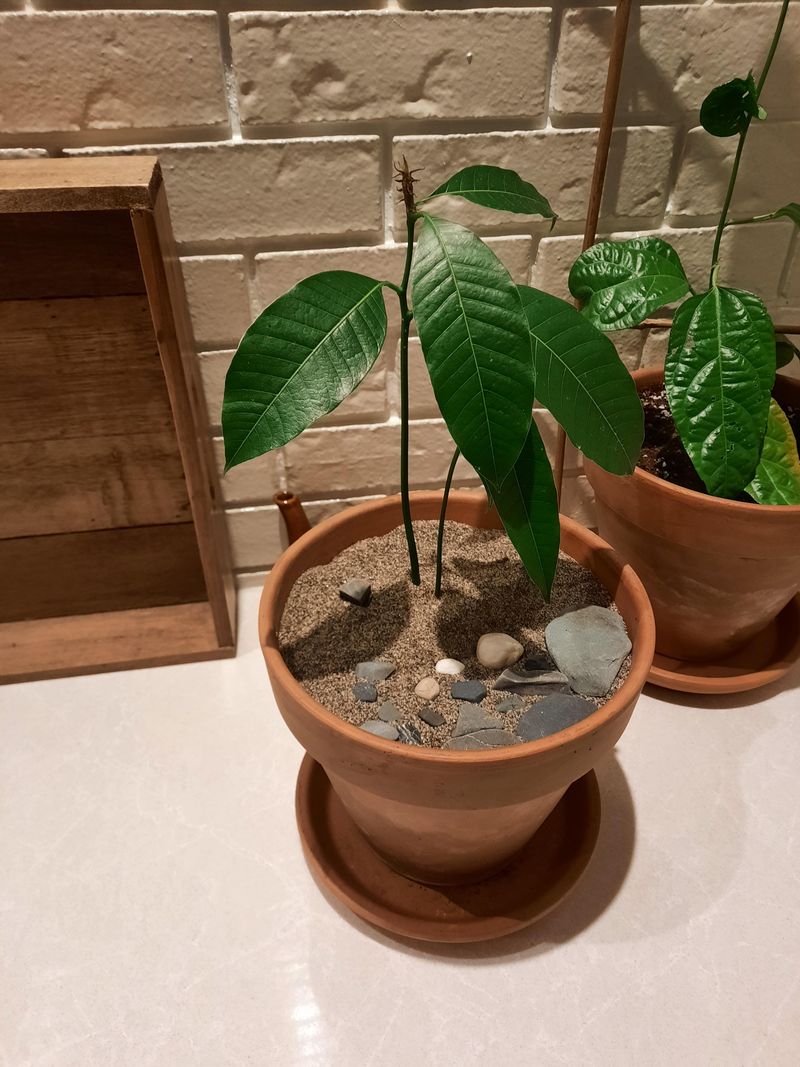
A plain layer of coarse sand on top of potting soil can frustrate egg-laying gnats surprisingly well.
Females want moist organic material at the surface, and dry gritty sand gives them nothing appealing to work with.
Spread about a quarter to half inch of horticultural sand or fine gravel evenly across the surface. Cover the soil right to the pot edges, since gnats will find any small gap you leave behind.
Sand drains quickly and dries faster than potting mix, which keeps the top layer unfriendly to new eggs.
Adults emerging from below may still escape, so combine this barrier with traps for better overall results.
Avoid fine play sand, because it can pack tightly and slow water from soaking into the root zone. Coarse horticultural sand or aquarium gravel lets water pass through easily while still covering the soil nicely.
Some sources suggest diatomaceous earth as a top layer, but it loses effectiveness once it gets wet from watering. I prefer sand for indoor pots because it stays useful no matter how often I water my plants.
Check moisture by poking a finger or wooden skewer through the sand, since the surface can look dry early. The mix underneath may still be wet, and trusting the top alone can lead to accidental overwatering again.
6. Fresh Bagged Potting Mix Keeps New Gnats Out
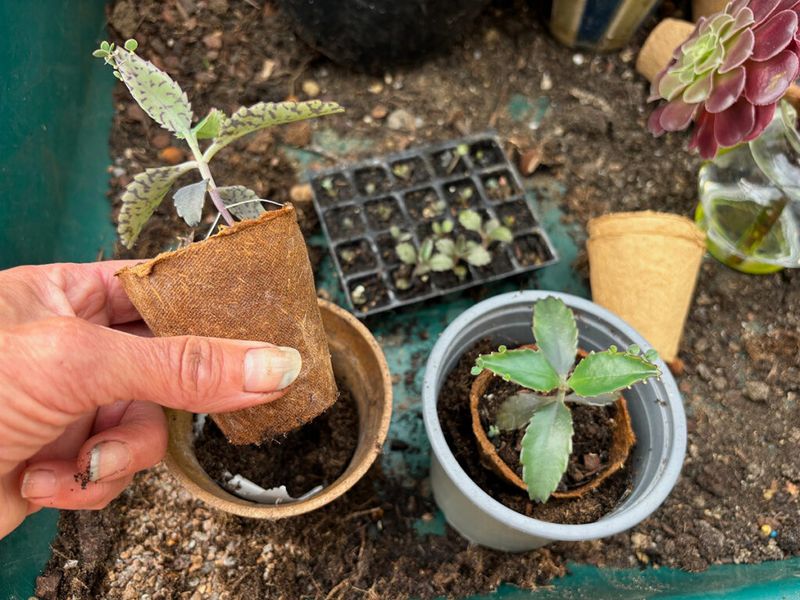
Many gnat problems ride home inside a cute new plant or an open bag of soil from the garage. Potting mix stored damp and uncovered can become a nursery long before it ever reaches your favorite pots.
Buy fresh bags when you can, and seal partly used bags tightly with clips or a storage bin.
Keeping the mix dry until planting day makes it much less attractive to wandering adults looking for egg sites.
Mixes heavy in peat moss or bark compost hold moisture longer, which can favor gnats in shady rooms. Adding perlite improves drainage and air flow, helping the surface dry faster between your regular waterings.
Inspect new plants before they join your collection by checking the soil surface and looking for hovering adults. A simple quarantine of two or three weeks in a separate room keeps surprise pests from spreading fast.
Fallen leaves and old mulch on the soil surface feed fungi, and gnat larvae feed on those fungi. Pick up debris regularly, and you remove a snack bar that keeps the young gnats well fed below.
Repotting heavily infested plants into fresh mix can reset the situation when other methods fail to keep up. Shake off old soil gently, rinse the pot well, and toss the used mix outside into a compost pile.
Personally, I learned this lesson after a clearance rack bargain brought dozens of tiny fliers into my living room.
7. Raw Potato Slices Reveal Hidden Gnat Larvae
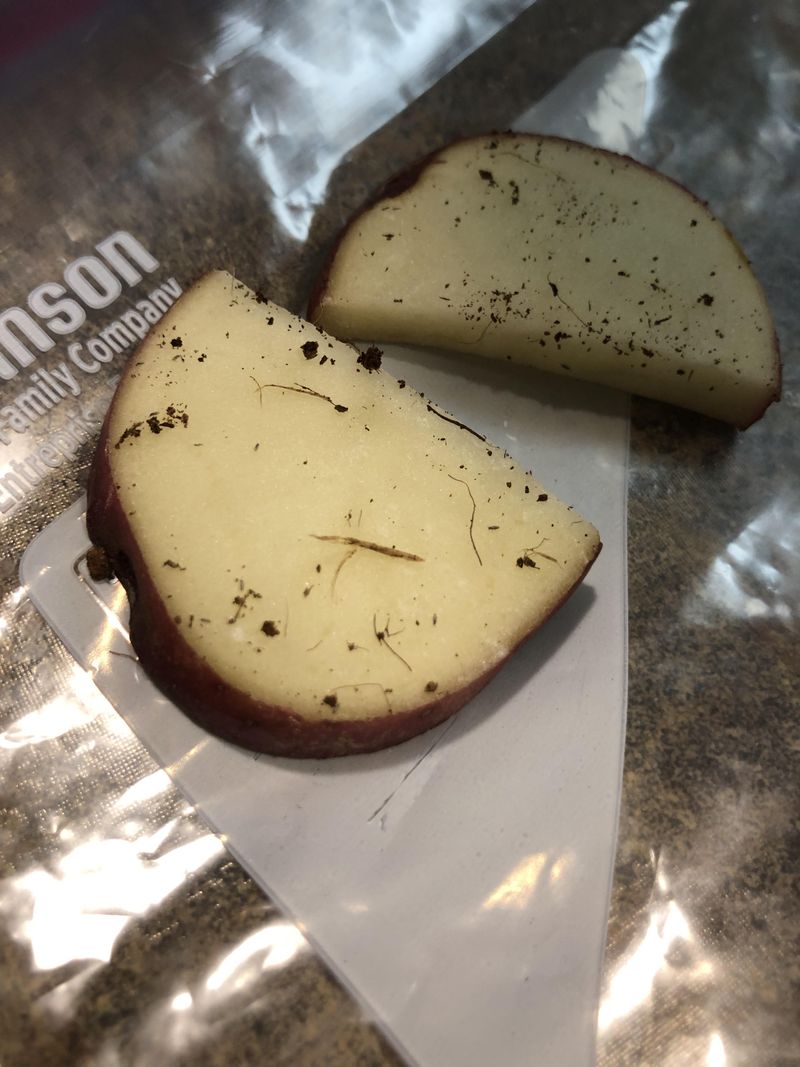
A humble raw potato can work as a spy in your pots, and extension entomologists actually recommend it. Gnat larvae crawl toward the moist slice and feed on its underside, revealing whether trouble lurks below the surface.
Cut a slice about a quarter inch thick, and press it gently onto the soil with the flat side down.
Leave it for roughly four hours to a day, then lift it carefully and peek underneath.
Look for tiny threadlike larvae with clear bodies and shiny black heads clinging to the underside of the slice. A magnifying glass helps, since the larvae are only about a quarter inch long when fully grown.
This check tells you whether gnats are breeding in that pot or simply visiting from a different plant. You can then focus treatments where they matter instead of drenching every pot in your house at once.
Remove slices within a day or two, because a rotting potato will attract more problems than it solves. Toss used slices into the trash or compost outside rather than leaving them near your indoor plants.
Repeat the test after treatments to see whether larvae numbers drop over the following couple of weeks. Seeing a clean slice feels like a tiny victory, and I admit I cheer a little each time.
Kids love helping with this experiment, and it turns pest control into a fun kitchen science lesson.
8. Diluted Hydrogen Peroxide Fizzes Through Damp Soil
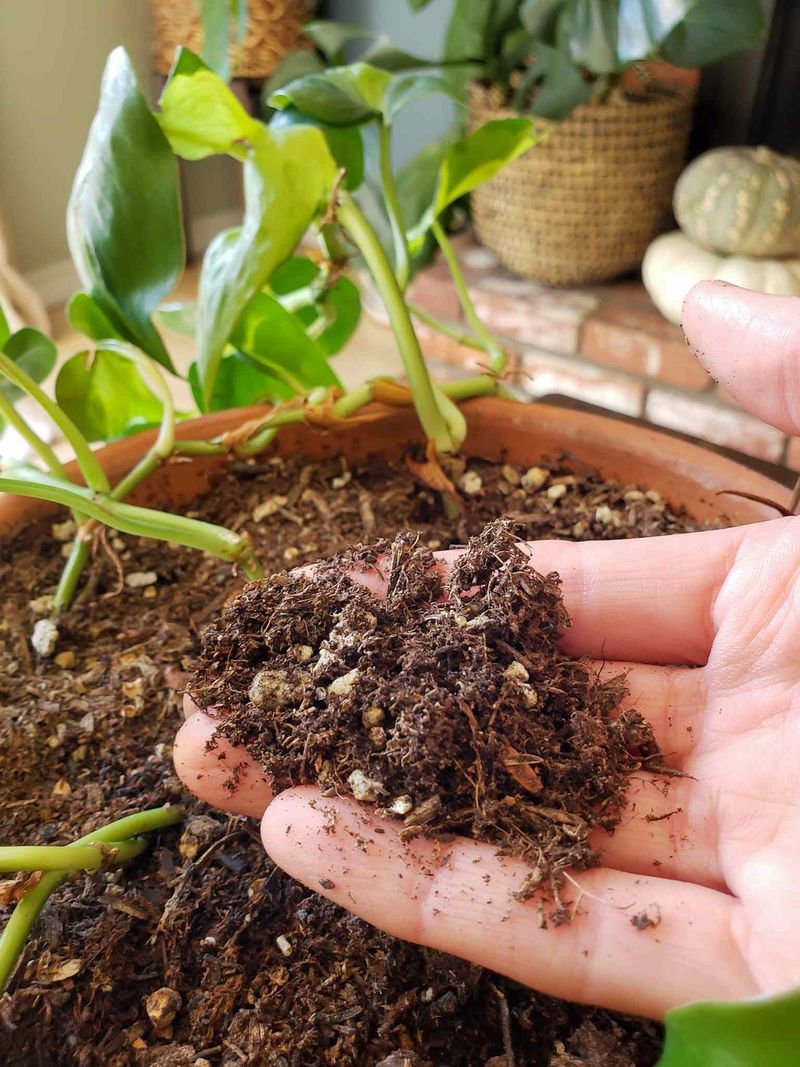
Pour diluted hydrogen peroxide onto potting soil, and you will often hear a faint fizz as it meets organic matter.
Many gardeners swear it helps with gnat larvae, though solid research on houseplants is surprisingly limited so far.
The common recipe mixes one part three percent hydrogen peroxide with four parts water in a clean container. Water the plant with this blend when the top inch of soil has dried, soaking the root zone evenly.
Peroxide breaks down into water and oxygen fairly quickly, so it leaves no lasting protection in the pot. You may need to repeat the treatment after a week or two to reach new larvae as they hatch.
Stronger solutions can damage tender roots, so stick with the diluted mix and test a single plant first.
Skip seedlings and delicate cuttings, since their young roots are more sensitive than established houseplants growing in pots.
I treat peroxide as a backup option rather than my main tool, since BTI and nematodes have stronger evidence. Still, it is cheap and easy to find, which makes it handy when you need a quick response.
Store the brown bottle away from light and heat, because peroxide loses strength quickly once it gets old. An old bottle that no longer fizzes on contact probably will not do much for your gnat problem either.
Combine this drench with drier watering habits and sticky traps, and you attack the life cycle from several angles.