These Are The Georgia Fall Garden Tasks You Should Be Doing Right Now In June
June does not feel anything like fall, which is exactly why so many important garden jobs get pushed aside until it becomes too late to matter.
Summer heat grabs all the attention while fall plans stay stuck somewhere in the background.
Strong fall gardens usually start much earlier than expected. Soil prep, timing, and a few small decisions during early summer can completely change how productive everything becomes later in the year.
Georgia gardeners who wait until temperatures finally cool down often run into weaker growth, shorter harvest windows, and plants that struggle to establish before seasonal changes arrive.
A few simple tasks done right now make the transition into fall gardening much smoother.
The difference becomes obvious once cooler weather finally starts settling in and healthy plants are already ahead of schedule.
1. June Is A Smart Time To Plan Cool-Season Vegetables
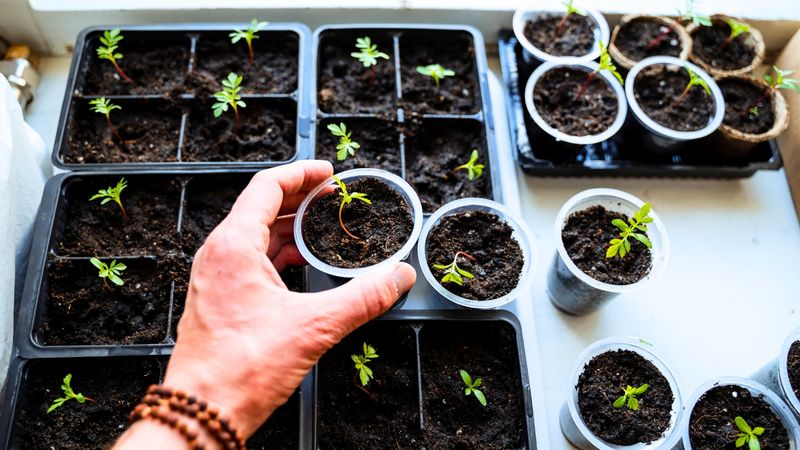
Planning ahead sounds boring until you miss the planting window and have nothing to show for it. Cool-season vegetables like broccoli, collards, kale, and turnips need to be planted at the right time.
In Georgia, that window usually opens in late August through early September.
Back-calculating from that planting date tells you exactly when seeds need to be started indoors. Many brassicas need six to eight weeks of indoor growing before they are ready to transplant.
Start that math now, and June is exactly the right moment to begin.
Write down which vegetables you want to grow. Decide how much space each one needs.
Check last year’s notes if you kept any, and think about what worked and what did not.
Spacing matters more than most new gardeners expect. Crowded plants compete for nutrients and air circulation.
Giving each plant enough room from the start prevents a lot of headaches later in the season.
Sketch a rough bed layout on paper. It does not need to be perfect.
A simple drawing helps you figure out how many transplants you actually need before you start buying seeds randomly.
Planning in June also gives you time to order less common varieties online. Local garden centers often stock limited fall selections.
Getting your list together early means you are not stuck with whatever is left on the shelf in August.
2. Empty Beds Need Clearing While Temperatures Stay Manageable
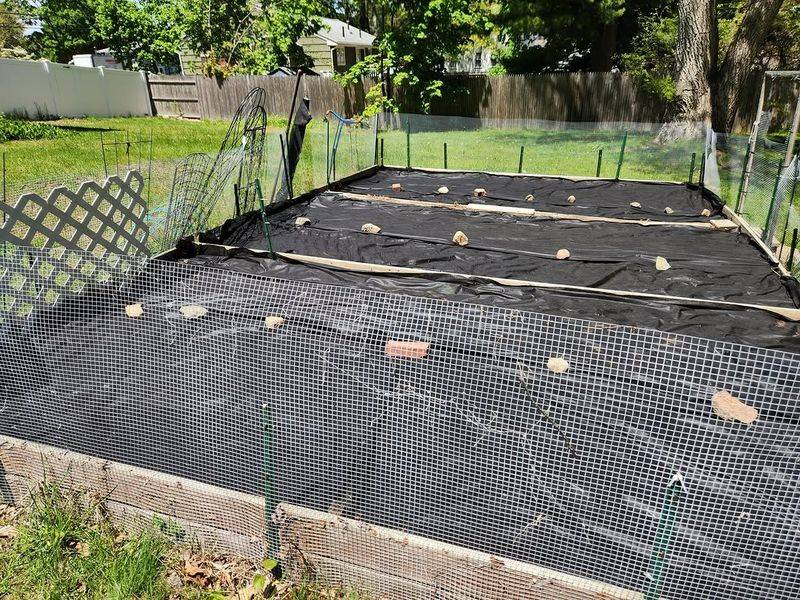
June mornings in Georgia are warm but still workable. By July, spending an hour bent over a garden bed feels punishing.
Clearing out empty or spent beds right now is the smart move while the temperature is still on your side.
Pull out anything that has stopped producing. Old tomato cages, spent lettuce, bolted spinach, and tired pepper plants all need to come out.
Leaving debris in the bed invites pests and fungal issues that will carry over into fall.
Roots matter too. Dig them out rather than just cutting plants at the soil line.
Leaving root systems behind can harbor disease and slow down your soil prep work.
Bag up anything that looks diseased or pest-damaged. Do not add it to your compost pile.
Your Georgia Garden Changes Every Week. Your Plan Should Too.
Gardening in Georgia changes quickly throughout the season. Every Friday you’ll receive a simple weekly plan showing exactly what to plant, prune, fertilize, harvest, and protect so you never miss the right timing.
Healthy plant material can go into compost, but anything suspicious is better off in the trash.
Once the bed is cleared, take a good look at the soil surface. Compaction from foot traffic or heavy watering shows up as a crusty, hard top layer.
A light turn with a fork loosens things up without destroying soil structure.
Clearing beds now also gives you a visual inventory of your space. You can see exactly how many square feet you are working with.
That information feeds directly into your planting plan and helps you decide where each fall crop will go.
3. Added Compost Improves Soil Before Autumn Crops Arrive
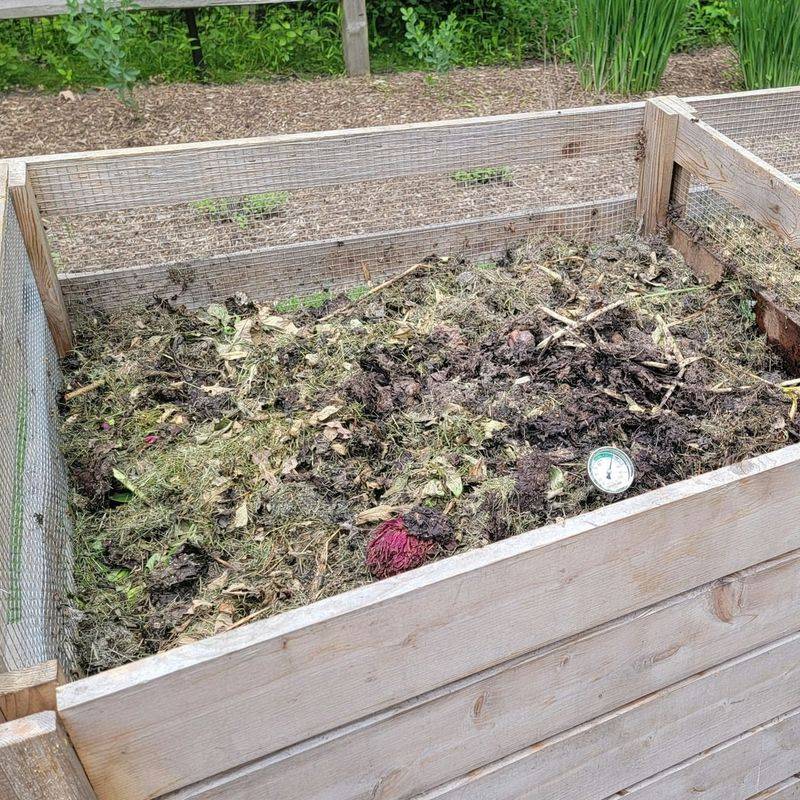
Compost is one of those things that works quietly in the background. Add it now, and your soil will be noticeably different by the time fall transplants go in.
Wait until planting day, and you lose most of that benefit.
Fresh compost needs time to integrate with existing soil. Microbes, earthworms, and natural processes break it down further over weeks.
That biological activity improves drainage, adds nutrients, and builds the kind of loose, crumbly texture that roots love.
Aim for two to three inches spread evenly across the bed surface. Work it into the top six inches with a garden fork or tiller.
You do not need to go deeper than that for most vegetable crops.
Homemade compost works great if you have it ready. Bagged compost from a garden center is a perfectly reasonable alternative.
Look for compost made from aged wood materials, food scraps, or yard waste rather than products that are mostly filler.
Avoid adding compost that still smells strongly of ammonia or raw materials. That means it has not finished breaking down.
Unfinished compost can actually pull nitrogen out of your soil temporarily as it continues decomposing.
One application in June gives microbes six to eight weeks to work before your fall crops arrive. That is enough time for meaningful improvement.
Your transplants will show the difference through stronger early growth and more consistent color.
4. Soil Testing Now Helps Avoid Nutrient Issues Later
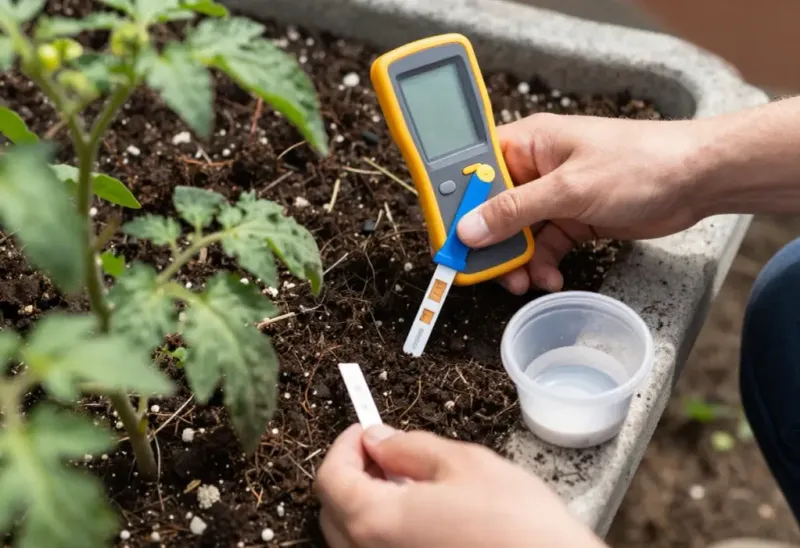
Guessing at soil problems is expensive. You end up buying amendments you might not need or missing the one thing that is actually holding your plants back.
A soil test removes the guesswork entirely.
Collect samples from several spots across each bed. Mix them together in a clean bucket.
Send about a cup of that blended sample for testing. Single-spot samples can give you a skewed reading.
The results will show pH, phosphorus, potassium, calcium, magnesium, and sometimes organic matter levels. Each number tells you something specific about what your soil can and cannot support.
pH is often the biggest surprise for new gardeners. Most vegetables prefer a range between 6.0 and 6.8.
Soils outside that range lock up nutrients even when those nutrients are physically present in the ground.
Lime raises pH in acidic soils, but it takes time to work. Applying it in June gives it several weeks to adjust the soil chemistry before fall crops go in.
Sulfur lowers pH if your soil runs too alkaline, though that situation is less common in this region.
Acting on test results now is far more effective than scrambling to fix nutrient problems after transplants are already in the ground.
5. Popular Seed Varieties Become Harder To Find By August
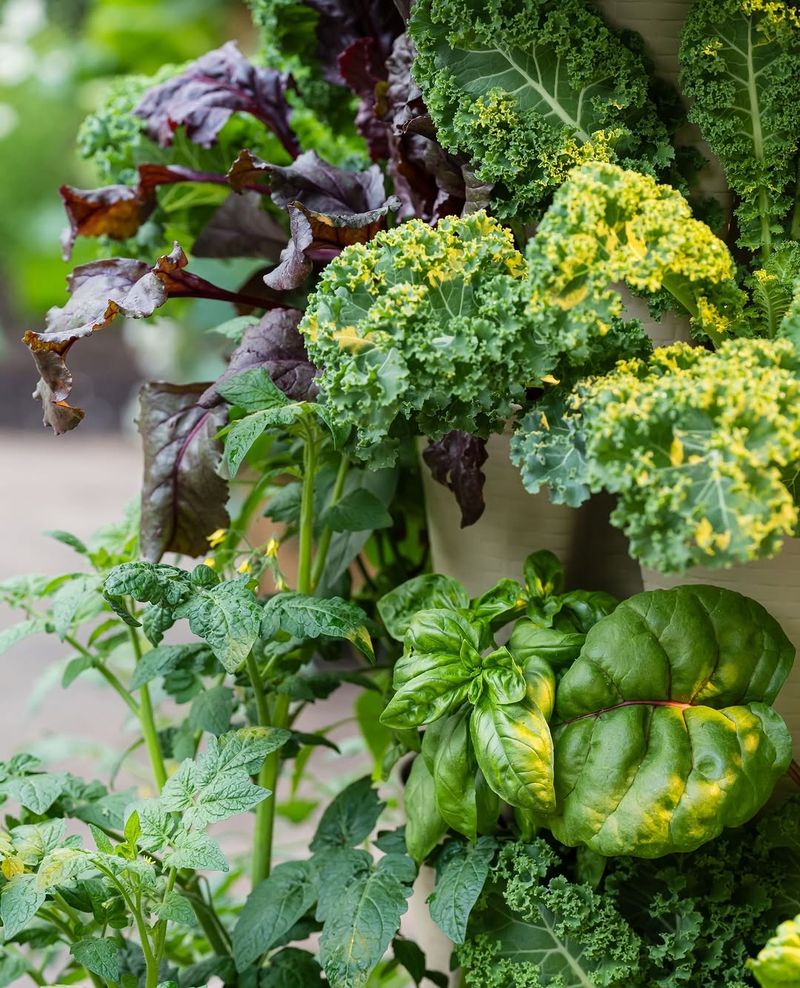
Seed shopping in August is a frustrating experience. Shelves are picked over, popular varieties are sold out, and online suppliers often have long backorder lists.
Buying seeds in June sidesteps all of that stress.
Specific varieties matter more than most people think. Not every broccoli or kale cultivar performs the same in the Southeast’s heat and humidity.
Some varieties have been bred specifically for warm-climate fall growing and handle the transition from summer much better than others.
Look for heat-tolerant brassicas if you plan to start transplants while it is still hot outside. Varieties labeled as bolt-resistant or heat-tolerant are worth the extra attention when reading seed descriptions.
For collards, Georgia Southern is a classic variety that has been grown in this region for generations. It handles late heat well and produces heavily through winter.
Availability tends to drop at local stores as summer goes on.
Buying early also gives you flexibility. If a variety you ordered does not arrive or arrives late, you still have time to find an alternative.
That buffer disappears completely if you wait until late summer.
Store seeds in a cool, dry place until you are ready to use them. A sealed container in an air-conditioned room works fine.
Avoid leaving seed packets in a hot garage or shed, where heat and humidity can reduce germination rates before you even plant them.
6. Worn-Out Mulch Should Be Refreshed During Early Summer
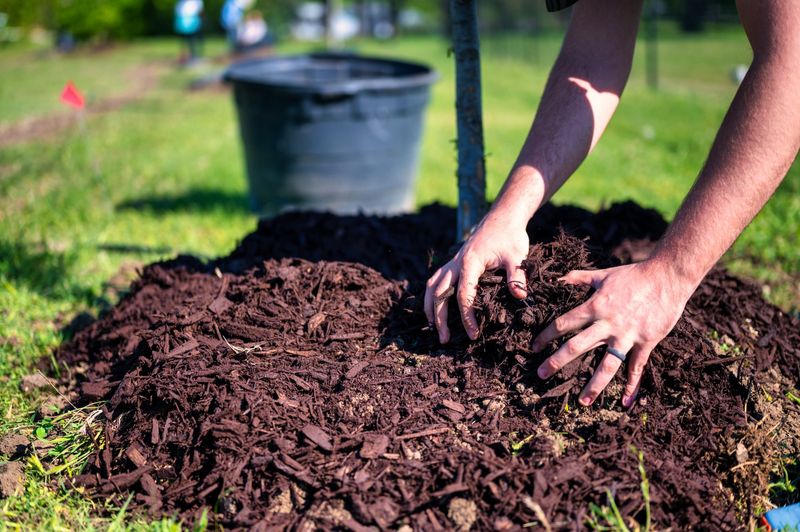
Old mulch breaks down over the growing season. What started as a three-inch layer in spring is often a thin, matted mess by June.
Refreshing it now protects soil moisture during the hottest months and sets beds up well for fall.
Thin or degraded mulch stops working. It no longer insulates roots from temperature swings.
Bare soil heats up fast in summer sun and loses moisture quickly between waterings.
Rake out the old layer before adding new material. Check underneath for pest activity, fungal growth, or matting that blocks water penetration.
Address those issues before covering them back up with fresh mulch.
Wood chips, straw, and pine straw are all solid choices for vegetable beds. Each has slightly different properties.
Straw breaks down faster and adds organic matter more quickly. Wood chips last longer but decompose more slowly.
Apply new mulch at about two to three inches deep. Keep it pulled back slightly from plant stems and any seedlings that are still in the ground.
Mulch piled against stems holds moisture against the plant and can cause rot.
Fresh mulch in June also suppresses weeds that would otherwise compete with fall transplants. Fewer weeds mean less work in August and September.
It also keeps soil temperatures more stable as the season shifts, which helps young fall crops establish roots without stress from wild temperature swings.
7. Weak Spring Vegetables Need Removal Before Replanting Starts
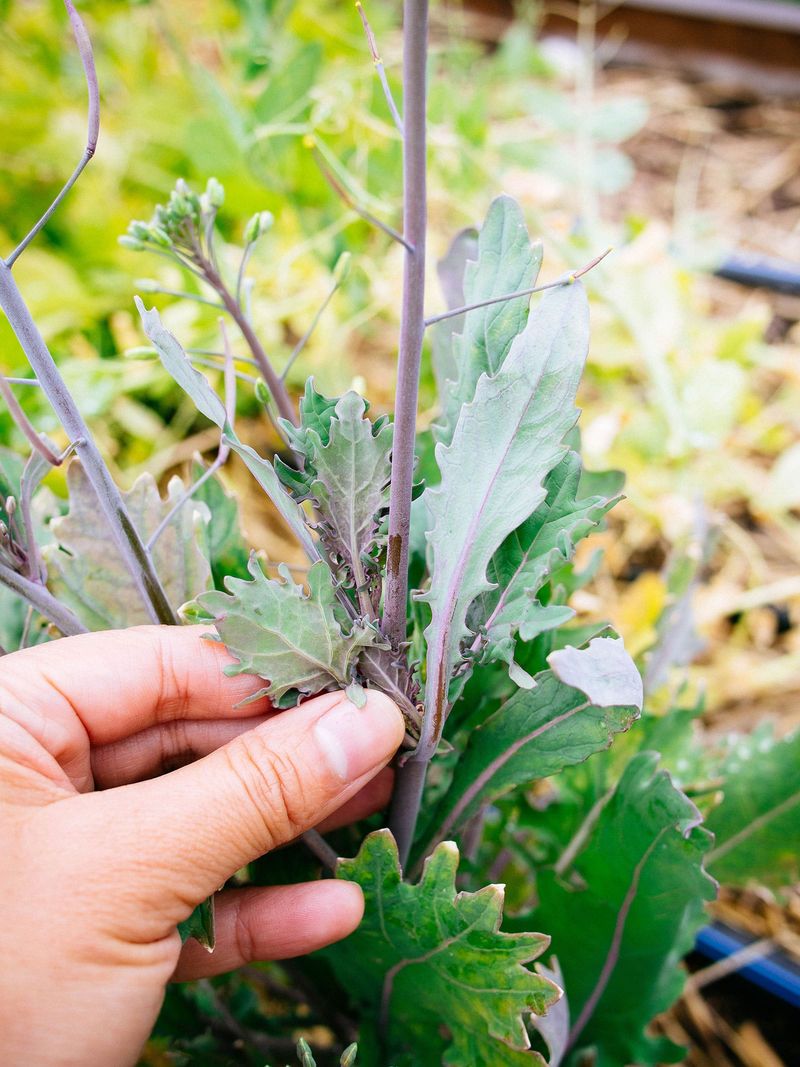
Bolted lettuce, spent peas, and struggling tomatoes that never took off are taking up space you need for fall crops. Holding onto weak plants out of hope rarely pays off.
Clearing them now is a practical decision, not a defeat.
Bolting happens when cool-season crops respond to rising temperatures by shifting energy into flowering and seed production. Leaves turn bitter.
Growth stalls. At that point, the plant has done what it is going to do.
Pull bolted plants completely. Check the root zone for any signs of rot, pests, or disease.
Healthy roots with no visible problems mean the bed is clean and ready for prep work.
Some gardeners leave struggling warm-season plants in place hoping they will rebound. That is sometimes reasonable, but be honest about what you are seeing.
A tomato plant that has not set fruit by June and shows signs of disease or pest damage is unlikely to turn around.
Removing weak plants also improves airflow across the garden. Dense, struggling vegetation creates humid pockets that encourage fungal problems.
Opening up space lets air move more freely and reduces that risk.
Once plants are out, do a quick check of the bed structure. Look for signs of drainage issues, spots where water pools, or areas where soil has become heavily compacted.
Fixing those structural problems now is much easier than trying to work around them when fall transplants are already in the ground.
8. Drip Lines Need Inspection Ahead Of Young Fall Crops
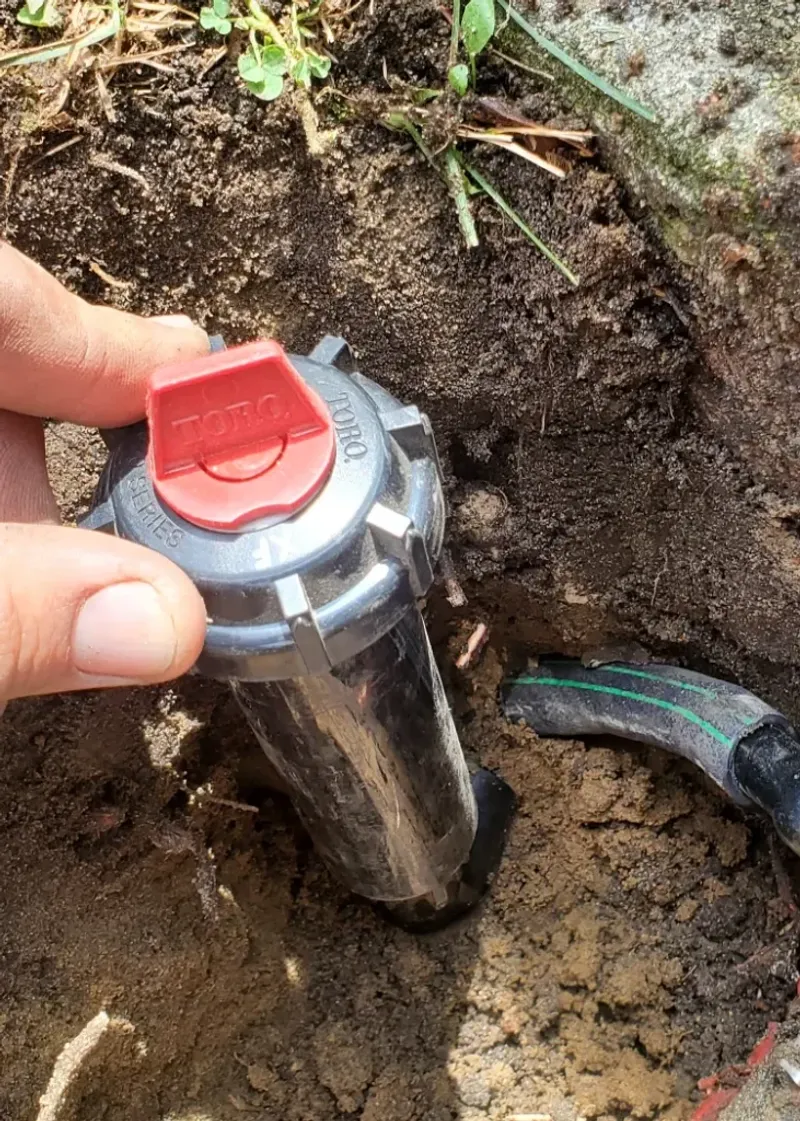
Young transplants have shallow roots. They cannot chase moisture deep into the soil the way established plants can.
Consistent, reliable watering during their first few weeks is critical, and a drip system with clogged or broken emitters will let you down at the worst moment.
Check every emitter for blockages. Minerals in tap water build up over time and restrict flow.
A clogged emitter delivers little to no water right at the root zone while the rest of the system runs normally.
Flush the lines before inspecting individual emitters. Turn the system on and watch for uneven flow, dripping connections, or sections that do not seem to be delivering water.
Low spots in the line can also collect sediment and cause problems.
Replace any emitters that look cracked, corroded, or visibly clogged. They are inexpensive and easy to swap out.
Leaving a bad emitter in place means gambling with a transplant that has no backup water source.
Check timer settings and battery levels if your system runs on an automated controller.
A drained battery or outdated timer can leave fall seedlings without water during hot September weather.
Pressure matters too. Low pressure reduces coverage and leaves some plants dry.
High pressure can blow emitters off or cause uneven distribution. A simple pressure gauge helps you confirm the system is operating within the recommended range for your specific setup.