The Virginia Hydrangea Chore to Finish Before Frost for Bigger Spring Blooms
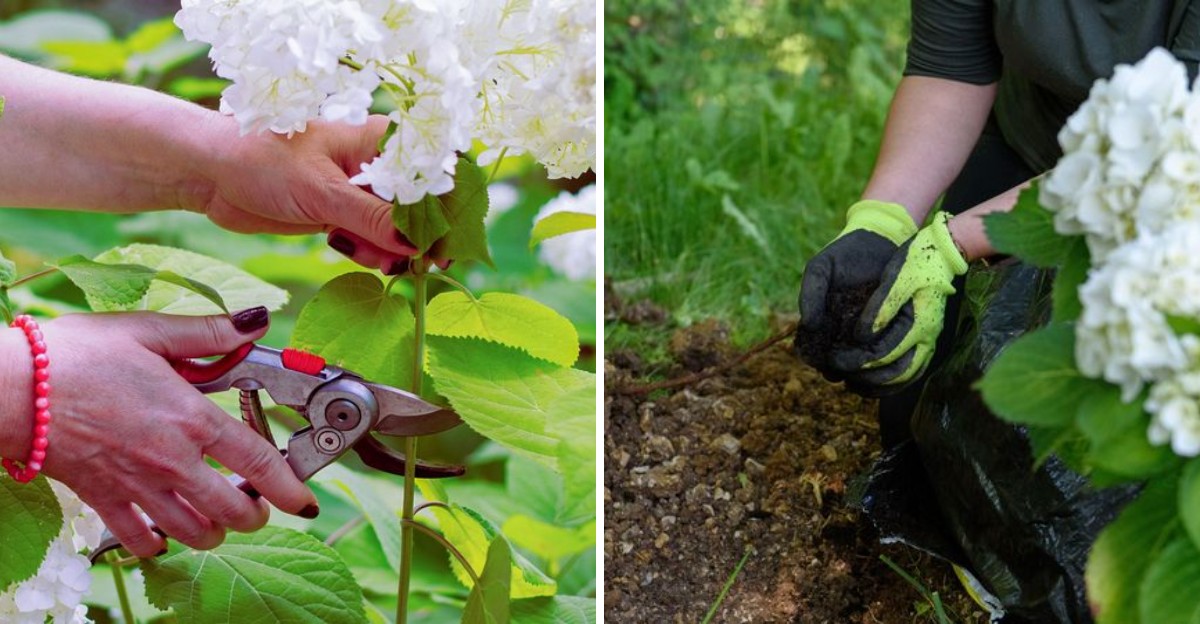
Next spring’s hydrangea flowers are already tucked inside the stems in your yard right now. They sit there as tiny buds, waiting out the winter like seeds in a pocket.
What I find interesting is how many gardeners snip them off without knowing it.
The air turns crisp, the shrub looks scraggly, and the shears come out. One tidy afternoon can quietly cancel a whole season of blue and pink blossoms.
Here in Virginia, the first fall frost often shows up between late October and mid-November.
That gives you a short window to get one simple job done right. It takes less effort than raking leaves, and your future self will thank you.
So what is the real chore? I’ll give you a hint.
It involves a hose, a pile of shredded bark, and a lot of willpower around your pruners.
1. Those Hydrangea Flower Buds Are Already Hiding on the Stems
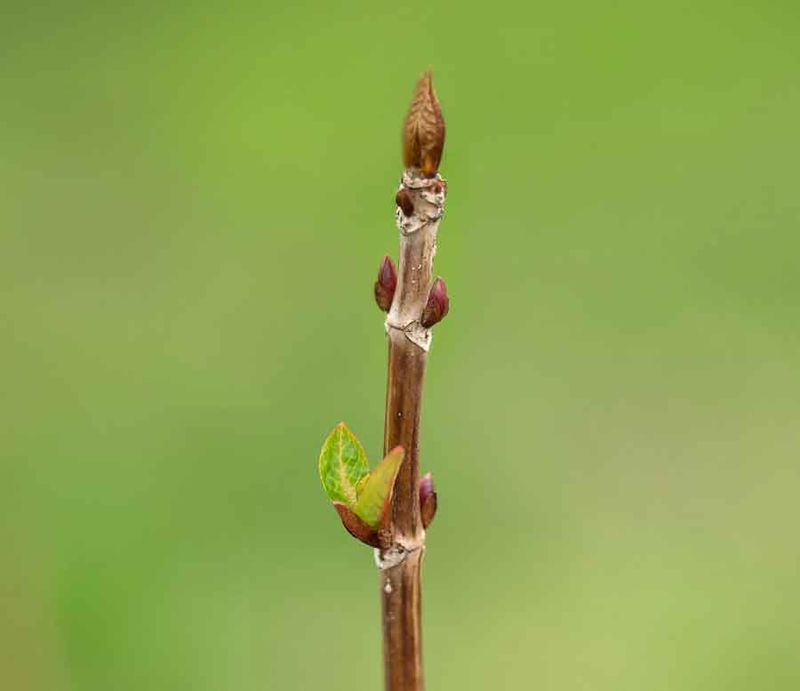
Grab a bigleaf hydrangea stem this month and look closely at the tip. You’ll likely spot a fat, pointed bud that looks a lot like a tiny green or reddish arrowhead.
That little bump is next year’s flower show. Bigleaf hydrangeas form their flower buds in late summer and early fall on stems that grew this year.
Gardeners call this blooming on old wood, and it explains almost every hydrangea mystery you’ve ever wondered about.
Other hydrangeas play by different rules. Smooth and panicle types bloom on new wood, which means they grow fresh stems in spring and flower on those same stems a few months later.
Their buds don’t exist yet in fall, so there is nothing to lose.
So the big pre-frost chore isn’t one dramatic task. It’s a short list of protective steps that keep those hidden buds and roots safe through winter.
Knowing your hydrangea type comes first, because it decides whether you trim, wait, or wrap.
Here’s a quick way to tell them apart. Bigleaf types have round mopheads or flat lacecaps and thick, glossy leaves.
Oakleaf types have leaves shaped like oak leaves. Panicles have cone-shaped flower clusters, and smooth hydrangeas like Annabelle have big white snowball blooms.
Once you know which one you’ve got, the rest of fall care gets a lot less confusing. Snap a photo of your plant and its tag if you still have it.
That little bit of detective work pays off for years.
2. Put the Pruning Shears Away for Bigleaf and Oakleaf Hydrangeas
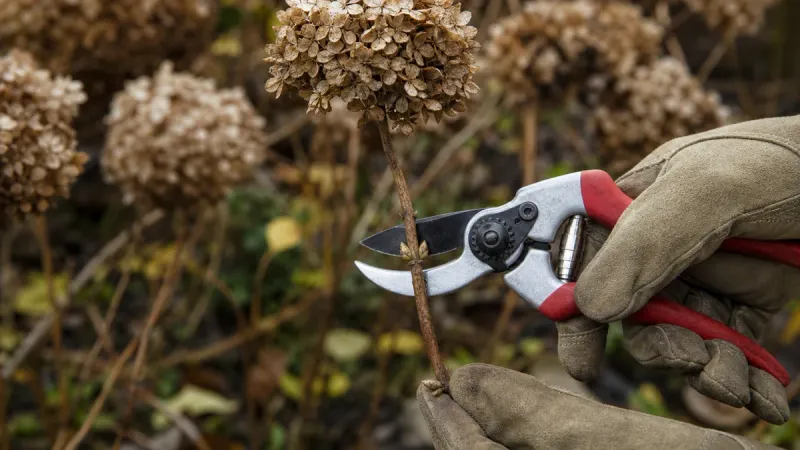
Honestly, the smartest move for most old-wood hydrangeas in fall is doing nothing with your pruners. That’s the hardest chore of all for tidy gardeners like me.
Virginia Cooperative Extension advises pruning bigleaf and oakleaf hydrangeas right after they finish flowering in summer. Cutting them in fall, winter, or early spring removes the buds that would have opened into flowers.
Lots of folks blame the weather for a bloomless year when the real cause was an autumn haircut.
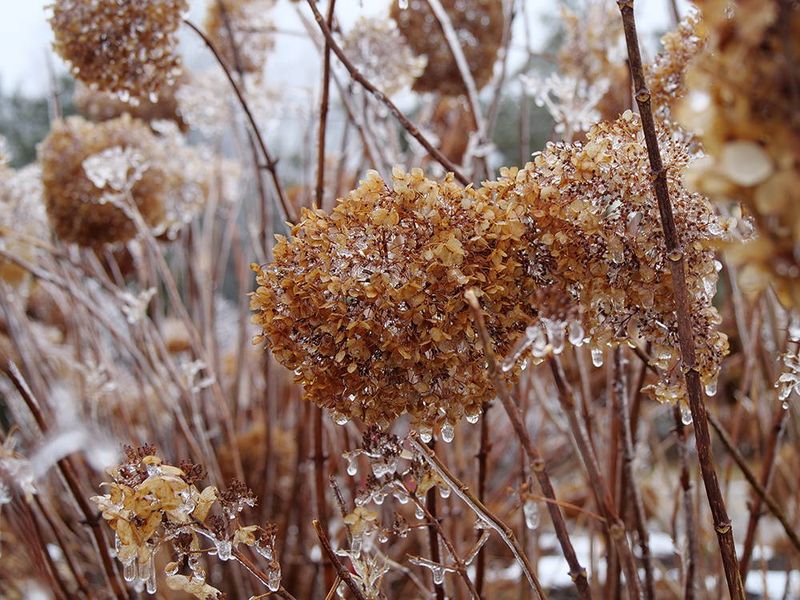
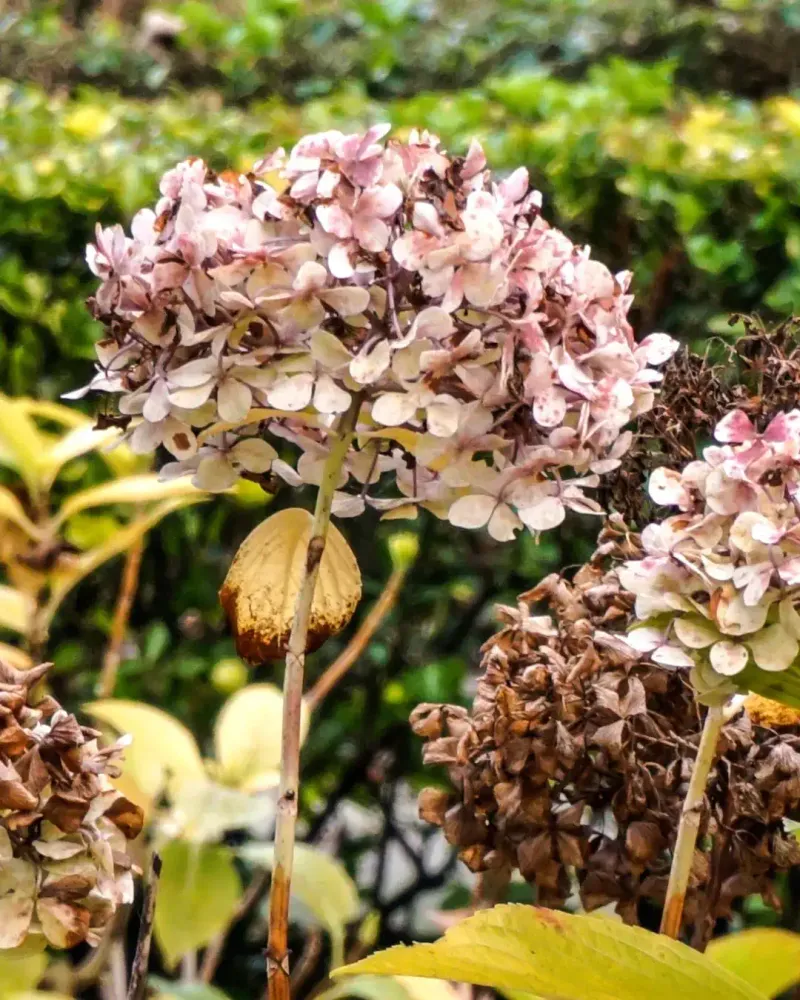
Those faded mophead flowers can stay put too. Many gardeners leave them on through winter because they look lovely dusted with frost.
Some growers also believe the old blooms give a little shelter to the buds below, though that benefit is modest.
What can you safely remove? Broken stems, branches that are clearly lifeless, and anything rubbing or damaged can be cut back to healthy wood.
Just keep it minimal, and save bigger shaping for after next summer’s bloom.
Reblooming bigleaf types, like the Endless Summer series, can flower on both old and new wood. They’re a bit more forgiving if you trim by mistake.
Even so, leaving them alone in fall gives you the earliest and biggest spring and early summer show.
Oakleaf hydrangeas are native to the Southeast and pretty tough. Their peeling bark and red fall leaves add winter interest, so skipping the trim is a win for your yard’s looks as well.
3. A Deep Soak Before the Ground Gets Cold
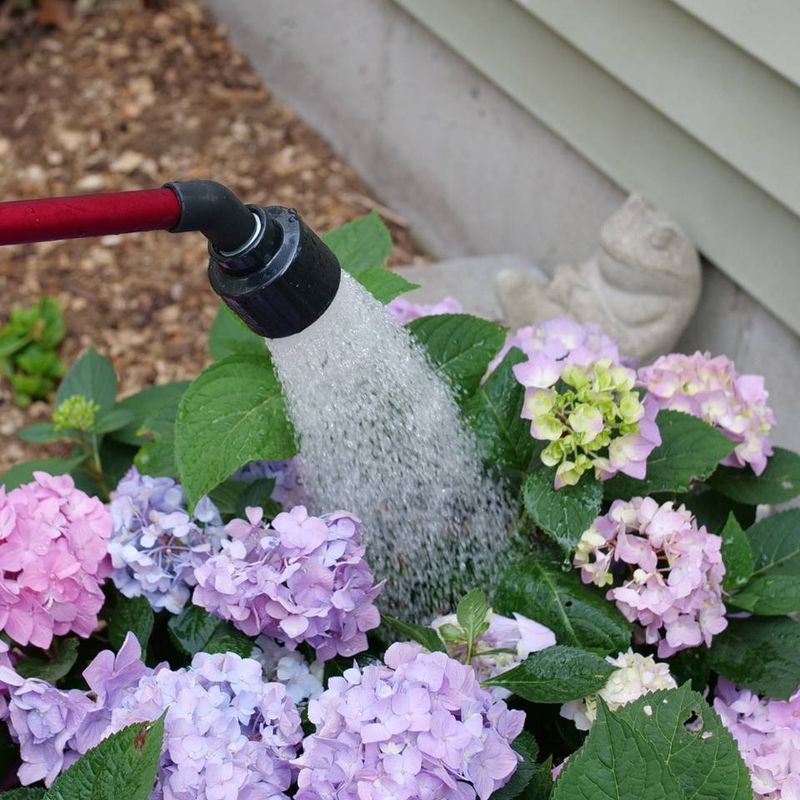
Hydrangeas got their name from water for a reason. The word comes from Greek roots meaning water vessel, and these shrubs live up to it.
A dry fall can stress them more than you’d expect. Virginia autumns sometimes bring long stretches without much rain, and roots keep working until the soil gets cold.
Plants that head into winter thirsty are more likely to suffer from drying winds and lose buds or stem tips.
The fix is simple and kind of relaxing. Give each shrub a slow, deep drink at the base, aiming to soak the root zone several inches down.
A soaker hose or a hose on a slow trickle for 20 to 30 minutes works well for an established plant.
Check the soil first by pushing a finger a couple of inches down. If it feels dry, water.
If it’s already damp from recent rain, skip it, since soggy soil can lead to root problems.
Keep this up every week or so during dry spells until the soil starts to freeze or the plant goes fully dormant. Water in the morning so the leaves and soil surface aren’t wet overnight.
Don’t worry about fertilizing now. Feeding in fall can push tender new growth that frost easily damages.
Water alone is what your hydrangea needs as it settles in for its winter nap.
4. Tuck a Cozy Mulch Blanket Around Hydrangea Roots
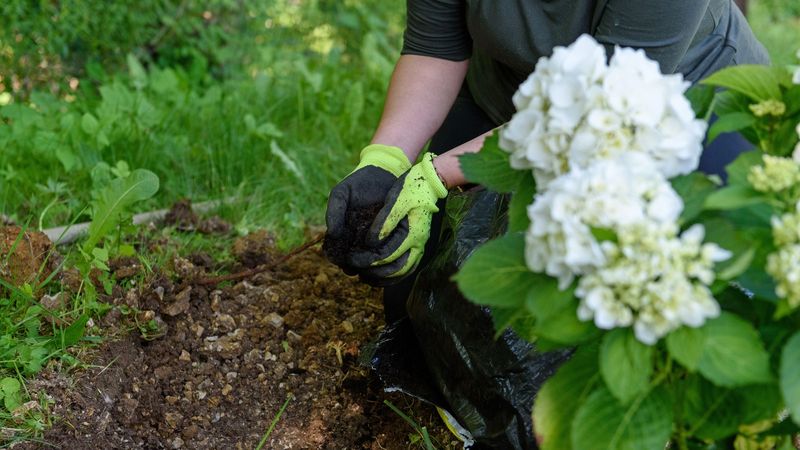
Think of mulch as a fuzzy winter blanket for the roots. It’s cheap, easy, and does a surprising amount of work while you sit inside sipping cocoa.
A 2 to 3 inch layer of shredded hardwood, pine bark, or chopped leaves helps hold moisture in the soil. It also evens out soil temperatures, which matters a lot in Virginia, where winter can swing from mild afternoons to hard freezes in the same week.
Those swings can heave soil and stress shallow roots.
Spread the mulch out to the edge of the branches if you can. Keep it pulled back an inch or two from the stems, though.
Mulch piled against the bark can trap moisture and invite rot or nibbling critters like voles.
Your own fallen leaves make a terrific free option. Run them over with the mower first so they break down faster and don’t mat into a soggy layer.
Oak leaves are especially nice because they hold their shape.
Timing is flexible. Many gardeners spread mulch after the first light frost, once the soil has cooled a bit.
Doing it earlier is fine too, especially if you’re mulching right after a deep watering.
Come spring, you can leave most of it in place. It’ll slowly break down and feed the soil, which helps your hydrangeas grow stronger every year.
5. Panicle and Smooth Hydrangeas Can Handle a Trim
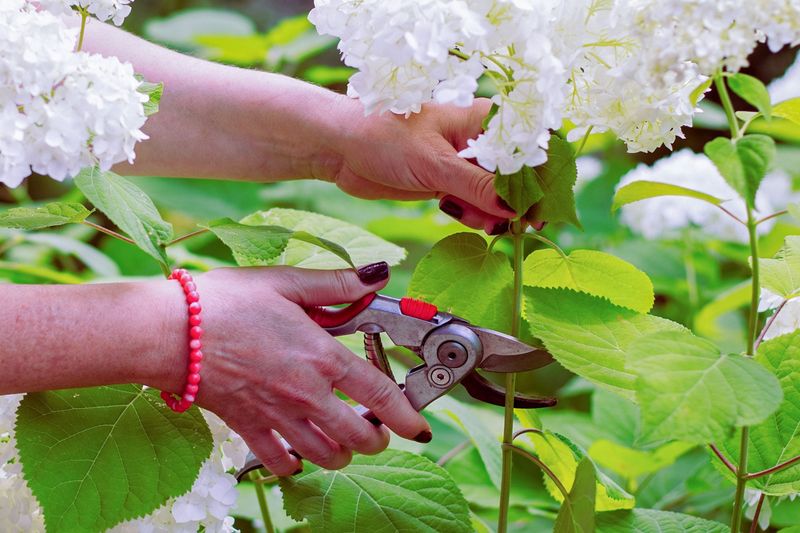
Some hydrangeas couldn’t care less when you prune them in the dormant season. Panicle types like Limelight and smooth types like Annabelle grow their flowers on brand new spring stems.
That gives you breathing room. Extension experts generally recommend pruning these in late winter or early spring, before new growth starts.
Cutting them then often leads to strong stems and big flower clusters by summer.
Can you trim them in fall instead? Yes, once they’re dormant, a fall cut won’t cost you any blooms.
Some gardeners prefer this because heavy snow can bend or snap floppy stems, especially on Annabelle.
Still, I’d lean toward waiting if you can stand it. The dried cone flowers on panicle hydrangeas look gorgeous in winter, and birds sometimes perch among the stems.
Late winter pruning also lets you see and remove any winter damage at the same time.
If you do cut smooth hydrangeas, many gardeners take them down to about 12 to 18 inches. Panicles do better with a lighter touch, removing about a third of their height and thinning weak or crossing branches.
A tip that helps a lot: leave a slightly taller framework on panicles. Thicker stems support those heavy summer blooms so they don’t flop after a rain.
Your future summer bouquets will stand up straight and proud.
6. Burlap Wraps Can Shield Bigleaf Hydrangea Buds From Hard Freezes
A single bitter night can do what no gardener intends. Bigleaf hydrangea buds are the most tender part of the plant, and a sharp cold snap can brown them before spring.
Gardeners in the colder corners of the state notice this most. The Blue Ridge and Shenandoah Valley see harder winters than Richmond or Virginia Beach.
Exposed, windy spots also dry out buds faster than sheltered ones near a house.
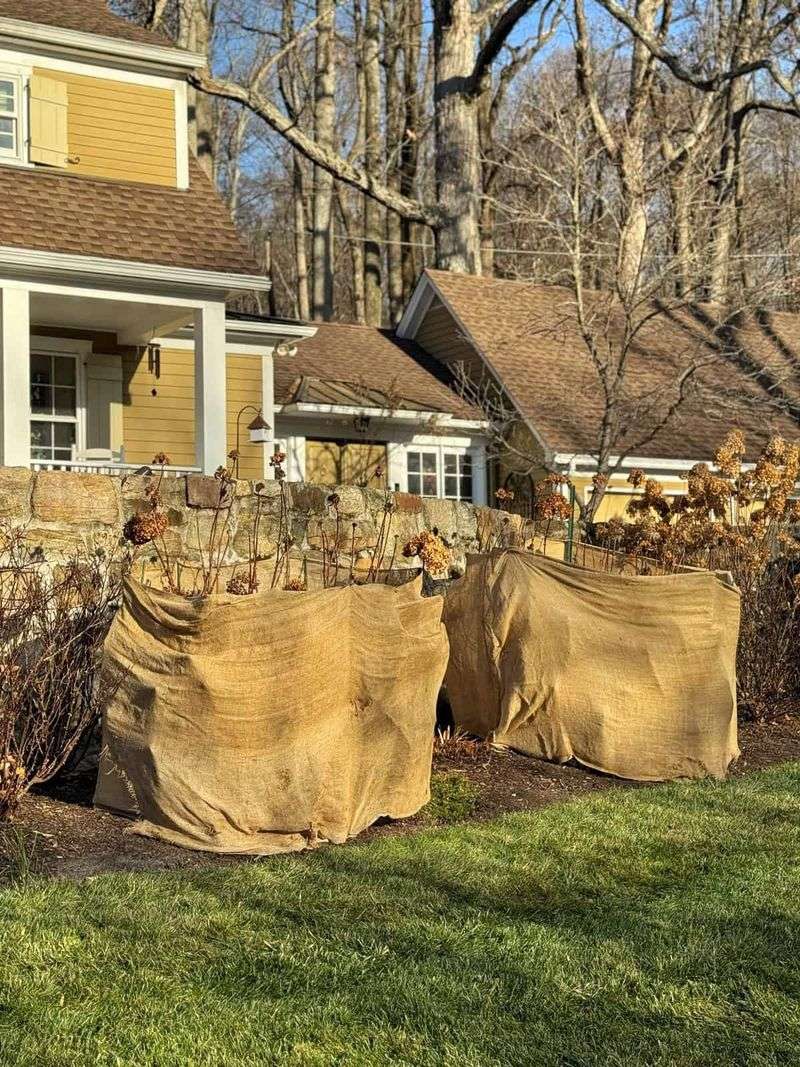
So when forecasts call for temperatures dropping into the teens or lower, a little shelter helps. Pound three or four stakes around the shrub and wrap burlap around them like a loose fence.
Some gardeners fill the space inside with dry leaves for extra insulation.
Avoid wrapping plastic directly against the plant. Plastic traps heat on sunny days and moisture at night, which can actually hurt the buds.
Breathable burlap or frost cloth is the safer pick.
Late spring frost can be just as sneaky. After buds swell in March or April, one chilly night can nip them.
Keep an old sheet or frost cloth handy and toss it over the shrub in the evening, then remove it the next morning.
Coastal gardeners may skip wrapping in most years. Watch your local forecast and decide based on your yard.
A little extra fuss on the coldest nights can mean far more flowers in June.
7. Frost Arrives at Different Times Across Virginia Hydrangea Gardens
Mountain gardeners and beach gardeners live on very different calendars. That matters a lot when you’re planning your fall hydrangea chores.
Virginia spans USDA zones from about 5b in the high mountains to 8a near the southeastern coast. First frost often shows up in mid to late October in the western highlands.
Around Richmond, it tends to land in late October or early November, while Norfolk often waits until mid-November or later.
A smart plan works backward from your local average. Start your deep watering and mulching a couple of weeks before your expected first frost.
That way roots are moist and protected before cold weather really settles in.
Online frost date tools and your county Extension office can give you a solid local estimate. Just keep in mind these dates are averages, not promises.
Some years bring an early surprise, while others stay mild well into December.
Your own yard has its quirks too. Low spots collect cold air and often frost first.
A bed near a brick wall or on a slope may stay a few degrees warmer.
I like jotting down the first frost each year in a little garden notebook. After a few seasons, you’ll know your yard’s timing better than any chart.
That knowledge makes every fall chore easier to schedule.
8. Your Quick Fall Hydrangea Checklist for a Bloom-Packed Spring
After all that, the winning formula fits on a sticky note. You can finish it in one cool, sunny weekend afternoon.
First, figure out which hydrangeas you have. Bigleaf and oakleaf types bloom on old wood, so keep pruners away except for broken or lifeless stems.
Panicle and smooth types bloom on new wood and can be trimmed in late winter or after dormancy.
Next, water deeply if fall has been dry. Then spread 2 to 3 inches of mulch over the root zone, keeping it off the stems.
Skip fertilizer until spring, when new leaves start to appear.
Watch the forecast for extreme cold. Have burlap and stakes ready for bigleaf shrubs in exposed or colder spots.
Keep a frost cloth handy for chilly spring nights after the buds swell.
One more tip that saves future heartache: label your shrubs. A simple plant marker with the hydrangea type keeps you or a helpful family member from making a pruning mistake next fall.
Finally, be patient. Even with perfect care, a weird winter can sometimes trim the bloom count.
Most years, though, these small habits add up to fuller shrubs and more flowers. There’s nothing quite like walking outside in June to big, happy blooms that you helped protect all winter long.